
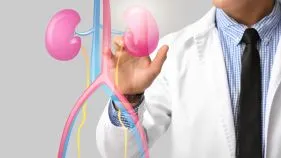
Fetal Kidney Problems: Causes, Ultrasound Findings, Diagnosis and Treatment

Fetal Kidney Problems: Causes, Ultrasound Findings, Diagnosis and Treatment

Introduction

Finding a possible fetal kidney problem during pregnancy can be worrying for parents. In many cases, an abnormal finding on a routine prenatal ultrasound does not necessarily mean that the baby will have permanent kidney disease. Some findings are mild and may resolve before birth or shortly after delivery, while others require closer monitoring and specialist care.

The fetal kidneys play an important role in pregnancy. They produce urine, which contributes significantly to the amniotic fluid surrounding the baby. The kidneys and urinary tract also develop progressively throughout pregnancy, so ultrasound findings can vary depending on the baby's gestational age.

Fetal kidney problems may include conditions such as hydronephrosis, enlarged kidneys, cystic kidney abnormalities, abnormalities of the urinary tract, or reduced kidney development. Early identification helps doctors determine the severity of the condition and plan appropriate prenatal and postnatal care.

At Prabhakar Bhurke Clinic, a super specialist nephrologist, Dr. Sandip Prabhakar Bhurke, provides expert evaluation of kidney-related conditions and helps coordinate care when fetal or newborn kidney abnormalities require specialist assessment.


What Are Fetal Kidney Problems?

Fetal kidney problems refer to abnormalities affecting the kidneys or urinary system of a developing baby before birth.

These abnormalities may involve:

  • Kidney structure

  • Kidney size

  • Urine production

  • Urine drainage

  • Development of the urinary tract

  • Formation of kidney cysts

  • Development of one or both kidneys

Some abnormalities are detected during the routine anomaly scan or prenatal ultrasound, while others may become apparent during later pregnancy scans.

The significance of a finding depends on factors such as gestational age, whether one or both kidneys are affected, the amount of amniotic fluid, and whether other abnormalities are present.


How Are Fetal Kidney Problems Detected?

A prenatal ultrasound is the main method used to identify many fetal kidney and urinary tract abnormalities.

During an ultrasound examination, doctors may assess:

  • Presence of both kidneys

  • Kidney size and appearance

  • Kidney structure

  • Renal pelvis

  • Bladder filling and emptying

  • Amniotic fluid volume

  • Possible urinary tract obstruction

  • Other fetal organs and structures

A finding on ultrasound does not always provide a final diagnosis. Additional scans or specialist evaluation may be recommended depending on the findings.


Common Fetal Kidney Problems

Several different abnormalities may be identified during pregnancy.

Fetal Hydronephrosis

Fetal hydronephrosis occurs when the collecting system of the kidney appears enlarged because urine drainage may be impaired.

It is one of the more frequently detected urinary abnormalities during prenatal ultrasound.

Mild cases may resolve during pregnancy or after birth, while more significant cases may require monitoring and evaluation after delivery.


Enlarged Fetal Kidneys

The fetal kidneys may appear larger than expected for gestational age.

Possible causes include:

  • Genetic or developmental kidney disorders

  • Cystic kidney disease

  • Urinary tract abnormalities

  • Certain inherited conditions

The ultrasound appearance and other findings help doctors determine the possible cause.


Multicystic Dysplastic Kidney

In multicystic dysplastic kidney, the affected kidney develops abnormally and contains multiple cyst-like spaces.

The condition may affect one kidney or, less commonly, both kidneys.

When only one kidney is affected and the other kidney develops normally, the overall outlook can be very different from bilateral kidney abnormalities.


Polycystic Kidney Disease

Certain inherited conditions can cause multiple cysts to develop in the kidneys.

Depending on the specific disorder, ultrasound may show enlarged or unusually echogenic kidneys and may be associated with changes in amniotic fluid.

Genetic and specialist evaluation may be recommended when an inherited kidney disorder is suspected.


Small or Absent Kidney

A kidney may be significantly underdeveloped or may not be visualized on ultrasound.

Doctors may perform additional imaging and follow-up examinations to determine whether the kidney is truly absent, unusually small, or difficult to visualize.


Echogenic Kidneys

Sometimes fetal kidneys appear brighter or more echogenic than expected on ultrasound.

Increased kidney echogenicity can occur for several reasons and does not by itself establish a specific diagnosis.

Further evaluation may be required, particularly if the finding is associated with abnormal kidney size, cysts, reduced amniotic fluid, or other fetal abnormalities.


Urinary Tract Obstruction

A blockage affecting urine flow may cause enlargement of parts of the urinary system.

Possible locations include:

  • Kidney drainage system

  • Ureter

  • Bladder outlet

  • Urethra

The severity of obstruction and its effect on the kidneys and amniotic fluid are important factors in determining management.


What Causes Fetal Kidney Problems?

Fetal kidney abnormalities may develop for different reasons.

Possible causes include:

Developmental Abnormalities

The kidneys and urinary tract undergo complex development during pregnancy. Problems during this process can result in structural abnormalities.

Genetic Conditions

Some fetal kidney abnormalities are associated with inherited or genetic disorders.

Urinary Tract Obstruction

A blockage in the urinary system can interfere with normal urine drainage and may cause kidney enlargement.

Family History

A family history of certain inherited kidney disorders may increase the possibility of a fetal kidney abnormality.

Associated Fetal Conditions

Kidney abnormalities may occasionally occur along with abnormalities affecting other organs or systems.

The exact cause cannot always be determined before birth.


Does a Fetal Kidney Problem Mean the Baby Has Kidney Failure?

Not necessarily.

A fetal kidney ultrasound abnormality does not automatically mean that the baby's kidneys are failing.

The significance depends on:

  • Whether one or both kidneys are affected

  • The severity of the abnormality

  • Kidney structure

  • Urine production

  • Amniotic fluid levels

  • Presence of urinary obstruction

  • Other fetal abnormalities

  • Genetic findings, when relevant

For example, a mild abnormality affecting one kidney may have a very different prognosis from severe abnormalities involving both kidneys and markedly reduced amniotic fluid.

Parents should discuss the specific ultrasound findings with their obstetrician and appropriate specialists rather than assuming the worst based on the ultrasound report alone.


Why Is Amniotic Fluid Important?

The baby's urine contributes substantially to amniotic fluid during the later part of pregnancy.

Severe abnormalities affecting both kidneys or severe urinary tract obstruction can sometimes reduce fetal urine production and lead to oligohydramnios, meaning reduced amniotic fluid.

Very low amniotic fluid can affect fetal development, particularly lung development, and therefore requires careful specialist assessment.


When Should Parents Be Concerned?

Parents should discuss the findings promptly with their obstetrician or fetal medicine specialist if an ultrasound shows:

  • Enlarged kidneys

  • Dilated renal pelvis

  • Abnormal kidney appearance

  • Kidney cysts

  • One kidney not clearly visualized

  • Abnormal bladder findings

  • Reduced amniotic fluid

  • Suspected urinary obstruction

  • Abnormal findings in multiple organs

A single ultrasound finding does not always indicate a severe problem. Follow-up imaging can sometimes clarify whether the finding persists or changes as pregnancy progresses.


How Are Fetal Kidney Problems Evaluated?

Evaluation may involve a combination of prenatal and specialist assessments.

Detailed Ultrasound

A detailed ultrasound can assess the kidneys, urinary tract, bladder, amniotic fluid, and other fetal structures.

Follow-Up Ultrasound

Repeat scans may be recommended to monitor:

  • Kidney size

  • Renal pelvis dilation

  • Bladder appearance

  • Amniotic fluid

  • Changes in the abnormality

Fetal Medicine Consultation

A maternal-fetal medicine or fetal medicine specialist may evaluate the pregnancy when a significant fetal abnormality is suspected.

Genetic Evaluation

If the ultrasound findings suggest a possible genetic or inherited condition, genetic counseling and appropriate testing may be discussed.

Specialist Kidney Evaluation

A pediatric nephrologist may be involved when a kidney disorder is suspected, particularly when significant bilateral abnormalities or possible inherited kidney disease are present.


Can Fetal Kidney Problems Be Treated Before Birth?

Treatment depends entirely on the type and severity of the abnormality.

Many fetal kidney findings are managed through careful monitoring rather than direct treatment before birth.

In selected severe urinary tract obstructions, fetal interventions may be considered at specialized fetal medicine centers. These procedures are not appropriate for every pregnancy and require detailed assessment of potential benefits and risks.

After delivery, treatment may involve:

  • Observation

  • Repeat ultrasound

  • Blood and urine testing

  • Antibiotics in selected situations

  • Monitoring of kidney function

  • Treatment of urinary obstruction

  • Urological procedures when necessary

  • Long-term nephrology follow-up

The appropriate approach is determined individually.


What Happens After the Baby Is Born?

A baby with a significant prenatal kidney abnormality may require evaluation after birth.

Postnatal assessment may include:

Kidney Ultrasound

A newborn kidney ultrasound can determine whether the prenatal finding persists.

Blood Tests

Blood tests may be used to assess kidney function when clinically necessary.

Urine Tests

Urine testing may help evaluate infection or other urinary abnormalities.

Additional Imaging

Depending on the diagnosis, doctors may recommend further imaging to assess urine drainage or the structure of the urinary tract.

Pediatric Nephrology Follow-Up

Some children require continued monitoring of kidney growth, blood pressure, kidney function, and urinary health.


Can Fetal Hydronephrosis Go Away on Its Own?

Yes, some mild cases of fetal hydronephrosis may improve or resolve, either before birth or after delivery.

However, not every case resolves spontaneously.

The likelihood of persistence depends on factors such as:

  • Degree of dilation

  • Gestational age

  • Whether one or both kidneys are affected

  • Presence of urinary tract obstruction

  • Associated urinary abnormalities

  • Postnatal findings

Regular follow-up is important to determine whether the condition is improving or requires further evaluation.


Fetal Kidney Problems and Long-Term Kidney Health

The long-term outlook varies considerably.

Some babies with mild or isolated prenatal kidney findings may have normal kidney function.

More serious abnormalities, especially those involving both kidneys or severe obstruction, may increase the risk of:

  • Reduced kidney function

  • Recurrent urinary tract infections

  • High blood pressure

  • Chronic kidney disease

  • Problems with kidney growth

Early identification and appropriate follow-up help doctors monitor kidney health and address complications when necessary.


What Should Parents Do After an Abnormal Ultrasound?

If your baby's ultrasound shows a possible kidney abnormality:

  1. Do not panic. Many prenatal kidney findings are mild or temporary.

  2. Ask your obstetrician or fetal medicine specialist to explain the exact ultrasound finding.

  3. Attend recommended follow-up scans.

  4. Ask whether specialist fetal medicine, pediatric nephrology, or pediatric urology consultation is appropriate.

  5. Keep copies of ultrasound and medical reports for future appointments.

  6. Follow the recommended postnatal evaluation plan after delivery.

Avoid trying unproven medicines, supplements, or home remedies during pregnancy to treat a fetal kidney abnormality.


Why Choose Prabhakar Bhurke Clinic?

At Prabhakar Bhurke Clinic, kidney-related care is guided by specialist expertise and individualized evaluation.

Patients can benefit from:

  • Consultation with Dr. Sandip Prabhakar Bhurke, super specialist nephrologist

  • Detailed evaluation of kidney-related abnormalities

  • Assessment of kidney function when appropriate

  • Personalized treatment and monitoring plans

  • Guidance regarding pediatric nephrology follow-up

  • Coordination with fetal medicine, obstetric, pediatric, and urology specialists when required

  • Long-term monitoring for children with confirmed kidney disorders

The focus is on accurate diagnosis, appropriate specialist coordination, and long-term kidney health.


Frequently Asked Questions

Are fetal kidney problems common?

Some kidney and urinary tract abnormalities are detected during routine prenatal ultrasound. Their severity varies widely, and many mild findings have favorable outcomes.

Can fetal kidney problems be detected during an ultrasound?

Yes. Prenatal ultrasound can identify many structural abnormalities involving the fetal kidneys and urinary tract.

Is fetal hydronephrosis dangerous?

It depends on the severity and cause. Mild hydronephrosis may resolve, while severe or persistent dilation may require further investigation.

Can fetal kidney problems be cured before birth?

Most prenatal kidney abnormalities are monitored rather than directly treated before birth. Selected severe urinary obstructions may be considered for fetal intervention at specialized centers.

What happens if both fetal kidneys are abnormal?

Bilateral kidney abnormalities require careful assessment because the impact on kidney function and amniotic fluid can be more significant. The prognosis depends on the specific abnormality and its severity.

Which specialist treats kidney problems in babies?

A pediatric nephrologist specializes in kidney disorders in children and newborns. Pediatric urologists may be involved when structural urinary tract problems require procedural or surgical management.

Can a baby with a fetal kidney problem have normal kidney function?

Yes. Some babies with isolated or mild prenatal kidney abnormalities have normal kidney function, while others require ongoing monitoring. The outcome depends on the specific diagnosis.


Conclusion

Fetal kidney problems include a broad range of conditions affecting the developing kidneys and urinary tract. Findings such as fetal hydronephrosis, enlarged or echogenic kidneys, kidney cysts, underdeveloped kidneys, or suspected urinary obstruction can often be identified through prenatal ultrasound.

An abnormal ultrasound does not automatically mean that a baby will develop kidney failure. The significance of the finding depends on its severity, whether one or both kidneys are involved, amniotic fluid levels, associated abnormalities, and the underlying cause.

Early evaluation and appropriate follow-up are important for understanding the condition and planning care before and after delivery.

At Prabhakar Bhurke Clinic, Dr. Sandip Prabhakar Bhurke, a super specialist nephrologist, provides expert kidney evaluation and helps coordinate specialist care for babies and children with suspected or confirmed kidney disorders.


Book a Consultation

If a prenatal ultrasound has identified fetal kidney problems, fetal hydronephrosis, enlarged fetal kidneys, kidney cysts, abnormal kidney development, or suspected urinary tract obstruction, speak with your obstetrician or fetal medicine specialist and consider appropriate specialist kidney evaluation.

At Prabhakar Bhurke Clinic, Dr. Sandip Prabhakar Bhurke can provide specialist guidance regarding kidney-related findings and coordinate further evaluation with the appropriate fetal medicine, pediatric, or urology team.


Medical Disclaimer

This article is intended for general educational purposes only and should not be considered a substitute for professional medical advice, diagnosis, or treatment. Fetal kidney abnormalities require individualized assessment based on gestational age, ultrasound findings, amniotic fluid levels, and other clinical factors. Parents should discuss any abnormal prenatal scan with their obstetrician or fetal medicine specialist. Do not start, stop, or change medicines or treatments during pregnancy without advice from a qualified healthcare professional.


Ureteral Lithotripsy: Procedure, Recovery, Risks and Treatment for Ureter Stones

Ureteral Lithotripsy: Procedure, Recovery, Risks and Treatment for Ureter Stones

Introduction

Ureteral lithotripsy is a treatment approach used to break a stone located in the ureter into smaller fragments so that it can be removed or passed through the urinary tract. Ureter stones can cause severe pain, blood in the urine, urinary obstruction, nausea, and other urinary symptoms.

The most appropriate treatment depends on factors such as the size and location of the stone, degree of obstruction, symptoms, kidney function, presence of infection, stone composition, and the patient's overall health.

Some small ureter stones may pass naturally with appropriate medical management and monitoring. Others may require active stone removal. Depending on the stone and patient factors, treatment may include ureteroscopy with laser lithotripsy, shock wave lithotripsy, or another appropriate procedure.

At Prabhakar Bhurke Clinic, Dr. Sandip Prabhakar Bhurke, a super specialist nephrologist, provides comprehensive evaluation of kidney and urinary stone disease, kidney function assessment, metabolic evaluation, medical management, and prevention planning. When a procedure is required, treatment can be coordinated with an experienced urologist.


What Is a Ureter Stone?

The ureters are narrow tubes that carry urine from the kidneys to the bladder.

A ureter stone develops when a kidney stone moves from the kidney into the ureter.

Because the ureter is relatively narrow, a stone can become lodged and interfere with urine flow.

Depending on its location, a ureter stone may be described as:

  • Upper ureter stone

  • Middle ureter stone

  • Lower ureter stone

  • Ureterovesical junction stone

The location can influence both the symptoms and treatment approach.


What Is Ureteral Lithotripsy?

Lithotripsy means breaking a urinary stone into smaller fragments.

For ureter stones, lithotripsy may be performed using different techniques.

One common approach is ureteroscopy with laser lithotripsy, in which a urologist passes a thin instrument through the urinary tract to reach the stone. A laser is then used to fragment the stone, and the pieces may be removed using specialized instruments.

Another option in selected cases is Extracorporeal Shock Wave Lithotripsy (ESWL), which uses externally generated shock waves to fragment certain stones without making an incision.

The best technique depends on the individual stone and patient characteristics.


When Is Ureteral Lithotripsy Recommended?

Not every ureter stone requires lithotripsy.

A small stone may be observed when:

  • It has a reasonable chance of passing naturally

  • There is no significant obstruction

  • There is no infection

  • Kidney function is stable

  • Pain is manageable

  • Appropriate follow-up is possible

Active treatment may be considered when:

  • The stone is unlikely to pass naturally

  • Pain persists despite medical treatment

  • The stone causes significant obstruction

  • Kidney function is affected

  • The stone remains in the ureter

  • There are recurrent complications

  • The patient prefers definitive treatment after discussing options

The decision should be based on medical evaluation rather than stone size alone.


Symptoms of Ureter Stones

Ureter stones can produce symptoms when they obstruct or irritate the urinary tract.

Common symptoms include:

Severe Flank Pain

Pain may begin in the side or back and travel toward the lower abdomen or groin.

Pain That Comes and Goes

Ureteral stone pain can occur in waves as the ureter contracts around the stone.

Blood in the Urine

Stones can irritate the urinary tract and cause visible or microscopic blood in the urine.

Nausea and Vomiting

Severe pain may be accompanied by nausea or vomiting.

Frequent Urination

A stone near the lower end of the ureter may cause urinary frequency or urgency.

Burning During Urination

Some patients experience discomfort while passing urine.

Difficulty Passing Urine

Significant obstruction can interfere with normal urine flow.


How Is a Ureter Stone Diagnosed?

Before deciding on lithotripsy, the stone needs to be evaluated carefully.

Medical Evaluation

Your doctor may review:

  • Pain location and duration

  • Previous kidney stones

  • Urinary symptoms

  • Previous stone procedures

  • Medical conditions

  • Current medications

  • Kidney disease history


Blood Tests

Depending on the clinical situation, investigations may include:

  • Serum creatinine

  • eGFR

  • Blood urea nitrogen

  • Electrolytes

  • Calcium

  • Uric acid

  • Complete blood count when infection is suspected

These tests help assess kidney function and identify associated abnormalities.


Urine Testing

Investigations may include:

  • Routine urinalysis

  • Urine microscopy

  • Urine culture when infection is suspected

  • Urine pH

  • Protein or albumin testing when indicated

Urine culture is particularly important when there are symptoms or findings suggesting infection.


Imaging

Imaging helps determine the stone's:

  • Size

  • Location

  • Number

  • Degree of obstruction

Possible investigations include:

  • Kidney and urinary tract ultrasound

  • Non-contrast CT scan

  • X-ray in selected situations

CT can provide detailed information about ureteral stones when clinically appropriate.


Ureteroscopy With Laser Lithotripsy

One of the commonly used procedures for ureter stones is ureteroscopy with laser lithotripsy.

During the procedure:

  1. The patient receives appropriate anesthesia.

  2. A thin ureteroscope is passed through the urinary tract.

  3. The urologist identifies the ureter stone.

  4. A laser is used to fragment the stone.

  5. Stone fragments may be removed using specialized instruments.

  6. A temporary ureteral stent may be placed when necessary.

The exact procedure varies depending on stone size, location, anatomy, and clinical circumstances.


What Is Laser Lithotripsy?

Laser lithotripsy uses controlled laser energy to break a urinary stone into smaller fragments.

Depending on the stone, the urologist may:

  • Fragment the stone into removable pieces

  • Break it into smaller particles

  • Remove accessible fragments

The technique allows direct treatment of the stone under visualization.


Shock Wave Lithotripsy for Ureter Stones

Extracorporeal Shock Wave Lithotripsy, or ESWL, uses shock waves generated outside the body to break selected urinary stones into smaller fragments.

ESWL may be considered for appropriate stones depending on:

  • Stone size

  • Stone location

  • Stone density or composition

  • Patient anatomy

  • Degree of obstruction

  • Presence of infection

Not every ureter stone is suitable for ESWL.


Ureteral Stent and Lithotripsy

A ureteral stent is a thin tube placed inside the ureter to help maintain urine drainage.

A stent may be used:

  • Before a procedure in selected cases

  • After stone treatment

  • When swelling could temporarily interfere with urine flow

  • When the ureter needs support after stone removal

Not every patient requires a stent.


What Symptoms Can a Stent Cause?

Temporary stent-related symptoms may include:

  • Frequent urination

  • Urinary urgency

  • Burning while urinating

  • Blood in the urine

  • Bladder discomfort

  • Flank discomfort, sometimes during urination

These symptoms usually improve after the stent is removed.

The treating urologist will determine when the stent should be removed or changed.


Is Ureteral Lithotripsy Painful?

The procedure itself is generally performed under appropriate anesthesia, so significant pain during the procedure is avoided.

After treatment, some patients may experience:

  • Mild urinary discomfort

  • Blood in the urine

  • Bladder irritation

  • Flank discomfort

  • Temporary stent-related symptoms

Pain-management instructions should be provided by the treating medical team.


Recovery After Ureteral Lithotripsy

Recovery varies according to the procedure performed and the patient's overall health.

After ureteroscopy with laser lithotripsy, patients may be advised to:

  • Drink fluids according to medical advice

  • Take prescribed medicines

  • Avoid strenuous activities temporarily if advised

  • Monitor urine symptoms

  • Attend the scheduled follow-up

  • Return for stent removal if one was placed

Many patients resume normal activities relatively quickly, but recovery time varies.


Possible Risks and Complications

Like other medical procedures, ureteral lithotripsy can have potential complications.

These may include:

  • Blood in the urine

  • Urinary discomfort

  • Urinary tract infection

  • Ureteral injury

  • Temporary urinary obstruction

  • Residual stone fragments

  • Need for additional treatment

  • Stent-related symptoms

Serious complications are uncommon but should be discussed with the treating urologist before the procedure.


Infection and Ureteral Obstruction: An Important Warning

A urinary infection occurring behind an obstructed ureter can become a medical emergency.

Seek urgent medical care if you have:

  • Fever or chills

  • Severe flank pain

  • Vomiting

  • Reduced urine output

  • Difficulty passing urine

  • Known ureteral obstruction with infection symptoms

When infection and obstruction occur together, antibiotics alone may not be enough. Urgent drainage of the urinary system may be necessary, often using a ureteral stent or nephrostomy, followed by definitive stone treatment once clinically appropriate.


Can a Ureter Stone Pass Without Lithotripsy?

Yes, some ureter stones pass naturally.

The likelihood depends on factors such as:

  • Stone size

  • Stone location

  • Stone shape

  • Degree of obstruction

  • Patient anatomy

  • Symptoms

  • Kidney function

Smaller stones generally have a better chance of spontaneous passage than larger stones.

Your doctor may recommend observation when natural passage is reasonably likely and there are no complications.


Medicines Before or Instead of Lithotripsy

Selected patients may receive medicines to:

  • Control pain

  • Reduce nausea

  • Facilitate passage of certain ureter stones

  • Treat infection when present

An alpha blocker may sometimes be considered for selected distal ureteral stones.

Medication is not appropriate for every patient or every stone, and treatment should be prescribed based on individual circumstances.


Role of a Nephrologist in Ureter Stone Treatment

A nephrologist can play an important role in the medical evaluation and prevention of stone disease.

A nephrologist may help with:

  • Kidney function assessment

  • Metabolic evaluation

  • Recurrent stone investigation

  • Blood and urine testing

  • Dietary recommendations

  • Prevention of future stones

  • Management of associated CKD

  • Evaluation of electrolyte or metabolic abnormalities

A urologist generally performs ureteroscopy, laser lithotripsy, ESWL, and other stone-removal procedures.

Collaboration between nephrology and urology can provide comprehensive care when both medical and procedural treatment are needed.


Preventing Future Ureter Stones

Treatment of the current stone is only one part of kidney stone care.

To reduce recurrence, your doctor may recommend:

Adequate Fluid Intake

Maintaining adequate urine volume helps dilute stone-forming substances.

Fluid recommendations should be individualized, especially for people with kidney, heart, or other medical conditions.

Reduce Excess Sodium

High sodium intake can increase urinary calcium in some people and contribute to calcium stone formation.

Follow a Personalized Diet

Dietary recommendations depend on the type of stone and metabolic risk factors.

Maintain Appropriate Dietary Calcium

Most calcium-stone patients should not eliminate dietary calcium completely. The appropriate intake should be discussed with a healthcare professional.

Limit Excessive Animal Protein When Appropriate

High animal-protein intake can contribute to certain metabolic changes associated with stone formation.

Complete Metabolic Evaluation for Recurrent Stones

Patients with repeated stones may benefit from blood testing and 24-hour urine evaluation to identify preventable risk factors.


What Happens After Lithotripsy?

Follow-up may be required to determine whether:

  • The stone has been completely removed

  • Fragments remain

  • Urine flow has returned to normal

  • The kidney has recovered from obstruction

  • A stent needs to be removed

  • Additional treatment is necessary

Follow-up imaging and urine or blood testing may be recommended according to the individual case.


Why Choose Prabhakar Bhurke Clinic?

At Prabhakar Bhurke Clinic, patients receive comprehensive evaluation and medical management of kidney and urinary stone disease from Dr. Sandip Prabhakar Bhurke, a super specialist nephrologist.

The clinic provides:

  • Detailed kidney stone assessment

  • Kidney function evaluation

  • Metabolic testing for recurrent stones

  • Medical management of appropriate ureter stones

  • Personalized dietary and prevention guidance

  • Evaluation of urinary obstruction and hydronephrosis

  • Long-term kidney health monitoring

  • Coordination with experienced urologists when lithotripsy or another procedure is required

The goal is not only to manage the current stone but also to reduce the risk of recurrent stone formation and protect long-term kidney function.


Frequently Asked Questions

What is ureteral lithotripsy?

Ureteral lithotripsy is a treatment used to break a stone in the ureter into smaller fragments so it can be removed or passed through the urinary tract. Laser lithotripsy is commonly performed during ureteroscopy.

Is ureteral lithotripsy the same as kidney stone surgery?

It can be considered a type of active stone treatment, but the exact procedure depends on where the stone is located. Ureteroscopy with laser lithotripsy is commonly used for ureter stones.

How long does ureteral lithotripsy take?

Procedure time varies depending on stone size, location, number of stones, anatomy, and the technique used. Your urologist can provide a more accurate estimate after evaluating your imaging.

Will I need a ureteral stent after lithotripsy?

Not everyone needs a stent. A stent may be placed when the urologist believes it will support urine drainage or help the ureter recover after treatment.

Can a ureter stone pass naturally?

Yes. Some small ureter stones can pass without a procedure. The likelihood depends on stone size, location, obstruction, symptoms, and kidney function.

Is laser lithotripsy safe?

Laser lithotripsy is an established treatment for urinary stones, but, like any procedure, it carries potential risks such as infection, bleeding, ureteral injury, residual stones, or the need for additional treatment.

Can ureteral stones damage the kidney?

A persistent obstructing ureter stone can impair urine drainage and, if untreated, may contribute to kidney damage. The risk is particularly important when obstruction is severe, prolonged, or associated with infection.

Can I drink a lot of water to push out a ureter stone?

Adequate hydration may support stone passage when appropriate, but forcing excessive water is not a safe substitute for medical treatment when significant obstruction, vomiting, reduced urine output, or kidney dysfunction is present.

Which doctor treats ureter stones?

A nephrologist can evaluate kidney function, metabolic risk factors, and prevention strategies. A urologist generally performs procedures such as ureteroscopy, laser lithotripsy, and ESWL.


Conclusion

Ureteral lithotripsy is an important treatment option for selected patients with ureter stones that are unlikely to pass naturally or are causing persistent symptoms, obstruction, or other complications. Ureteroscopy with laser lithotripsy allows the urologist to directly access and fragment the stone, while ESWL may be suitable for selected stones.

Not every ureter stone requires a procedure. Some smaller uncomplicated stones may pass naturally with appropriate medical management and follow-up. The choice of treatment depends on stone size, location, obstruction, infection, kidney function, and individual patient factors.

At Prabhakar Bhurke Clinic, Dr. Sandip Prabhakar Bhurke, a super specialist nephrologist, provides comprehensive kidney stone evaluation, kidney function assessment, medical management, metabolic evaluation, and recurrence-prevention guidance. When procedural treatment is necessary, the clinic can coordinate care with an experienced urologist.


Book an Appointment Today

If you have ureter stones, severe flank pain, blood in the urine, recurrent kidney stones, urinary obstruction, hydronephrosis, high creatinine, or persistent urinary symptoms, consult Dr. Sandip Prabhakar Bhurke, super specialist nephrologist at Prabhakar Bhurke Clinic.

A detailed evaluation can help determine whether your ureter stone may pass naturally, can be managed medically, or requires active treatment such as ureteroscopic laser lithotripsy.


Medical Disclaimer

This article is intended for general educational purposes only and does not replace professional medical advice, diagnosis, or treatment. Ureter stone treatment must be individualized according to stone size, location, obstruction, infection, kidney function, symptoms, and other patient-specific factors. Do not self-medicate or force excessive fluid intake to treat suspected obstruction. Fever or chills with severe flank pain or known urinary obstruction requires urgent medical evaluation.

Signs of Kidney Disease in Adults: Early Symptoms, Causes, Diagnosis and amp; Treatment

Signs of Kidney Disease in Adults: Early Symptoms, Causes, Diagnosis and amp; Treatment

Introduction

Kidney disease can develop gradually and may not cause obvious symptoms during its early stages. Many adults discover they have kidney problems only after routine blood or urine tests show abnormal results.

Recognizing the signs of kidney disease in adults can help people seek medical attention earlier. Early diagnosis is particularly important because appropriate treatment may slow the progression of chronic kidney disease (CKD), reduce complications, and protect remaining kidney function.

The kidneys perform several essential functions, including filtering waste products from the blood, removing excess fluid, maintaining electrolyte balance, regulating blood pressure, and supporting healthy red blood cell and bone function.

At Prabhakar Bhurke Clinic, our super specialist nephrologist provides comprehensive kidney evaluations, advanced diagnostic testing, personalized treatment plans, chronic kidney disease management, dialysis planning, kidney transplant evaluation, and long-term renal care.


What Is Kidney Disease?

Kidney disease occurs when one or both kidneys become damaged or lose their ability to function properly.

Kidney problems may be:

  • Acute, developing suddenly over hours or days

  • Chronic, developing gradually over months or years

Chronic kidney disease can progress through different stages. Early-stage disease may have few or no noticeable symptoms, which is why screening is important for adults who have risk factors.


Early Signs of Kidney Disease in Adults

Kidney disease does not always produce specific symptoms. However, several changes may indicate that kidney function needs to be evaluated.

1. Persistent Fatigue and Weakness

Constant tiredness may occur when kidney function declines.

Kidney disease can contribute to anemia and accumulation of waste products, resulting in:

  • Low energy

  • Weakness

  • Reduced stamina

  • Difficulty concentrating

Persistent fatigue should not automatically be attributed to stress or lack of sleep.


2. Changes in Urination

Changes in urination can be an important warning sign.

Adults may notice:

  • Urinating more frequently

  • Increased urination at night

  • Reduced urine output

  • Foamy urine

  • Dark or unusually colored urine

  • Blood in the urine

  • Difficulty passing urine

Not every urinary change indicates kidney disease, but persistent or unexplained changes require evaluation.


3. Swelling in the Feet and Ankles

Damaged kidneys may have difficulty removing excess sodium and fluid.

This can cause edema, commonly affecting:

  • Feet

  • Ankles

  • Lower legs

  • Hands

  • Face

Swelling may become more noticeable later in the day.


4. Puffy Eyes

Fluid retention can sometimes cause puffiness around the eyes, particularly in the morning.

Persistent facial or eye swelling should be assessed, especially when accompanied by protein in the urine or abnormal kidney-function tests.


5. Foamy or Frothy Urine

Persistent foamy urine may indicate increased protein in the urine.

Protein leakage, known as proteinuria or albuminuria, can be an important marker of kidney damage.

A urine test can determine whether protein is actually present.


6. Blood in the Urine

Blood in the urine, medically called hematuria, should never be ignored.

It may result from:

  • Kidney stones

  • Urinary infections

  • Kidney disease

  • Bladder conditions

  • Prostate problems

  • Other urinary tract disorders

Medical evaluation is necessary to identify the cause.


7. High Blood Pressure

Kidneys and blood pressure are closely connected.

Kidney disease can contribute to high blood pressure, while long-standing uncontrolled hypertension can damage the kidneys.

Adults with persistent high blood pressure should have their kidney function evaluated, particularly if other risk factors are present.


8. Loss of Appetite

As kidney function becomes significantly impaired, waste products can accumulate in the bloodstream.

This may lead to:

  • Poor appetite

  • Feeling full quickly

  • Nausea

  • Weight loss

  • Changes in taste

These symptoms are more commonly seen with advanced kidney dysfunction.


9. Nausea and Vomiting

Significant kidney dysfunction may cause nausea or vomiting because waste products accumulate in the body.

Persistent nausea should be evaluated rather than assuming it is simply a digestive problem.


10. Persistent Itching and Dry Skin

Advanced kidney disease can cause persistent itching, sometimes called CKD-associated pruritus.

It may occur because of changes involving:

  • Mineral balance

  • Waste-product accumulation

  • Skin dryness

  • Inflammation

Persistent itching without an obvious skin disorder warrants medical evaluation.


11. Muscle Cramps

Electrolyte and mineral abnormalities associated with kidney disease may contribute to:

  • Muscle cramps

  • Muscle weakness

  • Restless or uncomfortable legs

These symptoms can have many causes, so blood testing may be required.


12. Shortness of Breath

Kidney disease may contribute to breathlessness through:

  • Fluid accumulation

  • Anemia

  • Associated heart problems

Sudden or severe shortness of breath requires prompt medical attention.


13. Difficulty Concentrating

Advanced kidney dysfunction can sometimes affect mental clarity.

Adults may experience:

  • Difficulty concentrating

  • Sleepiness

  • Reduced alertness

  • Memory or thinking difficulties

Sudden confusion should always be evaluated urgently because it can have many serious causes.


14. Pain in the Flank or Lower Back

Most forms of chronic kidney disease do not cause pain in the early stages.

However, pain in the kidney area can occur with conditions such as:

  • Kidney stones

  • Kidney infections

  • Polycystic kidney disease

  • Urinary obstruction

Persistent or severe flank pain should be medically evaluated.


Kidney Disease Can Be Silent

One of the most important facts about kidney disease is that symptoms may not appear until kidney function has already declined significantly.

A person can feel relatively well while having:

  • Reduced eGFR

  • Protein in the urine

  • High creatinine

  • Early chronic kidney disease

For this reason, kidney-function testing is especially important for adults at higher risk.


Who Is at Higher Risk of Kidney Disease?

Adults have a higher risk of kidney disease if they have:

  • Diabetes

  • High blood pressure

  • Heart disease

  • Obesity

  • Family history of kidney disease

  • Previous acute kidney injury

  • Recurrent kidney stones

  • Recurrent urinary tract infections

  • Certain autoimmune diseases

  • Long-term use of potentially kidney-affecting medicines

Regular screening can help detect kidney problems before significant symptoms develop.


How Is Kidney Disease Diagnosed?

At Prabhakar Bhurke Clinic, our super specialist nephrologist performs a detailed evaluation based on symptoms, medical history, examination, and appropriate investigations.

Blood Tests

Common investigations include:

  • Serum creatinine

  • Estimated Glomerular Filtration Rate (eGFR)

  • Blood urea nitrogen (BUN)

  • Electrolytes

  • Hemoglobin

  • Blood glucose

These tests help evaluate kidney function and identify complications.


Urine Tests

Urine investigations may include:

  • Routine urinalysis

  • Urine microscopy

  • Urine albumin-to-creatinine ratio (ACR)

  • Protein-to-creatinine ratio when appropriate

  • Urine culture when infection is suspected

These tests can detect protein, blood, infection, and other abnormalities.


Imaging Studies

Depending on the patient's symptoms, imaging may include:

  • Kidney ultrasound

  • CT scan when clinically indicated

  • Other imaging investigations when required

Imaging can help identify stones, cysts, obstruction, or structural abnormalities.


Kidney Biopsy

In selected patients, a kidney biopsy may be recommended to determine the underlying cause of kidney disease and guide treatment.


Treatment for Kidney Disease in Adults

Treatment depends on the underlying cause, stage of kidney disease, symptoms, and associated medical conditions.

Control Blood Pressure

Maintaining appropriate blood pressure is an important part of protecting kidney function.

Your nephrologist may recommend lifestyle changes and medications depending on your condition.


Manage Diabetes

Good blood-sugar control can help reduce the risk of progressive diabetic kidney disease.

Regular monitoring is important for adults with diabetes.


Treat Proteinuria

When protein is leaking into the urine, appropriate treatment may help reduce kidney damage and slow disease progression in selected patients.


Manage Anemia and Mineral Abnormalities

Advanced kidney disease can cause complications involving:

  • Hemoglobin

  • Iron

  • Calcium

  • Phosphorus

  • Parathyroid hormone

  • Electrolytes

These complications may require targeted treatment.


Kidney-Friendly Lifestyle

Depending on kidney function, recommendations may include:

  • Reducing excessive salt intake

  • Maintaining a healthy weight

  • Exercising regularly

  • Avoiding smoking

  • Avoiding unnecessary painkiller use

  • Following individualized dietary recommendations

  • Taking medications exactly as prescribed

Fluid intake should be individualized, particularly in advanced kidney disease or heart failure.


Can Kidney Disease Be Prevented?

Not all kidney disease can be prevented, but adults can reduce their risk by:

  • Controlling blood pressure

  • Managing diabetes

  • Maintaining a healthy body weight

  • Staying physically active

  • Avoiding tobacco

  • Avoiding unnecessary NSAID painkillers

  • Treating urinary infections appropriately

  • Preventing recurrent kidney stones

  • Attending regular health check-ups when at risk

Early detection is one of the most effective ways to protect kidney health.


When Should You See a Nephrologist?

Consult a super specialist nephrologist if you have:

  • Persistent swelling

  • Foamy urine

  • Blood in the urine

  • High creatinine

  • Reduced eGFR

  • Persistent high blood pressure

  • Reduced urine output

  • Recurrent kidney stones

  • Recurrent urinary infections

  • Diabetes with abnormal kidney tests

  • Unexplained persistent fatigue

  • Known chronic kidney disease

Early specialist evaluation can help identify the cause and determine an appropriate treatment plan.


When Are Kidney Symptoms an Emergency?

Seek urgent medical attention for symptoms such as:

  • Very low or absent urine output

  • Severe shortness of breath

  • Severe swelling with breathing difficulty

  • New confusion or reduced consciousness

  • Severe persistent vomiting

  • Severe weakness or fainting

  • Severe flank pain with fever

  • High fever with urinary symptoms

These symptoms may indicate serious kidney dysfunction, infection, obstruction, or another medical emergency.


Why Choose Prabhakar Bhurke Clinic?

Patients choose Prabhakar Bhurke Clinic for:

  • Consultation with a super specialist nephrologist

  • Comprehensive kidney-function evaluation

  • Early detection of kidney disease

  • Chronic kidney disease management

  • Acute kidney injury management

  • Diabetes- and hypertension-related kidney care

  • Kidney stone evaluation and prevention

  • Electrolyte and fluid management

  • Dialysis planning and management

  • Kidney transplant evaluation

  • Personalized, evidence-based treatment

  • Long-term kidney health monitoring

Our goal is to identify kidney disease early, slow its progression, manage complications, and help patients maintain the best possible quality of life.


Frequently Asked Questions (FAQs)

What are the first signs of kidney disease in adults?

Early kidney disease may cause few or no symptoms. When symptoms occur, they can include fatigue, swelling, changes in urination, foamy urine, high blood pressure, and blood in the urine.

Can kidney disease exist without symptoms?

Yes. Early chronic kidney disease is often silent. Blood and urine tests may detect kidney damage before noticeable symptoms appear.

Is foamy urine always a sign of kidney disease?

No. Temporary foaming can occur for several reasons. Persistent foamy urine may indicate protein in the urine and should be evaluated.

Can high blood pressure indicate kidney disease?

Yes. Kidney disease can contribute to high blood pressure, while uncontrolled hypertension can also cause kidney damage.

Which tests detect kidney disease?

Common tests include serum creatinine, eGFR, urine albumin or protein testing, urinalysis, and blood-pressure measurement. Additional tests may be recommended based on the individual's condition.

Can early kidney disease be treated?

Many causes of early kidney disease can be managed effectively. Treatment aims to control the underlying cause, reduce risk factors, slow progression, and prevent complications.


Conclusion

The signs of kidney disease in adults can be subtle, and some people may have no symptoms during the early stages. Persistent fatigue, swelling, changes in urination, foamy urine, blood in the urine, high blood pressure, itching, or abnormal kidney-function tests should not be ignored.

Early testing is particularly important for adults with diabetes, hypertension, heart disease, a family history of kidney disease, recurrent kidney stones, or other risk factors.

At Prabhakar Bhurke Clinic, our super specialist nephrologist provides comprehensive kidney evaluation, early diagnosis, personalized treatment, chronic kidney disease management, dialysis planning, kidney transplant evaluation, and long-term renal care.


Book an Appointment Today

If you are experiencing swelling, fatigue, foamy urine, blood in the urine, changes in urination, high creatinine, reduced eGFR, high blood pressure, recurrent kidney stones, or other possible signs of kidney disease, schedule a consultation at Prabhakar Bhurke Clinic. Our super specialist nephrologist will evaluate your kidney health and develop an individualized treatment plan.

Dehydration and Kidney Failure: Causes, Symptoms, Risks, Treatment, and Prevention

Dehydration and Kidney Failure: Causes, Symptoms, Risks, Treatment, and Prevention

Introduction

Dehydration and kidney failure can be closely connected, particularly when dehydration is severe or occurs in someone who already has kidney disease. The kidneys require adequate blood flow to filter waste products and maintain the body's fluid and electrolyte balance.

When the body loses more fluid than it takes in, blood volume can decrease. Severe dehydration may reduce blood flow to the kidneys and cause acute kidney injury (AKI). If the underlying problem is treated promptly, kidney function may improve in many cases. However, prolonged or repeated kidney injury can sometimes cause permanent damage or worsen existing chronic kidney disease.

Dehydration can occur due to vomiting, diarrhea, excessive sweating, fever, inadequate fluid intake, certain medications, or other medical conditions.

At Prabhakar Bhurke Clinic, our super specialist nephrologist provides comprehensive evaluation and treatment for dehydration-related kidney injury, acute kidney injury, chronic kidney disease, electrolyte abnormalities, fluid-balance problems, dialysis needs, and long-term kidney care.


Can Dehydration Cause Kidney Failure?

Yes, severe dehydration can contribute to kidney failure, particularly by causing acute kidney injury.

However, mild dehydration does not usually cause permanent kidney failure in an otherwise healthy person.

Severe dehydration may:

  • Reduce blood volume

  • Lower blood pressure

  • Reduce blood flow to the kidneys

  • Decrease urine production

  • Increase the concentration of waste products in the blood

  • Cause electrolyte abnormalities

  • Trigger acute kidney injury

If dehydration is prolonged or severe, kidney injury can become serious.


How Does Dehydration Affect the Kidneys?

The kidneys depend on adequate circulation to perform their filtering function.

When significant fluid is lost:

Fluid loss → Reduced blood volume → Reduced kidney blood flow → Reduced filtration → Acute kidney injury

This type of kidney injury is often referred to as prerenal acute kidney injury because the initial problem occurs before the kidney itself is directly damaged.

If blood flow is restored quickly, kidney function may recover.


Common Causes of Dehydration

Dehydration can occur for many reasons.

Vomiting and Diarrhea

Repeated vomiting or diarrhea can cause rapid loss of water and electrolytes.


Fever

High fever can increase fluid loss through sweating and increased breathing.


Excessive Sweating

Hot weather, strenuous exercise, prolonged physical activity, or heavy sweating can cause significant fluid loss.


Inadequate Fluid Intake

People may become dehydrated when they do not drink enough fluids because of:

  • Poor appetite

  • Illness

  • Difficulty accessing water

  • Reduced thirst sensation

  • Swallowing problems

  • Confusion or reduced consciousness

Elderly people may be particularly vulnerable.


Certain Medications

Some medicines, including diuretics, can increase urine output and contribute to dehydration in susceptible individuals.

Medication should not be stopped without medical advice.


Excessive Urination

Conditions such as uncontrolled diabetes can cause increased urination and contribute to dehydration.


Symptoms of Dehydration

Common symptoms include:

  • Excessive thirst

  • Dry mouth

  • Dry skin

  • Weakness

  • Dizziness

  • Fatigue

  • Headache

  • Dark or concentrated urine

  • Reduced urine output

  • Rapid heartbeat

Severe dehydration may cause:

  • Confusion

  • Fainting

  • Very low blood pressure

  • Minimal or absent urine output

  • Severe weakness

  • Loss of consciousness

Severe symptoms require urgent medical evaluation.


Symptoms of Dehydration-Related Kidney Injury

When dehydration begins affecting kidney function, symptoms may include:

  • Significantly reduced urine output

  • Dark urine

  • Swelling

  • Persistent fatigue

  • Nausea

  • Vomiting

  • Confusion

  • Muscle cramps

  • Shortness of breath

  • Rising creatinine levels

Some people with acute kidney injury may initially have few symptoms, making blood testing important when risk is significant.


Dehydration and Acute Kidney Injury

Severe dehydration is a common potential cause of prerenal acute kidney injury.

AKI means kidney function decreases suddenly over a short period.

Possible causes include:

  • Severe dehydration

  • Blood loss

  • Low blood pressure

  • Severe infection

  • Certain medications

  • Heart-related problems

  • Urinary obstruction

When dehydration is the main cause, correcting the fluid imbalance early may allow kidney function to recover.


Can Dehydration Cause Permanent Kidney Damage?

Sometimes, but not always.

Kidney function may recover when dehydration-related AKI is identified and treated promptly.

However, severe or prolonged dehydration may result in more significant kidney injury.

The risk of permanent damage may be greater in people who already have:

  • Chronic kidney disease

  • Diabetes

  • High blood pressure

  • Heart disease

  • Older age

  • Recurrent episodes of dehydration

Repeated episodes of AKI may also increase the risk of future chronic kidney problems.


Dehydration in People With Chronic Kidney Disease

People with chronic kidney disease require special attention to fluid balance.

Not every kidney patient should simply drink large quantities of water.

Some patients with advanced kidney disease may have:

  • Fluid retention

  • Swelling

  • Reduced urine production

  • Heart failure

For these patients, excessive fluid intake can be harmful.

Fluid recommendations should therefore be individualized by a nephrologist.


Dehydration and Kidney Failure in Elderly Patients

Older adults can be particularly vulnerable to dehydration because they may have:

  • Reduced thirst sensation

  • Difficulty accessing fluids

  • Memory or cognitive problems

  • Swallowing difficulties

  • Multiple medications

  • Chronic medical conditions

Dehydration can quickly contribute to low blood pressure and acute kidney injury in vulnerable elderly patients.

Sudden confusion, weakness, reduced urine output, or dizziness should be medically evaluated.


How Is Dehydration-Related Kidney Failure Diagnosed?

At Prabhakar Bhurke Clinic, our super specialist nephrologist may perform a comprehensive evaluation.

Medical History

The doctor may ask about:

  • Fluid intake

  • Vomiting

  • Diarrhea

  • Fever

  • Sweating

  • Urine output

  • Current medications

  • Existing kidney disease

  • Diabetes

  • Heart disease


Blood Tests

Investigations may include:

  • Serum creatinine

  • eGFR

  • Blood urea nitrogen (BUN)

  • Sodium

  • Potassium

  • Bicarbonate

  • Other electrolytes

These tests help assess kidney function and identify metabolic abnormalities.


Urine Tests

Urine evaluation may include:

  • Urinalysis

  • Urine concentration

  • Urine sodium or other tests when clinically indicated


Imaging

If kidney function does not improve as expected or obstruction is suspected, imaging such as a kidney ultrasound may be recommended.


Treatment for Dehydration and Kidney Failure

Treatment depends on the severity of dehydration and the cause of kidney dysfunction.

Fluid Replacement

If dehydration is responsible for AKI, appropriate fluid replacement may help restore blood flow to the kidneys.

The method may include:

  • Oral fluids for suitable patients

  • Intravenous fluids for patients who cannot drink adequately or have significant dehydration

The amount and type of fluid must be individualized.


Treating the Cause

The underlying cause should also be addressed.

For example:

  • Vomiting may require treatment

  • Diarrhea may require appropriate management

  • Fever or infection may require medical treatment

  • Medication-related dehydration may require medication review

  • Blood loss requires appropriate evaluation and treatment


Medication Review

Doctors may review medicines that can affect kidney function or fluid balance.

Patients should not stop prescribed medicines independently.


When Is Dialysis Needed?

Most cases of dehydration-related kidney injury do not require dialysis.

Dialysis may be considered when severe kidney failure results in complications such as:

  • Persistent dangerous potassium elevation

  • Severe metabolic abnormalities

  • Significant fluid overload

  • Severe symptoms caused by kidney failure

  • Certain cases of severe acute kidney injury

The decision is based on the patient's overall clinical condition rather than creatinine alone.


Recovery After Dehydration-Related Kidney Injury

Recovery depends on:

  • Severity of dehydration

  • Duration of kidney injury

  • Age

  • Existing kidney function

  • Underlying medical conditions

  • Speed of treatment

  • Presence of complications

Some patients recover kidney function completely, while others may have persistent impairment.

Follow-up blood tests are important to determine whether kidney function has returned to baseline.


How to Prevent Dehydration and Kidney Injury

General measures include:

  • Drink fluids regularly according to your doctor's advice.

  • Increase fluid intake appropriately during illness if medically permitted.

  • Replace fluids during prolonged sweating as advised.

  • Seek medical care for persistent vomiting or diarrhea.

  • Monitor urine output when seriously ill.

  • Manage diabetes and blood pressure.

  • Review medications with your doctor when experiencing dehydration.

  • Take extra precautions during very hot weather.

Patients with heart failure, advanced kidney disease, or prescribed fluid restrictions should follow their individualized fluid plan rather than increasing water intake independently.


Dehydration and Kidney Stones

Dehydration can also increase the risk of kidney stone formation.

When urine becomes more concentrated, substances that form stones may become more likely to crystallize.

Adequate fluid intake can help reduce stone risk in many people, although fluid recommendations should be individualized for patients with kidney or heart conditions.


When Should You See a Nephrologist?

Consult a super specialist nephrologist if you experience:

  • Rising creatinine levels

  • Reduced eGFR

  • Significantly reduced urine output

  • Persistent swelling

  • Recurrent dehydration

  • Repeated episodes of acute kidney injury

  • Chronic kidney disease

  • Electrolyte abnormalities

  • Unexplained weakness or fatigue associated with abnormal kidney tests

Early specialist evaluation can help identify the cause and protect remaining kidney function.


Why Choose Prabhakar Bhurke Clinic?

Patients choose Prabhakar Bhurke Clinic because we provide:

  • Consultation with a super specialist nephrologist

  • Comprehensive kidney-function evaluation

  • Acute kidney injury management

  • Prerenal kidney injury assessment

  • Chronic kidney disease management

  • Fluid and electrolyte management

  • Kidney stone evaluation and prevention

  • Dialysis planning and management

  • Kidney transplant evaluation when appropriate

  • Personalized treatment plans

  • Compassionate, evidence-based renal care

  • Long-term kidney monitoring

Our goal is to identify kidney problems early, treat reversible causes, preserve kidney function, and support long-term renal health.


Frequently Asked Questions (FAQs)

Can dehydration cause kidney failure?

Severe dehydration can cause acute kidney injury and, in serious cases, contribute to kidney failure. Prompt treatment can allow kidney function to recover in many patients.

Can drinking water reverse kidney failure?

Water alone cannot reverse established chronic kidney failure. If dehydration is causing acute kidney injury, appropriate fluid replacement may help restore kidney function. Fluid treatment should be medically guided.

How much water should I drink to protect my kidneys?

There is no single amount that is appropriate for everyone. Fluid needs depend on age, activity, climate, kidney function, heart health, and medical conditions.

Can dehydration cause high creatinine?

Yes. Significant dehydration can reduce kidney filtration and cause creatinine levels to rise.

Can dehydration cause low urine output?

Yes. Reduced fluid intake or excessive fluid loss can reduce urine production, particularly when dehydration becomes severe.

Does dehydration increase kidney stone risk?

Yes. Dehydration can make urine more concentrated and may increase the risk of kidney stone formation.

When is dehydration an emergency?

Severe dizziness, fainting, confusion, very low urine output, very low blood pressure, severe weakness, or inability to keep fluids down require urgent medical evaluation.


Conclusion

The connection between dehydration and kidney failure is particularly important because severe fluid loss can reduce blood flow to the kidneys and cause acute kidney injury. When treated promptly, dehydration-related kidney injury may improve significantly in many patients. However, prolonged or repeated dehydration can cause serious complications and may worsen existing chronic kidney disease.

Treatment focuses on correcting the fluid imbalance, treating the underlying cause, monitoring kidney function and electrolytes, and addressing complications when necessary. Severe kidney injury may occasionally require dialysis.

At Prabhakar Bhurke Clinic, our super specialist nephrologist provides comprehensive evaluation and treatment for dehydration-related kidney injury, acute and chronic kidney disease, electrolyte abnormalities, kidney stones, dialysis needs, and long-term renal health.


Book an Appointment Today

If you are experiencing severe dehydration, reduced urine output, rising creatinine, reduced eGFR, swelling, recurrent acute kidney injury, chronic kidney disease, or concerns about kidney function after dehydration, schedule a consultation at Prabhakar Bhurke Clinic. Our super specialist nephrologist will evaluate your kidney function, identify the underlying cause, and develop an individualized treatment plan to protect your kidney health.

Ureteral Lithotripsy: Procedure, Recovery, Risks and Treatment for Ureter Stones

UTI and Kidney Failure in Elderly Patients: Symptoms, Causes, Treatment, and Expert Care

Introduction

A urinary tract infection (UTI) is common in older adults, but it should not be ignored, particularly when an elderly person already has kidney disease or reduced kidney function. In some situations, a urinary infection can spread to the kidneys and cause pyelonephritis, leading to serious complications.

In vulnerable elderly patients, severe infection can contribute to acute kidney injury (AKI). When kidney function is already reduced because of chronic kidney disease, an episode of AKI may further impair kidney function and, in severe cases, contribute to kidney failure.

Older adults may also have unusual or less obvious symptoms of infection. Prompt evaluation is therefore important when an elderly person develops urinary symptoms, fever, confusion, weakness, reduced urine output, or a sudden change in general health.

At Prabhakar Bhurke Clinic, our super specialist nephrologist provides comprehensive evaluation and management of kidney disease, urinary infections affecting kidney function, acute kidney injury, chronic kidney disease, dialysis planning, and long-term renal care for elderly patients.


Can a UTI Cause Kidney Failure in Elderly Patients?

A simple lower urinary tract infection does not usually cause kidney failure.

However, an untreated or severe UTI can sometimes spread to the kidneys and cause a kidney infection. In vulnerable patients, severe infection may contribute to:

  • Acute kidney injury

  • Sepsis

  • Low blood pressure

  • Dehydration

  • Urinary obstruction

  • Worsening of existing chronic kidney disease

The risk can be higher in older adults who already have reduced kidney function or other medical conditions.


Why Are Elderly Patients at Higher Risk?

Older adults may be more vulnerable to serious urinary infections because of:

  • Reduced kidney function

  • Diabetes

  • Enlarged prostate in men

  • Urinary retention

  • Urinary catheters

  • Recurrent UTIs

  • Kidney stones

  • Urinary tract abnormalities

  • Reduced mobility

  • Dehydration

  • Multiple medical conditions

  • Weakened immune response

Some elderly patients may also have difficulty recognizing or communicating their symptoms.


UTI Symptoms in Elderly Patients

Symptoms can vary considerably.

Common urinary symptoms include:

  • Burning or pain while urinating

  • Frequent urination

  • Urinary urgency

  • Lower abdominal discomfort

  • Cloudy urine

  • Strong-smelling urine

  • Blood in the urine

  • Difficulty passing urine

A kidney infection may additionally cause:

  • Fever

  • Chills

  • Flank or back pain

  • Nausea

  • Vomiting

  • Weakness


Can UTI Cause Confusion in Elderly Patients?

An elderly person with a serious infection may develop an acute change in mental status or delirium.

Possible signs include:

  • Sudden confusion

  • Unusual sleepiness

  • Agitation

  • Changes in behavior

  • Difficulty concentrating

  • Reduced awareness of surroundings

However, confusion alone does not prove that a UTI is present. Older adults can develop delirium from many causes, including dehydration, medications, metabolic abnormalities, pneumonia, pain, and other infections.

A healthcare professional should evaluate sudden confusion rather than assuming it is caused by a UTI.


How UTI Can Affect Kidney Function

A serious urinary infection may affect kidney function through several mechanisms.

Infection Spreads to the Kidneys

A bladder infection can sometimes travel upward through the urinary tract and cause pyelonephritis, an infection of the kidney.


Sepsis

Severe infection can trigger sepsis, which may cause:

  • Low blood pressure

  • Reduced blood flow to the kidneys

  • Acute kidney injury

  • Multiple-organ complications


Dehydration

Fever, vomiting, poor fluid intake, or illness can cause dehydration.

Reduced blood flow to the kidneys can contribute to acute kidney injury.


Urinary Obstruction

Infection combined with urinary blockage can be particularly dangerous.

Obstruction may be caused by:

  • Kidney stones

  • Enlarged prostate

  • Ureteral narrowing

  • Tumors

  • Other urinary tract abnormalities

When urine cannot drain properly, kidney function may deteriorate.


UTI and Acute Kidney Injury

Acute kidney injury (AKI) is a sudden decline in kidney function.

In elderly patients, AKI may develop during severe infection due to:

  • Sepsis

  • Dehydration

  • Low blood pressure

  • Urinary obstruction

  • Medication-related kidney injury

AKI can sometimes improve when the underlying cause is treated promptly.

However, elderly patients with pre-existing chronic kidney disease may be at greater risk of incomplete recovery.


UTI in Elderly Patients With Chronic Kidney Disease

When an elderly patient already has chronic kidney disease (CKD), a serious UTI can place additional stress on the kidneys.

Treatment may require careful monitoring of:

  • Serum creatinine

  • eGFR

  • Urine output

  • Electrolytes

  • Blood pressure

  • Fluid balance

Some medications also require dose adjustment when kidney function is reduced.


Symptoms of Kidney Failure in Elderly Patients

Advanced kidney dysfunction may cause:

  • Reduced urine output

  • Swelling of the feet or face

  • Severe fatigue

  • Loss of appetite

  • Nausea and vomiting

  • Itching

  • Muscle cramps

  • Shortness of breath

  • Difficulty concentrating

  • Confusion

  • Changes in blood pressure

These symptoms can have multiple causes in older adults, so medical evaluation is essential.


When Is UTI a Medical Emergency?

An elderly person with suspected UTI should receive urgent medical assessment if there is:

  • High or very low body temperature

  • Chills

  • Severe weakness

  • New confusion or reduced consciousness

  • Low blood pressure

  • Rapid breathing

  • Severe flank or back pain

  • Persistent vomiting

  • Very low or absent urine output

  • Difficulty passing urine

  • Known kidney disease with sudden worsening

These signs can indicate a serious infection, sepsis, acute kidney injury, or urinary obstruction.


How Is UTI Diagnosed in Elderly Patients?

At Prabhakar Bhurke Clinic, our super specialist nephrologist evaluates both the infection and kidney function.

Medical History and Examination

The doctor may assess:

  • Urinary symptoms

  • Fever

  • Hydration status

  • Blood pressure

  • Previous UTIs

  • Kidney disease history

  • Diabetes

  • Urinary retention

  • Current medications

  • Catheter use


Urine Tests

Investigations may include:

  • Urinalysis

  • Urine microscopy

  • Urine culture

Urine culture can help identify the bacteria responsible for an infection and guide antibiotic selection.


Blood Tests

Depending on severity, tests may include:

  • Serum creatinine

  • eGFR

  • Blood urea nitrogen

  • Electrolytes

  • Complete blood count

  • Blood cultures when a serious systemic infection is suspected


Imaging

Imaging may be recommended when there is concern about:

  • Urinary obstruction

  • Kidney stones

  • Hydronephrosis

  • Recurrent infections

  • Structural abnormalities

Possible investigations include kidney ultrasound or CT imaging when clinically appropriate.


Treatment for UTI in Elderly Patients

Treatment depends on whether the infection involves the bladder, kidneys, or bloodstream and on the patient's overall condition.

Antibiotics

Bacterial UTIs are generally treated with appropriate antibiotics.

The choice depends on:

  • Likely or identified bacteria

  • Urine culture results when available

  • Infection severity

  • Kidney function

  • Allergies

  • Other medications

  • Local antibiotic resistance patterns

Elderly patients with reduced kidney function may require appropriate dose adjustments.

Antibiotics should be taken only under medical guidance.


Fluid Management

Adequate hydration can be important during infection, but elderly patients with:

  • Kidney failure

  • Heart failure

  • Fluid overload

may need individualized fluid management.

Patients should not force excessive amounts of water without medical advice.


Treating Urinary Obstruction

If infection is associated with urinary obstruction, antibiotics alone may not be enough.

Depending on the cause, urgent urinary drainage may be required using procedures such as:

  • Ureteral stent placement

  • Nephrostomy

  • Treatment of the underlying obstruction

Urologists may be involved when a procedure is necessary.


What If Kidney Function Does Not Recover?

When AKI occurs during a severe UTI, kidney function may improve after:

  • Infection control

  • Restoration of appropriate circulation

  • Correction of dehydration

  • Treatment of urinary obstruction

  • Adjustment of kidney-affecting medications

However, recovery varies.

Some elderly patients may develop persistent worsening of kidney function, especially when they already have CKD.

Regular follow-up with a nephrologist is important after an episode of AKI.


When Is Dialysis Needed?

Most elderly patients with UTIs do not need dialysis.

Dialysis may be considered when severe kidney failure causes complications such as:

  • Persistent dangerous potassium elevation

  • Severe metabolic abnormalities

  • Significant fluid overload

  • Severe symptoms caused by kidney failure

  • Certain forms of severe acute kidney injury

The decision depends on the patient's overall clinical condition rather than creatinine alone.


How to Prevent UTIs and Kidney Complications in Elderly Patients

Preventive measures depend on the individual's risk factors.

Helpful strategies may include:

  • Maintaining appropriate fluid intake as advised by a doctor

  • Managing diabetes

  • Controlling blood pressure

  • Treating urinary retention

  • Avoiding unnecessary urinary catheter use

  • Addressing recurrent kidney stones

  • Following proper catheter-care instructions when a catheter is necessary

  • Seeking medical attention for recurrent urinary symptoms

  • Attending regular kidney-function monitoring when at risk

Older adults with kidney or heart disease should follow individualized fluid recommendations.


UTI, Kidney Failure, and Medications

Medication management is especially important in elderly patients.

Older adults may take several medicines, and some drugs may require dose adjustments when kidney function changes.

A nephrologist may review:

  • Antibiotics

  • Pain medicines

  • Blood-pressure medicines

  • Diabetes medicines

  • Diuretics

  • Other prescription medicines

  • Over-the-counter medications and supplements

Patients should not stop essential medicines without discussing them with their healthcare provider.


Role of a Super Specialist Nephrologist

A super specialist nephrologist can help elderly patients by:

  • Evaluating kidney function

  • Diagnosing acute kidney injury

  • Managing chronic kidney disease

  • Monitoring creatinine and eGFR

  • Managing electrolyte abnormalities

  • Assessing fluid balance

  • Reviewing kidney-related medication risks

  • Managing complications of severe infections

  • Planning dialysis when clinically necessary

  • Coordinating care with urologists and other specialists

Early nephrology involvement can be particularly valuable when an elderly patient has both infection and underlying kidney disease.


Why Choose Prabhakar Bhurke Clinic?

Patients choose Prabhakar Bhurke Clinic because we provide:

  • Consultation with a super specialist nephrologist

  • Comprehensive kidney-function evaluation

  • Acute kidney injury management

  • Chronic kidney disease management

  • Evaluation of kidney infections and urinary complications

  • Electrolyte and fluid management

  • Medication review based on kidney function

  • Dialysis planning and management

  • Kidney transplant evaluation when appropriate

  • Coordination with urology and other specialists

  • Personalized, evidence-based kidney care

  • Long-term renal monitoring

Our goal is to identify kidney problems early, treat complications promptly, and protect kidney function.


Frequently Asked Questions (FAQs)

Can a UTI cause kidney failure in an elderly person?

A simple bladder UTI usually does not cause kidney failure. However, a severe infection that spreads to the kidneys, causes sepsis, dehydration, or occurs with urinary obstruction can contribute to acute kidney injury and potentially worsen existing kidney disease.

Can UTI cause confusion in elderly patients?

Serious infections can contribute to delirium or sudden confusion in older adults, but confusion has many possible causes. A healthcare professional should evaluate sudden mental-status changes.

Can kidney function recover after a UTI?

If kidney injury is caused by a reversible problem such as infection, dehydration, or obstruction, kidney function may improve after appropriate treatment. Recovery varies from person to person.

Does every elderly patient with UTI need hospitalization?

No. The appropriate setting depends on the severity of infection, kidney function, symptoms, blood pressure, hydration, ability to take medication, and other medical conditions.

Can an elderly patient with kidney failure take antibiotics?

Many antibiotics can be used in patients with reduced kidney function, but the choice and dose may need adjustment. Antibiotics should be prescribed by a healthcare professional.

When should an elderly patient see a nephrologist?

A nephrology consultation may be appropriate for rising creatinine, reduced eGFR, reduced urine output, swelling, recurrent kidney infections, electrolyte abnormalities, or sudden worsening of kidney function.


Conclusion

UTI and kidney failure in elderly patients require careful medical attention because severe urinary infections can sometimes spread to the kidneys, cause sepsis, contribute to acute kidney injury, or worsen pre-existing chronic kidney disease.

Early diagnosis, appropriate antibiotics, careful fluid management, treatment of urinary obstruction, and monitoring of kidney function can help reduce complications. Not every UTI leads to kidney failure, and some episodes of infection-related kidney injury may improve with timely treatment.

At Prabhakar Bhurke Clinic, our super specialist nephrologist provides comprehensive evaluation and management of kidney disease, acute kidney injury, kidney infections affecting renal function, electrolyte abnormalities, dialysis needs, and long-term kidney health.


Book an Appointment Today

If an elderly family member has UTI symptoms, fever, confusion, reduced urine output, swelling, rising creatinine, reduced eGFR, flank pain, recurrent urinary infections, or known kidney disease, schedule a consultation at Prabhakar Bhurke Clinic. Our super specialist nephrologist will assess the infection and kidney function and develop an individualized treatment and monitoring plan.