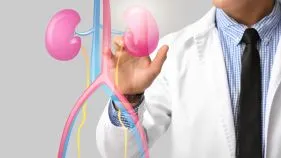
Kidney Stone Treatment Doctor: When to See a Specialist and What Treatment Options Are Available
Introduction
When severe flank pain, blood in the urine, or repeated kidney stones occur, many people search online for a kidney stone treatment doctor. Choosing the right specialist is important because kidney stones can range from small stones that may pass naturally to larger stones that cause urinary obstruction, infection, or kidney damage.
The best treatment depends on several factors, including the size and location of the stone, the severity of symptoms, the presence of infection, and overall kidney function.
At Prabhakar Bhurke Clinic, Dr. Sandip Prabhakar Bhurke, a super specialist nephrologist, provides comprehensive kidney stone evaluation, kidney function assessment, recurrent stone prevention, and long-term kidney care. When a stone requires a removal procedure, care can be coordinated with an appropriate urology specialist.
Which Doctor Treats Kidney Stones?
Different specialists may be involved in kidney stone care.
Nephrologist
A nephrologist specializes in kidney health and medical conditions affecting kidney function.
A super specialist nephrologist can help with:
-
Kidney function assessment
-
Recurrent kidney stone evaluation
-
Metabolic causes of kidney stones
-
Prevention of future stones
-
Chronic kidney disease
-
High creatinine and reduced eGFR
-
Blood pressure management
-
Diabetes-related kidney disease
-
Kidney stone-related complications
Urologist
A urologist commonly performs procedures for removing or fragmenting kidney stones.
Procedures may include:
-
Ureteroscopy
-
Laser lithotripsy
-
RIRS
-
PCNL
-
ESWL in appropriate cases
The nephrologist and urologist may work together depending on the patient's condition.
When Should You See a Kidney Stone Treatment Doctor?
You should seek medical evaluation if you have:
-
Severe flank or back pain
-
Pain radiating toward the groin
-
Blood in the urine
-
Recurrent kidney stones
-
Frequent urinary tract infections
-
Difficulty passing urine
-
Reduced urine output
-
High creatinine
-
Reduced eGFR
-
Persistent nausea or vomiting
-
Known kidney stones with worsening symptoms
Prompt medical care is particularly important when symptoms suggest urinary obstruction or infection.
When Is a Kidney Stone an Emergency?
Seek urgent medical attention if kidney stone symptoms occur with:
-
Fever
-
Chills
-
Severe or worsening pain
-
Persistent vomiting
-
Difficulty passing urine
-
Very low or absent urine output
-
Severe weakness
-
Confusion
A kidney stone associated with urinary obstruction and infection can be a serious medical emergency.
How Does a Kidney Stone Treatment Doctor Diagnose the Problem?
Accurate diagnosis helps determine the safest treatment.
Medical History and Physical Examination
The doctor may ask about:
-
Location of pain
-
Duration of symptoms
-
Previous kidney stones
-
Family history
-
Urinary symptoms
-
Current medicines
-
Fluid intake
-
Dietary habits
-
Other medical conditions
Blood Tests
Tests may include:
-
Serum creatinine
-
Estimated Glomerular Filtration Rate (eGFR)
-
Electrolytes
-
Calcium
-
Uric acid
These tests help evaluate kidney function and identify possible metabolic risk factors.
Urine Tests
Urine tests may identify:
-
Blood
-
Infection
-
Crystals
-
Protein
-
Urine pH
Patients with recurrent stones may require additional metabolic testing.
Ultrasound
An ultrasound may help detect:
-
Kidney stones
-
Hydronephrosis
-
Kidney swelling
-
Structural abnormalities
CT Scan
A non-contrast CT scan can provide detailed information about:
-
Stone size
-
Stone location
-
Number of stones
-
Urinary obstruction
-
Anatomy of the urinary tract
Kidney Stone Treatment Options
There is no single treatment suitable for every patient.
The best option depends on:
-
Stone size
-
Stone location
-
Stone type
-
Severity of symptoms
-
Urinary obstruction
-
Presence of infection
-
Kidney function
Observation for Small Stones
Some smaller stones may pass naturally.
Medical observation may involve:
-
Pain management
-
Follow-up imaging
-
Monitoring urine output
-
Appropriate hydration advice
-
Medicines in selected cases
Observation should be supervised when symptoms are significant or obstruction is possible.
Medicines for Kidney Stones
Medicines may be prescribed to:
-
Control pain
-
Manage nausea
-
Treat urinary infection
-
Support stone passage in selected cases
The choice of medicine depends on the patient's kidney function and other health conditions.
Not every kidney stone can be dissolved or removed with medicine.
ESWL
Extracorporeal Shock Wave Lithotripsy (ESWL) uses shock waves to break selected stones into smaller fragments.
The smaller fragments may then pass through the urinary tract.
ESWL may be considered depending on:
-
Stone size
-
Stone location
-
Stone density
-
Kidney anatomy
Ureteroscopy and Laser Lithotripsy
Ureteroscopy allows a specialist to access the stone through the natural urinary tract.
A laser may be used to break the stone into smaller pieces, and fragments may be removed.
This is commonly used for selected ureteral and kidney stones.
RIRS
Retrograde Intrarenal Surgery (RIRS) is a minimally invasive procedure used for selected stones inside the kidney.
A flexible scope is passed through the urinary tract, allowing the stone to be accessed and treated with laser technology.
PCNL
Percutaneous Nephrolithotomy (PCNL) may be recommended for larger or more complex kidney stones.
A small access tract is created through the skin to reach the kidney and remove or fragment the stone.
How Does a Doctor Decide Which Kidney Stone Treatment Is Best?
A specialist considers several factors.
Stone Size
Smaller stones may have a greater chance of passing naturally.
Larger stones are more likely to require a procedure.
However, size alone does not determine treatment.
Stone Location
A stone inside the kidney may be treated differently from a stone in the ureter.
Location can also affect the likelihood of spontaneous stone passage.
Urinary Obstruction
A stone blocking urine flow may cause:
-
Hydronephrosis
-
Severe pain
-
Increased infection risk
-
Reduced kidney function
Persistent obstruction requires medical assessment.
Infection
Kidney stones combined with infection require particular attention.
In some cases, infection and obstruction may need urgent drainage before definitive stone removal.
Kidney Function
Patients with chronic kidney disease, reduced eGFR, or high creatinine require individualized treatment planning.
Protecting remaining kidney function is an important part of management.
Recurrent Kidney Stones: Why Do They Keep Coming Back?
Some people develop kidney stones repeatedly.
Possible contributing factors include:
-
Low fluid intake
-
High salt intake
-
Metabolic abnormalities
-
Family history
-
High urinary calcium
-
High urinary oxalate
-
High uric acid
-
Recurrent urinary infections
-
Certain inherited conditions
A detailed metabolic evaluation can help identify possible causes.
Stone Analysis and Prevention
If a kidney stone is passed or removed, laboratory analysis may help identify its composition.
Common types include:
-
Calcium oxalate
-
Calcium phosphate
-
Uric acid
-
Struvite
-
Cystine
Different stone types may require different prevention strategies.
For patients with recurrent stones, prevention may involve:
-
Appropriate fluid intake
-
Reducing excessive salt
-
Individualized dietary changes
-
Metabolic testing
-
Medicines when medically indicated
Can a Nephrologist Help Prevent Future Kidney Stones?
Yes.
A nephrologist can evaluate the medical and metabolic factors that contribute to repeated stone formation.
At Prabhakar Bhurke Clinic, Dr. Sandip Prabhakar Bhurke can help patients with:
-
Recurrent kidney stones
-
Kidney function testing
-
Metabolic stone evaluation
-
Chronic kidney disease
-
Blood pressure management
-
Diabetes-related kidney problems
-
Prevention planning
-
Long-term kidney monitoring
The goal is not only to manage the current stone but also to reduce the risk of future stones.
Kidney Stone Treatment and Diet
Dietary recommendations should be based on the individual's stone type and medical condition.
General recommendations may include:
-
Reducing excessive salt intake
-
Maintaining appropriate fluid intake
-
Eating a balanced diet
-
Maintaining normal dietary calcium unless otherwise advised
-
Avoiding unnecessary extreme dietary restrictions
Patients should not follow a random online kidney stone diet without knowing their stone type.
Why Choose Prabhakar Bhurke Clinic?
Patients seeking a kidney stone treatment doctor can receive comprehensive kidney care at Prabhakar Bhurke Clinic.
Care includes:
-
Consultation with Dr. Sandip Prabhakar Bhurke
-
Care from a super specialist nephrologist
-
Kidney function evaluation
-
Recurrent stone assessment
-
Metabolic evaluation
-
Personalized prevention guidance
-
Chronic kidney disease management
-
Evaluation of high creatinine and reduced eGFR
-
Long-term kidney monitoring
-
Coordination with appropriate urology specialists when a stone procedure is required
The treatment approach is individualized according to the patient's stone characteristics and kidney health.
Frequently Asked Questions
Which doctor is best for kidney stone treatment?
A nephrologist can evaluate kidney function, recurrent stone formation, and metabolic causes. A urologist performs many stone-removal procedures. The appropriate specialist depends on the patient's condition.
When should I see a doctor for kidney stones?
See a doctor if you have severe pain, blood in the urine, repeated stones, urinary symptoms, fever, vomiting, or difficulty passing urine.
Can small kidney stones pass naturally?
Some small stones may pass naturally, depending on their size and location. Medical supervision is important when symptoms are severe or obstruction is possible.
Can kidney stones be treated with medicine?
Medicines may help manage pain and support passage of selected stones, but not all stones can be dissolved with medication.
Can kidney stones affect kidney function?
Yes. Persistent obstruction or infection associated with kidney stones can affect kidney function and may cause serious complications.
Can kidney stones come back after treatment?
Yes. Some patients develop recurrent stones. Stone analysis and metabolic evaluation can help identify prevention strategies.
Conclusion
Searching for a kidney stone treatment doctor is an important step when you have persistent stone symptoms, recurrent kidney stones, or concerns about kidney function.
The right treatment depends on the size, location, and type of stone, as well as whether it is causing obstruction, infection, or damage to kidney function. Some stones may pass naturally, while others require procedures such as ESWL, laser lithotripsy, RIRS, or PCNL.
At Prabhakar Bhurke Clinic, Dr. Sandip Prabhakar Bhurke, a super specialist nephrologist, provides comprehensive kidney evaluation, recurrent stone prevention, and long-term kidney care. When stone removal procedures are required, appropriate coordination with urology specialists can help ensure individualized treatment.
Book an Appointment Today
If you are experiencing kidney stone pain, recurrent stones, blood in the urine, urinary infections, high creatinine, reduced eGFR, or persistent flank pain, schedule a consultation with Dr. Sandip Prabhakar Bhurke, super specialist nephrologist at Prabhakar Bhurke Clinic.
A detailed evaluation can help identify the cause of your symptoms and determine the most appropriate kidney stone treatment and prevention plan.
Medical Disclaimer
This article is intended for general educational purposes only and does not replace professional medical advice, diagnosis, or treatment. Kidney stone treatment depends on individual factors including stone size, location, composition, infection, urinary obstruction, and kidney function. Seek urgent medical attention for severe pain with fever or chills, persistent vomiting, difficulty passing urine, very low or absent urine output, or other serious symptoms.