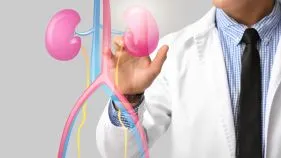
Chronic Kidney Disease Stage 3B: Symptoms, Causes, Diagnosis and amp; Treatment

Chronic Kidney Disease Stage 3B: Symptoms, Causes, Diagnosis and amp; Treatment

Introduction

Chronic Kidney Disease (CKD) Stage 3B is a moderate to advanced stage of kidney disease in which the kidneys have experienced a significant reduction in their ability to filter waste products and excess fluids from the blood. At this stage, kidney function is noticeably decreased, but with early diagnosis, proper treatment, and lifestyle modifications, many patients can slow disease progression and maintain a good quality of life.

Unlike the early stages of CKD, Stage 3B often requires closer monitoring because complications such as anemia, high blood pressure, bone disease, and electrolyte imbalances become more common. Timely care from an experienced nephrologist plays a vital role in protecting the remaining kidney function.

At Prabhakar Bhurke Clinic, our super specialist nephrologist provides comprehensive evaluation, individualized treatment plans, and long-term management for patients with Chronic Kidney Disease Stage 3B, helping them preserve kidney health and reduce the risk of progression to kidney failure.


What Is Chronic Kidney Disease Stage 3B?

Chronic Kidney Disease is a long-term condition in which the kidneys gradually lose their ability to filter waste products.

CKD is classified into five stages based on the Estimated Glomerular Filtration Rate (eGFR).

Stage 3B CKD is characterized by an eGFR of approximately 30–44 mL/min/1.73 m², indicating a moderate to severe reduction in kidney function.

Although the kidneys continue to work, they are less efficient at removing waste and maintaining the body's fluid and electrolyte balance.


Common Causes of Stage 3B CKD

Several medical conditions can lead to Stage 3B kidney disease.

Diabetes

Poorly controlled diabetes is one of the leading causes of chronic kidney disease.


High Blood Pressure

Long-standing hypertension can gradually damage the tiny blood vessels inside the kidneys.


Glomerulonephritis

Inflammation of the kidney's filtering units may cause progressive kidney damage.


Polycystic Kidney Disease (PKD)

An inherited disorder that causes multiple cysts to develop in the kidneys.


Recurrent Kidney Infections

Repeated infections may result in permanent kidney scarring.


Urinary Tract Obstruction

Conditions such as kidney stones or enlarged prostate can impair urine flow and damage the kidneys.


Autoimmune Diseases

Diseases such as lupus may affect kidney function over time.


Chronic Kidney Disease Stage 3B: Symptoms, Causes, Diagnosis and amp; Treatment

Natural Treatment for Kidney Disease: Lifestyle Tips to Support Kidney Health

Introduction

Kidney disease affects millions of people worldwide and can gradually reduce the kidneys' ability to filter waste products, balance body fluids, regulate blood pressure, and maintain overall health. Conditions such as chronic kidney disease (CKD), diabetic kidney disease, high blood pressure-related kidney damage, glomerulonephritis, and polycystic kidney disease often require long-term medical management.

Many people search for natural treatment for kidney disease hoping to reverse kidney damage through home remedies or herbal products. While healthy lifestyle habits can play an important role in supporting kidney health and slowing disease progression, there is currently no scientifically proven natural remedy that can cure chronic kidney disease or replace medical treatment.

At Prabhakar Bhurke Clinic, our super specialist nephrologist combines evidence-based medical care with personalized lifestyle guidance to help patients preserve kidney function, manage symptoms, and improve their quality of life.


What Is Kidney Disease?

Kidney disease occurs when the kidneys are unable to function properly over time or due to sudden injury.

Common kidney conditions include:

  • Chronic Kidney Disease (CKD)

  • Acute Kidney Injury (AKI)

  • Diabetic Kidney Disease

  • Hypertension-related Kidney Disease

  • Glomerulonephritis

  • Polycystic Kidney Disease

  • Kidney Stones

  • Kidney Infections

Without timely treatment, some kidney diseases may progress to kidney failure.


Can Kidney Disease Be Treated Naturally?

Natural approaches can support kidney health, but they cannot replace medical evaluation, prescribed medications, dialysis, or kidney transplantation when these treatments are required.

Lifestyle modifications may help:

  • Slow the progression of chronic kidney disease

  • Improve blood pressure control

  • Support blood sugar management

  • Reduce cardiovascular risk

  • Improve overall health

Any natural or herbal product should be discussed with a nephrologist before use, as some supplements may be harmful to the kidneys.


Natural Ways to Support Kidney Health

1. Follow a Kidney-Friendly Diet

Nutrition plays an important role in kidney health.

A balanced diet may include:

  • Fresh vegetables

  • Fruits (as advised for your kidney condition)

  • Whole grains

  • Healthy fats

  • Appropriate amounts of lean protein

Dietary recommendations vary depending on the stage of kidney disease and should be individualized by your healthcare team.


2. Limit Salt Intake

Reducing sodium intake helps:

  • Control blood pressure

  • Reduce swelling

  • Decrease fluid retention

  • Lower the workload on the kidneys

Avoid processed foods and excessive table salt whenever possible.


3. Manage Blood Pressure

High blood pressure is both a cause and a complication of kidney disease.

Maintain healthy blood pressure by:

  • Taking prescribed medications

  • Exercising regularly

  • Limiting salt intake

  • Managing stress

  • Attending regular medical check-ups


4. Control Blood Sugar

For people with diabetes, maintaining healthy blood sugar levels is essential to protect kidney function and slow the progression of diabetic kidney disease.


5. Stay Physically Active

Regular exercise can help:

  • Improve heart health

  • Control body weight

  • Reduce blood pressure

  • Improve insulin sensitivity

  • Enhance overall well-being

Choose activities that are appropriate for your fitness level and medical condition.


6. Maintain a Healthy Weight

Achieving and maintaining a healthy weight reduces the risk of:

  • Diabetes

  • High blood pressure

  • Cardiovascular disease

  • Further kidney damage


7. Stay Hydrated

Adequate fluid intake supports kidney function, but the right amount of fluid varies from person to person.

Patients with advanced kidney disease, heart disease, or dialysis may need to limit fluids. Always follow your nephrologist's advice.


8. Avoid Smoking and Tobacco

Smoking reduces blood flow to the kidneys and increases the risk of kidney disease progression and cardiovascular complications.

Quitting smoking benefits both kidney and overall health.


9. Limit Alcohol Consumption

Excessive alcohol intake may worsen high blood pressure and dehydration, which can affect kidney health.

Moderation is important.


10. Avoid Unnecessary Painkillers

Frequent use of certain pain-relieving medications, particularly non-steroidal anti-inflammatory drugs (NSAIDs), may damage the kidneys.

Always use medications only under medical guidance.


Are Herbal Remedies Safe?

Many herbal products are marketed as "kidney cleanses" or "natural kidney cures." However:

  • Their safety is often not well studied.

  • Some herbs may contain substances that can harm the kidneys.

  • Certain supplements may interact with prescribed medications.

Always consult your nephrologist before taking any herbal or dietary supplement.


Symptoms of Kidney Disease

Early kidney disease often has no symptoms.

As kidney function declines, symptoms may include:

  • Swelling of the legs, ankles, or face

  • Fatigue

  • Changes in urination

  • Foamy urine

  • Blood in the urine

  • Persistent itching

  • Loss of appetite

  • Nausea

  • Shortness of breath

  • High blood pressure

Prompt medical evaluation is recommended if these symptoms occur.


Diagnosis at Prabhakar Bhurke Clinic

At Prabhakar Bhurke Clinic, our super specialist nephrologist performs a comprehensive evaluation to determine the cause and stage of kidney disease.

Blood Tests

Investigations may include:

  • Serum Creatinine

  • Kidney Function Tests (KFT)

  • Estimated Glomerular Filtration Rate (eGFR)

  • Blood Urea Nitrogen (BUN)

  • Electrolytes


Urine Tests

Urine analysis helps detect:

  • Protein

  • Blood

  • Infection

  • Early kidney damage


Imaging Studies

When indicated, imaging may include:

  • Kidney Ultrasound

  • CT Scan

  • MRI

These investigations help identify structural abnormalities, cysts, kidney stones, or urinary obstruction.


Medical Treatment for Kidney Disease

Medical management depends on the underlying cause and stage of disease.

Treatment may include:

  • Blood pressure medications

  • Diabetes management

  • Treatment for kidney infections

  • Medications to reduce protein loss in urine

  • Management of anemia and electrolyte imbalances

  • Nutritional counseling

  • Dialysis when kidney function becomes severely reduced

  • Kidney transplant evaluation for eligible patients

Following your treatment plan consistently is essential for protecting kidney function.


Why Choose Prabhakar Bhurke Clinic?

Patients trust Prabhakar Bhurke Clinic because we provide:

  • Consultation with a super specialist nephrologist

  • Comprehensive kidney evaluations

  • Advanced diagnostic facilities

  • Personalized treatment plans

  • Expertise in chronic kidney disease, diabetic kidney disease, kidney stones, and kidney failure

  • Dialysis guidance and kidney transplant consultation

  • Long-term kidney health monitoring

  • Compassionate, evidence-based medical care

Our goal is to combine the latest medical treatments with practical lifestyle guidance to help patients maintain the best possible kidney health.


Conclusion

Many people search for natural treatment for kidney disease, but it is important to understand that healthy lifestyle changes support kidney health—they do not cure chronic kidney disease or replace medical treatment. A balanced diet, blood pressure and diabetes control, regular exercise, avoiding smoking, and following your nephrologist's advice can help slow disease progression and improve overall health.

At Prabhakar Bhurke Clinic, our super specialist nephrologist provides expert diagnosis, individualized treatment plans, and ongoing kidney care tailored to each patient's needs. With early diagnosis, evidence-based treatment, and healthy lifestyle habits, many patients can successfully manage kidney disease and protect their kidney function.


Book an Appointment Today

If you have high creatinine levels, reduced eGFR, diabetes, high blood pressure, swelling, foamy urine, blood in the urine, persistent fatigue, or concerns about kidney disease, schedule a consultation at Prabhakar Bhurke Clinic. Our super specialist nephrologist will provide a comprehensive kidney evaluation and develop a personalized treatment plan to help preserve your kidney health and improve your quality of life.

Chronic Kidney Disease Stage 3B: Symptoms, Causes, Diagnosis and amp; Treatment

Kidney Specialist in Andheri: Expert Nephrology Care at Prabhakar Bhurke Clinic

Introduction

Healthy kidneys play a vital role in filtering waste products, balancing fluids and electrolytes, regulating blood pressure, and supporting overall health. Unfortunately, many kidney diseases develop silently and may not show symptoms until significant kidney damage has already occurred. Conditions such as chronic kidney disease (CKD), kidney stones, diabetic kidney disease, high blood pressure-related kidney damage, kidney infections, and acute kidney injury require early diagnosis and specialized treatment to prevent complications.

If you are searching for a kidney specialist in Andheri, choosing an experienced super specialist nephrologist is essential for accurate diagnosis, effective treatment, and long-term kidney care.

At Prabhakar Bhurke Clinic, located in Andheri, Mumbai, patients receive comprehensive nephrology services from a super specialist nephrologist, using advanced diagnostics and personalized treatment plans to help preserve kidney function and improve quality of life.


Who Is a Kidney Specialist?

A kidney specialist, also known as a nephrologist, is a doctor who specializes in diagnosing, treating, and preventing diseases affecting the kidneys.

A nephrologist manages conditions such as:

  • Chronic Kidney Disease (CKD)

  • Acute Kidney Injury (AKI)

  • Kidney Stones

  • Diabetic Kidney Disease

  • Hypertension-related Kidney Disease

  • Protein in Urine (Proteinuria)

  • Blood in Urine (Hematuria)

  • Kidney Infections

  • Polycystic Kidney Disease

  • Electrolyte Disorders

  • Dialysis Care

  • Kidney Transplant Evaluation and Follow-up

Early consultation with a nephrologist can help slow disease progression and reduce the risk of kidney failure.


Signs You Should Visit a Kidney Specialist

Consult a nephrologist if you experience:

  • Swelling of the feet, ankles, hands, or face

  • High blood pressure that is difficult to control

  • Elevated creatinine levels

  • Low estimated Glomerular Filtration Rate (eGFR)

  • Blood in the urine

  • Foamy urine

  • Persistent back or flank pain

  • Frequent urinary tract infections

  • Recurrent kidney stones

  • Fatigue or weakness

  • Changes in urination

  • Diabetes with abnormal kidney tests

Prompt evaluation can help detect kidney disease at an early stage when treatment is most effective.


Kidney Conditions Treated at Prabhakar Bhurke Clinic

Our super specialist nephrologist provides expert care for a wide range of kidney disorders.

Chronic Kidney Disease (CKD)

Comprehensive management to slow disease progression, preserve kidney function, and prevent complications.


Acute Kidney Injury (AKI)

Rapid diagnosis and treatment for sudden kidney function decline caused by dehydration, infections, medications, or other medical conditions.


Kidney Stones

Evaluation and personalized treatment for kidney stones, along with strategies to prevent recurrence.


Diabetic Kidney Disease

Specialized care to protect kidney function through optimal blood sugar control and regular monitoring.


Hypertension-Related Kidney Disease

Management of kidney damage caused by uncontrolled high blood pressure.


Kidney Infections

Diagnosis and treatment of kidney infections to prevent long-term kidney damage.


Proteinuria and Hematuria

Investigation and treatment of abnormal protein or blood in the urine.


Polycystic Kidney Disease (PKD)

Long-term monitoring and individualized treatment for inherited kidney disorders.


Advanced Diagnostic Services

At Prabhakar Bhurke Clinic, comprehensive kidney evaluation includes:

Blood Tests

  • Serum Creatinine

  • Kidney Function Tests (KFT)

  • Blood Urea Nitrogen (BUN)

  • Electrolytes

  • Blood Sugar

  • Complete Blood Count (CBC)


Urine Tests

Urine analysis helps identify:

  • Protein

  • Blood

  • Infection

  • Early kidney disease


Imaging Studies

Depending on your condition, investigations may include:

  • Kidney Ultrasound

  • CT Scan

  • MRI (when clinically indicated)

These imaging tests help diagnose kidney stones, cysts, urinary obstruction, and structural abnormalities.


Treatment Services

Treatment plans are personalized according to each patient's kidney condition and overall health.

Medical Management

Evidence-based treatment using appropriate medications and regular follow-up.


Blood Pressure Control

Careful management of hypertension to reduce kidney damage and cardiovascular risk.


Diabetic Kidney Care

Integrated care focused on preserving kidney function while maintaining healthy blood sugar levels.


Kidney Stone Management

Comprehensive evaluation and treatment, including prevention strategies for recurrent stone formation.


Dialysis Care

Guidance and management for patients requiring:

  • Hemodialysis

  • Peritoneal Dialysis


Kidney Transplant Evaluation

Comprehensive assessment and follow-up care for patients requiring kidney transplantation.


Why Early Kidney Care Is Important

Many kidney diseases remain symptom-free during the early stages. Early diagnosis offers significant benefits, including:

  • Slowing the progression of kidney disease

  • Preventing permanent kidney damage

  • Reducing the risk of kidney failure

  • Improving treatment outcomes

  • Enhancing overall quality of life

Regular kidney health check-ups are especially important for individuals with diabetes, hypertension, or a family history of kidney disease.


Tips to Keep Your Kidneys Healthy

Support healthy kidneys by:

  • Drinking adequate fluids as advised by your doctor.

  • Controlling diabetes and blood pressure.

  • Following a balanced, kidney-friendly diet.

  • Reducing salt intake.

  • Exercising regularly.

  • Maintaining a healthy weight.

  • Avoiding smoking and tobacco.

  • Avoiding unnecessary use of pain-relieving medications.

  • Scheduling routine kidney function tests if you are at higher risk.

Simple lifestyle changes can help maintain healthy kidney function for years to come.


Why Choose Prabhakar Bhurke Clinic?

Patients choose Prabhakar Bhurke Clinic because we provide:

  • Consultation with a super specialist nephrologist

  • Convenient location in Andheri, Mumbai

  • Comprehensive kidney evaluations

  • Advanced diagnostic facilities

  • Personalized treatment plans

  • Expertise in chronic kidney disease, kidney stones, diabetic kidney disease, hypertension-related kidney disease, and kidney failure

  • Dialysis guidance and kidney transplant consultation

  • Long-term kidney health monitoring

  • Compassionate, evidence-based medical care

Our mission is to provide accurate diagnosis, advanced treatment, and personalized care to help every patient maintain optimal kidney health.


Conclusion

If you are looking for a kidney specialist in Andheri, timely consultation with an experienced nephrologist can make a significant difference in protecting your kidney health. Whether you have elevated creatinine levels, kidney stones, chronic kidney disease, diabetes-related kidney damage, or urinary symptoms, early diagnosis and appropriate treatment can prevent complications and preserve kidney function.

At Prabhakar Bhurke Clinic, our super specialist nephrologist offers comprehensive kidney care using advanced diagnostic techniques and individualized treatment plans. We are committed to helping patients achieve better kidney health through expert, compassionate, and evidence-based care.


Book an Appointment Today

If you are experiencing swelling, high creatinine levels, reduced eGFR, blood or protein in the urine, recurrent kidney stones, diabetes, high blood pressure, persistent flank pain, or other signs of kidney disease, book a consultation at Prabhakar Bhurke Clinic in Andheri, Mumbai. Our super specialist nephrologist will provide a thorough evaluation and personalized treatment plan to help protect your kidneys and improve your long-term health.

Chronic Kidney Disease Stage 3B: Symptoms, Causes, Diagnosis and amp; Treatment

Kidney Specialist in Borivali: Expert Nephrology Care at Prabhakar Bhurke Clinic

Introduction

Kidney diseases often develop silently, with symptoms appearing only after significant kidney damage has occurred. Conditions such as chronic kidney disease (CKD), kidney stones, diabetic kidney disease, high blood pressure-related kidney damage, urinary tract infections, and kidney failure require early diagnosis and specialized treatment to prevent complications.

If you are searching for a kidney specialist in Borivali, it is important to choose an experienced super specialist nephrologist who can accurately diagnose kidney disorders and provide personalized treatment. Early consultation with a kidney specialist can help preserve kidney function, improve quality of life, and reduce the need for advanced treatments.

Prabhakar Bhurke Clinic provides comprehensive nephrology care for patients from Borivali and across Mumbai, offering advanced diagnostic services and evidence-based treatment for a wide range of kidney disorders.


Who Is a Kidney Specialist?

A kidney specialist, also known as a nephrologist, is a doctor who specializes in diagnosing, treating, and preventing diseases affecting the kidneys.

A nephrologist manages conditions such as:

  • Chronic Kidney Disease (CKD)

  • Acute Kidney Injury (AKI)

  • Kidney Stones

  • Diabetic Kidney Disease

  • High Blood Pressure affecting the kidneys

  • Protein in Urine (Proteinuria)

  • Blood in Urine (Hematuria)

  • Kidney Infections

  • Polycystic Kidney Disease

  • Electrolyte Disorders

  • Dialysis Care

  • Kidney Transplant Evaluation and Follow-up


Signs You Should Visit a Kidney Specialist

Many kidney conditions progress without obvious symptoms. Consult a nephrologist if you experience:

  • Swelling of the legs, feet, or face

  • Persistent fatigue or weakness

  • High blood pressure that is difficult to control

  • Blood in the urine

  • Foamy urine

  • Frequent or painful urination

  • Reduced urine output

  • Recurrent kidney stones

  • Elevated creatinine levels

  • Low estimated Glomerular Filtration Rate (eGFR)

  • Persistent back or flank pain

Early diagnosis can help prevent irreversible kidney damage.


Kidney Conditions Treated at Prabhakar Bhurke Clinic

Our super specialist nephrologist provides diagnosis and treatment for:

Chronic Kidney Disease (CKD)

Long-term management aimed at slowing disease progression, controlling complications, and preserving kidney function.


Acute Kidney Injury (AKI)

Prompt evaluation and treatment of sudden kidney function decline caused by dehydration, infections, medications, or other medical conditions.


Kidney Stones

Comprehensive evaluation and management of kidney stones, including preventive strategies to reduce recurrence.


Diabetic Kidney Disease

Specialized care for patients with diabetes to minimize kidney damage through blood sugar control, blood pressure management, and regular monitoring.


Hypertensive Kidney Disease

Management of kidney damage caused by long-standing high blood pressure.


Proteinuria and Hematuria

Investigation of abnormal protein or blood in urine to identify the underlying kidney disorder.


Kidney Infections

Diagnosis and treatment of kidney infections to prevent long-term kidney damage.


Polycystic Kidney Disease (PKD)

Long-term monitoring and personalized care for inherited cystic kidney disorders.


Advanced Diagnostic Services

At Prabhakar Bhurke Clinic, comprehensive evaluation includes:

Blood Tests

  • Serum Creatinine

  • Kidney Function Tests (KFT)

  • Blood Urea Nitrogen (BUN)

  • Electrolytes

  • Blood Sugar

  • Complete Blood Count (CBC)


Urine Tests

Urine evaluation helps detect:

  • Protein

  • Blood

  • Infection

  • Early kidney damage


Imaging Studies

Advanced imaging may include:

  • Kidney Ultrasound

  • CT Scan

  • MRI (when clinically indicated)

These investigations help diagnose kidney stones, cysts, structural abnormalities, and urinary obstruction.


Treatment Services

Treatment plans are personalized according to the patient's condition and kidney function.

Services include:

Medical Management

Evidence-based treatment for kidney diseases using appropriate medications and regular monitoring.


Blood Pressure Management

Careful control of hypertension to reduce kidney damage and cardiovascular risk.


Diabetic Kidney Care

Integrated management focused on preserving kidney function while optimizing blood sugar control.


Kidney Stone Management

Evaluation, treatment planning, and preventive care for recurrent kidney stones.


Dialysis Guidance

Comprehensive counseling and management for patients requiring:

  • Hemodialysis

  • Peritoneal Dialysis


Kidney Transplant Evaluation

Assessment and long-term follow-up for patients undergoing kidney transplantation.


Why Early Kidney Care Is Important

Many kidney diseases progress gradually and may not cause noticeable symptoms until advanced stages.

Early consultation with a nephrologist helps:

  • Preserve kidney function

  • Detect disease before complications develop

  • Reduce the risk of kidney failure

  • Prevent cardiovascular complications

  • Improve long-term quality of life

Routine screening is especially important for individuals with diabetes, hypertension, or a family history of kidney disease.


Tips for Maintaining Healthy Kidneys

Protect your kidneys by:

  • Drinking adequate fluids as advised by your doctor.

  • Controlling diabetes and high blood pressure.

  • Following a balanced, kidney-friendly diet.

  • Reducing salt intake.

  • Exercising regularly.

  • Maintaining a healthy body weight.

  • Avoiding smoking and tobacco products.

  • Limiting unnecessary use of pain-relieving medications.

  • Scheduling regular kidney function tests if you are at increased risk.

Healthy habits can significantly reduce the risk of kidney disease progression.


Why Choose Prabhakar Bhurke Clinic?

Patients from Borivali and across Mumbai choose Prabhakar Bhurke Clinic because we provide:

  • Consultation with a super specialist nephrologist

  • Comprehensive kidney evaluations

  • Advanced diagnostic facilities

  • Personalized treatment plans

  • Expertise in chronic kidney disease, kidney stones, diabetic kidney disease, and kidney failure

  • Dialysis guidance and kidney transplant consultation

  • Long-term kidney health monitoring

  • Compassionate, evidence-based medical care

We are committed to delivering high-quality nephrology care focused on early diagnosis, effective treatment, and long-term kidney health.


Conclusion

If you are looking for a kidney specialist in Borivali, choosing an experienced nephrologist is essential for the early diagnosis and effective management of kidney diseases. Conditions such as chronic kidney disease, kidney stones, diabetic kidney disease, and hypertension-related kidney damage require specialized care to prevent complications and preserve kidney function.

At Prabhakar Bhurke Clinic, our super specialist nephrologist offers comprehensive kidney care for patients from Borivali and throughout Mumbai. With advanced diagnostic facilities, individualized treatment plans, and a patient-centered approach, we are dedicated to helping you achieve better kidney health and improved quality of life.


Book an Appointment Today

If you have swelling, elevated creatinine levels, reduced eGFR, blood or protein in the urine, kidney stones, diabetes, high blood pressure, persistent back pain, or other symptoms of kidney disease, schedule a consultation at Prabhakar Bhurke Clinic. Our super specialist nephrologist provides expert diagnosis and personalized treatment to help protect your kidneys and support your long-term health.

Kidney Cyst Natural Treatment: Can Lifestyle Changes Help Manage Kidney Cysts?

Kidney Cyst Natural Treatment: Can Lifestyle Changes Help Manage Kidney Cysts?

Introduction

Kidney cysts are fluid-filled sacs that develop inside or on the surface of the kidneys. Many kidney cysts are simple cysts, which are usually harmless and may not cause any symptoms. However, some cysts can grow larger, become infected, bleed, or interfere with normal kidney function. Certain inherited conditions, such as Polycystic Kidney Disease (PKD), can also lead to the formation of multiple kidney cysts.

Many people search for kidney cyst natural treatment hoping to shrink or eliminate cysts naturally. While a healthy lifestyle can support overall kidney health and may help reduce the risk of complications, there is currently no scientifically proven natural remedy that can remove or cure kidney cysts. Proper diagnosis and regular medical monitoring are essential.

At Prabhakar Bhurke Clinic, our super specialist nephrologist provides comprehensive evaluation, advanced diagnostic testing, and personalized treatment plans for simple kidney cysts, complex cysts, and inherited kidney diseases.


What Is a Kidney Cyst?

A kidney cyst is a sac filled with fluid that develops within or on the kidney.

Kidney cysts are generally classified into two main types:

Simple Kidney Cysts

These are:

  • Usually non-cancerous

  • Often found incidentally during imaging

  • Common in older adults

  • Frequently cause no symptoms

Most simple cysts require only observation unless they become large or symptomatic.


Complex Kidney Cysts

Complex cysts may have:

  • Thick walls

  • Internal partitions (septa)

  • Calcifications

  • Solid components

These cysts require careful evaluation because some may need further investigation or treatment.


Can Kidney Cysts Be Treated Naturally?

Natural approaches cannot eliminate kidney cysts, but they can support overall kidney health and help reduce the risk of complications.

Lifestyle measures should be viewed as supportive care and not a replacement for medical evaluation or treatment.


Natural Ways to Support Kidney Health

1. Stay Well Hydrated

Adequate hydration helps maintain healthy kidney function and supports normal urine flow.

Drink water according to your doctor's advice, especially if you have kidney disease or heart problems, as fluid requirements may differ.


2. Follow a Balanced Diet

A kidney-friendly diet may include:

  • Fresh fruits

  • Vegetables

  • Whole grains

  • Healthy fats

  • Lean protein in appropriate amounts

A balanced diet supports overall health and may reduce the risk of complications.


3. Limit Salt Intake

Excess sodium may contribute to:

  • High blood pressure

  • Fluid retention

  • Increased workload on the kidneys

Reducing salt intake is beneficial for many patients with kidney disease.


4. Maintain a Healthy Weight

Obesity increases the risk of:

  • High blood pressure

  • Diabetes

  • Chronic kidney disease

Regular physical activity and healthy eating help support kidney health.


5. Control Blood Pressure

High blood pressure can damage the kidneys and may accelerate the progression of kidney disease.

Follow your doctor's recommendations regarding:

  • Blood pressure monitoring

  • Medications

  • Diet

  • Exercise


6. Manage Diabetes

If you have diabetes, maintaining healthy blood sugar levels is one of the most important ways to protect your kidneys.

Regular monitoring and adherence to prescribed treatment are essential.


7. Avoid Smoking

Smoking reduces blood flow to the kidneys and increases the risk of kidney disease progression.

Quitting smoking benefits both kidney and cardiovascular health.


8. Avoid Unnecessary Painkillers

Frequent use of certain pain-relieving medications, especially non-steroidal anti-inflammatory drugs (NSAIDs), may affect kidney function in some individuals.

Always take medications under medical guidance.


Symptoms of Kidney Cysts

Many simple kidney cysts cause no symptoms.

Larger or complicated cysts may lead to:

  • Pain in the side or back

  • Upper abdominal discomfort

  • Blood in the urine

  • Frequent urinary tract infections

  • High blood pressure

  • Fever (if infected)

  • Reduced kidney function in severe cases

Medical evaluation is important if these symptoms occur.


When Should You See a Nephrologist?

Consult a kidney specialist if you experience:

  • Persistent flank or back pain

  • Blood in the urine

  • Recurrent urinary tract infections

  • High blood pressure

  • Large kidney cysts identified on imaging

  • Family history of Polycystic Kidney Disease

  • Declining kidney function

  • Swelling of the legs or face

Early diagnosis helps prevent complications.


Diagnosis at Prabhakar Bhurke Clinic

At Prabhakar Bhurke Clinic, our super specialist nephrologist performs a comprehensive evaluation to determine the type and significance of kidney cysts.

Medical History and Physical Examination

Assessment includes:

  • Symptoms

  • Family history

  • Blood pressure

  • Previous kidney disorders

  • Current medications


Blood Tests

Investigations may include:

  • Serum Creatinine

  • Kidney Function Tests (KFT)

  • Blood Urea Nitrogen (BUN)

  • Electrolytes


Urine Tests

Urine evaluation helps detect:

  • Blood

  • Protein

  • Infection

  • Kidney damage


Imaging Studies

Advanced imaging may include:

  • Kidney Ultrasound

  • CT Scan

  • MRI (when indicated)

These tests help determine the size, number, and characteristics of kidney cysts.


Medical Treatment for Kidney Cysts

Treatment depends on the type of cyst and whether it is causing symptoms.

Observation

Most simple kidney cysts require only:

  • Regular follow-up

  • Periodic imaging

  • Kidney function monitoring


Medications

Your nephrologist may prescribe medications to:

  • Control blood pressure

  • Treat infections

  • Relieve pain

  • Manage associated kidney disease


Cyst Drainage

Large symptomatic cysts may be treated by:

  • Needle aspiration

  • Drainage

  • Sclerotherapy in selected cases

These procedures are performed when clinically appropriate.


Surgery

Surgical treatment may be recommended for:

  • Very large cysts

  • Recurrent cysts

  • Suspicious complex cysts

  • Cysts causing obstruction or significant symptoms


Management of Polycystic Kidney Disease

Patients with PKD may require:

  • Regular monitoring

  • Blood pressure control

  • Lifestyle modification

  • Medications when indicated

  • Dialysis or kidney transplantation in advanced stages

Management is individualized based on disease severity.


Tips to Protect Your Kidneys

Support long-term kidney health by:

  • Drinking fluids as advised by your doctor.

  • Eating a balanced diet.

  • Limiting salt intake.

  • Exercising regularly.

  • Maintaining a healthy weight.

  • Controlling diabetes and high blood pressure.

  • Avoiding tobacco.

  • Attending regular kidney check-ups.

These habits help preserve kidney function and overall health.


Why Choose Prabhakar Bhurke Clinic?

Patients trust Prabhakar Bhurke Clinic because we provide:

  • Consultation with a super specialist nephrologist

  • Comprehensive kidney cyst evaluation

  • Advanced diagnostic facilities

  • Personalized treatment plans

  • Expertise in simple kidney cysts, complex cysts, and Polycystic Kidney Disease

  • Long-term kidney health monitoring

  • Guidance for dialysis and kidney transplant evaluation when necessary

  • Compassionate, evidence-based care

Our focus is on accurate diagnosis, personalized treatment, and preserving kidney function.


Conclusion

Many people search for kidney cyst natural treatment, but it is important to understand that natural remedies have not been proven to cure or shrink kidney cysts. Healthy lifestyle habits—including a balanced diet, proper hydration, blood pressure control, and avoiding smoking—can support overall kidney health and may help reduce the risk of complications. However, medical evaluation remains essential, especially if cysts cause pain, blood in the urine, recurrent infections, or reduced kidney function.

At Prabhakar Bhurke Clinic, our super specialist nephrologist provides expert diagnosis, advanced imaging, and personalized treatment for all types of kidney cysts. Whether you have a simple cyst or a more complex kidney condition, our team is committed to helping you maintain healthy kidneys through comprehensive, evidence-based care.


Book an Appointment Today

If you have kidney cysts, persistent flank pain, blood in the urine, recurrent urinary infections, high blood pressure, or concerns about your kidney health, schedule a consultation at Prabhakar Bhurke Clinic. Our super specialist nephrologist will perform a detailed evaluation and recommend the most appropriate treatment plan to protect your kidney function and overall well-being.


Low Creatinine Treatment: Causes, Symptoms and amp; Expert Kidney Care

Low Creatinine Treatment: Causes, Symptoms and amp; Expert Kidney Care

Introduction

Creatinine is a natural waste product produced by muscles during normal daily activities. Healthy kidneys filter creatinine from the blood and remove it through urine, making the serum creatinine test an important indicator of kidney function.

While high creatinine levels are often associated with kidney disease, low creatinine levels are generally less common and usually do not indicate kidney failure. Instead, they may be related to reduced muscle mass, poor nutrition, pregnancy, certain medical conditions, or liver disease. Understanding the underlying cause is essential because treatment focuses on correcting the condition responsible for the low creatinine level rather than increasing creatinine itself.

At Prabhakar Bhurke Clinic, our super specialist nephrologist provides comprehensive kidney evaluations, interprets creatinine results accurately, and develops personalized treatment plans based on each patient's overall health and kidney function.


What Is Creatinine?

Creatinine is produced when muscles use energy during normal movement. It enters the bloodstream and is filtered by the kidneys before being eliminated in urine.

Doctors commonly measure creatinine to:

  • Assess kidney function

  • Estimate the Glomerular Filtration Rate (eGFR)

  • Monitor chronic kidney disease

  • Evaluate kidney injury

  • Track response to treatment

Creatinine levels must always be interpreted alongside age, sex, muscle mass, medical history, and other laboratory tests.


What Does Low Creatinine Mean?

A low creatinine level usually reflects reduced creatinine production rather than a kidney problem. It is often seen in people with:

  • Low muscle mass

  • Older age

  • Malnutrition

  • Pregnancy

  • Chronic liver disease

  • Certain long-term illnesses

In many cases, low creatinine itself does not cause symptoms and is detected during routine blood tests.


Common Causes of Low Creatinine

Several conditions can contribute to lower-than-normal creatinine levels.

1. Reduced Muscle Mass

Because creatinine is produced by muscles, people with less muscle mass naturally have lower creatinine levels.

This may occur due to:

  • Aging

  • Physical inactivity

  • Prolonged bed rest

  • Muscle-wasting disorders


2. Poor Nutrition

Inadequate protein and calorie intake can reduce muscle mass and lower creatinine production.


3. Pregnancy

During pregnancy, increased kidney filtration and changes in body physiology may lead to lower serum creatinine levels. This is often a normal finding but should be interpreted by a healthcare professional.


4. Liver Disease

Severe liver disorders may reduce creatine production, leading to lower creatinine levels.


5. Chronic Illness

Certain long-term medical conditions associated with weight loss or muscle wasting can also lower creatinine levels.


Does Low Creatinine Indicate Kidney Disease?

Usually, no.

Unlike elevated creatinine, low creatinine is generally not a sign of kidney failure. However, interpreting creatinine values without considering eGFR, urine tests, medical history, and physical examination can be misleading.

If there are concerns about kidney health, a nephrologist may recommend additional investigations.


Symptoms Associated with Low Creatinine

Low creatinine itself rarely causes symptoms. Any symptoms are typically related to the underlying condition.

These may include:

  • Muscle weakness

  • Fatigue

  • Unintentional weight loss

  • Poor appetite

  • Reduced physical strength

  • Signs of malnutrition

  • Symptoms of liver disease or other chronic illnesses

Persistent symptoms should always be evaluated by a doctor.


Diagnosis at Prabhakar Bhurke Clinic

At Prabhakar Bhurke Clinic, our super specialist nephrologist performs a detailed assessment to determine whether low creatinine is part of a normal variation or related to an underlying health condition.

Medical History and Physical Examination

Your doctor will assess:

  • Diet and nutrition

  • Muscle mass

  • Weight changes

  • Physical activity

  • Medical conditions

  • Current medications


Blood Tests

Investigations may include:

  • Serum Creatinine

  • Estimated Glomerular Filtration Rate (eGFR)

  • Blood Urea Nitrogen (BUN)

  • Liver Function Tests (LFT)

  • Complete Blood Count (CBC)

  • Blood Sugar

  • Electrolytes


Urine Tests

Urine evaluation may help identify:

  • Protein loss

  • Blood in urine

  • Infection

  • Early kidney disease


Imaging Studies

If clinically indicated, imaging may include:

  • Kidney Ultrasound

  • Liver Ultrasound

  • Other diagnostic tests based on symptoms


Low Creatinine Treatment

Treatment depends entirely on the underlying cause.

Improve Nutrition

If poor nutrition is contributing to low creatinine, your doctor or dietitian may recommend:

  • A balanced diet with adequate calories

  • Appropriate protein intake

  • Vitamin and mineral supplementation if needed

Dietary recommendations should always be individualized.


Increase Muscle Strength

For patients with reduced muscle mass, treatment may include:

  • Regular physical activity

  • Resistance or strength-training exercises (when medically appropriate)

  • Physiotherapy in selected cases

Always consult your doctor before beginning a new exercise program.


Treat Underlying Medical Conditions

Management may involve treating:

  • Liver disease

  • Chronic illnesses

  • Hormonal disorders

  • Nutritional deficiencies

Addressing the underlying condition often improves overall health and laboratory values.


Monitor Kidney Function

Even when creatinine is low, regular monitoring may be recommended for people with:

  • Diabetes

  • High blood pressure

  • Family history of kidney disease

  • Previous kidney problems

Routine follow-up helps ensure continued kidney health.


Tips to Maintain Healthy Kidneys

To support optimal kidney function:

  • Eat a balanced, nutritious diet.

  • Stay physically active.

  • Maintain a healthy body weight.

  • Drink adequate fluids as advised by your doctor.

  • Control diabetes and blood pressure.

  • Avoid smoking.

  • Limit excessive alcohol intake.

  • Avoid unnecessary use of painkillers and over-the-counter medications.

  • Have regular health check-ups if you are at risk for kidney disease.

Healthy lifestyle habits contribute to long-term kidney health.


When Should You See a Nephrologist?

Consult a nephrologist if you have:

  • Persistently abnormal creatinine levels

  • Diabetes or high blood pressure

  • Swelling of the legs or face

  • Blood or protein in the urine

  • Reduced kidney function (low eGFR)

  • Persistent fatigue with abnormal kidney tests

  • Family history of kidney disease

A specialist can determine whether further evaluation or treatment is needed.


Why Choose Prabhakar Bhurke Clinic?

Patients choose Prabhakar Bhurke Clinic because we provide:

  • Consultation with a super specialist nephrologist

  • Comprehensive kidney function assessment

  • Accurate interpretation of creatinine and eGFR results

  • Advanced diagnostic facilities

  • Personalized treatment plans

  • Management of chronic kidney disease, diabetic kidney disease, and kidney stones

  • Long-term kidney health monitoring

  • Compassionate, evidence-based medical care

Our goal is to identify the cause of abnormal laboratory results and provide individualized care to support both kidney and overall health.


Conclusion

Low creatinine treatment focuses on identifying and managing the underlying cause rather than simply increasing creatinine levels. In many cases, low creatinine is associated with reduced muscle mass, nutritional deficiencies, pregnancy, or chronic illness rather than kidney disease. A comprehensive medical evaluation is important to determine whether any treatment is necessary.

At Prabhakar Bhurke Clinic, our super specialist nephrologist offers detailed kidney evaluations, accurate interpretation of laboratory tests, and personalized treatment plans. Whether your low creatinine is a normal finding or related to another health condition, our team is committed to providing expert guidance and comprehensive care.


Book an Appointment Today

If your blood test shows low creatinine levels, or if you have diabetes, high blood pressure, unexplained fatigue, weight loss, abnormal kidney function tests, or concerns about your kidney health, schedule a consultation at Prabhakar Bhurke Clinic. Our super specialist nephrologist will evaluate your condition thoroughly and recommend the most appropriate treatment to help maintain healthy kidney function and overall well-being.