Quick Remedy for Kidney Stone Pain: Safe Relief Options and When to See a Doctor
Introduction
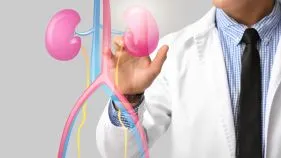
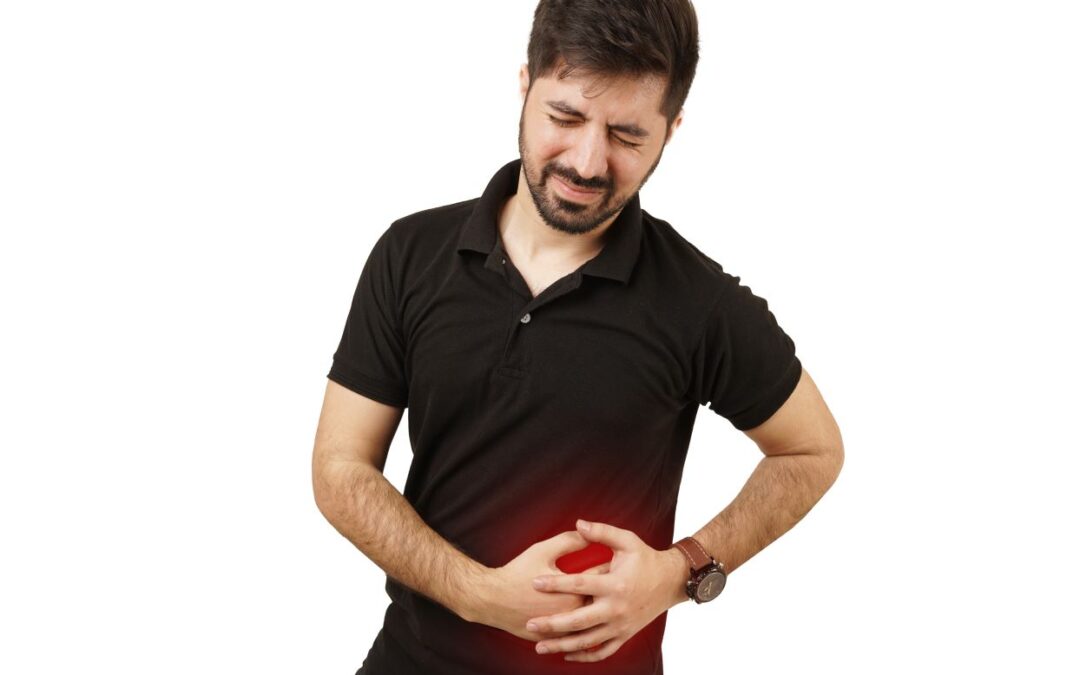
Kidney stone pain can begin suddenly and may become extremely uncomfortable. The pain is often felt in the side or back and may move toward the lower abdomen or groin. Nausea, vomiting, blood in the urine, burning during urination, and frequent urination may also occur.
People searching for a quick remedy for kidney stone pain often want immediate relief at home. While some measures may provide temporary comfort, they do not remove the stone or treat complications such as urinary obstruction or infection.
The safest approach is to relieve symptoms appropriately while determining the stone's size, location, and effect on urine flow.
At Prabhakar Bhurke Clinic, Dr. Sandip Prabhakar Bhurke, a super specialist nephrologist, provides comprehensive kidney evaluation, kidney function assessment, medical management, and guidance regarding kidney stone treatment, with coordination with urology specialists when a procedure is required.
What Causes Kidney Stone Pain?
Kidney stones form when certain substances in urine become concentrated and crystallize.
Pain usually occurs when a stone moves from the kidney into the ureter or interferes with urine drainage.
The pain may:
-
Begin suddenly
-
Occur in waves
-
Feel severe or cramping
-
Start in the flank or back
-
Move toward the abdomen or groin
-
Become associated with nausea or vomiting
The intensity of pain does not always indicate the size of the stone, so medical assessment is important.
Quick Remedies for Kidney Stone Pain
There is no guaranteed home remedy that immediately removes a kidney stone. However, some measures may help provide temporary relief while you arrange appropriate medical care.
1. Use Pain Medicine Only as Advised
Pain medicines can be effective for renal colic, but the appropriate medicine depends on your kidney function, medical history, medications, stomach health, pregnancy status, and other factors.
Non-steroidal anti-inflammatory drugs (NSAIDs) are commonly used for renal colic in suitable patients, but they are not appropriate for everyone.
People with kidney disease, certain stomach conditions, dehydration, or other medical problems should not self-medicate with NSAIDs without professional advice.
2. Drink Fluids Sensibly
Adequate fluid intake can support normal urine flow and may help small stones pass in selected patients.
However, drinking very large quantities of water rapidly does not necessarily make a stone pass faster and may worsen discomfort if urine flow is obstructed.
If you have kidney failure, heart problems, fluid restrictions, or significant urinary obstruction, follow your doctor's specific fluid recommendations.
3. Apply Gentle Heat
A warm heating pad or warm compress placed over the painful area may provide temporary comfort for some people.
Use a comfortable temperature and avoid prolonged direct heat on the skin.
Heat can reduce discomfort but does not treat the underlying stone.
4. Rest in a Comfortable Position
Kidney stone pain can make it difficult to find a comfortable position. Resting and avoiding strenuous activity may help you cope with severe discomfort while seeking medical advice.
5. Follow Prescribed Medicines
If a doctor has already evaluated your kidney stone and prescribed medication, take it exactly as directed.
Depending on your condition, treatment may include medicines for:
-
Pain
-
Nausea and vomiting
-
Urinary symptoms
-
Stone passage in selected cases
Do not increase the dose or combine pain medicines without medical guidance.
Can Lemon Water Remove Kidney Stones Quickly?
Lemon contains citrate, which can be relevant to kidney stone prevention in some people. However, lemon water should not be considered a quick treatment for severe kidney stone pain or a substitute for medical treatment.
If a stone is large, obstructing urine flow, or associated with infection, lemon water will not resolve the underlying emergency.
Can Drinking More Water Stop Kidney Stone Pain?
Water can help maintain urine flow and is important for kidney stone prevention, but drinking excessive amounts during an acute attack may not relieve pain and can potentially increase pressure behind an obstruction.
The right amount of fluid depends on the individual's kidney function and clinical condition.
If your doctor has advised a fluid restriction, follow that recommendation rather than increasing water intake on your own.
When Is Kidney Stone Pain an Emergency?
Kidney stone pain requires urgent medical evaluation when it occurs with symptoms suggesting infection or significant obstruction.
Seek urgent medical care if you experience:
-
Fever or chills
-
Severe or worsening pain
-
Persistent vomiting
-
Difficulty passing urine
-
Very low urine output
-
Blood in the urine with worsening symptoms
-
Severe weakness
-
Confusion
-
Known kidney disease with new severe pain
A blocked urinary tract combined with infection can become a serious medical emergency and may require urgent drainage and antibiotic treatment.
Why You Should Not Rely Only on Home Remedies
Home measures may temporarily reduce discomfort, but they cannot determine:
-
How large the stone is
-
Where the stone is located
-
Whether urine flow is blocked
-
Whether an infection is present
-
Whether kidney function is affected
-
Whether the stone is likely to pass naturally
Delaying evaluation of a problematic stone can increase the risk of complications.
How Are Kidney Stones Diagnosed?
A doctor may use several tests to determine the appropriate treatment.
Medical Evaluation
Your doctor may ask about:
-
Pain location and severity
-
Duration of symptoms
-
Urinary changes
-
Previous kidney stones
-
Medical conditions
-
Current medications
Urine Tests
Urinalysis may help detect:
-
Blood
-
Infection
-
Crystals
-
Protein
-
Other urinary abnormalities
A urine culture may be recommended when infection is suspected.
Blood Tests
Depending on the situation, testing may include:
-
Serum creatinine
-
Estimated Glomerular Filtration Rate (eGFR)
-
Electrolytes
-
Blood count
-
Other tests when clinically indicated
These tests help assess kidney function and identify complications.
Imaging Tests
Imaging may include:
-
Kidney ultrasound
-
X-ray in selected cases
-
Non-contrast CT scan when clinically appropriate
Imaging helps identify the stone's size, location, obstruction, and other abnormalities.
What Treatment Provides Faster Relief?
Treatment depends on the stone and the patient's clinical condition.
Small Stones
Some small stones may pass naturally. A doctor may recommend pain control, appropriate fluid intake, observation, and follow-up.
Larger Stones
Larger stones are less likely to pass naturally and may require active treatment.
Possible procedures include:
-
ESWL
-
Ureteroscopy with laser lithotripsy
-
RIRS
-
PCNL
The appropriate procedure depends on stone size, location, composition, anatomy, kidney function, and other factors.
Stone With Urinary Obstruction
If a stone significantly blocks urine drainage, treatment may be necessary to restore urine flow.
Stone With Infection
A urinary infection occurring behind an obstruction can be dangerous.
In such cases, urgent drainage and appropriate antibiotic treatment may be required before definitive stone removal.
Can Medicine Make a Kidney Stone Pass Faster?
Certain medicines may assist the passage of selected ureteral stones in appropriate patients.
However, these medicines are not suitable for every stone.
The likelihood of successful medical passage depends on factors such as:
-
Stone size
-
Stone location
-
Ureteral anatomy
-
Degree of obstruction
-
Kidney function
-
Presence of infection
A nephrologist or urologist can determine whether medication-based management is appropriate.
How Long Does Kidney Stone Pain Last?
Kidney stone pain may last for minutes, hours, or recur over several days depending on whether the stone moves and whether urine drainage is affected.
Pain may improve when the stone changes position, but pain relief does not necessarily mean that the stone has been completely passed.
Follow-up may be necessary to confirm stone clearance.
How to Prevent Future Kidney Stones
After the immediate episode has been treated, preventing another stone is important.
Depending on the stone type, your doctor may recommend:
-
Drinking an appropriate amount of fluid
-
Reducing excessive salt intake
-
Maintaining a balanced diet
-
Avoiding excessive intake of foods associated with your specific stone type
-
Maintaining a healthy weight
-
Managing diabetes and blood pressure
-
Reviewing unnecessary supplements or medications
-
Stone analysis when available
-
Metabolic evaluation for recurrent stones
Prevention should be personalized because kidney stones have different chemical compositions and causes.
When Should You Consult a Nephrologist?
Consult a super specialist nephrologist if you have:
-
Recurrent kidney stones
-
Abnormal kidney function tests
-
High creatinine
-
Reduced eGFR
-
Persistent urinary abnormalities
-
Repeated urinary infections
-
Kidney disease associated with stones
-
High blood pressure with kidney concerns
-
A history of complicated stone disease
A nephrologist can assess overall kidney health and coordinate procedural care with a urologist when required.
Why Choose Prabhakar Bhurke Clinic?
At Prabhakar Bhurke Clinic, patients receive comprehensive kidney-focused care from Dr. Sandip Prabhakar Bhurke, a super specialist nephrologist.
Our approach includes:
-
Detailed kidney evaluation
-
Kidney function testing
-
Assessment of stone-related kidney problems
-
Personalized medical management
-
Guidance regarding appropriate stone treatment
-
Kidney stone prevention counseling
-
Long-term kidney health monitoring
-
Coordination with experienced urology specialists when procedures are required
Our focus is on providing evidence-based care while protecting kidney function and reducing the risk of complications.
Frequently Asked Questions
What is the quickest remedy for kidney stone pain?
Appropriate medical pain management can provide the fastest relief for many patients, but the correct medicine depends on your health and kidney function. A medical evaluation is especially important when pain is severe.
Does drinking lots of water immediately remove kidney stone pain?
No. Excessive water intake does not guarantee rapid stone passage and may worsen discomfort if urine flow is obstructed. Drink fluids according to medical advice.
Is a heating pad good for kidney stone pain?
A warm compress or heating pad may provide temporary comfort, but it does not remove the stone or treat an infection or obstruction.
Can lemon water cure kidney stones?
Lemon water is not a reliable treatment for an acute kidney stone attack. Citrate may have a role in preventing certain stones, but treatment depends on the type and circumstances of the stone.
Should I go to the hospital for kidney stone pain?
Seek urgent medical attention if severe pain is accompanied by fever, chills, persistent vomiting, difficulty passing urine, very low urine output, confusion, or severe weakness.
Can a kidney stone pass without surgery?
Some smaller stones can pass naturally, while larger stones may require active treatment. A 15mm or similarly large stone, for example, generally requires specialist evaluation because spontaneous passage is unlikely.
Conclusion
Finding a quick remedy for kidney stone pain is understandable when an attack begins suddenly. Appropriate pain management, sensible fluid intake, gentle heat, and prescribed medicines may help provide temporary relief in suitable patients. However, these measures do not replace evaluation of the underlying stone.
The size and location of the stone, urinary obstruction, infection, and kidney function all influence the appropriate treatment. Depending on the situation, a stone may be observed, treated medically, or removed using procedures such as ESWL, RIRS, ureteroscopy, or PCNL.
At Prabhakar Bhurke Clinic, Dr. Sandip Prabhakar Bhurke, a super specialist nephrologist, provides comprehensive kidney evaluation, personalized medical care, and guidance for patients with kidney stones and related kidney problems. When a procedure is required, appropriate urology coordination can help ensure the patient receives suitable specialist care.
Book an Appointment Today
If you are experiencing severe kidney stone pain, recurrent stones, blood in the urine, difficulty passing urine, high creatinine, reduced eGFR, or urinary symptoms, schedule a consultation at Prabhakar Bhurke Clinic. Our super specialist nephrologist will assess your kidney health and provide personalized guidance for safe symptom relief, stone management, and prevention of future kidney problems.
Medical Disclaimer
This article is provided for general educational purposes and does not replace professional medical advice, diagnosis, or treatment. Kidney stone treatment and pain-relief medicines must be individualized according to stone size, location, kidney function, medical history, and other factors. Do not self-medicate with prescription medicines or excessive doses of painkillers. Seek urgent medical attention for severe pain accompanied by fever, chills, persistent vomiting, difficulty passing urine, very low urine output, confusion, or severe weakness.