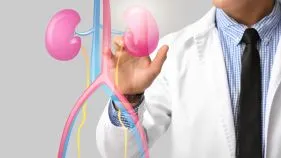
Endoscopic Kidney Stone Removal: Procedure, Benefits, Recovery & Expert Kidney Care

Endoscopic Kidney Stone Removal: Procedure, Benefits, Recovery & Expert Kidney Care

Introduction

Kidney stones can cause severe pain, blood in the urine, urinary tract infections, and blockage of urine flow. While many small stones pass naturally, larger or symptomatic stones often require medical intervention. One of the most effective minimally invasive treatment options is endoscopic kidney stone removal, which allows stones to be removed or broken into smaller fragments without large surgical incisions.

If you are looking for expert guidance on endoscopic kidney stone removal, consulting an experienced super specialist nephrologist is essential for accurate diagnosis, kidney function assessment, and long-term prevention of recurrent stones.

At Prabhakar Bhurke Clinic, our super specialist nephrologist provides comprehensive kidney stone evaluation, personalized treatment planning, advanced kidney function testing, and long-term stone prevention. When endoscopic stone removal is indicated, care is coordinated with experienced urology specialists to ensure the best possible outcomes.


What Is Endoscopic Kidney Stone Removal?

Endoscopic kidney stone removal is a minimally invasive procedure that uses a thin, flexible or rigid endoscope to access the urinary tract and remove or fragment kidney stones.

Unlike traditional open surgery, endoscopic techniques usually require no large external incision, resulting in less pain, quicker recovery, and shorter hospital stays for many patients.

The exact procedure depends on the size, location, and complexity of the stone.


When Is Endoscopic Kidney Stone Removal Recommended?

Your doctor may recommend endoscopic treatment if:

  • The stone is too large to pass naturally.

  • Severe pain persists despite medication.

  • The stone causes urinary obstruction.

  • There is recurrent urinary tract infection.

  • Kidney function is affected.

  • The stone continues to grow.

  • Previous conservative treatment has failed.

  • Multiple kidney stones are present.

The decision is individualized after a complete medical evaluation.


Types of Endoscopic Kidney Stone Procedures

Several minimally invasive procedures are available depending on the stone's characteristics.

Retrograde Intrarenal Surgery (RIRS)

RIRS involves passing a flexible endoscope through the urinary tract to reach the kidney. A laser is then used to break the stone into small fragments that can pass naturally or be removed.

RIRS is commonly recommended for small to medium-sized kidney stones.


Ureteroscopy (URS)

Ureteroscopy is performed to treat stones located in the ureter or lower parts of the kidney. A thin scope is passed through the urinary tract, and the stone is either removed or fragmented using laser technology.


Percutaneous Nephrolithotomy (PCNL)

Although PCNL involves a small skin incision in the back, it is considered a minimally invasive procedure and is often recommended for:

  • Large kidney stones

  • Multiple stones

  • Complex or staghorn stones


Symptoms That May Require Treatment

Kidney stones may cause:

  • Severe flank pain

  • Pain radiating to the groin

  • Blood in the urine

  • Burning during urination

  • Frequent urination

  • Nausea and vomiting

  • Fever with infection

  • Difficulty passing urine

These symptoms should be evaluated promptly.


How Are Kidney Stones Diagnosed?

At Prabhakar Bhurke Clinic, our super specialist nephrologist performs a detailed kidney stone evaluation.

Medical History and Physical Examination

Your doctor will review:

  • Symptoms

  • Previous kidney stones

  • Family history

  • Dietary habits

  • Medical conditions

  • Current medications


Blood Tests

Investigations may include:

  • Serum Creatinine

  • Estimated Glomerular Filtration Rate (eGFR)

  • Blood Urea Nitrogen (BUN)

  • Electrolytes

  • Calcium

  • Uric Acid

These tests evaluate kidney function and identify metabolic causes of stone formation.


Urine Tests

Urine investigations may include:

  • Urinalysis

  • Urine Culture

  • Urine Microscopy

  • Urine pH

  • 24-hour urine analysis when indicated

These tests help identify infection and assess the risk of future stone formation.


Imaging Studies

Imaging helps determine the size, location, and number of stones.

Investigations may include:

  • Kidney Ultrasound

  • CT KUB (Computed Tomography – Kidneys, Ureters and Bladder)

  • X-ray KUB in selected patients


Benefits of Endoscopic Kidney Stone Removal

Compared with traditional open surgery, endoscopic procedures often provide:

  • No large surgical incision

  • Less postoperative pain

  • Shorter hospital stay

  • Faster recovery

  • Minimal blood loss

  • High success rates for appropriately selected patients

  • Earlier return to daily activities

Your treating specialist will recommend the most suitable procedure based on your individual condition.


Recovery After Endoscopic Stone Removal

Recovery varies depending on the procedure performed and the patient's overall health.

Most patients are advised to:

  • Drink adequate fluids unless medically restricted.

  • Take prescribed medications.

  • Avoid strenuous activities for the recommended period.

  • Attend follow-up appointments.

  • Complete stone analysis if advised.

  • Follow dietary recommendations to reduce recurrence.

Your doctor will provide individualized recovery instructions.


Preventing Future Kidney Stones

Preventive care is an important part of treatment.

Your nephrologist may recommend:

  • Drinking enough water.

  • Limiting salt intake.

  • Maintaining a healthy weight.

  • Following a personalized kidney stone diet.

  • Treating metabolic abnormalities.

  • Managing calcium, oxalate, or uric acid levels.

  • Regular kidney function monitoring.

These measures help reduce the risk of recurrent stones.


Possible Complications if Kidney Stones Are Left Untreated

Untreated kidney stones may lead to:

  • Persistent severe pain

  • Recurrent urinary tract infections

  • Kidney swelling (hydronephrosis)

  • Urinary obstruction

  • Kidney damage

  • Reduced kidney function

  • Chronic kidney disease

Early treatment helps prevent these complications.


Why Choose Prabhakar Bhurke Clinic?

Patients choose Prabhakar Bhurke Clinic because we provide:

  • Consultation with a super specialist nephrologist

  • Comprehensive kidney stone evaluation

  • Advanced kidney function testing

  • Personalized treatment plans

  • Expertise in recurrent kidney stones and metabolic stone disorders

  • Guidance regarding RIRS, ureteroscopy, PCNL, and other minimally invasive stone treatments

  • Long-term kidney stone prevention

  • Dialysis planning and kidney transplant evaluation when required

  • Compassionate, evidence-based, patient-centered care

When endoscopic procedures are needed, we coordinate care with experienced urology specialists to ensure safe and effective treatment.


Frequently Asked Questions (FAQs)

Is endoscopic kidney stone removal painful?

The procedure is usually performed under anesthesia, so patients do not feel pain during treatment. Mild discomfort during recovery is common and can usually be managed with prescribed medications.

Will every kidney stone require endoscopic removal?

No. Many small stones pass naturally. Endoscopic treatment is recommended for larger stones or stones causing persistent pain, obstruction, infection, or reduced kidney function.

How long does recovery take?

Recovery depends on the specific procedure and the patient's overall health. Many patients return to normal activities within a few days to a few weeks, depending on the treatment performed.

Can kidney stones return after treatment?

Yes. Without preventive measures, kidney stones can recur. Long-term follow-up, dietary changes, hydration, and metabolic evaluation help reduce the risk.


Conclusion

Endoscopic kidney stone removal is an effective minimally invasive treatment for patients with symptomatic or larger kidney stones that cannot pass naturally. Modern endoscopic techniques offer excellent outcomes with smaller incisions or no external incisions, quicker recovery, and less postoperative discomfort.

At Prabhakar Bhurke Clinic, our super specialist nephrologist provides expert diagnosis, comprehensive kidney stone evaluation, personalized treatment planning, kidney function assessment, and long-term prevention strategies. We work closely with experienced urology specialists when minimally invasive stone removal is required, ensuring complete and coordinated kidney care for every patient.


Book an Appointment Today

If you are experiencing kidney stone pain, blood in the urine, recurrent kidney stones, urinary tract infections, high creatinine levels, reduced eGFR, or symptoms of urinary obstruction, schedule a consultation at Prabhakar Bhurke Clinic. Our super specialist nephrologist will perform a comprehensive evaluation, recommend the most appropriate treatment, and develop a personalized plan to protect your kidney health and prevent future stone formation.

Swollen Kidney Treatment: Causes, Symptoms, Diagnosis & Expert Kidney Care

Swollen Kidney Treatment: Causes, Symptoms, Diagnosis & Expert Kidney Care

Introduction

A swollen kidney, medically known as hydronephrosis, occurs when urine cannot drain properly from the kidney, causing it to become enlarged. The swelling develops because urine backs up into the kidney instead of flowing normally into the bladder.

Hydronephrosis is not a disease itself but a sign of an underlying problem such as kidney stones, urinary tract obstruction, enlarged prostate, congenital abnormalities, or urinary tract infections. If left untreated, prolonged swelling can damage kidney tissue and reduce kidney function.

Early diagnosis and timely treatment are essential to relieve the obstruction, preserve kidney function, and prevent complications.

At Prabhakar Bhurke Clinic, our super specialist nephrologist provides comprehensive kidney evaluations, advanced diagnostic testing, personalized treatment plans, kidney function assessment, dialysis planning when required, and long-term kidney care.


What Is a Swollen Kidney?

A swollen kidney develops when urine accumulates inside the kidney because of partial or complete blockage of urine flow.

The condition may affect:

  • One kidney (unilateral hydronephrosis)

  • Both kidneys (bilateral hydronephrosis)

The severity ranges from mild to severe depending on the degree and duration of obstruction.


Causes of a Swollen Kidney

Several conditions may block urine flow and cause kidney swelling, including:

  • Kidney stones

  • Ureteral stones

  • Urinary tract obstruction

  • Enlarged prostate (in men)

  • Ureteral strictures (narrowing)

  • Congenital urinary tract abnormalities

  • Vesicoureteral reflux (backflow of urine)

  • Tumors affecting the urinary tract

  • Pregnancy-related urinary compression

  • Blood clots (rare)

  • Severe urinary tract infections

Identifying the underlying cause is essential for successful treatment.


Symptoms of a Swollen Kidney

Swollen Kidney Treatment: Causes, Symptoms, Diagnosis & Expert Kidney Care

Chronic Cough and Kidney Failure: Causes, Symptoms, Diagnosis & Treatment

Introduction

A chronic cough is a cough that lasts for more than eight weeks in adults. While chronic cough is most commonly caused by respiratory conditions, allergies, acid reflux, or certain medications, it may also occur in people with advanced kidney disease or kidney failure.

Kidney failure itself does not usually cause a cough directly. However, complications associated with kidney failure—such as fluid overload, heart problems, infections, anemia, or side effects of medications—may contribute to persistent coughing.

If you have kidney disease and develop a chronic cough, it is important to seek medical evaluation to identify the underlying cause and receive appropriate treatment.

At Prabhakar Bhurke Clinic, our super specialist nephrologist provides comprehensive kidney evaluations, advanced diagnostic testing, personalized treatment plans, dialysis management, kidney transplant evaluation, and long-term care for patients with chronic kidney disease and kidney failure.


Can Kidney Failure Cause a Chronic Cough?

Yes, in some cases.

Although kidney failure does not directly irritate the airways, several complications associated with advanced kidney disease may contribute to persistent coughing.

Possible causes include:

  • Fluid accumulation in the lungs (pulmonary edema)

  • Heart failure associated with kidney disease

  • Lung infections

  • Reduced immunity

  • Side effects of certain blood pressure medications (such as ACE inhibitors)

  • Severe anemia

  • Acid reflux, which is more common in some patients with chronic illness

Because many other medical conditions can also cause a chronic cough, a thorough evaluation is important.


Symptoms Associated with Kidney Failure

Patients with advanced kidney disease may experience:

  • Persistent fatigue

  • Swelling of the feet, ankles, or face

  • Shortness of breath

  • Chronic cough in some cases

  • Reduced urine output

  • High blood pressure

  • Nausea and vomiting

  • Loss of appetite

  • Persistent itching

  • Muscle cramps

  • Difficulty concentrating

  • Foamy urine

  • Blood in the urine

These symptoms require prompt evaluation by a nephrologist.


Common Causes of Kidney Failure

Kidney failure may develop due to:

  • Diabetes

  • High blood pressure

  • Chronic glomerulonephritis

  • Polycystic kidney disease

  • Autoimmune kidney diseases

  • Recurrent kidney infections

  • Long-term urinary tract obstruction

  • Certain inherited kidney disorders

Managing these conditions early helps reduce the risk of kidney failure.


Other Possible Causes of Chronic Cough

Not every chronic cough is related to kidney disease.

Other common causes include:

  • Asthma

  • Allergies

  • Chronic bronchitis

  • Acid reflux (GERD)

  • Sinus disease with postnasal drip

  • Smoking

  • Lung infections

  • Tuberculosis

  • Certain medications

  • Chronic obstructive pulmonary disease (COPD)

A complete medical evaluation helps determine the exact cause.


When Should You Seek Immediate Medical Care?

Seek urgent medical attention if your cough is associated with:

  • Severe shortness of breath

  • Chest pain

  • Fever and chills

  • Coughing up blood

  • Rapid swelling

  • Sudden weight gain from fluid retention

  • Difficulty breathing while lying flat

  • Confusion or loss of consciousness

These symptoms may indicate a medical emergency.


How Is the Cause Diagnosed?

At Prabhakar Bhurke Clinic, our super specialist nephrologist performs a comprehensive evaluation to determine whether kidney disease is contributing to your symptoms.

Medical History and Physical Examination

Your doctor will assess:

  • Duration of the cough

  • Kidney disease history

  • Current medications

  • Blood pressure

  • Swelling

  • Heart and lung examination

  • Smoking history

  • Associated symptoms


Blood Tests

Investigations may include:

  • Serum Creatinine

  • Estimated Glomerular Filtration Rate (eGFR)

  • Blood Urea Nitrogen (BUN)

  • Electrolytes

  • Complete Blood Count (CBC)

These tests evaluate kidney function and detect complications such as anemia or infection.


Urine Tests

Urine investigations may include:

  • Urinalysis

  • Urine Protein Testing

  • Urine Albumin-to-Creatinine Ratio (ACR)

These tests assess ongoing kidney damage.


Imaging Studies

Depending on your condition, your doctor may recommend:

  • Kidney Ultrasound

  • Chest X-ray

  • CT Scan when indicated

  • Echocardiography in selected patients

These investigations help identify kidney abnormalities, fluid overload, lung disease, or heart-related complications.


Treatment for Chronic Cough in Kidney Failure

Treatment focuses on the underlying cause rather than the cough itself.

Managing Kidney Failure

Treatment may include:

  • Blood pressure control

  • Diabetes management

  • Treatment of anemia

  • Fluid balance management

  • Electrolyte correction

  • Kidney-friendly diet

Proper management of kidney disease often improves associated symptoms.


Dialysis

If fluid overload contributes to coughing, dialysis may help remove excess fluid and improve breathing in patients who require kidney replacement therapy.

Dialysis is recommended only when medically indicated.


Treating Infections

If a respiratory or urinary infection is present, your doctor will prescribe appropriate treatment.


Medication Review

Some medications, particularly ACE inhibitors, may cause a persistent dry cough.

Your doctor may review your medications and make changes if necessary.

Do not stop prescribed medicines without medical advice.


Lifestyle Measures

Helpful measures include:

  • Following your kidney-friendly diet.

  • Limiting salt intake.

  • Taking medications as prescribed.

  • Managing diabetes and blood pressure.

  • Avoiding smoking.

  • Attending regular nephrology follow-up appointments.

These habits support both kidney and overall health.


Possible Complications

Without appropriate treatment, advanced kidney disease may lead to:

  • Fluid overload

  • Pulmonary edema

  • Heart disease

  • Severe anemia

  • Chronic kidney disease progression

  • Kidney failure requiring dialysis or transplantation

Early treatment significantly reduces these risks.


Why Choose Prabhakar Bhurke Clinic?

Patients trust Prabhakar Bhurke Clinic because we provide:

  • Consultation with a super specialist nephrologist

  • Comprehensive kidney evaluations

  • Advanced kidney function testing

  • Personalized treatment plans

  • Expertise in chronic kidney disease and kidney failure

  • Dialysis planning and long-term management

  • Kidney transplant evaluation

  • Compassionate, evidence-based, patient-centered care

Our goal is to identify the underlying cause of your symptoms, preserve kidney function, and improve your quality of life.


Frequently Asked Questions (FAQs)

Can kidney failure cause a chronic cough?

Kidney failure does not usually cause a cough directly. However, complications such as fluid overload, heart problems, infections, or medication side effects may contribute to chronic coughing.

Is coughing a sign that dialysis is needed?

Not necessarily. The need for dialysis depends on your overall clinical condition, symptoms, laboratory findings, and kidney function—not on cough alone.

Can fluid overload cause coughing?

Yes. Excess fluid may accumulate in the lungs in advanced kidney failure, leading to coughing and shortness of breath. This requires prompt medical evaluation.

Should I ignore a chronic cough if I have kidney disease?

No. A persistent cough should always be evaluated because it may be related to kidney disease complications or an unrelated medical condition that requires treatment.


Conclusion

A chronic cough in someone with kidney disease should never be ignored. While kidney failure does not usually cause coughing directly, complications such as fluid overload, heart disease, lung infections, anemia, or medication side effects may contribute to persistent symptoms. Early diagnosis allows appropriate treatment and helps prevent serious complications.

At Prabhakar Bhurke Clinic, our super specialist nephrologist provides expert diagnosis, advanced kidney evaluations, personalized treatment plans, dialysis management, and long-term care for patients with chronic kidney disease and kidney failure. We are committed to delivering evidence-based, compassionate care that supports better kidney health and overall well-being.


Book an Appointment Today

If you have chronic cough, high creatinine levels, reduced eGFR, swelling, shortness of breath, diabetes, high blood pressure, or other symptoms of kidney disease, schedule a consultation at Prabhakar Bhurke Clinic. Our super specialist nephrologist will perform a comprehensive evaluation, identify the underlying cause, and develop a personalized treatment plan to protect your kidney health and improve your quality of life.

Endoscopic Kidney Stone Removal: Procedure, Benefits, Recovery & Expert Kidney Care

Kidney Scarring Treatment: Symptoms, Causes, Diagnosis & Expert Kidney Care

Introduction

Kidney scarring, also known as renal scarring, occurs when kidney tissue is permanently damaged due to infection, inflammation, injury, or long-standing kidney disease. Scarred areas of the kidney cannot function like healthy kidney tissue, and extensive scarring may gradually reduce overall kidney function.

Although existing scar tissue usually cannot be reversed, early diagnosis and appropriate treatment can help prevent further damage, preserve remaining kidney function, and reduce the risk of chronic kidney disease (CKD) and kidney failure.

At Prabhakar Bhurke Clinic, our super specialist nephrologist provides comprehensive kidney evaluations, advanced diagnostic testing, personalized treatment plans, and long-term care for patients with kidney scarring and other kidney disorders.


What Is Kidney Scarring?

Kidney scarring is the replacement of healthy kidney tissue with permanent scar tissue following injury or disease.

The kidneys contain millions of tiny filtering units called nephrons. Damage to these structures may lead to fibrosis (scarring), reducing the kidney's ability to filter blood effectively.

The amount of kidney function affected depends on the extent and location of the scarring.


Causes of Kidney Scarring

Kidney scarring may develop due to several conditions, including:

  • Recurrent kidney infections (Pyelonephritis)

  • Vesicoureteral reflux (VUR)

  • Chronic kidney disease

  • Diabetes

  • High blood pressure

  • Glomerulonephritis

  • Kidney stones causing repeated obstruction

  • Urinary tract obstruction

  • Autoimmune kidney diseases

  • Kidney injury or trauma

  • Congenital kidney abnormalities

Early treatment of these conditions helps reduce the risk of permanent kidney damage.


Symptoms of Kidney Scarring

Some patients have no symptoms, particularly when scarring is mild.

When symptoms occur, they may include:

  • High blood pressure

  • Swelling of the feet, ankles, or face

  • Fatigue

  • Foamy urine

  • Blood in the urine

  • Frequent urination

  • Reduced urine output

  • Recurrent urinary tract infections

  • Persistent flank or back pain

  • High creatinine levels

  • Reduced eGFR

Symptoms often depend on the amount of remaining kidney function.


How Is Kidney Scarring Diagnosed?

At Prabhakar Bhurke Clinic, our super specialist nephrologist performs a comprehensive kidney evaluation.

Medical History and Physical Examination

Your doctor will review:

  • Symptoms

  • Previous kidney infections

  • History of kidney stones

  • Diabetes

  • Blood pressure

  • Family history

  • Current medications


Blood Tests

Important investigations may include:

  • Serum Creatinine

  • Estimated Glomerular Filtration Rate (eGFR)

  • Blood Urea Nitrogen (BUN)

  • Electrolytes

  • Complete Blood Count (CBC)

These tests assess kidney function and identify complications.


Urine Tests

Urine investigations may include:

  • Urinalysis

  • Urine Protein Testing

  • Urine Albumin-to-Creatinine Ratio (ACR)

  • Urine Culture

  • Urine Microscopy

These tests detect infection, protein leakage, and blood in the urine.


Imaging Studies

Imaging plays an important role in diagnosing kidney scarring.

Your nephrologist may recommend:

  • Kidney Ultrasound

  • CT Scan

  • MRI when indicated

  • DMSA Renal Scan in selected cases

These studies help identify scarred kidney tissue and evaluate overall kidney structure.


Kidney Biopsy

In selected patients, a kidney biopsy may be recommended to determine the underlying cause of kidney damage.


Kidney Scarring Treatment

Treatment focuses on preventing additional kidney damage, preserving remaining kidney function, and managing the underlying condition.

Treat the Underlying Cause

Treatment may involve:

  • Managing kidney infections

  • Controlling diabetes

  • Treating high blood pressure

  • Managing autoimmune kidney diseases

  • Removing urinary obstruction

  • Treating kidney stones

Early treatment helps reduce further scarring.


Blood Pressure Control

Maintaining healthy blood pressure is one of the most effective ways to slow kidney damage.

Your nephrologist may prescribe medications to protect kidney function.


Diabetes Management

Good blood sugar control is essential for patients with diabetic kidney disease and helps reduce ongoing kidney injury.


Medications

Treatment may include

10 Percent Kidney Function Life Expectancy Without Dialysis: What You Should Know

10 Percent Kidney Function Life Expectancy Without Dialysis: What You Should Know

Introduction

Hearing that your kidneys are functioning at only 10 percent can be overwhelming. One of the first questions many patients and families ask is, "How long can someone live with 10 percent kidney function without dialysis?"

The answer is different for every individual. There is no single life expectancy that applies to everyone. Survival depends on several factors, including the underlying kidney disease, age, overall health, heart function, other medical conditions, nutritional status, and whether dialysis or kidney transplantation is appropriate.

At Prabhakar Bhurke Clinic, our super specialist nephrologist provides comprehensive evaluation, advanced kidney care, dialysis planning, kidney transplant assessment, and supportive treatment to help patients achieve the best possible quality of life.


What Does 10 Percent Kidney Function Mean?

Kidneys normally filter waste products, remove excess fluid, regulate electrolytes, and help control blood pressure.

When kidney function falls to approximately 10 percent, it usually indicates advanced Chronic Kidney Disease (CKD Stage 5) or End-Stage Kidney Disease (ESKD).

At this stage, the kidneys are no longer able to adequately perform their essential functions, and waste products begin to accumulate in the body.


Does 10 Percent Kidney Function Always Mean Dialysis?

Not always.

The decision to start dialysis is not based on kidney function alone.

Your nephrologist considers several factors, including:

  • Symptoms

  • Overall health

  • Blood test results

  • Fluid overload

  • Electrolyte abnormalities

  • Nutritional status

  • Ability to perform daily activities

Some patients begin dialysis before kidney function reaches 10%, while others may safely wait under close medical supervision.


Life Expectancy Without Dialysis

Many people search for an exact number, but there is no universal life expectancy for someone with 10 percent kidney function who does not receive dialysis.

Life expectancy varies depending on:

  • Age

  • Cause of kidney disease

  • Heart health

  • Diabetes

  • Blood pressure control

  • Nutritional status

  • Presence of infections

  • Remaining kidney function

  • Individual treatment goals

For some people, especially those with significant symptoms of kidney failure, declining dialysis may shorten survival. Others may live longer depending on their overall health and medical circumstances.

Your nephrologist can provide guidance based on your individual condition rather than a general estimate.


Symptoms of Advanced Kidney Failure

As kidney function declines, patients may experience:

  • Severe fatigue

  • Persistent weakness

  • Swelling of the feet, ankles, or face

  • Loss of appetite

  • Nausea and vomiting

  • Shortness of breath

  • Persistent itching

  • Muscle cramps

  • Difficulty concentrating

  • Reduced urine output

  • Frequent urination at night

  • Metallic taste in the mouth

  • High blood pressure

  • Fluid retention

These symptoms often become more noticeable as kidney function decreases.


Causes of Advanced Kidney Failure

Common causes include:

  • Diabetes

  • High blood pressure

  • Chronic glomerulonephritis

  • Polycystic kidney disease

  • Autoimmune kidney diseases

  • Recurrent kidney infections

  • Long-term urinary obstruction

  • Certain inherited kidney disorders

Early treatment of these conditions can slow disease progression.


How Is Advanced Kidney Disease Diagnosed?

At Prabhakar Bhurke Clinic, our super specialist nephrologist performs a comprehensive kidney evaluation.

Medical History and Physical Examination

Your doctor evaluates:

  • Symptoms

  • Medical history

  • Diabetes

  • Blood pressure

  • Heart disease

  • Current medications

  • Family history


Blood Tests

Investigations may include:

  • Serum Creatinine

  • Estimated Glomerular Filtration Rate (eGFR)

  • Blood Urea Nitrogen (BUN)

  • Electrolytes

  • Hemoglobin

  • Calcium

  • Phosphorus

These tests assess kidney function and identify complications.


Urine Tests

Urine investigations may include:

  • Urinalysis

  • Protein testing

  • Urine Albumin-to-Creatinine Ratio (ACR)


Imaging Studies

Depending on your condition, investigations may include:

  • Kidney Ultrasound

  • CT Scan when clinically indicated

These studies evaluate kidney size, structure, and associated abnormalities.


Treatment Options

Treatment is individualized according to each patient's medical condition and preferences.

Medical Management

Treatment may include:

  • Blood pressure control

  • Diabetes management

  • Treatment of anemia

  • Correction of electrolyte abnormalities

  • Management of bone and mineral disorders

  • Fluid balance

  • Nutritional support


Dialysis

Dialysis replaces part of the kidneys' filtering function by removing waste products and excess fluid.

The main types include:

  • Hemodialysis

  • Peritoneal Dialysis

Your nephrologist will discuss whether dialysis is appropriate for your situation.


Kidney Transplant

For eligible patients, kidney transplantation often provides better long-term quality of life and survival than long-term dialysis.

Evaluation is individualized and depends on overall health.


Supportive and Conservative Kidney Care

Some patients, particularly those with advanced age or serious medical conditions, may choose conservative kidney management instead of dialysis.

This approach focuses on:

  • Symptom relief

  • Maintaining comfort

  • Nutritional guidance

  • Blood pressure management

  • Emotional and psychological support

  • Improving quality of life

The most appropriate approach should always be discussed with your nephrologist.


Lifestyle Measures That Support Kidney Health

Patients with advanced kidney disease should:

  • Take medications exactly as prescribed.

  • Follow a kidney-friendly diet.

  • Control diabetes and blood pressure.

  • Avoid smoking.

  • Limit alcohol consumption.

  • Attend regular nephrology follow-up appointments.

  • Follow fluid recommendations provided by their doctor.

These measures help reduce complications and improve overall well-being.


When Should You Seek Immediate Medical Care?

Seek urgent medical attention if you develop:

  • Severe shortness of breath

  • Chest pain

  • Confusion

  • Persistent vomiting

  • Inability to pass urine

  • Sudden swelling

  • High fever

  • Loss of consciousness

These symptoms may require emergency treatment.


Why Choose Prabhakar Bhurke Clinic?

Patients trust Prabhakar Bhurke Clinic because we provide:

  • Consultation with a super specialist nephrologist

  • Comprehensive kidney evaluations

  • Advanced kidney function testing

  • Personalized treatment plans

  • Expertise in Stage 5 CKD and kidney failure

  • Dialysis planning and long-term management

  • Kidney transplant evaluation

  • Conservative kidney care when appropriate

  • Compassionate, evidence-based, patient-centered treatment

Our focus is to help patients make informed decisions while improving both quality of life and long-term health outcomes.


Frequently Asked Questions (FAQs)

Can someone live with only 10 percent kidney function?

Yes. Some people can live with approximately 10 percent kidney function, but they usually require close monitoring and individualized treatment. Many patients eventually need dialysis or a kidney transplant, while others may choose conservative management.

Is dialysis always necessary at 10 percent kidney function?

Not always. The decision depends on symptoms, laboratory findings, overall health, and clinical assessment rather than kidney function alone.

Can kidney function improve from 10 percent?

In chronic kidney disease, significant recovery is generally unlikely. However, if kidney function has declined because of an acute, reversible problem, some improvement may occur after appropriate treatment.

Is kidney transplantation an option?

Many patients with advanced kidney disease may be evaluated for kidney transplantation, depending on their overall health and suitability.


Conclusion

Learning that your kidneys are functioning at only 10 percent can be frightening, but it does not automatically predict how long someone will live. Every patient is different, and treatment decisions should be based on symptoms, overall health, and personal goals. Early specialist care, appropriate treatment, and regular follow-up can improve quality of life and help manage advanced kidney disease effectively.

At Prabhakar Bhurke Clinic, our super specialist nephrologist provides expert diagnosis, advanced kidney failure management, dialysis planning, kidney transplant evaluation, and personalized care for patients with Stage 5 CKD. We are committed to helping patients and their families understand every available treatment option and receive compassionate, evidence-based care.


Book an Appointment Today

If you or a loved one has advanced kidney disease, Stage 5 CKD, high creatinine levels, reduced eGFR, severe fatigue, swelling, or other symptoms of kidney failure, schedule a consultation at Prabhakar Bhurke Clinic. Our super specialist nephrologist will perform a comprehensive evaluation, explain your treatment options, and develop a personalized care plan to support your kidney health and quality of life.

Swollen Kidney Treatment: Causes, Symptoms, Diagnosis & Expert Kidney Care

Renal Treatment Specialist in Mumbai: Comprehensive Kidney Care at Prabhakar Bhurke Clinic

Introduction

Kidney diseases often develop silently, with many patients experiencing few or no symptoms until kidney function has significantly declined. Whether you are dealing with high creatinine levels, chronic kidney disease, kidney stones, protein in the urine, uncontrolled blood pressure, or kidney failure, timely consultation with a renal treatment specialist is essential for protecting your kidney health.

If you are searching for a renal treatment specialist in Mumbai, choosing an experienced super specialist nephrologist ensures accurate diagnosis, evidence-based treatment, and long-term management of kidney disorders.

At Prabhakar Bhurke Clinic, our super specialist nephrologist provides comprehensive kidney evaluations, advanced diagnostic testing, personalized treatment plans, dialysis planning, kidney transplant evaluation, and preventive kidney care for patients of all ages.


Who Is a Renal Treatment Specialist?

A renal treatment specialist, also known as a nephrologist, is a doctor who specializes in diagnosing, treating, and preventing diseases affecting the kidneys.

A nephrologist manages both acute and chronic kidney disorders and helps preserve kidney function through medical treatment, lifestyle guidance, and long-term monitoring.


Kidney Conditions Treated at Prabhakar Bhurke Clinic

Our super specialist nephrologist provides expert care for a wide range of kidney conditions, including:

Chronic Kidney Disease (CKD)

Early diagnosis and appropriate treatment can slow disease progression and reduce complications.

Acute Kidney Injury (AKI)

Sudden loss of kidney function caused by dehydration, infections, medications, or reduced blood flow requires prompt evaluation and treatment.

Kidney Failure

Comprehensive management of advanced kidney disease, including dialysis planning and kidney transplant evaluation.

Kidney Stones

Diagnosis, medical management, prevention strategies, and coordination for minimally invasive stone removal when required.

Diabetic Kidney Disease

Specialized care for patients with diabetes to protect kidney function and delay disease progression.

High Blood Pressure Related to Kidney Disease

Careful blood pressure management helps preserve kidney function and reduce cardiovascular risk.

Protein in the Urine (Proteinuria)

Evaluation of the underlying cause and personalized treatment to reduce kidney damage.

Kidney Infections

Prompt diagnosis and treatment help prevent permanent kidney injury.

Glomerulonephritis

Diagnosis and treatment of inflammatory kidney diseases affecting the kidney's filtering units.

Polycystic Kidney Disease

Long-term monitoring and individualized treatment for inherited kidney disorders.


Symptoms That Require a Renal Specialist

You should consult a nephrologist if you experience:

  • Swelling of the feet, ankles, hands, or face

  • High creatinine levels

  • Reduced eGFR

  • Blood in the urine

  • Foamy urine

  • Frequent urination at night

  • Persistent back or flank pain

  • Recurrent urinary tract infections

  • Kidney stones

  • High blood pressure that is difficult to control

  • Fatigue and weakness

  • Persistent nausea

  • Family history of kidney disease

Early diagnosis often leads to better treatment outcomes.


How Are Kidney Diseases Diagnosed?

At Prabhakar Bhurke Clinic, every patient undergoes a thorough kidney evaluation.

Medical History and Physical Examination

Your nephrologist will review:

  • Symptoms

  • Medical history

  • Family history

  • Current medications

  • Diabetes

  • Blood pressure

  • Lifestyle factors


Blood Tests

Important investigations may include:

  • Serum Creatinine

  • Estimated Glomerular Filtration Rate (eGFR)

  • Blood Urea Nitrogen (BUN)

  • Electrolytes

  • Hemoglobin

  • Blood Sugar Levels

These tests evaluate kidney function and identify associated complications.


Urine Tests

Urine investigations may include:

  • Urinalysis

  • Urine Protein Testing

  • Urine Albumin-to-Creatinine Ratio (ACR)

  • Urine Culture

  • Urine Microscopy

These tests help detect kidney damage, infection, and protein leakage.


Imaging Studies

Depending on the condition, investigations may include:

  • Kidney Ultrasound

  • CT Scan

  • MRI when clinically indicated

Imaging helps assess kidney structure, stones, cysts, obstruction, and other abnormalities.


Kidney Biopsy

In selected patients, a kidney biopsy may be recommended to determine the exact cause of kidney disease and guide treatment.


Treatment Services

Treatment is individualized based on the patient's diagnosis and stage of kidney disease.

Our services include:

Medical Management

Treatment of:

  • Chronic kidney disease

  • Acute kidney injury

  • High blood pressure

  • Diabetes-related kidney disease

  • Proteinuria

  • Kidney infections

  • Electrolyte disorders


Kidney-Friendly Lifestyle Guidance

Patients receive advice regarding:

  • Diet modifications

  • Salt restriction

  • Weight management

  • Physical activity

  • Smoking cessation

  • Blood pressure control

  • Diabetes management


Dialysis Planning

Patients with advanced kidney disease receive:

  • Hemodialysis guidance

  • Peritoneal dialysis counseling

  • Long-term dialysis management


Kidney Transplant Evaluation

Eligible patients receive:

  • Comprehensive transplant assessment

  • Pre-transplant evaluation

  • Long-term follow-up after transplantation


Why Early Kidney Treatment Matters

Early nephrology consultation can help:

  • Preserve kidney function

  • Slow disease progression

  • Reduce complications

  • Delay or prevent dialysis

  • Improve quality of life

  • Reduce the risk of kidney failure

Routine monitoring is especially important for patients with diabetes and hypertension.


Why Choose Prabhakar Bhurke Clinic?

Patients choose Prabhakar Bhurke Clinic because we provide:

  • Consultation with a super specialist nephrologist

  • Comprehensive kidney evaluations

  • Advanced diagnostic facilities

  • Personalized treatment plans

  • Expertise in chronic kidney disease, kidney failure, kidney stones, and diabetic kidney disease

  • Dialysis planning and long-term management

  • Kidney transplant evaluation and follow-up

  • Preventive kidney care and long-term monitoring

  • Compassionate, evidence-based, patient-centered care

Our commitment is to provide accurate diagnosis, individualized treatment, and continuous support to help every patient maintain the best possible kidney health.


Frequently Asked Questions (FAQs)

What does a renal treatment specialist treat?

A renal treatment specialist (nephrologist) diagnoses and manages kidney diseases, including chronic kidney disease, kidney failure, kidney stones, proteinuria, hypertension related to kidney disease, and electrolyte disorders.

When should I consult a nephrologist?

You should consult a nephrologist if you have abnormal kidney function tests, high creatinine levels, reduced eGFR, protein in the urine, recurrent kidney stones, uncontrolled blood pressure, or persistent kidney-related symptoms.

Does every kidney disease patient require dialysis?

No. Many kidney diseases can be managed with medications, lifestyle changes, and regular monitoring. Dialysis is recommended only when kidney function declines significantly and is medically indicated.

Can kidney disease be prevented?

Many cases can be prevented or slowed by controlling diabetes, managing blood pressure, maintaining a healthy lifestyle, staying hydrated, and attending regular health check-ups.


Conclusion

If you are looking for a renal treatment specialist in Mumbai, choosing an experienced nephrologist is essential for protecting your kidney health and preventing long-term complications. Early diagnosis, advanced investigations, personalized treatment, and regular follow-up can make a significant difference in preserving kidney function.

At Prabhakar Bhurke Clinic, our super specialist nephrologist provides expert diagnosis, comprehensive kidney care, dialysis planning, kidney transplant evaluation, and long-term management for patients with all types of kidney diseases. Our goal is to deliver evidence-based, compassionate care that helps every patient achieve better kidney health and improved quality of life.


Book an Appointment Today

If you have high creatinine levels, reduced eGFR, chronic kidney disease, kidney stones, protein in the urine, diabetes, high blood pressure, swelling, or any symptoms of kidney disease, schedule a consultation at Prabhakar Bhurke Clinic. Our super specialist nephrologist will perform a detailed evaluation and develop a personalized treatment plan to protect your kidneys and support your long-term health.