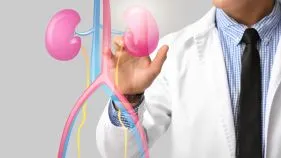
ESWL Kidney Stone Treatment: Procedure, Benefits, Recovery & Expert Kidney Care

ESWL Kidney Stone Treatment: Procedure, Benefits, Recovery & Expert Kidney Care

Introduction

Kidney stones are a common urinary tract condition that can cause severe pain, blood in the urine, nausea, and difficulty passing urine. While many small stones pass naturally, larger stones may require medical treatment to prevent complications and preserve kidney function.

One of the most commonly used non-invasive treatments for selected kidney stones is Extracorporeal Shock Wave Lithotripsy (ESWL). This procedure uses high-energy shock waves to break kidney stones into smaller fragments that can pass naturally through the urinary tract.

At Prabhakar Bhurke Clinic, our super specialist nephrologist provides comprehensive kidney stone evaluation, advanced diagnostic testing, personalized treatment plans, and coordinates care with experienced urology specialists to determine whether ESWL or another treatment option is the most appropriate for each patient.


What Is ESWL?

Extracorporeal Shock Wave Lithotripsy (ESWL) is a non-surgical procedure used to break certain kidney and upper ureter stones into tiny fragments.

The treatment:

  • Does not require a surgical incision.

  • Uses focused shock waves from outside the body.

  • Helps smaller stone fragments pass naturally through urine.

  • Is commonly performed as a day-care procedure in suitable patients.

ESWL is one of several treatment options available for kidney stones and may not be appropriate for every patient.


When Is ESWL Recommended?

Your doctor may consider ESWL if you have:

  • Small to medium-sized kidney stones

  • Stones causing pain or urinary symptoms

  • Stones that are unlikely to pass naturally

  • Certain upper ureter stones

  • Good kidney drainage without significant obstruction

The decision depends on the stone's size, location, composition, and your overall health.


Who May Not Be Suitable for ESWL?

ESWL may not be appropriate for everyone.

Alternative treatments may be recommended for patients with:

  • Very large kidney stones

  • Pregnancy

  • Certain bleeding disorders

  • Active urinary tract infection

  • Severe urinary obstruction

  • Certain stone locations or stone types that respond poorly to shock waves

A detailed evaluation helps determine the safest and most effective treatment.


Symptoms of Kidney Stones

Patients with kidney stones may experience:

  • Severe flank or back pain

  • Pain radiating to the groin

  • Blood in the urine

  • Burning during urination

  • Frequent urination

  • Nausea and vomiting

  • Difficulty passing urine

  • Fever and chills (if infection is present)

Prompt evaluation is important, especially if pain is severe or accompanied by fever.


How Is ESWL Performed?

The procedure generally involves the following steps:

Step 1: Evaluation

Before treatment, your nephrologist and urology team review:

  • Medical history

  • Stone size

  • Stone location

  • Imaging studies

  • Kidney function


Step 2: Positioning

You are positioned on a specialized treatment table.

The stone is located using imaging guidance such as ultrasound or X-ray.


Step 3: Shock Wave Treatment

High-energy shock waves are directed toward the stone.

These shock waves gradually break the stone into smaller pieces while minimizing damage to surrounding tissues.


Step 4: Passing the Stone

Over the following days or weeks, the small stone fragments usually pass naturally in the urine.

Your doctor may advise drinking adequate fluids unless medically restricted.


Benefits of ESWL

For suitable patients, ESWL offers several advantages:

  • Non-invasive procedure

  • No surgical incision

  • Short recovery time

  • Day-care treatment in many cases

  • Reduced postoperative discomfort

  • Effective treatment for selected kidney stones

  • Faster return to normal daily activities

Treatment success depends on the size, location, and type of kidney stone.


Recovery After ESWL

Most patients recover quickly.

During recovery, you may notice:

  • Mild flank discomfort

  • Small amounts of blood in the urine for a short time

  • Passing stone fragments over several days or weeks

Your doctor may prescribe medications to:

  • Relieve pain

  • Help pass stone fragments

  • Prevent infection if needed

Follow-up appointments are important to confirm that the stone has cleared completely.


Possible Side Effects and Risks

Although ESWL is generally safe, some patients may experience:

  • Temporary blood in the urine

  • Mild pain while passing fragments

  • Bruising near the treatment area

  • Urinary tract infection

  • Incomplete stone fragmentation

  • Temporary blockage by stone fragments (known as "steinstrasse")

  • Need for additional procedures if stone fragments do not pass completely

Most complications are manageable with timely medical care.


How Are Kidney Stones Diagnosed?

At Prabhakar Bhurke Clinic, our super specialist nephrologist performs a comprehensive evaluation before recommending treatment.

Medical History and Physical Examination

Your doctor will review:

  • Symptoms

  • Previous kidney stones

  • Medical history

  • Family history

  • Current medications


Blood Tests

Important investigations include:

  • Serum Creatinine

  • Estimated Glomerular Filtration Rate (eGFR)

  • Blood Urea Nitrogen (BUN)

  • Electrolytes

  • Complete Blood Count (CBC)

These tests evaluate kidney function and identify complications.


Urine Tests

Urine investigations may include:

  • Urinalysis

  • Urine Culture

  • Urine Microscopy

These tests help detect blood, infection, and crystals.


Imaging Studies

Imaging may include:

  • Kidney Ultrasound

  • X-ray KUB

  • Non-Contrast CT (NCCT KUB), when indicated

These investigations determine the stone's size, location, and number, helping guide treatment decisions.


Preventing Future Kidney Stones

After treatment, preventing recurrence is important.

Helpful measures include:

  • Drinking adequate water unless medically restricted

  • Reducing excess salt intake

  • Following a balanced diet

  • Maintaining a healthy weight

  • Managing underlying medical conditions

  • Taking medications if prescribed to reduce stone recurrence

  • Attending regular follow-up appointments

Your nephrologist may also recommend metabolic evaluation for recurrent stone formers.


When Should You See a Nephrologist?

Consult a nephrologist if you have:

  • Recurrent kidney stones

  • Blood in the urine

  • Severe flank pain

  • Frequent urinary tract infections

  • High creatinine levels

  • Reduced eGFR

  • Family history of kidney stones

  • Persistent urinary symptoms

Early specialist care helps prevent kidney damage and future stone formation.


Why Choose Prabhakar Bhurke Clinic?

Patients trust Prabhakar Bhurke Clinic because we provide:

  • Consultation with a super specialist nephrologist

  • Comprehensive kidney stone evaluation

  • Advanced kidney function testing

  • Personalized treatment plans

  • Expertise in recurrent kidney stones and chronic kidney disease

  • Coordination with experienced urology specialists for ESWL and other stone removal procedures

  • Dialysis planning and kidney transplant evaluation when required

  • Compassionate, evidence-based, patient-centered care

Our goal is to help patients achieve complete stone clearance while protecting long-term kidney health.


Frequently Asked Questions (FAQs)

Is ESWL painful?

Most patients tolerate ESWL well. Mild discomfort may occur during or after the procedure, and your doctor may provide medication to improve comfort.

How long does it take to recover from ESWL?

Most people return to normal activities within a few days, although stone fragments may continue to pass for several weeks.

Will ESWL remove all kidney stones?

ESWL is highly effective for many small and medium-sized stones, but some patients may require additional sessions or alternative procedures depending on the stone's size, location, and composition.

Can kidney stones come back after ESWL?

Yes. ESWL removes existing stones but does not prevent new stones from forming. Following preventive measures and regular follow-up can reduce the risk of recurrence.


Conclusion

Extracorporeal Shock Wave Lithotripsy (ESWL) is a safe and effective, non-invasive treatment option for many patients with kidney stones. By breaking stones into smaller fragments that can pass naturally, ESWL can relieve symptoms, prevent complications, and protect kidney function. A thorough evaluation is essential to determine whether ESWL is the most suitable treatment based on the size, location, and type of kidney stone.

At Prabhakar Bhurke Clinic, our super specialist nephrologist provides expert kidney stone diagnosis, personalized treatment planning, metabolic evaluation for recurrent stones, and coordinated care with experienced urology specialists for ESWL and other advanced stone treatments. We are committed to helping you achieve better kidney health through evidence-based, compassionate care.


Book an Appointment Today

If you have kidney stones, severe flank pain, blood in the urine, recurrent urinary tract infections, high creatinine levels, reduced eGFR, or would like to know whether ESWL kidney stone treatment is right for you, schedule a consultation at Prabhakar Bhurke Clinic. Our super specialist nephrologist will perform a comprehensive evaluation and recommend the most appropriate treatment plan to relieve your symptoms and protect your kidney health.

Right Kidney Pain Symptoms: Causes, Warning Signs, Diagnosis & Treatment

Right Kidney Pain Symptoms: Causes, Warning Signs, Diagnosis & Treatment

Introduction

Pain on the right side of the back or abdomen is often mistaken for muscle strain or spinal pain, but in some cases, it may originate from the right kidney. The kidneys are located on either side of the spine, just below the rib cage, and pain arising from the right kidney may indicate an underlying condition that requires medical attention.

Right kidney pain can result from kidney stones, kidney infections, urinary tract obstruction, cysts, or other kidney disorders. Early diagnosis is important because untreated kidney conditions can lead to complications, including chronic kidney disease or kidney failure.

At Prabhakar Bhurke Clinic, our super specialist nephrologist provides comprehensive kidney evaluations, advanced diagnostic testing, personalized treatment plans, and long-term kidney care for patients experiencing kidney pain and other kidney-related conditions.


Where Is Right Kidney Pain Felt?

The right kidney is located in the upper back, beneath the lower ribs on the right side.

Pain may be felt in the:

  • Right flank (side of the body)

  • Lower back

  • Area below the right ribs

  • Right side of the abdomen

  • Groin (when caused by kidney stones)

Kidney pain is usually deeper and more persistent than ordinary muscle pain.


Right Kidney Pain Symptoms

The symptoms vary depending on the underlying cause.

Common symptoms include:

Pain in the Right Flank

Pain may be:

  • Sharp

  • Dull

  • Constant

  • Intermittent

  • Mild to severe

The discomfort is typically located between the ribs and the hip on the right side.


Pain Radiating to the Groin

Kidney stone pain often spreads from the right flank to the:

  • Lower abdomen

  • Groin

  • Genital area

This type of pain is usually severe and may come in waves.


Burning During Urination

Pain while passing urine may indicate:

  • Kidney infection

  • Urinary tract infection (UTI)

  • Kidney stones


Frequent Urination

Patients may notice:

  • Increased frequency

  • Urgent need to urinate

  • Night-time urination


Blood in the Urine

Urine may appear:

  • Pink

  • Red

  • Brown

Blood in the urine requires prompt medical evaluation.


Foamy Urine

Foamy urine may indicate excess protein in the urine and should be assessed by a nephrologist.


Fever and Chills

Fever accompanied by right kidney pain may suggest a kidney infection (pyelonephritis) and requires urgent medical treatment.


Nausea and Vomiting

Severe kidney stones or infections may cause:

  • Nausea

  • Vomiting

  • Loss of appetite


Swelling

Fluid retention may lead to swelling of the:

  • Feet

  • Ankles

  • Legs

  • Face

This may occur if kidney function is reduced.


Common Causes of Right Kidney Pain

Several kidney conditions may cause pain on the right side.

Kidney Stones

Kidney stones are one of the most common causes of severe flank pain.

Symptoms may include:

  • Sudden severe pain

  • Blood in the urine

  • Nausea

  • Vomiting

  • Pain radiating to the groin


Kidney Infection (Pyelonephritis)

A kidney infection can cause:

  • Fever

  • Chills

  • Flank pain

  • Burning urination

  • Frequent urination

  • Fatigue

Prompt antibiotic treatment is essential.


Urinary Tract Obstruction

Blockage of urine flow caused by:

  • Kidney stones

  • Ureteral narrowing

  • Enlarged prostate (in men)

  • Tumors

Obstruction can increase pressure within the kidney and cause pain.


Kidney Cysts

Simple kidney cysts usually cause no symptoms, but larger cysts may produce discomfort or flank pain.


Polycystic Kidney Disease

This inherited condition causes multiple cysts to develop in the kidneys and may lead to:

  • Flank pain

  • High blood pressure

  • Blood in the urine

  • Reduced kidney function


Acute Kidney Injury

Sudden kidney injury may cause flank discomfort along with reduced urine output and abnormal kidney function tests.


Risk Factors

You may have a higher risk of kidney disorders if you have:

  • Diabetes

  • High blood pressure

  • Recurrent urinary tract infections

  • Previous kidney stones

  • Family history of kidney disease

  • Obesity

  • Dehydration

  • Smoking


How Is Right Kidney Pain Diagnosed?

At Prabhakar Bhurke Clinic, our super specialist nephrologist performs a thorough kidney evaluation.

Medical History and Physical Examination

Your doctor will assess:

  • Pain location

  • Duration of symptoms

  • Urinary symptoms

  • Medical history

  • Medication use

  • Family history


Blood Tests

Important investigations include:

  • Serum Creatinine

  • Estimated Glomerular Filtration Rate (eGFR)

  • Blood Urea Nitrogen (BUN)

  • Electrolytes

  • Complete Blood Count (CBC)

These tests evaluate kidney function and detect infection.


Urine Tests

Urine investigations may include:

  • Urinalysis

  • Urine Culture

  • Urine Microscopy

  • Urine Protein Testing

These tests help identify infection, blood, protein, or kidney damage.


Imaging Studies

Depending on your condition, investigations may include:

  • Kidney Ultrasound

  • CT Scan

  • X-ray KUB when appropriate

Imaging helps detect kidney stones, cysts, obstruction, or structural abnormalities.


Treatment for Right Kidney Pain

Treatment depends on the underlying cause.

Medications

Your nephrologist may prescribe medicines to:

  • Treat infection

  • Relieve pain safely

  • Control blood pressure

  • Reduce swelling

  • Manage kidney disease complications

Avoid self-medicating with painkillers, as some medications may worsen kidney function.


Kidney Stone Management

Treatment depends on the size and location of the stone and may include:

  • Increased fluid intake (when appropriate)

  • Medicines to help pass small stones

  • Pain management

  • Referral for procedures such as lithotripsy or endoscopic stone removal when necessary

Our nephrologist works closely with experienced urology specialists for advanced stone management.


Treatment of Kidney Infection

Kidney infections are treated with appropriate antibiotics and supportive care.

Severe infections may require hospitalization.


Lifestyle Changes

To support kidney health:

  • Drink adequate water unless medically restricted

  • Control diabetes and blood pressure

  • Reduce salt intake

  • Maintain a healthy weight

  • Avoid smoking

  • Take medications exactly as prescribed

  • Attend regular follow-up appointments


When Should You Seek Immediate Medical Care?

Seek urgent medical attention if right kidney pain is accompanied by:

  • High fever

  • Chills

  • Severe vomiting

  • Inability to pass urine

  • Heavy blood in the urine

  • Severe or worsening pain

  • Confusion or extreme weakness

These symptoms may indicate a serious kidney condition requiring emergency treatment.


Why Choose Prabhakar Bhurke Clinic?

Patients trust Prabhakar Bhurke Clinic because we provide:

  • Consultation with a super specialist nephrologist

  • Comprehensive kidney evaluations

  • Advanced kidney function testing

  • Personalized treatment plans

  • Expertise in kidney stones, kidney infections, chronic kidney disease, and kidney failure

  • Dialysis planning and kidney transplant evaluation

  • Coordination with experienced urology specialists when advanced procedures are required

  • Compassionate, evidence-based, patient-centered care

Our goal is to identify the cause of kidney pain early and provide effective treatment that protects your kidney health.


Frequently Asked Questions (FAQs)

Is right kidney pain always caused by kidney stones?

No. Right kidney pain can result from kidney infections, urinary tract obstruction, kidney cysts, polycystic kidney disease, or other kidney disorders. A medical evaluation is needed to determine the exact cause.

How can I tell if the pain is coming from my kidney?

Kidney pain is usually felt deep in the flank or upper back beneath the ribs and may be associated with urinary symptoms, fever, or blood in the urine. Muscle pain typically changes with movement and improves with rest.

Can kidney pain go away on its own?

Some mild conditions may improve, but persistent or severe kidney pain should never be ignored because it may indicate a serious underlying problem.

When should I see a nephrologist?

You should consult a nephrologist if you have persistent flank pain, blood in the urine, high creatinine levels, low eGFR, recurrent kidney stones, kidney infections, or swelling.


Conclusion

Right kidney pain can be a symptom of several kidney conditions, including kidney stones, kidney infections, urinary tract obstruction, or chronic kidney disease. Recognizing associated symptoms such as blood in the urine, fever, burning urination, or persistent flank pain is essential for early diagnosis and treatment. Prompt medical care helps prevent complications and protects long-term kidney function.

At Prabhakar Bhurke Clinic, our super specialist nephrologist provides expert diagnosis, advanced kidney evaluations, personalized treatment plans, dialysis guidance, and long-term kidney care for patients with kidney pain and other kidney disorders. We are committed to delivering compassionate, evidence-based care to help you maintain healthy kidneys.


Book an Appointment Today

If you are experiencing right kidney pain, flank pain, blood in the urine, burning urination, recurrent kidney stones, kidney infections, high creatinine levels, low eGFR, or other kidney-related symptoms, schedule a consultation at Prabhakar Bhurke Clinic. Our super specialist nephrologist will perform a comprehensive kidney evaluation and create a personalized treatment plan to protect your kidney health and improve your overall well-being.

Home Remedies for Proteinuria: Natural Ways to Support Kidney Health

Home Remedies for Proteinuria: Natural Ways to Support Kidney Health

Introduction

Proteinuria refers to the presence of excess protein in the urine. Normally, healthy kidneys prevent significant amounts of protein from passing into the urine. When the kidneys become damaged or their filtering units (glomeruli) are affected, protein can leak into the urine.

Many people search for home remedies for proteinuria, but it is important to understand that proteinuria is a symptom rather than a disease itself. While healthy lifestyle habits may help support kidney health and reduce the risk of further kidney damage, they cannot cure proteinuria or replace medical treatment. The underlying cause must be identified and managed by a qualified nephrologist.

At Prabhakar Bhurke Clinic, our super specialist nephrologist provides comprehensive kidney evaluations, advanced diagnostic testing, personalized treatment plans, and long-term care for patients with proteinuria and other kidney disorders.


What Is Proteinuria?

Proteinuria occurs when an abnormal amount of protein, especially albumin, passes into the urine.

Healthy kidneys filter waste products while keeping important proteins in the bloodstream. When the kidney filters become damaged, protein leaks into the urine.

Persistent proteinuria may be an early sign of kidney disease and should always be evaluated by a nephrologist.


What Causes Proteinuria?

Proteinuria may occur due to several medical conditions, including:

  • Chronic Kidney Disease (CKD)

  • Diabetic kidney disease

  • High blood pressure

  • Glomerulonephritis

  • Kidney infections

  • Autoimmune diseases

  • Polycystic kidney disease

  • Acute kidney injury

  • Certain medications

  • Pregnancy-related kidney conditions

Sometimes, temporary proteinuria may occur after intense exercise, dehydration, fever, or severe stress.


Symptoms of Proteinuria

Mild proteinuria often causes no symptoms.

As kidney disease progresses, patients may experience:

  • Foamy urine

  • Swelling of the feet, ankles, or face

  • Puffiness around the eyes

  • Fatigue

  • High blood pressure

  • Weight gain due to fluid retention

  • Reduced urine output

  • Loss of appetite

  • Weakness

These symptoms require medical evaluation.


Home Remedies for Proteinuria

Healthy lifestyle habits may help support kidney function and complement medical treatment.

Control Blood Pressure

High blood pressure is one of the leading causes of kidney damage.

Keeping blood pressure within the target range helps reduce ongoing injury to the kidneys.


Manage Diabetes Effectively

Good blood sugar control is essential for people with diabetes.

Maintaining healthy glucose levels can reduce protein leakage and help slow kidney disease progression.


Reduce Salt Intake

Eating less salt may help:

  • Lower blood pressure

  • Reduce swelling

  • Decrease fluid retention

Choose fresh foods and limit processed or packaged foods that are often high in sodium.


Follow a Kidney-Friendly Diet

A balanced diet supports overall kidney health.

Your nephrologist or renal dietitian may recommend:

  • Appropriate protein intake

  • Fresh fruits and vegetables (as appropriate for your kidney function)

  • Whole grains

  • Healthy fats

  • Limiting processed foods

Diet recommendations should always be individualized.


Stay Hydrated

Adequate hydration supports overall kidney function.

However, patients with advanced kidney disease or heart failure may require fluid restrictions. Always follow your doctor's advice regarding fluid intake.


Maintain a Healthy Weight

Achieving and maintaining a healthy weight may help:

  • Improve blood pressure

  • Improve blood sugar control

  • Reduce stress on the kidneys

Even modest weight loss can provide significant health benefits.


Exercise Regularly

Regular physical activity helps:

  • Improve cardiovascular health

  • Control blood pressure

  • Manage diabetes

  • Maintain a healthy body weight

Aim for regular exercise after discussing an appropriate plan with your healthcare provider.


Avoid Smoking

Smoking reduces blood flow to the kidneys and may accelerate kidney damage.

Quitting smoking is one of the best ways to protect long-term kidney health.


Avoid Unnecessary Painkillers

Frequent use of certain pain-relieving medicines, particularly non-steroidal anti-inflammatory drugs (NSAIDs), may worsen kidney function in some individuals.

Always use medications only as prescribed by your doctor.


Attend Regular Kidney Check-ups

Routine monitoring helps your nephrologist:

  • Track kidney function

  • Measure protein in the urine

  • Adjust treatment when necessary

  • Detect complications early

Regular follow-up is essential for long-term kidney health.


What Should You Avoid?

If you have proteinuria, avoid:

  • Self-medicating with herbal supplements without medical advice

  • Excessive salt intake

  • Smoking

  • Heavy alcohol consumption

  • Unnecessary use of NSAID painkillers

  • Ignoring persistent swelling or urinary changes

Always consult your nephrologist before trying alternative therapies.


How Is Proteinuria Diagnosed?

At Prabhakar Bhurke Clinic, our super specialist nephrologist performs a detailed kidney evaluation.

Medical History and Physical Examination

Your consultation includes:

  • Review of symptoms

  • Medical history

  • Diabetes and blood pressure history

  • Medication review

  • Family history

  • Physical examination


Blood Tests

Important investigations include:

  • Serum Creatinine

  • Estimated Glomerular Filtration Rate (eGFR)

  • Blood Urea Nitrogen (BUN)

  • Electrolytes

  • Blood Sugar

  • Complete Blood Count (CBC)

These tests assess kidney function and detect complications.


Urine Tests

Urine investigations may include:

  • Urinalysis

  • Urine Albumin-to-Creatinine Ratio (ACR)

  • Protein estimation

  • Urine microscopy

These tests confirm protein leakage and help identify the underlying cause.


Imaging Studies

Depending on your condition, investigations may include:

  • Kidney Ultrasound

  • CT Scan when clinically indicated

Imaging helps identify structural abnormalities affecting the kidneys.


Kidney Biopsy

In selected cases, a kidney biopsy may be recommended to determine the exact cause of persistent proteinuria and guide treatment.


Medical Treatment for Proteinuria

Treatment depends on the underlying cause.

Your nephrologist may recommend:

  • Blood pressure medications

  • Diabetes management

  • Medicines to reduce protein leakage into the urine

  • Treatment of kidney infections

  • Management of autoimmune diseases

  • Kidney-friendly dietary guidance

  • Regular kidney function monitoring

Treatment is individualized according to each patient's condition.


When Should You See a Nephrologist?

Consult a nephrologist if you have:

  • Persistent foamy urine

  • Protein in the urine

  • Swelling

  • High creatinine levels

  • Reduced eGFR

  • Diabetes

  • High blood pressure

  • Blood in the urine

  • Family history of kidney disease

Early treatment helps preserve kidney function and reduce complications.


Why Choose Prabhakar Bhurke Clinic?

Patients trust Prabhakar Bhurke Clinic because we provide:

  • Consultation with a super specialist nephrologist

  • Comprehensive kidney evaluations

  • Advanced kidney function testing

  • Personalized treatment plans

  • Expertise in chronic kidney disease, diabetic kidney disease, and glomerular disorders

  • Dialysis planning and kidney transplant evaluation

  • Long-term kidney health monitoring

  • Compassionate, evidence-based, patient-centered care

Our goal is to identify the cause of proteinuria early, preserve kidney function, and improve your long-term health.


Frequently Asked Questions (FAQs)

Can home remedies cure proteinuria?

No. Home remedies cannot cure proteinuria. They may support overall kidney health, but identifying and treating the underlying cause is essential.

Is proteinuria always a sign of kidney disease?

Not always. Temporary proteinuria can occur with fever, dehydration, or strenuous exercise. Persistent proteinuria should always be evaluated by a nephrologist.

Can proteinuria be reversed?

In some cases, proteinuria improves when the underlying cause is treated. In chronic kidney disease, treatment focuses on reducing protein leakage and slowing disease progression.

What foods are good for proteinuria?

A balanced kidney-friendly diet with reduced salt and appropriate protein intake may help. Dietary recommendations should always be individualized based on kidney function.


Conclusion

Proteinuria is an important warning sign that the kidneys may not be functioning normally. Although healthy lifestyle habits and certain home measures can support kidney health, they cannot replace medical diagnosis or treatment. Persistent protein in the urine should always be evaluated to identify the underlying cause and prevent further kidney damage.

At Prabhakar Bhurke Clinic, our super specialist nephrologist provides expert diagnosis, advanced kidney evaluations, personalized treatment plans, and long-term care for patients with proteinuria and all stages of kidney disease. Through evidence-based treatment and compassionate care, we are committed to helping you protect your kidneys and maintain your overall health.


Book an Appointment Today

If you have foamy urine, protein in the urine, swelling, diabetes, high blood pressure, high creatinine levels, low eGFR, or other signs of kidney disease, schedule a consultation at Prabhakar Bhurke Clinic. Our super specialist nephrologist will perform a comprehensive kidney evaluation and create a personalized treatment plan to preserve your kidney function and improve your long-term health.

Kidney and Pancreas Transplant: Benefits, Eligibility, Procedure & Expert Kidney Care

Kidney and Pancreas Transplant: Benefits, Eligibility, Procedure & Expert Kidney Care

Introduction

A kidney and pancreas transplant is an advanced surgical treatment offered to selected patients with Type 1 diabetes and advanced kidney disease or kidney failure. This procedure involves transplanting both a healthy kidney and a healthy pancreas from a deceased donor during the same operation. For carefully selected patients, a successful transplant can restore kidney function, improve blood sugar control, reduce dependence on dialysis and insulin, and significantly improve quality of life.

Not everyone with diabetes or kidney disease is a candidate for this procedure. A detailed evaluation by a nephrologist and a multidisciplinary transplant team is essential to determine the most appropriate treatment option.

At Prabhakar Bhurke Clinic, our super specialist nephrologist provides comprehensive transplant evaluation, kidney disease management, dialysis guidance, pre-transplant assessment, and long-term post-transplant follow-up to help patients achieve the best possible outcomes.


What Is a Kidney and Pancreas Transplant?

A kidney and pancreas transplant is a procedure in which:

  • A healthy kidney replaces a failed kidney.

  • A healthy pancreas is transplanted to restore insulin production.

The procedure is most commonly performed as a simultaneous kidney-pancreas (SKP) transplant, where both organs are transplanted during the same surgery.

For suitable patients, this approach may improve survival, reduce complications of diabetes, and enhance overall quality of life.


Who May Benefit from a Kidney and Pancreas Transplant?

A kidney and pancreas transplant may be considered for carefully selected patients with:

  • Type 1 diabetes

  • End-stage kidney disease (ESKD)

  • Kidney failure requiring dialysis

  • Advanced chronic kidney disease approaching kidney failure

  • Diabetes with severe complications despite intensive treatment

Eligibility varies from person to person. A complete medical evaluation is necessary before transplantation is recommended.


Types of Pancreas Transplant Procedures

Depending on the patient's condition, different transplant approaches may be considered.

Simultaneous Kidney-Pancreas (SKP) Transplant

Both the kidney and pancreas are transplanted during one operation. This is the most common option for eligible patients with Type 1 diabetes and kidney failure.


Pancreas After Kidney (PAK) Transplant

A kidney transplant is performed first, followed by a pancreas transplant at a later stage.


Pancreas Transplant Alone (PTA)

In selected patients with severe Type 1 diabetes but preserved kidney function, only a pancreas transplant may be considered.


Benefits of a Kidney and Pancreas Transplant

For suitable candidates, a successful transplant may offer several benefits, including:

  • Restoration of kidney function

  • Improved blood sugar control

  • Reduced or eliminated need for insulin in many patients

  • Freedom from dialysis

  • Better quality of life

  • Improved energy levels

  • Reduced risk of diabetes-related complications

  • Improved long-term health outcomes

Results vary among individuals, and lifelong follow-up is essential.


Who Is Eligible?

A transplant evaluation considers several factors, including:

  • Overall health

  • Type of diabetes

  • Kidney function

  • Heart and lung health

  • Presence of infections

  • Body weight

  • Ability to tolerate surgery

  • Commitment to lifelong follow-up and medications

The transplant team carefully determines whether transplantation is the safest and most beneficial option.


How Is a Kidney and Pancreas Transplant Evaluation Performed?

At Prabhakar Bhurke Clinic, our super specialist nephrologist performs a detailed assessment before referring eligible patients for transplant.

Medical History and Physical Examination

Your nephrologist will evaluate:

  • Diabetes history

  • Kidney disease stage

  • Dialysis history

  • Current medications

  • Family history

  • Lifestyle factors

  • Overall medical condition


Blood Tests

Investigations may include:

  • Serum Creatinine

  • Estimated Glomerular Filtration Rate (eGFR)

  • Blood Urea Nitrogen (BUN)

  • Electrolytes

  • Blood Sugar

  • HbA1c

  • Complete Blood Count (CBC)

  • Blood Group and Tissue Typing

These tests assess kidney function, diabetes control, and transplant compatibility.


Urine Tests

Urine investigations help detect:

  • Protein

  • Blood

  • Infection

  • Remaining kidney function


Cardiac Evaluation

Because transplant surgery is a major procedure, heart health is carefully assessed before surgery.


Imaging Studies

Depending on your condition, investigations may include:

  • Kidney Ultrasound

  • CT Scan

  • Vascular imaging when indicated

These studies help evaluate the kidneys and blood vessels before transplantation.


The Transplant Procedure

The transplant operation is performed by a specialized transplant surgical team.

During surgery:

  • The donor kidney is transplanted into the lower abdomen.

  • The donor pancreas is also transplanted.

  • The patient's own kidneys and pancreas are usually left in place unless there is a specific reason to remove them.

The transplanted organs begin functioning at different rates depending on individual circumstances.


Recovery After Transplant

Recovery includes:

  • Hospital monitoring

  • Regular blood tests

  • Medication adjustments

  • Kidney function monitoring

  • Blood sugar monitoring

  • Follow-up visits

Patients gradually return to normal daily activities under medical guidance.


Medications After Trans

Best Nephrologist in Mumbai: Expert Kidney Care at Prabhakar Bhurke Clinic

Best Nephrologist in Mumbai: Expert Kidney Care at Prabhakar Bhurke Clinic

Introduction

If you are searching for the best nephrologist in Mumbai, choosing an experienced kidney specialist is one of the most important decisions for your long-term health. Kidney diseases often develop silently, and early diagnosis by a qualified nephrologist can help slow disease progression, preserve kidney function, and improve quality of life.

A nephrologist specializes in diagnosing and treating conditions affecting the kidneys, including chronic kidney disease (CKD), acute kidney injury (AKI), kidney failure, diabetic kidney disease, high blood pressure, electrolyte disorders, dialysis management, and kidney transplant care.

At Prabhakar Bhurke Clinic, patients receive comprehensive care from a super specialist nephrologist who provides accurate diagnosis, evidence-based treatment, personalized care plans, and long-term kidney health management.


Who Is a Nephrologist?

A nephrologist is a doctor who specializes in diseases of the kidneys and related medical conditions.

A nephrologist helps diagnose, treat, and manage:

  • Chronic Kidney Disease (CKD)

  • Acute Kidney Injury (AKI)

  • Kidney failure

  • High creatinine levels

  • Protein in the urine

  • Blood in the urine

  • Kidney infections

  • Diabetic kidney disease

  • High blood pressure related to kidney disease

  • Electrolyte disorders

  • Dialysis care

  • Kidney transplant evaluation and follow-up

Early consultation with a nephrologist can help prevent irreversible kidney damage.


When Should You Visit a Nephrologist?

You should consult a kidney specialist if you experience:

  • Swelling of the feet, ankles, hands, or face

  • High creatinine levels

  • Low eGFR

  • Blood in the urine

  • Foamy urine

  • Frequent urination

  • Reduced urine output

  • Persistent fatigue

  • High blood pressure that is difficult to control

  • Recurrent kidney stones

  • Recurrent urinary tract infections

  • Diabetes with abnormal kidney function tests

Many kidney diseases do not cause symptoms in their early stages, making routine screening important for high-risk individuals.


Conditions Treated at Prabhakar Bhurke Clinic

Our super specialist nephrologist provides diagnosis and treatment for a wide range of kidney disorders.

Chronic Kidney Disease (CKD)

Early diagnosis and treatment help slow kidney damage and reduce complications.


Acute Kidney Injury (AKI)

Prompt diagnosis and treatment may help restore kidney function and prevent permanent damage.


Diabetic Kidney Disease

Careful management of diabetes and kidney health helps preserve kidney function.


High Blood Pressure Related to Kidney Disease

Proper blood pressure control plays a vital role in protecting the kidneys.


Kidney Stones

Comprehensive evaluation, medical management, prevention strategies, and coordination with urology specialists when procedural treatment is required.


Kidney Infections

Timely diagnosis and treatment help prevent permanent kidney damage.


Electrolyte Disorders

Expert management of abnormalities involving:

  • Sodium

  • Potassium

  • Calcium

  • Phosphorus

  • Acid-base balance


Dialysis Care

Comprehensive management for patients requiring:

  • Hemodialysis

  • Peritoneal Dialysis

The clinic also provides education and long-term follow-up for dialysis patients.


Kidney Transplant Evaluation

Patients receive complete assessment, counseling, and long-term follow-up before and after kidney transplantation.


How Kidney Diseases Are Diagnosed

At Prabhakar Bhurke Clinic, diagnosis begins with a detailed evaluation.

Medical History and Physical Examination

Your nephrologist will review:

  • Symptoms

  • Medical history

  • Family history

  • Current medications

  • Blood pressure

  • Lifestyle factors


Blood Tests

Important investigations include:

  • Serum Creatinine

  • Estimated Glomerular Filtration Rate (eGFR)

  • Blood Urea Nitrogen (BUN)

  • Electrolytes

  • Blood Sugar

  • Complete Blood Count (CBC)

These tests help assess kidney function and detect complications.


Urine Tests

Urine investigations may include:

  • Urinalysis

  • Urine Albumin-to-Creatinine Ratio (ACR)

  • Protein estimation

  • Urine microscopy

Urine tests help detect early kidney damage.


Imaging Studies

Depending on your condition, investigations may include:

  • Kidney Ultrasound

  • CT Scan

  • MRI when clinically indicated

Imaging helps identify structural kidney abnormalities, kidney stones, cysts, and urinary tract obstruction.


Kidney Biopsy

In selected cases, a kidney biopsy may be recommended to determine the exact cause of kidney disease and guide treatment.


Treatment Options

Treatment is individualized based on the patient's condition.

Medications

Medicines may help:

  • Control blood pressure

  • Manage diabetes

  • Reduce protein leakage in urine

  • Correct electrolyte imbalances

  • Treat anemia

  • Reduce swelling


Kidney-Friendly Diet

Nutritional guidance may include:

  • Reducing salt intake

  • Appropriate protein intake

  • Managing potassium and phosphorus when necessary

  • Choosing fresh, balanced meals


Lifestyle Modifications

Patients are encouraged to:

  • Maintain a healthy weight

  • Exercise regularly

  • Quit smoking

  • Control diabetes and blood pressure

  • Drink fluids as advised

  • Take medications exactly as prescribed

  • Attend regular follow-up appointments

These lifestyle measures help preserve kidney function.


Dialysis

When kidney function declines significantly, dialysis removes waste products and excess fluid from the blood while supporting overall health.


Kidney Transplant

Eligible patients with advanced kidney disease may benefit from kidney transplantation, which can improve quality of life and long-term outcomes.


Why Choose Prabhakar Bhurke Clinic?

Patients choose Prabhakar Bhurke Clinic because we provide:

  • Consultation with a super specialist nephrologist

  • Comprehensive kidney evaluations

  • Advanced kidney function testing

  • Personalized treatment plans

  • Expertise in chronic kidney disease, kidney failure, diabetic kidney disease, and hypertension

  • Dialysis planning and management

  • Kidney transplant evaluation and long-term follow-up

  • Compassionate, evidence-based, patient-centered care

Our focus is on early diagnosis, personalized treatment, and preserving kidney function for every patient.


Tips to Keep Your Kidneys Healthy

You can support kidney health by:

  • Controlling diabetes and blood pressure

  • Drinking enough water unless medically restricted

  • Eating a balanced kidney-friendly diet

  • Exercising regularly

  • Avoiding smoking and tobacco products

  • Avoiding unnecessary use of painkillers (NSAIDs)

  • Having regular kidney function tests if you are at increased risk

Preventive care plays a major role in maintaining healthy kidneys.


Frequently Asked Questions (FAQs)

When should I consult a nephrologist?

You should consult a nephrologist if you have high creatinine levels, low eGFR, protein or blood in the urine, uncontrolled high blood pressure, diabetes with kidney problems, recurrent kidney stones, or persistent swelling.

Can early kidney disease be treated?

Yes. Early diagnosis and appropriate treatment can slow disease progression, reduce complications, and help preserve kidney function.

Does every kidney patient need dialysis?

No. Many kidney diseases can be managed with medications, lifestyle changes, and regular monitoring. Dialysis is generally recommended only when kidney function becomes severely impaired.

How often should I have my kidneys checked?

People with diabetes, hypertension, heart disease, or a family history of kidney disease should have regular kidney health check-ups as advised by their nephrologist.


Conclusion

Finding an experienced nephrologist is essential for the early diagnosis and effective management of kidney diseases. Whether you have chronic kidney disease, kidney stones, diabetic kidney disease, high blood pressure, or abnormal kidney function tests, timely consultation with a qualified kidney specialist can help protect your kidney function and improve long-term health.

At Prabhakar Bhurke Clinic, our super specialist nephrologist provides comprehensive kidney evaluations, personalized treatment plans, dialysis guidance, kidney transplant evaluation, and long-term kidney care. Through evidence-based medicine and compassionate care, we are committed to helping every patient achieve better kidney health and an improved quality of life.


Book an Appointment Today

If you are looking for an experienced nephrologist in Mumbai for chronic kidney disease, high creatinine levels, kidney stones, dialysis care, diabetic kidney disease, hypertension, or kidney transplant evaluation, schedule a consultation at Prabhakar Bhurke Clinic. Our super specialist nephrologist will perform a comprehensive evaluation and develop a personalized treatment plan to protect your kidneys and support your long-term health.

Ureteral Stent Problems: Symptoms, Causes, Treatment & Expert Kidney Care

Ureteral Stent Problems: Symptoms, Causes, Treatment & Expert Kidney Care

Introduction

A ureteral stent, commonly called a DJ stent (Double J stent), is a thin, flexible tube placed inside the ureter to help urine flow from the kidney to the bladder. It is commonly used after kidney stone removal, during the treatment of urinary tract obstruction, or following certain urological procedures.

Although ureteral stents are highly effective, some patients may experience discomfort or temporary side effects while the stent is in place. Most stent-related problems improve after removal, but persistent symptoms should always be evaluated to prevent complications.

At Prabhakar Bhurke Clinic, our super specialist nephrologist provides comprehensive kidney evaluations, personalized treatment plans, and coordinated care with experienced urology specialists to help patients recover safely from kidney and urinary tract conditions.


What Is a Ureteral Stent?

A ureteral stent is a soft tube placed inside the ureter to keep it open and allow urine to drain normally from the kidney to the bladder.

A stent may be recommended for:

  • Kidney stones

  • Ureteral blockage

  • Swelling of the ureter

  • Urinary tract injury

  • After kidney stone surgery

  • Before or after certain urological procedures

Most ureteral stents are temporary and are removed once the underlying condition has improved.


Why Is a Ureteral Stent Needed?

Your doctor may recommend a ureteral stent to:

  • Relieve urinary obstruction

  • Protect kidney function

  • Allow healing after surgery

  • Improve urine drainage

  • Reduce pressure inside the kidney

  • Prevent complications caused by blocked urine flow

Prompt treatment helps prevent permanent kidney damage.


Common Ureteral Stent Problems

Most patients tolerate ureteral stents well, but temporary symptoms are common.

Frequent Urination

Patients may feel the need to urinate more often than usual.


Burning During Urination

Mild burning or discomfort while passing urine may occur, especially soon after stent placement.


Blood in the Urine

A small amount of blood in the urine is common, particularly after physical activity.

Persistent or heavy bleeding should be evaluated immediately.


Flank or Back Pain

Some patients experience pain in the:

  • Kidney area

  • Side of the abdomen

  • Lower back

Pain may become more noticeable during or immediately after urination because of temporary backflow of urine toward the kidney.


Bladder Irritation

The lower end of the stent may irritate the bladder, causing:

  • Urgency

  • Frequency

  • Discomfort

  • Feeling of incomplete bladder emptying


Lower Abdominal or Groin Pain

Some discomfort may extend toward the lower abdomen or groin.


Possible Complications of a Ureteral Stent

Although uncommon, complications can occur.

These include:

  • Urinary tract infection (UTI)

  • Stent blockage

  • Stent migration (movement)

  • Stent encrustation (mineral deposits on the stent)

  • Persistent blood in the urine

  • Kidney infection

  • Rarely, stent fracture or breakage

Regular follow-up helps identify these problems early.


Symptoms That Require Immediate Medical Attention

Seek prompt medical care if you experience:

  • High fever

  • Chills

  • Severe flank pain

  • Inability to pass urine

  • Heavy bleeding in the urine

  • Severe nausea or vomiting

  • Persistent burning that worsens

  • Symptoms of urinary tract infection

These symptoms may indicate infection or obstruction and require urgent evaluation.


How Are Ureteral Stent Problems Diagnosed?

At Prabhakar Bhurke Clinic, our super specialist nephrologist performs a detailed evaluation.

Medical History and Physical Examination

Your doctor will assess:

  • Current symptoms

  • Timing of stent placement

  • Previous kidney stone history

  • Medical history

  • Medication use


Blood Tests

Investigations may include:

  • Serum Creatinine

  • Estimated Glomerular Filtration Rate (eGFR)

  • Blood Urea Nitrogen (BUN)

  • Electrolytes

  • Complete Blood Count (CBC)

These tests help evaluate kidney function and detect infection.


Urine Tests

Urine investigations may include:

  • Urinalysis

  • Urine Culture

  • Urine Microscopy

These tests help detect infection, blood, and inflammation.


Imaging Studies

Depending on your condition, imaging may include:

  • Kidney Ultrasound

  • X-ray KUB

  • CT Scan when clinically indicated

These investigations help confirm the position of the stent and identify obstruction or other complications.


Treatment for Ureteral Stent Problems

Treatment depends on the cause and severity of symptoms.

Medications

Your doctor may prescribe medicines to:

  • Reduce bladder spasms

  • Relieve pain

  • Treat urinary tract infections

  • Improve urinary comfort

Medications should only be taken under medical supervision.


Hydration

Unless medically