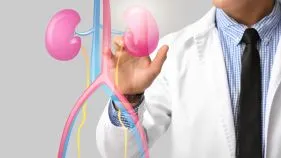
Artificial Dialysis: Types, Procedure, Benefits & Kidney Care

Artificial Dialysis: Types, Procedure, Benefits & Kidney Care

Introduction

Artificial dialysis is a life-saving treatment that performs many of the essential functions of healthy kidneys when they are no longer able to work effectively. Healthy kidneys remove waste products, excess fluids, and toxins from the blood while maintaining the body's electrolyte and fluid balance. When kidney function becomes severely impaired due to acute kidney injury (AKI) or chronic kidney disease (CKD), dialysis helps take over some of these vital functions.

Although dialysis cannot completely replace all the functions of healthy kidneys, it plays a critical role in helping patients manage kidney failure, improve symptoms, and maintain a better quality of life.

At Prabhakar Bhurke Clinic, our super specialist nephrologist provides comprehensive kidney evaluations, dialysis guidance, and individualized treatment plans for patients with advanced kidney disease.


What Is Artificial Dialysis?

Artificial dialysis is a medical treatment that uses specialized equipment or the lining of the abdomen to remove waste products, excess fluids, and certain toxins from the blood when the kidneys cannot perform these functions adequately.

Dialysis helps:

  • Remove waste products such as urea and creatinine

  • Eliminate excess fluid

  • Maintain electrolyte balance

  • Help regulate acid-base balance

  • Relieve symptoms caused by kidney failure

It is an important treatment for patients with severe kidney dysfunction but does not cure kidney disease.


When Is Artificial Dialysis Needed?

A nephrologist may recommend dialysis when the kidneys can no longer adequately support the body's needs.

Common situations include:

End-Stage Kidney Disease (ESKD)

Patients with advanced chronic kidney disease may require long-term dialysis when kidney function becomes severely reduced.


Acute Kidney Injury (AKI)

Temporary dialysis may be necessary when sudden kidney injury causes dangerous waste buildup or electrolyte abnormalities.


Severe Fluid Overload

Dialysis may be recommended if excess fluid cannot be managed with medications and begins to affect the lungs or heart.


Dangerous Electrolyte Imbalances

Severely elevated potassium or other electrolyte abnormalities may require urgent dialysis.


Severe Metabolic Acidosis

Dialysis may be used when the body cannot maintain a healthy acid-base balance despite medical treatment.


Types of Artificial Dialysis

There are two main types of dialysis.

Hemodialysis

Hemodialysis uses a dialysis machine and a special filter called a dialyzer to clean the blood.

How It Works

  • Blood is removed from the body through a vascular access.

  • It passes through the dialyzer, where waste products and excess fluid are removed.

  • The cleaned blood is then returned to the body.

Advantages

  • Highly effective waste removal

  • Performed under medical supervision

  • Suitable for many patients with advanced kidney disease


Peritoneal Dialysis

Peritoneal dialysis uses the lining of the abdomen (the peritoneum) as a natural filter.

How It Works

A sterile dialysis solution is introduced into the abdominal cavity through a catheter. Waste products and excess fluid move into the solution, which is later drained and replaced with fresh fluid.

Advantages

  • Can often be performed at home

  • Greater flexibility for many patients

  • Continuous treatment throughout the day or night, depending on the method used

Your nephrologist will recommend the most appropriate dialysis option based on your medical condition, lifestyle, and overall health.


Symptoms That May Indicate Advanced Kidney Failure

Patients with severe kidney disease may experience:

  • Persistent fatigue

  • Swelling of the legs, ankles, or face

  • Shortness of breath

  • Nausea and vomiting

  • Loss of appetite

  • Persistent itching

  • Reduced urine output

  • Muscle cramps

  • Difficulty concentrating

  • High blood pressure

  • Fluid retention

These symptoms require prompt medical evaluation.


How Is the Need for Dialysis Determined?

At Prabhakar Bhurke Clinic, our super specialist nephrologist carefully evaluates each patient before recommending dialysis.

Medical Evaluation

Your doctor will review:

  • Symptoms

  • Medical history

  • Current medications

  • Blood pressure

  • Fluid status


Blood Tests

Common investigations include:

  • Serum Creatinine

  • Blood Urea Nitrogen (BUN)

  • Kidney Function Tests (KFT)

  • Estimated Glomerular Filtration Rate (eGFR)

  • Electrolytes

  • Complete Blood Count (CBC)


Urine Tests

Urinalysis helps assess remaining kidney function and identify underlying kidney disease.


Imaging Studies

Depending on the clinical situation, imaging may include:

  • Kidney Ultrasound

  • CT Scan

  • MRI (when clinically indicated)

These tests help identify structural abnormalities or urinary obstruction.


Living Well on Dialysis

Many patients continue to lead active and fulfilling lives while receiving dialysis.

Important aspects of dialysis care include:

Following a Kidney-Friendly Diet

A personalized diet may include:

  • Appropriate protein intake

  • Controlled sodium

  • Potassium management

  • Phosphorus management

  • Fluid adjustments

A renal dietitian can help create an individualized nutrition plan.


Taking Medications as Prescribed

Medicines may help:

  • Control blood pressure

  • Treat anemia

  • Maintain bone health

  • Correct electrolyte imbalances

  • Manage other complications of kidney disease


Regular Follow-Up

Routine monitoring allows your nephrologist to:

  • Assess dialysis effectiveness

  • Monitor laboratory values

  • Adjust treatment plans

  • Prevent complications


Possible Risks of Dialysis

Although dialysis is generally safe and life-saving, some patients may experience complications such as:

  • Low blood pressure during treatment

  • Muscle cramps

  • Infection at the access site

  • Fatigue after dialysis

  • Access-related complications

  • Fluid or electrolyte imbalances

Regular monitoring helps minimize these risks.


Is Dialysis Permanent?

Not always.

  • Acute Kidney Injury (AKI): Some patients recover enough kidney function to stop dialysis.

  • End-Stage Kidney Disease (ESKD): Long-term dialysis or kidney transplantation may be required.

Your nephrologist will monitor your kidney function and discuss the most appropriate long-term treatment plan.


Kidney Transplant as an Alternative

For eligible patients with end-stage kidney disease, a kidney transplant may provide the best long-term treatment option. A successful transplant can improve quality of life and reduce dependence on dialysis, although lifelong follow-up and medications are required.


Why Choose Prabhakar Bhurke Clinic?

Patients trust Prabhakar Bhurke Clinic because we provide:

  • Consultation with a super specialist nephrologist

  • Comprehensive kidney evaluations

  • Advanced diagnostic facilities

  • Personalized dialysis planning

  • Expertise in acute kidney injury, chronic kidney disease, diabetic kidney disease, hypertension-related kidney disease, and kidney failure

  • Dialysis guidance and kidney transplant counseling

  • Long-term kidney health monitoring

  • Compassionate, evidence-based medical care

Our focus is on delivering individualized treatment that supports both kidney health and overall well-being.


Conclusion

Artificial dialysis is a vital treatment for patients whose kidneys can no longer remove waste products and excess fluids effectively. While dialysis does not cure kidney disease, it can relieve symptoms, improve quality of life, and help patients live longer while awaiting recovery or a kidney transplant when appropriate.

At Prabhakar Bhurke Clinic, our super specialist nephrologist provides expert evaluation, personalized dialysis guidance, and comprehensive long-term care for patients with kidney failure. Through advanced diagnostics, ongoing monitoring, and compassionate support, we help patients manage kidney disease with confidence.


Book an Appointment Today

If you have high creatinine levels, reduced eGFR, swelling, persistent fatigue, uncontrolled blood pressure, reduced urine output, diabetes, chronic kidney disease, or have been advised to consider dialysis, schedule a consultation at Prabhakar Bhurke Clinic. Our super specialist nephrologist will perform a detailed evaluation, explain your treatment options, and develop a personalized care plan to help protect your kidney health and improve your quality of life.

Intrarenal Failure: Causes, Symptoms, Diagnosis & Treatment

Intrarenal Failure: Causes, Symptoms, Diagnosis & Treatment

Introduction

Intrarenal failure, also known as intrinsic renal failure or intrinsic acute kidney injury (AKI), occurs when there is direct damage to the tissues of the kidneys. Unlike prerenal kidney injury, which results from reduced blood flow to the kidneys, or postrenal kidney injury, which is caused by urinary obstruction, intrarenal failure develops because the kidney tissue itself is injured.

Without timely treatment, intrarenal failure can lead to serious complications, including electrolyte imbalances, fluid overload, chronic kidney disease (CKD), or permanent kidney damage. Early diagnosis and prompt medical care are essential to improve recovery and preserve kidney function.

At Prabhakar Bhurke Clinic, our super specialist nephrologist provides advanced diagnosis, personalized treatment, and long-term management for patients with acute and chronic kidney disorders.


What Is Intrarenal Failure?

The kidneys contain millions of tiny filtering units called nephrons, along with blood vessels, tubules, and supporting tissues. Damage to any of these structures can result in intrarenal failure.

Common types include:

  • Acute Tubular Necrosis (ATN) – damage to the kidney tubules, often due to reduced blood flow or toxins.

  • Acute Interstitial Nephritis (AIN) – inflammation of the kidney tissue, commonly caused by medications or infections.

  • Glomerulonephritis – inflammation of the kidney's filtering units (glomeruli).

  • Vascular Kidney Disorders – diseases affecting the blood vessels supplying the kidneys.

Treatment depends on identifying the specific cause of the kidney injury.


Causes of Intrarenal Failure

Several conditions can directly damage the kidneys.

Reduced Blood Supply

Prolonged severe dehydration, major blood loss, or shock can decrease blood flow enough to damage kidney tissue.


Certain Medications

Some medications may affect kidney function, including:

  • Nonsteroidal anti-inflammatory drugs (NSAIDs)

  • Certain antibiotics

  • Some chemotherapy medicines

  • Intravenous contrast agents used during imaging procedures

These medications should only be used under medical supervision, particularly in people with existing kidney disease.


Kidney Infections

Severe infections involving the kidneys can damage kidney tissue and reduce kidney function.


Autoimmune Diseases

Conditions such as lupus nephritis or vasculitis may cause the immune system to attack the kidneys.


Glomerulonephritis

Inflammation of the kidney's filtering units may occur after infections or because of immune-related disorders.


Toxins

Exposure to certain chemicals or toxins may injure kidney tissue.


Multiple Myeloma and Other Disorders

Some blood disorders produce abnormal proteins that can damage the kidneys.


Symptoms of Intrarenal Failure

Symptoms may develop suddenly or worsen over several days.

Common symptoms include:

  • Reduced urine output

  • Swelling of the legs, ankles, hands, or face

  • Fatigue

  • Weakness

  • Nausea and vomiting

  • Loss of appetite

  • Shortness of breath

  • High blood pressure

  • Blood in the urine

  • Foamy urine

  • Persistent itching

  • Confusion or difficulty concentrating in severe cases

Some patients may initially have few symptoms despite significant kidney injury.


Risk Factors

You may be at increased risk if you have:

  • Diabetes

  • High blood pressure

  • Chronic kidney disease

  • Severe infections (sepsis)

  • Autoimmune diseases

  • Older age

  • Recent major surgery

  • Long-term use of medications that can affect the kidneys

  • Exposure to toxins


Diagnosis at Prabhakar Bhurke Clinic

At Prabhakar Bhurke Clinic, our super specialist nephrologist performs a comprehensive evaluation to determine the cause and severity of intrarenal failure.

Medical History and Physical Examination

The doctor evaluates:

  • Current symptoms

  • Medication history

  • Recent illnesses

  • Blood pressure

  • Hydration status

  • Medical and family history


Blood Tests

Recommended investigations may include:

  • Serum Creatinine

  • Blood Urea Nitrogen (BUN)

  • Kidney Function Tests (KFT)

  • Estimated Glomerular Filtration Rate (eGFR)

  • Electrolytes

  • Complete Blood Count (CBC)

These tests help assess kidney function and identify complications.


Urine Tests

Urinalysis may detect:

  • Protein

  • Blood

  • White blood cells

  • Casts

  • Infection

Urine findings often help identify the underlying cause of kidney injury.


Imaging Studies

Depending on your condition, imaging may include:

  • Kidney Ultrasound

  • CT Scan

  • MRI (when clinically indicated)

These tests help rule out urinary obstruction and identify structural abnormalities.


Kidney Biopsy

In selected cases, a kidney biopsy may be recommended to diagnose inflammatory or autoimmune kidney diseases and guide treatment.


Treatment for Intrarenal Failure

Treatment focuses on addressing the underlying cause while protecting kidney function.

Treat the Underlying Cause

Management may include treating infections, correcting dehydration, stopping medications that may be harming the kidneys (under medical guidance), or treating autoimmune disorders.


Medication Management

Your nephrologist may prescribe medicines to:

  • Control blood pressure

  • Treat infections

  • Reduce inflammation (when appropriate)

  • Correct electrolyte imbalances

  • Manage complications of kidney injury


Fluid and Electrolyte Management

Careful monitoring of fluids and electrolytes is essential to prevent complications such as fluid overload or abnormal potassium levels.


Nutritional Support

A kidney-friendly diet may be recommended to reduce the workload on the kidneys and support recovery.


Dialysis

Temporary dialysis may be required if the kidneys cannot adequately remove waste products or excess fluid, or if severe electrolyte imbalances develop. Some patients recover kidney function after treatment, while others may require longer-term management depending on the underlying condition.


Can Intrarenal Failure Be Reversed?

The outcome depends on:

  • The underlying cause

  • How quickly treatment begins

  • The severity of kidney damage

  • The patient's overall health

Some patients experience substantial recovery, especially when the cause is identified and treated early. Others may develop chronic kidney disease or require ongoing kidney care.


Preventing Intrarenal Kidney Injury

You can reduce your risk by:

  • Staying well hydrated when appropriate.

  • Managing diabetes and high blood pressure.

  • Avoiding unnecessary use of painkillers (NSAIDs).

  • Taking medications only as prescribed.

  • Seeking prompt treatment for severe infections.

  • Having regular kidney function tests if you are at increased risk.

Preventive care plays an important role in preserving kidney health.


Why Choose Prabhakar Bhurke Clinic?

Patients trust Prabhakar Bhurke Clinic because we provide:

  • Consultation with a super specialist nephrologist

  • Comprehensive kidney function assessment

  • Advanced diagnostic facilities

  • Personalized treatment plans

  • Expertise in acute kidney injury, chronic kidney disease, glomerulonephritis, autoimmune kidney disorders, and kidney failure

  • Dialysis guidance and kidney transplant consultation

  • Long-term kidney health monitoring

  • Compassionate, evidence-based medical care

Our focus is on identifying the exact cause of kidney injury, preserving kidney function, and supporting long-term recovery.


Conclusion

Intrarenal failure is a serious condition caused by direct damage to the kidneys. It may result from infections, medications, autoimmune diseases, toxins, or reduced blood flow that injures kidney tissue. Early diagnosis and prompt treatment are essential to improve recovery, prevent complications, and reduce the risk of permanent kidney damage.

At Prabhakar Bhurke Clinic, our super specialist nephrologist provides expert evaluation, advanced diagnostics, and individualized treatment for patients with intrarenal failure and other kidney disorders. Through timely intervention and ongoing follow-up, we help patients protect their kidney function and improve their overall health.


Book an Appointment Today

If you have high creatinine levels, reduced urine output, swelling, blood in the urine, persistent fatigue, uncontrolled blood pressure, diabetes, or symptoms of acute kidney injury, schedule a consultation at Prabhakar Bhurke Clinic. Our super specialist nephrologist will perform a comprehensive evaluation and develop a personalized treatment plan to help restore and protect your kidney health.

Intrarenal Failure: Causes, Symptoms, Diagnosis & Treatment

Ectopic Kidney Treatment: Causes, Symptoms, Diagnosis & Expert Care

Introduction

An ectopic kidney is a congenital condition in which one or, rarely, both kidneys are located in an abnormal position instead of their usual place in the upper back of the abdomen. During fetal development, the kidneys normally move upward into their proper position. If this movement does not occur completely, the kidney remains in an unusual location, such as the pelvis, lower abdomen, or, in rare cases, the chest.

Many people with an ectopic kidney live normal, healthy lives without symptoms and may only discover the condition during imaging performed for another reason. However, some individuals may experience urinary tract infections, kidney stones, urinary obstruction, or reduced kidney function that require medical evaluation and treatment.

At Prabhakar Bhurke Clinic, our super specialist nephrologist provides comprehensive diagnosis, advanced imaging, and personalized treatment plans for patients with ectopic kidneys and other congenital kidney disorders.


What Is an Ectopic Kidney?

An ectopic kidney is a kidney that has not reached its normal position during fetal development. The kidney itself may function normally, but its abnormal location can sometimes interfere with urine drainage or increase the risk of complications.

Types of ectopic kidneys include:

  • Pelvic kidney – located in the pelvis (most common type)

  • Abdominal ectopic kidney – located lower than normal in the abdomen

  • Thoracic kidney – located in the chest (rare)

  • Crossed ectopic kidney – one kidney crosses to the opposite side of the body and may be fused with the other kidney

Each case is unique, and treatment depends on symptoms and kidney function.


Causes of an Ectopic Kidney

An ectopic kidney is a congenital condition, meaning it develops before birth. It occurs when the kidney does not move to its normal position during fetal growth.

The exact cause is often unknown, but it is related to developmental changes during pregnancy. In most cases, it is not caused by anything the parents did or did not do.


Symptoms of an Ectopic Kidney

Many people have no symptoms. When symptoms occur, they may include:

  • Pain in the lower abdomen, pelvis, or side

  • Recurrent urinary tract infections (UTIs)

  • Blood in the urine (Hematuria)

  • Kidney stone pain

  • Difficulty passing urine

  • Frequent urination

  • Pain during urination

  • Fever if an infection is present

  • Swelling due to urinary obstruction (in some cases)

Symptoms usually arise because of complications rather than the abnormal kidney position itself.


Possible Complications

Although many ectopic kidneys function well, complications can include:

  • Recurrent urinary tract infections

  • Kidney stones

  • Vesicoureteral reflux (backflow of urine

Artificial Dialysis: Types, Procedure, Benefits & Kidney Care

Serum Creatinine High Treatment: Causes, Symptoms, Diagnosis & Expert Kidney Care

Introduction

A high serum creatinine level is often one of the first laboratory findings that suggests the kidneys may not be functioning properly. Creatinine is a waste product produced by normal muscle activity and is removed from the body by healthy kidneys. When the kidneys are unable to filter blood efficiently, creatinine accumulates in the bloodstream, leading to elevated serum creatinine levels.

It is important to understand that high serum creatinine is not a disease itself but a sign of an underlying medical condition. The goal of treatment is to identify and manage the cause of the elevated creatinine while protecting kidney function.

At Prabhakar Bhurke Clinic, our super specialist nephrologist provides comprehensive evaluation, advanced diagnostic testing, and personalized treatment plans for patients with elevated creatinine and kidney disorders.


What Is Serum Creatinine?

Creatinine is a natural waste product formed when muscles use energy during everyday activities. Healthy kidneys filter creatinine from the blood and remove it through urine.

When kidney function declines, creatinine levels rise because the kidneys cannot eliminate it efficiently.

A serum creatinine test is commonly used along with the estimated Glomerular Filtration Rate (eGFR) to assess kidney function.


What Causes High Serum Creatinine?

Several conditions can lead to elevated serum creatinine levels.

Chronic Kidney Disease (CKD)

Progressive loss of kidney function is one of the most common causes of persistently high creatinine.


Acute Kidney Injury (AKI)

A sudden decline in kidney function caused by dehydration, infection, certain medications, reduced blood flow to the kidneys, or urinary obstruction can rapidly increase creatinine levels.


Diabetes

Poorly controlled diabetes can damage the kidneys over time and lead to elevated creatinine.


High Blood Pressure

Long-standing hypertension may gradually damage kidney blood vessels and reduce filtration.


Kidney Stones

Large or obstructing kidney stones may impair urine flow and reduce kidney function.


Kidney Infections

Severe kidney infections can temporarily or permanently affect kidney function.


Certain Medications

Some medicines, including certain pain relievers (NSAIDs), antibiotics, and contrast agents used in imaging studies, may affect kidney function in susceptible individuals.


Dehydration

Significant dehydration may temporarily raise creatinine by reducing blood flow to the kidneys.


Symptoms Associated with High Serum Creatinine

Mild elevations may not cause noticeable symptoms. If kidney function declines further, symptoms may include:

  • Fatigue

  • Swelling of the feet, ankles, or face

  • Reduced urine output

  • Foamy urine

  • Blood in the urine

  • High blood pressure

  • Loss of appetite

  • Nausea or vomiting

  • Muscle cramps

  • Persistent itching

  • Shortness of breath

  • Difficulty concentrating

These symptoms require prompt medical evaluation.


When Should You Consult a Nephrologist?

You should seek specialist care if you have:

  • Persistently high serum creatinine

  • Reduced eGFR

  • Protein or blood in the urine

  • Swelling

  • Diabetes with abnormal kidney tests

  • High blood pressure affecting kidney function

  • Recurrent kidney stones

  • Family history of kidney disease

  • Sudden decline in kidney function

Early evaluation helps identify reversible causes and slow disease progression.


Diagnosis at Prabhakar Bhurke Clinic

At Prabhakar Bhurke Clinic, our super specialist nephrologist performs a

Kidney Disease Urine: Changes in Urine That May Indicate Kidney Problems

Kidney Disease Urine: Changes in Urine That May Indicate Kidney Problems

Introduction

Urine provides valuable information about your kidney health. Healthy kidneys filter waste products, remove excess fluid, and maintain the body's balance of electrolytes while producing urine. When the kidneys are damaged, the appearance, color, amount, or frequency of urination may change, making urine one of the earliest indicators of kidney disease.

Although not every change in urine is caused by kidney disease, persistent abnormalities should never be ignored. Early diagnosis and timely treatment can help prevent the progression of kidney disease and protect long-term kidney function.

At Prabhakar Bhurke Clinic, our super specialist nephrologist offers comprehensive kidney evaluations, advanced diagnostic testing, and personalized treatment plans for patients experiencing urinary changes and kidney-related disorders.


How Does Kidney Disease Affect Urine?

The kidneys continuously filter blood to remove waste products while retaining essential proteins and nutrients. When kidney function declines, this filtering process becomes impaired, leading to noticeable changes in urine.

Common urine changes associated with kidney disease include:

  • Foamy or frothy urine

  • Blood in the urine

  • Dark-colored urine

  • Reduced urine output

  • Increased urination, especially at night

  • Cloudy urine

  • Difficulty passing urine

  • Changes in urine frequency

These symptoms may occur in both acute and chronic kidney diseases.


Common Urine Changes That May Indicate Kidney Disease

Foamy Urine

Foamy urine may indicate protein in the urine (proteinuria), which is an early sign of kidney damage. Persistent foamy urine should be evaluated by a nephrologist.


Blood in the Urine (Hematuria)

Blood may appear pink, red, brown, or may only be detected through laboratory testing.

Possible causes include:

  • Kidney stones

  • Glomerulonephritis

  • Urinary tract infections

  • Kidney cysts

  • Kidney tumors

  • Chronic kidney disease

Blood in the urine should always be medically evaluated.


Dark-Colored Urine

Dark urine may occur due to dehydration, certain medications, liver disorders, or kidney disease. Persistent discoloration requires medical assessment.


Reduced Urine Output

Passing less urine than usual may indicate:

  • Acute Kidney Injury (AKI)

  • Advanced Chronic Kidney Disease

  • Severe dehydration

  • Urinary obstruction

This can be a medical emergency in some situations.


Frequent Urination

People with early kidney disease may notice:

  • Increased frequency of urination

  • Night-time urination (Nocturia)

  • Small amounts of urine passed frequently

These symptoms may also occur in diabetes, urinary tract infections, or prostate conditions.


Cloudy Urine

Cloudy urine may be associated with:

  • Urinary tract infection

  • Protein in the urine

  • Kidney stones

  • Crystals in the urine

Medical evaluation is recommended if cloudy urine persists.


Other Symptoms of Kidney Disease

Urinary changes often occur alongside other symptoms such as:

  • Swelling of the feet, ankles, or face

  • Persistent fatigue

  • High blood pressure

  • Loss of appetite

  • Nausea or vomiting

  • Muscle cramps

  • Persistent itching

  • Shortness of breath

  • Difficulty concentrating

  • Pain in the back or sides (flank pain)

Some people have no symptoms during the early stages of kidney disease, making regular screening important for high-risk individuals.


Common Causes of Kidney Disease

Several conditions can affect kidney function and lead to changes in urine.

Chronic Kidney Disease (CKD)

A gradual decline in kidney function over months or years.


Diabetes

High blood sugar damages the kidneys' filtering units and is one of the leading causes of kidney disease.


High Blood Pressure

Long-standing hypertension can damage kidney blood vessels and reduce filtration.


Kidney Stones

Stones may cause blood in the urine, pain, and urinary obstruction.


Glomerulonephritis

Inflammation of the kidney's filtering units often causes blood and protein in the urine.


Kidney Infections

Severe or recurrent kidney infections may alter urine appearance and kidney function.


Polycystic Kidney Disease (PKD)

An inherited condition characterized by multiple kidney cysts that gradually reduce kidney function.


When Should You See a Nephrologist?

Consult a kidney specialist if you notice:

  • Persistent foamy urine

  • Blood in the urine

  • Reduced urine output

  • Frequent night-time urination

  • Swelling

  • High creatinine levels

  • Reduced eGFR

  • Persistent high blood pressure

  • Recurrent urinary tract infections

  • Family history of kidney disease

Early diagnosis improves treatment outcomes and helps preserve kidney function.


Diagnosis at Prabhakar Bhurke Clinic

At Prabhakar Bhurke Clinic, our super specialist nephrologist performs a comprehensive evaluation to identify the cause of urinary changes.

Medical History and Physical Examination

Your doctor will assess:

  • Urinary symptoms

  • Medical history

  • Blood pressure

  • Diabetes status

  • Current medications

  • Family history of kidney disease


Urine Tests

Urinalysis may identify:

  • Protein

  • Blood

  • White blood cells

  • Bacteria

  • Glucose

  • Crystals

A urine albumin-to-creatinine ratio (ACR) may also be recommended to detect early kidney damage.


Blood Tests

Investigations may include:

  • Serum Creatinine

  • Kidney Function Tests (KFT)

  • Estimated Glomerular Filtration Rate (eGFR)

  • Blood Urea Nitrogen (BUN)

  • Electrolytes

These tests help assess overall kidney function.


Imaging Studies

Depending on your symptoms, imaging may include:

  • Kidney Ultrasound

  • CT Scan

  • MRI (when clinically indicated)

These tests help identify kidney stones, cysts, tumors, urinary obstruction, or structural abnormalities.


Treatment for Kidney Disease

Treatment depends on the underlying cause and the severity of kidney dysfunction.

Management may include:

Medications

Medicines may be prescribed to:

  • Control blood pressure

  • Manage diabetes

  • Reduce protein loss in the urine

  • Treat infections

  • Correct electrolyte imbalances

  • Manage chronic kidney disease complications


Lifestyle Changes

Patients are often advised to:

  • Follow a kidney-friendly diet

  • Reduce salt intake

  • Stay physically active

  • Maintain a healthy body weight

  • Avoid smoking

  • Limit alcohol consumption

  • Take medicines exactly as prescribed


Advanced Kidney Care

When kidney function becomes severely impaired, additional treatment may include:

  • Hemodialysis

  • Peritoneal Dialysis

  • Kidney transplant evaluation for eligible patients


Tips to Maintain Healthy Kidneys

Protect your kidneys by:

  • Drinking adequate water as advised by your doctor.

  • Controlling diabetes and blood pressure.

  • Eating a balanced diet.

  • Avoiding excessive use of painkillers.

  • Exercising regularly.

  • Maintaining a healthy weight.

  • Not smoking.

  • Having regular kidney health check-ups if you are at increased risk.

Healthy habits can significantly reduce the risk of kidney disease.


Why Choose Prabhakar Bhurke Clinic?

Patients trust Prabhakar Bhurke Clinic because we provide:

  • Consultation with a super specialist nephrologist

  • Comprehensive evaluation of urinary symptoms and kidney disease

  • Advanced diagnostic facilities

  • Personalized treatment plans

  • Expertise in chronic kidney disease, diabetic kidney disease, kidney stones, glomerular diseases, kidney infections, and kidney failure

  • Dialysis guidance and kidney transplant consultation

  • Long-term kidney health monitoring

  • Compassionate, evidence-based medical care

Our focus is on early diagnosis, preserving kidney function, and improving each patient's quality of life.


Conclusion

Changes in urine can be one of the earliest and most important signs of kidney disease. Foamy urine, blood in the urine, frequent urination, reduced urine output, or persistent changes in urine appearance should never be ignored. Early medical evaluation allows timely diagnosis, appropriate treatment, and better long-term kidney health.

At Prabhakar Bhurke Clinic, our super specialist nephrologist provides expert diagnosis and personalized treatment for patients with urinary abnormalities and kidney disorders. Through advanced diagnostics and comprehensive care, we help patients protect their kidneys and maintain optimal health.


Book an Appointment Today

If you have foamy urine, blood in the urine, reduced urine output, frequent urination, swelling, high creatinine levels, reduced eGFR, diabetes, high blood pressure, or other signs of kidney disease, schedule a consultation at Prabhakar Bhurke Clinic. Our super specialist nephrologist will perform a thorough evaluation and develop a personalized treatment plan to protect your kidney health and overall well-being.

Artificial Dialysis: Types, Procedure, Benefits & Kidney Care

Struvite Stones Treatment: Causes, Symptoms, Diagnosis & Advanced Kidney Stone Care

Introduction

Struvite stones are a specific type of kidney stone that usually develop as a result of urinary tract infections (UTIs) caused by certain bacteria. Unlike many other kidney stones, struvite stones can grow rapidly and may become very large, sometimes filling a significant portion of the kidney. If not treated promptly, they can lead to recurrent infections, urinary obstruction, reduced kidney function, and permanent kidney damage.

Because these stones are associated with infection, treatment focuses not only on removing the stone but also on eliminating the infection and preventing recurrence.

At Prabhakar Bhurke Clinic, our super specialist nephrologist provides comprehensive evaluation, advanced diagnostic testing, and personalized treatment plans for patients with struvite kidney stones, helping preserve kidney function and reduce the risk of future stone formation.


What Are Struvite Stones?

Struvite stones are composed mainly of magnesium, ammonium, and phosphate. They typically form in alkaline urine when certain bacteria produce an enzyme called urease, which changes the chemical balance of urine and promotes stone formation.

These stones are often called infection stones because they are closely linked to recurrent urinary tract infections.

Without timely treatment, struvite stones can enlarge quickly and may require specialized procedures for complete removal.


Causes of Struvite Stones

The most common cause is a urinary tract infection caused by urease-producing bacteria. These bacteria alter the urine environment, allowing struvite crystals to form and grow.

Factors that may increase the risk include:

  • Recurrent urinary tract infections

  • Incomplete bladder emptying

  • Urinary tract obstruction

  • Long-term urinary catheter use

  • Neurogenic bladder

  • Structural abnormalities of the urinary tract

  • Previous history of infection-related kidney stones

Managing the underlying infection is essential to reduce recurrence.


Symptoms of Struvite Stones

Small stones may not cause symptoms initially. As they enlarge or block urine flow, symptoms may include:

  • Pain in the back or side (flank pain)

  • Blood in the urine (Hematuria)

  • Fever and chills if infection is present

  • Frequent urination

  • Burning during urination

  • Cloudy or foul-smelling urine

  • Nausea and vomiting

  • Difficulty passing urine in severe cases

Some patients experience recurrent urinary tract infections before the stone is diagnosed.


Why Are Struvite Stones Different?

Unlike many other kidney stones, struvite stones:

  • Are strongly associated with urinary tract infections

  • Can grow rapidly

  • May become very large (including staghorn calculi, which occupy a large portion of the kidney)

  • Increase the risk of recurrent infections

  • Can cause significant kidney damage if not treated promptly

Because of these characteristics, early diagnosis and complete treatment are especially important.


Diagnosis at Prabhakar Bhurke Clinic

At Prabhakar Bhurke Clinic, our super specialist nephrologist performs a detailed evaluation to determine the size, location, and cause of the stone.

Medical History and Physical Examination

Your doctor will assess:

  • Symptoms

  • History of urinary tract infections

  • Previous kidney stones

  • Medical conditions

  • Current medications


Urine Tests

Urinalysis may detect:

  • Blood

  • White blood cells

  • Bacteria

  • Crystal formation

  • Urine pH

A urine culture is often performed to identify the bacteria causing the infection and guide antibiotic therapy.


Blood Tests

Investigations may include:

  • Kidney Function Tests (KFT)

  • Serum Creatinine

  • Blood Urea Nitrogen (BUN)

  • Electrolytes

  • Complete Blood Count (CBC)

These tests help assess kidney function and detect signs of infection.


Imaging Studies

Imaging plays a key role in diagnosis and treatment planning.

Tests may include:

  • Kidney Ultrasound

  • Non-contrast CT Scan

  • X-ray (for selected stone types)

These studies help determine the stone's size, location, and whether urinary obstruction is present.


Struvite Stones Treatment

Treatment aims to:

  • Remove the stone completely

  • Eliminate the urinary tract infection

  • Prevent recurrence

  • Protect kidney function

Antibiotic Therapy

If a urinary tract infection is present, antibiotics are prescribed based on urine culture results whenever possible. Treating the infection is an essential part of management.


Percutaneous Nephrolithotomy (PCNL)

Large struvite stones are commonly treated using Percutaneous Nephrolithotomy (PCNL). This minimally invasive procedure allows the surgeon to remove or break up large kidney stones through a small incision in the back.


Ureteroscopy (URS)

For selected stones, a thin instrument is passed through the urinary tract, and laser technology may be used to fragment and remove the stone.


Shock Wave Lithotripsy (ESWL)

Extracorporeal Shock Wave Lithotripsy (ESWL) may be suitable for certain smaller stones, depending on their size, location, and composition. It is not appropriate for every struvite stone.


Follow-Up Care

Regular follow-up is important to ensure:

  • Complete stone clearance

  • Resolution of infection

  • Healthy kidney function

  • Prevention of future stones


Preventing Struvite Stones

Reducing the risk of recurrence involves:

  • Prompt treatment of urinary tract infections

  • Completing prescribed antibiotic courses

  • Drinking adequate fluids (as advised by your doctor)

  • Regular medical follow-up

  • Investigating and treating urinary tract abnormalities

  • Monitoring for recurrent infections

Preventive care is especially important because infection stones can recur if the underlying cause is not addressed.


Possible Complications

If left untreated, struvite stones may cause:

  • Recurrent urinary tract infections

  • Kidney infection (Pyelonephritis)

  • Urinary obstruction

  • Hydronephrosis

  • Reduced kidney function

  • Chronic Kidney Disease

  • Kidney failure in severe cases

  • Sepsis in severe infections

Early diagnosis greatly reduces the risk of these complications.


Tips to Protect Kidney Health

Maintain healthy kidneys by:

  • Drinking adequate water if medically appropriate.

  • Seeking treatment promptly for urinary tract infections.

  • Following prescribed medications.

  • Avoiding self-medication.

  • Maintaining good personal hygiene.

  • Attending regular kidney check-ups if you have recurrent infections or kidney stones.

Healthy habits can help reduce the risk of future stone formation.


Why Choose Prabhakar Bhurke Clinic?

Patients choose Prabhakar Bhurke Clinic because we offer:

  • Consultation with a super specialist nephrologist

  • Comprehensive kidney stone evaluation

  • Advanced diagnostic facilities

  • Personalized treatment plans

  • Expertise in infection-related kidney stones, chronic kidney disease, kidney infections, and kidney failure

  • Long-term kidney stone prevention strategies

  • Dialysis guidance and kidney transplant consultation when required

  • Compassionate, evidence-based medical care

Our goal is to treat both the kidney stone and its underlying cause while preserving long-term kidney health.


Conclusion

Struvite stones are infection-related kidney stones that require timely diagnosis and specialized treatment. Because they can grow rapidly and lead to serious complications, complete stone removal and effective treatment of the underlying urinary tract infection are essential. Modern treatment options such as Percutaneous Nephrolithotomy (PCNL), Ureteroscopy (URS), and selected cases of Shock Wave Lithotripsy (ESWL) can successfully manage these stones.

At Prabhakar Bhurke Clinic, our super specialist nephrologist provides expert diagnosis, individualized treatment, and long-term follow-up for patients with struvite stones. Through comprehensive care and preventive strategies, we help patients maintain healthy kidneys and reduce the risk of stone recurrence.


Book an Appointment Today

If you have recurrent urinary tract infections, kidney stone pain, blood in the urine, fever with urinary symptoms, flank pain, or have been diagnosed with a struvite stone, schedule a consultation at Prabhakar Bhurke Clinic. Our super specialist nephrologist will perform a detailed evaluation and recommend the most appropriate treatment to remove the stone, treat the infection, and protect your kidney health.