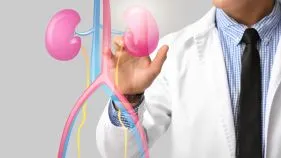
Right Radical Nephrectomy: Procedure, Recovery, Benefits, and Expert Kidney Care

Right Radical Nephrectomy: Procedure, Recovery, Benefits, and Expert Kidney Care

Introduction

A right radical nephrectomy is a surgical procedure in which the entire right kidney is removed, usually to treat kidney cancer or a severely damaged kidney that can no longer function properly. Depending on the underlying condition, nearby fatty tissue, the adrenal gland, or surrounding lymph nodes may also be removed as part of the operation.

Although this surgery is performed by a urologic surgeon, long-term kidney health before and after surgery is equally important. A nephrologist plays a key role in evaluating kidney function, managing chronic kidney disease (if present), monitoring the remaining kidney, and helping patients maintain optimal renal health.

At Prabhakar Bhurke Clinic, our super specialist nephrologist provides comprehensive pre-operative kidney assessment, post-operative kidney function monitoring, chronic kidney disease management, and long-term follow-up for patients who have undergone kidney surgery.


What Is a Right Radical Nephrectomy?

A right radical nephrectomy is the complete removal of the right kidney through surgery.

Depending on the patient's condition, the procedure may also involve removal of:

  • Surrounding fatty tissue
  • Nearby lymph nodes (when indicated)
  • The adrenal gland (only in selected cases)

The primary goal is to remove diseased tissue while preserving the function of the remaining kidney.


When Is a Right Radical Nephrectomy Recommended?

A radical nephrectomy may be recommended in conditions such as:

  • Kidney cancer (Renal Cell Carcinoma)
  • Large kidney tumors
  • Non-functioning kidney due to severe damage
  • Extensive traumatic kidney injury
  • Certain congenital kidney abnormalities
  • Persistent infection in a non-functioning kidney (selected cases)

The decision depends on imaging findings, kidney function, tumor characteristics, and the patient's overall health.


Symptoms That May Lead to Evaluation

Patients requiring evaluation for kidney disease or kidney tumors may experience:

  • Blood in the urine (Hematuria)
  • Persistent pain in the right flank
  • A lump or swelling in the abdomen
  • Unexplained weight loss
  • Fever without infection
  • Fatigue
  • Recurrent urinary infections
  • Abnormal kidney imaging findings

Some kidney tumors are detected incidentally during ultrasound or CT scans performed for unrelated reasons.


Pre-Surgical Kidney Evaluation

Before surgery, the super specialist nephrologist at Prabhakar Bhurke Clinic evaluates kidney health to ensure the remaining kidney can adequately support the body's needs.

Medical Assessment

This includes reviewing:

  • Medical history
  • Diabetes and blood pressure status
  • Current medications
  • Previous kidney disease
  • Family history

Blood Tests

Important investigations include:

  • Serum Creatinine
  • Estimated Glomerular Filtration Rate (eGFR)
  • Blood Urea Nitrogen (BUN)
  • Electrolytes
  • Complete Blood Count (CBC)

Urine Tests

Urine evaluation helps detect:

  • Protein
  • Blood
  • Infection
  • Kidney function abnormalities

Imaging Studies

Imaging may include:

  • Ultrasound
  • CT Scan
  • MRI (when required)

These tests help determine kidney function, tumor size, and surgical planning.


Surgical Approaches

The operating surgeon will choose the most appropriate technique based on the patient's condition.

Common surgical approaches include:

Open Radical Nephrectomy

A traditional procedure using a larger incision to remove the kidney.

Laparoscopic Radical Nephrectomy

A minimally invasive approach performed through small incisions, often associated with less postoperative pain and a shorter recovery.

Robotic-Assisted Radical Nephrectomy

In selected cases, robotic-assisted surgery may provide enhanced precision and faster recovery.

The choice of surgical method depends on the tumor size, location, and overall patient health.


Recovery After Right Radical Nephrectomy

Recovery varies from patient to patient.

Most patients are encouraged to:

  • Walk early after surgery as advised
  • Stay well hydrated if medically appropriate
  • Avoid lifting heavy weights for several weeks
  • Follow wound care instructions
  • Take prescribed medications
  • Attend scheduled follow-up visits

Recovery time depends on the type of surgery and individual health.


Life With One Kidney

Most individuals can live healthy lives with one functioning kidney.

To protect the remaining kidney:

  • Control blood pressure
  • Manage diabetes effectively
  • Stay hydrated as advised
  • Avoid smoking
  • Maintain a healthy body weight
  • Limit excessive salt intake
  • Avoid unnecessary pain-relieving medications (NSAIDs)
  • Have regular kidney function tests

Ongoing follow-up with a nephrologist helps preserve long-term kidney function.


Possible Risks and Complications

As with any major surgery, radical nephrectomy carries potential risks, including:

  • Bleeding
  • Infection
  • Blood clots
  • Injury to nearby organs
  • Temporary decline in kidney function
  • Development or progression of chronic kidney disease in some patients

Regular follow-up allows early identification and management of these complications.


Importance of Nephrology Follow-Up

After kidney removal, monitoring the remaining kidney is essential.

A nephrologist helps with:

  • Monitoring kidney function
  • Managing blood pressure
  • Controlling diabetes
  • Preventing chronic kidney disease progression
  • Advising on diet and hydration
  • Long-term kidney health surveillance

Early intervention helps preserve kidney function and reduce future health risks.


Why Choose Prabhakar Bhurke Clinic?

Patients choose Prabhakar Bhurke Clinic because of:

  • Consultation with a super specialist nephrologist
  • Comprehensive kidney function evaluation before and after surgery
  • Expertise in chronic kidney disease management
  • Advanced diagnostic facilities
  • Personalized treatment and follow-up plans
  • Guidance on kidney health after nephrectomy
  • Patient-centered, evidence-based care

Our focus is on protecting the remaining kidney and supporting long-term renal health.


Conclusion

A right radical nephrectomy is an important surgical procedure performed to treat kidney cancer or a severely damaged kidney. While the surgery is carried out by a urologic surgeon, ongoing nephrology care is essential to monitor the remaining kidney, manage underlying medical conditions, and reduce the risk of future kidney disease.

At Prabhakar Bhurke Clinic, our super specialist nephrologist provides expert kidney assessment, long-term monitoring, and personalized care before and after nephrectomy. With comprehensive follow-up and preventive kidney care, we help patients maintain healthy kidney function and improve their quality of life.


Book an Appointment Today

If you have been advised to undergo a right radical nephrectomy, have kidney cancer, or need expert evaluation of kidney function before or after kidney surgery, schedule a consultation at Prabhakar Bhurke Clinic. Our super specialist nephrologist will provide a thorough assessment, personalized guidance, and long-term care to protect your remaining kidney and support your overall health.

Metabolic Treatment for Kidney: Managing Kidney Disorders Through Specialized Metabolic Care

Metabolic Treatment for Kidney: Managing Kidney Disorders Through Specialized Metabolic Care

Introduction

The kidneys play a vital role in maintaining the body's metabolic balance by filtering waste products, regulating electrolytes, controlling acid-base balance, and managing fluid levels. When metabolic disorders affect the kidneys, they can increase the risk of kidney stones, chronic kidney disease (CKD), electrolyte imbalances, and other serious health conditions.

Metabolic treatment for kidney focuses on identifying and correcting these underlying metabolic abnormalities to protect kidney function, prevent disease progression, and reduce the risk of recurrent kidney stones and kidney failure.

At Prabhakar Bhurke Clinic, our super specialist nephrologist offers comprehensive metabolic evaluation and personalized treatment plans designed to improve kidney health and long-term patient outcomes.


What Is Metabolic Treatment for Kidney?

Metabolic treatment for kidney refers to the diagnosis and management of medical conditions that interfere with the kidneys' normal metabolic functions.

The goals of treatment include:

  • Preserving kidney function
  • Preventing recurrent kidney stones
  • Correcting electrolyte imbalances
  • Managing acid-base disorders
  • Slowing the progression of chronic kidney disease
  • Improving overall metabolic health

Treatment is individualized according to each patient's medical condition and laboratory findings.


Conditions That May Require Metabolic Kidney Treatment

Metabolic management is beneficial for several kidney-related conditions, including:

Chronic Kidney Disease (CKD)

As kidney function declines, the body may develop imbalances in minerals, electrolytes, and acid-base levels. Proper metabolic management helps reduce complications and slow disease progression.

Recurrent Kidney Stones

Many patients develop kidney stones because of metabolic abnormalities such as:

  • High urinary calcium
  • High uric acid
  • Low urinary citrate
  • Excess oxalate
  • Low urine volume

Identifying these factors helps reduce the risk of future stone formation.

Diabetic Kidney Disease

Careful control of blood sugar and metabolic health helps protect kidney function and reduce complications.

Electrolyte Disorders

The kidneys regulate important minerals such as:

  • Sodium
  • Potassium
  • Calcium
  • Phosphorus
  • Magnesium

Imbalances can affect the heart, muscles, and nervous system and require prompt treatment.

Metabolic Acidosis

Reduced kidney function may cause acid to build up in the body, leading to fatigue, muscle weakness, and bone problems. Treatment helps restore acid-base balance.


Symptoms of Metabolic Kidney Disorders

Symptoms vary depending on the underlying condition and may include:

  • Fatigue
  • Muscle weakness
  • Swelling in the legs or face
  • Frequent urination
  • Kidney stone episodes
  • Bone pain
  • Nausea
  • Poor appetite
  • High blood pressure
  • Abnormal blood test results
  • Recurrent urinary tract infections

Many metabolic kidney disorders develop gradually, making regular health check-ups important.


How Is Metabolic Kidney Disease Diagnosed?

At Prabhakar Bhurke Clinic, our super specialist nephrologist performs a thorough evaluation to identify metabolic abnormalities affecting the kidneys.

Medical History and Examination

Your doctor will assess:

  • Previous kidney problems
  • Family history
  • Current medications
  • Dietary habits
  • Fluid intake
  • Existing medical conditions

Blood Tests

Common investigations include:

  • Serum Creatinine
  • eGFR
  • Blood Urea Nitrogen (BUN)
  • Blood glucose
  • Calcium
  • Phosphorus
  • Uric acid
  • Electrolytes
  • Bicarbonate levels

Urine Tests

Urine analysis may evaluate:

  • Protein
  • Blood
  • Crystals
  • Urinary calcium
  • Oxalate
  • Citrate
  • Uric acid
  • Urine pH

For patients with recurrent kidney stones, additional metabolic urine testing may be recommended to identify specific risk factors.

Imaging Studies

Your nephrologist may recommend:

  • Kidney Ultrasound
  • CT Scan
  • Other imaging studies when necessary

Metabolic Treatment for Kidney Disorders

Treatment depends on the underlying metabolic problem and overall kidney function.

Medication Management

Your nephrologist may prescribe medicines to:

  • Control blood pressure
  • Manage diabetes
  • Correct electrolyte imbalances
  • Treat metabolic acidosis
  • Lower uric acid levels when appropriate
  • Reduce the risk of kidney stone recurrence

All medications are selected based on individual patient needs.


Nutritional Therapy

Diet is an essential part of metabolic kidney care.

Recommendations may include:

  • Reducing salt intake
  • Maintaining appropriate protein intake
  • Limiting processed foods
  • Adjusting calcium, potassium, or phosphorus intake when necessary
  • Increasing fluid intake if medically appropriate

A personalized diet plan supports better kidney health and helps prevent complications.


Hydration

Adequate hydration helps:

  • Reduce stone formation
  • Improve urine flow
  • Support healthy kidney function

Fluid recommendations vary depending on the patient's medical condition.


Management of Underlying Diseases

Successful metabolic kidney treatment also includes effective management of:

  • Diabetes
  • Hypertension
  • Obesity
  • Gout
  • Hormonal disorders
  • Other chronic medical conditions

Treating these conditions helps reduce ongoing kidney damage.


Lifestyle Tips for Healthy Kidneys

Healthy habits support long-term kidney function.

These include:

  • Exercise regularly
  • Maintain a healthy weight
  • Avoid smoking
  • Limit alcohol intake
  • Follow prescribed medications
  • Attend regular kidney check-ups
  • Avoid unnecessary use of pain-relieving medicines
  • Stay physically active

Lifestyle changes work together with medical treatment to protect kidney health.


Benefits of Early Metabolic Treatment

Early diagnosis and treatment can help:

  • Slow chronic kidney disease progression
  • Prevent recurrent kidney stones
  • Correct metabolic abnormalities
  • Reduce the need for hospitalization
  • Delay dialysis in appropriate patients
  • Improve overall quality of life

Regular follow-up is important to monitor progress and adjust treatment when needed.


Why Choose Prabhakar Bhurke Clinic?

Patients choose Prabhakar Bhurke Clinic because of:

  • Consultation with a super specialist nephrologist
  • Expertise in metabolic kidney disorders and chronic kidney disease
  • Advanced kidney function and metabolic evaluation
  • Personalized treatment plans
  • Kidney stone prevention programs
  • Comprehensive management of electrolyte disorders
  • Patient-focused, evidence-based care
  • Long-term follow-up for better kidney health

Conclusion

Metabolic treatment for kidney disorders is an important part of modern nephrology. By identifying and correcting metabolic abnormalities early, patients can reduce the risk of kidney stone recurrence, slow the progression of chronic kidney disease, and maintain better kidney function. Personalized treatment, healthy lifestyle habits, and regular follow-up are essential for long-term success.

At Prabhakar Bhurke Clinic, our super specialist nephrologist provides comprehensive metabolic evaluation and individualized kidney care to help patients achieve optimal kidney health and prevent future complications.


Book an Appointment Today

If you have recurrent kidney stones, chronic kidney disease, abnormal kidney function tests, electrolyte imbalance, or other metabolic kidney disorders, schedule a consultation at Prabhakar Bhurke Clinic. Our super specialist nephrologist will perform a detailed assessment and develop a personalized metabolic treatment plan to protect your kidneys and improve your overall health.

Right Radical Nephrectomy: Procedure, Recovery, Benefits, and Expert Kidney Care

Non Obstructing Kidney Stone Treatment: Symptoms, Diagnosis, and Effective Management

Introduction

A non obstructing kidney stone is a stone that remains inside the kidney without blocking the flow of urine. These stones are often discovered during routine health check-ups or imaging tests performed for other medical conditions. Although they may not always cause symptoms, non obstructing kidney stones should not be ignored, as they can increase in size, become symptomatic, or lead to future complications.

The appropriate treatment depends on the stone's size, location, composition, symptoms, and the patient's overall health. At Prabhakar Bhurke Clinic, our super specialist nephrologist provides comprehensive evaluation and personalized treatment plans to manage kidney stones effectively while helping prevent recurrence.


What Is a Non Obstructing Kidney Stone?

A non obstructing kidney stone is a mineral deposit located inside the kidney that does not block the urinary tract. Because urine continues to flow normally, many patients experience no symptoms initially.

However, these stones can:

  • Increase in size over time
  • Move into the ureter and cause severe pain
  • Trigger urinary tract infections
  • Lead to recurrent stone formation
  • Occasionally affect kidney function if left untreated

Regular monitoring is important even when symptoms are absent.


Causes of Non Obstructing Kidney Stones

Kidney stones develop when minerals and salts in the urine become highly concentrated and crystallize.

Common risk factors include:

  • Inadequate water intake
  • High salt consumption
  • Diet rich in oxalate-containing foods
  • Excessive animal protein intake
  • Obesity
  • Family history of kidney stones
  • Recurrent urinary tract infections
  • Elevated uric acid levels
  • Certain metabolic disorders
  • Some medications

Understanding the underlying cause helps reduce the likelihood of future stones.


Symptoms of Non Obstructing Kidney Stones

Many patients do not experience symptoms. When symptoms occur, they may include:

  • Mild discomfort in the side or lower back
  • Occasional flank pain
  • Blood in the urine
  • Frequent urination
  • Burning sensation while passing urine
  • Recurrent urinary tract infections
  • Nausea if the stone begins to move

If the stone shifts into the ureter and blocks urine flow, severe pain may develop suddenly and requires immediate medical attention.


When Should You Seek Medical Care?

Consult a nephrologist if you experience:

  • Persistent back or side pain
  • Blood in the urine
  • Recurrent urinary tract infections
  • Repeated kidney stone episodes
  • Fever with urinary symptoms
  • Difficulty passing urine
  • Increasing stone size on follow-up imaging

Early evaluation can prevent complications and preserve kidney function.


How Is a Non Obstructing Kidney Stone Diagnosed?

At Prabhakar Bhurke Clinic, our super specialist nephrologist performs a detailed assessment to determine the size, location, and composition of the stone.

Medical Evaluation

Your doctor will review:

  • Symptoms
  • Previous history of kidney stones
  • Family history
  • Diet and lifestyle
  • Medical conditions such as diabetes or hypertension

Blood Tests

Investigations may include:

  • Serum creatinine
  • Kidney function tests
  • Calcium levels
  • Uric acid
  • Electrolytes

Urine Tests

Urine analysis helps detect:

  • Blood
  • Infection
  • Crystals
  • Risk factors for stone formation

Imaging Studies

The stone is evaluated using:

  • Kidney Ultrasound
  • Non-contrast CT Scan
  • X-ray (when appropriate)

These tests help determine whether the stone requires active treatment or monitoring.


Non Obstructing Kidney Stone Treatment

Treatment depends on the size of the stone, symptoms, and the likelihood of future complications.

Active Monitoring

Small, symptom-free stones often require regular observation rather than immediate intervention.

Monitoring may include:

  • Periodic ultrasound or CT scans
  • Kidney function tests
  • Lifestyle modifications
  • Dietary counseling

This approach helps detect changes before complications develop.


Medications

Your nephrologist may prescribe medicines to:

  • Relieve discomfort
  • Reduce inflammation when appropriate
  • Lower the risk of future stone formation
  • Manage associated medical conditions

Medication selection depends on the type of kidney stone.


Hydration and Dietary Changes

Increasing fluid intake helps dilute urine and may reduce the risk of new stone formation.

Patients are often advised to:

  • Drink adequate water daily
  • Reduce salt intake
  • Limit processed foods
  • Maintain balanced calcium intake
  • Moderate consumption of oxalate-rich foods if appropriate
  • Follow individualized dietary recommendations

Dietary advice should be tailored to the patient's stone type and medical history.


Minimally Invasive Stone Removal

If the stone becomes painful, enlarges, causes infection, or affects kidney function, minimally invasive procedures may be recommended, including:

  • Extracorporeal Shock Wave Lithotripsy (ESWL)
  • Ureteroscopy (URS) with laser lithotripsy
  • Percutaneous Nephrolithotomy (PCNL) for larger stones

The choice of procedure depends on the stone's size, location, and overall patient health.


Can Non Obstructing Kidney Stones Be Prevented?

Yes. Many kidney stones can be prevented by adopting healthy habits.

Preventive measures include:

  • Drinking sufficient water throughout the day
  • Reducing sodium intake
  • Maintaining a healthy body weight
  • Managing diabetes and high blood pressure
  • Limiting excessive animal protein if advised
  • Following a kidney-friendly diet
  • Completing regular follow-up evaluations

Patients with recurrent kidney stones may also benefit from a metabolic evaluation to identify specific risk factors.


Possible Complications if Left Untreated

Although many non obstructing stones remain stable, untreated stones may lead to:

  • Enlargement of the stone
  • Urinary tract obstruction
  • Severe renal colic
  • Kidney infection
  • Recurrent kidney stones
  • Decline in kidney function
  • Chronic kidney disease in rare cases

Regular monitoring helps identify these problems before they become serious.


Why Choose Prabhakar Bhurke Clinic?

Patients trust Prabhakar Bhurke Clinic because of:

  • Consultation with a super specialist nephrologist
  • Expertise in diagnosing and treating all types of kidney stones
  • Advanced kidney imaging and diagnostic services
  • Personalized treatment plans based on individual needs
  • Guidance on stone prevention and dietary management
  • Comprehensive care for chronic kidney disease and urinary disorders
  • Compassionate, evidence-based patient care

Our goal is to treat existing kidney stones while reducing the risk of recurrence.


Conclusion

A non obstructing kidney stone may not cause immediate symptoms, but it should not be overlooked. Early diagnosis, regular monitoring, lifestyle changes, and timely treatment can prevent complications and help maintain healthy kidney function. Depending on the stone's characteristics, treatment may involve observation, medication, dietary modifications, or minimally invasive procedures.

At Prabhakar Bhurke Clinic, our super specialist nephrologist offers expert evaluation and individualized treatment for patients with non obstructing kidney stones. With advanced diagnostic techniques and comprehensive care, we are committed to helping patients achieve long-term kidney health.


Book an Appointment Today

If you have been diagnosed with a non obstructing kidney stone, experience recurrent kidney stone symptoms, or want expert advice on stone prevention, schedule a consultation at Prabhakar Bhurke Clinic. Our super specialist nephrologist will provide a thorough evaluation and recommend the most appropriate treatment plan for your condition.

Kidney Stone Problem Symptoms: Early Signs, Causes, Diagnosis, and Treatment

Kidney Stone Problem Symptoms: Early Signs, Causes, Diagnosis, and Treatment

Introduction

Kidney stones are one of the most common urinary tract conditions and can cause severe pain if left untreated. These hard deposits form when minerals and salts in the urine crystallize inside the kidneys. While some small stones may pass naturally, larger stones can block the urinary tract, leading to intense pain, infection, and kidney damage.

Recognizing kidney stone problem symptoms early allows timely treatment and helps prevent complications. At Prabhakar Bhurke Clinic, our super specialist nephrologist provides accurate diagnosis, personalized treatment, and long-term prevention strategies for kidney stones.


What Are Kidney Stones?

Kidney stones are solid deposits made of minerals such as calcium, uric acid, or other substances that normally dissolve in urine. When urine becomes concentrated, these minerals can stick together and form stones of different sizes.

Stones may remain inside the kidney or travel into the ureter, where they can block urine flow and cause severe symptoms.


Common Kidney Stone Problem Symptoms

The symptoms depend on the size and location of the stone. Small stones may not cause noticeable symptoms, while larger stones often produce sudden and severe discomfort.

Severe Pain in the Back or Side

One of the most common symptoms is intense pain that begins in the back or side, just below the ribs. The pain may:

  • Start suddenly
  • Come in waves
  • Spread to the lower abdomen or groin
  • Vary in intensity

This type of pain is commonly called renal colic.


Pain During Urination

When a stone moves into the lower urinary tract, patients may experience:

  • Burning sensation while passing urine
  • Sharp pain during urination
  • Difficulty passing urine

Blood in the Urine

Kidney stones may scratch the lining of the urinary tract, causing:

  • Pink urine
  • Red urine
  • Brown-colored urine

Even small amounts of blood require medical evaluation.


Frequent Urination

A stone near the bladder may create the sensation of needing to urinate frequently, even when very little urine is passed.


Nausea and Vomiting

Severe kidney stone pain often triggers nausea and vomiting due to the close connection between the kidneys and digestive system.


Fever and Chills

If a kidney stone causes a urinary tract infection, symptoms may include:

  • Fever
  • Chills
  • Burning urination
  • Cloudy urine

This is a medical emergency and requires immediate treatment.


Cloudy or Foul-Smelling Urine

Infection or inflammation caused by kidney stones may make urine appear cloudy or have a strong odor.


Causes of Kidney Stones

Several factors increase the likelihood of kidney stone formation, including:

  • Inadequate water intake
  • Diet high in salt
  • Excess animal protein
  • High oxalate foods
  • Obesity
  • Family history of kidney stones
  • Recurrent urinary tract infections
  • Certain medications
  • Medical conditions such as gout or hyperparathyroidism

Understanding the cause helps reduce the risk of recurrence.


Types of Kidney Stones

The main types include:

Calcium Stones

The most common type, usually composed of calcium oxalate or calcium phosphate.

Uric Acid Stones

Often associated with dehydration or high uric acid levels.

Struvite Stones

Typically develop after urinary tract infections and can grow rapidly.

Cystine Stones

A rare type caused by an inherited disorder affecting amino acid metabolism.


When Should You See a Kidney Specialist?

Consult a nephrologist immediately if you experience:

  • Severe back or side pain
  • Blood in the urine
  • Persistent nausea or vomiting
  • Fever with urinary symptoms
  • Difficulty passing urine
  • Recurrent kidney stone attacks
  • Pain that does not improve with medication

Early treatment helps prevent complications such as infection or kidney damage.


How Are Kidney Stones Diagnosed?

At Prabhakar Bhurke Clinic, our super specialist nephrologist performs a detailed evaluation to identify the stone and determine the best treatment.

Medical Assessment

The consultation includes:

  • Review of symptoms
  • Medical and family history
  • Physical examination

Blood Tests

Blood tests may evaluate:

  • Kidney function
  • Calcium levels
  • Uric acid
  • Electrolytes

Urine Tests

Urine analysis helps detect:

  • Blood
  • Infection
  • Crystal formation
  • Risk factors for stone development

Imaging Studies

Diagnostic imaging may include:

  • Kidney Ultrasound
  • CT Scan
  • X-ray when appropriate

These tests help determine the size, number, and location of kidney stones.


Treatment for Kidney Stones

Treatment depends on the stone's size, location, symptoms, and overall health of the patient.

Conservative Management

Small stones may pass naturally with:

  • Adequate hydration
  • Pain-relieving medication
  • Medicines that relax the urinary tract (when appropriate)
  • Regular monitoring

Medical Treatment

Your doctor may prescribe medicines to:

  • Relieve pain
  • Prevent infection
  • Help the stone pass
  • Reduce the risk of future stone formation

Minimally Invasive Procedures

If the stone is too large or causes obstruction, procedures may include:

  • Extracorporeal Shock Wave Lithotripsy (ESWL)
  • Ureteroscopy (URS)
  • Percutaneous Nephrolithotomy (PCNL)
  • Laser stone removal in selected cases

The appropriate treatment depends on the patient's individual condition.


How to Prevent Kidney Stones

You can lower your risk by:

  • Drinking enough water every day
  • Limiting salt intake
  • Eating a balanced diet
  • Maintaining a healthy weight
  • Reducing excessive animal protein intake if advised
  • Managing calcium and oxalate intake according to medical guidance
  • Following your nephrologist's recommendations after treatment

Prevention is especially important for people who have had kidney stones before.


Why Choose Prabhakar Bhurke Clinic?

Patients choose Prabhakar Bhurke Clinic because of:

  • Consultation with a super specialist nephrologist
  • Expertise in diagnosing and treating kidney stone disease
  • Advanced kidney imaging and diagnostic services
  • Personalized treatment plans
  • Guidance on stone prevention and dietary modifications
  • Comprehensive care for kidney disease and urinary tract disorders
  • Compassionate, patient-centered approach

Conclusion

Recognizing kidney stone problem symptoms such as severe back pain, blood in the urine, painful urination, nausea, or fever is essential for early diagnosis and treatment. Ignoring these symptoms may lead to urinary obstruction, infection, or permanent kidney damage.

At Prabhakar Bhurke Clinic, our super specialist nephrologist provides expert diagnosis, advanced treatment options, and long-term preventive care for kidney stone disease. Early medical attention can relieve symptoms, protect kidney function, and reduce the risk of future stones.


Book an Appointment Today

If you are experiencing kidney stone problem symptoms, including severe flank pain, blood in the urine, painful urination, or recurrent kidney stones, schedule a consultation at Prabhakar Bhurke Clinic. Our super specialist nephrologist will evaluate your condition, recommend the most appropriate treatment, and help you maintain lifelong kidney health.

Kidney Stone Problem Symptoms: Early Signs, Causes, Diagnosis, and Treatment

Kidney Stone Problem Symptoms: Early Signs, Causes, Diagnosis, and Treatment

Introduction

Kidney stones are one of the most common urinary tract conditions and can cause severe pain if left untreated. These hard deposits form when minerals and salts in the urine crystallize inside the kidneys. While some small stones may pass naturally, larger stones can block the urinary tract, leading to intense pain, infection, and kidney damage.

Recognizing kidney stone problem symptoms early allows timely treatment and helps prevent complications. At Prabhakar Bhurke Clinic, our super specialist nephrologist provides accurate diagnosis, personalized treatment, and long-term prevention strategies for kidney stones.


What Are Kidney Stones?

Kidney stones are solid deposits made of minerals such as calcium, uric acid, or other substances that normally dissolve in urine. When urine becomes concentrated, these minerals can stick together and form stones of different sizes.

Stones may remain inside the kidney or travel into the ureter, where they can block urine flow and cause severe symptoms.


Common Kidney Stone Problem Symptoms

The symptoms depend on the size and location of the stone. Small stones may not cause noticeable symptoms, while larger stones often produce sudden and severe discomfort.

Severe Pain in the Back or Side

One of the most common symptoms is intense pain that begins in the back or side, just below the ribs. The pain may:

  • Start suddenly
  • Come in waves
  • Spread to the lower abdomen or groin
  • Vary in intensity

This type of pain is commonly called renal colic.


Pain During Urination

When a stone moves into the lower urinary tract, patients may experience:

  • Burning sensation while passing urine
  • Sharp pain during urination
  • Difficulty passing urine

Blood in the Urine

Kidney stones may scratch the lining of the urinary tract, causing:

  • Pink urine
  • Red urine
  • Brown-colored urine

Even small amounts of blood require medical evaluation.


Frequent Urination

A stone near the bladder may create the sensation of needing to urinate frequently, even when very little urine is passed.


Nausea and Vomiting

Severe kidney stone pain often triggers nausea and vomiting due to the close connection between the kidneys and digestive system.


Fever and Chills

If a kidney stone causes a urinary tract infection, symptoms may include:

  • Fever
  • Chills
  • Burning urination
  • Cloudy urine

This is a medical emergency and requires immediate treatment.


Cloudy or Foul-Smelling Urine

Infection or inflammation caused by kidney stones may make urine appear cloudy or have a strong odor.


Causes of Kidney Stones

Several factors increase the likelihood of kidney stone formation, including:

  • Inadequate water intake
  • Diet high in salt
  • Excess animal protein
  • High oxalate foods
  • Obesity
  • Family history of kidney stones
  • Recurrent urinary tract infections
  • Certain medications
  • Medical conditions such as gout or hyperparathyroidism

Understanding the cause helps reduce the risk of recurrence.


Types of Kidney Stones

The main types include:

Calcium Stones

The most common type, usually composed of calcium oxalate or calcium phosphate.

Uric Acid Stones

Often associated with dehydration or high uric acid levels.

Struvite Stones

Typically develop after urinary tract infections and can grow rapidly.

Cystine Stones

A rare type caused by an inherited disorder affecting amino acid metabolism.


When Should You See a Kidney Specialist?

Consult a nephrologist immediately if you experience:

  • Severe back or side pain
  • Blood in the urine
  • Persistent nausea or vomiting
  • Fever with urinary symptoms
  • Difficulty passing urine
  • Recurrent kidney stone attacks
  • Pain that does not improve with medication

Early treatment helps prevent complications such as infection or kidney damage.


How Are Kidney Stones Diagnosed?

At Prabhakar Bhurke Clinic, our super specialist nephrologist performs a detailed evaluation to identify the stone and determine the best treatment.

Medical Assessment

The consultation includes:

  • Review of symptoms
  • Medical and family history
  • Physical examination

Blood Tests

Blood tests may evaluate:

  • Kidney function
  • Calcium levels
  • Uric acid
  • Electrolytes

Urine Tests

Urine analysis helps detect:

  • Blood
  • Infection
  • Crystal formation
  • Risk factors for stone development

Imaging Studies

Diagnostic imaging may include:

  • Kidney Ultrasound
  • CT Scan
  • X-ray when appropriate

These tests help determine the size, number, and location of kidney stones.


Treatment for Kidney Stones

Treatment depends on the stone's size, location, symptoms, and overall health of the patient.

Conservative Management

Small stones may pass naturally with:

  • Adequate hydration
  • Pain-relieving medication
  • Medicines that relax the urinary tract (when appropriate)
  • Regular monitoring

Medical Treatment

Your doctor may prescribe medicines to:

  • Relieve pain
  • Prevent infection
  • Help the stone pass
  • Reduce the risk of future stone formation

Minimally Invasive Procedures

If the stone is too large or causes obstruction, procedures may include:

  • Extracorporeal Shock Wave Lithotripsy (ESWL)
  • Ureteroscopy (URS)
  • Percutaneous Nephrolithotomy (PCNL)
  • Laser stone removal in selected cases

The appropriate treatment depends on the patient's individual condition.


How to Prevent Kidney Stones

You can lower your risk by:

  • Drinking enough water every day
  • Limiting salt intake
  • Eating a balanced diet
  • Maintaining a healthy weight
  • Reducing excessive animal protein intake if advised
  • Managing calcium and oxalate intake according to medical guidance
  • Following your nephrologist's recommendations after treatment

Prevention is especially important for people who have had kidney stones before.


Why Choose Prabhakar Bhurke Clinic?

Patients choose Prabhakar Bhurke Clinic because of:

  • Consultation with a super specialist nephrologist
  • Expertise in diagnosing and treating kidney stone disease
  • Advanced kidney imaging and diagnostic services
  • Personalized treatment plans
  • Guidance on stone prevention and dietary modifications
  • Comprehensive care for kidney disease and urinary tract disorders
  • Compassionate, patient-centered approach

Conclusion

Recognizing kidney stone problem symptoms such as severe back pain, blood in the urine, painful urination, nausea, or fever is essential for early diagnosis and treatment. Ignoring these symptoms may lead to urinary obstruction, infection, or permanent kidney damage.

At Prabhakar Bhurke Clinic, our super specialist nephrologist provides expert diagnosis, advanced treatment options, and long-term preventive care for kidney stone disease. Early medical attention can relieve symptoms, protect kidney function, and reduce the risk of future stones.


Book an Appointment Today

If you are experiencing kidney stone problem symptoms, including severe flank pain, blood in the urine, painful urination, or recurrent kidney stones, schedule a consultation at Prabhakar Bhurke Clinic. Our super specialist nephrologist will evaluate your condition, recommend the most appropriate treatment, and help you maintain lifelong kidney health.

Metabolic Treatment for Kidney: Managing Kidney Disorders Through Specialized Metabolic Care

Kidney Problems and Symptoms: Early Warning Signs, Causes, Diagnosis, and Treatment

Introduction

The kidneys are vital organs that filter waste products from the blood, regulate body fluids, balance electrolytes, and help control blood pressure. When the kidneys become damaged or stop functioning properly, various symptoms may develop. Recognizing kidney problems and symptoms early is essential because many kidney diseases progress silently and may not show noticeable signs until they are more advanced.

Timely diagnosis and treatment can help preserve kidney function, prevent complications, and improve overall health. At Prabhakar Bhurke Clinic, our super specialist nephrologist provides expert diagnosis and personalized treatment for patients with acute and chronic kidney disorders.


What Are Kidney Problems?

Kidney problems refer to conditions that affect the normal functioning of the kidneys. These may include:

  • Chronic Kidney Disease (CKD)
  • Acute Kidney Injury (AKI)
  • Kidney stones
  • Kidney infections
  • Glomerulonephritis
  • Polycystic Kidney Disease (PKD)
  • Diabetic kidney disease
  • High blood pressure-related kidney damage
  • Kidney cysts
  • Kidney failure

Some conditions develop suddenly, while others progress gradually over many years.


Early Symptoms of Kidney Problems

Many kidney diseases begin with mild or unnoticed symptoms. Some of the earliest warning signs include:

Changes in Urination

One of the first signs of kidney disease is a change in urinary habits, such as:

  • Frequent urination, especially at night
  • Reduced urine output
  • Foamy urine
  • Blood in the urine
  • Dark-colored urine
  • Pain or burning during urination

Persistent urinary changes should always be evaluated by a kidney specialist.


Swelling of the Body

When the kidneys cannot remove excess fluid effectively, swelling may occur in:

  • Feet
  • Ankles
  • Legs
  • Hands
  • Face
  • Around the eyes

Swelling is often an early sign of declining kidney function.


Persistent Fatigue

Healthy kidneys produce hormones that help make red blood cells. Reduced kidney function can lead to anemia, causing:

  • Tiredness
  • Weakness
  • Lack of energy
  • Difficulty concentrating

Pain in the Kidney Area

Pain in the lower back or sides may occur due to:

  • Kidney stones
  • Kidney infection
  • Urinary blockage
  • Certain kidney disorders

Although not every kidney disease causes pain, persistent flank pain should not be ignored.


High Blood Pressure

Kidney disease and hypertension are closely connected. High blood pressure may both cause and result from kidney damage.


Nausea and Poor Appetite

As waste products build up in the bloodstream, patients may develop:

  • Nausea
  • Vomiting
  • Poor appetite
  • Unexplained weight loss

These symptoms are more common in advanced kidney disease.


Itchy Skin

Persistent itching can occur due to the accumulation of waste products and mineral imbalances caused by reduced kidney function.


Muscle Cramps

Kidney disease may lead to electrolyte disturbances that cause muscle cramps, particularly in the legs.


Shortness of Breath

Fluid retention and anemia associated with kidney disease can contribute to breathlessness during daily activities.


Common Causes of Kidney Problems

Several conditions can damage the kidneys, including:

  • Diabetes mellitus
  • High blood pressure
  • Kidney stones
  • Urinary tract infections
  • Glomerulonephritis
  • Autoimmune diseases
  • Polycystic kidney disease
  • Long-term urinary obstruction
  • Certain medications when used excessively

Identifying the underlying cause is essential for effective treatment.


Who Is at Risk?

You may have a higher risk of kidney disease if you:

  • Have diabetes
  • Have high blood pressure
  • Have heart disease
  • Are overweight or obese
  • Have a family history of kidney disease
  • Experience recurrent kidney stones
  • Have repeated urinary tract infections
  • Are over the age of 60
  • Smoke or use tobacco products

Regular kidney health screening is recommended for high-risk individuals.


How Are Kidney Problems Diagnosed?

At Prabhakar Bhurke Clinic, our super specialist nephrologist performs a thorough evaluation.

Medical Consultation

Your doctor will review:

  • Symptoms
  • Medical history
  • Family history
  • Current medications
  • Lifestyle factors

Blood Tests

Important investigations include:

  • Serum Creatinine
  • Estimated Glomerular Filtration Rate (eGFR)
  • Blood Urea Nitrogen (BUN)
  • Electrolytes
  • Blood sugar levels

Urine Tests

Urine examinations help detect:

  • Protein
  • Blood
  • Infection
  • Early kidney damage

Imaging Studies

Depending on your condition, investigations may include:

  • Kidney Ultrasound
  • CT Scan
  • X-ray when appropriate

Kidney Biopsy

In selected cases, a kidney biopsy may be recommended to determine the exact cause of kidney disease.


Treatment for Kidney Problems

Treatment depends on the specific kidney condition and its severity.

Medications

Your nephrologist may prescribe medicines to:

  • Control blood pressure
  • Manage diabetes
  • Treat infections
  • Reduce protein loss in urine
  • Correct electrolyte imbalances
  • Manage anemia

Lifestyle Modifications

Patients are encouraged to:

  • Follow a kidney-friendly diet
  • Limit salt intake
  • Stay physically active
  • Maintain a healthy weight
  • Avoid smoking
  • Drink fluids as advised
  • Take medications regularly

Advanced Kidney Care

If kidney disease becomes severe, treatment options may include:

  • Hemodialysis
  • Peritoneal dialysis
  • Kidney transplant evaluation and long-term follow-up

Early intervention can often delay or prevent the need for these treatments.


How to Keep Your Kidneys Healthy

To reduce your risk of kidney disease:

  • Control blood pressure and diabetes.
  • Drink adequate water unless restricted by your doctor.
  • Eat a balanced diet rich in fruits and vegetables.
  • Limit salt and processed foods.
  • Exercise regularly.
  • Avoid unnecessary painkiller use.
  • Stop smoking.
  • Get routine kidney function tests if you are at risk.

Healthy habits play a major role in maintaining kidney function.


Why Choose Prabhakar Bhurke Clinic?

Patients choose Prabhakar Bhurke Clinic because of:

  • Consultation with a super specialist nephrologist
  • Expertise in diagnosing and treating all types of kidney diseases
  • Advanced kidney function testing
  • Personalized treatment plans
  • Comprehensive management of CKD, kidney stones, infections, and kidney failure
  • Dialysis planning and kidney transplant guidance
  • Compassionate, evidence-based patient care

Our goal is to detect kidney disease early and provide effective treatment that supports long-term kidney health.


Conclusion

Recognizing kidney problems and symptoms at an early stage can make a significant difference in preserving kidney function and preventing serious complications. Symptoms such as changes in urination, swelling, fatigue, flank pain, high blood pressure, or blood in the urine should never be ignored.

At Prabhakar Bhurke Clinic, our super specialist nephrologist offers comprehensive diagnosis, advanced treatment, and personalized care for patients with kidney disorders. Whether you have early kidney disease or require long-term management, our team is committed to helping you achieve better kidney health and an improved quality of life.


Book an Appointment Today

If you are experiencing kidney problems and symptoms such as swelling, changes in urination, persistent fatigue, high creatinine levels, or kidney pain, schedule a consultation at Prabhakar Bhurke Clinic. Our super specialist nephrologist will perform a complete evaluation and create a personalized treatment plan to protect your kidneys and support your long-term health.