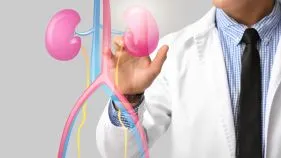
PCNL Stone Treatment: Procedure, Recovery, Risks and Expert Kidney Stone Care
Introduction
A PCNL stone usually refers to a kidney stone that may require Percutaneous Nephrolithotomy (PCNL), a minimally invasive procedure used to remove larger or complex kidney stones. PCNL is commonly considered when a stone is too large to pass naturally or when other treatments may not be suitable.
Kidney stones can vary significantly in size, location, composition, and complexity. While smaller stones may sometimes pass with medical treatment and observation, larger stones can block urine flow, cause persistent pain, lead to recurrent infections, or affect kidney function.
At Prabhakar Bhurke Clinic, our super specialist nephrologist, Dr. Sandip Prabhakar Bhurke, provides comprehensive evaluation of kidney stones, kidney function assessment, metabolic evaluation, treatment guidance, and coordination with experienced urology specialists when a procedure such as PCNL is required.
What Is PCNL?
PCNL stands for Percutaneous Nephrolithotomy.
It is a minimally invasive procedure used to remove kidney stones through a small opening made through the skin into the kidney.
During PCNL:
-
The patient is given anesthesia.
-
A small access tract is created through the skin into the kidney.
-
A nephroscope is passed through this tract.
-
The kidney stone is located and fragmented if necessary.
-
Stone fragments are removed from the kidney.
-
A temporary drainage tube or stent may be placed depending on the patient's condition.
PCNL allows doctors to remove larger stones without requiring traditional open surgery.
When Is PCNL Recommended for Kidney Stones?
PCNL may be recommended when kidney stones are:
-
Large in size
-
Complex or multiple
-
Associated with obstruction
-
Located in a way that makes other treatments less effective
-
Resistant to other stone-treatment approaches
-
Associated with a large stone burden, including some staghorn stones
The decision depends on stone size, location, anatomy, kidney function, symptoms, infection status, and the patient's overall health.
A nephrologist and urologist may work together to determine the safest treatment strategy.
Which Kidney Stones May Require PCNL?
PCNL is particularly useful for patients with a substantial kidney stone burden.
It may be considered for:
Large Kidney Stones
Large stones are less likely to pass naturally and may require active removal.
Staghorn Stones
Staghorn stones can occupy a significant portion of the kidney's collecting system and often require procedural treatment.
Multiple Kidney Stones
When several stones are present, PCNL may allow a substantial stone burden to be treated during one procedure or a planned series of procedures.
Stones Causing Obstruction
A stone blocking urine drainage may require intervention to protect kidney function.
Stones With Persistent Symptoms
Ongoing pain, recurrent infections, bleeding in the urine, or other complications may lead to consideration of stone removal.
PCNL vs Other Kidney Stone Treatments
The best treatment depends on the individual stone.
Common treatment options include:
Medical Management
Small stones without complications may sometimes be managed with observation, appropriate fluid intake, pain management, and medications when indicated.
ESWL
Extracorporeal Shock Wave Lithotripsy (ESWL) uses shock waves to break kidney stones into smaller fragments that can pass through the urinary tract.
Ureteroscopy
During ureteroscopy, a thin scope is passed through the urinary tract to reach the stone. Laser energy may be used to fragment the stone.
PCNL
PCNL provides direct access to the kidney and is particularly useful for larger or complex stones.
Your urologist determines the most appropriate procedure based on the characteristics of the stone and your overall health.
How Is a PCNL Stone Procedure Performed?
PCNL generally involves several important steps.
Preoperative Evaluation
Before the procedure, the medical team may assess:
-
Kidney function
-
Urine examination
-
Urine culture
-
Blood tests
-
Stone size and location
-
Imaging findings
-
Overall health and anesthesia fitness
If an active urinary infection is present, it generally needs to be appropriately treated before definitive stone removal.
Anesthesia
PCNL is usually performed under anesthesia so the patient does not experience procedural pain.
Creating Kidney Access
A small puncture is made through the skin into the kidney under imaging guidance.
Stone Fragmentation
A nephroscope is introduced through the access tract. Larger stones may be broken into smaller pieces using appropriate energy-based instruments.
Stone Removal
The stone fragments are removed through the access tract.
Stent or Drainage Tube
Depending on the procedure and clinical circumstances, a temporary kidney drainage tube or ureteral stent may be placed.
What Happens After PCNL?
After PCNL, patients are monitored for pain, urine output, bleeding, fever, and other potential complications.
The medical team may perform:
-
Blood tests
-
Urine monitoring
-
Imaging when required
-
Assessment of residual stone fragments
-
Stone analysis
Some patients can return home relatively quickly, while others may need a longer hospital stay depending on the complexity of the procedure and their recovery.
PCNL Recovery
Recovery varies from person to person.
During recovery, patients may be advised to:
-
Take prescribed medicines correctly
-
Drink fluids according to medical advice
-
Avoid strenuous activity until cleared by the doctor
-
Keep any wound or dressing clean
-
Attend follow-up appointments
-
Follow instructions regarding stent or catheter removal
Mild discomfort, fatigue, or blood-tinged urine may occur temporarily after the procedure, but persistent or worsening symptoms should be reported promptly.
Possible Risks of PCNL
PCNL is generally considered a safe and effective procedure when appropriately performed, but like any medical procedure, it carries potential risks.
Possible complications include:
-
Bleeding
-
Infection
-
Fever
-
Injury to surrounding structures
-
Residual stone fragments
-
Need for additional procedures
-
Urinary leakage
-
Blood transfusion in uncommon cases
The individual risk depends on factors such as stone complexity, kidney anatomy, infection status, other medical conditions, and the extent of the procedure.
Can Kidney Stones Come Back After PCNL?
Yes. PCNL removes existing stones, but it does not necessarily eliminate the factors responsible for forming new stones.
Kidney stones can recur due to:
-
Low fluid intake
-
High salt consumption
-
Certain dietary patterns
-
Metabolic abnormalities
-
Family history
-
Recurrent urinary infections
-
Specific stone-forming conditions
For this reason, prevention is an important part of long-term kidney stone care.
How to Prevent Future Kidney Stones
After stone treatment, your doctor may recommend:
-
Maintaining adequate fluid intake according to your medical condition
-
Reducing excessive salt consumption
-
Following an individualized diet
-
Avoiding unnecessary dietary restrictions
-
Taking prescribed preventive medicines when indicated
-
Maintaining a healthy body weight
-
Completing metabolic stone evaluation when appropriate
-
Attending regular follow-up appointments
If a stone is available for analysis, determining its composition can help guide prevention.
Why Kidney Function Assessment Matters
Kidney stones are not only a source of pain. Repeated obstruction, infection, or untreated urinary blockage can potentially damage kidney function.
A kidney specialist can assess:
-
Serum creatinine
-
eGFR
-
Urine abnormalities
-
Blood pressure
-
Recurrent stone risk
-
Metabolic factors contributing to stone formation
This is particularly important for patients who have recurrent stones, a single functioning kidney, chronic kidney disease, or repeated urinary obstruction.
When Should You Seek Urgent Medical Care?
A kidney stone requires urgent medical attention when symptoms suggest obstruction or infection.
Seek prompt medical care if you develop:
-
Severe or worsening flank pain
-
Fever or chills
-
Difficulty passing urine
-
Significantly reduced urine output
-
Persistent vomiting
-
Blood in the urine
-
Severe weakness or feeling unwell
Fever associated with an obstructed urinary system can be a medical emergency and should not be managed with home remedies alone.
Role of a Nephrologist in PCNL Stone Care
A nephrologist specializes in kidney function and medical kidney care, while a urologist generally performs PCNL and other surgical or endoscopic stone procedures.
A nephrologist can help with:
-
Kidney function assessment
-
Recurrent kidney stone evaluation
-
Metabolic risk assessment
-
Management of associated kidney disease
-
Blood pressure and diabetes management
-
Prevention of future kidney stones
-
Coordination of care with a urologist when PCNL is required
This collaborative approach can help address both the immediate stone problem and long-term kidney health.
Why Choose Prabhakar Bhurke Clinic?
At Prabhakar Bhurke Clinic, patients receive comprehensive kidney care from a super specialist nephrologist, Dr. Sandip Prabhakar Bhurke.
The clinic focuses on:
-
Detailed kidney stone evaluation
-
Kidney function assessment
-
Recurrent stone prevention
-
Metabolic evaluation when indicated
-
Personalized treatment planning
-
Management of associated kidney conditions
-
Dialysis and advanced kidney disease care when required
-
Kidney transplant evaluation and guidance
-
Coordination with urology specialists for procedures such as PCNL
The goal is to provide individualized care that addresses both the kidney stone and the patient's long-term kidney health.
Frequently Asked Questions
What does PCNL mean for kidney stones?
PCNL means Percutaneous Nephrolithotomy. It is a minimally invasive procedure used to remove larger or complex kidney stones through a small access tract made through the skin into the kidney.
Is PCNL painful?
PCNL is performed under anesthesia. Some pain or discomfort can occur during the recovery period, but prescribed pain medicines can help manage it.
Is PCNL suitable for every kidney stone?
No. Treatment depends on stone size, location, number, composition, kidney anatomy, symptoms, infection, and other medical factors. Smaller stones may often be managed with other approaches.
How long does it take to recover from PCNL?
Recovery varies depending on the size and complexity of the stone, the procedure performed, and the patient's overall health. Your treating medical team will provide individualized recovery instructions.
Can PCNL completely remove a kidney stone?
PCNL can remove a substantial stone burden, particularly large or complex stones. However, some patients may have residual fragments and may require additional treatment or follow-up.
Can kidney stones return after PCNL?
Yes. PCNL removes existing stones but does not automatically prevent new stones from forming. Stone analysis, metabolic evaluation, diet, fluid management, and preventive treatment can help reduce recurrence risk.
Who performs PCNL?
PCNL is generally performed by a urologist. A nephrologist may evaluate kidney function, manage medical kidney conditions, assess recurrent stone risk, and coordinate care with the urology team.
Conclusion
PCNL stone treatment is an important minimally invasive option for patients with large, complex, or otherwise difficult-to-treat kidney stones. By creating a small access route directly into the kidney, PCNL allows the stone to be fragmented and removed without traditional open surgery.
However, PCNL is not necessary for every kidney stone. The appropriate treatment depends on the stone's size, location, complexity, kidney function, symptoms, and presence of infection or obstruction.
At Prabhakar Bhurke Clinic, Dr. Sandip Prabhakar Bhurke, a super specialist nephrologist, provides comprehensive kidney evaluation, kidney function assessment, stone prevention guidance, and coordinated care with urology specialists when procedural treatment such as PCNL is required.
Book an Appointment Today
If you have been diagnosed with a large kidney stone, complex kidney stone, staghorn stone, recurrent kidney stones, urinary obstruction, high creatinine, or persistent flank pain, consult Prabhakar Bhurke Clinic for a detailed kidney evaluation.
Dr. Sandip Prabhakar Bhurke, our super specialist nephrologist, can assess your kidney health, discuss appropriate treatment options, and guide you toward coordinated specialist care when a procedure such as PCNL is recommended.
Medical Disclaimer
This article is intended for general educational purposes only and should not be considered a substitute for professional medical advice, diagnosis, or treatment. PCNL is not appropriate for every kidney stone, and treatment decisions should be based on individual clinical evaluation and imaging. Do not delay medical care because of information read online. If you have severe pain, fever, chills, difficulty passing urine, significantly reduced urine output, or persistent vomiting, seek urgent medical attention.