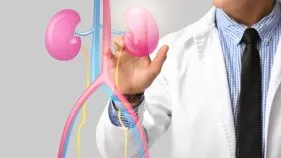
Artificial Dialysis Machine: Types, How It Works, Procedure, Benefits and Essential Kidney Care
The kidneys perform an essential role in maintaining the body's internal balance. They continuously remove metabolic waste, regulate water levels, control important minerals and help maintain healthy blood pressure. When kidney function becomes severely impaired, these processes may no longer work effectively. In such situations, an artificial dialysis machine can provide essential support by performing some of the filtering functions of natural kidneys.
Dialysis has become an important treatment option for people experiencing advanced chronic kidney disease, end-stage renal disease and certain cases of acute kidney injury. Modern dialysis technology allows patients to receive treatment through different methods depending on their medical requirements.
Understanding the types of artificial dialysis machines, their working mechanisms, treatment procedures and associated benefits can help patients make informed decisions about kidney care.
At Prabhakar Bhurke Clinic, Mumbai, Dr. Sandip Prabhakar Bhurke provides specialized nephrology consultation and management for patients experiencing different kidney-related conditions.
What Is an Artificial Dialysis Machine?
An artificial dialysis machine is a medical device used during hemodialysis to help remove waste products, excess salts and additional fluid from the bloodstream.
Normally, healthy kidneys perform blood filtration continuously. However, when kidney function declines significantly, harmful waste substances and excess fluid may accumulate in the body.
The dialysis machine supports the body by circulating blood through an external filtering system called a dialyzer.
The dialyzer contains a semipermeable membrane that allows selected waste substances and excess fluid to move out of the blood while retaining essential blood components.
Although an artificial kidney machine performs important filtration functions, it cannot completely replace every activity of natural kidneys. Patients may still require medication, dietary management and regular medical monitoring.
Why Is an Artificial Dialysis Machine Required?
Dialysis may become necessary when the kidneys cannot maintain adequate control over waste products, fluid levels and electrolyte balance.
Some common medical situations in which dialysis may be recommended include:
-
Advanced chronic kidney disease.
-
End-stage kidney failure.
-
Severe acute kidney injury.
-
Dangerous potassium accumulation in the blood.
-
Severe fluid overload.
-
Certain complications associated with uremia.
-
Selected cases of poisoning involving dialyzable substances.
The decision to initiate dialysis is based on the patient's overall medical condition rather than a single creatinine reading.
A nephrologist evaluates symptoms, laboratory investigations, fluid status and associated complications before recommending kidney replacement therapy.
How Does an Artificial Dialysis Machine Work?
An artificial dialysis machine uses controlled blood circulation and a specialized filtering process to remove unwanted substances.
The procedure involves several coordinated steps.
1. Blood Circulation
Blood is withdrawn from the patient's body through a specially prepared vascular access. A blood pump moves it through sterile tubing towards the dialyzer.
2. Filtration Through the Dialyzer
The dialyzer acts as the primary filtering component. It contains a semipermeable membrane that separates the blood from dialysis fluid.
3. Removal of Waste Products
Waste substances such as urea and excess electrolytes move from the blood into the dialysate through diffusion.
4. Excess Fluid Removal
The machine controls pressure across the filtering membrane to remove additional fluid from the bloodstream. This process is called ultrafiltration.
5. Blood Monitoring
Safety systems continuously monitor the dialysis circuit for pressure changes, air bubbles and other abnormalities.
6. Returning Filtered Blood
After passing through the dialyzer, the treated blood returns to the patient's circulation.
This process continues for the prescribed duration until the dialysis session is completed.
Different Types of Artificial Dialysis Machines and Dialysis Systems
Dialysis treatment involves different technologies designed to meet individual medical needs. The selection depends on the patient's kidney function, overall health, treatment goals and suitability for a particular method.
1. Conventional Hemodialysis Machine
Conventional hemodialysis machines are widely used in hospitals and dedicated dialysis centres.
They circulate blood through a dialyzer, where waste products and excess fluid are removed.
Important features include:
-
Blood circulation pumps.
-
Dialysate preparation and delivery systems.
-
Fluid removal controls.
-
Pressure monitoring.
-
Temperature regulation.
-
Air bubble detection systems.
-
Safety alarms.
Patients commonly receive treatment three times weekly, although the schedule may differ according to their clinical requirements.
2. Home Hemodialysis Machine
Home hemodialysis allows selected patients to undergo dialysis in their residential environment after receiving appropriate training.
Depending on the treatment prescription, patients may undergo more frequent or longer dialysis sessions.
Potential advantages include:
-
Greater flexibility in treatment scheduling.
-
Reduced travel to dialysis centres.
-
More involvement in personal treatment management.
-
Possibility of individualized dialysis schedules.
However, home hemodialysis requires suitable equipment, proper training, a safe treatment area and regular medical supervision.
3. Continuous Renal Replacement Therapy (CRRT)
CRRT is a specialized kidney replacement treatment primarily used for critically ill patients in intensive care units.
Unlike conventional hemodialysis, which removes waste and fluid over a limited session, CRRT operates continuously over an extended period.
It may be recommended for selected patients experiencing:
-
Severe acute kidney injury.
-
Hemodynamic instability.
-
Significant fluid overload.
-
Critical illness with impaired kidney function.
This treatment requires specialized equipment and continuous monitoring by trained healthcare professionals.
4. Automated Peritoneal Dialysis Machine
Automated peritoneal dialysis uses a device known as a cycler to manage the movement of dialysis fluid into and out of the abdominal cavity.
Unlike hemodialysis, it does not circulate blood through an external dialyzer.
Instead, the peritoneal membrane inside the abdomen acts as the natural filtering surface.
The cycler performs programmed fluid exchanges, often while the patient sleeps.
This method may be appropriate for selected patients who prefer home-based dialysis and meet the necessary medical requirements.
Important Components of an Artificial Dialysis Machine
A modern hemodialysis machine contains multiple components that work together to maintain treatment efficiency and safety.
Blood Pump: Controls blood movement through the dialysis circuit.
Dialyzer: Contains the filtering membrane responsible for removing waste products and excess fluid.
Dialysate System: Prepares and circulates the specially formulated dialysis solution.
Pressure Sensors: Monitor pressure within the blood tubing and dialysis system.
Air Detector: Identifies air bubbles in the blood-return line and activates safety mechanisms.
Ultrafiltration Controller: Regulates the amount of fluid removed during treatment.
Anticoagulant Delivery System: May administer prescribed anticoagulant medication to reduce clot formation in the dialysis circuit.
Safety Alarm System: Alerts healthcare professionals when the machine detects unusual operating conditions.
These components allow the dialysis team to deliver treatment according to the patient's prescribed requirements.
Artificial Dialysis Procedure: What Happens During Treatment?
Patients starting dialysis often have questions about how the treatment is performed. Understanding the procedure can help reduce uncertainty and improve preparation.
Step 1: Initial Medical Evaluation
Before dialysis, the nephrologist reviews the patient's medical history, kidney function reports and current symptoms.
The healthcare team may assess:
-
Blood pressure.
-
Body weight.
-
Serum creatinine.
-
Blood urea.
-
Potassium and other electrolytes.
-
Fluid accumulation.
-
Haemoglobin levels.
These findings help determine the dialysis prescription.
Step 2: Preparation of Vascular Access
For hemodialysis, blood needs to travel between the patient's circulation and the machine.
Common access options include:
Arteriovenous Fistula: A surgically created connection between an artery and a vein, generally preferred for long-term hemodialysis when feasible.
Arteriovenous Graft: A synthetic tube connecting an artery and vein to provide dialysis access.
Central Venous Catheter: A specialized tube inserted into a large vein, which may be used when immediate or temporary access is required.
Step 3: Connecting to the Dialysis Machine
The dialysis team prepares the machine, checks the tubing and connects the bloodlines to the patient's vascular access using appropriate infection-control procedures.
Step 4: Beginning Blood Filtration
Blood flows through the dialyzer, where waste products and excess fluid are removed according to the prescribed settings.
Step 5: Monitoring During Dialysis
Throughout the treatment, healthcare professionals monitor blood pressure, heart rate, machine pressures and patient comfort.
The dialysis prescription may be adjusted when medically necessary.
Step 6: Completion of Treatment
At the end of the session, the blood remaining in the circuit is generally returned to the patient according to the prescribed procedure.
The access is disconnected safely, and the patient's condition is reassessed.
A typical in-centre hemodialysis session lasts approximately three to five hours, although the exact duration varies between patients.
Major Benefits of Artificial Dialysis Machines
Artificial dialysis machines provide important support for individuals whose kidneys cannot adequately maintain normal body functions.
1. Helps Remove Waste Products
Dialysis removes substances such as urea and other metabolic waste products that accumulate when kidney filtration becomes inadequate.
2. Controls Excess Fluid
Fluid accumulation can cause swelling, breathing difficulties and increased strain on the heart. Dialysis helps remove excess fluid according to the prescribed treatment target.
3. Supports Electrolyte Balance
Dialysis helps regulate certain electrolytes, particularly potassium, which may become dangerously elevated in advanced kidney failure.
4. Helps Manage Uremic Symptoms
Waste accumulation can cause nausea, reduced appetite, itching and fatigue. Appropriate dialysis may help control these symptoms.
5. Supports Long-Term Kidney Failure Management
For patients with irreversible kidney failure, regular dialysis can provide essential kidney replacement support and help maintain life.
6. Offers Different Treatment Approaches
Patients may be suitable for in-centre hemodialysis, home hemodialysis or peritoneal dialysis depending on their medical condition.
7. Helps Maintain Daily Activities
With an appropriate treatment schedule and medical support, many dialysis patients can continue working, studying and participating in everyday activities.
Possible Side Effects and Complications of Dialysis
Although dialysis is an established medical treatment, some patients experience side effects during or after a session.
These may include:
-
Low blood pressure.
-
Muscle cramps.
-
Nausea.
-
Headache.
-
Dizziness.
-
Fatigue.
-
Itching.
-
Vascular access complications.
Potential serious complications include bloodstream infections, access-related bleeding and cardiovascular problems.
Patients should report unusual symptoms to their dialysis team rather than attempting to adjust treatment independently.
How Long Does an Artificial Dialysis Machine Take to Filter Blood?
The duration of dialysis depends on the patient's kidney function, body size, fluid accumulation, dialysis access and prescribed treatment requirements.
For many patients receiving conventional in-centre hemodialysis, a session lasts approximately three to five hours.
Some patients may require longer sessions or a different weekly treatment schedule.
The goal is to provide sufficient waste and fluid removal without causing unnecessary stress on the body.
Diet and Lifestyle Management During Dialysis
Dialysis treatment works best when combined with appropriate nutritional care and healthy daily habits.
Patients should follow an individualized kidney-friendly diet rather than adopting general dietary restrictions without medical advice.
Important considerations include:
Fluid Management: Follow the prescribed daily fluid allowance to reduce the risk of fluid overload.
Salt Restriction: Excess sodium can increase thirst, blood pressure and fluid retention.
Potassium Control: Foods containing potassium may need adjustment depending on blood test results.
Phosphorus Management: Some dialysis patients require phosphorus restriction or prescribed phosphate-binding medicines.
Adequate Protein: Dialysis patients often require sufficient dietary protein to prevent malnutrition.
Medication Adherence: Prescribed medicines should be taken according to the nephrologist's instructions.
Physical Activity: Appropriate physical activity can support strength and general well-being when medically suitable.
Difference Between an Artificial Dialysis Machine and Natural Kidneys
An artificial dialysis machine performs selected kidney functions but does not reproduce every activity of healthy kidneys.
| Kidney function | Natural kidneys | Dialysis machine |
|---|---|---|
| Waste removal | Continuous | During treatment |
| Excess fluid removal | Continuous | During treatment |
| Electrolyte regulation | Continuous | Helps regulate selected electrolytes |
| Hormone production | Yes | No |
| Vitamin D activation | Yes | No |
| Blood pressure regulation | Hormonal and fluid control | Indirect support through fluid removal |
This explains why dialysis patients may continue to need medicines for anaemia, bone health, blood pressure and other complications.
Can Dialysis Be Replaced by a Kidney Transplant?
For eligible patients with end-stage kidney disease, kidney transplantation may offer an alternative to long-term dialysis.
During transplantation, a healthy donor kidney is surgically placed into the recipient's body to provide kidney function.
Potential advantages include:
-
Greater flexibility in daily life.
-
Reduced dependence on regular dialysis.
-
Improved quality of life for many suitable patients.
-
Better long-term outcomes for appropriately selected individuals.
However, transplantation requires careful medical assessment, donor evaluation, surgery and lifelong immunosuppressive medication.
Some patients receive a kidney transplant before starting dialysis, while others undergo transplantation after receiving dialysis treatment.
Essential Safety Measures for Artificial Dialysis Treatment
Safe dialysis depends on appropriate equipment maintenance, infection prevention and professional supervision.
Important precautions include:
-
Ensure dialysis machines undergo regular maintenance and safety checks.
-
Follow infection-control procedures during every treatment.
-
Maintain proper vascular access hygiene.
-
Monitor blood pressure and fluid removal.
-
Use appropriately prepared dialysis water and dialysate.
-
Attend scheduled dialysis sessions.
-
Report access swelling, redness, bleeding or fever immediately.
Patients should receive treatment at appropriately equipped centres under qualified medical supervision.
Specialized Kidney Care at Prabhakar Bhurke Clinic, Mumbai
Kidney failure requires an individualized approach because each patient may have different medical complications, treatment requirements and long-term health goals.
At Prabhakar Bhurke Clinic, Mumbai, Dr. Sandip Prabhakar Bhurke provides specialized nephrology consultation and kidney disease management.
The clinic focuses on the evaluation and management of several kidney-related conditions, including:
-
Chronic kidney disease.
-
Acute kidney injury.
-
Advanced kidney failure.
-
Hemodialysis management.
-
Peritoneal dialysis guidance.
-
Electrolyte and acid-base imbalances.
-
Hypertension associated with kidney disease.
-
Glomerular disorders.
-
Kidney transplantation and post-transplant care.
-
Dialysis-related complications.
Patients experiencing declining kidney function or requiring an assessment for dialysis can seek medical consultation to understand appropriate treatment options.
Effective kidney care involves more than managing dialysis sessions. It includes controlling associated health conditions, maintaining nutritional balance, preventing complications and supporting the patient's quality of life.
Frequently Asked Questions About Artificial Dialysis Machines
Q1. What is an artificial dialysis machine called?
It is commonly known as a hemodialysis machine or artificial kidney machine. It helps remove waste products and excess fluid from the blood through an external filtering system.
Q2. Is an artificial dialysis machine used for permanent kidney failure?
Yes. Patients with irreversible end-stage kidney disease may require regular dialysis as long-term kidney replacement therapy unless they receive a suitable kidney transplant.
Q3. How frequently is artificial dialysis required?
Many patients receiving conventional in-centre hemodialysis undergo treatment three times weekly. However, frequency depends on the individual dialysis prescription.
Q4. Does dialysis remove creatinine from the blood?
Yes. Hemodialysis helps remove creatinine and other waste products from the bloodstream. However, creatinine may rise again between sessions when kidney function remains severely impaired.
Q5. Is artificial dialysis painful?
The filtering process is generally not painful. Some patients experience discomfort during needle insertion or side effects such as cramps, dizziness and low blood pressure.
Q6. Can dialysis be performed at home?
Yes. Eligible patients may receive home hemodialysis or peritoneal dialysis after medical assessment, appropriate training and preparation.
Q7. What happens if a patient misses dialysis?
Missing a scheduled session can cause waste products, potassium and excess fluid to accumulate. This may lead to serious complications, so patients should contact their dialysis team immediately if they cannot attend.
Q8. Does dialysis cure kidney failure?
No. Dialysis manages the consequences of severe kidney dysfunction but does not generally restore permanently damaged kidneys. Some patients with acute kidney injury may recover kidney function.
Q9. What is the difference between hemodialysis and peritoneal dialysis?
Hemodialysis uses an external dialyzer to filter blood, while peritoneal dialysis uses the natural lining of the abdomen as a filtering membrane.
Q10. Can someone live a normal life while receiving dialysis?
Many people continue working, studying and participating in daily activities while receiving dialysis. Their lifestyle may require adjustments to treatment schedules, diet, fluid intake and medications.
5. Disclaimer
This article is intended for general educational and informational purposes only. It does not constitute professional medical advice, diagnosis or treatment. Artificial dialysis machines, treatment methods, dialysis frequency and medical recommendations vary depending on each patient's kidney function and overall health. Not every person with elevated creatinine or chronic kidney disease requires dialysis. The decision to begin, modify or discontinue dialysis must be made by a qualified nephrologist after appropriate clinical evaluation. Patients should not change prescribed medications, dietary restrictions or dialysis schedules without medical guidance. In case of severe breathlessness, chest pain, confusion, significantly reduced urine output or other serious symptoms, seek immediate medical attention. Always consult a qualified healthcare professional for individualized kidney care.