
Kidney and Leg Pain: Causes, Symptoms, Diagnosis, and Treatment

Kidney and Leg Pain: Causes, Symptoms, Diagnosis, and Treatment

Introduction

Kidney pain and leg pain occurring together can be alarming and may indicate an underlying medical condition that requires evaluation. While leg pain is commonly caused by muscle strain, nerve problems, or circulation issues, certain kidney disorders can also contribute to pain that radiates to the lower back, groin, or legs. In addition, advanced kidney disease may lead to muscle cramps, nerve problems, mineral imbalances, or swelling that causes discomfort in the legs.

Not every case of leg pain is related to the kidneys. However, if leg pain is accompanied by symptoms such as flank pain, swelling, changes in urination, fever, or blood in the urine, it is important to consult a kidney specialist for an accurate diagnosis.

At Prabhakar Bhurke Clinic, our super specialist nephrologist provides comprehensive evaluation and personalized treatment for kidney diseases and their complications, helping patients achieve better kidney health and improved quality of life.


Can Kidney Problems Cause Leg Pain?

Yes. Although the kidneys themselves do not usually cause pain directly in the legs, several kidney-related conditions can contribute to leg discomfort.

Possible mechanisms include:

  • Pain from kidney stones that radiates toward the groin or upper thigh
  • Muscle cramps caused by electrolyte imbalances
  • Fluid retention leading to swollen and painful legs
  • Nerve damage associated with chronic kidney disease or diabetes
  • Bone and mineral disorders related to reduced kidney function
  • Reduced blood flow or circulation problems associated with chronic illness

A detailed evaluation is necessary to determine the exact cause.


Common Kidney-Related Causes of Kidney and Leg Pain

1. Kidney Stones

Kidney stones can cause severe pain that starts in the back or side and may radiate to:

  • The lower abdomen
  • The groin
  • The inner thigh

Associated symptoms include:

  • Blood in the urine
  • Burning during urination
  • Frequent urge to urinate
  • Nausea and vomiting

Large stones or those causing blockage may require specialized treatment.


2. Kidney Infection (Pyelonephritis)

A kidney infection may cause:

  • Pain in the flank or lower back
  • Fever and chills
  • Painful urination
  • Fatigue
  • Nausea

In some patients, discomfort may spread toward the lower abdomen or upper thigh.


3. Chronic Kidney Disease (CKD)

As kidney function declines, patients may experience:

  • Muscle cramps, especially at night
  • Weakness in the legs
  • Swelling of the feet and ankles
  • Bone pain
  • Fatigue

These symptoms often result from electrolyte disturbances, anemia, and mineral imbalances.


4. Fluid Retention

When the kidneys cannot remove excess fluid efficiently, swelling develops in:

  • Feet
  • Ankles
  • Legs

Severe swelling can cause heaviness, tightness, and pain.


5. Mineral and Bone Disorders

Chronic kidney disease can interfere with calcium, phosphorus, and vitamin D balance, leading to:

  • Bone pain
  • Joint pain
  • Muscle weakness
  • Increased risk of fractures

Other Possible Causes of Kidney and Leg Pain

Not every patient with kidney and leg pain has kidney disease. Other possible causes include:

  • Muscle strain
  • Sciatica
  • Lumbar disc problems
  • Arthritis
  • Peripheral vascular disease
  • Deep vein thrombosis (DVT)
  • Diabetic neuropathy

Your doctor will determine whether the symptoms are kidney-related or due to another condition.


Symptoms That May Indicate a Kidney Problem

Kidney disease may be more likely if leg pain occurs along with:

  • Pain in the side or lower back
  • Blood in the urine
  • Foamy urine
  • Frequent urination
  • Burning during urination
  • Swelling of the legs or face
  • High blood pressure
  • Fatigue
  • Fever and chills
  • Reduced urine output
  • Elevated creatinine levels

These symptoms should not be ignored.


When Should You See a Nephrologist?

Seek medical evaluation if you have:

  • Persistent kidney pain with leg pain
  • Swelling in both legs
  • Blood in the urine
  • Recurrent kidney stones
  • Fever with flank pain
  • High creatinine levels
  • Persistent muscle cramps
  • High blood pressure
  • Difficulty passing urine

Early diagnosis helps prevent complications and preserve kidney function.


Diagnosis at Prabhakar Bhurke Clinic

At Prabhakar Bhurke Clinic, our super specialist nephrologist performs a thorough evaluation to determine the underlying cause of kidney and leg pain.

Medical Assessment

This includes:

  • Detailed medical history
  • Physical examination
  • Blood pressure measurement
  • Review of current medications
  • Assessment of swelling and neurological symptoms

Blood Tests

Investigations may include:

  • Serum Creatinine
  • Estimated Glomerular Filtration Rate (eGFR)
  • Blood Urea Nitrogen (BUN)
  • Electrolytes
  • Calcium and phosphorus
  • Uric acid
  • Complete Blood Count (CBC)

Urine Tests

Urine examination helps detect:

  • Protein
  • Blood
  • Infection
  • Kidney stones

Imaging Studies

Depending on your symptoms, your doctor may recommend:

  • Kidney Ultrasound
  • CT Scan
  • MRI (when indicated)

Additional tests may be advised if nerve or circulation problems are suspected.


Treatment for Kidney and Leg Pain

Treatment depends on the underlying diagnosis.

Kidney Stones

Management may include:

  • Pain control under medical supervision
  • Medicines that help stone passage (when appropriate)
  • Shock Wave Lithotripsy (ESWL)
  • Ureteroscopy (URS)
  • Percutaneous Nephrolithotomy (PCNL) for larger stones

Kidney Infection

Treatment typically involves:

  • Antibiotics
  • Hydration as advised
  • Monitoring kidney function

Chronic Kidney Disease

Management focuses on:

  • Blood pressure control
  • Diabetes management
  • Correction of electrolyte imbalances
  • Treatment of anemia
  • Nutritional guidance
  • Dialysis when required in advanced disease

Swelling and Muscle Cramps

Your nephrologist may recommend:

  • Appropriate fluid management
  • Dietary modifications
  • Correction of mineral deficiencies
  • Individualized medications based on your condition

Tips to Protect Your Kidney Health

To reduce the risk of kidney disease and its complications:

  • Drink adequate water unless restricted by your doctor.
  • Control blood pressure and diabetes.
  • Limit excess salt intake.
  • Maintain a healthy body weight.
  • Exercise regularly.
  • Avoid smoking and tobacco.
  • Do not overuse pain-relieving medicines without medical advice.
  • Seek prompt treatment for urinary tract infections.
  • Attend regular kidney health check-ups.

Healthy habits support both kidney function and overall well-being.


Why Choose Prabhakar Bhurke Clinic?

Patients choose Prabhakar Bhurke Clinic because we provide:

  • Consultation with a super specialist nephrologist
  • Expertise in kidney stones, chronic kidney disease, and kidney infections
  • Advanced diagnostic facilities
  • Personalized treatment plans
  • Comprehensive kidney function assessment
  • Long-term monitoring and preventive care
  • Compassionate, evidence-based treatment

We focus on identifying the underlying cause of your symptoms and providing individualized care to protect your kidneys.


Conclusion

Kidney and leg pain may occur together due to kidney stones, kidney infections, chronic kidney disease, fluid retention, or mineral imbalances. However, these symptoms can also result from conditions unrelated to the kidneys. Persistent pain, swelling, urinary changes, or elevated creatinine levels should always be evaluated by a specialist.

At Prabhakar Bhurke Clinic, our super specialist nephrologist provides comprehensive evaluation and advanced treatment for kidney diseases and related complications. Early diagnosis and appropriate management can relieve symptoms, preserve kidney function, and improve your quality of life.


Book an Appointment Today

If you have kidney pain, leg pain, swelling, blood in the urine, recurrent kidney stones, high creatinine levels, or other kidney-related symptoms, schedule a consultation at Prabhakar Bhurke Clinic. Our super specialist nephrologist will perform a detailed assessment and develop a personalized treatment plan to help you maintain healthy kidneys and a better quality of life.
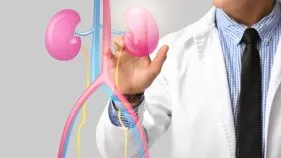

Kidney Not Working Symptoms: Early Warning Signs, Causes, Diagnosis, and Treatment

Kidney Not Working Symptoms: Early Warning Signs, Causes, Diagnosis, and Treatment

Introduction

Your kidneys are essential organs that continuously filter waste products, remove excess fluids, balance electrolytes, regulate blood pressure, and support healthy red blood cell production. When the kidneys stop functioning properly, waste products begin to accumulate in the body, leading to a wide range of symptoms that can affect almost every organ system.

Many people ignore the early symptoms of kidneys not working properly because they are often mild or mistaken for general fatigue or aging. Recognizing these warning signs early and seeking timely medical care can help prevent further kidney damage and improve treatment outcomes.

At Prabhakar Bhurke Clinic, our super specialist nephrologist provides comprehensive kidney evaluations, advanced diagnostic testing, and personalized treatment plans for patients with acute and chronic kidney diseases.


What Does It Mean When the Kidneys Are Not Working Properly?

Healthy kidneys perform several vital functions, including:

  • Filtering waste products from the blood
  • Removing excess water through urine
  • Maintaining electrolyte balance
  • Regulating blood pressure
  • Supporting healthy bones by activating vitamin D
  • Producing hormones that stimulate red blood cell production

When kidney function declines, these processes become impaired, leading to symptoms that worsen as kidney disease progresses.


Kidney Not Working Symptoms

1. Changes in Urination

One of the earliest signs of kidney dysfunction is a change in urination.

You may experience:

  • Frequent urination, especially at night
  • Reduced urine output
  • Difficulty passing urine
  • Foamy or bubbly urine
  • Blood in the urine
  • Dark-colored urine

These changes should not be ignored, especially if they persist.


2. Swelling (Edema)

When the kidneys cannot remove excess fluid efficiently, fluid accumulates in the body.

Common areas of swelling include:

  • Feet
  • Ankles
  • Legs
  • Hands
  • Face
  • Around the eyes

Swelling may worsen throughout the day or after prolonged standing.


3. Persistent Fatigue and Weakness

Kidneys produce erythropoietin, a hormone that helps the body make red blood cells.

Reduced kidney function may lead to anemia, causing:

  • Constant tiredness
  • Low energy
  • Weakness
  • Difficulty concentrating
  • Reduced physical performance

4. High Blood Pressure

High blood pressure is both a cause and a result of kidney disease.

Poor kidney function makes blood pressure harder to control, increasing the risk of heart disease and further kidney damage.


5. Loss of Appetite and Nausea

The accumulation of waste products in the bloodstream may cause:

  • Poor appetite
  • Metallic taste in the mouth
  • Nausea
  • Vomiting
  • Weight loss

These symptoms often become more noticeable as kidney disease progresses.


6. Persistent Itching

Kidney disease may lead to:

  • Dry skin
  • Severe itching
  • Skin irritation

This can occur because of mineral imbalances and waste buildup in the body.


7. Muscle Cramps

Electrolyte disturbances, particularly involving calcium and potassium, can cause:

  • Painful muscle cramps
  • Muscle weakness
  • Leg cramps, especially at night

8. Shortness of Breath

As kidney function declines, excess fluid may accumulate in the lungs, and anemia may reduce oxygen delivery to tissues.

Patients may notice:

  • Breathlessness during activity
  • Difficulty breathing while lying flat
  • Reduced exercise tolerance

9. Difficulty Concentrating

Waste products that remain in the bloodstream may affect brain function, resulting in:

  • Poor concentration
  • Memory problems
  • Confusion in advanced kidney disease

10. Pain in the Kidney Area

While many chronic kidney diseases are painless, some conditions such as kidney stones, infections, or urinary obstruction can cause pain in the sides or lower back.


Common Causes of Kidney Dysfunction

Kidneys may stop working properly because of:

  • Chronic Kidney Disease (CKD)
  • Diabetes
  • High blood pressure
  • Acute Kidney Injury (AKI)
  • Kidney infections
  • Kidney stones causing obstruction
  • Glomerulonephritis
  • Polycystic Kidney Disease
  • Autoimmune diseases
  • Long-term use of certain medications

Identifying the cause is essential for effective treatment.


Who Is at Risk?

You may have a higher risk if you:

  • Have diabetes
  • Have hypertension
  • Are overweight or obese
  • Smoke
  • Have heart disease
  • Have a family history of kidney disease
  • Have recurrent kidney infections
  • Have kidney stones
  • Are older than 60 years

Routine kidney screening is recommended for individuals with these risk factors.


How Are Kidney Problems Diagnosed?

At Prabhakar Bhurke Clinic, our super specialist nephrologist performs a detailed evaluation to determine the cause and severity of kidney dysfunction.

Medical Evaluation

Your consultation includes:

  • Review of symptoms
  • Medical history
  • Family history
  • Blood pressure measurement
  • Physical examination

Blood Tests

Investigations commonly include:

  • Serum Creatinine
  • Estimated Glomerular Filtration Rate (eGFR)
  • Blood Urea Nitrogen (BUN)
  • Electrolytes
  • Complete Blood Count (CBC)
  • Blood Sugar

Urine Tests

Urine examination helps detect:

  • Protein
  • Blood
  • Infection
  • Early kidney damage

Imaging Studies

Your nephrologist may recommend:

  • Kidney Ultrasound
  • CT Scan
  • MRI (when clinically indicated)

A kidney biopsy may be advised in selected cases to determine the exact diagnosis.


Treatment for Kidney Dysfunction

Treatment depends on the underlying cause and stage of kidney disease.

Medications

Your nephrologist may prescribe medicines to:

  • Control blood pressure
  • Manage diabetes
  • Treat infections
  • Reduce protein loss in urine
  • Correct anemia
  • Balance electrolytes

Lifestyle Modifications

Patients are encouraged to:

  • Follow a kidney-friendly diet
  • Limit salt intake
  • Stay physically active
  • Maintain a healthy weight
  • Avoid smoking
  • Take medications as prescribed

Advanced Kidney Care

For advanced kidney failure, treatment options include:

  • Hemodialysis
  • Peritoneal Dialysis
  • Kidney Transplantation

Early diagnosis often helps delay the need for these therapies.


Tips to Keep Your Kidneys Healthy

You can protect your kidneys by:

  • Drinking adequate water unless your doctor advises otherwise
  • Controlling blood pressure and diabetes
  • Eating a balanced, low-salt diet
  • Exercising regularly
  • Avoiding smoking and tobacco
  • Limiting unnecessary use of painkillers
  • Having regular kidney health check-ups

These simple measures can significantly reduce the risk of kidney disease.


Why Choose Prabhakar Bhurke Clinic?

Patients trust Prabhakar Bhurke Clinic because we provide:

  • Consultation with a super specialist nephrologist
  • Advanced kidney function testing
  • Personalized treatment plans
  • Expertise in acute and chronic kidney disease
  • Comprehensive dialysis and transplant guidance
  • Long-term kidney health monitoring
  • Compassionate, evidence-based patient care

Our goal is to diagnose kidney disease early, preserve kidney function, and improve your overall quality of life.


Conclusion

Recognizing kidney not working symptoms early is essential for preventing permanent kidney damage. Symptoms such as changes in urination, swelling, fatigue, high blood pressure, nausea, itching, or elevated creatinine levels should never be ignored. Early diagnosis and appropriate treatment can help slow disease progression and protect your kidneys.

At Prabhakar Bhurke Clinic, our super specialist nephrologist offers comprehensive evaluation, advanced diagnostic testing, and individualized treatment plans for patients with kidney disorders. With timely medical care and regular follow-up, many kidney diseases can be managed effectively while preserving long-term kidney function.


Book an Appointment Today

If you are experiencing kidney not working symptoms, including swelling, changes in urination, fatigue, foamy urine, blood in the urine, or high creatinine levels, schedule a consultation at Prabhakar Bhurke Clinic. Our super specialist nephrologist will provide a thorough evaluation and create a personalized treatment plan to help protect your kidney health and improve your overall well-being.

पॉलीसिस्टिक किडनी डिजीज (Polycystic Kidney Disease) क्या है? कारण, लक्षण, उपचार और बचाव

पॉलीसिस्टिक किडनी डिजीज (Polycystic Kidney Disease) क्या है? कारण, लक्षण, उपचार और बचाव

परिचय

पॉलीसिस्टिक किडनी डिजीज (Polycystic Kidney Disease - PKD) एक आनुवंशिक (Genetic) बीमारी है जिसमें किडनी के अंदर कई तरल पदार्थ (Fluid) से भरी हुई छोटी-छोटी थैलियां (Cysts) बनने लगती हैं। समय के साथ ये सिस्ट आकार और संख्या में बढ़ सकती हैं, जिससे किडनी का सामान्य कार्य प्रभावित होता है और धीरे-धीरे क्रॉनिक किडनी डिजीज (CKD) या किडनी फेलियर का खतरा बढ़ सकता है।

हालांकि वर्तमान समय में PKD का स्थायी इलाज (Cure) उपलब्ध नहीं है, लेकिन समय पर पहचान, नियमित जांच, सही दवाइयों, रक्तचाप नियंत्रण और जीवनशैली में बदलाव से बीमारी की प्रगति को काफी हद तक धीमा किया जा सकता है।

प्रभाकर भुरके क्लिनिक में हमारे सुपर स्पेशलिस्ट नेफ्रोलॉजिस्ट पॉलीसिस्टिक किडनी डिजीज के मरीजों के लिए आधुनिक जांच, व्यक्तिगत उपचार योजना और दीर्घकालीन किडनी देखभाल प्रदान करते हैं।


पॉलीसिस्टिक किडनी डिजीज (PKD) क्या है?

PKD में किडनी के अंदर अनेक सिस्ट बन जाती हैं। ये सिस्ट धीरे-धीरे बड़ी होती जाती हैं, जिससे:

  • किडनी का आकार बढ़ सकता है।
  • किडनी की कार्यक्षमता कम हो सकती है।
  • उच्च रक्तचाप हो सकता है।
  • किडनी फेलियर का खतरा बढ़ सकता है।

यह बीमारी अक्सर परिवार में पीढ़ी दर पीढ़ी चलती है।


पॉलीसिस्टिक किडनी डिजीज के प्रकार

1. ऑटोसोमल डॉमिनेंट पॉलीसिस्टिक किडनी डिजीज (ADPKD)

  • सबसे सामान्य प्रकार
  • आमतौर पर 30–50 वर्ष की आयु में पता चलता है
  • माता या पिता में से किसी एक से विरासत में मिल सकता है

2. ऑटोसोमल रिसेसिव पॉलीसिस्टिक किडनी डिजीज (ARPKD)

  • दुर्लभ प्रकार
  • जन्म के समय या बचपन में दिखाई देता है
  • दोनों माता-पिता से जीन मिलने पर विकसित होता है

पॉलीसिस्टिक किडनी डिजीज के लक्षण

शुरुआती अवस्था में कई मरीजों में कोई लक्षण नहीं होते। जैसे-जैसे बीमारी बढ़ती है, निम्नलिखित लक्षण दिखाई दे सकते हैं:

  • कमर या पीठ के एक तरफ दर्द
  • पेट में भारीपन
  • पेशाब में खून आना
  • बार-बार यूरिन इन्फेक्शन
  • उच्च रक्तचाप
  • बार-बार पेशाब आना
  • किडनी स्टोन
  • थकान
  • सिरदर्द
  • किडनी की कार्यक्षमता में कमी

यदि इनमें से कोई भी लक्षण लगातार बने रहें, तो नेफ्रोलॉजिस्ट से परामर्श लेना चाहिए।


पॉलीसिस्टिक किडनी डिजीज के कारण

PKD मुख्य रूप से आनुवंशिक (Genetic) बीमारी है।

जो लोग ऐसे परिवार से आते हैं जहाँ पहले किसी सदस्य को PKD रही हो, उनमें इस बीमारी का खतरा अधिक होता है।


किन लोगों को अधिक खतरा होता है?

निम्न परिस्थितियों में जोखिम बढ़ सकता है:

  • परिवार में PKD का इतिहास
  • उच्च रक्तचाप
  • धूम्रपान
  • मोटापा
  • अनियंत्रित मधुमेह
  • बार-बार किडनी संक्रमण

पॉलीसिस्टिक किडनी डिजीज की जांच

प्रभाकर भुरके क्लिनिक में हमारे सुपर स्पेशलिस्ट नेफ्रोलॉजिस्ट संपूर्ण जांच करके बीमारी की पुष्टि करते हैं।

मेडिकल हिस्ट्री

  • पारिवारिक इतिहास
  • लक्षण
  • ब्लड प्रेशर
  • पुरानी बीमारियाँ

ब्लड टेस्ट

  • Serum Creatinine
  • eGFR
  • Blood Urea
  • Electrolytes

यूरिन टेस्ट

  • प्रोटीन
  • खून
  • संक्रमण

इमेजिंग जांच

  • Kidney Ultrasound
  • CT Scan
  • MRI (आवश्यक होने पर)

कुछ मामलों में Genetic Testing की भी सलाह दी जा सकती है।


पॉलीसिस्टिक किडनी डिजीज का उपचार

हालांकि PKD का स्थायी इलाज उपलब्ध नहीं है, लेकिन उचित उपचार से इसकी प्रगति को धीमा किया जा सकता है।

उपचार में शामिल हो सकते हैं:

रक्तचाप नियंत्रण

उच्च रक्तचाप को नियंत्रित रखना सबसे महत्वपूर्ण है क्योंकि यह किडनी को होने वाले नुकसान को कम करने में मदद करता है।

दवाइयाँ

रोगी की स्थिति के अनुसार डॉक्टर दवाइयाँ लिख सकते हैं जो:

  • रक्तचाप नियंत्रित करें
  • संक्रमण का उपचार करें
  • दर्द का सुरक्षित प्रबंधन करें
  • किडनी की कार्यक्षमता को सुरक्षित रखने में मदद करें

किडनी स्टोन और संक्रमण का उपचार

यदि किडनी स्टोन या संक्रमण मौजूद हो, तो उसका अलग से उपचार किया जाता है।

डायलिसिस

यदि किडनी की कार्यक्षमता बहुत कम हो जाए, तो डायलिसिस की आवश्यकता पड़ सकती है।

किडनी ट्रांसप्लांट

अंतिम चरण की किडनी बीमारी में कुछ मरीजों के लिए किडनी प्रत्यारोपण सबसे उपयुक्त विकल्प हो सकता है।


जीवनशैली में बदलाव

PKD के मरीज निम्नलिखित आदतें अपनाकर अपनी किडनी को लंबे समय तक स्वस्थ रख सकते हैं:

  • नमक का सेवन कम करें।
  • डॉक्टर की सलाह के अनुसार पर्याप्त पानी पिएँ।
  • रक्तचाप नियंत्रित रखें।
  • मधुमेह को नियंत्रित रखें।
  • धूम्रपान और तंबाकू से बचें।
  • नियमित व्यायाम करें।
  • संतुलित आहार लें।
  • बिना डॉक्टर की सलाह के दर्द की दवाइयाँ न लें।
  • नियमित किडनी जांच कराते रहें।

कब डॉक्टर से मिलना चाहिए?

यदि आपको निम्नलिखित लक्षण हों, तो तुरंत नेफ्रोलॉजिस्ट से संपर्क करें:

  • लगातार कमर या किडनी में दर्द
  • पेशाब में खून
  • बार-बार यूरिन इन्फेक्शन
  • उच्च रक्तचाप
  • सूजन
  • बढ़ा हुआ क्रिएटिनिन
  • परिवार में PKD का इतिहास

प्रभाकर भुरके क्लिनिक क्यों चुनें?

प्रभाकर भुरके क्लिनिक में आपको मिलता है:

  • सुपर स्पेशलिस्ट नेफ्रोलॉजिस्ट की विशेषज्ञ सलाह
  • आधुनिक किडनी जांच सुविधाएँ
  • पॉलीसिस्टिक किडनी डिजीज का व्यक्तिगत उपचार
  • क्रॉनिक किडनी डिजीज (CKD) का समग्र प्रबंधन
  • डायलिसिस एवं किडनी ट्रांसप्लांट मार्गदर्शन
  • दीर्घकालीन फॉलो-अप और किडनी संरक्षण योजना
  • वैज्ञानिक एवं प्रमाण-आधारित उपचार

हमारा उद्देश्य बीमारी की प्रगति को धीमा करना, जटिलताओं को रोकना और मरीजों की जीवन गुणवत्ता में सुधार करना है।


निष्कर्ष

पॉलीसिस्टिक किडनी डिजीज (PKD) एक आनुवंशिक बीमारी है जिसका वर्तमान में स्थायी इलाज उपलब्ध नहीं है, लेकिन समय पर पहचान, नियमित निगरानी, सही दवाइयों और स्वस्थ जीवनशैली के माध्यम से किडनी की कार्यक्षमता को लंबे समय तक सुरक्षित रखा जा सकता है।

यदि आपके परिवार में PKD का इतिहास है या आपको इसके लक्षण दिखाई दे रहे हैं, तो देर न करें। प्रभाकर भुरके क्लिनिक के सुपर स्पेशलिस्ट नेफ्रोलॉजिस्ट से परामर्श लेकर समय रहते उचित जांच और उपचार शुरू करें।


आज ही अपॉइंटमेंट बुक करें

यदि आपको पॉलीसिस्टिक किडनी डिजीज (PKD), बढ़ा हुआ क्रिएटिनिन, उच्च रक्तचाप, पेशाब में खून, बार-बार किडनी संक्रमण या किडनी से जुड़ी अन्य समस्याएँ हैं, तो प्रभाकर भुरके क्लिनिक में हमारे सुपर स्पेशलिस्ट नेफ्रोलॉजिस्ट से परामर्श लें। हम आधुनिक जांच, व्यक्तिगत उपचार और दीर्घकालीन किडनी देखभाल के माध्यम से आपकी किडनी को स्वस्थ रखने के लिए प्रतिबद्ध हैं।

First Symptoms of Kidney Failure: Early Warning Signs You Should Never Ignore

First Symptoms of Kidney Failure: Early Warning Signs You Should Never Ignore

Introduction

Kidney failure develops when the kidneys gradually or suddenly lose their ability to filter waste products, remove excess fluid, and maintain the body's electrolyte balance. Because the kidneys can continue functioning even after losing a significant amount of their filtering capacity, the earliest symptoms are often subtle and easy to overlook.

Recognizing the first symptoms of kidney failure and seeking timely medical evaluation can help identify kidney disease at an earlier stage, allowing treatment that may slow progression and prevent serious complications.

At Prabhakar Bhurke Clinic, our super specialist nephrologist provides comprehensive kidney evaluations, advanced diagnostic testing, and personalized treatment plans for patients with acute and chronic kidney disease.


What Is Kidney Failure?

Kidney failure occurs when the kidneys can no longer effectively remove waste products and excess fluid from the blood.

There are two main types:

Acute Kidney Injury (AKI)

Acute Kidney Injury develops suddenly over hours or days and may be reversible if treated promptly.

Common causes include:

  • Severe dehydration
  • Serious infections
  • Certain medications
  • Reduced blood flow to the kidneys
  • Urinary tract obstruction

Chronic Kidney Disease (CKD)

Chronic Kidney Disease develops gradually over months or years. If left untreated, it may progress to kidney failure requiring dialysis or kidney transplantation.


First Symptoms of Kidney Failure

Many early symptoms are mild and may develop gradually.

1. Changes in Urination

One of the earliest warning signs involves changes in urinary habits.

You may notice:

  • Frequent urination, especially at night
  • Reduced urine output
  • Foamy or bubbly urine
  • Blood in the urine
  • Difficulty passing urine
  • Dark-colored urine

Persistent urinary changes should always be evaluated.


2. Swelling of the Feet, Ankles, or Face

When the kidneys cannot remove excess fluid efficiently, fluid builds up in the body.

Common areas of swelling include:

  • Feet
  • Ankles
  • Legs
  • Hands
  • Face
  • Around the eyes

Swelling may become more noticeable as kidney function declines.


3. Persistent Fatigue

Healthy kidneys produce erythropoietin, a hormone that stimulates red blood cell production. Reduced kidney function may lead to anemia, causing:

  • Constant tiredness
  • Weakness
  • Low energy levels
  • Difficulty performing daily activities

4. High Blood Pressure

High blood pressure is both a cause and a consequence of kidney disease.

Poorly controlled blood pressure may further damage the kidneys, creating a cycle of worsening kidney function.


5. Loss of Appetite

As waste products accumulate in the bloodstream, patients may experience:

  • Poor appetite
  • Metallic taste in the mouth
  • Nausea
  • Vomiting
  • Weight loss

6. Itching and Dry Skin

Kidney dysfunction may cause:

  • Persistent itching
  • Dry skin
  • Skin irritation
  • Difficulty sleeping because of itching

These symptoms may result from the buildup of waste products and mineral imbalances.


7. Muscle Cramps

Electrolyte disturbances associated with kidney disease can lead to:

  • Muscle cramps
  • Muscle weakness
  • Painful leg cramps, especially at night

8. Shortness of Breath

Fluid overload and anemia can contribute to:

  • Breathlessness during activity
  • Difficulty breathing while lying flat
  • Reduced exercise tolerance

9. Difficulty Concentrating

The accumulation of waste products in the blood can affect brain function, leading to:

  • Poor concentration
  • Memory difficulties
  • Reduced mental alertness

10. Persistent Nausea

As kidney function declines, waste products build up in the bloodstream, causing:

  • Nausea
  • Vomiting
  • General discomfort
  • Loss of appetite

Common Causes of Kidney Failure

Kidney failure can result from several underlying conditions, including:

  • Chronic Kidney Disease (CKD)
  • Diabetes
  • High blood pressure
  • Kidney infections
  • Kidney stones causing obstruction
  • Glomerulonephritis
  • Polycystic Kidney Disease
  • Autoimmune diseases
  • Long-term use of certain medications

Identifying and treating the underlying cause is essential.


Who Is at Risk?

Individuals at higher risk include those with:

  • Diabetes
  • Hypertension
  • Obesity
  • Family history of kidney disease
  • Recurrent urinary tract infections
  • Kidney stones
  • Heart disease
  • Older age

Routine kidney screening is recommended for high-risk individuals.


How Is Kidney Failure Diagnosed?

At Prabhakar Bhurke Clinic, our super specialist nephrologist performs a detailed kidney evaluation.

Medical Assessment

The consultation includes:

  • Review of symptoms
  • Medical history
  • Family history
  • Blood pressure measurement
  • Physical examination

Blood Tests

Investigations commonly include:

  • Serum Creatinine
  • Estimated Glomerular Filtration Rate (eGFR)
  • Blood Urea Nitrogen (BUN)
  • Electrolytes
  • Blood Sugar
  • Complete Blood Count (CBC)

Urine Tests

Urine analysis helps identify:

  • Protein
  • Blood
  • Infection
  • Early kidney damage

Imaging Studies

Depending on the clinical situation, your doctor may recommend:

  • Kidney Ultrasound
  • CT Scan
  • MRI (when indicated)

Additional investigations, such as a kidney biopsy, may be required in selected cases.


Treatment for Kidney Failure

Treatment depends on the underlying cause and the stage of kidney disease.

Management may include:

Medications

Your nephrologist may prescribe medicines to:

  • Control blood pressure
  • Manage diabetes
  • Reduce protein loss in urine
  • Treat infections
  • Correct anemia
  • Balance electrolytes

Lifestyle Modifications

Patients are advised to:

  • Follow a kidney-friendly diet
  • Reduce salt intake
  • Maintain a healthy weight
  • Exercise regularly
  • Stop smoking
  • Attend regular follow-up appointments

Advanced Kidney Care

For advanced kidney failure, treatment options include:

  • Hemodialysis
  • Peritoneal Dialysis
  • Kidney Transplantation

Early intervention may delay or prevent the need for dialysis in many patients.


How to Protect Your Kidneys

Simple lifestyle habits can help maintain healthy kidneys.

  • Keep diabetes under control.
  • Monitor blood pressure regularly.
  • Drink adequate water unless otherwise advised.
  • Avoid smoking and tobacco.
  • Limit processed foods and excess salt.
  • Exercise regularly.
  • Avoid unnecessary use of painkillers.
  • Have regular kidney health check-ups.

Preventive care is the best way to reduce the risk of kidney failure.


Why Choose Prabhakar Bhurke Clinic?

Patients choose Prabhakar Bhurke Clinic because we provide:

  • Consultation with a super specialist nephrologist
  • Expertise in early diagnosis of kidney disease
  • Advanced kidney function testing
  • Personalized treatment plans
  • Comprehensive management of CKD, kidney failure, and related complications
  • Dialysis guidance and kidney transplant support
  • Compassionate, evidence-based patient care

Our goal is to diagnose kidney disease early, preserve kidney function, and improve long-term health outcomes.


Conclusion

The first symptoms of kidney failure are often subtle, but recognizing them early can make a significant difference. Changes in urination, swelling, fatigue, high blood pressure, itching, or persistent nausea should never be ignored. Early diagnosis and treatment can help slow disease progression and reduce the risk of serious complications.

At Prabhakar Bhurke Clinic, our super specialist nephrologist provides expert diagnosis, advanced treatment, and long-term care for patients with kidney disease. Through personalized treatment and regular monitoring, we help patients protect their kidney function and achieve better overall health.


Book an Appointment Today

If you are experiencing the first symptoms of kidney failure, such as swelling, changes in urination, persistent fatigue, elevated creatinine levels, or high blood pressure, schedule a consultation at Prabhakar Bhurke Clinic. Our super specialist nephrologist will perform a comprehensive evaluation and develop a personalized treatment plan to protect your kidneys and improve your quality of life.

Lower Left Back Pain Kidney: Causes, Symptoms, Diagnosis, and Treatment

Lower Left Back Pain Kidney: Causes, Symptoms, Diagnosis, and Treatment

Introduction

Pain in the lower left back near the kidney can be concerning and may have several possible causes. While muscle strain is one of the most common reasons for lower back pain, pain located in the left flank (the area between the lower ribs and the hip) may also be related to kidney conditions such as kidney stones, kidney infections, urinary tract obstruction, or other kidney disorders.

Because kidney-related pain and musculoskeletal pain can feel similar, it is important to seek medical evaluation if the pain is severe, persistent, or accompanied by urinary symptoms, fever, or blood in the urine.

At Prabhakar Bhurke Clinic, our super specialist nephrologist provides comprehensive evaluation and advanced treatment for kidney diseases, helping patients receive an accurate diagnosis and personalized care.


Can Lower Left Back Pain Be Related to the Kidney?

Yes. The left kidney is located toward the back of the abdomen beneath the lower ribs. Pain arising from the kidney is often felt in the left flank or lower back and may radiate toward the abdomen or groin, depending on the underlying condition.

However, not all lower left back pain is caused by kidney disease. Muscle injuries, spinal problems, and digestive disorders can also cause pain in this area.

A medical assessment is necessary to determine the exact cause.


Common Kidney-Related Causes of Lower Left Back Pain

1. Kidney Stones

Kidney stones are one of the most common causes of sudden, severe flank pain.

Symptoms may include:

  • Sharp pain that comes in waves
  • Pain radiating to the groin
  • Blood in the urine
  • Pain during urination
  • Nausea and vomiting

Larger stones or stones causing obstruction often require medical treatment.


2. Kidney Infection (Pyelonephritis)

A kidney infection can cause pain in the lower left back along with:

  • Fever and chills
  • Burning during urination
  • Frequent urination
  • Cloudy or foul-smelling urine
  • Fatigue
  • Nausea

Kidney infections require prompt medical treatment to prevent complications.


3. Urinary Tract Obstruction

Blockage of urine flow due to kidney stones, ureteric stones, or other conditions can increase pressure within the kidney, leading to significant flank pain.


4. Polycystic Kidney Disease (PKD)

Enlarging kidney cysts may cause:

  • Dull flank pain
  • High blood pressure
  • Blood in the urine
  • Progressive kidney dysfunction

Regular nephrology follow-up is essential for patients with PKD.


5. Hydronephrosis

Hydronephrosis is swelling of the kidney caused by impaired urine drainage.

Symptoms may include:

  • Flank pain
  • Reduced urine output
  • Recurrent urinary tract infections
  • Nausea

Early diagnosis helps prevent permanent kidney damage.


Other Causes of Lower Left Back Pain

Not every case of lower left back pain is related to the kidneys.

Other possible causes include:

  • Muscle strain
  • Lumbar disc problems
  • Arthritis of the spine
  • Sciatica
  • Gastrointestinal disorders
  • Gynecological conditions in women

A thorough medical evaluation helps distinguish kidney pain from these conditions.


Symptoms That Suggest a Kidney Problem

Lower left back pain may indicate a kidney condition if it is associated with:

  • Blood in the urine
  • Foamy urine
  • Burning during urination
  • Frequent urination
  • Fever or chills
  • Nausea and vomiting
  • Swelling of the legs or face
  • High blood pressure
  • Reduced urine output
  • Severe pain radiating toward the groin

These symptoms warrant prompt medical attention.


When Should You Seek Immediate Medical Care?

Seek urgent medical evaluation if you have:

  • Severe or worsening flank pain
  • Fever with back pain
  • Blood in the urine
  • Inability to pass urine
  • Persistent vomiting
  • Pain during pregnancy
  • Severe pain in a person with only one functioning kidney

These symptoms may indicate a serious kidney condition requiring immediate treatment.


How Is Kidney-Related Back Pain Diagnosed?

At Prabhakar Bhurke Clinic, our super specialist nephrologist performs a comprehensive evaluation to determine whether your pain is related to the kidneys.

Medical Assessment

Your consultation includes:

  • Detailed medical history
  • Symptom review
  • Physical examination
  • Blood pressure measurement

Blood Tests

Investigations may include:

  • Serum Creatinine
  • Estimated Glomerular Filtration Rate (eGFR)
  • Blood Urea Nitrogen (BUN)
  • Electrolytes
  • Complete Blood Count (CBC)

Urine Tests

Urine analysis helps detect:

  • Blood
  • Protein
  • Infection
  • Kidney stones

Imaging Studies

Depending on your symptoms, your doctor may recommend:

  • Kidney Ultrasound
  • CT Scan
  • MRI (when indicated)

These investigations help identify kidney stones, infections, cysts, obstruction, and other abnormalities.


Treatment for Kidney-Related Lower Left Back Pain

Treatment depends on the underlying cause.

Kidney Stones

Management may include:

  • Pain relief under medical supervision
  • Medicines that help stone passage (when appropriate)
  • Shock Wave Lithotripsy (ESWL)
  • Ureteroscopy (URS)
  • Percutaneous Nephrolithotomy (PCNL) for larger stones

Kidney Infection

Treatment typically involves:

  • Appropriate antibiotics
  • Hydration as advised
  • Monitoring kidney function

Chronic Kidney Disease

Treatment focuses on:

  • Controlling blood pressure
  • Managing diabetes
  • Protecting remaining kidney function
  • Regular nephrology follow-up

Your treatment plan is tailored to your individual diagnosis.


Tips to Protect Your Kidney Health

You can reduce your risk of kidney disease by:

  • Drinking adequate water unless otherwise advised
  • Maintaining healthy blood pressure
  • Controlling diabetes
  • Limiting salt intake
  • Avoiding smoking
  • Maintaining a healthy weight
  • Avoiding unnecessary use of painkillers
  • Seeking prompt treatment for urinary tract infections
  • Attending regular kidney health check-ups

Healthy lifestyle habits play an important role in preventing kidney disease.


Why Choose Prabhakar Bhurke Clinic?

Patients choose Prabhakar Bhurke Clinic because we provide:

  • Consultation with a super specialist nephrologist
  • Expertise in kidney stones, kidney infections, and chronic kidney disease
  • Advanced diagnostic facilities
  • Personalized treatment plans
  • Comprehensive kidney function assessment
  • Long-term kidney health monitoring
  • Compassionate, evidence-based care

Our goal is to identify the exact cause of your symptoms and provide timely, effective treatment to protect your kidney health.


Conclusion

Lower left back pain near the kidney may be caused by kidney stones, kidney infections, urinary tract obstruction, or other kidney disorders, but it can also result from muscle or spine problems. Because the symptoms may overlap, it is important to obtain an accurate diagnosis rather than self-treating.

At Prabhakar Bhurke Clinic, our super specialist nephrologist offers comprehensive evaluation and advanced treatment for kidney-related pain and diseases. Early diagnosis and personalized care can relieve symptoms, prevent complications, and preserve long-term kidney function.


Book an Appointment Today

If you have persistent lower left back pain, blood in the urine, painful urination, fever, swelling, or recurrent kidney stones, schedule a consultation at Prabhakar Bhurke Clinic. Our super specialist nephrologist will identify the underlying cause and develop a personalized treatment plan to restore your kidney health.