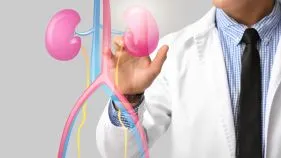
3rd Stage Kidney Disease: Symptoms, Causes, Treatment, and How to Protect Your Kidneys

3rd Stage Kidney Disease: Symptoms, Causes, Treatment, and How to Protect Your Kidneys

Introduction

3rd stage kidney disease, also known as Stage 3 Chronic Kidney Disease (CKD), is a moderate reduction in kidney function. At this stage, the kidneys are no longer filtering waste products from the blood as efficiently as they should. Although kidney damage has occurred, early diagnosis and proper treatment can help slow disease progression and reduce the risk of complications.

Many people with Stage 3 CKD continue to live active and healthy lives with appropriate medical care and lifestyle changes. At Prabhakar Bhurke Clinic, a super specialist nephrologist provides comprehensive diagnosis, personalized treatment plans, and long-term monitoring to help preserve kidney function.


What Is 3rd Stage Kidney Disease?

Stage 3 Chronic Kidney Disease is diagnosed when the kidneys show a moderate decline in function, typically with an estimated Glomerular Filtration Rate (eGFR) between 30 and 59 mL/min/1.73 m² that persists for at least three months.

Stage 3 is divided into:

Stage 3a CKD

  • eGFR: 45–59 mL/min/1.73 m²

  • Mild to moderate reduction in kidney function.

Stage 3b CKD

  • eGFR: 30–44 mL/min/1.73 m²

  • More significant loss of kidney function and a higher risk of complications.

Regular follow-up is important to monitor progression and guide treatment.


Common Causes of 3rd Stage Kidney Disease

Several conditions can gradually damage the kidneys, including:

  • Diabetes

  • High blood pressure (Hypertension)

  • Glomerulonephritis

  • Polycystic kidney disease

  • Recurrent kidney infections

  • Long-term urinary tract obstruction

  • Autoimmune diseases such as lupus

  • Repeated episodes of acute kidney injury

Managing these underlying conditions is essential to protect remaining kidney function.


Symptoms of 3rd Stage Kidney Disease

Many people have few or no symptoms during the early part of Stage 3 CKD. As kidney function declines, symptoms may include:

  • Fatigue and weakness

  • Swelling of the feet, ankles, or hands

  • Frequent urination, especially at night

  • Foamy urine

  • Blood in the urine

  • High blood pressure

  • Dry or itchy skin

  • Muscle cramps

  • Poor appetite

  • Nausea

  • Difficulty concentrating

  • Mild shortness of breath

Because symptoms can be subtle, regular kidney function testing is important for people at risk.


How Is 3rd Stage Kidney Disease Diagnosed?

At Prabhakar Bhurke Clinic, a super specialist nephrologist performs a comprehensive evaluation that may include:

Blood Tests

  • Serum creatinine

  • Estimated Glomerular Filtration Rate (eGFR)

  • Blood Urea Nitrogen (BUN)

  • Electrolyte levels

Urine Tests

Urine testing helps detect:

  • Protein (albumin)

  • Blood

  • Signs of infection

  • Other abnormalities

Imaging Studies

Your doctor may recommend:

  • Kidney ultrasound

  • CT scan when required

Blood Pressure Monitoring

Since high blood pressure both causes and worsens CKD, regular monitoring is essential.


Complications of Stage 3 CKD

Without proper treatment, Stage 3 kidney disease may lead to:

  • High blood pressure

  • Anemia

  • Bone and mineral disorders

  • Electrolyte imbalances

  • Fluid retention

  • Cardiovascular disease

  • Progression to advanced kidney disease

Early intervention helps reduce the risk of these complications.


Treatment for 3rd Stage Kidney Disease

Treatment aims to slow disease progression, manage symptoms, and reduce complications.

Control Blood Pressure

Keeping blood pressure within the target range helps protect kidney function and reduce further damage.

Manage Diabetes

Good blood sugar control is essential for patients with diabetic kidney disease.

Medications

Depending on your condition, your nephrologist may prescribe medications to:

  • Control blood pressure

  • Reduce protein loss in the urine

  • Manage cholesterol

  • Treat anemia

  • Correct electrolyte imbalances

Kidney-Friendly Diet

A balanced diet can support kidney health. Your doctor or dietitian may recommend:

  • Reducing salt intake

  • Eating moderate amounts of protein

  • Limiting processed foods

  • Managing potassium and phosphorus intake if needed

  • Staying hydrated according to medical advice

Dietary recommendations should always be individualized.

Regular Monitoring

Routine follow-up appointments allow your nephrologist to:

  • Monitor kidney function

  • Adjust medications

  • Identify complications early

  • Prevent progression to later stages


Can Stage 3 Kidney Disease Be Reversed?

Stage 3 CKD generally cannot be reversed because permanent kidney damage has already occurred. However, with early diagnosis and proper management, many patients can:

  • Slow disease progression

  • Maintain stable kidney function for years

  • Prevent complications

  • Delay or avoid dialysis

Following the recommended treatment plan plays a vital role in long-term kidney health.


Healthy Lifestyle Tips

Patients with Stage 3 CKD should:

  • Eat a balanced kidney-friendly diet

  • Stay physically active

  • Maintain a healthy body weight

  • Control diabetes and blood pressure

  • Avoid smoking

  • Limit alcohol intake

  • Avoid unnecessary use of pain-relieving medications

  • Attend regular kidney check-ups

Healthy lifestyle habits work alongside medical treatment to preserve kidney function.


When Is Dialysis Needed?

Most patients with Stage 3 CKD do not require dialysis. Dialysis is generally considered only if kidney disease progresses to advanced stages and the kidneys can no longer adequately remove waste products and excess fluid.

Regular follow-up helps determine if and when additional treatments may be needed.


Why Choose Prabhakar Bhurke Clinic?

Patients trust Prabhakar Bhurke Clinic because of:

  • Care by a super specialist nephrologist

  • Expertise in chronic kidney disease management

  • Comprehensive kidney function evaluation

  • Personalized treatment plans

  • Long-term monitoring and preventive care

  • Dialysis planning and kidney transplant guidance when required

  • Compassionate, patient-centered care


Conclusion

3rd stage kidney disease represents a moderate reduction in kidney function, but with early diagnosis, proper treatment, and healthy lifestyle changes, many patients can maintain stable kidney function and enjoy a good quality of life. Managing conditions such as diabetes and high blood pressure, following a kidney-friendly diet, and attending regular medical check-ups are essential for slowing disease progression.

At Prabhakar Bhurke Clinic, a super specialist nephrologist provides expert diagnosis, individualized treatment, and long-term kidney care to help patients preserve kidney function and prevent complications.


Book an Appointment Today

If you have been diagnosed with 3rd stage kidney disease, have abnormal kidney function tests, or are experiencing symptoms such as swelling, fatigue, or changes in urination, schedule a consultation at Prabhakar Bhurke Clinic. Our super specialist nephrologist will perform a comprehensive evaluation and create a personalized treatment plan to protect your kidneys and support your long-term health.

Pain in Kidney Region: Causes, Symptoms, Diagnosis, and Treatment

Pain in Kidney Region: Causes, Symptoms, Diagnosis, and Treatment

Introduction

Pain in the kidney region is a common symptom that should not be ignored. While some cases may be caused by muscle strain or back problems, pain originating from the kidneys may indicate an underlying condition such as kidney stones, kidney infection, urinary tract obstruction, or chronic kidney disease. Early evaluation helps identify the cause and prevents complications.

At Prabhakar Bhurke Clinic, a super specialist nephrologist provides expert diagnosis and comprehensive treatment for kidney diseases, urinary disorders, and conditions affecting kidney function. Personalized care ensures that every patient receives the most appropriate treatment based on their condition.


Where Is Kidney Region Pain Felt?

The kidneys are located on either side of the spine, just below the rib cage. Pain in the kidney region is typically felt in the:

  • Upper or lower back

  • Flank (side of the body)

  • Area below the ribs

  • Side of the abdomen

In some cases, the pain may radiate toward the lower abdomen, groin, or pelvis, depending on the underlying cause.

Unlike muscle pain, kidney pain is often deeper, persistent, and may be associated with urinary symptoms or fever.


Common Causes of Pain in the Kidney Region

1. Kidney Stones

Kidney stones are one of the most common causes of severe kidney region pain. As a stone moves through the urinary tract, it may block urine flow and cause intense pain.

Symptoms may include:

  • Sudden severe flank pain

  • Blood in the urine

  • Nausea and vomiting

  • Pain radiating to the groin

  • Frequent urge to urinate


2. Kidney Infection (Pyelonephritis)

A bacterial infection affecting the kidneys can lead to:

  • Persistent kidney pain

  • Fever and chills

  • Painful urination

  • Frequent urination

  • Cloudy or foul-smelling urine

  • Fatigue

Prompt treatment is essential to prevent kidney damage.


3. Urinary Tract Obstruction

Blockages caused by kidney stones, enlarged prostate, or narrowing of the urinary tract may lead to pressure within the kidney and cause pain.


4. Kidney Cysts

Most simple kidney cysts cause no symptoms, but larger cysts may produce:

  • Dull pain in the kidney region

  • Abdominal discomfort

  • Pressure in the back or side


5. Hydronephrosis

Hydronephrosis occurs when urine cannot drain properly from the kidney, leading to swelling and discomfort.


6. Chronic Kidney Disease (CKD)

Although early CKD often has no symptoms, some patients may develop:

  • Persistent back or flank discomfort

  • Swelling of the legs or feet

  • Fatigue

  • High blood pressure

  • Changes in urination


7. Polycystic Kidney Disease

This inherited condition causes multiple fluid-filled cysts to develop in the kidneys, leading to:

  • Kidney region pain

  • High blood pressure

  • Blood in the urine

  • Progressive decline in kidney function


Symptoms That May Accompany Kidney Region Pain

Depending on the cause, kidney pain may occur with:

  • Blood in the urine

  • Burning during urination

  • Frequent urination

  • Fever and chills

  • Nausea and vomiting

  • Swelling of the feet or ankles

  • Reduced urine output

  • High blood pressure

  • Fatigue

  • Loss of appetite

These symptoms require medical evaluation to determine the underlying cause.


When Should You Seek Immediate Medical Attention?

Seek urgent medical care if kidney region pain is accompanied by:

  • Severe or unbearable pain

  • Fever with chills

  • Blood in the urine

  • Difficulty passing urine

  • Persistent vomiting

  • Swelling of the face or legs

  • Reduced urine output

  • Confusion or extreme weakness

These symptoms may indicate a serious kidney condition that requires prompt treatment.


How Is Pain in the Kidney Region Diagnosed?

At Prabhakar Bhurke Clinic, a super specialist nephrologist may recommend:

Medical History and Physical Examination

A detailed assessment of symptoms, medical history, and risk factors helps narrow down the possible causes.

Laboratory Tests

These may include:

  • Urine analysis

  • Urine culture (if infection is suspected)

  • Serum creatinine

  • Estimated Glomerular Filtration Rate (eGFR)

  • Blood Urea Nitrogen (BUN)

  • Complete blood count (CBC)

Imaging Studies

Imaging tests help identify kidney stones, cysts, swelling, or structural abnormalities.

Common investigations include:

  • Kidney ultrasound

  • CT scan

  • X-ray when appropriate


Treatment for Pain in the Kidney Region

Treatment depends on the underlying cause.

Medications

Your nephrologist may prescribe:

  • Antibiotics for kidney infections

  • Pain-relieving medications

  • Medicines to help small kidney stones pass

  • Blood pressure medications

  • Medications to protect kidney function


Kidney Stone Treatment

If a stone is causing obstruction or severe symptoms, treatment options may include:

  • Medical management

  • Extracorporeal Shock Wave Lithotripsy (ESWL)

  • Ureteroscopy (URS) with laser lithotripsy

  • Percutaneous Nephrolithotomy (PCNL) for larger or complex stones


Management of Chronic Kidney Disease

Treatment focuses on:

  • Slowing disease progression

  • Controlling diabetes and hypertension

  • Kidney-friendly dietary advice

  • Regular monitoring of kidney function

  • Dialysis or kidney transplantation for advanced disease, when indicated


Tips to Maintain Healthy Kidneys

You can reduce your risk of kidney disease by:

  • Drinking adequate water unless medically restricted

  • Limiting salt intake

  • Eating a balanced diet

  • Maintaining a healthy weight

  • Exercising regularly

  • Controlling blood pressure and blood sugar

  • Avoiding smoking

  • Limiting unnecessary use of pain-relieving medications

  • Treating urinary tract infections promptly

Routine health check-ups are especially important for people with diabetes, hypertension, or a family history of kidney disease.


Why Choose Prabhakar Bhurke Clinic?

Patients trust Prabhakar Bhurke Clinic because of:

  • Care by a super specialist nephrologist

  • Expertise in kidney disease diagnosis and treatment

  • Advanced kidney function evaluation

  • Comprehensive management of kidney stones, infections, and chronic kidney disease

  • Personalized treatment plans

  • Dialysis planning and kidney transplant guidance

  • Compassionate, patient-centered care


Conclusion

Pain in the kidney region can result from a variety of conditions, including kidney stones, kidney infections, urinary obstruction, kidney cysts, and chronic kidney disease. Because kidney pain may signal a serious underlying problem, it is important to seek medical evaluation rather than relying on self-treatment. Early diagnosis and timely care can prevent complications and help preserve kidney function.

At Prabhakar Bhurke Clinic, a super specialist nephrologist provides expert diagnosis, evidence-based treatment, and long-term kidney care tailored to each patient's needs. Whether your symptoms are mild or severe, professional evaluation is the first step toward protecting your kidney health.


Book an Appointment Today

If you are experiencing pain in the kidney region, blood in the urine, fever, painful urination, or persistent back or flank pain, schedule a consultation at Prabhakar Bhurke Clinic. Our super specialist nephrologist will identify the cause of your symptoms and create a personalized treatment plan to relieve pain, protect kidney function, and improve your overall health.

7mm Kidney Stone Treatment: Symptoms, Diagnosis, and Effective Treatment Options

7mm Kidney Stone Treatment: Symptoms, Diagnosis, and Effective Treatment Options

Introduction

Kidney stones are hard mineral deposits that form inside the kidneys and can cause severe pain when they move into the urinary tract. A 7mm kidney stone is considered moderately large, and while some stones of this size may pass naturally, many require medical treatment to prevent complications such as urinary blockage, infection, or kidney damage.

Early diagnosis and timely treatment are essential for achieving the best outcomes. At Prabhakar Bhurke Clinic, a super specialist nephrologist provides comprehensive kidney stone evaluation, medical management, and guidance regarding the most appropriate treatment options based on the size, location, and type of stone.


What Is a 7mm Kidney Stone?

A kidney stone measuring 7 millimeters (mm) is larger than many stones that pass on their own. Whether it can pass naturally depends on several factors, including:

  • The exact size of the stone

  • Its location in the kidney or ureter

  • The shape of the stone

  • The anatomy of the urinary tract

  • The patient's overall health

Because a 7mm stone has a lower likelihood of passing spontaneously than smaller stones, evaluation by a kidney specialist is important.


Symptoms of a 7mm Kidney Stone

A 7mm kidney stone may cause:

  • Severe pain in the back or side (flank pain)

  • Pain that radiates to the lower abdomen or groin

  • Blood in the urine

  • Burning sensation during urination

  • Frequent urge to urinate

  • Difficulty passing urine

  • Cloudy or foul-smelling urine

  • Nausea and vomiting

  • Fever and chills if infection is present

Some stones remain in the kidney without causing symptoms and are discovered during imaging studies.


When Should You See a Kidney Specialist?

You should seek medical attention immediately if you experience:

  • Severe or persistent pain

  • Fever with chills

  • Blood in the urine

  • Difficulty urinating

  • Persistent nausea or vomiting

  • Reduced urine output

  • Pain that does not improve with prescribed medication

Prompt treatment can help prevent serious complications.


How Is a 7mm Kidney Stone Diagnosed?

At Prabhakar Bhurke Clinic, a super specialist nephrologist may recommend:

Medical History and Physical Examination

Your doctor will assess your symptoms, previous history of kidney stones, dietary habits, and medical conditions.

Urine Tests

Urine analysis helps identify:

  • Blood in the urine

  • Infection

  • Crystals

  • Urine pH

Blood Tests

These tests evaluate:

  • Kidney function

  • Calcium levels

  • Uric acid

  • Signs of infection

Imaging Studies

Imaging helps determine the stone's size and location.

Common investigations include:

  • Kidney ultrasound

  • X-ray (when appropriate)

  • Non-contrast CT scan, which is considered one of the most accurate methods for detecting kidney stones


Treatment Options for a 7mm Kidney Stone

The best treatment depends on the stone's location, symptoms, and whether it is causing obstruction or infection.

1. Conservative (Medical) Management

If the stone is likely to pass safely and there are no complications, your doctor may recommend:

  • Adequate hydration (when medically appropriate)

  • Pain-relieving medications

  • Medicines that relax the ureter to help the stone pass

  • Regular follow-up imaging

Not every 7mm stone will pass naturally, so close monitoring is important.


2. Extracorporeal Shock Wave Lithotripsy (ESWL)

ESWL uses shock waves to break the stone into smaller fragments that can pass through the urinary tract.

It may be suitable for selected patients depending on:

  • Stone size

  • Stone composition

  • Stone location

  • Patient factors


3. Ureteroscopy (URS) with Laser Lithotripsy

If the stone is lodged in the ureter or does not pass naturally, ureteroscopy may be recommended.

During the procedure:

  • A thin scope is passed through the urinary tract.

  • A laser breaks the stone into small pieces.

  • The fragments are removed or allowed to pass naturally.

  • A temporary ureteral stent may be placed if needed.


4. Percutaneous Nephrolithotomy (PCNL)

PCNL is generally reserved for:

  • Larger kidney stones

  • Multiple stones

  • Complex stones

  • Stones that cannot be treated effectively using less invasive methods

A 7mm stone usually does not require PCNL unless there are special clinical circumstances.


Recovery After Treatment

Recovery depends on the treatment performed.

Most patients are advised to:

  • Drink adequate fluids as recommended by their doctor

  • Take prescribed medications

  • Complete follow-up imaging

  • Attend scheduled follow-up appointments

  • Report fever, persistent pain, or difficulty urinating immediately

Many patients resume normal daily activities within a few days after minimally invasive procedures.


Can a 7mm Kidney Stone Pass Naturally?

Some 7mm stones may pass without surgery, but the likelihood is lower than for smaller stones.

Factors influencing spontaneous passage include:

  • Stone location

  • Shape

  • Degree of urinary obstruction

  • Patient anatomy

Your nephrologist will monitor progress and recommend intervention if necessary.


Preventing Future Kidney Stones

After successful treatment, preventing recurrence is essential.

Recommendations may include:

  • Drinking enough water every day

  • Limiting excess salt intake

  • Eating a balanced diet

  • Reducing foods associated with your specific stone type

  • Maintaining a healthy weight

  • Controlling diabetes and high blood pressure

  • Undergoing metabolic evaluation if stones recur

  • Taking preventive medications when indicated

Personalized prevention strategies can significantly reduce the risk of future stones.


Why Choose Prabhakar Bhurke Clinic?

Patients trust Prabhakar Bhurke Clinic because of:

  • Consultation with a super specialist nephrologist

  • Comprehensive kidney stone evaluation

  • Advanced diagnostic testing

  • Personalized treatment plans

  • Guidance on minimally invasive stone treatment

  • Long-term kidney stone prevention

  • Compassionate, patient-centered care


Conclusion

A 7mm kidney stone may cause severe pain, urinary symptoms, and complications if left untreated. While some stones of this size may pass naturally, many require medical management or minimally invasive procedures such as Extracorporeal Shock Wave Lithotripsy (ESWL) or Ureteroscopy (URS). Early diagnosis and appropriate treatment help relieve symptoms, protect kidney function, and reduce the risk of recurrence.

At Prabhakar Bhurke Clinic, a super specialist nephrologist provides expert diagnosis, individualized treatment, and long-term prevention strategies to help patients achieve optimal kidney health.


Book an Appointment Today

If you have been diagnosed with a 7mm kidney stone or are experiencing severe flank pain, blood in the urine, or difficulty urinating, schedule a consultation at Prabhakar Bhurke Clinic. Our super specialist nephrologist will evaluate your condition and recommend the most appropriate treatment to ensure safe recovery and long-term kidney health.

3rd Stage Kidney Disease: Symptoms, Causes, Treatment, and How to Protect Your Kidneys

Intrinsic Renal Disease: Causes, Symptoms, Diagnosis, and Treatment

Introduction

The kidneys are responsible for filtering waste products, maintaining fluid and electrolyte balance, regulating blood pressure, and supporting overall health. Intrinsic renal disease refers to conditions that directly damage the kidney tissue itself, affecting its ability to perform these essential functions. If left untreated, intrinsic kidney diseases can lead to chronic kidney disease (CKD) or even kidney failure.

Early diagnosis and appropriate treatment are essential to prevent permanent kidney damage. At Prabhakar Bhurke Clinic, a super specialist nephrologist provides comprehensive evaluation, advanced diagnostic testing, and personalized treatment for patients with intrinsic renal diseases.


What Is Intrinsic Renal Disease?

Intrinsic renal disease, also called intrarenal disease, occurs when the structures within the kidneys become damaged. Unlike kidney problems caused by reduced blood flow (prerenal disease) or urinary tract obstruction (postrenal disease), intrinsic renal disease affects the kidney tissue directly.

The damage may involve:

  • Kidney tubules

  • Glomeruli (the filtering units)

  • Kidney blood vessels

  • Interstitial tissue surrounding the tubules

The severity can range from mild inflammation to significant loss of kidney function.


Common Causes of Intrinsic Renal Disease

Several medical conditions can directly injure the kidneys, including:

1. Glomerulonephritis

Inflammation of the glomeruli can reduce the kidneys' ability to filter waste and may lead to protein or blood in the urine.

2. Acute Tubular Necrosis (ATN)

This condition occurs when the kidney tubules are damaged due to:

  • Severe dehydration

  • Low blood pressure

  • Major surgery

  • Severe infections (sepsis)

  • Certain medications or toxins

ATN is one of the most common causes of intrinsic acute kidney injury.

3. Acute Interstitial Nephritis

Inflammation of the kidney tissue may occur as a reaction to:

  • Certain antibiotics

  • Pain-relieving medications (NSAIDs)

  • Autoimmune diseases

  • Infections

Early treatment often improves recovery.

4. Autoimmune Kidney Diseases

Conditions such as lupus nephritis and vasculitis can cause inflammation and damage within the kidneys.

5. Vascular Disorders

Diseases affecting the kidney blood vessels can reduce oxygen delivery and impair kidney function.


Risk Factors

You may be at increased risk of intrinsic renal disease if you have:

  • Diabetes

  • High blood pressure

  • Autoimmune disorders

  • Severe infections

  • Exposure to kidney-toxic medications

  • Chronic use of certain pain relievers

  • Family history of kidney disease

Managing these conditions can help reduce the risk of kidney damage.


Symptoms of Intrinsic Renal Disease

Symptoms vary depending on the cause and severity but may include:

  • Swelling of the feet, ankles, or face

  • Fatigue and weakness

  • Reduced urine output

  • Blood in the urine

  • Foamy urine due to protein loss

  • High blood pressure

  • Persistent nausea or vomiting

  • Loss of appetite

  • Difficulty concentrating

  • Shortness of breath

  • Persistent itching in advanced kidney disease

Some patients may have no symptoms during the early stages, making regular screening important.


How Is Intrinsic Renal Disease Diagnosed?

At Prabhakar Bhurke Clinic, a super specialist nephrologist performs a detailed evaluation, which may include:

Medical History and Physical Examination

Understanding symptoms, medical history, medication use, and family history helps identify potential causes.

Laboratory Tests

Common investigations include:

  • Serum creatinine

  • Estimated Glomerular Filtration Rate (eGFR)

  • Blood Urea Nitrogen (BUN)

  • Electrolyte testing

  • Complete blood count (CBC)

Urine Tests

Urine analysis helps detect:

  • Protein

  • Blood

  • Infection

  • Abnormal cells or casts

Imaging Studies

Kidney ultrasound or CT scans evaluate kidney size, structure, and possible abnormalities.

Kidney Biopsy

In selected patients, a kidney biopsy may be recommended to determine the exact cause of kidney tissue damage and guide treatment.


Treatment for Intrinsic Renal Disease

Treatment depends on the underlying condition and the extent of kidney damage.

Treating the Underlying Cause

Management may include:

  • Antibiotics for infections

  • Stopping medications causing kidney injury

  • Immunosuppressive medicines for autoimmune diseases

  • Treatment of vascular disorders

Blood Pressure Control

Maintaining healthy blood pressure is essential to protect remaining kidney function.

Diabetes Management

Good blood sugar control helps prevent further kidney damage in diabetic patients.

Dietary Modifications

Patients may benefit from:

  • Reduced salt intake

  • Appropriate protein intake

  • Controlled potassium and phosphorus when necessary

  • Adequate hydration based on medical advice

A personalized kidney-friendly diet supports long-term kidney health.

Dialysis

If severe kidney failure develops, dialysis may be required to remove waste products and excess fluid from the blood.

Kidney Transplant

For patients with end-stage kidney disease, kidney transplantation may be considered after comprehensive evaluation.


Can Intrinsic Renal Disease Be Reversed?

Recovery depends on the cause and how quickly treatment begins.

  • Some forms of acute intrinsic kidney injury, such as acute interstitial nephritis or acute tubular necrosis, may improve significantly with prompt treatment.

  • Chronic kidney damage caused by long-standing disease often cannot be reversed, but appropriate treatment can slow progression and preserve remaining kidney function.

Regular follow-up with a nephrologist is essential.


How to Protect Your Kidneys

Healthy lifestyle habits can reduce the risk of kidney disease:

  • Drink adequate fluids unless advised otherwise

  • Control diabetes and high blood pressure

  • Avoid unnecessary use of pain-relieving medications

  • Maintain a healthy weight

  • Exercise regularly

  • Eat a balanced, kidney-friendly diet

  • Avoid smoking

  • Attend regular kidney health check-ups

Early detection is one of the best ways to protect kidney function.


Why Choose Prabhakar Bhurke Clinic?

Patients trust Prabhakar Bhurke Clinic because of:

  • Consultation with a super specialist nephrologist

  • Expertise in diagnosing complex kidney diseases

  • Advanced kidney function testing

  • Individualized treatment plans

  • Comprehensive management of acute and chronic kidney disorders

  • Dialysis planning and kidney transplant guidance

  • Compassionate, patient-centered care


Conclusion

Intrinsic renal disease refers to conditions that directly damage the kidney tissue, affecting the kidneys' ability to filter waste and maintain the body's internal balance. Causes range from infections and autoimmune disorders to medication-related injury and vascular diseases. Early diagnosis, timely treatment, and regular monitoring are essential to preserving kidney function and preventing long-term complications.

At Prabhakar Bhurke Clinic, a super specialist nephrologist provides expert diagnosis, advanced treatment, and long-term kidney care tailored to each patient's needs. Whether you have newly diagnosed kidney disease or ongoing kidney concerns, comprehensive care can help protect your kidney health and improve your quality of life.


Book an Appointment Today

If you have abnormal kidney function tests, swelling, blood in the urine, high blood pressure, or symptoms suggestive of intrinsic renal disease, schedule a consultation at Prabhakar Bhurke Clinic. Our super specialist nephrologist will perform a detailed evaluation and develop a personalized treatment plan to preserve your kidney function and support your long-term health.

Keyhole Surgery for Kidney Stones: Procedure, Benefits, Recovery, and Expert Care

Keyhole Surgery for Kidney Stones: Procedure, Benefits, Recovery, and Expert Care

Introduction

Kidney stones are a common urinary tract condition that can cause severe pain, blood in the urine, and difficulty passing urine. While many small stones pass naturally, larger or more complex stones often require medical intervention. One of the most effective minimally invasive treatments is keyhole surgery for kidney stones, commonly performed as Percutaneous Nephrolithotomy (PCNL).

Keyhole surgery allows surgeons to remove large kidney stones through a small incision, offering faster recovery and less discomfort than traditional open surgery.

At Prabhakar Bhurke Clinic, a super specialist nephrologist provides expert diagnosis, comprehensive kidney stone evaluation, medical management, and guidance regarding advanced minimally invasive stone treatment based on each patient's condition.


What Is Keyhole Surgery for Kidney Stones?

Keyhole surgery for kidney stones is a minimally invasive procedure in which a small incision is made in the back to access the kidney. Using specialized instruments and a miniature camera, the surgeon removes or breaks large kidney stones with minimal damage to surrounding tissues.

The most common keyhole procedure for large kidney stones is:

Percutaneous Nephrolithotomy (PCNL)

PCNL is considered the preferred treatment for:

  • Large kidney stones (typically larger than 2 cm)

  • Staghorn calculi

  • Multiple kidney stones

  • Stones that cannot be treated successfully with shock wave therapy

  • Stones causing repeated infections or urinary obstruction


When Is Keyhole Surgery Recommended?

A kidney specialist may recommend keyhole surgery if:

  • The stone is too large to pass naturally.

  • Shock Wave Lithotripsy (ESWL) is unlikely to be effective.

  • The stone causes persistent pain.

  • There is blockage of urine flow.

  • Kidney infections keep recurring.

  • Kidney function is affected.

  • Previous treatments have failed.

A detailed evaluation helps determine the most suitable treatment option.


Symptoms That May Require Treatment

Patients with significant kidney stones may experience:

  • Severe pain in the side or back

  • Pain radiating to the groin

  • Blood in the urine

  • Burning sensation during urination

  • Frequent urge to urinate

  • Nausea and vomiting

  • Fever and chills if infection develops

Persistent symptoms should be evaluated promptly to prevent complications.


How Is the Procedure Performed?

Keyhole surgery is performed under general anesthesia.

The procedure generally involves:

  1. A small incision is made in the back.

  2. A narrow channel is created to reach the kidney.

  3. A nephroscope (small camera) is inserted.

  4. The stone is broken into smaller fragments using specialized energy sources such as ultrasound, pneumatic, or laser devices.

  5. Stone fragments are removed.

  6. A temporary drainage tube or ureteral stent may be placed if required.

Most procedures are completed within a few hours, depending on the size and complexity of the stone.


Benefits of Keyhole Surgery

Compared with traditional open surgery, keyhole surgery offers several advantages:

  • Small incision

  • Less postoperative pain

  • Shorter hospital stay

  • Faster recovery

  • Minimal blood loss in many cases

  • High stone clearance rates

  • Lower risk of large surgical scars

  • Faster return to normal activities

These benefits make PCNL an effective option for many patients with large kidney stones.


Recovery After Keyhole Surgery

Recovery varies depending on the patient's overall health and the complexity of the procedure.

Patients are generally advised to:

  • Drink adequate fluids as recommended

  • Take prescribed medications

  • Avoid strenuous activity for several weeks

  • Attend follow-up appointments

  • Complete any recommended imaging studies

  • Report fever, severe pain, or difficulty urinating immediately

Many patients resume normal daily activities within a few weeks after surgery.


Possible Risks and Complications

Although keyhole surgery is generally safe, potential complications include:

  • Bleeding

  • Infection

  • Injury to nearby organs (rare)

  • Temporary urine leakage

  • Residual stone fragments

  • Need for additional procedures in some cases

Your treating team will discuss these risks and the steps taken to minimize them.


Preventing Future Kidney Stones

After treatment, preventing recurrence is an important part of long-term care.

Your nephrologist may recommend:

  • Drinking enough water daily

  • Reducing excess salt intake

  • Limiting foods that contribute to your specific stone type

  • Maintaining a healthy weight

  • Managing diabetes and high blood pressure

  • Undergoing metabolic evaluation for recurrent stones

  • Taking preventive medications when indicated

Personalized prevention strategies can significantly reduce the risk of future stones.


Why Choose Prabhakar Bhurke Clinic?

Patients trust Prabhakar Bhurke Clinic because of:

  • Consultation with a super specialist nephrologist

  • Comprehensive kidney stone evaluation

  • Advanced diagnostic testing

  • Personalized treatment plans

  • Guidance on minimally invasive stone procedures

  • Long-term kidney stone prevention

  • Compassionate, patient-centered care

The clinic emphasizes accurate diagnosis and coordinated care, referring patients for advanced surgical procedures when clinically appropriate.


Conclusion

Keyhole surgery for kidney stones is a highly effective minimally invasive treatment for large or complex kidney stones that cannot pass naturally or be treated successfully with other methods. Procedures such as Percutaneous Nephrolithotomy (PCNL) offer excellent stone clearance rates, shorter recovery times, and less postoperative discomfort compared with traditional open surgery.

At Prabhakar Bhurke Clinic, a super specialist nephrologist provides expert evaluation, medical management, and guidance throughout your kidney stone treatment journey. From diagnosis to prevention of recurrence, patients receive individualized care focused on preserving kidney health and improving long-term outcomes.


Book an Appointment Today

If you are experiencing severe kidney stone pain, recurrent urinary infections, blood in the urine, or have been diagnosed with a large kidney stone, schedule a consultation at Prabhakar Bhurke Clinic. Our super specialist nephrologist will evaluate your condition, explain your treatment options—including keyhole surgery when appropriate—and help you achieve the best possible kidney health.