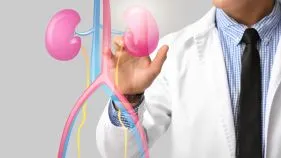
Dehydration and Kidney Stones: Causes, Symptoms, Treatment, and Prevention

Dehydration and Kidney Stones: Causes, Symptoms, Treatment, and Prevention

Introduction

Dehydration is one of the major risk factors associated with the formation of kidney stones. When the body does not get enough fluids, the kidneys produce less urine, causing minerals such as calcium, oxalate, and uric acid to become highly concentrated. These minerals can combine and form crystals that gradually develop into kidney stones.

Many people experience kidney stones during periods of inadequate water intake, excessive sweating, hot weather, or fluid loss due to illness. Understanding the relationship between dehydration and kidney stones can help prevent stone formation and protect long-term kidney health.

At Prabhakar Bhurke Clinic, our super specialist nephrologist provides expert kidney stone evaluation, advanced diagnostic testing, personalized treatment plans, kidney function assessment, and long-term prevention strategies for patients with kidney stones and other kidney disorders.


How Does Dehydration Cause Kidney Stones?

The kidneys play an important role in filtering waste products and maintaining fluid balance in the body. Adequate hydration helps dilute urine and prevents minerals from accumulating.

During dehydration:

  • Urine becomes more concentrated.

  • Urine volume decreases.

  • Calcium, oxalate, and uric acid levels increase.

  • Crystals may form inside the kidneys.

  • These crystals can grow into kidney stones over time.

Repeated episodes of dehydration can increase the risk of developing kidney stones.


Why Does Dehydration Increase Kidney Stone Risk?

Several factors contribute to dehydration-related kidney stones.

Reduced Urine Production

When fluid intake is low, the body conserves water by producing less urine. Concentrated urine makes stone formation more likely.


Increased Mineral Concentration

Low fluid levels allow stone-forming substances to become more concentrated, increasing the chance of crystal formation.


Hot Weather and Sweating

People living in hot climates or working outdoors may lose more fluids through sweating, increasing kidney stone risk.


Physical Activity

Heavy exercise without adequate fluid replacement can lead to dehydration and increase the possibility of stone formation.


Illness-Related Fluid Loss

Conditions such as:

  • Vomiting

  • Diarrhea

  • Fever

can cause dehydration and may increase kidney stone risk.


Symptoms of Dehydration

Common signs of dehydration include:

  • Excessive thirst

  • Dry mouth

  • Dark yellow urine

  • Reduced urine output

  • Fatigue

  • Weakness

  • Dizziness

  • Headache

  • Dry skin

Long-term dehydration can affect kidney health and increase stone risk.


Symptoms of Kidney Stones

Kidney stones may cause symptoms depending on their size and location.

Severe Flank Pain

Pain may occur:

  • On one side of the back

  • Below the ribs

  • In the side of the abdomen

  • Radiating toward the groin


Blood in Urine

A kidney stone can irritate the urinary tract and cause:

  • Pink urine

  • Red urine

  • Brown-colored urine


Painful Urination

Patients may experience burning or discomfort while passing urine.


Frequent Urination

Stones near the bladder can cause:

  • Increased urgency

  • Frequent urination


Nausea and Vomiting

Severe kidney stone pain may cause nausea and vomiting.


Fever and Chills

Fever with kidney stone symptoms may indicate infection and requires urgent medical attention.


Types of Kidney Stones Associated With Dehydration

Dehydration can contribute to different types of kidney stones.

Calcium Oxalate Stones

These are the most common kidney stones. They occur when calcium combines with oxalate in concentrated urine.


Calcium Phosphate Stones

These form when calcium and phosphate levels increase in urine.


Uric Acid Stones

Low urine volume and acidic urine can increase the risk of uric acid stone formation.


How Are Dehydration-Related Kidney Stones Diagnosed?

At Prabhakar Bhurke Clinic, our super specialist nephrologist performs a detailed kidney stone evaluation.

Medical History and Examination

The doctor evaluates:

  • Fluid intake habits

  • Previous kidney stones

  • Diet patterns

  • Symptoms

  • Medical history


Blood Tests

Important investigations include:

  • Serum Creatinine

  • Estimated Glomerular Filtration Rate (eGFR)

  • Blood Urea Nitrogen (BUN)

  • Electrolytes

  • Uric acid levels


Urine Tests

Urine analysis helps identify:

  • Blood

  • Infection

  • Crystals

  • Urine concentration

  • Stone-forming substances

A 24-hour urine test may be recommended for patients with recurrent kidney stones.


Imaging Tests

Doctors may recommend:

  • Kidney ultrasound

  • CT scan

  • X-ray when required

These tests help identify:

  • Stone size

  • Stone location

  • Number of stones

  • Urinary obstruction


Treatment Options for Dehydration-Related Kidney Stones

Treatment depends on stone size, location, symptoms, and kidney function.

Hydration Management

Increasing fluid intake may help:

  • Increase urine flow

  • Prevent further crystal formation

  • Support passage of small stones

Fluid recommendations should be personalized, especially for patients with kidney or heart conditions.


Medications

Doctors may prescribe medicines to:

  • Control pain

  • Relax the urinary tract

  • Help stone passage

  • Treat associated infections


ESWL (Extracorporeal Shock Wave Lithotripsy)

ESWL uses shock waves to break kidney stones into smaller fragments that can pass through urine.


Ureteroscopy With Laser Lithotripsy

A small scope is used to locate and break stones using laser technology.


PCNL Surgery

Percutaneous Nephrolithotomy (PCNL) may be recommended for:

  • Large kidney stones

  • Complex stones

  • Multiple stones


How to Prevent Kidney Stones Caused by Dehydration

Prevention is the best way to reduce kidney stone recurrence.

Drink Enough Water

Adequate fluid intake helps maintain diluted urine and reduces stone formation risk.


Increase Fluid Intake During Heat

Extra fluids may be needed during:

  • Summer months

  • Outdoor activities

  • Exercise

  • Excessive sweating


Maintain a Balanced Diet

Helpful dietary habits include:

  • Reducing excess salt intake

  • Maintaining normal calcium intake

  • Limiting excessive animal protein

  • Following personalized dietary advice


Monitor Urine Color

Dark urine may indicate inadequate hydration. Maintaining light-colored urine generally suggests better hydration.


Regular Kidney Follow-Up

Patients with recurrent kidney stones may benefit from:

  • Metabolic evaluation

  • 24-hour urine testing

  • Personalized prevention plans


Can Drinking Water Dissolve Kidney Stones?

Drinking water usually does not dissolve calcium kidney stones.

However, proper hydration can:

  • Prevent new stones

  • Reduce stone growth

  • Help small stones pass naturally

Treatment depends on stone size, type, and location.


When Should You See a Nephrologist?

Consult a super specialist nephrologist if you have:

  • Recurrent kidney stones

  • Severe flank pain

  • Blood in urine

  • Reduced urine output

  • Frequent dehydration episodes

  • High creatinine levels

  • Reduced eGFR

  • Urinary infections

Early diagnosis helps prevent kidney complications.


Why Choose Prabhakar Bhurke Clinic?

Patients trust Prabhakar Bhurke Clinic because we provide:

  • Consultation with a super specialist nephrologist

  • Comprehensive kidney stone evaluation

  • Advanced diagnostic facilities

  • Personalized treatment plans

  • Kidney function monitoring

  • Stone prevention guidance

  • Chronic kidney disease management

  • Dialysis planning

  • Kidney transplant evaluation

  • Compassionate, evidence-based kidney care

Our goal is to identify the cause of kidney stones, provide effective treatment, and prevent recurrence.


Frequently Asked Questions (FAQs)

Can dehydration cause kidney stones?

Yes. Dehydration reduces urine volume and increases mineral concentration, which can lead to kidney stone formation.

How can I prevent dehydration-related kidney stones?

Maintaining adequate fluid intake, especially during hot weather and physical activity, can significantly reduce kidney stone risk.

Does drinking more water remove kidney stones?

Water may help small stones pass and prevent new stones, but most calcium stones do not dissolve with water alone.

Which doctor treats kidney stones caused by dehydration?

A super specialist nephrologist evaluates kidney stones, identifies risk factors, provides treatment, and develops prevention strategies.


Conclusion

The relationship between dehydration and kidney stones is significant. Insufficient fluid intake causes concentrated urine, allowing minerals to form crystals and increase the risk of stone formation. Maintaining proper hydration, following a balanced diet, and seeking timely medical care can help prevent kidney stones and protect kidney function.

At Prabhakar Bhurke Clinic, our super specialist nephrologist provides expert kidney stone diagnosis, advanced evaluation, personalized treatment plans, and long-term prevention strategies to help patients maintain better kidney health.


Book an Appointment Today

If you are experiencing kidney stone pain, dehydration-related urinary problems, blood in urine, recurrent kidney stones, high creatinine levels, reduced eGFR, or kidney health concerns, schedule a consultation at Prabhakar Bhurke Clinic. Our super specialist nephrologist will evaluate your condition and recommend the most appropriate treatment plan for your kidney health.

Dehydration and Kidney Stones: Causes, Symptoms, Treatment, and Prevention

Calcium Stones Treatment: Best Treatment Options, Prevention, and Expert Kidney Care

Introduction

Calcium kidney stones are the most common type of kidney stones, accounting for the majority of renal stone cases. These stones usually form when calcium combines with oxalate or phosphate in the urine, creating hard mineral deposits inside the kidneys.

Many patients search for calcium stones treatment because these stones can cause severe pain, blood in the urine, urinary obstruction, recurrent infections, and kidney damage if left untreated.

The good news is that calcium stones can often be treated effectively with medications, minimally invasive procedures, dietary modifications, and long-term prevention strategies.

At Prabhakar Bhurke Clinic, our super specialist nephrologist provides comprehensive kidney stone evaluation, advanced diagnostic testing, personalized treatment plans, kidney function monitoring, and long-term kidney stone prevention care.


What Are Calcium Kidney Stones?

Calcium stones are hard deposits made primarily of:

  • Calcium oxalate

  • Calcium phosphate

These stones develop when urine becomes highly concentrated with stone-forming minerals.

Calcium stones may form in the kidney and later move into the ureter, where they can cause significant pain and urinary blockage.


Symptoms of Calcium Kidney Stones

Common symptoms include:

Severe Flank Pain

Pain is usually felt:

  • On one side of the back

  • Below the ribs

  • In the flank area

  • Lower abdomen

  • Groin


Blood in Urine

Calcium stones may irritate the urinary tract and cause:

  • Pink urine

  • Red urine

  • Brown urine


Pain During Urination

Patients may experience:

  • Burning urination

  • Urinary discomfort

  • Pain while passing urine


Frequent Urination

A stone near the bladder may cause urgency and increased frequency.


Nausea and Vomiting

Severe kidney stone pain often causes digestive symptoms.


Fever and Chills

Fever may indicate a urinary tract infection associated with the stone and requires urgent medical attention.


What Causes Calcium Stones?

Several factors increase the risk of calcium stone formation.

Dehydration

Insufficient fluid intake concentrates urine and promotes stone formation.


High Oxalate Intake

Foods high in oxalate may increase calcium oxalate stone risk.


High Salt Intake

Excess sodium can increase urinary calcium excretion.


Excess Animal Protein

Large amounts of animal protein may increase stone risk in some individuals.


Obesity

Excess body weight is associated with increased kidney stone risk.


Certain Medical Conditions

These include:

  • Hyperparathyroidism

  • Renal tubular disorders

  • Chronic kidney disease

  • Some metabolic conditions


Family History

Genetic factors may increase susceptibility to calcium stones.


How Are Calcium Stones Diagnosed?

At Prabhakar Bhurke Clinic, our super specialist nephrologist performs a comprehensive kidney stone evaluation.

Medical History and Examination

The doctor evaluates:

  • Pain severity

  • Urinary symptoms

  • Previous kidney stones

  • Dietary habits

  • Medical history


Blood Tests

Important investigations include:

  • Serum Creatinine

  • Estimated Glomerular Filtration Rate (eGFR)

  • Blood Urea Nitrogen (BUN)

  • Calcium

  • Uric acid

  • Electrolytes


Urine Tests

Urine evaluation helps detect:

  • Blood

  • Infection

  • Calcium

  • Oxalate

  • Citrate

  • Other stone-forming substances

A 24-hour urine analysis may be recommended in recurrent stone patients.


Imaging Studies

Doctors may recommend:

  • Kidney ultrasound

  • CT scan

  • X-ray when indicated

Imaging helps determine:

  • Stone size

  • Stone location

  • Number of stones

  • Urinary obstruction


Calcium Stones Treatment

Treatment depends on stone size, location, symptoms, and kidney function.

Conservative Medical Management

Small stones may be managed with:

  • Pain medications

  • Medicines that help stone passage

  • Hydration guidance

  • Monitoring


ESWL (Shock Wave Lithotripsy)

ESWL uses shock waves to break stones into smaller fragments that can pass naturally.

It is commonly used for selected kidney stones.


Ureteroscopy With Laser Lithotripsy

A thin scope is passed through the urinary tract to locate and break the stone using laser energy.

This is highly effective for many ureteric and renal stones.


PCNL (Percutaneous Nephrolithotomy)

PCNL is usually recommended for:

  • Large kidney stones

  • Multiple stones

  • Complex stones

  • Stones not suitable for ESWL


Medications to Prevent Calcium Stones

After stone removal, medications may be prescribed in selected patients to reduce recurrence.

Treatment may include medicines that:

  • Reduce urinary calcium

  • Increase urinary citrate

  • Correct metabolic abnormalities

Medication selection is individualized.


Dietary Treatment for Calcium Stones

Diet plays an important role in prevention.

Drink Adequate Fluids

Maintaining good hydration is one of the most effective prevention strategies.


Reduce Salt Intake

Lower sodium intake helps reduce urinary calcium excretion.


Maintain Normal Dietary Calcium

Patients should not automatically avoid calcium unless advised by a doctor.

Adequate dietary calcium may actually reduce calcium oxalate stone risk.


Limit Excess Oxalate

Patients with calcium oxalate stones may benefit from moderating high-oxalate foods.


Moderate Animal Protein

Excessive animal protein may increase stone risk in some patients.


Can Calcium Stones Dissolve Naturally?

Most calcium stones do not dissolve with medication.

Small stones may pass naturally, while larger stones often require procedures such as ESWL or ureteroscopy.


Preventing Recurrence

Calcium stones frequently recur if preventive measures are not followed.

Prevention includes:

  • Adequate hydration

  • Reduced salt intake

  • Balanced calcium intake

  • Healthy weight

  • Treatment of metabolic abnormalities

  • Regular kidney stone follow-up

A personalized prevention plan is often the most effective approach.


When Should You See a Nephrologist?

Consult a super specialist nephrologist if you have:

  • Recurrent kidney stones

  • Blood in urine

  • Severe flank pain

  • Frequent urinary infections

  • High creatinine levels

  • Reduced eGFR

  • Multiple calcium stones

  • Family history of kidney stones

Early specialist care helps prevent kidney damage and recurrence.


Why Choose Prabhakar Bhurke Clinic?

Patients trust Prabhakar Bhurke Clinic because we provide:

  • Consultation with a super specialist nephrologist

  • Comprehensive kidney stone evaluation

  • Advanced diagnostic testing

  • Personalized treatment plans

  • Kidney function monitoring

  • Calcium stone prevention programs

  • Chronic kidney disease management

  • Dialysis planning

  • Kidney transplant evaluation

  • Compassionate, evidence-based kidney care

Our goal is to provide effective kidney stone treatment while preserving long-term kidney health.


Frequently Asked Questions (FAQs)

What is the best treatment for calcium kidney stones?

Treatment depends on stone size and location. Small stones may be managed medically, while larger stones may require ESWL, ureteroscopy, or PCNL.

Can calcium stones be prevented?

Yes. Adequate hydration, reduced salt intake, balanced calcium intake, and individualized prevention strategies can significantly reduce recurrence.

Should I stop eating calcium if I have calcium stones?

Not necessarily. Many patients should maintain normal dietary calcium intake because excessive calcium restriction may increase stone risk.

Which doctor treats calcium kidney stones?

A super specialist nephrologist evaluates kidney function, identifies the cause of stone formation, recommends appropriate treatment, and provides long-term stone prevention care.


Conclusion

Calcium stones treatment involves more than simply removing the stone. Proper diagnosis, understanding the underlying cause, selecting the appropriate treatment procedure, and preventing recurrence are all essential for long-term kidney health.

At Prabhakar Bhurke Clinic, our super specialist nephrologist provides expert kidney stone evaluation, advanced diagnosis, personalized treatment plans, minimally invasive stone management, and long-term calcium stone prevention care to help patients achieve better kidney health outcomes.


Book an Appointment Today

If you are experiencing kidney stone pain, blood in urine, recurrent calcium stones, urinary problems, high creatinine levels, reduced eGFR, or concerns about calcium stones treatment, schedule a consultation at Prabhakar Bhurke Clinic. Our super specialist nephrologist will evaluate your condition and recommend the most effective treatment and prevention plan for your kidney health.

Moderate Renal Impairment: Symptoms, Causes, Treatment, and Expert Kidney Care

Moderate Renal Impairment: Symptoms, Causes, Treatment, and Expert Kidney Care

Introduction

Moderate renal impairment refers to a moderate reduction in kidney function, most commonly corresponding to Stage 3 Chronic Kidney Disease (CKD). At this stage, the kidneys are not filtering waste products and excess fluid as efficiently as normal kidneys, but many patients can still maintain a good quality of life with early diagnosis, proper treatment, and regular nephrology care.

Kidney disease often progresses silently, and many people are diagnosed through routine blood or urine tests before symptoms become severe. Early medical attention can help slow disease progression, reduce complications, and preserve remaining kidney function.

At Prabhakar Bhurke Clinic, our super specialist nephrologist provides comprehensive kidney evaluations, advanced diagnostic testing, personalized treatment plans, chronic kidney disease management, dialysis planning, kidney transplant evaluation, and long-term kidney care.


What Is Moderate Renal Impairment?

Moderate renal impairment usually means that the kidneys have a moderate reduction in filtering capacity, often seen in Stage 3 CKD.

Stage 3 is commonly divided into:

  • Stage 3A: Mild to moderate reduction in kidney function

  • Stage 3B: Moderate to severe reduction in kidney function

Although kidney function is reduced, many patients can avoid progression to kidney failure with appropriate treatment.


Common Causes of Moderate Renal Impairment

Several medical conditions can lead to moderate kidney function decline.

Diabetes

Diabetes is one of the leading causes of chronic kidney disease.


High Blood Pressure

Long-standing hypertension can damage kidney blood vessels over time.


Glomerulonephritis

Inflammation of the kidney’s filtering units can reduce kidney function.


Polycystic Kidney Disease

An inherited disorder that may progressively affect kidney function.


Recurrent Kidney Infections

Repeated infections may cause permanent kidney damage.


Urinary Tract Obstruction

Long-term obstruction can gradually impair kidney function.


Autoimmune Kidney Diseases

Conditions such as lupus nephritis may affect kidney function over time.


Symptoms of Moderate Renal Impairment

Some people have no symptoms, especially in the early stages.

As kidney function declines, symptoms may include:

  • Fatigue and weakness

  • Swelling of feet, ankles, or hands

  • Frequent urination

  • Night-time urination

  • Foamy urine

  • Blood in urine

  • High blood pressure

  • Loss of appetite

  • Nausea

  • Muscle cramps

  • Dry or itchy skin

  • Difficulty concentrating

These symptoms should be evaluated promptly by a nephrologist.


Who Is at Risk?

The risk of moderate renal impairment is higher in people with:

  • Diabetes

  • High blood pressure

  • Heart disease

  • Obesity

  • Family history of kidney disease

  • Recurrent urinary tract infections

  • Previous kidney injury

  • Older age

Regular kidney health screening is recommended for individuals in these high-risk groups.


How Is Moderate Renal Impairment Diagnosed?

At Prabhakar Bhurke Clinic, our super specialist nephrologist performs a complete kidney evaluation.

Medical History and Physical Examination

The doctor reviews:

  • Symptoms

  • Medical history

  • Family history

  • Blood pressure

  • Current medications

  • Lifestyle factors


Blood Tests

Important investigations include:

  • Serum Creatinine

  • Estimated Glomerular Filtration Rate (eGFR)

  • Blood Urea Nitrogen (BUN)

  • Electrolytes

  • Blood sugar levels

  • Hemoglobin

These tests help assess kidney function and detect complications.


Urine Tests

Urine analysis helps detect:

  • Protein leakage

  • Blood

  • Infection

  • Early kidney damage


Imaging Studies

Imaging may include:

  • Kidney ultrasound

  • CT scan when necessary


Additional Testing

In selected cases, a kidney biopsy or specialized laboratory tests may be recommended to identify the exact cause of kidney disease.


Treatment for Moderate Renal Impairment

Treatment focuses on slowing disease progression, managing symptoms, and preventing complications.

Blood Pressure Control

Maintaining healthy blood pressure is one of the most effective ways to protect kidney function.


Diabetes Management

Good blood sugar control helps reduce ongoing kidney damage.


Medications

Your nephrologist may prescribe medicines to:

  • Control blood pressure

  • Reduce protein loss in urine

  • Treat anemia

  • Correct electrolyte imbalances

  • Manage swelling

  • Treat associated kidney conditions

Treatment is individualized according to each patient’s needs.


Kidney-Friendly Diet

Dietary recommendations may include:

  • Reduced salt intake

  • Appropriate protein intake

  • Limiting processed foods

  • Managing potassium and phosphorus when necessary

A personalized diet plan can help support kidney health.


Lifestyle Changes to Protect Kidney Function

Healthy habits can significantly slow kidney disease progression.

Recommendations include:

  • Staying physically active

  • Maintaining a healthy weight

  • Quitting smoking

  • Drinking fluids as recommended by your nephrologist

  • Avoiding unnecessary use of pain-relieving medications (NSAIDs)

  • Controlling cholesterol levels

  • Attending regular follow-up appointments

Consistent lifestyle modifications complement medical treatment.


Can Moderate Renal Impairment Be Reversed?

Chronic kidney disease is generally not completely reversible, but in many patients its progression can be slowed significantly with early diagnosis and proper treatment.

The goals of treatment are to:

  • Preserve remaining kidney function

  • Prevent complications

  • Delay or avoid kidney failure

  • Improve quality of life

Regular monitoring is essential for long-term kidney health.


Possible Complications

Without appropriate treatment, moderate renal impairment may progress and lead to:

  • Advanced chronic kidney disease

  • Kidney failure

  • High blood pressure

  • Anemia

  • Bone and mineral disorders

  • Heart disease

  • Fluid retention

  • Electrolyte imbalances

Early intervention greatly reduces these risks.


How to Prevent Further Kidney Damage

Protect your kidneys by:

  • Controlling diabetes

  • Managing blood pressure

  • Following a kidney-friendly diet

  • Reducing salt intake

  • Exercising regularly

  • Maintaining healthy weight

  • Avoiding smoking

  • Taking medications as prescribed

  • Getting regular kidney function tests


When Should You See a Nephrologist?

Consult a super specialist nephrologist if you have:

  • High creatinine levels

  • Reduced eGFR

  • Protein in urine

  • Blood in urine

  • Swelling

  • High blood pressure

  • Diabetes with abnormal kidney tests

  • Persistent fatigue

  • Family history of kidney disease

Early specialist care can significantly improve long-term outcomes.


Why Choose Prabhakar Bhurke Clinic?

Patients choose Prabhakar Bhurke Clinic because we provide:

  • Consultation with a super specialist nephrologist

  • Comprehensive kidney evaluations

  • Advanced kidney function testing

  • Personalized treatment plans

  • Chronic kidney disease management

  • Dialysis planning and monitoring

  • Kidney transplant evaluation

  • Long-term kidney health monitoring

  • Compassionate, evidence-based care

Our goal is to diagnose kidney disease early, preserve kidney function, and improve every patient’s quality of life.


Frequently Asked Questions (FAQs)

What does moderate renal impairment mean?

Moderate renal impairment usually refers to a moderate reduction in kidney function, commonly corresponding to Stage 3 chronic kidney disease.

Can moderate renal impairment improve?

Kidney function may stabilize with proper treatment, but chronic kidney disease is usually not completely reversible.

Is dialysis required in moderate renal impairment?

Most patients with moderate renal impairment do not require dialysis. Treatment focuses on preserving kidney function and preventing progression.

Which doctor treats moderate renal impairment?

A super specialist nephrologist diagnoses and manages moderate renal impairment, chronic kidney disease, kidney failure, dialysis care, and kidney transplantation.


Conclusion

Moderate renal impairment is a manageable stage of kidney disease when diagnosed early and treated appropriately. Although kidney function is reduced, timely medical care, healthy lifestyle changes, blood pressure control, diabetes management, and regular nephrology follow-up can significantly slow disease progression and help preserve kidney function.

At Prabhakar Bhurke Clinic, our super specialist nephrologist provides expert diagnosis, comprehensive kidney evaluations, personalized treatment plans, chronic kidney disease management, and long-term kidney care to help patients maintain better kidney health and improve long-term outcomes.


Book an Appointment Today

If you have high creatinine levels, reduced eGFR, moderate renal impairment, chronic kidney disease, diabetes-related kidney concerns, swelling, high blood pressure, or symptoms of kidney dysfunction, schedule a consultation at Prabhakar Bhurke Clinic. Our super specialist nephrologist will evaluate your kidney function and develop a personalized treatment plan to protect your kidneys and support your overall health.

Itching Due to Kidney Disease: Causes, Symptoms, Diagnosis, and Treatment

Itching Due to Kidney Disease: Causes, Symptoms, Diagnosis, and Treatment

Introduction

Persistent itching can significantly affect sleep, daily activities, and overall quality of life. While itching is commonly associated with allergies, dry skin, or skin disorders, it can also be a symptom of kidney disease. Many patients with chronic kidney disease (CKD), especially in advanced stages, experience ongoing itching that may not respond to ordinary skin treatments.

This condition is often called uremic pruritus or CKD-associated pruritus. It occurs because kidney dysfunction can lead to waste product accumulation, mineral imbalances, inflammation, and changes affecting the skin and nervous system.

Understanding the causes of itching due to kidney disease can help patients seek timely nephrology care and receive appropriate treatment.

At Prabhakar Bhurke Clinic, our super specialist nephrologist provides comprehensive kidney evaluations, chronic kidney disease management, dialysis care, kidney transplant evaluation, and personalized treatment plans for kidney-related complications, including persistent itching.


Can Kidney Disease Cause Itching?

Yes. Kidney disease can cause persistent itching, particularly in people with advanced chronic kidney disease or kidney failure.

Unlike itching caused by allergies or eczema, kidney-related itching may occur without a significant visible rash and often affects multiple areas of the body.


Why Does Kidney Disease Cause Itching?

Several factors may contribute to kidney-related itching.

Waste Product Buildup

Healthy kidneys remove waste products from the blood.

When kidney function declines, waste substances may accumulate and contribute to skin irritation and itching.


Dry Skin

Kidney disease commonly causes dry skin due to reduced skin moisture and changes in skin function.

Dry skin can worsen itching and discomfort.


Mineral and Electrolyte Imbalance

Abnormal levels of:

  • Calcium

  • Phosphorus

  • Other minerals

may contribute to itching and skin symptoms.


Chronic Inflammation

Kidney disease can affect inflammatory pathways that influence skin health.


Nerve-Related Changes

Advanced kidney disease may alter nerve function, which can increase itching sensations.


What Does Kidney-Related Itching Feel Like?

Patients may experience:

  • Persistent itching

  • Generalized body itching

  • Itching without an obvious rash

  • Dry, rough skin

  • Itching that is worse at night

  • Burning or crawling sensations

  • Skin irritation from scratching

  • Sleep disturbances

The severity can range from mild discomfort to intense itching.


Other Symptoms of Kidney Disease

Itching may occur along with other kidney disease symptoms, including:

  • Swelling of feet, ankles, or face

  • Fatigue and weakness

  • Foamy urine

  • Blood in urine

  • Changes in urination

  • High blood pressure

  • Nausea and vomiting

  • Loss of appetite

  • Muscle cramps

  • Shortness of breath

  • Difficulty concentrating

These symptoms should be evaluated by a nephrologist.


Kidney Conditions Associated With Itching

Persistent itching may occur in several kidney disorders.

Chronic Kidney Disease (CKD)

The risk of itching increases as CKD progresses.


End-Stage Kidney Disease (ESKD)

Patients with advanced kidney failure commonly experience persistent itching.


Patients Receiving Dialysis

Some dialysis patients continue to experience itching despite treatment.


Diabetic Kidney Disease

Patients with diabetes-related kidney damage may also develop kidney-associated itching.


How Is Itching Due to Kidney Disease Diagnosed?

At Prabhakar Bhurke Clinic, our super specialist nephrologist performs a comprehensive evaluation.

Medical History and Physical Examination

The doctor evaluates:

  • Duration of itching

  • Severity

  • Sleep disturbance

  • Kidney disease history

  • Medications

  • Skin examination


Blood Tests

Important investigations include:

  • Serum Creatinine

  • Estimated Glomerular Filtration Rate (eGFR)

  • Blood Urea Nitrogen (BUN)

  • Electrolytes

  • Calcium

  • Phosphorus

  • Hemoglobin


Urine Tests

Urine evaluation helps detect:

  • Protein

  • Blood

  • Infection

  • Kidney damage


Additional Testing

Depending on symptoms, further investigations may be recommended to identify the underlying cause of kidney dysfunction.


Treatment for Kidney-Related Itching

Treatment focuses on both the underlying kidney disease and symptom relief.

Treat the Kidney Disease

Managing diabetes, high blood pressure, and chronic kidney disease can help reduce complications.


Moisturize the Skin

Regular use of fragrance-free moisturizers may improve dry skin and reduce itching.


Control Mineral Imbalances

Treatment of calcium and phosphorus abnormalities may help reduce symptoms.


Medications

A nephrologist may prescribe medications specifically aimed at relieving kidney-related itching.

Treatment is individualized according to the patient’s condition.


Optimize Dialysis

For patients receiving dialysis, ensuring adequate dialysis treatment may improve symptoms in some cases.


Skin Care Measures

Helpful measures include:

  • Avoiding hot showers

  • Using mild soaps

  • Wearing loose clothing

  • Keeping the skin moisturized

  • Avoiding excessive scratching


How to Protect Kidney Health

Healthy kidneys can help reduce the risk of many complications.

Recommendations include:

  • Controlling diabetes

  • Managing blood pressure

  • Following a kidney-friendly diet

  • Staying hydrated as advised

  • Avoiding smoking

  • Taking medications as prescribed

  • Getting regular kidney function tests

  • Attending nephrology follow-up appointments


When Should You See a Nephrologist?

Consult a super specialist nephrologist if you have:

  • Persistent unexplained itching

  • High creatinine levels

  • Reduced eGFR

  • Swelling

  • Foamy urine

  • Blood in urine

  • Diabetes with kidney concerns

  • High blood pressure

  • Chronic kidney disease

Early evaluation can help prevent progression and complications.


Why Choose Prabhakar Bhurke Clinic?

Patients trust Prabhakar Bhurke Clinic because we provide:

  • Consultation with a super specialist nephrologist

  • Comprehensive kidney evaluations

  • Advanced diagnostic testing

  • Chronic kidney disease management

  • Treatment for kidney-related itching

  • Dialysis guidance

  • Kidney transplant evaluation

  • Personalized treatment plans

  • Long-term kidney health monitoring

Our goal is to improve kidney health while relieving symptoms that affect quality of life.


Frequently Asked Questions (FAQs)

Is itching a symptom of kidney disease?

Yes. Persistent itching is a common symptom, especially in advanced chronic kidney disease and kidney failure.

Does kidney-related itching always cause a rash?

No. Many patients experience severe itching without a significant visible rash.

Can dialysis stop kidney-related itching?

Some patients improve with dialysis optimization, but itching may persist and require additional treatment.

Which doctor treats itching due to kidney disease?

A super specialist nephrologist evaluates kidney-related causes of itching and provides appropriate treatment and long-term kidney care.


Conclusion

Itching due to kidney disease is a common and often distressing symptom that can significantly affect daily life and sleep quality. It may occur because of waste buildup, dry skin, mineral imbalance, inflammation, or nerve-related changes associated with chronic kidney disease.

Persistent itching, especially when accompanied by swelling, urinary changes, fatigue, or abnormal kidney test results, should never be ignored.

At Prabhakar Bhurke Clinic, our super specialist nephrologist provides expert diagnosis, comprehensive kidney evaluations, personalized treatment plans, dialysis management, and long-term kidney care to help patients manage kidney disease and improve their quality of life.


Book an Appointment Today

If you are experiencing persistent itching, dry skin, swelling, high creatinine levels, reduced eGFR, foamy urine, blood in urine, or symptoms of kidney disease, schedule a consultation at Prabhakar Bhurke Clinic. Our super specialist nephrologist will evaluate your condition and provide a personalized treatment plan to protect your kidney health and relieve kidney-related itching.

Itching Due to Kidney Disease: Causes, Symptoms, Diagnosis, and Treatment

Kidney Pain Causes and Symptoms: When Kidney Pain Is a Warning Sign

Introduction

Kidney pain is a common reason people seek medical attention, especially when it is severe, persistent, or associated with urinary symptoms. The kidneys are located on either side of the spine, just below the rib cage, and pain arising from these organs may indicate kidney stones, infections, urinary obstruction, or other kidney disorders.

Because kidney pain can sometimes be mistaken for muscle strain or back pain, understanding the kidney pain causes and symptoms is important for early diagnosis and treatment. Timely medical evaluation can help prevent complications and protect kidney function.

At Prabhakar Bhurke Clinic, our super specialist nephrologist provides comprehensive kidney evaluations, advanced diagnostic testing, kidney stone management, chronic kidney disease care, dialysis guidance, and personalized treatment plans.


Where Is Kidney Pain Felt?

Kidney pain is usually felt in the flank area, which is the region between the upper abdomen and the back below the ribs.

Pain may occur:

  • On the right side

  • On the left side

  • On both sides

  • In the lower back near the kidneys

  • Radiating toward the lower abdomen or groin

Kidney pain is often deeper and more internal than ordinary back muscle pain.


Common Causes of Kidney Pain

Several kidney-related conditions can cause flank or kidney pain.

Kidney Stones

Kidney stones are one of the most common causes of severe kidney pain.

Symptoms may include:

  • Sudden severe flank pain

  • Pain radiating to the groin

  • Blood in urine

  • Nausea and vomiting

  • Burning urination


Kidney Infection (Pyelonephritis)

A bacterial infection of the kidney can cause:

  • Flank pain

  • Fever

  • Chills

  • Painful urination

  • Frequent urination

  • Cloudy or foul-smelling urine

Kidney infections require prompt medical treatment.


Urinary Tract Obstruction

Blockage of urine flow can cause pressure buildup in the kidney.

Causes include:

  • Kidney stones

  • Ureter narrowing

  • Tumors

  • Other structural abnormalities


Hydronephrosis

Hydronephrosis is swelling of the kidney caused by urine backup due to obstruction.

It may cause:

  • Flank pain

  • Pressure sensation

  • Urinary symptoms

  • Kidney enlargement


Polycystic Kidney Disease

This inherited condition may cause:

  • Persistent flank pain

  • Enlarged kidneys

  • High blood pressure

  • Blood in urine


Kidney Injury

Trauma to the kidney area may cause:

  • Severe pain

  • Tenderness

  • Blood in urine

  • Swelling


Chronic Kidney Disease

Most chronic kidney disease is painless in early stages, but some underlying kidney disorders may cause discomfort or flank pain.


Symptoms of Kidney Pain

Kidney pain is often accompanied by additional symptoms that help identify the underlying cause.

Flank Pain

Pain usually occurs below the ribs and may be severe.


Lower Back Pain

Kidney pain may be felt in the lower back near the kidneys.


Pain Radiating to the Groin

This is especially common with kidney stones.


Blood in Urine

Visible or microscopic blood may occur with:

  • Kidney stones

  • Kidney infections

  • Kidney injury

  • Other urinary tract disorders


Pain During Urination

Burning or painful urination may indicate:

  • Urinary tract infection

  • Kidney infection

  • Stone passage


Frequent Urination

Patients may experience increased urinary urgency or frequency.


Nausea and Vomiting

Severe kidney stone pain often causes digestive symptoms.


Fever and Chills

Fever usually suggests kidney infection and requires urgent medical attention.


Swelling

Kidney disease may cause swelling of:

  • Feet

  • Ankles

  • Legs

  • Face


High Blood Pressure

Kidney disorders commonly affect blood pressure regulation.


Kidney Pain vs Back Pain

Many patients confuse kidney pain with muscle or spinal pain.

Kidney Pain

Typically:

  • Felt deep inside the body

  • Located below the ribs

  • May occur with urinary symptoms

  • May be associated with fever or nausea

  • Often does not improve with changes in posture

Muscle Back Pain

Usually:

  • Worsens with movement

  • Improves with rest

  • Is tender when touched

  • Often follows physical activity or injury

A medical evaluation helps distinguish between these conditions.


When Is Kidney Pain an Emergency?

Seek immediate medical attention if kidney pain is associated with:

  • Fever

  • Chills

  • Blood in urine

  • Severe persistent pain

  • Inability to pass urine

  • Reduced urine output

  • Persistent vomiting

  • Swelling with shortness of breath

These symptoms may indicate infection, obstruction, or serious kidney complications.


How Are Kidney Problems Diagnosed?

At Prabhakar Bhurke Clinic, our super specialist nephrologist performs a complete kidney evaluation.

Medical History and Examination

The doctor evaluates:

  • Pain location

  • Pain severity

  • Urinary symptoms

  • Previous kidney stones

  • Medical history

  • Blood pressure


Blood Tests

Investigations may include:

  • Serum Creatinine

  • Estimated Glomerular Filtration Rate (eGFR)

  • Blood Urea Nitrogen (BUN)

  • Electrolytes

  • Complete Blood Count (CBC)


Urine Tests

Urine analysis helps detect:

  • Blood

  • Protein

  • Infection

  • Crystals

  • Kidney damage


Imaging Studies

Doctors may recommend:

  • Kidney ultrasound

  • CT scan

  • X-ray when indicated

Imaging helps identify stones, obstruction, cysts, and structural abnormalities.


Treatment for Kidney Pain

Treatment depends on the underlying cause.

Medications

Treatment may include medicines for:

  • Pain relief

  • Kidney infections

  • Kidney stone passage

  • Blood pressure control

  • Kidney disease management


Kidney Stone Treatment

Depending on stone size and location, treatment may include:

  • Medicines

  • ESWL (Shock Wave Lithotripsy)

  • Ureteroscopy with laser lithotripsy

  • PCNL surgery


Treatment of Kidney Infections

Kidney infections may require:

  • Antibiotics

  • Hydration management

  • Kidney function monitoring


Relieving Urinary Obstruction

Procedures may be needed to restore urine flow and protect kidney function.


Preventing Kidney Problems

Protect your kidneys by:

  • Drinking adequate fluids as advised

  • Controlling diabetes

  • Managing blood pressure

  • Reducing excess salt intake

  • Maintaining healthy weight

  • Avoiding smoking

  • Limiting unnecessary painkiller use

  • Treating urinary infections promptly

  • Attending regular kidney check-ups


When Should You See a Nephrologist?

Consult a super specialist nephrologist if you have:

  • Persistent kidney pain

  • Recurrent kidney stones

  • Blood in urine

  • Frequent urinary infections

  • High creatinine levels

  • Reduced eGFR

  • Swelling

  • High blood pressure

  • Diabetes-related kidney concerns

Early specialist care can help preserve kidney function.


Why Choose Prabhakar Bhurke Clinic?

Patients trust Prabhakar Bhurke Clinic because we provide:

  • Consultation with a super specialist nephrologist

  • Comprehensive kidney evaluations

  • Advanced diagnostic testing

  • Kidney stone management

  • Chronic kidney disease treatment

  • Kidney function monitoring

  • Dialysis guidance

  • Kidney transplant evaluation

  • Personalized long-term kidney care

Our goal is to identify the cause of kidney pain early and provide effective treatment that protects kidney health.


Frequently Asked Questions (FAQs)

What are the most common causes of kidney pain?

Kidney stones, kidney infections, urinary obstruction, hydronephrosis, and kidney cysts are among the most common causes.

How can I tell if my pain is coming from my kidneys?

Kidney pain is usually felt below the ribs in the flank area and may be associated with urinary symptoms, nausea, fever, or blood in urine.

Is kidney pain always severe?

Not always. Some kidney conditions cause mild discomfort, while kidney stones can cause extremely severe pain.

Which doctor treats kidney pain?

A super specialist nephrologist diagnoses kidney-related causes of pain and provides appropriate treatment and long-term kidney care.


Conclusion

Understanding kidney pain causes and symptoms is important because kidney pain can be an early warning sign of kidney stones, infections, urinary obstruction, or other kidney diseases. Symptoms such as flank pain, blood in urine, fever, nausea, swelling, or urinary changes should not be ignored.

At Prabhakar Bhurke Clinic, our super specialist nephrologist provides expert kidney evaluations, advanced diagnosis, personalized treatment plans, kidney stone management, chronic kidney disease care, and long-term kidney monitoring to help patients protect their kidney health and improve their quality of life.


Book an Appointment Today

If you are experiencing kidney pain, flank pain, blood in urine, recurrent kidney stones, urinary infections, high creatinine levels, reduced eGFR, or other kidney-related symptoms, schedule a consultation at Prabhakar Bhurke Clinic. Our super specialist nephrologist will evaluate your condition and provide a personalized treatment plan to protect your kidney function and overall health.