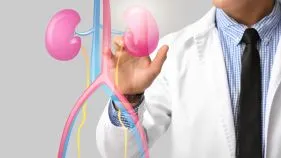
PCNL Stone Treatment: Procedure, Recovery, Risks and Expert Kidney Stone Care

PCNL Stone Treatment: Procedure, Recovery, Risks and Expert Kidney Stone Care

Introduction

A PCNL stone usually refers to a kidney stone that may require Percutaneous Nephrolithotomy (PCNL), a minimally invasive procedure used to remove larger or complex kidney stones. PCNL is commonly considered when a stone is too large to pass naturally or when other treatments may not be suitable.

Kidney stones can vary significantly in size, location, composition, and complexity. While smaller stones may sometimes pass with medical treatment and observation, larger stones can block urine flow, cause persistent pain, lead to recurrent infections, or affect kidney function.

At Prabhakar Bhurke Clinic, our super specialist nephrologist, Dr. Sandip Prabhakar Bhurke, provides comprehensive evaluation of kidney stones, kidney function assessment, metabolic evaluation, treatment guidance, and coordination with experienced urology specialists when a procedure such as PCNL is required.


What Is PCNL?

PCNL stands for Percutaneous Nephrolithotomy.

It is a minimally invasive procedure used to remove kidney stones through a small opening made through the skin into the kidney.

During PCNL:

  1. The patient is given anesthesia.

  2. A small access tract is created through the skin into the kidney.

  3. A nephroscope is passed through this tract.

  4. The kidney stone is located and fragmented if necessary.

  5. Stone fragments are removed from the kidney.

  6. A temporary drainage tube or stent may be placed depending on the patient's condition.

PCNL allows doctors to remove larger stones without requiring traditional open surgery.


When Is PCNL Recommended for Kidney Stones?

PCNL may be recommended when kidney stones are:

  • Large in size

  • Complex or multiple

  • Associated with obstruction

  • Located in a way that makes other treatments less effective

  • Resistant to other stone-treatment approaches

  • Associated with a large stone burden, including some staghorn stones

The decision depends on stone size, location, anatomy, kidney function, symptoms, infection status, and the patient's overall health.

A nephrologist and urologist may work together to determine the safest treatment strategy.


Which Kidney Stones May Require PCNL?

PCNL is particularly useful for patients with a substantial kidney stone burden.

It may be considered for:

Large Kidney Stones

Large stones are less likely to pass naturally and may require active removal.

Staghorn Stones

Staghorn stones can occupy a significant portion of the kidney's collecting system and often require procedural treatment.

Multiple Kidney Stones

When several stones are present, PCNL may allow a substantial stone burden to be treated during one procedure or a planned series of procedures.

Stones Causing Obstruction

A stone blocking urine drainage may require intervention to protect kidney function.

Stones With Persistent Symptoms

Ongoing pain, recurrent infections, bleeding in the urine, or other complications may lead to consideration of stone removal.


PCNL vs Other Kidney Stone Treatments

The best treatment depends on the individual stone.

Common treatment options include:

Medical Management

Small stones without complications may sometimes be managed with observation, appropriate fluid intake, pain management, and medications when indicated.

ESWL

Extracorporeal Shock Wave Lithotripsy (ESWL) uses shock waves to break kidney stones into smaller fragments that can pass through the urinary tract.

Ureteroscopy

During ureteroscopy, a thin scope is passed through the urinary tract to reach the stone. Laser energy may be used to fragment the stone.

PCNL

PCNL provides direct access to the kidney and is particularly useful for larger or complex stones.

Your urologist determines the most appropriate procedure based on the characteristics of the stone and your overall health.


How Is a PCNL Stone Procedure Performed?

PCNL generally involves several important steps.

Preoperative Evaluation

Before the procedure, the medical team may assess:

  • Kidney function

  • Urine examination

  • Urine culture

  • Blood tests

  • Stone size and location

  • Imaging findings

  • Overall health and anesthesia fitness

If an active urinary infection is present, it generally needs to be appropriately treated before definitive stone removal.

Anesthesia

PCNL is usually performed under anesthesia so the patient does not experience procedural pain.

Creating Kidney Access

A small puncture is made through the skin into the kidney under imaging guidance.

Stone Fragmentation

A nephroscope is introduced through the access tract. Larger stones may be broken into smaller pieces using appropriate energy-based instruments.

Stone Removal

The stone fragments are removed through the access tract.

Stent or Drainage Tube

Depending on the procedure and clinical circumstances, a temporary kidney drainage tube or ureteral stent may be placed.


What Happens After PCNL?

After PCNL, patients are monitored for pain, urine output, bleeding, fever, and other potential complications.

The medical team may perform:

  • Blood tests

  • Urine monitoring

  • Imaging when required

  • Assessment of residual stone fragments

  • Stone analysis

Some patients can return home relatively quickly, while others may need a longer hospital stay depending on the complexity of the procedure and their recovery.


PCNL Recovery

Recovery varies from person to person.

During recovery, patients may be advised to:

  • Take prescribed medicines correctly

  • Drink fluids according to medical advice

  • Avoid strenuous activity until cleared by the doctor

  • Keep any wound or dressing clean

  • Attend follow-up appointments

  • Follow instructions regarding stent or catheter removal

Mild discomfort, fatigue, or blood-tinged urine may occur temporarily after the procedure, but persistent or worsening symptoms should be reported promptly.


Possible Risks of PCNL

PCNL is generally considered a safe and effective procedure when appropriately performed, but like any medical procedure, it carries potential risks.

Possible complications include:

  • Bleeding

  • Infection

  • Fever

  • Injury to surrounding structures

  • Residual stone fragments

  • Need for additional procedures

  • Urinary leakage

  • Blood transfusion in uncommon cases

The individual risk depends on factors such as stone complexity, kidney anatomy, infection status, other medical conditions, and the extent of the procedure.


Can Kidney Stones Come Back After PCNL?

Yes. PCNL removes existing stones, but it does not necessarily eliminate the factors responsible for forming new stones.

Kidney stones can recur due to:

  • Low fluid intake

  • High salt consumption

  • Certain dietary patterns

  • Metabolic abnormalities

  • Family history

  • Recurrent urinary infections

  • Specific stone-forming conditions

For this reason, prevention is an important part of long-term kidney stone care.


How to Prevent Future Kidney Stones

After stone treatment, your doctor may recommend:

  • Maintaining adequate fluid intake according to your medical condition

  • Reducing excessive salt consumption

  • Following an individualized diet

  • Avoiding unnecessary dietary restrictions

  • Taking prescribed preventive medicines when indicated

  • Maintaining a healthy body weight

  • Completing metabolic stone evaluation when appropriate

  • Attending regular follow-up appointments

If a stone is available for analysis, determining its composition can help guide prevention.


Why Kidney Function Assessment Matters

Kidney stones are not only a source of pain. Repeated obstruction, infection, or untreated urinary blockage can potentially damage kidney function.

A kidney specialist can assess:

  • Serum creatinine

  • eGFR

  • Urine abnormalities

  • Blood pressure

  • Recurrent stone risk

  • Metabolic factors contributing to stone formation

This is particularly important for patients who have recurrent stones, a single functioning kidney, chronic kidney disease, or repeated urinary obstruction.


When Should You Seek Urgent Medical Care?

A kidney stone requires urgent medical attention when symptoms suggest obstruction or infection.

Seek prompt medical care if you develop:

  • Severe or worsening flank pain

  • Fever or chills

  • Difficulty passing urine

  • Significantly reduced urine output

  • Persistent vomiting

  • Blood in the urine

  • Severe weakness or feeling unwell

Fever associated with an obstructed urinary system can be a medical emergency and should not be managed with home remedies alone.


Role of a Nephrologist in PCNL Stone Care

A nephrologist specializes in kidney function and medical kidney care, while a urologist generally performs PCNL and other surgical or endoscopic stone procedures.

A nephrologist can help with:

  • Kidney function assessment

  • Recurrent kidney stone evaluation

  • Metabolic risk assessment

  • Management of associated kidney disease

  • Blood pressure and diabetes management

  • Prevention of future kidney stones

  • Coordination of care with a urologist when PCNL is required

This collaborative approach can help address both the immediate stone problem and long-term kidney health.


Why Choose Prabhakar Bhurke Clinic?

At Prabhakar Bhurke Clinic, patients receive comprehensive kidney care from a super specialist nephrologist, Dr. Sandip Prabhakar Bhurke.

The clinic focuses on:

  • Detailed kidney stone evaluation

  • Kidney function assessment

  • Recurrent stone prevention

  • Metabolic evaluation when indicated

  • Personalized treatment planning

  • Management of associated kidney conditions

  • Dialysis and advanced kidney disease care when required

  • Kidney transplant evaluation and guidance

  • Coordination with urology specialists for procedures such as PCNL

The goal is to provide individualized care that addresses both the kidney stone and the patient's long-term kidney health.


Frequently Asked Questions

What does PCNL mean for kidney stones?

PCNL means Percutaneous Nephrolithotomy. It is a minimally invasive procedure used to remove larger or complex kidney stones through a small access tract made through the skin into the kidney.

Is PCNL painful?

PCNL is performed under anesthesia. Some pain or discomfort can occur during the recovery period, but prescribed pain medicines can help manage it.

Is PCNL suitable for every kidney stone?

No. Treatment depends on stone size, location, number, composition, kidney anatomy, symptoms, infection, and other medical factors. Smaller stones may often be managed with other approaches.

How long does it take to recover from PCNL?

Recovery varies depending on the size and complexity of the stone, the procedure performed, and the patient's overall health. Your treating medical team will provide individualized recovery instructions.

Can PCNL completely remove a kidney stone?

PCNL can remove a substantial stone burden, particularly large or complex stones. However, some patients may have residual fragments and may require additional treatment or follow-up.

Can kidney stones return after PCNL?

Yes. PCNL removes existing stones but does not automatically prevent new stones from forming. Stone analysis, metabolic evaluation, diet, fluid management, and preventive treatment can help reduce recurrence risk.

Who performs PCNL?

PCNL is generally performed by a urologist. A nephrologist may evaluate kidney function, manage medical kidney conditions, assess recurrent stone risk, and coordinate care with the urology team.


Conclusion

PCNL stone treatment is an important minimally invasive option for patients with large, complex, or otherwise difficult-to-treat kidney stones. By creating a small access route directly into the kidney, PCNL allows the stone to be fragmented and removed without traditional open surgery.

However, PCNL is not necessary for every kidney stone. The appropriate treatment depends on the stone's size, location, complexity, kidney function, symptoms, and presence of infection or obstruction.

At Prabhakar Bhurke Clinic, Dr. Sandip Prabhakar Bhurke, a super specialist nephrologist, provides comprehensive kidney evaluation, kidney function assessment, stone prevention guidance, and coordinated care with urology specialists when procedural treatment such as PCNL is required.


Book an Appointment Today

If you have been diagnosed with a large kidney stone, complex kidney stone, staghorn stone, recurrent kidney stones, urinary obstruction, high creatinine, or persistent flank pain, consult Prabhakar Bhurke Clinic for a detailed kidney evaluation.

Dr. Sandip Prabhakar Bhurke, our super specialist nephrologist, can assess your kidney health, discuss appropriate treatment options, and guide you toward coordinated specialist care when a procedure such as PCNL is recommended.


Medical Disclaimer

This article is intended for general educational purposes only and should not be considered a substitute for professional medical advice, diagnosis, or treatment. PCNL is not appropriate for every kidney stone, and treatment decisions should be based on individual clinical evaluation and imaging. Do not delay medical care because of information read online. If you have severe pain, fever, chills, difficulty passing urine, significantly reduced urine output, or persistent vomiting, seek urgent medical attention.

Type 2 Kidney Disease: Stage 2 CKD Symptoms, Causes, Treatment and Kidney Care

Type 2 Kidney Disease: Stage 2 CKD Symptoms, Causes, Treatment and Kidney Care

Introduction

The term “type 2 kidney disease” can be confusing because it is not a standard medical name for a specific kidney disease. People commonly use this phrase when referring to Stage 2 Chronic Kidney Disease (CKD) or sometimes to kidney disease associated with type 2 diabetes.

If you have been told that you have Stage 2 CKD, it means your estimated glomerular filtration rate, or eGFR, is generally between 60 and 89 mL/min/1.73 m², together with evidence of kidney damage or another abnormality lasting at least three months.

Stage 2 CKD is an important stage for early intervention. Many people have few or no symptoms, but appropriate treatment can help control the underlying cause, reduce complications, and protect kidney function.

At Prabhakar Bhurke Clinic, Dr. Sandip Prabhakar Bhurke, a super specialist nephrologist, provides comprehensive evaluation and personalized care for patients with chronic kidney disease, diabetes-related kidney problems, high blood pressure, abnormal kidney tests, and other renal conditions.


What Does Type 2 Kidney Disease Mean?

If you are using “type 2 kidney disease” to mean Stage 2 CKD, the condition refers to a mild reduction in estimated kidney filtration accompanied by evidence of kidney damage.

An important point is that an eGFR between 60 and 89 does not automatically mean that a person has CKD.

For Stage 2 CKD to be diagnosed, there generally needs to be evidence of kidney damage or another qualifying abnormality that persists for at least three months.

Evidence may include:

  • Albumin or protein in the urine

  • Blood in the urine caused by kidney disease

  • Structural abnormalities on imaging

  • Certain abnormalities found through kidney evaluation

  • A known kidney disease

Your nephrologist considers the complete clinical picture rather than relying on one test result.


Stage 2 CKD and Kidney Function

Kidney disease is commonly categorized using eGFR along with the amount of albumin in the urine.

CKD Category eGFR
G1 90 or higher
G2 60 to 89
G3a 45 to 59
G3b 30 to 44
G4 15 to 29
G5 Less than 15

Stage 2 is generally considered an early stage of CKD when the required evidence of kidney damage is present.

Early-stage kidney disease provides an opportunity to identify the cause and take steps to protect remaining kidney function.


What Causes Stage 2 Kidney Disease?

Several conditions can contribute to Stage 2 CKD.

High Blood Pressure

Long-standing hypertension can damage the small blood vessels and filtering structures inside the kidneys.

Diabetes

Diabetes can gradually damage the kidney's filtering units. People with type 2 diabetes are at increased risk of developing diabetic kidney disease.

Glomerular Diseases

Conditions affecting the kidney's filtering units can cause protein leakage or blood in the urine.

Polycystic Kidney Disease

Inherited kidney disorders such as polycystic kidney disease can cause progressive kidney damage.

Recurrent Kidney Problems

Repeated kidney infections, urinary obstruction, kidney stones, or episodes of acute kidney injury may contribute to chronic kidney damage in some individuals.

Autoimmune Diseases

Some autoimmune conditions can directly affect the kidneys and cause chronic kidney damage.

Family History

Certain kidney diseases have a genetic component, making family history an important part of kidney evaluation.


Is Type 2 Kidney Disease the Same as Kidney Disease From Type 2 Diabetes?

No.

These terms can refer to different things.

Stage 2 CKD describes a level of kidney function and evidence of kidney damage.

Type 2 diabetes-related kidney disease, also called diabetic kidney disease, describes kidney damage associated with diabetes.

A person with type 2 diabetes can develop Stage 2 CKD, but Stage 2 CKD can also occur in people who do not have diabetes.

If you have diabetes and abnormal kidney tests, your doctor may evaluate for diabetic kidney disease using blood pressure measurements, eGFR, urine albumin testing, and other investigations.


Symptoms of Type 2 Kidney Disease

One of the challenges of early CKD is that many people have no obvious symptoms.

When symptoms do occur, they may include:

Foamy Urine

Persistent foamy urine can sometimes indicate excess protein or albumin in the urine.

Blood in the Urine

Blood may be visible or detected only through urine testing.

Frequent Urination

Some people notice increased urination, particularly at night.

Swelling

Mild swelling around the ankles, feet, hands, or eyes can occur in certain kidney conditions.

Fatigue

Tiredness can have many causes, but persistent unexplained fatigue may warrant medical evaluation.

High Blood Pressure

Hypertension may be both a cause and a consequence of kidney disease.

However, these symptoms are not specific to Stage 2 CKD. A person can have significant kidney abnormalities without experiencing any symptoms.


Who Is at Higher Risk?

Regular kidney screening may be particularly important for people with:

  • Type 2 diabetes

  • High blood pressure

  • Heart disease

  • Obesity

  • Family history of kidney disease

  • Previous acute kidney injury

  • Recurrent kidney stones

  • Recurrent urinary infections

  • Autoimmune disease

  • Certain inherited kidney conditions

Early testing can identify kidney abnormalities before symptoms become noticeable.


How Is Stage 2 Kidney Disease Diagnosed?

A comprehensive assessment helps determine whether kidney disease is present and why it developed.

Serum Creatinine and eGFR

A blood test measures serum creatinine, which is used along with other factors to estimate kidney filtration.

The eGFR should be interpreted over time rather than from one isolated result.

Urine Albumin Testing

A urine albumin-to-creatinine ratio (ACR) can detect albumin leakage and is an important part of CKD assessment.

Urinalysis

Urine testing can identify:

  • Blood

  • Protein

  • Infection

  • Other abnormalities

Blood Pressure Measurement

Blood pressure assessment is important because hypertension can damage the kidneys and kidney disease can contribute to hypertension.

Blood Tests for Other Conditions

Depending on the clinical situation, testing may include:

  • Blood glucose

  • HbA1c

  • Electrolytes

  • Blood urea

  • Calcium

  • Phosphorus

  • Hemoglobin

  • Lipid profile

Kidney Imaging

A kidney ultrasound may be recommended to evaluate:

  • Kidney size

  • Cysts

  • Stones

  • Structural abnormalities

  • Urinary obstruction

Additional imaging or specialized testing may be considered when required.


Treatment for Type 2 Kidney Disease

There is no single medicine that treats every case of Stage 2 CKD.

Treatment focuses on the underlying cause and reducing the risk of further kidney damage.

Control Blood Pressure

Keeping blood pressure within the target recommended by your healthcare professional is an important part of kidney protection.

Some patients may be prescribed medicines that also help reduce albumin leakage in the urine.

Manage Diabetes

For patients with diabetes, good glucose control can help reduce the risk of kidney damage and other complications.

Some diabetes medicines may also provide kidney or cardiovascular benefits in appropriate patients. The choice depends on kidney function and individual health factors.

Manage Protein in the Urine

Persistent albuminuria may require specific medical treatment.

Your nephrologist can determine whether medication is appropriate based on your blood pressure, urine albumin level, kidney function, and other factors.

Manage Cholesterol and Cardiovascular Risk

CKD is associated with increased cardiovascular risk. Your doctor may recommend cholesterol management, healthy eating, exercise, and appropriate medications.

Treat the Underlying Kidney Condition

If Stage 2 CKD is caused by an underlying glomerular, autoimmune, inherited, obstructive, or other kidney condition, treatment will be tailored accordingly.


Diet for Stage 2 Kidney Disease

A person with Stage 2 CKD does not necessarily need an extremely restrictive kidney diet.

Dietary recommendations depend on:

  • Kidney function

  • Urine albumin levels

  • Blood pressure

  • Diabetes

  • Potassium levels

  • Phosphorus levels

  • Body weight

  • Other medical conditions

General principles may include:

Reduce Excess Salt

Reducing excessive sodium intake can support blood pressure control and cardiovascular health.

Choose Balanced Foods

A diet rich in appropriate vegetables, fruits, whole grains, and minimally processed foods may be beneficial, while individual potassium requirements should be considered.

Avoid Excessive Protein Intake

Very high-protein diets may not be appropriate for everyone with CKD. Protein requirements should be individualized.

Limit Highly Processed Foods

Processed foods can contain substantial amounts of sodium and other additives.

A personalized diet plan is preferable to following a generic “kidney diet” without medical advice.


Lifestyle Changes to Protect Kidney Function

Along with medical treatment, healthy habits can help protect the kidneys.

Patients should:

  • Maintain a healthy body weight.

  • Exercise regularly according to their health status.

  • Avoid smoking.

  • Keep blood pressure under control.

  • Manage diabetes carefully.

  • Limit excessive salt intake.

  • Avoid unnecessary use of NSAID painkillers.

  • Take prescribed medicines correctly.

  • Attend regular kidney check-ups.

  • Stay adequately hydrated unless a healthcare professional has advised fluid restriction.


Can Stage 2 Kidney Disease Be Reversed?

The answer depends on the underlying cause.

Some temporary abnormalities that affect kidney function can improve after the cause is treated. However, established chronic kidney disease is generally considered a long-term condition.

The good news is that Stage 2 CKD does not automatically progress to kidney failure.

Progression risk depends on factors such as:

  • Cause of kidney disease

  • eGFR trend

  • Urine albumin level

  • Blood pressure

  • Diabetes control

  • Cardiovascular health

  • Episodes of acute kidney injury

  • Treatment adherence

Regular monitoring helps identify changes early.


Can Stage 2 Kidney Disease Progress to Kidney Failure?

It can progress in some patients, but progression is not inevitable.

Some people remain stable for many years, particularly when the underlying cause is well controlled.

Higher-risk features may include:

  • Increasing albuminuria

  • Falling eGFR

  • Poorly controlled blood pressure

  • Poor diabetes control

  • Repeated acute kidney injuries

  • Certain progressive kidney diseases

Regular follow-up allows treatment to be adjusted if kidney function begins to decline.


Type 2 Diabetes and Kidney Health

If “type 2 kidney disease” refers to kidney problems caused by type 2 diabetes, regular screening is particularly important.

Diabetic kidney disease may initially produce no symptoms.

Monitoring may include:

  • eGFR

  • Urine ACR

  • Blood pressure

  • Blood glucose

  • HbA1c

  • Cholesterol and cardiovascular risk assessment

Managing diabetes and blood pressure can play an important role in reducing kidney and cardiovascular complications.


What Should You Avoid With Stage 2 CKD?

People with early CKD should be cautious about:

Unnecessary Painkillers

Frequent or inappropriate use of NSAIDs can increase kidney risks, particularly in vulnerable individuals.

Unverified Herbal Products

“Kidney cleansing” products and herbal supplements are not automatically safe. Some may interact with medicines or potentially affect kidney function.

High-Salt Diets

Excess sodium can make blood pressure and fluid management more difficult.

Crash Diets and Extreme Diets

Very high-protein or highly restrictive diets may not be suitable for someone with CKD.

Self-Medication

Do not start or stop medicines without discussing them with your doctor.


Monitoring Stage 2 Kidney Disease

Regular follow-up is important even when you feel healthy.

Your nephrologist may monitor:

  • Serum creatinine

  • eGFR

  • Urine ACR

  • Urinalysis

  • Blood pressure

  • Blood glucose

  • Electrolytes

  • Hemoglobin

  • Cholesterol

  • Other tests based on the underlying kidney condition

The frequency of testing depends on the individual's kidney disease and risk profile.


When Should You See a Nephrologist?

Consult a nephrologist if you have:

  • Persistently abnormal creatinine

  • Reduced or declining eGFR

  • Protein or albumin in urine

  • Blood in the urine

  • Persistent swelling

  • Uncontrolled blood pressure

  • Diabetes with abnormal kidney tests

  • Recurrent kidney stones

  • Recurrent kidney infections

  • A family history of kidney disease

Early specialist assessment can help identify the cause and develop a plan to protect kidney function.


Why Choose Prabhakar Bhurke Clinic?

At Prabhakar Bhurke Clinic, patients with early and progressive kidney disease receive individualized nephrology care.

Under the guidance of Dr. Sandip Prabhakar Bhurke, a super specialist nephrologist, care may include:

  • Comprehensive kidney function assessment

  • Evaluation of abnormal creatinine and eGFR

  • Urine albumin and protein assessment

  • Blood pressure management

  • Diabetes-related kidney evaluation

  • Diagnosis and management of chronic kidney disease

  • Kidney stone and urinary problem assessment

  • Personalized dietary and lifestyle guidance

  • Monitoring of kidney disease progression

  • Dialysis planning and kidney transplant guidance when clinically required

The focus is on early identification of kidney problems, appropriate treatment, and long-term preservation of kidney health.


Frequently Asked Questions

What is type 2 kidney disease?

“Type 2 kidney disease” is not a standard medical diagnosis. It may refer to Stage 2 CKD or kidney disease related to type 2 diabetes. Your doctor can clarify which condition applies based on your test results.

What is the eGFR for Stage 2 CKD?

Stage 2 CKD generally corresponds to an eGFR of 60 to 89 mL/min/1.73 m², along with evidence of kidney damage or another qualifying abnormality that persists for at least three months.

Is Stage 2 CKD serious?

Stage 2 CKD is an early stage, but it should not be ignored. Identifying the cause and controlling risk factors can help protect kidney function.

Can Stage 2 CKD be cured?

Established CKD is generally not considered completely reversible, although some underlying or contributing conditions may be treatable. Appropriate management can often slow progression.

Does Stage 2 CKD require dialysis?

No. Dialysis is not required simply because someone has Stage 2 CKD. Dialysis is generally considered much later when severe kidney failure causes symptoms or complications that require kidney replacement therapy.

Can type 2 diabetes cause kidney disease?

Yes. Long-standing or poorly controlled type 2 diabetes can damage the kidneys. Regular eGFR and urine ACR testing can help detect diabetic kidney disease.

What should I eat with Stage 2 CKD?

There is no universal Stage 2 CKD diet. Sodium, protein, potassium, phosphorus, fluids, and overall calorie intake should be adjusted according to kidney function, laboratory results, diabetes, blood pressure, and other health conditions.


Conclusion

Type 2 kidney disease is not a standardized medical term, but it is often used by patients to describe Stage 2 chronic kidney disease or kidney disease associated with type 2 diabetes. If you have been told that you have Stage 2 CKD, an eGFR between 60 and 89 should be interpreted together with evidence of kidney damage, particularly urine albumin or other kidney abnormalities.

Because early kidney disease may cause few or no symptoms, regular blood and urine testing is important. Managing blood pressure, diabetes, albuminuria, cholesterol, diet, weight, and other risk factors can help protect kidney function and reduce the risk of progression.

At Prabhakar Bhurke Clinic, Dr. Sandip Prabhakar Bhurke, a super specialist nephrologist, provides comprehensive evaluation, personalized treatment, and long-term monitoring for patients with chronic kidney disease and diabetes-related kidney problems.


Book an Appointment Today

If you have been told that you have type 2 kidney disease, Stage 2 CKD, reduced eGFR, high creatinine, protein in the urine, diabetes, high blood pressure, or another kidney abnormality, consider a nephrology consultation at Prabhakar Bhurke Clinic.

A detailed evaluation can help clarify your diagnosis, identify the underlying cause, assess your risk of progression, and create an individualized plan to protect your kidney health.


Medical Disclaimer

This article is intended for general educational purposes and does not replace professional medical advice, diagnosis, or treatment. “Type 2 kidney disease” is not a standardized diagnosis and may refer to different conditions. Kidney disease should be interpreted using medical history, blood and urine tests, imaging, and other relevant clinical information. Do not start, stop, or change medicines, supplements, diet, or fluid intake without consulting a qualified healthcare professional.

किडनी में सूजन के लक्षण: कारण, पहचान, जांच और इलाज की पूरी जानकारी

किडनी में सूजन के लक्षण: कारण, पहचान, जांच और इलाज की पूरी जानकारी

परिचय

किडनी में सूजन के लक्षण कई अलग-अलग कारणों से दिखाई दे सकते हैं। किडनी शरीर से अतिरिक्त पानी और अपशिष्ट पदार्थ बाहर निकालने, इलेक्ट्रोलाइट्स का संतुलन बनाए रखने और रक्तचाप को नियंत्रित करने में महत्वपूर्ण भूमिका निभाती है। जब पेशाब का प्रवाह बाधित होता है या किडनी की कार्यक्षमता प्रभावित होती है, तो कुछ परिस्थितियों में किडनी में सूजन हो सकती है।

किडनी में सूजन को मेडिकल भाषा में Hydronephrosis (हाइड्रोनेफ्रोसिस) कहा जा सकता है, जब पेशाब किडनी से ठीक तरह बाहर नहीं निकल पाता और किडनी के अंदर जमा होने लगता है। हालांकि, किडनी की सूजन के पीछे केवल एक ही कारण नहीं होता। किडनी स्टोन, पेशाब की नली में रुकावट, संक्रमण, मूत्रमार्ग की समस्या या अन्य स्थितियां इसके लिए जिम्मेदार हो सकती हैं।

कुछ लोगों में किडनी में सूजन के बावजूद शुरुआत में कोई स्पष्ट लक्षण नहीं होते। इसलिए लगातार कमर या साइड में दर्द, पेशाब में बदलाव या अन्य असामान्य लक्षणों को नजरअंदाज नहीं करना चाहिए।

Prabhakar Bhurke Clinic में Dr. Sandip Prabhakar Bhurke, एक सुपर स्पेशलिस्ट नेफ्रोलॉजिस्ट, किडनी की समस्याओं, किडनी फंक्शन, पेशाब संबंधी जटिलताओं और किडनी रोगों की व्यापक जांच और उपचार संबंधी मार्गदर्शन प्रदान करते हैं।


किडनी में सूजन क्या होती है?

जब पेशाब किडनी से मूत्राशय की ओर सामान्य रूप से नहीं जा पाता और किडनी के अंदर जमा होने लगता है, तो किडनी की collecting system में फैलाव हो सकता है। इस स्थिति को हाइड्रोनेफ्रोसिस कहा जाता है।

यह समस्या:

  • एक किडनी में हो सकती है

  • दोनों किडनी में हो सकती है

  • हल्की, मध्यम या गंभीर हो सकती है

  • अचानक या धीरे-धीरे विकसित हो सकती है

किडनी में सूजन अपने आप में हमेशा कोई अलग बीमारी नहीं होती। यह अक्सर किसी अंतर्निहित रुकावट या मूत्र के प्रवाह की समस्या का संकेत होती है।


किडनी में सूजन के मुख्य लक्षण

लक्षण इस बात पर निर्भर करते हैं कि सूजन कितनी है, कितने समय से है और इसका कारण क्या है।

1. कमर या साइड में दर्द

किडनी में सूजन होने पर पसलियों के नीचे पीठ या शरीर के एक तरफ फ्लैंक पेन हो सकता है।

दर्द:

  • लगातार रह सकता है

  • हल्का या तेज हो सकता है

  • कभी-कभी लहरों की तरह आ सकता है

  • पेट या कमर के अन्य हिस्सों तक फैल सकता है

अगर दर्द अचानक बहुत तेज हो जाए, तो किडनी स्टोन या गंभीर रुकावट जैसी स्थिति की जांच आवश्यक हो सकती है।


2. पेशाब करने में परेशानी

किडनी की सूजन के साथ कुछ लोगों को पेशाब से जुड़ी समस्याएं हो सकती हैं, जैसे:

  • पेशाब शुरू करने में कठिनाई

  • पेशाब की धार कमजोर होना

  • पेशाब रुक-रुक कर आना

  • पेशाब करने में दर्द या जलन

  • पेशाब करने की बार-बार इच्छा होना

इन लक्षणों का कारण केवल किडनी की सूजन नहीं होता, इसलिए सही जांच जरूरी है।


3. पेशाब की मात्रा में बदलाव

किडनी या urinary tract में रुकावट होने पर पेशाब की मात्रा बदल सकती है।

संभावित बदलाव:

  • पेशाब कम होना

  • बार-बार पेशाब आना

  • रात में अधिक पेशाब आना

  • पेशाब करने में कठिनाई

  • गंभीर रुकावट में बहुत कम या पेशाब बिल्कुल न आना

पेशाब बहुत कम होना या बिल्कुल बंद होना गंभीर स्थिति हो सकती है और तुरंत चिकित्सा सहायता की आवश्यकता हो सकती है।


4. पेशाब में खून

Hematuria (पेशाब में खून) किडनी स्टोन, संक्रमण, urinary tract की समस्या या अन्य कारणों से हो सकता है।

पेशाब लाल, गुलाबी या गहरे रंग का दिखाई दे सकता है। कभी-कभी खून केवल laboratory urine test में ही पता चलता है।

पेशाब में खून दिखाई देने पर डॉक्टर से जांच करवाना जरूरी है।


5. पेशाब में जलन

अगर किडनी की सूजन का संबंध urinary infection से है, तो पेशाब करते समय जलन या दर्द हो सकता है।

इसके साथ:

  • बार-बार पेशाब आना

  • बदबूदार या cloudy urine

  • बुखार

  • ठंड लगना

  • कमर या साइड में दर्द

जैसे लक्षण भी हो सकते हैं।


6. मतली और उल्टी

किडनी स्टोन, संक्रमण या गंभीर urinary obstruction के कारण कुछ मरीजों को:

  • मतली

  • उल्टी

  • पेट में असहजता

  • भूख कम लगना

हो सकता है।

लगातार उल्टी होने से शरीर में पानी की कमी भी हो सकती है, जिससे किडनी की स्थिति और खराब हो सकती है।


7. बुखार और ठंड लगना

यदि किडनी में सूजन के साथ बुखार और ठंड लगना हो, तो urinary या kidney infection की संभावना हो सकती है।

खासकर यदि infection के साथ urine flow में obstruction भी मौजूद हो, तो यह गंभीर स्थिति हो सकती है और तत्काल चिकित्सा मूल्यांकन जरूरी है।


8. थकान और कमजोरी

अगर किडनी की समस्या के कारण kidney function प्रभावित हो रहा है, तो कुछ मरीजों में:

  • थकान

  • कमजोरी

  • ऊर्जा की कमी

  • ध्यान लगाने में कठिनाई

जैसे लक्षण दिखाई दे सकते हैं।

हालांकि ये लक्षण कई अन्य स्वास्थ्य समस्याओं में भी हो सकते हैं।


किडनी में सूजन होने के सामान्य कारण

किडनी में सूजन कई कारणों से हो सकती है।

किडनी स्टोन

किडनी स्टोन ureter में फंसकर पेशाब के रास्ते को रोक सकता है। इससे पेशाब किडनी में जमा होकर hydronephrosis पैदा कर सकता है।

स्टोन के साथ:

  • तेज दर्द

  • पेशाब में खून

  • मतली

  • उल्टी

  • पेशाब में जलन

जैसे लक्षण हो सकते हैं।


पेशाब की नली में रुकावट

Ureter या urinary tract में किसी प्रकार की blockage पेशाब के सामान्य प्रवाह को रोक सकती है।

इसके कारणों में शामिल हो सकते हैं:

  • Kidney stone

  • Ureter की narrowing

  • Scar tissue

  • कुछ structural abnormalities

  • पुरुषों में enlarged prostate


किडनी या urinary tract infection

गंभीर urinary infection ऊपर की ओर फैलकर kidney infection का रूप ले सकता है। कुछ मामलों में infection और urinary obstruction एक साथ मौजूद हो सकते हैं।


Enlarged Prostate

पुरुषों में prostate gland बढ़ने से bladder से पेशाब बाहर निकलने में रुकावट हो सकती है। लंबे समय तक रहने वाली obstruction कुछ परिस्थितियों में किडनी पर भी प्रभाव डाल सकती है।


Pregnancy

गर्भावस्था के दौरान बढ़ता हुआ uterus ureters पर दबाव डाल सकता है और कुछ महिलाओं में temporary hydronephrosis हो सकता है।

यदि गर्भावस्था के दौरान दर्द, बुखार या पेशाब संबंधी समस्या हो, तो डॉक्टर से तुरंत सलाह लेना आवश्यक है।


जन्मजात urinary tract समस्या

कुछ लोगों में urinary tract की संरचना से जुड़ी समस्या जन्म से मौजूद हो सकती है। इससे पेशाब का प्रवाह प्रभावित हो सकता है और समय के साथ किडनी में सूजन हो सकती है।


क्या किडनी में सूजन हमेशा दर्द करती है?

नहीं।

किडनी में सूजन होने के बावजूद कुछ लोगों को कोई स्पष्ट दर्द नहीं होता। विशेष रूप से अगर समस्या धीरे-धीरे विकसित हो रही हो, तो इसका पता कभी-कभी ultrasound या किसी अन्य imaging test के दौरान चलता है।

इसलिए केवल दर्द न होने का मतलब यह नहीं है कि किडनी पूरी तरह स्वस्थ है।


किडनी की सूजन और किडनी फेल्योर में क्या संबंध है?

किडनी में सूजन और kidney failure एक ही चीज नहीं हैं।

यदि urinary obstruction लंबे समय तक बनी रहती है, तो कुछ परिस्थितियों में kidney tissue और kidney function को नुकसान पहुंच सकता है। गंभीर या दोनों किडनी को प्रभावित करने वाली obstruction में kidney function तेजी से खराब हो सकता है।

इसीलिए सूजन का कारण और obstruction की गंभीरता जल्दी पता लगाना महत्वपूर्ण है।


किडनी में सूजन की जांच कैसे की जाती है?

किडनी में सूजन के लक्षण होने पर डॉक्टर पहले medical history और physical examination करते हैं। इसके बाद आवश्यकता के अनुसार अलग-अलग जांच की जा सकती हैं।

Ultrasound

Kidney ultrasound एक सामान्य imaging test है जिससे पता लगाया जा सकता है:

  • किडनी में सूजन है या नहीं

  • Hydronephrosis कितना है

  • Kidney stone का संदेह है या नहीं

  • किडनी की संरचना में कोई बदलाव है या नहीं

  • urinary obstruction के संकेत हैं या नहीं


CT Scan

कुछ मामलों में non-contrast CT scan विशेष रूप से kidney stone और urinary obstruction की स्थिति समझने में मदद कर सकता है।

किसी व्यक्ति के लिए CT की आवश्यकता डॉक्टर clinical स्थिति के आधार पर तय करते हैं।


Blood Tests

किडनी की कार्यक्षमता जांचने के लिए डॉक्टर इनमें से कुछ tests लिख सकते हैं:

  • Serum creatinine

  • eGFR

  • Blood urea

  • Electrolytes

  • Complete blood count

यदि kidney function प्रभावित हो रहा हो, तो इन जांचों से स्थिति की गंभीरता समझने में मदद मिलती है।


Urine Tests

Urine testing से पता लगाया जा सकता है:

  • Blood

  • Protein

  • Infection

  • Urinary crystals

  • अन्य abnormalities

यदि infection का संदेह हो, तो urine culture भी किया जा सकता है।


किडनी में सूजन का इलाज

किडनी में सूजन का इलाज उसके कारण के अनुसार किया जाता है। केवल सूजन कम करना पर्याप्त नहीं होता; urine flow में रुकावट का कारण पता लगाना जरूरी है।

Kidney Stone का इलाज

यदि किडनी स्टोन कारण है, तो treatment stone के:

  • Size

  • Location

  • Composition

  • Obstruction

  • Symptoms

पर निर्भर करता है।

कुछ छोटे stones medical observation के दौरान अपने आप निकल सकते हैं।

कुछ मामलों में procedures जैसे:

  • ESWL

  • Ureteroscopy

  • Laser Lithotripsy

  • RIRS

  • PCNL

की आवश्यकता हो सकती है।

इन procedures का चुनाव और performance आमतौर पर urologist द्वारा clinical स्थिति के अनुसार किया जाता है।


Infection का इलाज

यदि bacterial kidney infection मौजूद है, तो डॉक्टर उपयुक्त antibiotics और अन्य supportive treatment दे सकते हैं।

यदि infection के साथ urinary obstruction भी हो, तो केवल antibiotics पर्याप्त नहीं हो सकते। ऐसी स्थिति में urine drainage को जल्द बहाल करना आवश्यक हो सकता है।


Urinary Obstruction का इलाज

यदि ureter या urinary tract में blockage है, तो treatment का उद्देश्य urine flow को सामान्य करना होता है।

कुछ परिस्थितियों में urologist:

  • Ureteral stent

  • Nephrostomy

  • या अन्य procedure

का उपयोग कर सकते हैं।

कौन-सा तरीका उचित है, यह obstruction के कारण और मरीज की स्थिति पर निर्भर करता है।


क्या किडनी की सूजन घर पर ठीक की जा सकती है?

किडनी में सूजन के लिए कोई एक ऐसा घरेलू उपाय नहीं है जो हर मरीज में blockage को ठीक कर सके।

घर पर बिना जांच के:

  • बहुत ज्यादा पानी पीना

  • बिना डॉक्टर के antibiotics लेना

  • herbal kidney remedies लेना

  • painkillers का बार-बार इस्तेमाल करना

उचित नहीं है।

यदि stone या obstruction मौजूद है, तो केवल पानी या घरेलू नुस्खों पर निर्भर रहने से इलाज में देरी हो सकती है।

पानी की सही मात्रा व्यक्ति की kidney function और अन्य medical conditions के अनुसार अलग हो सकती है।


कब तुरंत डॉक्टर से संपर्क करना चाहिए?

यदि किडनी में सूजन के साथ निम्न में से कोई लक्षण हो, तो जल्द medical evaluation करवाएं:

  • तेज या लगातार बढ़ता हुआ कमर दर्द

  • बुखार या ठंड लगना

  • पेशाब में खून

  • पेशाब बहुत कम होना

  • पेशाब बिल्कुल न आना

  • लगातार उल्टी

  • सांस लेने में परेशानी

  • अत्यधिक कमजोरी

  • confusion या बहुत अधिक नींद आना

  • पहले से kidney disease होना

  • एक ही functioning kidney होना

बुखार के साथ urinary obstruction एक गंभीर स्थिति हो सकती है और इसे emergency medical assessment की आवश्यकता हो सकती है।


किडनी को स्वस्थ रखने के तरीके

किडनी और urinary system को स्वस्थ रखने के लिए:

  • पर्याप्त पानी लें, यदि डॉक्टर ने fluid restriction न दी हो।

  • Blood pressure को नियंत्रित रखें।

  • Diabetes को अच्छी तरह manage करें।

  • नमक का अत्यधिक सेवन कम करें।

  • बिना आवश्यकता painkillers का इस्तेमाल न करें।

  • Urinary infection के लक्षणों को नजरअंदाज न करें।

  • Kidney stones का सही समय पर इलाज करवाएं।

  • डॉक्टर की सलाह के अनुसार नियमित kidney function tests करवाएं।

  • बार-बार kidney stones होने पर stone analysis और metabolic evaluation पर विचार करें।


Prabhakar Bhurke Clinic में किडनी की विशेषज्ञ देखभाल

Prabhakar Bhurke Clinic में किडनी से संबंधित समस्याओं की व्यापक जांच और personalized treatment guidance उपलब्ध है।

Dr. Sandip Prabhakar Bhurke, सुपर स्पेशलिस्ट नेफ्रोलॉजिस्ट, मरीजों की kidney function, urinary symptoms, kidney stones, hypertension, chronic kidney disease और अन्य kidney-related conditions का मूल्यांकन करते हैं।

क्लिनिक में आवश्यकता के अनुसार:

  • Kidney function evaluation

  • Blood और urine testing guidance

  • Kidney stone assessment

  • Hydronephrosis evaluation

  • Chronic kidney disease management

  • Blood pressure और diabetes-related kidney care

  • Dialysis planning

  • Kidney transplant evaluation

  • Urology specialists के साथ coordination

जैसी सेवाओं के माध्यम से comprehensive kidney care प्रदान की जाती है।


Frequently Asked Questions

किडनी में सूजन के सबसे सामान्य लक्षण क्या हैं?

कमर या साइड में दर्द, पेशाब में बदलाव, पेशाब में खून, पेशाब करते समय जलन, मतली, उल्टी और कुछ मामलों में बुखार जैसे लक्षण हो सकते हैं। कुछ लोगों में कोई लक्षण नहीं भी हो सकता।

क्या किडनी स्टोन से किडनी में सूजन हो सकती है?

हां। यदि kidney stone ureter में blockage पैदा करता है, तो पेशाब का प्रवाह रुक सकता है और hydronephrosis हो सकता है।

क्या किडनी में सूजन खतरनाक है?

यह उसके कारण और गंभीरता पर निर्भर करता है। लंबे समय तक रहने वाली या गंभीर urinary obstruction kidney function को नुकसान पहुंचा सकती है, इसलिए कारण की जांच जरूरी है।

क्या किडनी की सूजन अपने आप ठीक हो सकती है?

कुछ हल्की या अस्थायी स्थितियों में सूजन underlying cause ठीक होने पर कम हो सकती है। लेकिन persistent hydronephrosis में medical evaluation जरूरी है।

किडनी में सूजन के लिए कौन सा डॉक्टर दिखाएं?

किडनी की कार्यक्षमता, kidney disease और related medical conditions के मूल्यांकन के लिए नेफ्रोलॉजिस्ट से सलाह ली जा सकती है। यदि urinary obstruction या stone removal procedure की आवश्यकता हो, तो urologist की भूमिका महत्वपूर्ण हो सकती है।

क्या ज्यादा पानी पीने से किडनी की सूजन ठीक हो जाती है?

नहीं। अगर urinary obstruction मौजूद है, तो ज्यादा पानी पीना blockage को दूर नहीं करता। कुछ परिस्थितियों में अत्यधिक पानी पीने से discomfort बढ़ सकता है। Fluid intake डॉक्टर की सलाह के अनुसार रखना बेहतर है।


निष्कर्ष

किडनी में सूजन के लक्षण जैसे कमर या साइड में दर्द, पेशाब में बदलाव, पेशाब में खून, जलन, मतली, उल्टी या बुखार को नजरअंदाज नहीं करना चाहिए। किडनी में सूजन कई कारणों से हो सकती है, लेकिन kidney stone और urinary obstruction इसके महत्वपूर्ण कारणों में शामिल हैं।

समय पर ultrasound, blood tests, urine tests और आवश्यकता के अनुसार अन्य imaging investigations से समस्या का कारण पता लगाने में मदद मिलती है। इलाज underlying cause के अनुसार किया जाता है और कुछ मामलों में केवल observation पर्याप्त हो सकता है, जबकि obstruction या गंभीर complications में active treatment की आवश्यकता पड़ सकती है।

Prabhakar Bhurke Clinic में Dr. Sandip Prabhakar Bhurke, एक सुपर स्पेशलिस्ट नेफ्रोलॉजिस्ट, किडनी की सूजन, kidney function problems, kidney stones और अन्य kidney-related conditions के लिए comprehensive evaluation और personalized care प्रदान करते हैं।


अपॉइंटमेंट बुक करें

यदि आपको किडनी में सूजन, कमर या साइड में दर्द, पेशाब में खून, पेशाब कम होना, बार-बार urinary infection, kidney stone, high creatinine या kidney function से जुड़ी समस्या है, तो Prabhakar Bhurke Clinic में nephrology consultation के लिए संपर्क करें।

समय पर जांच से समस्या का कारण पहचानने, kidney function को सुरक्षित रखने और उचित treatment plan बनाने में मदद मिल सकती है।


Medical Disclaimer

यह ब्लॉग केवल सामान्य स्वास्थ्य जानकारी और शैक्षणिक उद्देश्य के लिए है। यह किसी व्यक्ति की medical diagnosis, treatment या professional medical advice का विकल्प नहीं है। किडनी में सूजन का कारण और उपचार प्रत्येक व्यक्ति में अलग हो सकता है। बिना डॉक्टर की सलाह के दवाएं, antibiotics, painkillers, herbal products या fluid intake में बड़े बदलाव न करें। तेज दर्द, बुखार या ठंड लगना, लगातार उल्टी, पेशाब बहुत कम या बिल्कुल न आना, सांस लेने में परेशानी या अन्य गंभीर लक्षण होने पर तुरंत चिकित्सा सहायता लें।

7mm Kidney Stone Removal: Treatment Options, Procedures, Recovery and Expert Kidney Care

7mm Kidney Stone Removal: Treatment Options, Procedures, Recovery and Expert Kidney Care

Introduction

A 7mm kidney stone is considered a moderate-sized stone and may be more difficult to pass naturally than smaller stones. Whether it requires a procedure depends on several factors, including where the stone is located, whether it is blocking urine flow, how severe the symptoms are, and whether infection or kidney-function problems are present.

Some 7mm stones may pass without surgery, particularly under appropriate medical supervision. However, the likelihood of spontaneous passage generally decreases as stone size increases, and a stone that remains stuck may require active removal.

Understanding the available treatment options can help patients make informed decisions about their kidney stone care.

At Prabhakar Bhurke Clinic, Dr. Sandip Prabhakar Bhurke, a super specialist nephrologist, provides comprehensive kidney evaluation, kidney stone assessment, metabolic risk evaluation, and personalized treatment guidance. When a procedure is required, appropriate urology care can be coordinated.


What Is a 7mm Kidney Stone?

A 7mm kidney stone measures approximately 0.7 centimetres across.

Although 7mm may sound small, the urinary tract is relatively narrow, particularly at certain points along the ureter. A stone of this size may therefore become lodged and obstruct urine flow.

A 7mm stone can be located:

  • Inside the kidney

  • At the kidney-ureter junction

  • In the upper ureter

  • In the middle ureter

  • In the lower ureter near the bladder

The location is particularly important when deciding whether observation or active removal is appropriate.


Can a 7mm Kidney Stone Pass Naturally?

It is possible, but passage is less predictable than with smaller stones.

The likelihood of spontaneous passage depends on:

  • Stone size

  • Stone location

  • Stone shape

  • Ureter anatomy

  • Degree of obstruction

  • Symptoms

  • Presence of infection

  • Kidney function

Stones located farther down the ureter may have a better chance of passing than stones higher up, but individual outcomes vary.

A doctor may recommend a period of observation in selected patients who are stable, have manageable symptoms, no infection, and no significant threat to kidney function.


Symptoms of a 7mm Kidney Stone

A stone may remain symptom-free while inside the kidney. Symptoms often become noticeable when it moves into the ureter.

Possible symptoms include:

  • Severe flank or lower back pain

  • Pain spreading toward the abdomen or groin

  • Pain occurring in waves

  • Blood in the urine

  • Burning while urinating

  • Frequent urination

  • Urgent need to urinate

  • Nausea

  • Vomiting

The severity of pain does not always indicate the exact size of the stone.


When Should a 7mm Stone Be Removed?

Active removal may be recommended when:

Persistent Pain

Repeated or severe pain despite appropriate medical treatment may indicate that observation is no longer suitable.

Urinary Obstruction

A stone that blocks urine flow can cause hydronephrosis and potentially damage kidney function if the obstruction persists.

Infection

A urinary infection associated with an obstructed kidney requires urgent medical attention.

Failure to Pass

If the stone remains in place despite an appropriate observation period, a procedure may be considered.

Kidney Function Is Affected

If obstruction or another stone-related complication affects kidney function, timely treatment becomes particularly important.

Recurrent Problems

Repeated emergency visits, ongoing urinary symptoms, or recurrent stone-related complications may favour definitive treatment.


Tests Before 7mm Kidney Stone Removal

Before deciding on treatment, your doctor may recommend several investigations.

Ultrasound

Ultrasound can help identify:

  • Kidney stones

  • Hydronephrosis

  • Changes in kidney structure

  • Urinary obstruction

Non-Contrast CT Scan

A CT scan can provide more detailed information about:

  • Exact stone location

  • Stone size

  • Number of stones

  • Degree of obstruction

  • Urinary tract anatomy

Blood Tests

Testing may include:

  • Serum creatinine

  • eGFR

  • Blood urea

  • Electrolytes

  • Calcium

  • Uric acid

Urine Testing

Urinalysis may detect:

  • Blood

  • Infection

  • Crystals

  • Other urinary abnormalities

A urine culture may be required if infection is suspected.


Treatment Options for 7mm Kidney Stone Removal

There is no single procedure that is best for every 7mm stone. The choice depends largely on location and the patient's individual circumstances.

1. Observation and Medical Management

In selected patients, especially those without infection or significant obstruction, doctors may initially monitor the stone.

Management can include:

  • Appropriate pain relief

  • Medication for nausea when required

  • Medical expulsive therapy in selected ureteral stones

  • Appropriate fluid intake

  • Follow-up imaging

Observation should be medically supervised rather than treated as simply waiting at home.


2. Extracorporeal Shock Wave Lithotripsy

ESWL uses focused shock waves from outside the body to break a kidney stone into smaller fragments.

The fragments can then pass through the urinary tract.

ESWL may be considered depending on:

  • Stone location

  • Stone composition

  • Stone density

  • Patient anatomy

  • Skin-to-stone distance

  • Presence of obstruction

Not every 7mm stone is equally suitable for ESWL.


3. Ureteroscopy With Laser Lithotripsy

Ureteroscopy is a minimally invasive procedure generally performed by a urologist.

A small scope is passed through the urinary tract to reach the stone. The stone can then be:

  • Removed using specialized instruments

  • Fragmented with laser energy

  • Extracted as appropriate

A temporary ureteral stent may sometimes be placed after the procedure.


4. RIRS

Retrograde Intrarenal Surgery (RIRS) may be used for selected stones located within the kidney.

A flexible ureteroscope allows the urologist to reach the kidney and fragment the stone, commonly using a laser.

RIRS may be considered when:

  • The stone is inside the kidney.

  • ESWL is unsuitable or unlikely to work well.

  • A more direct stone-removal approach is preferred.

  • Stone characteristics make endoscopic treatment appropriate.


5. PCNL

Percutaneous Nephrolithotomy (PCNL) is generally used for larger or more complex stone burdens, but the appropriate procedure depends on the overall clinical situation.

For an isolated 7mm stone, PCNL is not usually the first procedure simply because of its size. However, special circumstances may influence the treatment choice.


Which Is Better for a 7mm Stone: ESWL or Laser Treatment?

Both treatments can be effective in appropriately selected patients.

ESWL

Advantages may include:

  • No instrument passed into the urinary tract

  • Non-invasive approach

  • Suitable for selected stones

Limitations may include:

  • Stone fragmentation may be incomplete

  • Multiple sessions may sometimes be necessary

  • Effectiveness depends on stone characteristics and location

Ureteroscopy or RIRS With Laser

Advantages may include:

  • Direct access to the stone

  • High likelihood of achieving stone-free status in appropriate cases

  • Useful for stones in locations where ESWL may be less effective

Limitations include:

  • It is an invasive procedure.

  • Anesthesia is generally required.

  • A temporary stent may be needed in some patients.

Your doctor and urologist can determine which option is most appropriate.


Is a 7mm Kidney Stone Removal Procedure Painful?

Pain and discomfort vary according to the treatment method.

After ureteroscopy or RIRS, some patients may experience:

  • Mild burning during urination

  • Increased urinary frequency

  • Blood in the urine

  • Bladder discomfort

  • Flank discomfort

These symptoms can sometimes be related to a temporary ureteral stent.

After ESWL, patients may experience discomfort as stone fragments pass through the urinary tract.

Your healthcare team will provide appropriate instructions for pain management and recovery.


Recovery After 7mm Kidney Stone Removal

Recovery depends on the procedure used.

After ESWL

Patients may be advised to:

  • Drink fluids according to medical advice

  • Follow prescribed medications

  • Watch for stone fragments

  • Attend follow-up imaging when recommended

After Ureteroscopy or RIRS

Recovery may involve:

  • Temporary urinary discomfort

  • Increased frequency or urgency

  • Passing small stone fragments

  • Temporary stent-related symptoms

Follow the urologist's instructions regarding activity, medicines, and stent removal.


How Long Does It Take to Recover?

Recovery varies depending on the procedure, number of stones, presence of obstruction, infection, and individual health.

Many patients can return to routine activities relatively quickly after uncomplicated minimally invasive treatment, but the exact timeline should come from the treating medical team.

Follow-up is important because residual fragments can sometimes remain after treatment.


When Is a 7mm Kidney Stone an Emergency?

Seek urgent medical attention if you have a suspected kidney stone along with:

  • Fever or chills

  • Severe or rapidly worsening pain

  • Persistent vomiting

  • Difficulty passing urine

  • Very low or absent urine

  • Severe weakness or fainting

  • Confusion

  • Significant swelling

  • Known kidney disease with worsening symptoms

  • A single functioning kidney with suspected obstruction

Fever or serious infection symptoms together with urinary obstruction require urgent medical assessment.


Can Medicines Break a 7mm Kidney Stone?

Most medicines do not physically break or dissolve common calcium-based kidney stones.

Medicines may instead be used to:

  • Control pain

  • Reduce nausea

  • Support passage of selected ureteral stones

  • Treat urinary infection

  • Reduce the risk of future stones

Certain uric acid stones may sometimes be dissolved through urine alkalinization under specialist supervision.

Therefore, identifying the stone type can be important when considering medical treatment.


Can a 7mm Stone Be Treated at Home?

Home measures may provide supportive care for selected stable patients, but they should not replace medical evaluation.

Helpful measures may include:

  • Appropriate fluid intake

  • Prescribed pain medication

  • Rest during painful episodes

  • Following medical advice regarding stone passage

Avoid attempting to force large quantities of water to push the stone out, particularly if significant obstruction is suspected.

Unverified herbal products and home remedies should also be avoided without discussing them with a healthcare professional.


Preventing Another Kidney Stone

After a stone is removed or passed, prevention becomes an important part of long-term care.

Your doctor may recommend:

Adequate Hydration

Maintain sufficient fluid intake according to your medical condition.

Reduce Excess Salt

High sodium intake can increase the risk of certain kidney stones.

Maintain Appropriate Dietary Calcium

Severely restricting dietary calcium without medical advice may not be beneficial for many calcium-stone patients.

Moderate Animal Protein

Excessive animal protein may increase the risk of some types of stones.

Identify the Stone Type

Stone analysis can help determine an appropriate prevention strategy.

Metabolic Evaluation

Patients with recurrent stones may benefit from blood testing and a 24-hour urine evaluation to identify abnormalities contributing to stone formation.


Nephrologist and Urologist: Who Treats Kidney Stones?

Both specialists may have important roles, but their responsibilities are different.

A nephrologist focuses on:

  • Kidney function

  • Metabolic causes of stone formation

  • Recurrent kidney stones

  • Associated kidney disease

  • Prevention strategies

A urologist generally performs procedures such as:

  • Ureteroscopy

  • Laser lithotripsy

  • RIRS

  • PCNL

  • Other surgical or endoscopic stone treatments

For some patients, coordinated nephrology and urology care provides the most comprehensive approach.


Why Choose Prabhakar Bhurke Clinic?

At Prabhakar Bhurke Clinic, kidney stone care is approached with attention to both immediate symptoms and long-term kidney health.

Patients receive:

  • Consultation with Dr. Sandip Prabhakar Bhurke, a super specialist nephrologist

  • Comprehensive kidney function assessment

  • Evaluation of kidney stone-related complications

  • Personalized treatment recommendations

  • Guidance regarding observation and follow-up

  • Metabolic assessment for recurrent stone formation

  • Dietary and lifestyle guidance

  • Kidney health monitoring

  • Coordination with experienced urology specialists when stone removal procedures are required

The aim is to provide appropriate treatment while protecting kidney function and reducing the likelihood of future stone formation.


Frequently Asked Questions

Is 7mm a large kidney stone?

A 7mm stone is not considered extremely large, but it is large enough that natural passage may be difficult, particularly depending on its location in the urinary tract.

Can a 7mm kidney stone pass without surgery?

Yes, some 7mm stones can pass naturally, especially under appropriate medical supervision. However, passage is less predictable than with smaller stones.

What is the best treatment for a 7mm kidney stone?

There is no single best treatment for every patient. ESWL, ureteroscopy with laser treatment, RIRS, or observation may be appropriate depending on stone location and other clinical factors.

Does a 7mm stone always need laser surgery?

No. Laser treatment is one option, not an automatic requirement. The decision depends on stone location, symptoms, obstruction, infection, and other factors.

How long can I wait before removing a 7mm stone?

The appropriate observation period varies between patients. Follow-up is important to ensure that the stone is progressing and is not causing obstruction or kidney damage.

Can drinking lots of water remove a 7mm stone?

Adequate hydration may support normal urine flow, but drinking excessive amounts of water does not guarantee stone removal and may worsen discomfort if significant obstruction is present.

Can a 7mm kidney stone damage the kidney?

A stone that causes prolonged obstruction, particularly when associated with infection, can threaten kidney function. Prompt evaluation is important when symptoms or obstruction are present.


Conclusion

7mm kidney stone removal may or may not require a procedure. Although some stones of this size can pass naturally, the probability of passage depends on the stone's location, urinary tract anatomy, symptoms, obstruction, and individual health.

When active treatment is necessary, options may include ESWL, ureteroscopy with laser lithotripsy, or RIRS, while more extensive procedures may be considered in selected circumstances. The right approach should be based on imaging, kidney function, symptoms, and the characteristics of the stone rather than size alone.

At Prabhakar Bhurke Clinic, Dr. Sandip Prabhakar Bhurke, a super specialist nephrologist, provides comprehensive kidney evaluation, stone-related medical care, metabolic assessment, prevention guidance, and coordination with urology specialists when procedural stone removal is required.


Book an Appointment Today

If you have been diagnosed with a 7mm kidney stone or are experiencing severe flank pain, blood in the urine, urinary symptoms, recurrent stones, or concerns about kidney function, schedule a consultation at Prabhakar Bhurke Clinic.

A detailed evaluation can help determine whether your stone may pass naturally, requires monitoring, or would benefit from active removal.


Medical Disclaimer

This article is intended for general educational purposes only and does not replace professional medical advice, diagnosis, or treatment. Kidney stone treatment varies according to stone size, location, composition, symptoms, obstruction, infection, kidney function, and individual health conditions. Do not start, stop, or change medicines or fluid intake without consulting a qualified healthcare professional. Seek urgent medical attention for severe pain with fever or chills, persistent vomiting, difficulty passing urine, very low or absent urine, confusion, fainting, or other serious symptoms.

Stage 4 Renal Disease: Symptoms, Causes, Treatment and Kidney Failure Prevention

Stage 4 Renal Disease: Symptoms, Causes, Treatment and Kidney Failure Prevention

Introduction

A diagnosis of stage 4 renal disease means that kidney function has become significantly reduced and requires close medical monitoring. Stage 4 chronic kidney disease is generally associated with an eGFR of 15 to 29 mL/min/1.73 m² that persists in the appropriate clinical setting.

At this stage, the kidneys are still functioning, but their ability to remove waste, regulate fluids and electrolytes, and perform other essential functions is substantially impaired. Some people may have noticeable symptoms, while others may continue to feel relatively well despite significant kidney dysfunction.

Stage 4 renal disease does not mean that dialysis must begin immediately. Treatment decisions depend on symptoms, complications, kidney function trends, overall health, and individual circumstances.

At Prabhakar Bhurke Clinic, Dr. Sandip Prabhakar Bhurke, a super specialist nephrologist, provides comprehensive evaluation and personalized management for advanced kidney disease, including preparation for dialysis and kidney transplant evaluation when appropriate.


What Is Stage 4 Renal Disease?

Stage 4 renal disease usually refers to Stage 4 Chronic Kidney Disease (CKD).

CKD develops when kidney abnormalities or reduced kidney function persist for at least three months. Stage 4 represents a severe reduction in filtration capacity.

The commonly used eGFR categories are:

CKD Stage eGFR Range General Description
Stage 1 90 or higher* Normal or high filtration with evidence of kidney damage
Stage 2 60 to 89* Mildly reduced filtration with evidence of kidney damage
Stage 3a 45 to 59 Mild to moderate reduction
Stage 3b 30 to 44 Moderate to severe reduction
Stage 4 15 to 29 Severely reduced kidney function
Stage 5 Less than 15 Kidney failure in the appropriate clinical context

*An eGFR of 60 or higher does not by itself establish CKD; evidence of kidney damage or another qualifying abnormality is important.


What Happens to the Kidneys in Stage 4 CKD?

Healthy kidneys perform several important functions. As kidney disease advances, the kidneys may become less effective at:

  • Filtering metabolic waste

  • Removing excess fluid

  • Maintaining electrolyte balance

  • Regulating acid-base balance

  • Supporting blood pressure regulation

  • Producing erythropoietin for red blood cell production

  • Maintaining calcium and phosphorus balance

Because these functions become increasingly impaired, complications can develop even when the patient does not have severe symptoms.


Symptoms of Stage 4 Renal Disease

Symptoms vary considerably between individuals.

Possible symptoms include:

Persistent Fatigue

Reduced kidney function may contribute to tiredness through anemia, waste accumulation, sleep problems, or other complications.

Swelling

Fluid retention can cause swelling in:

  • Feet

  • Ankles

  • Legs

  • Hands

  • Around the eyes

Changes in Urination

Some patients experience:

  • Increased urination, particularly at night

  • Reduced urine output

  • Foamy urine

  • Blood in the urine

  • Changes in urine appearance

Nausea and Poor Appetite

Accumulation of waste products may contribute to nausea, reduced appetite, or an unpleasant or metallic taste.

Itching

Persistent itching can occur in advanced kidney disease and may be associated with mineral imbalance and other metabolic changes.

Muscle Cramps

Changes in fluid and electrolyte balance may contribute to muscle cramps or weakness.

Difficulty Concentrating

Some patients experience reduced concentration, sleepiness, or mental fogginess.

Shortness of Breath

Breathlessness can occur because of fluid overload, anemia, heart problems, or other conditions and requires medical assessment.

Importantly, some people with Stage 4 CKD have few or no obvious symptoms. Laboratory testing and regular nephrology follow-up therefore remain important.


What Causes Stage 4 Renal Disease?

Stage 4 CKD can result from many underlying kidney or systemic conditions.

Common causes include:

  • Diabetes

  • Long-standing high blood pressure

  • Glomerulonephritis

  • Polycystic kidney disease

  • Autoimmune kidney diseases

  • Recurrent kidney injury

  • Chronic urinary obstruction

  • Certain inherited kidney disorders

  • Long-term kidney damage caused by other medical conditions

Identifying the cause is important because treatment may differ significantly between patients.


How Is Stage 4 Renal Disease Diagnosed?

A single abnormal creatinine result does not establish Stage 4 CKD. Doctors consider kidney function over time and evaluate the cause of the abnormality.

At Prabhakar Bhurke Clinic, assessment may include:

Kidney Function Blood Tests

These may include:

  • Serum creatinine

  • eGFR

  • Blood urea

  • Electrolytes

  • Bicarbonate

Tests for Complications

Depending on the patient's condition, testing may include:

  • Hemoglobin

  • Calcium

  • Phosphorus

  • Parathyroid hormone

  • Iron studies

  • Blood glucose

  • Lipid profile

Urine Testing

Urine tests may assess:

  • Albumin

  • Protein

  • Blood

  • Infection

  • Urine sediment

An urine albumin-to-creatinine ratio (ACR) can help assess kidney damage and cardiovascular risk.

Imaging

A kidney ultrasound may help assess:

  • Kidney size

  • Structural abnormalities

  • Cysts

  • Stones

  • Urinary obstruction

Additional imaging may be recommended when clinically necessary.

Additional Investigations

Depending on the suspected cause, the nephrologist may recommend autoimmune testing, genetic testing, or kidney biopsy.


Treatment Goals for Stage 4 Renal Disease

Treatment at this stage has several objectives:

  • Slow further loss of kidney function

  • Control the underlying cause

  • Treat complications

  • Reduce cardiovascular risk

  • Manage symptoms

  • Prepare for possible kidney replacement therapy when appropriate

  • Maintain quality of life

The treatment plan should be individualized rather than based on the stage alone.


Managing Blood Pressure

High blood pressure can both contribute to kidney damage and become more difficult to control as CKD advances.

Your nephrologist may recommend:

  • Regular blood pressure monitoring

  • Dietary sodium reduction

  • Appropriate medications

  • Management of fluid balance

The target blood pressure may differ depending on the patient's age, albuminuria, cardiovascular health, medications, and other factors.


Managing Diabetes

For people with diabetic kidney disease, appropriate blood glucose management is an important part of protecting remaining kidney function.

Diabetes medicines may need adjustment as kidney function changes. Never change diabetes medication doses without medical guidance.


Medicines for Stage 4 CKD

Depending on the patient's condition, medicines may be used to:

  • Control blood pressure

  • Reduce albumin or protein loss

  • Manage diabetes

  • Treat anemia

  • Correct mineral and electrolyte abnormalities

  • Control swelling

  • Reduce cardiovascular risk

Some medicines require dose adjustments when kidney function is reduced.

Patients with Stage 4 CKD should also avoid taking over-the-counter medicines, supplements, or herbal products without checking with their healthcare professional.


Stage 4 Renal Disease Diet

There is no single diet that is suitable for every person with Stage 4 CKD.

Dietary recommendations may involve:

Reduce Excess Sodium

Lowering salt intake can help manage blood pressure and fluid retention.

Appropriate Protein Intake

Protein requirements should be individualized. Extremely high-protein diets may be inappropriate for some people with advanced CKD.

Potassium Management

Some patients need to limit high-potassium foods if their blood potassium is elevated. Others may not require potassium restriction.

Phosphorus Management

Phosphorus intake may need adjustment when blood phosphorus or mineral-bone abnormalities develop.

Fluid Management

Fluid intake depends on urine output, swelling, heart health, medications, and other factors.

A personalized diet plan is preferable to following a generic kidney diet found online.


Can Stage 4 Renal Disease Be Reversed?

Established chronic kidney disease is generally not completely reversible.

However, this does not mean that kidney failure is inevitable in the immediate future.

With appropriate treatment, some patients can maintain relatively stable kidney function for a considerable period. The risk of progression varies depending on:

  • Cause of CKD

  • eGFR

  • Albuminuria

  • Blood pressure

  • Diabetes control

  • Cardiovascular health

  • Acute kidney injuries

  • Medication use

  • Lifestyle and treatment adherence

In some situations, kidney function may appear to improve when a temporary factor such as dehydration, obstruction, infection, or medication-related kidney injury is corrected. This is different from reversing established chronic kidney damage.


Does Stage 4 CKD Mean Dialysis Is Needed?

Not necessarily.

Stage 4 CKD is an important time to discuss future kidney replacement therapy, but dialysis is not automatically started simply because eGFR falls into the Stage 4 range.

Dialysis decisions are based on the patient's overall clinical condition, including symptoms and complications such as:

  • Persistent fluid overload

  • Difficult-to-control potassium abnormalities

  • Severe metabolic acidosis

  • Symptoms related to waste accumulation

  • Significant nutritional deterioration

  • Other complications that cannot be adequately managed with medical treatment

Planning ahead allows patients to understand their options before dialysis becomes urgent.


Preparing for Dialysis

If kidney function continues to decline, a nephrologist may discuss kidney replacement options in advance.

These can include:

Hemodialysis

Blood is circulated through a dialysis machine that removes waste and excess fluid.

Peritoneal Dialysis

The patient's peritoneal membrane is used to help remove waste and excess fluid from the body.

Kidney Transplantation

For suitable candidates, transplantation can provide a functioning donor kidney and may offer important long-term benefits.

Early planning can allow appropriate evaluation and preparation rather than waiting until an emergency occurs.


Kidney Transplant Evaluation

Patients with advanced CKD may be evaluated for kidney transplantation before kidney failure becomes critical.

Evaluation may consider:

  • Overall medical condition

  • Cardiovascular health

  • Cause of kidney disease

  • Infection status

  • Other chronic conditions

  • Suitability for transplantation

A transplant evaluation does not mean that a transplant must happen immediately. It helps determine whether transplantation may be an appropriate future treatment option.


Lifestyle Measures for Stage 4 Kidney Disease

Medical treatment works best when supported by healthy daily habits.

Patients should:

  • Follow the prescribed treatment plan.

  • Monitor blood pressure as advised.

  • Manage diabetes carefully.

  • Reduce excessive salt intake.

  • Follow an individualized kidney-friendly diet.

  • Exercise according to their health status.

  • Avoid smoking.

  • Avoid unnecessary NSAID painkillers.

  • Avoid unverified herbal or “kidney cleansing” products.

  • Attend regular nephrology appointments.

  • Keep track of blood and urine test results.

Do not make major dietary or fluid changes without discussing them with your nephrologist.


How Often Should Stage 4 CKD Be Monitored?

Monitoring frequency depends on the stability and severity of the disease.

Your nephrologist may periodically assess:

  • Creatinine and eGFR

  • Urine albumin or protein

  • Potassium and other electrolytes

  • Bicarbonate

  • Hemoglobin

  • Calcium and phosphorus

  • Blood pressure

  • Body weight and fluid status

  • Diabetes control

A change in symptoms or kidney function may require more frequent assessment.


When Is Stage 4 Renal Disease an Emergency?

Seek urgent medical attention if you develop:

  • Severe difficulty breathing

  • Very little or no urine

  • Severe or rapidly increasing swelling

  • Persistent vomiting

  • Severe weakness or fainting

  • Confusion or significant drowsiness

  • Severe chest discomfort

  • Severe muscle weakness associated with suspected electrolyte abnormalities

  • Fever with suspected urinary obstruction or serious infection

These symptoms may indicate complications requiring immediate medical assessment.


Why Choose Prabhakar Bhurke Clinic?

Prabhakar Bhurke Clinic provides specialized kidney care for patients with moderate to advanced kidney disease.

Patients receive:

  • Consultation with Dr. Sandip Prabhakar Bhurke, a super specialist nephrologist

  • Comprehensive kidney function assessment

  • Evaluation of CKD causes and complications

  • Personalized treatment planning

  • Blood pressure and diabetes-related kidney care

  • Dietary and lifestyle guidance

  • Monitoring of advanced CKD

  • Dialysis planning when appropriate

  • Kidney transplant evaluation and guidance

  • Long-term nephrology follow-up

The focus is on preserving remaining kidney function, treating complications early, and helping patients make informed decisions about their future kidney care.


Frequently Asked Questions

What is Stage 4 renal disease?

Stage 4 renal disease generally refers to Stage 4 CKD, where eGFR is between 15 and 29 mL/min/1.73 m² in the appropriate clinical setting.

Is Stage 4 kidney disease serious?

Yes. It represents a severe reduction in kidney function and requires regular nephrology care. However, the rate of progression varies significantly between individuals.

Can Stage 4 CKD be cured?

Established chronic kidney disease is generally not completely reversible, but treatment can slow progression and manage complications.

Does everyone with Stage 4 CKD need dialysis?

No. Dialysis is not started solely because a person has Stage 4 CKD. The decision depends on symptoms, complications, kidney function trends, and overall health.

Can a person live with Stage 4 renal disease?

Yes. Many patients live with Stage 4 CKD for years, although prognosis varies considerably. Appropriate treatment and monitoring are important for maintaining kidney function and quality of life.

What should I eat with Stage 4 CKD?

Diet should be individualized. Depending on blood tests and other health conditions, your nephrologist or renal dietitian may recommend adjustments to sodium, protein, potassium, phosphorus, and fluid intake.

When should I see a nephrologist?

Anyone diagnosed with Stage 4 CKD should have specialist nephrology care and regular monitoring. Earlier consultation can also help with treatment and future dialysis or transplant planning.


Conclusion

Stage 4 renal disease represents a significant reduction in kidney function and should be taken seriously, but it does not automatically mean that dialysis is required immediately. Appropriate treatment can help control the underlying cause, manage complications, reduce cardiovascular risk, and potentially slow further kidney function decline.

Regular monitoring of eGFR, urine protein or albumin, blood pressure, electrolytes, hemoglobin, and other relevant health parameters helps your nephrologist make informed treatment decisions. When kidney failure becomes more likely, early dialysis or transplant planning can provide valuable time to prepare safely.

At Prabhakar Bhurke Clinic, Dr. Sandip Prabhakar Bhurke, a super specialist nephrologist, provides comprehensive care for patients with advanced kidney disease, including evaluation, individualized treatment, dialysis planning, and kidney transplant guidance.


Book an Appointment Today

If you or a family member has been diagnosed with Stage 4 renal disease, an eGFR between 15 and 29, rising creatinine, protein in the urine, swelling, high blood pressure, diabetes-related kidney disease, or other signs of advanced kidney dysfunction, schedule a consultation at Prabhakar Bhurke Clinic.

A detailed nephrology evaluation can help determine the cause of kidney disease, manage existing complications, protect remaining kidney function, and plan the next steps in care.


Medical Disclaimer

This article is provided for general educational purposes only and does not replace professional medical advice, diagnosis, or treatment. Stage 4 renal disease can affect people differently, and treatment must be individualized according to kidney function, underlying disease, laboratory results, symptoms, medications, and other health conditions. Do not start, stop, or change medicines, supplements, fluid intake, or dietary restrictions without consulting a qualified healthcare professional. Seek urgent medical care for severe breathing difficulty, very low or absent urine, severe swelling, persistent vomiting, confusion, fainting, chest discomfort, or other serious symptoms.