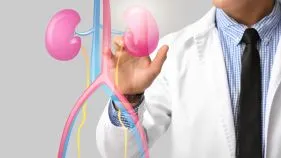
Kidney Stone in Ureter Treatment: Causes, Symptoms, Treatment Options, and Expert Kidney Care

Kidney Stone in Ureter Treatment: Causes, Symptoms, Treatment Options, and Expert Kidney Care

Introduction

A kidney stone in the ureter (also called a ureteric stone) occurs when a stone formed in the kidney moves into the ureter, the narrow tube that carries urine from the kidney to the bladder. Ureteric stones can cause severe pain, urinary obstruction, blood in the urine, infection, and reduced kidney function if not treated promptly.

The treatment of a ureteric stone depends on its size, location, degree of obstruction, symptoms, and kidney function. Small stones may pass naturally, while larger or obstructing stones may require procedures such as ureteroscopy with laser lithotripsy, ESWL (shock wave lithotripsy), or other minimally invasive treatments.

At Prabhakar Bhurke Clinic, our super specialist nephrologist provides comprehensive kidney stone evaluations, advanced diagnostic testing, kidney function monitoring, personalized treatment planning, dialysis guidance, kidney transplant evaluation, and long-term kidney stone prevention.


What Is a Ureteric Stone?

A ureteric stone is a stone that has moved from the kidney into the ureter.

As the stone travels through the ureter, it may partially or completely block urine flow.

This can lead to:

  • Severe flank pain

  • Hydronephrosis (kidney swelling)

  • Infection

  • Acute kidney injury

  • Persistent urinary symptoms

Prompt evaluation is important.


Symptoms of a Kidney Stone in the Ureter

Common symptoms include:

  • Severe flank pain

  • Pain radiating to the groin

  • Lower abdominal pain

  • Blood in the urine

  • Burning urination

  • Frequent urination

  • Urinary urgency

  • Nausea and vomiting

  • Difficulty passing urine

  • Fever if infection is present

Sudden severe pain is a typical feature of ureteric stones.


What Causes Ureteric Stones?

Kidney stones may form due to:

  • Dehydration

  • High urinary calcium

  • High urinary oxalate

  • High uric acid

  • Recurrent urinary infections

  • Certain metabolic disorders

  • Family history

  • Dietary factors

Once formed, the stone may migrate into the ureter.


How Is a Ureteric Stone Diagnosed?

At Prabhakar Bhurke Clinic, our super specialist nephrologist performs a comprehensive kidney stone evaluation.

Medical History and Examination

The doctor evaluates:

  • Pain location

  • Pain severity

  • Urinary symptoms

  • Previous stone history

  • Hydration

  • Medical conditions


Blood Tests

Investigations may include:

  • Serum creatinine

  • Estimated Glomerular Filtration Rate (eGFR)

  • Blood Urea Nitrogen (BUN)

  • Electrolytes

  • Calcium

  • Uric acid

These tests assess kidney function and metabolic risk factors.


Urine Tests

Urine evaluation may include:

  • Routine urinalysis

  • Urine culture

  • Urine microscopy


Imaging Studies

Imaging helps determine:

  • Stone size

  • Stone location

  • Degree of obstruction

  • Kidney swelling

  • Number of stones

Common investigations include:

  • Kidney ultrasound

  • Non-contrast CT scan

  • X-ray when appropriate

CT scan is often the most accurate test.


Treatment for Kidney Stone in the Ureter

Treatment depends on the size and location of the stone.

Small Stones

Small stones may pass naturally with:

  • Adequate hydration

  • Pain management

  • Medications that help stone passage

  • Close monitoring

Many small ureteric stones pass without surgery.


Medical Expulsive Therapy

Certain medications may help relax the ureter and facilitate stone passage in selected patients.


ESWL (Shock Wave Lithotripsy)

ESWL uses shock waves to break the stone into smaller fragments.

It is commonly used for:

  • Small to medium-sized upper ureter stones

  • Selected kidney stones

No surgical incision is required.


Ureteroscopy with Laser Lithotripsy

This is one of the most effective treatments for ureteric stones.

During the procedure:

  • A thin scope is passed through the urinary tract.

  • The stone is visualized directly.

  • A laser breaks the stone into fine fragments.

  • Fragments may be removed.

  • A temporary ureteral stent may be placed when necessary.

Laser lithotripsy has high success rates.


Ureteral Stenting

A ureteral stent may be inserted to:

  • Relieve obstruction

  • Allow urine drainage

  • Reduce kidney pressure

  • Treat infection-associated obstruction

The stent is usually temporary.


Percutaneous Nephrolithotomy (PCNL)

PCNL is generally reserved for:

  • Large kidney stones

  • Complex stones

  • Stones extending into the ureter from the kidney


When Is Urgent Treatment Required?

Immediate intervention may be necessary if the stone causes:

  • Complete urinary obstruction

  • Kidney function deterioration

  • Severe uncontrolled pain

  • Fever

  • Urinary infection

  • Hydronephrosis

  • Solitary kidney obstruction

Delay may increase the risk of permanent kidney damage.


Recovery After Ureteric Stone Treatment

Recovery depends on the procedure performed.

After ureteroscopy or ESWL, patients may experience:

  • Mild flank discomfort

  • Blood in urine

  • Burning urination

  • Frequent urination

  • Passage of stone fragments

Most patients recover within a few days.


Possible Complications

Untreated ureteric stones may lead to:

  • Kidney swelling

  • Recurrent infections

  • Kidney damage

  • Acute kidney injury

  • Chronic kidney disease

Procedural complications are generally uncommon but may include:

  • Infection

  • Bleeding

  • Incomplete stone removal

  • Temporary stent discomfort

Regular follow-up is important.


Preventing Future Stones

Prevention is an important part of long-term care.

Stay Adequately Hydrated

Maintaining good urine volume helps reduce stone formation.

Reduce Salt Intake

High sodium intake increases urinary calcium excretion.

Balanced Diet

Dietary recommendations may include:

  • Appropriate calcium intake

  • Reduced excessive oxalate-rich foods when indicated

  • Moderate animal protein intake

Weight Management

Healthy weight reduces kidney stone risk.

Metabolic Evaluation

Patients with recurrent stones may benefit from specialized metabolic testing.


When Should You Consult a Nephrologist?

Consult a super specialist nephrologist if you have:

  • Recurrent kidney stones

  • Ureteric stones

  • Blood in urine

  • Severe flank pain

  • High creatinine levels

  • Reduced eGFR

  • Frequent urinary infections

  • Bilateral stones

Early specialist care helps protect kidney function.


Why Choose Prabhakar Bhurke Clinic?

Patients trust Prabhakar Bhurke Clinic because we provide:

  • Consultation with a super specialist nephrologist

  • Comprehensive kidney stone evaluations

  • Advanced diagnostic facilities

  • Personalized treatment planning

  • Kidney function monitoring

  • Metabolic stone assessment

  • Long-term kidney stone prevention

  • Dialysis guidance and kidney transplant evaluation

  • Compassionate, evidence-based kidney care

Our goal is to provide effective stone treatment while preserving kidney function and preventing recurrence.


Frequently Asked Questions (FAQs)

Can a ureteric stone pass naturally?

Yes. Small stones often pass naturally with hydration, medications, and close medical supervision.

Is laser treatment better than ESWL?

Laser lithotripsy generally has higher success rates for ureteric stones, especially larger or lower ureter stones.

How long does recovery take after ureteroscopy?

Many patients recover within a few days, although temporary urinary symptoms may occur.

Which doctor treats ureteric stones?

A super specialist nephrologist evaluates kidney function, stone disease, and coordinates the most appropriate treatment approach.


Conclusion

Kidney stone in ureter treatment depends on the size, location, and severity of the obstruction. Small stones may pass naturally, while larger or symptomatic ureteric stones often require ureteroscopy with laser lithotripsy, ESWL, or other minimally invasive procedures. Early diagnosis and prompt treatment are essential to relieve pain, restore urine flow, preserve kidney function, and prevent complications.

At Prabhakar Bhurke Clinic, our super specialist nephrologist provides expert diagnosis, comprehensive kidney stone evaluation, personalized treatment planning, kidney function monitoring, dialysis guidance, kidney transplant evaluation, and long-term kidney stone prevention. Through evidence-based treatment and advanced stone management strategies, we help patients achieve better kidney health and reduce the risk of future stone recurrence.


Book an Appointment Today

If you are experiencing ureteric stone pain, severe flank pain, blood in the urine, recurrent kidney stones, high creatinine levels, reduced eGFR, urinary obstruction, or symptoms of a kidney stone in the ureter, schedule a consultation at Prabhakar Bhurke Clinic. Our super specialist nephrologist will perform a detailed evaluation and create a personalized treatment plan to protect your kidney health and prevent future kidney stones.

Protein Kidney Damage: Causes, Symptoms, Diagnosis, and Treatment

Protein Kidney Damage: Causes, Symptoms, Diagnosis, and Treatment

Introduction

The presence of protein in the urine is often an important warning sign of kidney damage. Healthy kidneys normally prevent significant amounts of protein from leaking into the urine. When the kidney’s filtering units become damaged, protein begins to pass into the urine, a condition known as proteinuria.

Protein leakage is not a disease itself, but it is often a marker of underlying kidney damage, particularly in conditions such as diabetes, high blood pressure, glomerulonephritis, and chronic kidney disease (CKD). Early detection and treatment are extremely important because persistent proteinuria can accelerate kidney function decline.

At Prabhakar Bhurke Clinic, our super specialist nephrologist provides comprehensive kidney evaluations, advanced diagnostic testing, chronic kidney disease management, diabetic kidney disease care, personalized treatment plans, dialysis guidance, kidney transplant evaluation, and long-term kidney care.


What Is Protein Kidney Damage?

Protein kidney damage refers to injury to the kidneys that causes abnormal protein leakage into the urine.

The kidneys contain millions of tiny filtering units called glomeruli.

Healthy glomeruli:

  • Filter waste products

  • Retain proteins in the bloodstream

  • Maintain fluid balance

When these filters become damaged, protein escapes into the urine.


Why Is Protein in Urine Important?

Protein in urine may indicate:

  • Early kidney disease

  • Diabetic kidney disease

  • High blood pressure-related kidney damage

  • Glomerular disease

  • Kidney inflammation

  • Progressive chronic kidney disease

Persistent proteinuria increases the risk of:

  • Kidney function decline

  • Kidney failure

  • Cardiovascular disease

Early treatment helps protect kidney function.


Common Causes of Protein Kidney Damage

Diabetes

Diabetic kidney disease is one of the most common causes of proteinuria.

High blood sugar damages the kidney filters over time.


High Blood Pressure

Hypertension can injure kidney blood vessels and filtering units.


Glomerulonephritis

Inflammation of the kidney filters can cause significant protein leakage.


Nephrotic Syndrome

This condition causes:

  • Heavy protein loss

  • Swelling

  • Low blood protein

  • High cholesterol


Autoimmune Diseases

Conditions such as lupus may affect the kidneys.


Chronic Kidney Disease

Progressive kidney damage often causes proteinuria.


Kidney Infections

Severe kidney infections may temporarily increase protein leakage.


Symptoms of Protein Kidney Damage

Early proteinuria often causes no symptoms.

As kidney damage progresses, patients may develop:

  • Foamy urine

  • Swelling of the feet and ankles

  • Swelling around the eyes

  • Weight gain from fluid retention

  • Fatigue

  • Weakness

  • High blood pressure

  • Frequent urination

  • Reduced urine output in advanced disease

Foamy urine is a particularly important symptom that should be evaluated.


How Proteinuria Damages the Kidneys

Protein leakage is both a marker and a contributor to kidney damage.

Excess protein in the kidney tubules can:

  • Trigger inflammation

  • Cause scarring

  • Accelerate kidney function decline

  • Increase progression of CKD

Reducing protein leakage is a major treatment goal.


How Is Protein Kidney Damage Diagnosed?

At Prabhakar Bhurke Clinic, our super specialist nephrologist performs a comprehensive kidney evaluation.

Medical History and Examination

The doctor evaluates:

  • Diabetes

  • Blood pressure

  • Swelling

  • Family history

  • Medications

  • Kidney stone history

  • Autoimmune symptoms


Urine Tests

Important investigations include:

  • Routine urinalysis

  • Albumin-to-creatinine ratio (ACR)

  • Protein-to-creatinine ratio (PCR)

  • 24-hour urine protein in selected cases

  • Urine microscopy

These tests measure the amount of protein leakage.


Blood Tests

Investigations may include:

  • Serum creatinine

  • Estimated Glomerular Filtration Rate (eGFR)

  • Blood Urea Nitrogen (BUN)

  • Electrolytes

  • Blood sugar

  • HbA1c

  • Cholesterol

These tests assess kidney function and associated conditions.


Imaging Studies

Imaging may include:

  • Kidney ultrasound

  • CT scan when indicated


Kidney Biopsy

In selected patients, a biopsy may be recommended to identify the exact cause of protein kidney damage.


Treatment for Protein Kidney Damage

Treatment focuses on reducing protein leakage and protecting kidney function.

Blood Pressure Control

Maintaining healthy blood pressure is one of the most important treatments.

Certain blood pressure medicines also help reduce protein leakage.


Diabetes Management

Good blood sugar control slows diabetic kidney damage.


Kidney-Protective Medications

Your nephrologist may prescribe medications that help:

  • Reduce proteinuria

  • Protect kidney filters

  • Slow CKD progression

Treatment is individualized.


Dietary Changes

A kidney-friendly diet may include:

  • Reduced salt intake

  • Appropriate protein intake

  • Weight management

  • Blood sugar control

Diet should be tailored to kidney function.


Cholesterol Management

High cholesterol is common in proteinuric kidney disease and may require treatment.


Can Protein Kidney Damage Be Reversed?

The answer depends on the cause.

Early Kidney Damage

Some patients experience improvement when:

  • Diabetes is controlled

  • Blood pressure is controlled

  • Proteinuria is reduced

  • Kidney inflammation is treated


Chronic Kidney Disease

CKD is usually not completely reversible, but progression can often be slowed significantly.

Early treatment offers the greatest benefit.


Lifestyle Tips to Protect the Kidneys

Patients can support kidney health by:

  • Controlling blood pressure

  • Managing diabetes

  • Maintaining healthy weight

  • Exercising regularly

  • Avoiding smoking

  • Limiting alcohol

  • Avoiding unnecessary NSAID painkillers

  • Taking medications as prescribed

  • Attending regular nephrology follow-up appointments


Monitoring Protein Kidney Damage

Regular follow-up is important.

Monitoring may include:

  • Urine protein testing

  • eGFR

  • Serum creatinine

  • Blood pressure

  • Blood sugar

  • Electrolytes

Early detection of worsening proteinuria allows timely treatment adjustment.


When Should You Consult a Nephrologist?

Consult a super specialist nephrologist if you have:

  • Foamy urine

  • Protein in urine

  • Swelling

  • High creatinine levels

  • Reduced eGFR

  • Diabetes

  • High blood pressure

  • Family history of kidney disease

  • Persistent abnormal urine tests

Early specialist care helps preserve kidney function.


Why Choose Prabhakar Bhurke Clinic?

Patients trust Prabhakar Bhurke Clinic because we provide:

  • Consultation with a super specialist nephrologist

  • Comprehensive kidney evaluations

  • Advanced diagnostic testing

  • Personalized treatment plans

  • Chronic kidney disease management

  • Diabetic kidney disease care

  • Kidney function monitoring

  • Dialysis guidance and kidney transplant evaluation

  • Compassionate, evidence-based kidney care

Our goal is to identify protein kidney damage early and protect long-term kidney function.


Frequently Asked Questions (FAQs)

Is protein in urine always a sign of kidney damage?

Not always. Temporary proteinuria may occur with fever, exercise, or dehydration, but persistent protein leakage should be evaluated for kidney disease.

Can protein kidney damage be treated?

Yes. Many patients benefit from blood pressure control, diabetes management, kidney-protective medications, and lifestyle changes.

Is foamy urine dangerous?

Foamy urine may indicate protein leakage and should be evaluated by a nephrologist.

Which doctor treats protein kidney damage?

A super specialist nephrologist specializes in diagnosing and treating proteinuria and chronic kidney disease.


Conclusion

Protein kidney damage is an important sign of underlying kidney disease and should never be ignored. Persistent protein leakage can accelerate kidney function decline, increase the risk of kidney failure, and affect overall health. Early diagnosis, blood pressure control, diabetes management, kidney-protective medications, and regular nephrology follow-up can significantly improve long-term outcomes.

At Prabhakar Bhurke Clinic, our super specialist nephrologist provides expert diagnosis, comprehensive kidney evaluations, personalized treatment plans, chronic kidney disease management, dialysis guidance, kidney transplant evaluation, and long-term kidney care. Through evidence-based treatment and ongoing monitoring, we help patients protect their kidneys and preserve kidney function for the future.


Book an Appointment Today

If you have foamy urine, protein in urine, swelling, high creatinine levels, reduced eGFR, diabetes-related kidney disease, high blood pressure, or concerns about kidney function, schedule a consultation at Prabhakar Bhurke Clinic. Our super specialist nephrologist will perform a detailed evaluation and create a personalized treatment plan to protect your kidney health and overall well-being.

Blocked Urethra Symptoms: Causes, Warning Signs, Diagnosis, and Treatment

Blocked Urethra Symptoms: Causes, Warning Signs, Diagnosis, and Treatment

Introduction

A blocked urethra is a medical condition in which the flow of urine from the bladder through the urethra becomes partially or completely obstructed. This can cause difficulty passing urine, severe discomfort, bladder pressure, urinary retention, and in some cases kidney damage. A blocked urethra is a potentially serious condition that requires prompt medical evaluation, especially if urine flow stops completely.

Urinary obstruction can occur due to kidney stones, urethral strictures, enlarged prostate, infections, tumors, or injuries. Delayed treatment may lead to bladder damage, urinary tract infections, hydronephrosis (kidney swelling), acute kidney injury, or chronic kidney disease.

At Prabhakar Bhurke Clinic, our super specialist nephrologist provides comprehensive urinary tract and kidney evaluations, advanced diagnostic testing, kidney stone management, obstruction assessment, acute kidney injury treatment, dialysis guidance, kidney transplant evaluation, and long-term kidney care.


What Is a Blocked Urethra?

The urethra is the tube that carries urine from the bladder to the outside of the body.

A blockage may be:

  • Partial

  • Complete

  • Sudden

  • Gradual

The severity of symptoms depends on the degree of obstruction.

Complete urinary obstruction is a medical emergency.


Common Symptoms of a Blocked Urethra

Symptoms may develop suddenly or gradually.

Difficulty Passing Urine

Patients may experience:

  • Weak urine stream

  • Straining during urination

  • Intermittent urine flow

  • Hesitancy before urination begins


Reduced Urine Output

A blockage may significantly reduce urine flow.


Inability to Urinate

Complete urinary retention is a medical emergency and requires immediate treatment.


Bladder Pressure and Fullness

Patients often feel:

  • Lower abdominal pressure

  • Bladder fullness

  • Persistent urge to urinate

  • Incomplete bladder emptying


Pain During Urination

Burning or painful urination may occur, especially if infection is present.


Lower Abdominal Pain

Pain may occur above the pubic bone due to bladder distension.


Back or Flank Pain

If obstruction affects the kidneys, patients may develop:

  • Flank pain

  • Kidney area pain

  • Lower back pain


Blood in the Urine

Visible or microscopic blood may occur with stones, infection, trauma, or obstruction.


Frequent Urination

Patients may pass only small amounts of urine repeatedly.


Urinary Urgency

A strong urge to urinate may occur despite poor urine flow.


Fever and Chills

These symptoms may indicate urinary tract infection or kidney infection, especially when obstruction is present.


Common Causes of a Blocked Urethra

Kidney Stones

Stones may become lodged in the urinary tract and obstruct urine flow.


Urethral Stricture

Scar tissue may narrow the urethra.

Causes include:

  • Previous catheterization

  • Infection

  • Trauma

  • Surgery


Enlarged Prostate

In men, benign enlargement of the prostate can compress the urethra.


Urinary Tract Infection

Severe inflammation may contribute to obstruction.


Bladder Stones

Large bladder stones may interfere with urine flow.


Tumors

Bladder, prostate, or urethral tumors may obstruct the urinary tract.


Injury

Pelvic or urethral trauma may cause swelling or structural damage.


Complications of a Blocked Urethra

Untreated obstruction may lead to:

Urinary Retention

The bladder becomes unable to empty normally.


Bladder Damage

Persistent overdistension can weaken bladder function.


Urinary Tract Infection

Stagnant urine increases infection risk.


Kidney Swelling (Hydronephrosis)

Urine backs up toward the kidneys.


Acute Kidney Injury

Severe obstruction may cause a sudden decline in kidney function.


Chronic Kidney Disease

Long-standing obstruction can permanently damage the kidneys.


How Is a Blocked Urethra Diagnosed?

At Prabhakar Bhurke Clinic, our super specialist nephrologist performs a comprehensive urinary tract and kidney evaluation.

Medical History and Physical Examination

The doctor evaluates:

  • Urine flow

  • Pain

  • Urinary frequency

  • Kidney stone history

  • Infections

  • Previous surgery

  • Medication use


Blood Tests

Investigations may include:

  • Serum creatinine

  • Estimated Glomerular Filtration Rate (eGFR)

  • Blood Urea Nitrogen (BUN)

  • Electrolytes

  • Complete Blood Count (CBC)

These tests assess kidney function and infection.


Urine Tests

Urine evaluation may include:

  • Routine urinalysis

  • Urine culture

  • Urine microscopy


Ultrasound

Ultrasound helps detect:

  • Bladder retention

  • Hydronephrosis

  • Kidney stones

  • Bladder abnormalities


CT Scan

CT imaging is often useful for identifying urinary tract stones and obstruction.


Uroflowmetry

This test measures urine flow rate.


Cystoscopy

A camera may be inserted into the urethra and bladder to directly visualize the obstruction.


Treatment for a Blocked Urethra

Treatment depends on the underlying cause.

Catheterization

A urinary catheter may be inserted to relieve acute urinary retention.


Treatment of Kidney Stones

Depending on stone size and location, treatment may include:

  • Medications

  • ESWL

  • Ureteroscopy with laser lithotripsy

  • PCNL


Urethral Dilation

Narrowed urethral segments may be widened.


Surgical Repair

Urethral strictures may require reconstructive surgery.


Treatment of Enlarged Prostate

Management may include:

  • Medications

  • Minimally invasive procedures

  • Surgery when necessary


Antibiotics

Infections require appropriate antibiotic treatment.


Relief of Urinary Obstruction

Prompt drainage helps protect kidney function.


Can Kidney Function Recover?

Yes. Kidney function may improve significantly if urinary obstruction is relieved promptly.

Recovery depends on:

  • Duration of obstruction

  • Severity

  • Infection

  • Age

  • Pre-existing kidney disease

Delayed treatment increases the risk of permanent kidney damage.


Preventing Urinary Obstruction

Helpful measures include:

  • Staying hydrated

  • Treating urinary infections promptly

  • Managing kidney stones

  • Monitoring prostate enlargement

  • Avoiding unnecessary urinary tract trauma

  • Seeking medical care for urinary symptoms early


When Should You Seek Emergency Care?

Seek immediate medical attention if you have:

  • Complete inability to urinate

  • Severe lower abdominal pain

  • Fever with urinary obstruction

  • Flank pain with reduced urine output

  • Blood in urine

  • Persistent vomiting

  • Swelling

  • High creatinine levels

These symptoms may indicate serious urinary obstruction or kidney injury.


Why Choose Prabhakar Bhurke Clinic?

Patients trust Prabhakar Bhurke Clinic because we provide:

  • Consultation with a super specialist nephrologist

  • Comprehensive urinary tract evaluations

  • Advanced diagnostic facilities

  • Kidney stone management

  • Urinary obstruction assessment

  • Acute kidney injury treatment

  • Dialysis guidance and kidney transplant evaluation

  • Long-term kidney function monitoring

  • Compassionate, evidence-based kidney care

Our goal is to relieve urinary obstruction promptly and protect long-term kidney function.


Frequently Asked Questions (FAQs)

What are the first symptoms of a blocked urethra?

Common early symptoms include weak urine stream, difficulty starting urination, incomplete bladder emptying, and frequent urination.

Is a blocked urethra dangerous?

Yes. Complete urinary obstruction can become a medical emergency and may cause kidney damage if not treated promptly.

Can kidney stones block the urethra?

Kidney stones can obstruct the urinary tract and may eventually affect urine flow, depending on their location.

Which doctor treats a blocked urethra?

A super specialist nephrologist evaluates kidney function, urinary obstruction, and associated kidney complications, while coordinating care with urology specialists when necessary.


Conclusion

Blocked urethra symptoms such as difficulty urinating, weak urine flow, urinary retention, bladder pressure, blood in the urine, and flank pain should never be ignored. Early diagnosis and prompt treatment are essential because urinary obstruction can lead to bladder damage, infection, hydronephrosis, acute kidney injury, and chronic kidney disease.

At Prabhakar Bhurke Clinic, our super specialist nephrologist provides expert diagnosis, comprehensive urinary tract evaluations, personalized treatment plans, kidney stone management, dialysis guidance, kidney transplant evaluation, and long-term kidney care. Through timely intervention and evidence-based treatment, we help patients protect their kidney function and overall urinary health.


Book an Appointment Today

If you are experiencing difficulty urinating, weak urine stream, urinary retention, blood in the urine, kidney stone symptoms, high creatinine levels, reduced eGFR, or signs of urinary obstruction, schedule a consultation at Prabhakar Bhurke Clinic. Our super specialist nephrologist will perform a detailed evaluation and create a personalized treatment plan to relieve obstruction and protect your kidney health.

Stage 6 kidney failure: understanding advanced kidney disease and treatment options

Stage 6 kidney failure: understanding advanced kidney disease and treatment options

Introduction

Many people search for stage 6 kidney failure, but it is important to know that the standard medical classification of chronic kidney disease (CKD) includes five stages. The term “stage 6 kidney failure” is commonly used by patients and families to describe advanced or end-stage kidney failure, which usually refers to CKD stage 5 (end-stage kidney disease) where kidney function is severely reduced and dialysis or kidney transplantation may be required.

This stage requires urgent and ongoing care from an experienced nephrologist because the kidneys can no longer effectively remove waste products, maintain fluid balance, regulate electrolytes, or support overall health.

At Prabhakar Bhurke Clinic, our super specialist nephrologist provides comprehensive kidney evaluations, advanced diagnostic testing, chronic kidney disease management, dialysis planning, kidney transplant evaluation, and long-term kidney care for patients with advanced kidney failure.


What is stage 6 kidney failure?

Although stage 6 kidney failure is not an official medical stage, it generally refers to end-stage kidney disease, where kidney function has declined to a very severe level.

In this stage:

  • Waste products accumulate in the blood.

  • Excess fluid cannot be removed effectively.

  • Electrolyte balance becomes abnormal.

  • Blood pressure control becomes difficult.

  • Anemia and bone disease may develop.

  • Dialysis or kidney transplantation is often needed.


Kidney function in advanced kidney failure

Kidney function is commonly measured using the estimated glomerular filtration rate (eGFR).

In end-stage kidney disease:

  • Kidney filtration is extremely low.

  • Symptoms become more noticeable.

  • Medical treatment focuses on replacing kidney function and managing complications.


Common causes of advanced kidney failure

Several conditions can progress to end-stage kidney disease.

Diabetes

Diabetic kidney disease is one of the leading causes of kidney failure worldwide.

High blood pressure

Long-standing hypertension can permanently damage the kidneys.

Glomerulonephritis

Inflammation of the kidney’s filtering units can gradually reduce kidney function.

Polycystic kidney disease

An inherited disorder that damages kidney tissue over time.

Recurrent kidney infections

Repeated infections may contribute to progressive kidney damage.

Autoimmune diseases

Conditions such as lupus can affect kidney function.


Symptoms of stage 6 kidney failure

Patients may experience:

  • Severe fatigue

  • Weakness

  • Swelling of the feet, ankles, and face

  • Shortness of breath

  • Reduced urine output

  • Frequent urination at night

  • Loss of appetite

  • Nausea and vomiting

  • Persistent itching

  • Muscle cramps

  • Difficulty concentrating

  • Sleep disturbances

  • High blood pressure

  • Weight loss

Symptoms often worsen as kidney function declines.


Complications of advanced kidney failure

End-stage kidney disease may lead to:

Fluid overload

Excess fluid can accumulate in the lungs and body tissues.

High potassium levels

Severe hyperkalemia can affect heart rhythm.

Metabolic acidosis

Acid buildup may cause fatigue and breathing problems.

Anemia

Reduced erythropoietin production can lower hemoglobin levels.

Bone and mineral disease

Abnormal calcium, phosphorus, and parathyroid hormone levels may weaken bones.

Cardiovascular disease

Heart disease risk is significantly increased.


How is advanced kidney failure diagnosed?

At Prabhakar Bhurke Clinic, our super specialist nephrologist performs a comprehensive kidney evaluation.

Medical history and examination

The doctor reviews:

  • Symptoms

  • Diabetes

  • Blood pressure

  • Medications

  • Swelling

  • Urine output

  • Family history

Blood tests

Investigations may include:

  • Serum creatinine

  • Estimated glomerular filtration rate (eGFR)

  • Blood urea nitrogen (BUN)

  • Electrolytes

  • Calcium

  • Phosphorus

  • Hemoglobin

  • Parathyroid hormone (PTH)

Urine tests

Urine evaluation may include:

  • Routine urinalysis

  • Protein estimation

  • Urine microscopy

Imaging studies

Imaging may include:

  • Kidney ultrasound

  • CT scan when indicated

These tests help assess kidney structure and underlying disease.


Treatment for stage 6 kidney failure

Treatment focuses on replacing kidney function, managing complications, and improving quality of life.

Medications

Patients may require medicines to:

  • Control blood pressure

  • Manage diabetes

  • Treat anemia

  • Reduce swelling

  • Correct electrolyte abnormalities

  • Manage bone disease

Treatment is individualized.


Dialysis

Dialysis removes waste products and excess fluid when the kidneys can no longer perform these functions adequately.

Hemodialysis

Blood is filtered through a dialysis machine several times per week.

Peritoneal dialysis

The lining of the abdomen is used as a natural filter.

The most appropriate option depends on the patient’s medical condition and lifestyle.


Kidney transplantation

For eligible patients, kidney transplantation often offers the best long-term survival and quality of life.

Transplant evaluation includes:

  • Medical assessment

  • Blood testing

  • Imaging

  • Cardiovascular evaluation

  • Donor assessment when applicable


Nutrition in advanced kidney failure

A personalized kidney diet may help manage symptoms and complications.

Recommendations may include:

  • Reduced sodium intake

  • Controlled potassium intake

  • Controlled phosphorus intake

  • Appropriate protein intake

  • Individualized fluid management

Diet should be supervised by a nephrologist and renal dietitian.


Can advanced kidney failure be reversed?

Advanced chronic kidney disease is generally not reversible.

However, treatment can:

  • Control symptoms

  • Prevent complications

  • Improve quality of life

  • Support dialysis

  • Prepare for transplantation

  • Extend survival

Early nephrology care remains extremely important.


Preparing for dialysis

Patients approaching end-stage kidney disease should receive early planning for:

  • Vascular access

  • Peritoneal dialysis access

  • Dialysis education

  • Nutritional counseling

  • Transplant evaluation

  • Family support

Early preparation improves outcomes.


When should you seek immediate medical care?

Seek urgent medical attention if you develop:

  • Severe shortness of breath

  • Chest pain

  • Confusion

  • Very low urine output

  • Severe swelling

  • Persistent vomiting

  • High potassium symptoms

  • Severe weakness

  • Loss of consciousness

These symptoms may indicate life-threatening complications.


Why choose Prabhakar Bhurke Clinic?

Patients trust Prabhakar Bhurke Clinic because we provide:

  • Consultation with a super specialist nephrologist

  • Comprehensive kidney evaluations

  • Advanced diagnostic facilities

  • Personalized treatment plans

  • Chronic kidney disease management

  • Dialysis planning and ongoing care

  • Kidney transplant evaluation

  • Long-term kidney function monitoring

  • Compassionate, evidence-based kidney care

Our goal is to provide expert care for patients with advanced kidney failure and improve long-term health outcomes.


Frequently asked questions (FAQs)

Is stage 6 kidney failure an official medical stage?

No. The official CKD classification includes stages 1 through 5. Stage 6 is commonly used informally to describe advanced or end-stage kidney failure.

Will I need dialysis?

Many patients with end-stage kidney disease require dialysis, but the timing depends on symptoms, kidney function, and overall health.

Is kidney transplantation possible?

Yes. Eligible patients may benefit from kidney transplantation, which often provides better long-term outcomes than long-term dialysis.

Which doctor treats advanced kidney failure?

A super specialist nephrologist specializes in managing advanced kidney disease, dialysis, and kidney transplantation.


Conclusion

The term stage 6 kidney failure usually refers to advanced or end-stage kidney disease, where kidney function is severely reduced and dialysis or kidney transplantation may be required. Although this stage is serious, early nephrology care, proper medical management, dialysis planning, nutritional support, and transplant evaluation can significantly improve quality of life and long-term outcomes.

At Prabhakar Bhurke Clinic, our super specialist nephrologist provides expert diagnosis, comprehensive kidney evaluations, personalized treatment plans, chronic kidney disease management, dialysis guidance, kidney transplant evaluation, and long-term kidney care. Through evidence-based treatment and compassionate care, we help patients manage advanced kidney failure with confidence and support.


Book an Appointment Today

If you have high creatinine levels, reduced eGFR, advanced chronic kidney disease, swelling, reduced urine output, dialysis-related concerns, or symptoms of kidney failure, schedule a consultation at Prabhakar Bhurke Clinic. Our super specialist nephrologist will perform a detailed evaluation and create a personalized treatment plan to protect your kidney health and overall well-being.

Child Kidney Specialist: Dr. Pratichi Kadam Pillai at Prabhakar Bhurke Clinic

Child Kidney Specialist: Dr. Pratichi Kadam Pillai at Prabhakar Bhurke Clinic

Introduction

Children can develop kidney problems that require specialized medical care from a pediatric nephrologist (child kidney specialist). Kidney diseases in children are often different from adult kidney disorders and require a careful approach to diagnosis, treatment, growth monitoring, and long-term kidney protection.

Parents should seek specialist evaluation if a child has recurrent urinary tract infections, swelling, blood in the urine, protein in the urine, high blood pressure, poor growth, kidney stones, congenital kidney abnormalities, or abnormal kidney function tests.

At Prabhakar Bhurke Clinic, Dr. Pratichi Kadam Pillai, Child Kidney Specialist (Pediatric Nephrologist) provides comprehensive kidney care for infants, children, and adolescents with kidney and urinary tract disorders. The clinic offers advanced diagnostic evaluation, personalized treatment plans, chronic kidney disease management, dialysis guidance, kidney transplant follow-up support, and long-term pediatric kidney care.


Who Is a Child Kidney Specialist?

A child kidney specialist, also known as a pediatric nephrologist, is a doctor who specializes in diagnosing and treating kidney diseases, urinary tract disorders, electrolyte problems, and blood pressure disorders in children.

Pediatric nephrologists care for children from infancy through adolescence and focus on preserving kidney function while supporting healthy growth and development.


Conditions Treated by Dr. Pratichi Kadam Pillai

Urinary Tract Infections (UTIs)

Children with recurrent UTIs require evaluation to identify underlying kidney or urinary tract abnormalities.


Nephrotic Syndrome

This condition causes:

  • Swelling

  • Protein loss in urine

  • Low blood protein levels

  • Increased infection risk

Early treatment is essential.


Blood in Urine (Hematuria)

Visible or microscopic blood in urine should always be evaluated.


Protein in Urine (Proteinuria)

Persistent protein leakage may indicate kidney disease.


Congenital Kidney Abnormalities

Children may be born with:

  • Small kidneys

  • Cystic kidneys

  • Urinary obstruction

  • Structural urinary tract abnormalities


Kidney Stones in Children

Pediatric kidney stones may occur due to metabolic, dietary, or genetic factors.


High Blood Pressure

Hypertension in children may be related to kidney disease.


Acute Kidney Injury (AKI)

Sudden kidney function decline requires prompt specialist care.


Chronic Kidney Disease (CKD)

Early diagnosis helps preserve kidney function and support normal growth.


Electrolyte Disorders

Children may develop abnormalities involving:

  • Sodium

  • Potassium

  • Calcium

  • Acid-base balance


Symptoms That May Indicate Kidney Disease in Children

Parents should consult a child kidney specialist if a child has:

  • Swelling around the eyes

  • Swollen feet or ankles

  • Frequent urinary infections

  • Pain during urination

  • Blood in urine

  • Foamy urine

  • Poor growth

  • Poor weight gain

  • High blood pressure

  • Excessive urination

  • Bedwetting associated with other urinary symptoms

  • Persistent fatigue

  • Abnormal kidney blood tests

Early evaluation can prevent complications.


Why Pediatric Kidney Disease Requires Specialized Care

Children are not simply small adults.

Kidney disease can affect:

  • Growth

  • Nutrition

  • Bone development

  • Blood pressure

  • School performance

  • Emotional well-being

Specialized pediatric nephrology care helps optimize long-term outcomes.


How Kidney Problems Are Diagnosed

At Prabhakar Bhurke Clinic, Dr. Pratichi Kadam Pillai performs a detailed pediatric kidney evaluation.

Medical History

The doctor reviews:

  • Pregnancy history

  • Birth history

  • Growth pattern

  • Urinary symptoms

  • Family history

  • Previous infections

  • Medications


Physical Examination

Assessment includes:

  • Growth measurements

  • Blood pressure

  • Swelling

  • Hydration status

  • General health


Blood Tests

Investigations may include:

  • Serum creatinine

  • Estimated kidney function

  • Electrolytes

  • Calcium

  • Phosphorus

  • Hemoglobin


Urine Tests

Urine evaluation may include:

  • Routine urinalysis

  • Protein estimation

  • Urine culture

  • Urine microscopy


Imaging Studies

Imaging may include:

  • Kidney ultrasound

  • Bladder ultrasound

  • Specialized imaging when indicated

These tests help identify structural kidney and urinary tract abnormalities.


Treatment of Pediatric Kidney Diseases

Treatment depends on the specific kidney condition.

Medications

Children may require medicines to:

  • Control blood pressure

  • Reduce protein loss in urine

  • Treat kidney inflammation

  • Manage electrolyte imbalance

  • Treat urinary infections

Treatment is individualized.


Nutritional Management

Proper nutrition supports:

  • Growth

  • Bone health

  • Kidney function

  • Overall development

Dietary guidance is tailored to each child.


Infection Prevention

Children with recurrent UTIs may require preventive strategies and ongoing monitoring.


Blood Pressure Control

Managing hypertension helps protect kidney function.


Dialysis Support

Children with advanced kidney disease may require dialysis.

The clinic provides guidance regarding:

  • Hemodialysis

  • Peritoneal dialysis

  • Kidney failure management


Kidney Transplant Follow-Up Support

Pediatric transplant patients require careful long-term monitoring.


Long-Term Monitoring

Children with kidney disease often require regular follow-up to monitor:

  • Kidney function

  • Growth

  • Blood pressure

  • Urine protein

  • Electrolytes

  • Medication response

Early intervention helps preserve kidney function.


Supporting Healthy Kidney Development

Parents can help protect kidney health by:

  • Ensuring adequate hydration

  • Treating urinary infections promptly

  • Following medication instructions carefully

  • Attending regular follow-up appointments

  • Monitoring blood pressure when advised

  • Encouraging healthy nutrition


When Should Parents Seek Immediate Medical Care?

Seek urgent medical attention if a child develops:

  • Reduced urine output

  • Severe swelling

  • High fever with urinary symptoms

  • Blood in urine

  • Severe abdominal or flank pain

  • Persistent vomiting

  • Difficulty breathing

  • Confusion

  • Severe dehydration

These symptoms may indicate serious kidney disease.


Why Choose Prabhakar Bhurke Clinic?

Families trust Prabhakar Bhurke Clinic because of:

  • Consultation with Dr. Pratichi Kadam Pillai, Child Kidney Specialist (Pediatric Nephrologist)

  • Comprehensive pediatric kidney evaluations

  • Advanced diagnostic facilities

  • Personalized treatment plans

  • Expertise in pediatric nephrology

  • Chronic kidney disease management

  • Kidney stone evaluation

  • Dialysis guidance and transplant follow-up support

  • Compassionate, child-centered kidney care

Our goal is to protect kidney function while supporting healthy childhood growth and development.


Frequently Asked Questions (FAQs)

When should a child see a kidney specialist?

A child should see a pediatric nephrologist for recurrent UTIs, blood in urine, protein in urine, swelling, high blood pressure, poor growth, kidney stones, or abnormal kidney tests.

Are kidney diseases in children treatable?

Many pediatric kidney diseases can be successfully treated or managed with early diagnosis and specialized care.

Can kidney disease affect a child’s growth?

Yes. Chronic kidney disease may affect growth, nutrition, and development, making early treatment important.

Who is a child kidney specialist at Prabhakar Bhurke Clinic?

Dr. Pratichi Kadam Pillai provides specialized pediatric nephrology care for children with kidney and urinary tract disorders.


Conclusion

Children with kidney problems require specialized care from an experienced child kidney specialist. Early diagnosis and appropriate treatment can help preserve kidney function, support healthy growth, prevent complications, and improve long-term outcomes.

At Prabhakar Bhurke Clinic, Dr. Pratichi Kadam Pillai, Child Kidney Specialist (Pediatric Nephrologist) provides expert diagnosis, comprehensive kidney evaluations, personalized treatment plans, chronic kidney disease management, dialysis guidance, transplant follow-up support, and long-term pediatric kidney care. Through compassionate, evidence-based treatment, we are committed to helping children achieve the best possible kidney health.


Book an Appointment Today

If your child has recurrent urinary infections, swelling, blood in the urine, protein in the urine, high blood pressure, kidney stones, abnormal kidney tests, or concerns about kidney health, schedule a consultation with Dr. Pratichi Kadam Pillai, Child Kidney Specialist at Prabhakar Bhurke Clinic. We provide comprehensive pediatric kidney care tailored to your child’s individual needs.