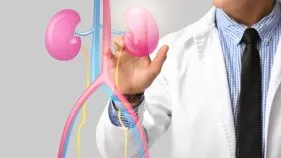
Kidney Stone Treatment Near Me: Expert Diagnosis and Advanced Care at Prabhakar Bhurke Clinic

Kidney Stone Treatment Near Me: Expert Diagnosis and Advanced Care at Prabhakar Bhurke Clinic

Introduction

If you're searching online for "kidney stone treatment near me," you're likely experiencing symptoms such as severe back pain, blood in the urine, painful urination, or recurrent kidney stones. Kidney stones are a common urinary tract condition that can cause significant discomfort and, if left untreated, may lead to infection, urinary blockage, or kidney damage.

The good news is that most kidney stones can be treated successfully with timely medical care. Depending on the size, location, and type of stone, treatment may range from medications to advanced minimally invasive procedures.

At Prabhakar Bhurke Clinic, a super specialist nephrologist provides comprehensive kidney stone evaluation, personalized treatment plans, and long-term prevention strategies to help patients recover quickly and protect their kidney health.


What Are Kidney Stones?

Kidney stones are hard mineral and salt deposits that form inside the kidneys. They develop when certain substances in the urine become highly concentrated and crystallize.

The most common types include:

  • Calcium stones

  • Uric acid stones

  • Struvite stones

  • Cystine stones

Identifying the stone type helps guide treatment and prevent future recurrence.


Symptoms of Kidney Stones

Kidney stones may cause:

  • Severe pain in the back or side

  • Pain radiating to the lower abdomen or groin

  • Blood in the urine

  • Burning sensation while urinating

  • Frequent urge to urinate

  • Nausea and vomiting

  • Cloudy or foul-smelling urine

  • Fever and chills if an infection is present

Some small stones may not cause symptoms until they begin moving through the urinary tract.


When Should You Seek Kidney Stone Treatment?

You should consult a kidney specialist if you experience:

  • Severe flank or back pain

  • Blood in the urine

  • Persistent urinary discomfort

  • Recurrent kidney stones

  • Fever with urinary symptoms

  • Difficulty passing urine

  • Persistent nausea or vomiting

  • Abnormal kidney function tests

Early treatment helps prevent complications such as urinary obstruction and kidney damage.


How Are Kidney Stones Diagnosed?

At Prabhakar Bhurke Clinic, a super specialist nephrologist performs a comprehensive evaluation that may include:

Medical History and Physical Examination

Your doctor will review your symptoms, previous stone history, dietary habits, medications, and risk factors.

Laboratory Tests

These may include:

  • Urine analysis

  • Urine culture if infection is suspected

  • Serum creatinine

  • Kidney function tests

  • Blood calcium and uric acid levels

  • Electrolyte assessment

Imaging Studies

Imaging is essential to determine the size and location of the stone.

Common investigations include:

  • Kidney ultrasound

  • X-ray when appropriate

  • Non-contrast CT scan for detailed stone evaluation


Kidney Stone Treatment Options

Treatment depends on the stone's size, location, symptoms, and overall kidney health.

Medical Management

Small kidney stones may be managed with:

  • Pain-relieving medications

  • Medicines that help the stone pass naturally (medical expulsive therapy)

  • Adequate hydration, when medically appropriate

  • Treatment of urinary infections if present

Your nephrologist will monitor your progress to ensure the stone passes safely.


Extracorporeal Shock Wave Lithotripsy (ESWL)

ESWL uses focused shock waves to break kidney stones into smaller fragments that can pass through the urinary tract.

It is often recommended for selected stones based on their size and location.


Ureteroscopy (URS) with Laser Lithotripsy

During URS:

  • A thin scope is passed through the urinary tract.

  • A laser breaks the stone into tiny fragments.

  • The fragments are removed or allowed to pass naturally.

  • A temporary ureteral stent may be placed if necessary.

This minimally invasive procedure offers excellent success rates for many ureteric and kidney stones.


Percutaneous Nephrolithotomy (PCNL)

For larger or complex kidney stones, PCNL may be recommended.

This minimally invasive procedure involves:

  • A small incision in the back

  • Direct access to the kidney

  • Fragmentation and removal of the stone

PCNL provides high stone clearance while avoiding the need for open surgery.


Can Kidney Stones Be Prevented?

Yes. Many kidney stones can be prevented through lifestyle modifications and individualized medical care.

Your nephrologist may recommend:

  • Drinking adequate water daily

  • Limiting salt intake

  • Eating a balanced diet

  • Maintaining a healthy weight

  • Reducing foods associated with your stone type

  • Controlling diabetes and high blood pressure

  • Completing a metabolic evaluation if stones recur

  • Taking preventive medications when indicated

Preventive care greatly reduces the likelihood of future stone formation.


Why Choose Prabhakar Bhurke Clinic for Kidney Stone Treatment?

Patients choose Prabhakar Bhurke Clinic because of:

  • Consultation with a super specialist nephrologist

  • Expertise in diagnosing and managing kidney stones

  • Comprehensive kidney stone evaluation

  • Advanced diagnostic investigations

  • Personalized treatment plans

  • Guidance on minimally invasive procedures such as ESWL, URS, and PCNL

  • Long-term kidney stone prevention programs

  • Compassionate, patient-centered care

The clinic is committed to providing evidence-based treatment while focusing on preserving kidney function and preventing recurrence.


Tips for Maintaining Healthy Kidneys

Protect your kidneys by:

  • Staying well hydrated unless medically restricted

  • Following a balanced diet

  • Limiting excess salt intake

  • Exercising regularly

  • Maintaining a healthy body weight

  • Avoiding smoking

  • Managing diabetes and blood pressure

  • Seeking early treatment for urinary tract infections

  • Attending regular kidney health check-ups if you have a history of kidney stones

Healthy lifestyle habits are essential for reducing the risk of future stone formation.


Conclusion

If you're searching for "kidney stone treatment near me," choosing a clinic with specialized kidney expertise is essential. Kidney stones require accurate diagnosis and individualized treatment to relieve symptoms, prevent complications, and reduce the risk of recurrence. Depending on the stone's characteristics, treatment may include medications, Extracorporeal Shock Wave Lithotripsy (ESWL), Ureteroscopy (URS), or Percutaneous Nephrolithotomy (PCNL).

At Prabhakar Bhurke Clinic, a super specialist nephrologist provides comprehensive kidney stone care, advanced diagnostic services, and personalized treatment plans designed to help patients achieve lasting relief and maintain healthy kidney function.


Book an Appointment Today

If you are experiencing kidney stone symptoms, severe flank pain, blood in the urine, recurrent stones, or abnormal kidney function tests, schedule a consultation at Prabhakar Bhurke Clinic. Our super specialist nephrologist will evaluate your condition, recommend the most appropriate treatment, and guide you toward long-term kidney health.


Pain Medication for Kidney Stones: Safe Relief, Treatment Options, and When to See a Specialist

Pain Medication for Kidney Stones: Safe Relief, Treatment Options, and When to See a Specialist

Introduction

Kidney stones are one of the most painful urinary tract conditions. The pain, often called renal colic, occurs when a stone moves through the urinary tract and blocks the flow of urine. Many patients search for pain medication for kidney stones to get immediate relief. While pain medicines are an important part of treatment, they do not remove the stone itself. The best treatment depends on the size, location, and type of kidney stone.

At Prabhakar Bhurke Clinic, a super specialist nephrologist provides expert diagnosis and personalized treatment for kidney stones, helping patients manage pain safely while addressing the underlying cause.


Why Do Kidney Stones Cause Severe Pain?

The kidneys continuously produce urine, which flows through the ureters to the bladder. When a stone blocks this pathway, pressure builds inside the kidney, causing intense pain.

Kidney stone pain may be:

  • Sudden and severe

  • Felt in the back or side below the ribs

  • Radiating to the lower abdomen or groin

  • Occurring in waves as the stone moves

  • Associated with nausea and vomiting

The severity of pain does not always indicate the size of the stone.


Symptoms That May Accompany Kidney Stone Pain

Along with severe pain, patients may experience:

  • Blood in the urine

  • Burning during urination

  • Frequent urge to urinate

  • Difficulty passing urine

  • Cloudy or foul-smelling urine

  • Nausea and vomiting

  • Fever and chills if an infection is present

If fever or difficulty passing urine occurs, immediate medical attention is necessary.


Pain Medication for Kidney Stones

Pain relief is an important part of kidney stone treatment. The type of medication depends on the severity of pain, the patient's overall health, and kidney function.

Nonsteroidal Anti-Inflammatory Drugs (NSAIDs)

NSAIDs are commonly used to reduce inflammation and relieve kidney stone pain. They are often effective for renal colic but may not be suitable for everyone, particularly individuals with reduced kidney function, stomach ulcers, or certain cardiovascular conditions.

These medications should only be taken under medical supervision.


Acetaminophen (Paracetamol)

Paracetamol may be recommended for mild to moderate pain or for patients who cannot safely take NSAIDs. It should be used according to the prescribed dosage.


Stronger Pain Medicines

For severe kidney stone pain, especially in emergency settings, stronger prescription pain medicines may be required for short-term relief.

These medicines are used under close medical supervision and are intended to control pain until the stone passes or definitive treatment is performed.


Medicines That Help Pass Kidney Stones

In addition to pain relief, your nephrologist may prescribe medications that relax the ureter, making it easier for certain small stones to pass naturally.

This treatment, known as medical expulsive therapy, may:

  • Improve stone passage

  • Reduce painful episodes

  • Decrease the need for surgical intervention in selected patients

It is most effective for appropriately selected cases.


When Is Medication Enough?

Medication may be sufficient if:

  • The stone is small.

  • Pain is controlled.

  • There is no urinary blockage.

  • There is no infection.

  • Kidney function is normal.

  • The stone is expected to pass naturally.

Regular follow-up is essential to ensure the stone is progressing safely.


When Is a Procedure Needed?

Pain medication alone cannot remove every kidney stone.

A procedure may be recommended if:

  • The stone is large.

  • Pain remains severe despite medication.

  • Urine flow is blocked.

  • Infection develops.

  • Kidney function is affected.

  • The stone fails to pass after an appropriate period.

Timely intervention helps prevent complications.


Advanced Treatment Options for Kidney Stones

Depending on the stone's size and location, treatment may include:

Extracorporeal Shock Wave Lithotripsy (ESWL)

Shock waves are used to break the stone into smaller pieces that can pass naturally.

Ureteroscopy (URS)

A thin scope is passed through the urinary tract to remove or fragment the stone using laser technology.

Percutaneous Nephrolithotomy (PCNL)

This minimally invasive procedure is commonly used for larger or more complex kidney stones.

Your nephrologist will recommend the most suitable option based on your individual condition.


How Are Kidney Stones Diagnosed?

At Prabhakar Bhurke Clinic, a super specialist nephrologist performs a detailed evaluation that may include:

Medical History and Physical Examination

Assessment of symptoms, pain pattern, and previous history of kidney stones.

Laboratory Tests

  • Urine analysis

  • Urine culture when infection is suspected

  • Serum creatinine

  • Kidney function tests

  • Blood tests to assess infection and electrolyte balance

Imaging Studies

Imaging helps determine the size and location of the stone.

Common investigations include:

  • Kidney ultrasound

  • X-ray when appropriate

  • Non-contrast CT scan for accurate stone detection


Tips to Prevent Future Kidney Stones

Preventing recurrence is an important part of treatment.

Your nephrologist may recommend:

  • Drinking enough water every day

  • Limiting salt intake

  • Maintaining a healthy weight

  • Eating a balanced diet

  • Reducing foods linked to your specific stone type

  • Managing diabetes and high blood pressure

  • Undergoing metabolic evaluation if stones recur

  • Taking preventive medications when appropriate

A personalized prevention plan significantly lowers the risk of future stones.


When Should You Seek Emergency Care?

Seek immediate medical attention if kidney stone pain is accompanied by:

  • Fever or chills

  • Persistent vomiting

  • Difficulty passing urine

  • Severe pain that does not improve with prescribed medication

  • Blood in the urine with worsening symptoms

  • Reduced urine output

These signs may indicate obstruction or infection requiring urgent treatment.


Why Choose Prabhakar Bhurke Clinic?

Patients trust Prabhakar Bhurke Clinic because of:

  • Care by a super specialist nephrologist

  • Expertise in kidney stone diagnosis and treatment

  • Comprehensive kidney function evaluation

  • Personalized treatment plans

  • Guidance on minimally invasive stone procedures

  • Long-term kidney stone prevention strategies

  • Compassionate, patient-centered care


Conclusion

Pain medication for kidney stones plays an important role in relieving discomfort, but it is only one part of effective treatment. The most appropriate approach depends on the stone's size, location, and the presence of complications. While many small stones can be managed with medications and careful monitoring, larger stones may require procedures such as Extracorporeal Shock Wave Lithotripsy (ESWL), Ureteroscopy (URS), or Percutaneous Nephrolithotomy (PCNL).

At Prabhakar Bhurke Clinic, a super specialist nephrologist provides accurate diagnosis, individualized treatment, and long-term prevention strategies to help patients recover safely and reduce the risk of future kidney stones.


Book an Appointment Today

If you are experiencing severe kidney stone pain, blood in the urine, repeated stone formation, or persistent urinary symptoms, schedule a consultation at Prabhakar Bhurke Clinic. Our super specialist nephrologist will identify the cause of your symptoms, recommend the safest pain management approach, and create a personalized treatment plan to restore your kidney health.

Doctor for Kidney Problems: When to See a Kidney Specialist and What to Expect

Doctor for Kidney Problems: When to See a Kidney Specialist and What to Expect

Introduction

The kidneys are essential organs that filter waste from the blood, regulate fluid balance, maintain electrolyte levels, and help control blood pressure. When the kidneys do not function properly, timely medical attention is crucial to prevent complications and preserve kidney health. If you are searching for a doctor for kidney problems, the right specialist is a nephrologist—a physician trained in diagnosing and treating kidney diseases.

At Prabhakar Bhurke Clinic, a super specialist nephrologist provides comprehensive care for patients with kidney diseases, high creatinine levels, kidney stones, chronic kidney disease (CKD), hypertension, dialysis needs, and other kidney-related conditions. With advanced diagnostics and personalized treatment plans, the clinic is dedicated to helping patients achieve the best possible kidney health.


Who Is a Nephrologist?

A nephrologist is a doctor who specializes in the prevention, diagnosis, and treatment of diseases affecting the kidneys. Unlike general physicians, nephrologists have advanced training in managing both acute and chronic kidney disorders.

A nephrologist helps patients:

  • Diagnose the cause of kidney disease

  • Preserve kidney function

  • Manage high blood pressure related to kidney disease

  • Treat electrolyte imbalances

  • Plan dialysis when necessary

  • Evaluate patients for kidney transplantation

  • Prevent progression of chronic kidney disease

Early consultation with a nephrologist can significantly improve long-term outcomes.


When Should You See a Doctor for Kidney Problems?

You should consult a kidney specialist if you experience:

  • Persistent pain in the side or lower back (flank pain)

  • Swelling of the feet, ankles, hands, or face

  • Blood in the urine

  • Foamy urine

  • Frequent urination, especially at night

  • Burning sensation while urinating

  • Reduced urine output

  • High creatinine levels

  • Abnormal kidney function tests

  • Difficult-to-control high blood pressure

  • Recurrent kidney stones

  • Repeated urinary tract infections

  • Diabetes affecting kidney function

Prompt medical evaluation helps identify the underlying cause and prevents permanent kidney damage.


Common Kidney Problems Treated by a Nephrologist

At Prabhakar Bhurke Clinic, patients receive expert care for a wide range of kidney conditions, including:

Chronic Kidney Disease (CKD)

CKD is a gradual decline in kidney function, commonly caused by diabetes and hypertension. Early treatment can slow disease progression and reduce complications.

Acute Kidney Injury (AKI)

AKI is a sudden decrease in kidney function caused by dehydration, infections, medications, or reduced blood flow to the kidneys. Many cases improve with timely treatment.

Kidney Stones

Nephrologists evaluate kidney stones, manage pain, prevent recurrence, and coordinate advanced treatment when procedures are needed.

Kidney Infections

Serious kidney infections require prompt diagnosis and treatment to prevent permanent kidney damage.

Glomerulonephritis

Inflammation of the kidney's filtering units can affect kidney function and often requires specialized medical care.

Diabetic Kidney Disease

Long-standing diabetes can damage the kidneys. Proper management helps preserve kidney function.

High Blood Pressure Related to Kidney Disease

Kidney disease and hypertension often occur together. Managing blood pressure is essential to slow kidney damage.


How Are Kidney Problems Diagnosed?

At Prabhakar Bhurke Clinic, a super specialist nephrologist performs a comprehensive evaluation that may include:

Medical History and Physical Examination

The doctor reviews symptoms, medical history, medications, family history, and lifestyle factors.

Blood Tests

Common investigations include:

  • Serum creatinine

  • Estimated Glomerular Filtration Rate (eGFR)

  • Blood Urea Nitrogen (BUN)

  • Electrolytes

  • Blood sugar levels

Urine Tests

Urine analysis helps detect:

  • Protein

  • Blood

  • Infection

  • Kidney damage

Imaging Studies

Depending on your condition, imaging may include:

  • Kidney ultrasound

  • CT scan

  • X-ray when appropriate

Kidney Biopsy

In selected cases, a kidney biopsy may be recommended to determine the exact cause of kidney disease and guide treatment.


Treatment for Kidney Problems

Treatment depends on the underlying diagnosis and stage of kidney disease.

Medications

Your nephrologist may prescribe medications to:

  • Control blood pressure

  • Manage diabetes

  • Reduce protein loss in urine

  • Treat infections

  • Correct electrolyte imbalances

  • Manage anemia associated with kidney disease

Lifestyle and Dietary Changes

Patients may be advised to:

  • Reduce salt intake

  • Follow a kidney-friendly diet

  • Stay physically active

  • Maintain a healthy weight

  • Quit smoking

  • Drink fluids as recommended

Lifestyle changes play an important role in protecting kidney function.

Dialysis

When kidney function becomes severely impaired, dialysis may be necessary to remove waste products and excess fluid from the blood.

Kidney Transplant Guidance

For eligible patients with end-stage kidney disease, nephrologists provide evaluation, preparation, and long-term follow-up for kidney transplantation.


Tips to Keep Your Kidneys Healthy

Protect your kidneys by:

  • Drinking adequate water unless medically restricted

  • Controlling blood pressure and diabetes

  • Eating a balanced diet

  • Exercising regularly

  • Maintaining a healthy body weight

  • Avoiding smoking

  • Limiting unnecessary use of pain-relieving medications

  • Scheduling regular kidney health check-ups

Early detection is one of the most effective ways to prevent serious kidney disease.


Why Choose Prabhakar Bhurke Clinic?

Patients trust Prabhakar Bhurke Clinic because of:

  • Consultation with a super specialist nephrologist

  • Expertise in diagnosing and treating complex kidney diseases

  • Advanced kidney function testing

  • Personalized treatment plans based on individual needs

  • Comprehensive care for chronic kidney disease, kidney stones, and kidney failure

  • Dialysis planning and kidney transplant guidance

  • Compassionate, patient-centered approach focused on long-term kidney health


Conclusion

If you are looking for a doctor for kidney problems, consulting a qualified nephrologist is the best step toward protecting your kidney health. Symptoms such as swelling, blood in the urine, persistent flank pain, high creatinine levels, or abnormal kidney function tests should never be ignored. Early diagnosis and appropriate treatment can slow disease progression, prevent complications, and improve quality of life.

At Prabhakar Bhurke Clinic, a super specialist nephrologist provides comprehensive diagnosis, evidence-based treatment, and long-term care for a wide range of kidney conditions. Whether you need preventive care or advanced kidney disease management, you can receive personalized treatment designed to preserve kidney function and support your overall well-being.


Book an Appointment Today

If you are experiencing symptoms of kidney disease or have been advised to consult a doctor for kidney problems, schedule an appointment at Prabhakar Bhurke Clinic. Our super specialist nephrologist will perform a detailed evaluation, explain your diagnosis, and develop a personalized treatment plan to help you maintain healthy kidneys for years to come.

15 mm Kidney Stone Treatment: Symptoms, Diagnosis, and Advanced Treatment Options

15 mm Kidney Stone Treatment: Symptoms, Diagnosis, and Advanced Treatment Options

Introduction

Kidney stones are a common urinary tract condition that can cause severe pain and affect kidney function if left untreated. A 15 mm kidney stone is considered a large stone and is unlikely to pass naturally. In most cases, it requires medical evaluation and a minimally invasive procedure to remove or break the stone.

Prompt treatment helps relieve pain, prevent urinary obstruction, reduce the risk of infection, and protect kidney function. At Prabhakar Bhurke Clinic, a super specialist nephrologist provides comprehensive evaluation, medical management, and guidance on the most appropriate treatment options for kidney stones based on their size, location, and composition.


What Is a 15 mm Kidney Stone?

A kidney stone measuring 15 millimeters (1.5 cm) is significantly larger than stones that typically pass on their own. Stones of this size may remain in the kidney or become lodged in the ureter, leading to severe symptoms and potential complications.

A 15 mm stone generally requires specialist evaluation because spontaneous passage is uncommon.


Symptoms of a 15 mm Kidney Stone

A large kidney stone may cause:

  • Severe pain in the back or side (flank pain)

  • Pain radiating to the lower abdomen or groin

  • Blood in the urine

  • Burning sensation during urination

  • Frequent urge to urinate

  • Difficulty passing urine

  • Nausea and vomiting

  • Cloudy or foul-smelling urine

  • Fever and chills if infection develops

Some stones remain in the kidney without symptoms and are detected during routine imaging.


Why Prompt Treatment Is Important

If left untreated, a 15 mm kidney stone can lead to:

  • Urinary tract obstruction

  • Kidney swelling (hydronephrosis)

  • Recurrent urinary tract infections

  • Kidney damage due to prolonged obstruction

  • Persistent severe pain

  • Reduced kidney function

Early treatment helps prevent these complications.


How Is a 15 mm Kidney Stone Diagnosed?

At Prabhakar Bhurke Clinic, a super specialist nephrologist performs a thorough evaluation that may include:

Medical History and Physical Examination

The doctor will assess your symptoms, previous kidney stone history, dietary habits, and other medical conditions.

Urine Tests

Urine analysis helps identify:

  • Blood

  • Infection

  • Crystals

  • Urine pH abnormalities

Blood Tests

These tests evaluate:

  • Kidney function

  • Serum creatinine

  • Electrolytes

  • Calcium

  • Uric acid

  • Signs of infection

Imaging Studies

Imaging is essential to determine the stone's size and exact location.

Common investigations include:

  • Kidney ultrasound

  • X-ray (when appropriate)

  • Non-contrast CT scan, which provides detailed information about the stone and urinary tract


Treatment Options for a 15 mm Kidney Stone

The most appropriate treatment depends on the stone's location, composition, symptoms, and overall kidney health.

1. Medical Management

Medication may be used to:

  • Relieve pain

  • Treat urinary infections

  • Control nausea

  • Stabilize the patient before a procedure

However, medication alone is usually not sufficient to eliminate a 15 mm kidney stone.


2. Extracorporeal Shock Wave Lithotripsy (ESWL)

ESWL uses focused shock waves to break the stone into smaller fragments that can pass through the urinary tract.

While ESWL may be suitable for selected 15 mm stones, its effectiveness depends on factors such as:

  • Stone location

  • Stone density

  • Body habitus

  • Kidney anatomy

Your nephrologist will determine whether ESWL is appropriate in your case.


3. Ureteroscopy (URS) with Laser Lithotripsy

If the stone is located in the ureter or certain parts of the kidney, ureteroscopy may be recommended.

During this minimally invasive procedure:

  • A thin scope is passed through the urinary tract.

  • A laser breaks the stone into tiny fragments.

  • The fragments are removed or allowed to pass naturally.

  • A temporary ureteral stent may be placed if necessary.

URS offers high success rates for many kidney and ureteric stones.


4. Percutaneous Nephrolithotomy (PCNL)

PCNL is one of the preferred treatments for larger kidney stones, including many 15 mm stones, particularly when they are difficult to treat with other methods or located within the kidney.

The procedure involves:

  • A small incision in the back

  • Insertion of a specialized instrument into the kidney

  • Breaking and removing the stone directly

PCNL provides excellent stone clearance while minimizing the need for open surgery.


Recovery After Treatment

Recovery depends on the procedure performed and the patient's overall health.

Most patients are advised to:

  • Drink adequate fluids as recommended

  • Take prescribed medications

  • Complete follow-up imaging

  • Avoid strenuous activity until cleared by the doctor

  • Attend scheduled follow-up visits

Your nephrologist will provide individualized recovery instructions.


Can a 15 mm Kidney Stone Pass Naturally?

A 15 mm kidney stone is very unlikely to pass naturally. Delaying treatment may increase the risk of pain, urinary obstruction, infection, and kidney damage.

Consulting a kidney specialist early helps ensure timely and effective management.


Preventing Future Kidney Stones

After treatment, preventing recurrence is an important part of long-term care.

Recommendations may include:

  • Drinking enough water daily

  • Limiting salt intake

  • Maintaining a healthy weight

  • Eating a balanced diet

  • Reducing foods associated with your stone type

  • Controlling diabetes and high blood pressure

  • Undergoing metabolic evaluation if stones recur

  • Taking preventive medications when appropriate

Individualized prevention plans significantly reduce the likelihood of future stone formation.


Why Choose Prabhakar Bhurke Clinic?

Patients choose Prabhakar Bhurke Clinic because of:

  • Care by a super specialist nephrologist

  • Comprehensive kidney stone evaluation

  • Advanced diagnostic facilities

  • Personalized treatment recommendations

  • Guidance on minimally invasive kidney stone procedures

  • Long-term kidney stone prevention strategies

  • Compassionate, patient-centered care


Conclusion

A 15 mm kidney stone is a large stone that usually requires medical intervention rather than waiting for it to pass naturally. Depending on the stone's location and characteristics, treatment may include Extracorporeal Shock Wave Lithotripsy (ESWL), Ureteroscopy (URS), or Percutaneous Nephrolithotomy (PCNL). Early diagnosis and timely treatment are essential to relieve symptoms, preserve kidney function, and prevent complications.

At Prabhakar Bhurke Clinic, a super specialist nephrologist provides expert diagnosis, individualized treatment plans, and long-term care for patients with kidney stones. With advanced evaluation and evidence-based management, patients receive the highest standard of kidney care.


Book an Appointment Today

If you have been diagnosed with a 15 mm kidney stone or are experiencing severe flank pain, blood in the urine, or urinary obstruction, schedule a consultation at Prabhakar Bhurke Clinic. Our super specialist nephrologist will perform a comprehensive evaluation and recommend the most effective treatment to restore your kidney health and prevent future stones.

Nephrocalcinosis Treatment: Causes, Symptoms, Diagnosis, and Expert Kidney Care

Nephrocalcinosis Treatment: Causes, Symptoms, Diagnosis, and Expert Kidney Care

Introduction

Nephrocalcinosis is a condition in which calcium deposits accumulate within the kidney tissue. Unlike kidney stones, which form as solid masses in the urinary tract, nephrocalcinosis involves calcium buildup inside the kidneys themselves. If left untreated, it may gradually affect kidney function and increase the risk of kidney stones or chronic kidney disease.

The goal of nephrocalcinosis treatment is to identify and manage the underlying cause, prevent further calcium deposition, preserve kidney function, and reduce complications.

At Prabhakar Bhurke Clinic, a super specialist nephrologist provides comprehensive evaluation, advanced diagnostic testing, and personalized treatment plans for patients with nephrocalcinosis and other kidney disorders.


What Is Nephrocalcinosis?

Nephrocalcinosis occurs when excess calcium is deposited in the kidney tissue, most commonly in the renal medulla (medullary nephrocalcinosis) and less commonly in the renal cortex.

The condition may affect one or both kidneys and is often detected during imaging studies performed for kidney stones, urinary symptoms, or abnormal kidney function tests.

Early diagnosis is important because treating the underlying cause can help slow or prevent progression.


Causes of Nephrocalcinosis

Several medical conditions can lead to calcium deposits in the kidneys, including:

  • High calcium levels in the blood (Hypercalcemia)

  • Excess calcium in the urine (Hypercalciuria)

  • Hyperparathyroidism

  • Renal Tubular Acidosis (RTA)

  • Vitamin D excess

  • Sarcoidosis

  • Medullary sponge kidney

  • Certain inherited metabolic disorders

  • Long-term use of specific medications

  • Chronic kidney disorders

Determining the underlying cause is the first step in effective treatment.


Symptoms of Nephrocalcinosis

Many patients have no symptoms during the early stages.

When symptoms occur, they may include:

  • Pain in the side or back

  • Blood in the urine

  • Frequent urination

  • Burning during urination

  • Recurrent urinary tract infections

  • Kidney stones

  • Increased thirst

  • Fatigue

  • Reduced kidney function in advanced cases

Because symptoms may be mild or absent, regular monitoring is important for individuals at risk.


How Is Nephrocalcinosis Diagnosed?

At Prabhakar Bhurke Clinic, a super specialist nephrologist performs a detailed evaluation that may include:

Medical History and Physical Examination

Your doctor will review:

  • Symptoms

  • Family history

  • Dietary habits

  • Previous kidney stones

  • Medication history

Blood Tests

Common investigations include:

  • Serum calcium

  • Phosphorus

  • Creatinine

  • Estimated Glomerular Filtration Rate (eGFR)

  • Parathyroid hormone (PTH)

  • Vitamin D levels

  • Electrolytes

Urine Tests

Urine analysis helps measure:

  • Calcium excretion

  • Oxalate

  • Citrate

  • Protein

  • Blood

  • Signs of infection

Imaging Studies

Imaging plays a key role in diagnosis and may include:

  • Kidney ultrasound

  • CT scan

  • X-ray in selected cases

These tests help identify calcium deposits and assess kidney health.


Nephrocalcinosis Treatment

Treatment depends on the underlying cause, the severity of calcium deposits, and overall kidney function.

Treat the Underlying Cause

Successful management begins with identifying and treating the condition responsible for calcium accumulation.

Examples include:

  • Managing hyperparathyroidism

  • Correcting renal tubular acidosis

  • Treating metabolic disorders

  • Adjusting medications if necessary

Addressing the root cause helps reduce further calcium deposition.


Maintain Adequate Hydration

Drinking sufficient fluids, when medically appropriate, helps:

  • Dilute urine

  • Reduce calcium concentration

  • Lower the risk of kidney stone formation

Fluid recommendations should be individualized based on kidney function and other medical conditions.


Dietary Modifications

A nephrologist or renal dietitian may recommend:

  • Limiting excess salt intake

  • Maintaining appropriate calcium intake (not excessive restriction unless advised)

  • Reducing foods high in oxalate when indicated

  • Limiting excessive animal protein

  • Following a balanced kidney-friendly diet

Dietary recommendations vary depending on the underlying metabolic abnormality.


Medications

Depending on the cause, medications may be prescribed to:

  • Reduce calcium excretion in urine

  • Correct electrolyte imbalances

  • Manage acid-base disorders

  • Prevent recurrent kidney stones

  • Control associated medical conditions

Medication is selected based on individual laboratory findings and overall health.


Monitoring Kidney Function

Regular follow-up allows your nephrologist to monitor:

  • Kidney function

  • Calcium levels

  • Urine composition

  • Disease progression

  • Risk of kidney stone formation

Routine monitoring helps detect changes early and adjust treatment as needed.


Can Nephrocalcinosis Be Reversed?

In many cases, existing calcium deposits cannot be completely removed. However, early diagnosis and appropriate treatment can:

  • Prevent further calcium accumulation

  • Slow disease progression

  • Preserve kidney function

  • Reduce the risk of kidney stones

  • Lower the likelihood of chronic kidney disease

Long-term management is essential for maintaining kidney health.


Possible Complications

If left untreated, nephrocalcinosis may lead to:

  • Recurrent kidney stones

  • Urinary tract infections

  • Chronic kidney disease

  • Reduced kidney function

  • Kidney failure in severe cases

Timely treatment significantly reduces the risk of complications.


Tips to Protect Your Kidneys

You can support kidney health by:

  • Staying well hydrated unless medically restricted

  • Following your nephrologist's dietary advice

  • Controlling blood pressure

  • Managing diabetes effectively

  • Avoiding unnecessary use of pain-relieving medications

  • Exercising regularly

  • Maintaining a healthy body weight

  • Attending regular kidney health check-ups

Healthy lifestyle habits complement medical treatment.


Why Choose Prabhakar Bhurke Clinic?

Patients choose Prabhakar Bhurke Clinic because of:

  • Consultation with a super specialist nephrologist

  • Expertise in metabolic kidney disorders

  • Advanced kidney function evaluation

  • Comprehensive management of nephrocalcinosis and kidney stones

  • Personalized treatment plans

  • Long-term monitoring to preserve kidney function

  • Compassionate, patient-centered care


Conclusion

Nephrocalcinosis is a condition characterized by calcium deposits within the kidneys that may increase the risk of kidney stones and chronic kidney disease if left untreated. The most effective nephrocalcinosis treatment focuses on identifying the underlying cause, preventing further calcium buildup, preserving kidney function, and reducing complications through individualized medical care and lifestyle modifications.

At Prabhakar Bhurke Clinic, a super specialist nephrologist provides expert diagnosis, advanced treatment, and long-term management for patients with nephrocalcinosis and other kidney disorders. Early evaluation and regular follow-up can make a significant difference in protecting your kidney health.


Book an Appointment Today

If you have been diagnosed with nephrocalcinosis, recurrent kidney stones, abnormal calcium levels, or persistent kidney-related symptoms, schedule a consultation at Prabhakar Bhurke Clinic. Our super specialist nephrologist will perform a comprehensive evaluation and create a personalized treatment plan to preserve your kidney function and improve your long-term health.