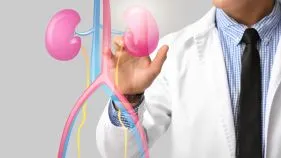
Infant Kidney Problems: Symptoms, Causes, Diagnosis, Treatment, and Expert Kidney Care

Infant Kidney Problems: Symptoms, Causes, Diagnosis, Treatment, and Expert Kidney Care

Introduction

Kidney problems in infants can range from mild urinary abnormalities to serious congenital kidney disorders that require specialized medical care. Early diagnosis is extremely important because untreated kidney disease during infancy can affect growth, development, blood pressure, and long-term kidney function.

Some kidney conditions are detected during pregnancy on prenatal ultrasound, while others become apparent after birth because of urinary infections, poor feeding, swelling, fever, abnormal urine output, or poor weight gain.

Parents should never ignore persistent urinary symptoms, unexplained fever, reduced urine output, swelling, or abnormal prenatal kidney findings. Prompt evaluation by a kidney specialist can help protect kidney function and improve long-term outcomes.

At Prabhakar Bhurke Clinic, our super specialist nephrologist provides comprehensive kidney evaluations, congenital kidney disease assessment, urinary tract evaluation, kidney-function testing, long-term monitoring, and coordinated pediatric kidney care when appropriate.


What Are Infant Kidney Problems?

Infant kidney problems refer to conditions affecting the kidneys or urinary tract during the first year of life.

These may include:

  • Congenital kidney abnormalities

  • Hydronephrosis

  • Vesicoureteral reflux (VUR)

  • Urinary tract infections

  • Kidney obstruction

  • Polycystic kidney disease

  • Kidney cysts

  • Kidney infections

  • Rare inherited kidney disorders

Some conditions are temporary, while others require long-term follow-up.


Common Signs of Kidney Problems in Infants

Symptoms can be subtle, especially in young babies.

Parents should seek medical evaluation if an infant has:

  • Fever without an obvious cause

  • Poor feeding

  • Vomiting

  • Irritability

  • Failure to gain weight

  • Swelling of the face, hands, feet, or abdomen

  • Reduced urine output

  • Very frequent urination

  • Foul-smelling urine

  • Blood in the urine

  • Persistent jaundice in some situations

  • High blood pressure

  • Abnormal prenatal ultrasound findings

Unexplained fever in infants may sometimes be caused by a urinary tract infection involving the kidneys.


Causes of Infant Kidney Problems

Congenital Hydronephrosis

Hydronephrosis is one of the most common kidney abnormalities detected before birth.

It occurs when urine drainage from the kidney is impaired, causing kidney swelling.

Some mild cases improve naturally, while more significant obstruction may require treatment.


Vesicoureteral Reflux (VUR)

VUR occurs when urine flows backward from the bladder toward the kidneys.

This increases the risk of:

  • Urinary tract infections

  • Kidney infections

  • Kidney scarring

The severity varies from mild to severe.


Urinary Tract Infection (UTI)

Infants with UTIs may present with:

  • Fever

  • Irritability

  • Vomiting

  • Poor feeding

  • Poor weight gain

Kidney involvement (pyelonephritis) requires prompt treatment.


Congenital Kidney Abnormalities

These may include:

  • Small kidneys

  • Absent kidney

  • Duplicated collecting systems

  • Structural abnormalities

  • Abnormal kidney position

Early evaluation helps determine kidney function and future monitoring needs.


Obstructive Uropathy

Blockage of urine flow can occur because of:

  • Ureteropelvic junction (UPJ) obstruction

  • Posterior urethral valves

  • Ureteral abnormalities

  • Other congenital obstructions

Persistent obstruction can damage kidney tissue if untreated.


Polycystic Kidney Disease

Inherited cystic kidney disorders may affect infants and children.

Some forms present early in life and require specialist follow-up.


Can Kidney Problems Be Detected During Pregnancy?

Yes. Many infant kidney problems are first identified on prenatal ultrasound.

Common findings include:

  • Hydronephrosis

  • Enlarged kidneys

  • Kidney cysts

  • Bladder abnormalities

  • Reduced amniotic fluid

  • Urinary tract obstruction

After birth, additional evaluation is often required.


How Are Infant Kidney Problems Diagnosed?

At Prabhakar Bhurke Clinic, our super specialist nephrologist performs a comprehensive kidney evaluation.

Medical History

Assessment includes:

  • Pregnancy history

  • Prenatal ultrasound findings

  • Birth history

  • Feeding patterns

  • Urinary symptoms

  • Fever history

  • Family history of kidney disease


Physical Examination

The doctor evaluates:

  • Growth

  • Hydration

  • Swelling

  • Blood pressure

  • Abdominal examination


Urine Tests

Urine evaluation may include:

  • Urinalysis

  • Urine culture

  • Protein testing

  • Blood testing in urine

Urine culture is particularly important when infection is suspected.


Blood Tests

Investigations may include:

  • Serum creatinine

  • Electrolytes

  • Blood urea nitrogen (BUN)

  • Kidney function assessment


Kidney Ultrasound

Ultrasound is one of the most important tests for evaluating:

  • Hydronephrosis

  • Kidney size

  • Kidney structure

  • Cysts

  • Urinary obstruction


Additional Imaging

Depending on the condition, further tests may include:

  • Voiding cystourethrogram (VCUG)

  • Nuclear kidney scan

  • CT scan in selected situations

  • MRI when indicated

These tests help evaluate reflux, obstruction, and differential kidney function.


Treatment of Infant Kidney Problems

Treatment depends on the underlying diagnosis.

Observation

Some mild hydronephrosis cases improve spontaneously.

Regular ultrasound monitoring may be recommended.


Antibiotics

Infants with urinary tract infections require appropriate antibiotic treatment.

Some babies with significant reflux or urinary abnormalities may receive preventive antibiotics in selected situations.


Surgical Treatment

Surgery may be required for:

  • Significant urinary obstruction

  • Severe hydronephrosis

  • Posterior urethral valves

  • Selected reflux cases

  • Other structural abnormalities

The timing depends on kidney function and the severity of obstruction.


Blood Pressure Management

Some kidney disorders can cause hypertension.

Blood pressure should be monitored regularly.


Long-Term Kidney Monitoring

Children with congenital kidney disorders may require periodic follow-up to monitor:

  • Kidney growth

  • Kidney function

  • Blood pressure

  • Protein in the urine

  • Recurrent infections


Can Infant Kidney Problems Affect Long-Term Health?

Yes, some kidney conditions can affect long-term kidney health if not properly managed.

Potential complications include:

  • Kidney scarring

  • Recurrent infections

  • High blood pressure

  • Chronic kidney disease

  • Reduced kidney growth

  • Proteinuria

Early diagnosis and regular follow-up significantly improve outcomes.


When Should Parents Seek Urgent Medical Care?

Seek immediate medical attention if an infant has:

  • Fever

  • Poor feeding

  • Persistent vomiting

  • Reduced urine output

  • Blood in the urine

  • Severe irritability

  • Swelling

  • Difficulty breathing

  • Lethargy

Infants can deteriorate quickly, and prompt evaluation is important.


How Can Parents Protect Their Infant's Kidneys?

Parents can help by:

  • Seeking prompt treatment for fever

  • Completing prescribed antibiotics

  • Attending follow-up ultrasound appointments

  • Monitoring urine output

  • Encouraging adequate feeding

  • Following specialist recommendations

  • Avoiding unnecessary medications

  • Reporting recurrent urinary symptoms

Regular follow-up is essential for congenital kidney conditions.


Why Choose Prabhakar Bhurke Clinic?

Patients choose Prabhakar Bhurke Clinic because we provide:

  • Consultation with a super specialist nephrologist

  • Comprehensive kidney-function evaluation

  • Congenital kidney disorder assessment

  • Hydronephrosis monitoring

  • Urinary tract evaluation

  • High creatinine assessment

  • Chronic kidney disease management

  • Long-term kidney health monitoring

  • Coordination with pediatric and urology specialists when required

  • Compassionate, evidence-based care

Our goal is to diagnose kidney problems early, protect kidney function, and support healthy growth and development.


Frequently Asked Questions (FAQs)

Can infants be born with kidney problems?

Yes. Many kidney and urinary tract abnormalities are congenital and may be detected during pregnancy or shortly after birth.

Is hydronephrosis in infants serious?

Mild hydronephrosis may improve naturally, but significant obstruction requires careful monitoring and sometimes surgical treatment.

Can a urinary infection damage an infant's kidneys?

Yes. Kidney infections can cause kidney scarring if not treated promptly.

Which doctor treats infant kidney problems?

A super specialist nephrologist evaluates kidney function, congenital kidney disorders, urinary abnormalities, hydronephrosis, and long-term kidney health.


Conclusion

Infant kidney problems require early diagnosis and appropriate specialist care because kidney disease during infancy can affect growth, development, blood pressure, and long-term kidney function. Symptoms such as fever, poor feeding, swelling, reduced urine output, urinary infections, and abnormal prenatal ultrasound findings should never be ignored.

At Prabhakar Bhurke Clinic, our super specialist nephrologist provides expert diagnosis, comprehensive kidney evaluations, congenital kidney disease assessment, personalized treatment plans, and long-term kidney care. Through early intervention and careful monitoring, we help protect kidney function and support healthy development.


Book an Appointment Today

If your infant has hydronephrosis, urinary tract infections, reduced urine output, swelling, abnormal prenatal kidney findings, recurrent fever, high creatinine, or other signs of kidney problems, schedule a consultation at Prabhakar Bhurke Clinic. Our super specialist nephrologist will perform a detailed evaluation and develop a personalized treatment and monitoring plan for your child's kidney health.


Instant Remedy for Kidney Stone Pain: Safe Relief, Emergency Care, and Expert Kidney Treatment

Instant Remedy for Kidney Stone Pain: Safe Relief, Emergency Care, and Expert Kidney Treatment

Introduction

Kidney stone pain can be one of the most severe forms of pain a person experiences. The pain often begins suddenly, may come in waves, and can spread from the back or side toward the lower abdomen or groin. Because the discomfort can be intense, many people search for an instant remedy for kidney stone pain.

While some measures may provide temporary relief, it is important to understand that severe kidney stone pain often requires medical evaluation and treatment. Home remedies may reduce discomfort temporarily, but they do not always remove the stone or treat complications such as urinary obstruction or infection.

At Prabhakar Bhurke Clinic, our super specialist nephrologist provides comprehensive kidney stone evaluation, kidney-function assessment, metabolic testing, recurrence prevention, and long-term kidney care. When a stone requires a procedure, treatment can be coordinated with an experienced urologist.


Why Is Kidney Stone Pain So Severe?

Kidney stone pain usually occurs when a stone moves into the ureter, the tube connecting the kidney and bladder.

Pain develops because:

  • The stone blocks urine flow.

  • Pressure builds up inside the kidney.

  • The ureter goes into spasm.

  • The urinary tract becomes irritated.

This produces the classic renal colic, which may be extremely painful.


Symptoms of Kidney Stone Pain

Common symptoms include:

  • Severe pain in the side or back

  • Pain below the ribs

  • Pain radiating toward the groin

  • Pain that comes in waves

  • Blood in the urine

  • Nausea

  • Vomiting

  • Burning during urination

  • Frequent urination

  • Difficulty passing urine

Severe pain should not be ignored.


Is There an Instant Remedy for Kidney Stone Pain?

The most effective immediate treatment depends on the stone's size, location, and whether complications are present.

Temporary relief may include:

  • Medical pain relief

  • Hydration when appropriate

  • Rest

  • Warm compresses

  • Medical evaluation for obstruction or infection

The safest approach is to seek medical care, especially for severe pain.


Safe Immediate Relief Measures

Rest

Remaining as comfortable as possible may help reduce movement-related discomfort.


Warm Compress

Applying gentle warmth to the affected flank area may provide temporary relief for some patients.

Avoid excessive heat, especially if fever is present.


Appropriate Hydration

Drinking water may help some small stones pass.

However, drinking excessive amounts of water is not always appropriate, particularly if:

  • Pain is severe

  • Urine flow is obstructed

  • Vomiting is present

  • Kidney function is impaired

  • Fluid restriction has been prescribed

A nephrologist can advise the appropriate fluid intake.


Medical Pain Relief

Doctors may prescribe appropriate pain-relieving medication depending on the patient's kidney function and overall health.

Patients with:

  • Chronic kidney disease

  • Reduced eGFR

  • High creatinine

  • Kidney failure

  • Certain heart conditions

should avoid self-medicating with painkillers.


What Should You Avoid?

When experiencing severe kidney stone pain, avoid:

  • Taking repeated over-the-counter painkillers without medical advice

  • Delaying medical evaluation

  • Ignoring fever

  • Ignoring reduced urine output

  • Drinking excessive fluids if vomiting or obstruction is present

Delaying treatment can increase the risk of kidney damage.


Emergency Warning Signs

Seek immediate medical attention if kidney stone pain is accompanied by:

  • Fever

  • Chills

  • Persistent vomiting

  • Inability to pass urine

  • Very low urine output

  • Severe weakness

  • Confusion

  • Uncontrolled pain

  • Known kidney disease

  • A single functioning kidney

A kidney stone causing infection and obstruction can become a medical emergency.


How Is Kidney Stone Pain Diagnosed?

At Prabhakar Bhurke Clinic, our super specialist nephrologist performs a comprehensive kidney evaluation.

Medical History and Examination

The doctor reviews:

  • Pain location

  • Pain severity

  • Urinary symptoms

  • Previous kidney stones

  • Medical history

  • Current medications


Blood Tests

Investigations may include:

  • Serum creatinine

  • eGFR

  • Blood urea nitrogen (BUN)

  • Electrolytes

  • Calcium

  • Uric acid

  • Complete blood count

These tests assess kidney function and identify complications.


Urine Tests

Urine evaluation may include:

  • Routine urinalysis

  • Urine microscopy

  • Urine culture

  • Protein testing

These tests help detect blood, infection, and kidney abnormalities.


Imaging Studies

Imaging may include:

  • Kidney ultrasound

  • Non-contrast CT scan

  • X-ray in selected cases

Imaging determines:

  • Stone size

  • Stone location

  • Degree of obstruction

  • Hydronephrosis

  • Number of stones


Treatment for Kidney Stone Pain

Treatment depends on the stone's size and location.

Medical Management

Small stones may sometimes be managed with:

  • Pain control

  • Appropriate hydration

  • Medical expulsive therapy in selected cases

  • Follow-up imaging

Not every stone requires surgery.


Medical Expulsive Therapy

Selected patients with certain ureteric stones may benefit from medicines that help relax the urinary tract and facilitate stone passage.

Treatment should always be prescribed by a healthcare professional.


Procedures for Kidney Stone Removal

Larger stones or stones causing significant symptoms may require intervention.

ESWL

Extracorporeal Shock Wave Lithotripsy (ESWL) uses shock waves to break selected stones into smaller fragments.


Ureteroscopy

A thin scope is passed through the urinary tract to remove or fragment the stone.


RIRS

Retrograde Intrarenal Surgery (RIRS) uses a flexible scope and laser technology to treat selected kidney stones.


PCNL

Percutaneous Nephrolithotomy (PCNL) is commonly used for larger or complex kidney stones.


Can a Kidney Stone Pass Naturally?

Some small stones can pass naturally.

Factors influencing passage include:

  • Stone size

  • Stone location

  • Ureteral anatomy

  • Degree of obstruction

A doctor can determine whether observation is appropriate.


How Long Does Kidney Stone Pain Last?

Pain may last:

  • Several hours

  • Several days

  • Longer if the stone remains obstructed

Intermittent pain often occurs as the stone moves through the urinary tract.

Persistent pain requires medical evaluation.


Preventing Future Kidney Stones

After a stone episode, preventing recurrence is important.

Recommendations may include:

  • Adequate fluid intake when appropriate

  • Reduced excessive salt intake

  • Appropriate dietary calcium

  • Moderation of excessive animal protein

  • Weight management

  • Treatment of urinary infections

  • Stone analysis

  • Metabolic evaluation

  • 24-hour urine testing for recurrent stone formers

Prevention should be individualized based on stone composition.


Kidney Stone Metabolic Evaluation

Patients with recurrent stones may benefit from:

  • Calcium assessment

  • Oxalate assessment

  • Citrate assessment

  • Uric acid assessment

  • Urine pH testing

  • 24-hour urine collection

This helps identify why stones are forming and guides preventive treatment.


Why Choose Prabhakar Bhurke Clinic?

Patients choose Prabhakar Bhurke Clinic for:

  • Consultation with a super specialist nephrologist

  • Comprehensive kidney stone evaluation

  • Kidney-function assessment

  • High creatinine and reduced eGFR evaluation

  • Recurrent stone prevention

  • Metabolic stone evaluation

  • Personalized treatment plans

  • Chronic kidney disease management

  • Dialysis and kidney failure care

  • Kidney transplant evaluation

  • Coordination with experienced urologists for ESWL, RIRS, ureteroscopy, and PCNL

  • Long-term kidney health monitoring

  • Compassionate, evidence-based care

Our goal is to provide rapid symptom relief while protecting long-term kidney function and reducing future stone formation.


Frequently Asked Questions (FAQs)

What is the fastest way to relieve kidney stone pain?

The fastest relief usually comes from medical pain treatment and appropriate evaluation. Severe kidney stone pain often requires professional medical care.

Can drinking water instantly relieve kidney stone pain?

Water may help some small stones pass, but it does not provide instant pain relief in most cases and may not be appropriate if significant obstruction or vomiting is present.

Can home remedies remove a kidney stone?

Home remedies generally do not remove most kidney stones. Medical evaluation is important to determine whether the stone can pass naturally or requires treatment.

Which doctor should I consult for severe kidney stone pain?

A super specialist nephrologist can evaluate kidney function, stone-related complications, and coordinate treatment with a urologist when necessary.


Conclusion

Searching for an instant remedy for kidney stone pain is understandable because kidney stones can cause extremely severe discomfort. While temporary measures such as rest, warmth, and appropriate hydration may help some patients, persistent or severe kidney stone pain requires medical evaluation. Pain relief alone is not enough if the stone is causing obstruction, infection, hydronephrosis, or declining kidney function.

At Prabhakar Bhurke Clinic, our super specialist nephrologist provides expert kidney stone diagnosis, kidney-function assessment, personalized treatment plans, metabolic evaluation, recurrence prevention, and long-term kidney care. When procedural treatment is necessary, care can be coordinated with experienced urologists to ensure the most appropriate management.


Book an Appointment Today

If you are experiencing severe kidney stone pain, blood in the urine, recurrent kidney stones, urinary obstruction, hydronephrosis, high creatinine, reduced eGFR, or repeated urinary infections, schedule a consultation at Prabhakar Bhurke Clinic. Our super specialist nephrologist will evaluate your condition and develop an individualized treatment and prevention plan to protect your kidney health and relieve your symptoms safely.

Foamy Urine and Back Pain: Causes, Kidney Warning Signs, and Expert Treatment

Foamy Urine and Back Pain: Causes, Kidney Warning Signs, and Expert Treatment

Introduction

Foamy urine and back pain occurring together can be an important warning sign that should not be ignored. While temporary foamy urine may sometimes occur because of rapid urination, persistent foamy urine combined with pain in the lower back or flank may indicate a kidney or urinary tract problem.

Kidney disease, protein leakage in the urine, kidney stones, urinary tract infections, and other kidney disorders can sometimes cause both symptoms. Early diagnosis is important because some kidney conditions can progress silently and affect kidney function if left untreated.

At Prabhakar Bhurke Clinic, our super specialist nephrologist provides comprehensive kidney evaluations, advanced diagnostic testing, kidney-function assessment, personalized treatment plans, and long-term kidney care.


Is Foamy Urine and Back Pain Related to Kidney Disease?

Yes, persistent foamy urine and back pain can be related to kidney disease or urinary tract disorders.

Foamy urine may suggest protein in the urine (proteinuria), while back or flank pain may occur with:

  • Kidney stones

  • Kidney infections

  • Urinary obstruction

  • Polycystic kidney disease

  • Glomerular diseases

  • Other kidney disorders

The combination of these symptoms should be evaluated by a nephrologist.


What Causes Foamy Urine?

Protein in the Urine

One of the most important causes of persistent foamy urine is protein leakage from damaged kidney filters.

This may occur with:

  • Chronic kidney disease

  • Diabetic kidney disease

  • Glomerulonephritis

  • Nephrotic syndrome

  • Hypertension-related kidney disease

Persistent foamy urine should never be ignored.


Concentrated Urine

Dehydration can make urine appear more concentrated and occasionally foamy.

However, dehydration usually does not cause persistent protein-related foam.


Urinary Tract Infection

Some urinary infections may cause changes in urine appearance, along with urinary discomfort and back pain.


What Causes Back Pain in Kidney Disease?

Kidney-related back pain is usually felt in the flank, which is the area on either side of the back below the ribs.

Common causes include:

Kidney Stones

Kidney stones often cause:

  • Severe flank pain

  • Pain radiating toward the groin

  • Blood in the urine

  • Nausea and vomiting


Kidney Infection (Pyelonephritis)

Symptoms may include:

  • Fever

  • Chills

  • Flank pain

  • Burning during urination

  • Frequent urination

Kidney infections require prompt medical treatment.


Polycystic Kidney Disease

Large kidney cysts may cause:

  • Persistent back pain

  • High blood pressure

  • Blood in the urine

  • Enlarged kidneys


Hydronephrosis

Urinary obstruction may cause kidney swelling and flank discomfort.


Symptoms That May Occur Along With Foamy Urine and Back Pain

Additional symptoms may include:

  • Swelling of the feet or ankles

  • Blood in the urine

  • Frequent urination

  • Night-time urination

  • Reduced urine output

  • Fatigue

  • High blood pressure

  • Fever

  • Nausea

  • Vomiting

  • Shortness of breath

These symptoms may indicate significant kidney involvement.


When Should You Seek Immediate Medical Care?

Seek urgent medical attention if you develop:

  • Severe back or flank pain

  • Fever or chills

  • Blood in the urine

  • Difficulty passing urine

  • Reduced urine output

  • Persistent vomiting

  • Swelling

  • High creatinine levels

  • Sudden worsening of symptoms

These may indicate a kidney stone obstruction, kidney infection, or acute kidney injury.


How Is Foamy Urine and Back Pain Diagnosed?

At Prabhakar Bhurke Clinic, our super specialist nephrologist performs a comprehensive kidney evaluation.

Medical History and Physical Examination

The doctor reviews:

  • Duration of foamy urine

  • Pain location

  • Urinary symptoms

  • Medical history

  • Diabetes

  • High blood pressure

  • Family history

  • Current medications


Blood Tests

Investigations may include:

  • Serum creatinine

  • Estimated glomerular filtration rate (eGFR)

  • Blood urea nitrogen (BUN)

  • Electrolytes

  • Blood sugar levels

  • Complete blood count (CBC)

These tests assess kidney function and identify infection or inflammation.


Urine Tests

Urine investigations may include:

  • Routine urinalysis

  • Protein estimation

  • Albumin-to-creatinine ratio (ACR)

  • Urine microscopy

  • Urine culture

These tests help identify protein leakage, blood, infection, and kidney damage.


Imaging Studies

Depending on the clinical situation, investigations may include:

  • Kidney ultrasound

  • CT scan

  • MRI when indicated

Imaging helps detect kidney stones, cysts, hydronephrosis, and structural abnormalities.


Additional Testing

Some patients may require:

  • Kidney biopsy

  • Autoimmune testing

  • Specialized nephrology investigations

These help identify the exact cause of kidney disease.


Treatment for Foamy Urine and Back Pain

Treatment depends on the underlying cause.

Proteinuria Management

Treatment may include:

  • Blood pressure control

  • Diabetes management

  • Kidney-protective medications

  • Dietary modification

  • Regular monitoring


Kidney Stone Treatment

Treatment may involve:

  • Pain management

  • Medical expulsive therapy in selected cases

  • ESWL

  • Ureteroscopy

  • RIRS

  • PCNL

The choice depends on stone size and location.


Kidney Infection Treatment

Kidney infections require appropriate antibiotic therapy and close follow-up.


Hydronephrosis Treatment

Treatment focuses on relieving urinary obstruction and protecting kidney function.


Can Foamy Urine and Back Pain Go Away Naturally?

Temporary foamy urine caused by dehydration may improve with adequate hydration.

However, persistent foamy urine should not be treated only with home remedies.

Back pain caused by kidney stones, infection, obstruction, or kidney disease requires medical evaluation.

Delaying treatment can increase the risk of kidney damage.


How to Protect Your Kidneys

Support kidney health by:

  • Drinking adequate fluids unless medically restricted

  • Controlling diabetes

  • Managing blood pressure

  • Reducing excessive salt intake

  • Maintaining a healthy weight

  • Exercising regularly

  • Avoiding smoking

  • Limiting unnecessary painkiller use

  • Treating urinary infections promptly

  • Having regular kidney-function tests

These measures help reduce the risk of chronic kidney disease.


Why Choose Prabhakar Bhurke Clinic?

Patients choose Prabhakar Bhurke Clinic because we provide:

  • Consultation with a super specialist nephrologist

  • Comprehensive kidney-function evaluation

  • Proteinuria assessment

  • Kidney stone diagnosis and prevention

  • Chronic kidney disease management

  • High creatinine and reduced eGFR evaluation

  • Dialysis and kidney failure care

  • Kidney transplant evaluation

  • Long-term kidney health monitoring

  • Compassionate, evidence-based care

Our goal is to identify kidney disease early, preserve kidney function, and improve long-term health outcomes.


Frequently Asked Questions (FAQs)

Is foamy urine always a sign of kidney disease?

No. Temporary foamy urine may occur with concentrated urine or rapid urination, but persistent foamy urine should be evaluated for protein leakage and kidney disease.

Can kidney stones cause foamy urine?

Kidney stones may sometimes be associated with urinary changes, but persistent foamy urine more commonly suggests protein in the urine.

Which doctor should I see for foamy urine and back pain?

A super specialist nephrologist can evaluate kidney function, proteinuria, kidney stones, infections, and other kidney disorders.

Can dehydration cause both symptoms?

Dehydration may cause temporary concentrated urine and muscle-related back discomfort, but persistent foamy urine and flank pain require medical evaluation.


Conclusion

Foamy urine and back pain can be important warning signs of kidney disease, protein leakage, kidney stones, urinary obstruction, or kidney infection. While some cases may have a temporary or less serious cause, persistent foamy urine should never be ignored, especially when accompanied by flank pain, swelling, blood in the urine, fever, or abnormal kidney-function tests.

At Prabhakar Bhurke Clinic, our super specialist nephrologist provides expert diagnosis, comprehensive kidney evaluations, advanced diagnostic testing, personalized treatment plans, and long-term kidney care. Through early diagnosis and evidence-based treatment, we help patients protect their kidneys and improve their overall health.


Book an Appointment Today

If you are experiencing persistent foamy urine, back or flank pain, blood in the urine, kidney stone symptoms, swelling, high creatinine, reduced eGFR, or other signs of kidney dysfunction, schedule a consultation at Prabhakar Bhurke Clinic. Our super specialist nephrologist will perform a detailed evaluation and develop a personalized treatment plan to protect your kidney health and long-term well-being.

Treatment of Rheumatoid Arthritis in Renal Failure: Safe Management, Medications, and Expert Kidney Care

Treatment of Rheumatoid Arthritis in Renal Failure: Safe Management, Medications, and Expert Kidney Care

Introduction

Managing rheumatoid arthritis (RA) in patients with renal failure can be challenging because many arthritis medications are processed through the kidneys or may affect kidney function. People with both rheumatoid arthritis and kidney disease require careful treatment planning to control joint inflammation while protecting remaining kidney function.

The treatment of rheumatoid arthritis in renal failure should always be individualized based on the stage of kidney disease, dialysis status, liver function, infection risk, cardiovascular health, and the severity of arthritis symptoms. Self-medication with painkillers or over-the-counter arthritis medicines can be dangerous in patients with kidney dysfunction.

At Prabhakar Bhurke Clinic, our super specialist nephrologist works closely with rheumatology and other specialists when needed to provide comprehensive care for patients with chronic kidney disease, dialysis, kidney failure, and autoimmune conditions such as rheumatoid arthritis.


What Is Rheumatoid Arthritis?

Rheumatoid arthritis is a chronic autoimmune disease in which the immune system attacks the joints, causing:

  • Joint pain

  • Swelling

  • Morning stiffness

  • Fatigue

  • Reduced mobility

  • Progressive joint damage if untreated

RA can also affect organs outside the joints, including the lungs, heart, blood vessels, and kidneys.


How Does Renal Failure Affect Rheumatoid Arthritis Treatment?

Renal failure changes how the body handles many medications.

Patients with kidney disease may have:

  • Reduced drug clearance

  • Higher risk of medication toxicity

  • Increased bleeding risk

  • Greater susceptibility to infections

  • Electrolyte abnormalities

  • Cardiovascular complications

Because of these factors, arthritis treatment often requires dose adjustments, medication selection, and close monitoring.


Can Rheumatoid Arthritis Affect the Kidneys?

Yes. RA may affect the kidneys directly or indirectly.

Possible kidney-related complications include:

  • Chronic kidney disease

  • Amyloidosis

  • Glomerulonephritis

  • Medication-related kidney injury

  • Reduced kidney function associated with long-standing inflammation

Patients with RA should have periodic kidney function testing.


Goals of Treatment

Treatment aims to:

  • Reduce joint inflammation

  • Relieve pain

  • Preserve joint function

  • Prevent joint damage

  • Protect kidney function

  • Improve quality of life

  • Reduce cardiovascular risk

Management should balance arthritis control with kidney safety.


Medications Used in Rheumatoid Arthritis with Renal Failure

NSAIDs (Painkillers)

Common pain-relieving medicines such as ibuprofen, diclofenac, and naproxen may worsen kidney function.

In patients with:

  • Chronic kidney disease

  • Reduced eGFR

  • Dialysis

  • Kidney failure

NSAIDs are often avoided or used only under strict medical supervision.

Patients should never take these medicines regularly without consulting a nephrologist.


Corticosteroids

Steroids may help control inflammation, particularly during arthritis flares.

However, long-term steroid use can cause:

  • High blood pressure

  • Diabetes

  • Osteoporosis

  • Fluid retention

  • Increased infection risk

The lowest effective dose is generally preferred.


Conventional DMARDs

Disease-modifying antirheumatic drugs (DMARDs) are the mainstay of RA treatment.

In renal failure, some DMARDs require dose adjustment or careful monitoring.

Medication choice depends on:

  • Kidney function

  • Dialysis status

  • Liver function

  • Blood counts

  • Infection history

Treatment decisions should be made jointly by the treating specialists.


Biologic Therapies

Biologic medicines may be considered in selected patients with moderate to severe rheumatoid arthritis.

These medications require careful evaluation because they may increase infection risk.

Kidney disease does not automatically prevent biologic therapy, but treatment should be individualized.


Pain Management in Renal Failure

Safer pain management strategies may include:

  • Acetaminophen (paracetamol) in appropriate doses

  • Topical treatments

  • Physical therapy

  • Joint protection techniques

  • Exercise programs

  • Weight management

  • Heat and cold therapy

The safest pain medicine depends on the patient's kidney function and overall medical condition.


Rheumatoid Arthritis in Dialysis Patients

Patients receiving dialysis may continue to have active rheumatoid arthritis.

Special considerations include:

  • Medication timing around dialysis sessions

  • Drug removal during dialysis

  • Infection prevention

  • Bone health

  • Anemia management

  • Cardiovascular risk reduction

Regular coordination between the nephrologist and rheumatologist is important.


Lifestyle Measures That May Help

Lifestyle measures can support medical treatment.

Recommendations may include:

  • Regular gentle exercise

  • Stretching exercises

  • Maintaining a healthy weight

  • Adequate sleep

  • Stress management

  • Smoking cessation

  • Balanced nutrition

  • Following kidney-friendly dietary advice when applicable

Exercise programs should be individualized.


Kidney-Friendly Diet Considerations

Patients with both RA and kidney disease may require dietary modification.

Depending on kidney function, dietary recommendations may involve:

  • Salt restriction

  • Protein management

  • Potassium control

  • Phosphorus management

  • Fluid regulation

  • Adequate calorie intake

A renal dietitian can help develop an individualized plan.


Monitoring During Treatment

Patients with rheumatoid arthritis and renal failure require regular monitoring.

This may include:

  • Serum creatinine

  • eGFR

  • Electrolytes

  • Liver function tests

  • Blood counts

  • Urine protein

  • Blood pressure

  • Inflammatory markers

  • Medication side effects

Monitoring helps ensure treatment remains both effective and safe.


When Should You See a Nephrologist?

Consult a super specialist nephrologist if you have rheumatoid arthritis along with:

  • High creatinine

  • Reduced eGFR

  • Swelling

  • Foamy urine

  • Blood in the urine

  • High blood pressure

  • Dialysis

  • Kidney transplant

  • Recurrent kidney stones

  • Persistent electrolyte abnormalities

Early nephrology involvement can help preserve kidney function and optimize medication safety.


How Is Kidney Function Evaluated?

At Prabhakar Bhurke Clinic, our super specialist nephrologist performs a comprehensive kidney assessment.

Blood Tests

Investigations may include:

  • Serum creatinine

  • eGFR

  • Blood urea nitrogen (BUN)

  • Electrolytes

  • Calcium and phosphorus

  • Hemoglobin


Urine Tests

Urine evaluation may include:

  • Routine urinalysis

  • Protein estimation

  • Albumin-to-creatinine ratio

  • Urine microscopy


Imaging

When indicated:

  • Kidney ultrasound

  • CT scan

  • MRI in selected situations


Why Choose Prabhakar Bhurke Clinic?

Patients choose Prabhakar Bhurke Clinic because we provide:

  • Consultation with a super specialist nephrologist

  • Comprehensive kidney-function evaluation

  • Chronic kidney disease management

  • Dialysis care

  • Kidney failure treatment

  • Medication safety assessment

  • Electrolyte management

  • Personalized treatment plans

  • Coordination with rheumatology specialists

  • Long-term kidney health monitoring

  • Compassionate, evidence-based care

Our goal is to control rheumatoid arthritis while protecting kidney function and improving overall health outcomes.


Frequently Asked Questions (FAQs)

Can rheumatoid arthritis medicines damage the kidneys?

Yes. Some arthritis medications may affect kidney function or require dose adjustment in patients with kidney disease.

Are painkillers safe in renal failure?

Many NSAID painkillers can worsen kidney function and should generally be avoided unless specifically recommended by a doctor.

Can dialysis patients receive rheumatoid arthritis treatment?

Yes. Dialysis patients can receive RA treatment, but medication selection and dosing require careful specialist supervision.

Which doctor should manage rheumatoid arthritis with kidney failure?

A super specialist nephrologist should evaluate kidney function and medication safety, while arthritis management is often coordinated with a rheumatologist.


Conclusion

The treatment of rheumatoid arthritis in renal failure requires a careful balance between controlling joint inflammation and protecting kidney function. Many commonly used arthritis medications require dose adjustment or may not be appropriate in advanced kidney disease. Early specialist evaluation, regular monitoring, and individualized treatment are essential for safe and effective management.

At Prabhakar Bhurke Clinic, our super specialist nephrologist provides expert kidney evaluation, medication safety assessment, dialysis care, chronic kidney disease management, and coordinated care for patients with rheumatoid arthritis and renal failure. Through comprehensive treatment and long-term follow-up, we help patients protect their kidneys while improving joint health and quality of life.


Book an Appointment Today

If you have rheumatoid arthritis with chronic kidney disease, high creatinine, reduced eGFR, dialysis, kidney failure, swelling, protein in the urine, or concerns about arthritis medications and kidney health, schedule a consultation at Prabhakar Bhurke Clinic. Our super specialist nephrologist will evaluate your kidney function, review your medications, and develop a personalized treatment plan to protect your kidneys and manage rheumatoid arthritis safely.

Foamy Urine and Back Pain: Causes, Kidney Warning Signs, and Expert Treatment

Hydronephrosis Natural Treatment: Can It Improve Without Surgery? Expert Kidney Care Guide

Introduction

Hydronephrosis is a condition in which one or both kidneys become swollen because urine cannot drain properly from the kidney. Many people search for hydronephrosis natural treatment hoping to relieve symptoms and avoid surgery. While lifestyle measures may support overall urinary and kidney health, it is important to understand that hydronephrosis is usually a sign of an underlying obstruction or urinary drainage problem, and treatment should focus on identifying and correcting the cause.

Mild hydronephrosis may sometimes improve when the underlying cause resolves, but delaying appropriate medical evaluation can lead to kidney damage, recurrent infections, and loss of kidney function. Natural remedies should never replace medical assessment, especially when hydronephrosis is associated with pain, fever, reduced urine output, kidney stones, or abnormal kidney function tests.

At Prabhakar Bhurke Clinic, our super specialist nephrologist provides comprehensive kidney evaluations, hydronephrosis assessment, kidney-function testing, treatment planning, and long-term kidney care. When surgical or urological intervention is required, care can be coordinated with an experienced urologist.


What Is Hydronephrosis?

Hydronephrosis occurs when urine backs up into the kidney because of a blockage or impaired urine drainage. The accumulated urine stretches the kidney's collecting system, causing swelling.

Hydronephrosis may affect:

  • One kidney (unilateral hydronephrosis)

  • Both kidneys (bilateral hydronephrosis)

The condition can be mild, moderate, or severe depending on the degree of swelling and obstruction.


Can Hydronephrosis Be Treated Naturally?

The answer depends on the underlying cause.

Natural or supportive measures may help improve general urinary and kidney health, but they usually do not remove a urinary obstruction caused by a kidney stone, ureteral narrowing, enlarged prostate, tumor, or significant structural abnormality.

For example:

  • A small kidney stone may sometimes pass naturally.

  • Pregnancy-related mild hydronephrosis may improve after delivery.

  • Temporary obstruction may resolve in selected cases.

However, persistent hydronephrosis requires medical evaluation.


Common Causes of Hydronephrosis

Understanding the cause is essential before considering treatment.

Kidney Stones

One of the most common causes of hydronephrosis is blockage of the ureter by a stone.


Ureteral Obstruction

Narrowing or blockage of the ureter can impair urine drainage.


Enlarged Prostate

In men, urinary obstruction caused by an enlarged prostate can lead to hydronephrosis.


Pregnancy

Pregnancy can sometimes cause temporary hydronephrosis because of pressure on the ureters.


Congenital Abnormalities

Some people are born with structural abnormalities affecting urine flow.


Tumors or Masses

Growths affecting the urinary tract may obstruct urine drainage.


Scar Tissue or Previous Surgery

Scarring may occasionally contribute to urinary obstruction.


Symptoms of Hydronephrosis

Symptoms may include:

  • Flank or back pain