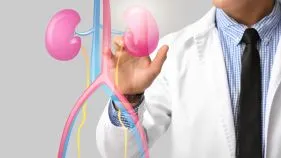
Symptoms of Kidney Infection in Child: Causes, Signs, Diagnosis, Treatment, and Prevention

Symptoms of Kidney Infection in Child: Causes, Signs, Diagnosis, Treatment, and Prevention

Introduction

A kidney infection (pyelonephritis) in a child is a serious urinary tract infection that affects one or both kidneys. Unlike a simple bladder infection, a kidney infection requires prompt medical attention because delayed treatment may lead to kidney damage, recurrent infections, high blood pressure, or long-term kidney problems.

Children, especially infants and young toddlers, may not always be able to describe their symptoms, making early recognition extremely important. Parents should seek immediate medical evaluation if a child develops fever, pain during urination, vomiting, or unexplained irritability.

At Prabhakar Bhurke Clinic, our super specialist nephrologist provides comprehensive evaluation, diagnosis, treatment, and long-term follow-up for kidney infections and other pediatric kidney disorders while coordinating care with pediatric specialists whenever required.


What Is a Kidney Infection?

A kidney infection occurs when bacteria travel from the bladder to one or both kidneys.

It is considered a more serious form of urinary tract infection (UTI) and requires prompt treatment to prevent permanent kidney damage.

Most kidney infections are caused by bacteria that normally live in the digestive tract and enter the urinary system.


Symptoms of Kidney Infection in Children

Symptoms vary depending on the child's age.

High Fever

A sudden high fever is one of the most common signs.

Children may develop:

  • Fever above 38°C (100.4°F)

  • Chills

  • Sweating

Persistent fever without an obvious cause should be evaluated.


Pain During Urination

Children may complain of:

  • Burning while passing urine

  • Pain during urination

  • Crying while urinating (especially infants)


Frequent Urination

The child may:

  • Urinate more often

  • Feel an urgent need to urinate

  • Pass only small amounts of urine


Flank or Back Pain

Older children may complain of:

  • Pain in the side

  • Lower back pain

  • Pain below the ribs

This may indicate involvement of the kidneys.


Abdominal Pain

Some children experience:

  • Stomach pain

  • Lower abdominal discomfort

  • General abdominal tenderness


Vomiting and Nausea

Kidney infections often cause:

  • Nausea

  • Vomiting

  • Poor feeding in infants


Irritability

Infants may become:

  • Unusually fussy

  • Difficult to console

  • Less active than usual

Irritability with fever may be an important sign.


Poor Appetite

Children may refuse food or drink and appear less interested in eating.


Cloudy or Foul-Smelling Urine

Urine may appear:

  • Cloudy

  • Strong-smelling

  • Occasionally blood-stained


Bedwetting

Children who were previously toilet trained may suddenly begin wetting the bed due to a urinary infection.


Causes of Kidney Infection in Children

Kidney infections commonly occur when bacteria spread from the bladder to the kidneys.

Common causes include:

  • Urinary tract infections (UTIs)

  • Vesicoureteral reflux (VUR)

  • Urinary tract obstruction

  • Congenital urinary tract abnormalities

  • Incomplete bladder emptying

  • Constipation

  • Poor toilet hygiene

Identifying the underlying cause helps prevent recurrence.


Risk Factors

Children are more likely to develop kidney infections if they have:

  • Previous urinary tract infections

  • Vesicoureteral reflux

  • Congenital urinary tract abnormalities

  • Kidney stones

  • Constipation

  • Weak immune system

  • Diabetes (rare in children)

Girls generally have a slightly higher risk because of the shorter urethra.


Possible Complications

Without timely treatment, kidney infections may cause:

  • Kidney scarring

  • Recurrent urinary tract infections

  • High blood pressure

  • Reduced kidney function

  • Bloodstream infection (sepsis)

  • Chronic kidney disease in severe cases

Early treatment significantly reduces these risks.


How Is Kidney Infection Diagnosed?

At Prabhakar Bhurke Clinic, our super specialist nephrologist performs a thorough kidney evaluation.

Medical History and Physical Examination

The doctor evaluates:

  • Fever

  • Urinary symptoms

  • Pain location

  • Previous infections

  • Family history

  • Growth and development


Urine Tests

Urine investigations include:

  • Routine urinalysis

  • Urine microscopy

  • Urine culture and sensitivity

These tests identify infection-causing bacteria and guide antibiotic treatment.


Blood Tests

Investigations may include:

  • Complete Blood Count (CBC)

  • Serum Creatinine

  • Blood Urea Nitrogen (BUN)

  • Electrolytes

  • Inflammatory markers when indicated

These tests assess kidney function and infection severity.


Imaging Studies

Depending on the child's condition, investigations may include:

  • Kidney Ultrasound

  • Voiding Cystourethrogram (VCUG) when indicated

  • DMSA scan in selected cases

Imaging helps identify structural abnormalities or kidney scarring.


Treatment for Kidney Infection in Children

Treatment depends on the severity of infection.

Antibiotics

Appropriate antibiotics are the main treatment for kidney infections.

The choice depends on:

  • Child's age

  • Severity of infection

  • Urine culture results

Completing the full course of antibiotics is essential.


Hydration

Adequate fluid intake helps maintain hydration and supports recovery.

Fluid recommendations should follow medical advice.


Fever and Pain Management

Medicines may be prescribed to reduce:

  • Fever

  • Pain

  • Discomfort

Parents should avoid giving medicines without medical guidance.


Hospital Admission

Hospital treatment may be required if the child has:

  • Severe infection

  • Persistent vomiting

  • Dehydration

  • Very young age

  • Poor response to oral medication

Intravenous antibiotics may be necessary.


How Can Kidney Infections Be Prevented?

Parents can reduce the risk by:

  • Encouraging regular urination

  • Treating constipation promptly

  • Maintaining good toilet hygiene

  • Ensuring adequate hydration

  • Completing treatment for bladder infections

  • Following up for recurrent UTIs

  • Managing congenital urinary abnormalities appropriately

Preventive care is especially important for children with repeated infections.


When Should You See a Nephrologist?

Consult a super specialist nephrologist if your child has:

  • Recurrent urinary tract infections

  • Kidney infection

  • High fever with urinary symptoms

  • Blood in urine

  • Kidney abnormalities on ultrasound

  • Vesicoureteral reflux

  • High creatinine levels

  • Reduced kidney function

Early specialist care helps protect long-term kidney health.


Why Choose Prabhakar Bhurke Clinic?

Parents trust Prabhakar Bhurke Clinic because we provide:

  • Consultation with a super specialist nephrologist

  • Comprehensive kidney evaluations

  • Advanced diagnostic testing

  • Personalized treatment plans

  • Expertise in pediatric kidney disorders

  • Long-term kidney health monitoring

  • Management of recurrent urinary tract infections

  • Compassionate, evidence-based patient care

Our goal is to diagnose kidney problems early and help children maintain healthy kidney function throughout life.


Frequently Asked Questions (FAQs)

Can a kidney infection in a child be serious?

Yes. Untreated kidney infections may lead to kidney scarring, recurrent infections, and long-term kidney complications.

What is the first sign of a kidney infection in children?

High fever, pain during urination, vomiting, frequent urination, or unexplained irritability are common early signs.

Can kidney infections return?

Yes. Some children experience recurrent infections, especially if they have urinary tract abnormalities or vesicoureteral reflux.

Which doctor treats kidney infections in children?

A super specialist nephrologist evaluates kidney infections, kidney function, recurrent UTIs, and long-term kidney health while coordinating care with pediatric specialists when needed.


Conclusion

The symptoms of kidney infection in children should never be ignored. High fever, pain during urination, vomiting, frequent urination, abdominal pain, or back pain may indicate a serious kidney infection that requires prompt medical attention. Early diagnosis and appropriate treatment help prevent kidney damage and ensure healthy kidney development.

At Prabhakar Bhurke Clinic, our super specialist nephrologist provides expert diagnosis, comprehensive kidney evaluations, personalized treatment plans, and long-term follow-up for children with kidney infections and urinary tract disorders. Through timely intervention and compassionate care, we help protect your child's kidney health for the future.


Book an Appointment Today

If your child is experiencing high fever, painful urination, frequent urination, vomiting, back pain, recurrent urinary tract infections, blood in the urine, or other symptoms of a kidney infection, schedule a consultation at Prabhakar Bhurke Clinic. Our super specialist nephrologist will perform a detailed evaluation and develop a personalized treatment plan to ensure the best possible kidney health for your child.

Pathri Treatment: Kidney Stone Treatment, Symptoms, Causes, and Expert Kidney Care

Pathri Treatment: Kidney Stone Treatment, Symptoms, Causes, and Expert Kidney Care

Introduction

Pathri (Kidney Stones) is one of the most common kidney disorders affecting people of all ages. Kidney stones are hard deposits made of minerals and salts that form inside the kidneys. While some small stones pass naturally through urine, larger stones can cause severe pain, urinary blockage, infection, and kidney damage if left untreated.

The good news is that with early diagnosis and appropriate treatment, most kidney stones can be managed successfully. Treatment depends on the size, location, composition of the stone, and the patient's overall health.

At Prabhakar Bhurke Clinic, our super specialist nephrologist provides comprehensive kidney stone evaluation, personalized treatment plans, kidney function assessment, prevention strategies, and long-term kidney care to help patients recover safely and reduce the risk of recurrence.


What Is Pathri (Kidney Stone)?

A kidney stone is a hard mass formed when minerals and salts in urine crystallize and stick together.

Stones may develop in:

  • Kidneys

  • Ureters

  • Bladder

  • Urinary tract

The size of a stone can range from tiny crystals to larger stones that may obstruct urine flow.


Types of Kidney Stones

Different types of stones require different treatment approaches.

Calcium Stones

The most common type of kidney stone.

Usually made of calcium oxalate or calcium phosphate.


Uric Acid Stones

Often seen in people with:

  • High uric acid levels

  • Gout

  • High-protein diets


Struvite Stones

Usually develop following repeated urinary tract infections.

These stones may grow rapidly.


Cystine Stones

A rare type caused by an inherited condition called cystinuria.


Symptoms of Kidney Stones

Small stones may not cause symptoms until they move into the ureter.

Common symptoms include:

  • Severe pain in the lower back or side (flank pain)

  • Pain radiating to the lower abdomen or groin

  • Blood in urine

  • Burning during urination

  • Frequent urge to urinate

  • Cloudy or foul-smelling urine

  • Nausea and vomiting

  • Difficulty passing urine

  • Restlessness due to severe pain

If fever and chills occur, immediate medical attention is required because infection may be present.


Causes of Kidney Stones

Several factors contribute to stone formation.

Common causes include:

  • Inadequate water intake

  • High salt intake

  • Excess animal protein

  • High oxalate foods

  • Obesity

  • Family history of kidney stones

  • Recurrent urinary infections

  • Certain metabolic disorders

  • Hyperparathyroidism

  • Some medications

Identifying the underlying cause helps prevent recurrence.


Risk Factors

You may be at higher risk if you have:

  • Previous kidney stones

  • Family history

  • Diabetes

  • Obesity

  • Chronic dehydration

  • High blood pressure

  • Frequent urinary infections

  • Certain digestive disorders


How Is Pathri Diagnosed?

At Prabhakar Bhurke Clinic, our super specialist nephrologist performs a comprehensive kidney evaluation.

Medical History and Physical Examination

Your doctor reviews:

  • Pain pattern

  • Previous stone history

  • Family history

  • Diet

  • Water intake

  • Current medications


Blood Tests

Important investigations include:

  • Serum Creatinine

  • Estimated Glomerular Filtration Rate (eGFR)

  • Blood Urea Nitrogen (BUN)

  • Calcium

  • Uric Acid

  • Electrolytes

These tests assess kidney function and identify contributing factors.


Urine Tests

Urine evaluation helps detect:

  • Blood

  • Infection

  • Crystals

  • Stone-forming substances

  • Protein

Urine culture may be recommended if infection is suspected.


Imaging Studies

Imaging helps determine:

  • Stone size

  • Stone location

  • Urinary obstruction

  • Kidney swelling

Investigations may include:

  • Kidney Ultrasound

  • Non-contrast CT Scan (CT KUB)

  • X-ray in selected cases


Pathri Treatment Options

Treatment depends on the stone size, symptoms, and overall kidney health.

Conservative (Non-Surgical) Treatment

Small stones often pass naturally.

Your nephrologist may recommend:

  • Adequate hydration (when medically appropriate)

  • Pain management

  • Medicines to relax the ureter and assist stone passage

  • Regular monitoring

Many small stones pass without surgery.


Medical Management

Medicines may be prescribed to:

  • Relieve pain

  • Reduce ureteric spasm

  • Prevent infection

  • Prevent recurrence based on stone type

Treatment is individualized according to each patient's condition.


Advanced Kidney Stone Treatment

Larger stones or obstructing stones may require minimally invasive procedures.

Ureteroscopy (URS)

A thin telescope is inserted through the urinary tract to remove or break the stone.


Laser Lithotripsy

Laser energy is used to fragment stones into very small pieces that can pass naturally.

This is one of the most commonly used minimally invasive treatments.


Extracorporeal Shock Wave Lithotripsy (ESWL)

Shock waves are used to break selected kidney stones into smaller fragments.

Not all stones are suitable for ESWL.


Percutaneous Nephrolithotomy (PCNL)

Large or complex kidney stones may require PCNL, a minimally invasive procedure performed through a small incision in the back.

Our nephrologist coordinates treatment with experienced urology specialists whenever surgical stone removal is required.


Can Kidney Stones Be Prevented?

Yes. Preventive measures include:

  • Drinking adequate water unless medically restricted

  • Limiting salt intake

  • Maintaining a healthy weight

  • Eating a balanced diet

  • Managing diabetes and blood pressure

  • Avoiding excessive animal protein when advised

  • Following stone-specific dietary recommendations

  • Regular kidney check-ups

Stone analysis helps guide long-term prevention.


Possible Complications

If untreated, kidney stones may cause:

  • Severe renal colic

  • Urinary tract obstruction

  • Kidney infection

  • Hydronephrosis

  • Reduced kidney function

  • Acute kidney injury

  • Recurrent stone formation

Early treatment helps prevent these complications.


When Should You Consult a Nephrologist?

Consult a super specialist nephrologist if you experience:

  • Severe flank pain

  • Blood in urine

  • Recurrent kidney stones

  • High creatinine levels

  • Reduced eGFR

  • Frequent urinary infections

  • Persistent urinary symptoms

  • Known kidney disease

Prompt specialist evaluation helps preserve kidney function.


Why Choose Prabhakar Bhurke Clinic?

Patients trust Prabhakar Bhurke Clinic because we provide:

  • Consultation with a super specialist nephrologist

  • Comprehensive kidney stone evaluation

  • Advanced kidney function testing

  • Personalized treatment plans

  • Expertise in kidney stones and chronic kidney disease

  • Long-term kidney stone prevention strategies

  • Coordination for minimally invasive stone removal procedures

  • Dialysis planning and kidney transplant evaluation when required

  • Compassionate, evidence-based patient care

Our goal is to relieve symptoms, preserve kidney function, and prevent future stone formation.


Frequently Asked Questions (FAQs)

Can kidney stones be treated without surgery?

Yes. Many small kidney stones pass naturally with medications, hydration, and medical supervision.

Is laser treatment safe for kidney stones?

Laser lithotripsy is a widely used minimally invasive procedure that effectively breaks stones into smaller fragments.

How long does it take to recover after kidney stone treatment?

Recovery depends on the treatment performed, stone size, and overall health. Many minimally invasive procedures allow faster recovery.

Which doctor treats kidney stones?

A super specialist nephrologist evaluates kidney stones, kidney function, and long-term prevention while coordinating advanced surgical treatment with experienced urology specialists when required.


Conclusion

Pathri (kidney stones) can cause severe pain and urinary problems, but early diagnosis and appropriate treatment can prevent complications and protect kidney health. Treatment depends on the size and location of the stone and may range from medical management to minimally invasive procedures such as laser lithotripsy or PCNL.

At Prabhakar Bhurke Clinic, our super specialist nephrologist provides expert diagnosis, comprehensive kidney stone evaluation, personalized treatment plans, and long-term prevention strategies. Through advanced medical care and patient-focused treatment, we help patients recover safely and maintain healthy kidneys.


Book an Appointment Today

If you are experiencing severe back or flank pain, blood in the urine, recurrent kidney stones, urinary blockage, high creatinine levels, reduced eGFR, or symptoms of kidney stones, schedule a consultation at Prabhakar Bhurke Clinic. Our super specialist nephrologist will evaluate your condition and develop a personalized treatment plan to relieve your symptoms and protect your kidney health.

RCC Nephrectomy: Kidney Cancer Surgery, Recovery, and Expert Kidney Care

RCC Nephrectomy: Kidney Cancer Surgery, Recovery, and Expert Kidney Care

Introduction

Renal Cell Carcinoma (RCC) is the most common type of kidney cancer in adults. When diagnosed early, surgery is often the most effective treatment. One of the primary surgical procedures performed for kidney cancer is RCC nephrectomy, which involves removing part or all of the affected kidney depending on the size, location, and stage of the tumor.

Early diagnosis and timely treatment significantly improve outcomes. After surgery, ongoing follow-up with a nephrologist is essential to monitor kidney function, protect the remaining kidney, and manage long-term kidney health.

At Prabhakar Bhurke Clinic, our super specialist nephrologist provides comprehensive kidney evaluations, pre- and post-nephrectomy kidney care, chronic kidney disease management, and long-term monitoring for patients undergoing treatment for kidney cancer.


What Is Renal Cell Carcinoma (RCC)?

Renal Cell Carcinoma (RCC) is a cancer that develops from the cells lining the small filtering tubes of the kidneys.

It accounts for the majority of kidney cancers in adults.

RCC may remain unnoticed during its early stages because many patients do not experience symptoms until the tumor becomes larger.


What Is RCC Nephrectomy?

RCC nephrectomy is a surgical procedure performed to remove kidney cancer.

Depending on the individual case, surgery may involve:

Partial Nephrectomy

Only the tumor and a small amount of surrounding healthy tissue are removed.

This approach aims to preserve as much normal kidney function as possible and is commonly recommended for:

  • Small kidney tumors

  • Early-stage kidney cancer

  • Patients with a single functioning kidney

  • Individuals at risk of chronic kidney disease


Radical Nephrectomy

The entire affected kidney is removed.

In some cases, nearby tissues, surrounding fat, adrenal gland, or lymph nodes may also be removed if required.

The choice between partial and radical nephrectomy depends on tumor characteristics and the patient's overall health.


When Is RCC Nephrectomy Recommended?

Your healthcare team may recommend nephrectomy if:

  • Kidney cancer is confirmed

  • Imaging shows a suspicious kidney mass

  • The tumor is localized to the kidney

  • Surgery offers the best chance of cure

  • Kidney function allows safe removal

Treatment decisions are individualized after careful evaluation.


Symptoms of Renal Cell Carcinoma

Many patients have no symptoms during the early stages.

Possible symptoms include:

  • Blood in the urine

  • Flank pain

  • Persistent lower back pain

  • Lump in the side or abdomen

  • Unexplained weight loss

  • Fatigue

  • Fever without infection

  • Loss of appetite

Some kidney cancers are discovered incidentally during imaging performed for other reasons.


Causes and Risk Factors

Several factors increase the risk of RCC.

These include:

  • Smoking

  • High blood pressure

  • Obesity

  • Chronic kidney disease

  • Long-term dialysis

  • Family history of kidney cancer

  • Certain inherited genetic conditions

  • Increasing age

Although these factors increase risk, kidney cancer can also occur without obvious risk factors.


How Is RCC Diagnosed?

At Prabhakar Bhurke Clinic, our super specialist nephrologist performs a comprehensive kidney evaluation and coordinates care with experienced urology and oncology specialists when surgery is required.

Medical History and Physical Examination

The doctor reviews:

  • Symptoms

  • Medical history

  • Family history

  • Current medications

  • Kidney disease history


Blood Tests

Investigations may include:

  • Serum Creatinine

  • Estimated Glomerular Filtration Rate (eGFR)

  • Complete Blood Count (CBC)

  • Liver Function Tests

  • Electrolytes

These tests help evaluate kidney function before surgery.


Urine Tests

Urine evaluation may detect:

  • Blood

  • Protein

  • Infection


Imaging Studies

Imaging is essential for diagnosis and surgical planning.

Investigations may include:

  • Kidney Ultrasound

  • Contrast-enhanced CT Scan

  • MRI when indicated

These tests determine:

  • Tumor size

  • Tumor location

  • Spread of disease

  • Kidney anatomy


Biopsy

A biopsy may be recommended in selected situations, although many kidney tumors are treated based on imaging findings.


How Is RCC Nephrectomy Performed?

The surgical approach depends on the tumor and patient factors.

Procedures may be performed using:

  • Open surgery

  • Laparoscopic surgery

  • Robot-assisted surgery

Minimally invasive techniques may reduce pain, blood loss, and recovery time in suitable patients.


Recovery After RCC Nephrectomy

Recovery varies depending on the type of surgery.

Patients generally require:

  • Hospital observation

  • Pain management

  • Wound care

  • Gradual return to daily activities

  • Regular follow-up appointments

Most patients are encouraged to walk soon after surgery to support recovery.


Kidney Function After Nephrectomy

Many people continue to live healthy lives with one functioning kidney.

However, regular monitoring is important to assess:

  • Kidney function

  • Blood pressure

  • Protein in urine

  • Long-term kidney health

Patients with diabetes, hypertension, or pre-existing kidney disease require closer monitoring.


Long-Term Kidney Care After Surgery

After nephrectomy, protecting the remaining kidney becomes a priority.

Recommendations include:

  • Regular nephrology follow-up

  • Blood pressure control

  • Diabetes management

  • Healthy diet

  • Maintaining ideal body weight

  • Staying hydrated as advised

  • Avoiding smoking

  • Avoiding unnecessary painkiller use (NSAIDs)

These measures help preserve kidney function.


Possible Complications

Although nephrectomy is generally safe, potential complications include:

  • Bleeding

  • Infection

  • Blood clots

  • Reduced kidney function

  • High blood pressure

  • Chronic kidney disease in susceptible individuals

Regular follow-up helps identify and manage these issues early.


When Should You Consult a Nephrologist?

Consult a super specialist nephrologist if you have:

  • Kidney cancer diagnosis

  • Reduced kidney function

  • High creatinine levels

  • Protein in urine

  • High blood pressure after nephrectomy

  • Diabetes with kidney disease

  • Concerns about living with one kidney

Nephrology care plays an important role before and after kidney surgery.


Why Choose Prabhakar Bhurke Clinic?

Patients trust Prabhakar Bhurke Clinic because we provide:

  • Consultation with a super specialist nephrologist

  • Comprehensive kidney function evaluation

  • Pre-operative kidney assessment

  • Post-nephrectomy kidney monitoring

  • Chronic kidney disease management

  • Personalized treatment plans

  • Dialysis planning and kidney transplant evaluation when required

  • Compassionate, evidence-based patient care

Our focus is to preserve kidney function, reduce complications, and support long-term kidney health after kidney cancer treatment.


Frequently Asked Questions (FAQs)

What is RCC nephrectomy?

RCC nephrectomy is surgery performed to remove kidney cancer. Depending on the tumor, either part of the kidney (partial nephrectomy) or the entire kidney (radical nephrectomy) may be removed.

Can I live a normal life with one kidney?

Yes. Many people live healthy, active lives with one functioning kidney. Regular follow-up and healthy lifestyle habits are important.

Does everyone with RCC need the entire kidney removed?

No. Many patients with smaller tumors may be candidates for partial nephrectomy, which preserves healthy kidney tissue.

Why should I see a nephrologist after nephrectomy?

A nephrologist monitors kidney function, manages blood pressure, helps prevent chronic kidney disease, and supports the long-term health of the remaining kidney.


Conclusion

RCC nephrectomy is one of the most effective treatments for localized kidney cancer. Whether a patient undergoes partial or radical nephrectomy, ongoing kidney care is essential to maintain the function of the remaining kidney and reduce the risk of chronic kidney disease.

At Prabhakar Bhurke Clinic, our super specialist nephrologist provides expert kidney evaluations, pre- and post-operative kidney care, chronic kidney disease management, and long-term monitoring after kidney cancer surgery. Through personalized treatment and evidence-based care, we help patients protect their kidney health and improve their overall quality of life.


Book an Appointment Today

If you have been diagnosed with renal cell carcinoma (RCC), require nephrectomy, have high creatinine levels, reduced kidney function, or need long-term kidney monitoring after kidney surgery, schedule a consultation at Prabhakar Bhurke Clinic. Our super specialist nephrologist will evaluate your kidney health and develop a personalized care plan to support your recovery and long-term well-being.

Renal Colic Pain Treatment: Causes, Symptoms, Diagnosis, and Effective Treatment Options

Renal Colic Pain Treatment: Causes, Symptoms, Diagnosis, and Effective Treatment Options

Introduction

Renal colic is one of the most severe types of pain experienced by patients with kidney stones. It occurs when a stone blocks the flow of urine through the urinary tract, causing intense pain that often begins suddenly and may radiate from the back to the lower abdomen or groin.

Renal colic is considered a medical emergency because the pain can be extremely severe, and untreated urinary obstruction may lead to kidney damage or infection. Fortunately, with prompt diagnosis and appropriate treatment, most patients experience significant relief and successful management of the underlying cause.

At Prabhakar Bhurke Clinic, our super specialist nephrologist provides comprehensive evaluation, advanced kidney stone management, personalized treatment plans, and long-term kidney care to help patients recover quickly and prevent future stone formation.


What Is Renal Colic?

Renal colic refers to the sudden, severe pain caused by blockage of urine flow, most commonly due to a kidney stone moving through the urinary tract.

The pain develops because:

  • Urine backs up behind the obstruction.

  • Pressure increases inside the kidney.

  • The ureter (the tube connecting the kidney to the bladder) goes into spasm.

Renal colic requires medical evaluation to identify the cause and determine the most appropriate treatment.


Common Causes of Renal Colic

The most common cause is kidney stones, but other conditions may also block urine flow.

Possible causes include:

  • Kidney stones

  • Ureteric stones

  • Blood clots

  • Narrowing of the ureter

  • Urinary tract obstruction

  • Rarely, tumors affecting the urinary tract

Kidney stones remain the leading cause of renal colic.


Symptoms of Renal Colic

Symptoms often begin suddenly and may include:

  • Severe pain in the side (flank pain)

  • Lower back pain

  • Pain radiating to the lower abdomen or groin

  • Pain that comes in waves

  • Blood in the urine

  • Burning during urination

  • Frequent urge to urinate

  • Nausea and vomiting

  • Restlessness due to severe pain

If fever or chills accompany renal colic, it may indicate a kidney infection requiring urgent treatment.


When Should You Seek Immediate Medical Attention?

Seek emergency medical care if renal colic occurs with:

  • Fever or chills

  • Persistent vomiting

  • Severe uncontrolled pain

  • Difficulty passing urine

  • Reduced urine output

  • Blood in urine with severe pain

  • One functioning kidney

  • Pregnancy with severe flank pain

Prompt treatment helps prevent kidney damage and serious complications.


How Is Renal Colic Diagnosed?

At Prabhakar Bhurke Clinic, our super specialist nephrologist performs a detailed evaluation to identify the cause of pain and assess kidney function.

Medical History and Physical Examination

The doctor evaluates:

  • Location of pain

  • Severity and duration

  • Previous kidney stone history

  • Urinary symptoms

  • Medical history

  • Current medications


Blood Tests

Investigations may include:

  • Serum Creatinine

  • Estimated Glomerular Filtration Rate (eGFR)

  • Blood Urea Nitrogen (BUN)

  • Electrolytes

  • Complete Blood Count (CBC)

These tests assess kidney function and detect infection.


Urine Tests

Urine investigations help detect:

  • Blood

  • Infection

  • Crystals

  • Protein

  • Stone-related abnormalities


Imaging Studies

Imaging helps locate stones and determine their size.

Common investigations include:

  • Kidney Ultrasound

  • Non-contrast CT Scan (CT KUB)

  • X-ray in selected cases

These tests help guide treatment decisions.


Renal Colic Pain Treatment

Treatment depends on:

  • Stone size

  • Stone location

  • Severity of symptoms

  • Presence of infection

  • Kidney function


Pain Management

The first priority is controlling pain.

Your doctor may prescribe medicines that help relieve pain and reduce ureteric spasm.

Pain relief should always be supervised by a healthcare professional, especially in patients with kidney disease.


Hydration

Adequate hydration may help in selected patients, particularly with small stones.

However, excessive fluid intake during severe obstruction is not always recommended and should only be done under medical guidance.


Medical Expulsive Therapy

Small stones may pass naturally.

Your nephrologist may prescribe medications that help relax the ureter and improve the chances of stone passage.


Treatment of Infection

If renal colic is associated with urinary tract infection or kidney infection, prompt antibiotic treatment is essential.

Infected urinary obstruction requires urgent medical attention.


Surgical Treatment for Renal Colic

Larger stones or persistent obstruction may require minimally invasive procedures.

Ureteroscopy (URS)

A thin telescope is passed through the urinary tract to remove or break the stone.


Laser Lithotripsy

Laser energy is used to fragment stones into smaller pieces that can pass naturally.

Laser stone removal is highly effective for many ureteric stones.


Extracorporeal Shock Wave Lithotripsy (ESWL)

Shock waves are used to break selected kidney stones into smaller fragments.

Not all stones are suitable for ESWL.


Percutaneous Nephrolithotomy (PCNL)

Large or complex kidney stones may require PCNL, a minimally invasive procedure performed through a small incision.


Preventing Future Kidney Stones

After treatment, preventing recurrence is important.

Your nephrologist may recommend:

  • Drinking adequate fluids (as medically advised)

  • Reducing salt intake

  • Maintaining a healthy weight

  • Limiting foods that increase stone risk based on stone type

  • Managing diabetes and blood pressure

  • Regular kidney check-ups

  • Stone analysis when available

A personalized prevention plan helps reduce future stone formation.


Possible Complications if Left Untreated

Untreated renal colic may lead to:

  • Persistent urinary obstruction

  • Kidney infection

  • Kidney swelling (Hydronephrosis)

  • Reduced kidney function

  • Acute kidney injury

  • Permanent kidney damage in severe cases

Early treatment greatly reduces these risks.


When Should You Consult a Nephrologist?

Consult a super specialist nephrologist if you have:

  • Severe flank pain

  • Recurrent kidney stones

  • Blood in urine

  • High creatinine levels

  • Reduced eGFR

  • Repeated urinary infections

  • Kidney stone history

  • Persistent urinary symptoms

Early specialist care improves outcomes and helps preserve kidney function.


Why Choose Prabhakar Bhurke Clinic?

Patients trust Prabhakar Bhurke Clinic because we provide:

  • Consultation with a super specialist nephrologist

  • Advanced kidney stone evaluation

  • Comprehensive kidney function testing

  • Personalized treatment plans

  • Expertise in renal colic and kidney stone management

  • Coordination for minimally invasive stone removal procedures

  • Dialysis planning and kidney transplant evaluation when needed

  • Long-term kidney stone prevention and follow-up

  • Compassionate, evidence-based patient care

Our goal is to relieve pain quickly, protect kidney function, and prevent future stone recurrence.


Frequently Asked Questions (FAQs)

What is the fastest treatment for renal colic pain?

Immediate medical evaluation and appropriate pain-relieving medications usually provide the fastest relief. The underlying kidney stone is then treated according to its size and location.

Can renal colic go away without surgery?

Yes. Many small kidney stones pass naturally with medication, hydration, and close medical supervision.

Is renal colic always caused by kidney stones?

Most cases are caused by kidney stones, although other urinary tract obstructions may also produce similar pain.

Which doctor treats renal colic?

A super specialist nephrologist evaluates kidney stones, renal colic, kidney function, and related kidney disorders while coordinating advanced stone treatment when necessary.


Conclusion

Renal colic is a painful condition most commonly caused by kidney stones obstructing urine flow. Prompt diagnosis and appropriate treatment are essential to relieve pain, protect kidney function, and prevent serious complications such as infection or permanent kidney damage.

At Prabhakar Bhurke Clinic, our super specialist nephrologist provides expert diagnosis, comprehensive kidney stone evaluation, personalized treatment plans, and long-term kidney care. Whether your condition requires medical management or advanced stone removal procedures, we are committed to delivering safe, effective, and compassionate kidney care.


Book an Appointment Today

If you are experiencing severe flank pain, lower back pain, blood in the urine, recurrent kidney stones, urinary obstruction, high creatinine levels, or symptoms of renal colic, schedule a consultation at Prabhakar Bhurke Clinic. Our super specialist nephrologist will perform a detailed evaluation and create a personalized treatment plan to relieve your pain and protect your kidney health.

कारणे, निदान, उपचार आणि तज्ज्ञ किडनी केअर

कारणे, निदान, उपचार आणि तज्ज्ञ किडनी केअर

परिचय

किडनी (मूत्रपिंड) शरीरातील अत्यंत महत्त्वाचा अवयव आहे. किडनी रक्तातील घाण आणि अतिरिक्त द्रव बाहेर काढते, शरीरातील इलेक्ट्रोलाइट्सचे संतुलन राखते, रक्तदाब नियंत्रित करण्यास मदत करते आणि लाल रक्तपेशी तयार होण्यासाठी आवश्यक हार्मोन्सच्या निर्मितीत भूमिका बजावते.

जेव्हा किडनीची कार्यक्षमता मोठ्या प्रमाणात कमी होते, तेव्हा या स्थितीला किडनी फेल्युअर (Kidney Failure) किंवा मूत्रपिंड निकामी होणे असे म्हणतात.

किडनी फेल्युअरची लक्षणे सुरुवातीच्या काळात सौम्य असू शकतात किंवा काही रुग्णांमध्ये कोणतीही लक्षणे दिसत नाहीत. त्यामुळे वेळेवर तपासणी आणि योग्य उपचार अत्यंत महत्त्वाचे आहेत.

Prabhakar Bhurke Clinic येथे आमचे सुपर स्पेशालिस्ट नेफ्रोलॉजिस्ट किडनी फेल्युअर, क्रॉनिक किडनी डिसीज (CKD), डायलिसिस, किडनी ट्रान्सप्लांट मूल्यांकन आणि दीर्घकालीन किडनी केअर प्रदान करतात.


किडनी फेल्युअर म्हणजे काय?

किडनी फेल्युअर म्हणजे अशी अवस्था ज्यामध्ये मूत्रपिंड शरीरातील आवश्यक कार्ये योग्य प्रकारे करू शकत नाहीत.

किडनीची प्रमुख कार्ये:

  • रक्तातील विषारी पदार्थ आणि घाण बाहेर काढणे

  • शरीरातील अतिरिक्त पाणी नियंत्रित करणे

  • रक्तदाब संतुलित ठेवणे

  • सोडियम, पोटॅशियम यांसारख्या खनिजांचे संतुलन राखणे

  • लाल रक्तपेशींच्या निर्मितीस मदत करणे

किडनी फेल्युअर अचानक होऊ शकते किंवा हळूहळू अनेक वर्षांमध्ये विकसित होऊ शकते.


किडनी फेल्युअरची सुरुवातीची लक्षणे

1. लघवीमध्ये बदल

किडनीच्या समस्येचे पहिले संकेत लघवीतील बदलांमधून दिसू शकतात.

यामध्ये:

  • वारंवार लघवी होणे

  • रात्री वारंवार लघवीसाठी उठणे

  • लघवीचे प्रमाण कमी होणे

  • लघवीमध्ये फेस येणे

  • लघवीमध्ये रक्त दिसणे

  • लघवीचा रंग बदलणे

यापैकी कोणतेही बदल जाणवल्यास डॉक्टरांचा सल्ला घ्यावा.


2. पाय, घोटे आणि चेहऱ्यावर सूज

किडनी शरीरातील अतिरिक्त द्रव बाहेर काढू शकत नाही तेव्हा शरीरात पाणी साचू शकते.

यामुळे:

  • पायांना सूज

  • घोट्यांना सूज

  • हातांना सूज

  • चेहऱ्यावर सूज

दिसू शकते.


3. सतत थकवा आणि अशक्तपणा

किडनी खराब झाल्यावर रक्तामध्ये घाण जमा होऊ शकते आणि हिमोग्लोबिन कमी होऊ शकते.

यामुळे:

  • सतत थकवा

  • कमजोरी

  • काम करण्याची इच्छा कमी होणे

अशी लक्षणे दिसू शकतात.


4. भूक कमी होणे आणि मळमळ

किडनीची कार्यक्षमता कमी झाल्यास शरीरात विषारी पदार्थ जमा होतात.

यामुळे:

  • भूक कमी होणे

  • मळमळ

  • उलट्या

  • तोंडाला विचित्र चव येणे

असे त्रास होऊ शकतात.


5. त्वचेवर खाज येणे

किडनी फेल्युअरमध्ये शरीरातील खनिजांचे संतुलन बिघडल्यामुळे:

  • त्वचा कोरडी होणे

  • सतत खाज येणे

अशी लक्षणे दिसू शकतात.


6. श्वास घेण्यास त्रास

किडनी खराब झाल्यास शरीरात अतिरिक्त द्रव जमा होऊन फुफ्फुसांवर परिणाम होऊ शकतो.

यामुळे:

  • धाप लागणे

  • श्वास घेण्यास त्रास

होऊ शकतो.


7. पाठदुखी किंवा किडनीच्या भागात वेदना

काही किडनी समस्यांमध्ये:

  • कमरेच्या बाजूला दुखणे

  • कंबरेच्या मागील भागात वेदना

  • फ्लँक पेन

असू शकते.


8. रक्तदाब वाढणे

किडनी रक्तदाब नियंत्रित करण्यात महत्त्वाची भूमिका बजावते.

किडनी खराब झाल्यास:

  • उच्च रक्तदाब होऊ शकतो

  • रक्तदाब नियंत्रणात ठेवणे कठीण होऊ शकते


किडनी फेल्युअरची सामान्य कारणे

मधुमेह (Diabetes)

दीर्घकाळ वाढलेली रक्तातील साखर किडनीच्या फिल्टरला नुकसान पोहोचवू शकते.


उच्च रक्तदाब (High Blood Pressure)

अनियंत्रित रक्तदाबामुळे किडनीच्या रक्तवाहिन्यांचे नुकसान होऊ शकते.


क्रॉनिक किडनी डिसीज (CKD)

दीर्घकाळ चालणाऱ्या किडनीच्या आजारामुळे हळूहळू किडनी फेल्युअर होऊ शकते.


किडनी स्टोन

वारंवार होणारे किडनी स्टोन किंवा लघवीचा अडथळा किडनीला नुकसान करू शकतो.


किडनी इन्फेक्शन

वारंवार होणारे किंवा उपचार न केलेले इन्फेक्शन किडनीवर परिणाम करू शकते.


किडनी फेल्युअरचा धोका कोणाला जास्त असतो?

खालील व्यक्तींमध्ये धोका जास्त असतो:

  • मधुमेह असलेले रुग्ण

  • उच्च रक्तदाब असलेले रुग्ण

  • कुटुंबात किडनी आजाराचा इतिहास असलेले

  • किडनी स्टोनचा वारंवार त्रास असलेले

  • लठ्ठपणा असलेले

  • वृद्ध व्यक्ती

  • दीर्घकाळ काही औषधांचा वापर करणारे


किडनी फेल्युअरचे निदान कसे केले जाते?

Prabhakar Bhurke Clinic येथे सुपर स्पेशालिस्ट नेफ्रोलॉजिस्ट संपूर्ण किडनी तपासणी करतात.

रक्त तपासणी

यामध्ये:

  • Serum Creatinine

  • eGFR (Estimated Glomerular Filtration Rate)

  • Blood Urea Nitrogen (BUN)

  • इलेक्ट्रोलाइट्स

  • हिमोग्लोबिन

यांचा समावेश होतो.


लघवी तपासणी

यामधून तपासले जाते:

  • प्रोटीन

  • रक्त

  • इन्फेक्शन

  • किडनी डॅमेजची सुरुवातीची चिन्हे


इमेजिंग तपासणी

गरजेनुसार:

  • किडनी अल्ट्रासाऊंड

  • CT Scan

केले जाऊ शकते.


किडनी फेल्युअरवरील उपचार

उपचार किडनीच्या स्थितीवर आणि कारणावर अवलंबून असतात.

औषधे

औषधांद्वारे:

  • रक्तदाब नियंत्रित करणे

  • मधुमेह नियंत्रणात ठेवणे

  • सूज कमी करणे

  • रक्तातील समस्या सुधारण्यास मदत

केली जाते.


जीवनशैलीतील बदल

किडनीचे आरोग्य सुधारण्यासाठी:

  • कमी मीठाचा आहार घ्या

  • रक्तदाब आणि मधुमेह नियंत्रित ठेवा

  • धूम्रपान टाळा

  • नियमित व्यायाम करा

  • डॉक्टरांच्या सल्ल्याशिवाय औषधे घेऊ नका


डायलिसिस

किडनीची कार्यक्षमता खूप कमी झाल्यास डायलिसिसची आवश्यकता लागू शकते.

डायलिसिस:

  • रक्तातील घाण काढते

  • अतिरिक्त द्रव नियंत्रित करते

  • शरीरातील संतुलन राखण्यास मदत करते


किडनी ट्रान्सप्लांट

किडनी फेल्युअर असलेल्या योग्य रुग्णांसाठी किडनी ट्रान्सप्लांट हा प्रभावी उपचार पर्याय असू शकतो.


कधी नेफ्रोलॉजिस्टचा सल्ला घ्यावा?

खालील लक्षणे असल्यास तज्ज्ञ डॉक्टरांचा सल्ला घ्या:

  • क्रिएटिनिन वाढलेले असणे

  • लघवीमध्ये प्रोटीन येणे

  • शरीराला सूज येणे

  • लघवीमध्ये बदल

  • सतत थकवा

  • मधुमेह आणि उच्च रक्तदाबासोबत किडनी समस्या

  • किडनी स्टोनचा वारंवार त्रास


Prabhakar Bhurke Clinic का निवडावे?

रुग्ण Prabhakar Bhurke Clinic वर विश्वास ठेवतात कारण येथे मिळते:

  • सुपर स्पेशालिस्ट नेफ्रोलॉजिस्टचा सल्ला

  • किडनी फेल्युअरचे तज्ज्ञ व्यवस्थापन

  • प्रगत किडनी तपासण्या

  • वैयक्तिक उपचार योजना

  • CKD आणि डायलिसिस केअर

  • किडनी ट्रान्सप्लांट मूल्यांकन

  • दीर्घकालीन किडनी मॉनिटरिंग

  • रुग्ण-केंद्रित आणि पुराव्यावर आधारित उपचार


निष्कर्ष

किडनी फेल्युअरची लक्षणे वेळेवर ओळखणे अत्यंत महत्त्वाचे आहे. लघवीतील बदल, सूज, थकवा, खाज, श्वास घेण्यास त्रास, उच्च रक्तदाब आणि भूक कमी होणे यांसारखी लक्षणे किडनीच्या समस्यांचे संकेत असू शकतात.

वेळीच निदान आणि योग्य उपचार केल्यास किडनीचे कार्य टिकवून ठेवण्यास आणि गुंतागुंत कमी करण्यास मदत होते.

Prabhakar Bhurke Clinic येथे आमचे सुपर स्पेशालिस्ट नेफ्रोलॉजिस्ट किडनी फेल्युअर, CKD, डायलिसिस आणि किडनी ट्रान्सप्लांटसाठी तज्ज्ञ उपचार प्रदान करतात.


आजच अपॉइंटमेंट बुक करा

जर तुम्हाला किडनी फेल्युअरची लक्षणे, वाढलेले क्रिएटिनिन, लघवीतील बदल, शरीरावर सूज, मधुमेहामुळे किडनी समस्या किंवा उच्च रक्तदाबाशी संबंधित किडनी त्रास असेल तर Prabhakar Bhurke Clinic येथे सल्ला घ्या. आमचे सुपर स्पेशालिस्ट नेफ्रोलॉजिस्ट तुमच्या किडनीच्या स्थितीनुसार योग्य उपचार योजना तयार करतील.