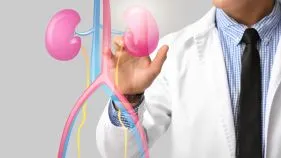
Kidney Stone 6mm Home Remedies: Safe Management Tips, Treatment Options, and Expert Kidney Care

Kidney Stone 6mm Home Remedies: Safe Management Tips, Treatment Options, and Expert Kidney Care

Introduction

A 6mm kidney stone is considered a moderately sized stone that may or may not pass naturally depending on its location, shape, and the patient's overall urinary health. Many people search for kidney stone 6mm home remedies to reduce pain and support natural stone passage.

While lifestyle measures and home care can support kidney health, a 6mm stone may require medical evaluation because larger stones can sometimes cause urinary blockage, infection, or kidney complications.

At Prabhakar Bhurke Clinic, our super specialist nephrologist provides comprehensive kidney stone evaluation, advanced diagnostic testing, personalized treatment guidance, kidney function monitoring, and long-term kidney care.


What Is a 6mm Kidney Stone?

A kidney stone is a hard deposit formed from minerals and salts present in urine.

A 6mm kidney stone means the stone measures approximately 6 millimeters in diameter.

The chances of passing a 6mm stone naturally depend on:

  • Stone location

  • Stone shape

  • Urinary tract anatomy

  • Presence of blockage

  • Patient symptoms

Some 6mm stones may pass with medical support, while others may require procedures.


Can a 6mm Kidney Stone Pass Naturally?

A 6mm kidney stone is not considered very small.

The possibility of natural passage depends on:

  • Whether the stone is in the kidney or ureter

  • Whether it is moving downward

  • Whether urine flow is blocked

  • Pain severity

  • Presence of infection

A nephrologist can assess the stone and suggest the safest approach.


Kidney Stone 6mm Home Remedies and Supportive Measures

Home remedies cannot dissolve most kidney stones, but certain habits may support stone passage and prevent new stones.


1. Drink Adequate Water

Staying hydrated helps dilute urine and may support the movement of small stones.

Tips:

  • Drink water regularly throughout the day

  • Maintain good hydration unless fluid restriction is advised by your doctor

  • Monitor urine color (pale urine generally indicates better hydration)

Patients with kidney disease or heart conditions should follow their doctor's fluid advice.


2. Lemon Water

Lemon contains citrate, a natural substance that may help reduce the formation of certain types of kidney stones.

Benefits may include:

  • Increasing urinary citrate levels

  • Supporting stone prevention

However, lemon water does not guarantee removal of an existing 6mm stone.


3. Reduce Salt Intake

High salt intake can increase calcium levels in urine and may contribute to stone formation.

Reduce:

  • Processed foods

  • Packaged snacks

  • Excess salty foods


4. Follow a Balanced Diet

A kidney-friendly diet may help reduce future stone risk.

Include:

  • Fresh fruits

  • Vegetables

  • Adequate fluids

  • Balanced nutrition

Diet recommendations depend on the type of kidney stone.


5. Maintain Healthy Calcium Intake

Completely avoiding calcium is not recommended for most people.

The right amount of dietary calcium may help reduce certain stone risks.

Consult a doctor for personalized advice.


6. Stay Physically Active

Regular movement may support overall urinary health.

Recommended activities include:

  • Walking

  • Light exercise

  • Maintaining healthy body weight


What to Avoid With a 6mm Kidney Stone

Avoid habits that may increase stone risk:

  • Dehydration

  • Excess salt consumption

  • Excess processed foods

  • Unnecessary painkiller use

  • Ignoring severe pain or urinary symptoms


Symptoms of a 6mm Kidney Stone

A 6mm kidney stone may cause:

Severe Side or Back Pain

Pain may occur:

  • Below the ribs

  • In the flank area

  • Lower abdomen

  • Groin region


Blood in Urine

The stone may irritate the urinary tract and cause:

  • Pink urine

  • Red urine

  • Brown urine


Burning During Urination

A stone moving through the urinary tract may cause discomfort while passing urine.


Frequent Urination

Patients may experience increased urinary urgency.


Nausea and Vomiting

Severe stone pain may cause digestive symptoms.


Fever and Chills

Fever with kidney stones may indicate infection and requires urgent medical attention.


Medical Treatment Options for a 6mm Kidney Stone

Treatment depends on stone size, location, symptoms, and kidney function.


Medicines

Doctors may prescribe medicines to:

  • Control pain

  • Relax urinary muscles

  • Support stone passage when appropriate


ESWL (Shock Wave Lithotripsy)

ESWL uses shock waves to break kidney stones into smaller pieces.

It may be suitable for selected stones depending on:

  • Location

  • Size

  • Patient condition


Ureteroscopy With Laser Lithotripsy

A thin scope is used to locate and break stones using laser technology.


PCNL Surgery

PCNL is generally used for larger or complex stones but may be considered in selected cases.


How Is a 6mm Kidney Stone Diagnosed?

At Prabhakar Bhurke Clinic, our super specialist nephrologist performs a detailed evaluation.


Imaging Tests

Imaging helps determine:

  • Stone size

  • Stone location

  • Number of stones

  • Urinary blockage

Tests may include:

  • Kidney ultrasound

  • CT scan

  • X-ray when required


Urine Tests

Urine evaluation helps detect:

  • Blood

  • Infection

  • Crystals

  • Stone risk factors


Blood Tests

Kidney function may be assessed through:

  • Serum creatinine

  • eGFR

  • Electrolytes


When Should You Consult a Nephrologist?

Seek medical advice if you have:

  • Severe kidney stone pain

  • Fever with urinary symptoms

  • Difficulty passing urine

  • Blood in urine

  • Reduced urine output

  • Recurrent kidney stones

  • High creatinine levels

Early treatment helps prevent kidney complications.


How to Prevent Future Kidney Stones

Prevent recurrence by:

  • Drinking enough fluids as advised

  • Reducing salt intake

  • Maintaining healthy weight

  • Following dietary recommendations

  • Treating urinary infections promptly

  • Getting regular kidney check-ups


Why Choose Prabhakar Bhurke Clinic?

Patients trust Prabhakar Bhurke Clinic because we provide:

  • Consultation with a super specialist nephrologist

  • Complete kidney stone evaluation

  • Advanced diagnostic testing

  • Personalized treatment plans

  • Kidney function assessment

  • Kidney stone prevention guidance

  • Chronic kidney disease management

  • Dialysis planning

  • Kidney transplant evaluation

  • Long-term kidney care

Our goal is to provide safe, effective, and personalized kidney care for every patient.


Frequently Asked Questions (FAQs)

Can a 6mm kidney stone pass naturally?

A 6mm stone may pass naturally in some patients, but the possibility depends on its location, shape, and symptoms. Medical evaluation is recommended.

Can home remedies dissolve a 6mm kidney stone?

Most home remedies cannot dissolve an existing stone but may support hydration and help prevent future stones.

Is surgery required for a 6mm kidney stone?

Not always. Treatment depends on symptoms, stone location, blockage, infection, and kidney function.

When is a kidney stone an emergency?

Severe pain with fever, chills, vomiting, or difficulty passing urine requires urgent medical attention.


Conclusion

Kidney stone 6mm home remedies such as proper hydration, a balanced diet, reduced salt intake, and healthy lifestyle habits can support kidney health. However, a 6mm kidney stone may require medical evaluation because it may not always pass naturally and can sometimes cause complications.

At Prabhakar Bhurke Clinic, our super specialist nephrologist provides expert kidney stone assessment, advanced diagnosis, personalized treatment guidance, and long-term kidney care to help patients manage kidney stones safely.


Book an Appointment Today

If you have a 6mm kidney stone, severe kidney pain, urinary blockage, blood in urine, recurrent stones, or concerns about kidney health, schedule a consultation at Prabhakar Bhurke Clinic. Our super specialist nephrologist will evaluate your condition and recommend the most suitable treatment plan.

Common Symptoms of Kidney Stones: Signs, Causes, Diagnosis, and Treatment Options

Common Symptoms of Kidney Stones: Signs, Causes, Diagnosis, and Treatment Options

Introduction

Kidney stones are hard mineral deposits that form inside the kidneys or urinary tract. They can vary in size, and while some small stones may pass naturally without causing major problems, larger stones can cause severe pain and complications.

Recognizing the common symptoms of kidney stones early helps patients seek timely medical care and prevent complications such as urinary blockage, infections, and kidney damage.

Kidney stones may cause symptoms depending on their size, location, and whether they block the flow of urine.

At Prabhakar Bhurke Clinic, our super specialist nephrologist provides comprehensive kidney stone evaluation, advanced diagnostic testing, personalized treatment plans, kidney function assessment, and long-term kidney care.


What Are Kidney Stones?

Kidney stones are solid deposits formed when minerals and salts in urine become concentrated and crystallize.

Common types of kidney stones include:

  • Calcium stones

  • Uric acid stones

  • Struvite stones

  • Cystine stones

They may remain inside the kidney or travel through the urinary tract, causing symptoms.


Common Symptoms of Kidney Stones

1. Severe Pain in the Side and Back

The most common symptom of kidney stones is intense pain, often called renal colic.

Pain may occur:

  • On one side of the back

  • Below the ribs

  • In the flank area

  • Lower abdomen

  • Groin region

The pain may:

  • Start suddenly

  • Come in waves

  • Increase and decrease in intensity


2. Painful Urination

When a kidney stone moves through the urinary tract, it can cause irritation and discomfort.

Symptoms may include:

  • Burning sensation while urinating

  • Pain during urination

  • Urinary discomfort


3. Blood in Urine

Kidney stones can damage the urinary tract lining, leading to blood in urine.

Urine may appear:

  • Pink

  • Red

  • Brown

Even small amounts of blood should be evaluated by a doctor.


4. Frequent Urination

A stone near the bladder may cause:

  • Frequent urge to urinate

  • Increased urinary urgency

  • Passing small amounts of urine frequently


5. Nausea and Vomiting

Severe kidney stone pain may affect the digestive system and cause:

  • Nausea

  • Vomiting

  • Loss of appetite


6. Cloudy or Foul-Smelling Urine

Changes in urine appearance may indicate:

  • Infection

  • Urinary abnormalities

  • Complications related to stones


7. Fever and Chills

Fever with kidney stone symptoms may indicate a kidney infection.

This can be serious, especially if the stone blocks urine flow.

Seek medical attention immediately if you experience:

  • High fever

  • Chills

  • Severe pain

  • Urinary blockage


8. Difficulty Passing Urine

Large stones can block urine flow and cause:

  • Reduced urine output

  • Difficulty urinating

  • Pressure sensation

Urinary blockage requires prompt medical evaluation.


9. Restlessness Due to Pain

Kidney stone pain can be severe enough that patients may:

  • Feel unable to sit comfortably

  • Frequently change positions

  • Experience sudden pain episodes


Causes and Risk Factors of Kidney Stones

Several factors can increase the risk of kidney stones.


Low Water Intake

Not drinking enough fluids makes urine concentrated and increases stone formation risk.


Dietary Factors

Risk may increase with:

  • High salt intake

  • Excess animal protein

  • Certain dietary habits


Family History

People with a family history of kidney stones may have a higher chance of developing stones.


Obesity and Metabolic Conditions

Metabolic changes can increase the risk of stone formation.


Certain Medical Conditions

Kidney stones may be associated with:

  • Gout

  • Parathyroid disorders

  • Urinary infections

  • Digestive disorders


How Are Kidney Stones Diagnosed?

At Prabhakar Bhurke Clinic, our super specialist nephrologist performs a detailed kidney stone evaluation.


Medical History and Physical Examination

The doctor evaluates:

  • Pain location and severity

  • Urinary symptoms

  • Previous kidney stones

  • Diet and lifestyle

  • Medical history


Blood Tests

Blood tests may include:

  • Serum creatinine

  • Kidney function tests

  • Electrolyte levels

  • Uric acid levels


Urine Tests

Urine evaluation helps detect:

  • Blood

  • Infection

  • Crystals

  • Stone-forming substances


Imaging Tests

Imaging helps identify:

  • Stone size

  • Location

  • Number of stones

  • Urinary obstruction

Common tests include:

  • Kidney ultrasound

  • CT scan

  • X-ray when required


Treatment Options for Kidney Stones

Treatment depends on:

  • Stone size

  • Location

  • Symptoms

  • Kidney function

  • Presence of blockage or infection


Medicines for Small Stones

Small stones may pass naturally with:

  • Adequate fluids as advised

  • Pain management

  • Medicines prescribed by the doctor


ESWL (Shock Wave Lithotripsy)

ESWL uses external shock waves to break kidney stones into smaller fragments.


Ureteroscopy With Laser Lithotripsy

A thin scope is used to locate and break stones using laser energy.


PCNL Surgery

Percutaneous Nephrolithotomy (PCNL) may be recommended for:

  • Large kidney stones

  • Multiple stones

  • Complex stones


How to Prevent Kidney Stones

You can reduce the risk of future stones by:

  • Drinking enough fluids as advised

  • Reducing excess salt intake

  • Maintaining a balanced diet

  • Avoiding dehydration

  • Maintaining healthy weight

  • Following kidney stone prevention advice

  • Regular kidney check-ups if you have a history of stones


When Should You See a Kidney Specialist?

Consult a super specialist nephrologist if you experience:

  • Severe side or back pain

  • Blood in urine

  • Repeated kidney stones

  • Fever with urinary symptoms

  • Difficulty passing urine

  • High creatinine levels

  • Reduced kidney function

Early diagnosis helps prevent complications.


Why Choose Prabhakar Bhurke Clinic?

Patients trust Prabhakar Bhurke Clinic because we provide:

  • Consultation with a super specialist nephrologist

  • Comprehensive kidney stone evaluation

  • Advanced diagnostic facilities

  • Personalized treatment plans

  • Kidney function monitoring

  • Kidney stone prevention guidance

  • Chronic kidney disease management

  • Dialysis planning

  • Kidney transplant evaluation

  • Long-term kidney care

Our goal is to diagnose kidney stone problems early and provide effective treatment guidance to protect kidney health.


Frequently Asked Questions (FAQs)

What is the most common symptom of kidney stones?

Severe pain in the side or back is the most common symptom of kidney stones.

Can kidney stones cause fever?

Yes. Fever with kidney stones may indicate infection and requires urgent medical attention.

Do all kidney stones cause symptoms?

No. Some kidney stones may remain unnoticed until they grow larger or block urine flow.

Which doctor treats kidney stones?

A super specialist nephrologist evaluates kidney health, kidney function, and kidney stone-related concerns. Surgical procedures may require coordination with urology specialists.


Conclusion

Understanding the common symptoms of kidney stones helps patients recognize warning signs and seek timely medical care. Symptoms such as severe flank pain, painful urination, blood in urine, nausea, fever, and urinary changes should not be ignored.

Early diagnosis and appropriate treatment can help remove stones, prevent recurrence, and protect kidney function.

At Prabhakar Bhurke Clinic, our super specialist nephrologist provides expert kidney stone evaluation, advanced testing, personalized treatment plans, and comprehensive kidney care to help patients maintain better kidney health.


Book an Appointment Today

If you are experiencing kidney stone symptoms, severe back pain, blood in urine, painful urination, recurrent stones, urinary blockage, or abnormal kidney test results, schedule a consultation at Prabhakar Bhurke Clinic. Our super specialist nephrologist will evaluate your condition and guide you toward the right treatment approach.

IV Antibiotics for Kidney Infection: Treatment, Benefits, Procedure, and Expert Kidney Care

IV Antibiotics for Kidney Infection: Treatment, Benefits, Procedure, and Expert Kidney Care

Introduction

A kidney infection, medically known as pyelonephritis, is a serious urinary tract infection that affects one or both kidneys. It usually occurs when bacteria travel from the bladder through the urinary tract and reach the kidneys.

While mild kidney infections may be treated with oral antibiotics, some patients require IV antibiotics for kidney infection when the infection is severe, complications are present, or oral medicines are not effective.

Intravenous (IV) antibiotics deliver medication directly into the bloodstream, allowing faster and more effective treatment of serious kidney infections.

At Prabhakar Bhurke Clinic, our super specialist nephrologist provides expert evaluation and treatment guidance for kidney infections, urinary tract infections, kidney stones, chronic kidney disease, dialysis management, and other kidney-related conditions.


What Is a Kidney Infection?

A kidney infection is a bacterial infection that affects the kidneys and may develop from an untreated or severe urinary tract infection (UTI).

The kidneys are responsible for:

  • Filtering waste from blood

  • Removing excess fluid

  • Maintaining electrolyte balance

  • Supporting overall body health

When infection affects the kidneys, it can cause inflammation and may lead to serious complications if not treated promptly.


What Are IV Antibiotics?

IV antibiotics are medications given directly into a vein through an intravenous line.

Unlike oral antibiotics that pass through the digestive system, IV antibiotics:

  • Enter the bloodstream quickly

  • Reach infection sites faster

  • Provide higher medication levels when needed

They are commonly used for moderate to severe kidney infections.


When Are IV Antibiotics Needed for Kidney Infection?

A nephrologist may recommend IV antibiotics when:

Severe Infection Symptoms

Patients with severe symptoms may require hospital-based treatment.

Symptoms may include:

  • High fever

  • Chills

  • Severe flank pain

  • Vomiting

  • Weakness

  • Confusion


Infection Spreading Into Bloodstream

A kidney infection can sometimes lead to sepsis, a serious condition caused by the body's response to infection.

IV antibiotics are often essential in such situations.


Unable to Take Oral Antibiotics

IV treatment may be needed if a patient has:

  • Persistent vomiting

  • Difficulty swallowing medicines

  • Poor absorption of oral medications


Complicated Kidney Infections

Patients with conditions such as:

  • Kidney stones causing blockage

  • Urinary obstruction

  • Reduced kidney function

  • Diabetes

  • Weakened immunity

may require closer monitoring and IV antibiotics.


Common Symptoms of Kidney Infection

Kidney infection symptoms may include:

Fever and Chills

High temperature with chills is a common sign of infection.


Pain in the Side or Back

Kidney infection pain is often felt:

  • In the flank area

  • Below the ribs

  • On one or both sides of the back


Burning During Urination

Patients may experience:

  • Pain while urinating

  • Increased urinary frequency

  • Urinary urgency


Cloudy or Foul-Smelling Urine

Changes in urine appearance may indicate infection.


Nausea and Vomiting

Severe infections may cause digestive symptoms.


Fatigue and Weakness

The body's response to infection can cause tiredness and low energy.


How Are Kidney Infections Diagnosed?

At Prabhakar Bhurke Clinic, our super specialist nephrologist performs a detailed evaluation.


Medical History and Physical Examination

The doctor evaluates:

  • Symptoms

  • Previous infections

  • Kidney health history

  • Medication use

  • Diabetes status

  • Blood pressure


Urine Tests

Urine tests help identify:

  • Bacteria

  • Infection

  • Blood

  • White blood cells

Common tests include:

  • Urinalysis

  • Urine culture


Blood Tests

Blood investigations may include:

  • Complete blood count (CBC)

  • Kidney function tests

  • Creatinine

  • Electrolytes

  • Inflammatory markers when required


Imaging Studies

Imaging may be recommended to check for:

  • Kidney stones

  • Urinary blockage

  • Kidney swelling

  • Structural abnormalities

Tests may include:

  • Kidney ultrasound

  • CT scan


How Do IV Antibiotics Work for Kidney Infection?

IV antibiotics work by:

  • Killing infection-causing bacteria

  • Preventing bacterial growth

  • Reducing kidney inflammation

  • Helping control infection quickly

The choice of antibiotic depends on:

  • Type of bacteria causing infection

  • Severity of infection

  • Kidney function

  • Previous antibiotic use

  • Urine culture results


Duration of IV Antibiotic Treatment

The duration varies depending on:

  • Severity of infection

  • Patient response

  • Kidney function

  • Presence of complications

Some patients may receive IV antibiotics for a short period and then continue treatment with oral antibiotics.

Others with severe infections may require longer treatment and monitoring.


Benefits of IV Antibiotics for Kidney Infection

IV antibiotics may provide:

Faster Action

Medication reaches the bloodstream quickly.


Effective Treatment of Severe Infections

Useful for serious kidney infections requiring immediate control.


Better Option When Oral Medicines Fail

Helpful when oral antibiotics cannot be tolerated or absorbed properly.


Reduced Risk of Complications

Early treatment may help prevent:

  • Kidney damage

  • Infection spread

  • Sepsis


Possible Side Effects of IV Antibiotics

Like all medications, IV antibiotics may cause side effects, including:

  • Allergic reactions

  • Diarrhea

  • Nausea

  • Injection site discomfort

  • Changes in kidney function with certain medicines

Doctors monitor patients carefully during treatment.


Kidney Infection Treatment Beyond Antibiotics

Treating the infection may also require addressing the underlying cause.

Kidney Stone Management

If a stone blocks urine flow, additional treatment may be needed.


Hydration Management

Fluid management depends on kidney function and overall health.


Blood Sugar Control

Patients with diabetes require careful glucose management during infection.


Follow-Up Monitoring

Regular follow-up helps ensure infection clearance and kidney protection.


How to Prevent Kidney Infections

Reduce the risk of kidney infections by:

  • Drinking fluids as advised

  • Treating urinary infections early

  • Maintaining good urinary hygiene

  • Managing diabetes

  • Avoiding unnecessary delay in treatment

  • Following medical advice for kidney stones


When Should You See a Nephrologist?

Consult a super specialist nephrologist if you have:

  • Repeated kidney infections

  • Fever with urinary symptoms

  • Flank or kidney pain

  • Blood in urine

  • Kidney stones

  • High creatinine levels

  • Reduced kidney function

Early treatment can prevent serious complications.


Why Choose Prabhakar Bhurke Clinic?

Patients trust Prabhakar Bhurke Clinic because we provide:

  • Consultation with a super specialist nephrologist

  • Expert diagnosis of kidney infections

  • Advanced kidney evaluation

  • Personalized treatment plans

  • Management of complicated UTIs and kidney infections

  • Kidney stone evaluation

  • Chronic kidney disease care

  • Dialysis planning

  • Kidney transplant evaluation

  • Long-term kidney health monitoring

Our goal is to provide timely treatment, protect kidney function, and improve patient outcomes.


Frequently Asked Questions (FAQs)

Are IV antibiotics better than oral antibiotics for kidney infection?

IV antibiotics are not required for every kidney infection. They are generally used for severe infections, complications, or situations where oral antibiotics are not suitable.

How quickly do IV antibiotics work for kidney infection?

Many patients begin to improve within a few days, but the response depends on infection severity and overall health.

Can kidney infections damage kidneys?

Yes. Untreated or severe kidney infections can cause complications, including kidney damage.

Which doctor treats kidney infections?

A super specialist nephrologist evaluates kidney infections, kidney function, complications, and long-term kidney health.


Conclusion

IV antibiotics for kidney infection are an important treatment option for patients with severe or complicated kidney infections. They provide rapid delivery of medication and help control serious bacterial infections effectively.

Early diagnosis, appropriate antibiotic selection, and expert kidney care are essential to prevent complications and protect kidney function.

At Prabhakar Bhurke Clinic, our super specialist nephrologist provides comprehensive kidney infection evaluation, advanced diagnosis, personalized treatment guidance, and long-term kidney care.


Book an Appointment Today

If you have kidney infection symptoms, fever, flank pain, recurrent UTIs, kidney stones, blood in urine, high creatinine levels, or kidney function concerns, schedule a consultation at Prabhakar Bhurke Clinic. Our super specialist nephrologist will evaluate your condition and provide an appropriate treatment plan for better kidney health.

Foamy Urine and Kidney Stones: Causes, Symptoms, Diagnosis, and Expert Kidney Care

Foamy Urine and Kidney Stones: Causes, Symptoms, Diagnosis, and Expert Kidney Care

Introduction

Foamy urine is a common concern that many people notice while passing urine. While occasional bubbles in urine may be normal, persistent foamy urine can sometimes indicate an underlying kidney problem.

Many patients wonder whether foamy urine is caused by kidney stones. Kidney stones can affect urinary health, but foamy urine is more commonly associated with protein leakage in urine (proteinuria), which may indicate kidney damage or other medical conditions.

Understanding the cause of foamy urine is important because early diagnosis can help prevent kidney complications.

At Prabhakar Bhurke Clinic, our super specialist nephrologist provides comprehensive kidney evaluations, advanced diagnostic testing, kidney stone assessment, chronic kidney disease management, dialysis guidance, and personalized kidney care.


What Does Foamy Urine Mean?

Foamy urine refers to urine that appears bubbly or frothy during urination.

Occasional bubbles may occur due to:

  • Fast urine flow

  • Dehydration

  • Concentrated urine

  • Toilet cleaning products

However, frequent or persistent foam may require medical evaluation.


Are Foamy Urine and Kidney Stones Related?

Kidney stones do not usually directly cause foamy urine.

Kidney stones are hard mineral deposits that form inside the kidneys or urinary tract and may cause:

  • Severe flank pain

  • Blood in urine

  • Burning while urinating

  • Urinary blockage

  • Infection

However, some kidney conditions associated with stones or kidney damage may contribute to urine abnormalities.

Persistent foamy urine should be evaluated to check for:

  • Protein leakage

  • Kidney inflammation

  • Reduced kidney function

  • Urinary abnormalities


Common Causes of Foamy Urine

1. Protein Leakage in Urine

The kidneys normally prevent large amounts of protein from passing into urine.

When kidney filters become damaged, protein may leak into urine and cause:

  • Foamy urine

  • Swelling

  • Increased risk of kidney disease progression


2. Chronic Kidney Disease (CKD)

Kidney disease can affect the filtering ability of kidneys.

Symptoms may include:

  • Foamy urine

  • Fatigue

  • Swelling

  • High blood pressure

  • Changes in urination


3. Diabetes-Related Kidney Damage

Diabetes can damage kidney filters over time.

Early signs may include:

  • Protein in urine

  • Foamy urine

  • Abnormal kidney function tests


4. High Blood Pressure

Long-term uncontrolled hypertension can damage kidney blood vessels and cause protein leakage.


5. Kidney Inflammation

Conditions such as glomerulonephritis may affect kidney filters and lead to protein loss.


6. Dehydration

Concentrated urine due to low fluid intake may appear more bubbly or foamy.


Symptoms of Kidney Stones

Although kidney stones may not usually cause foamy urine, they can cause other symptoms.

Common signs include:

Severe Flank Pain

Pain may occur:

  • On the side of the back

  • Below the ribs

  • Radiating toward the lower abdomen or groin


Blood in Urine

Kidney stones may irritate the urinary tract and cause:

  • Pink urine

  • Red urine

  • Brown urine


Pain During Urination

A stone moving through the urinary tract may cause:

  • Burning sensation

  • Urinary discomfort


Frequent Urination

Stones near the bladder may cause increased urinary urgency.


Nausea and Vomiting

Severe stone pain may be associated with digestive symptoms.


Fever and Chills

Fever with kidney stone symptoms may indicate infection and requires urgent medical attention.


When Should You See a Kidney Specialist?

Consult a super specialist nephrologist if you experience:

  • Persistent foamy urine

  • Protein in urine

  • Blood in urine

  • Kidney stone symptoms

  • Swelling in feet or face

  • High creatinine levels

  • Reduced eGFR

  • High blood pressure

  • Diabetes with kidney concerns

Early evaluation helps identify kidney problems before they become severe.


How Are Foamy Urine and Kidney Problems Diagnosed?

At Prabhakar Bhurke Clinic, our super specialist nephrologist performs a detailed kidney assessment.


Urine Tests

Urine tests help detect:

  • Protein leakage

  • Blood

  • Infection

  • Kidney abnormalities

Important tests may include:

  • Routine urine examination

  • Urine albumin-to-creatinine ratio (ACR)

  • Protein estimation


Blood Tests

Kidney function may be evaluated through:

  • Serum creatinine

  • eGFR

  • Blood urea nitrogen (BUN)

  • Electrolytes


Imaging Tests for Kidney Stones

Doctors may recommend:

  • Kidney ultrasound

  • CT scan

  • X-ray when required

These tests help identify:

  • Stone size

  • Stone location

  • Urinary obstruction


Treatment Options

Treatment depends on the underlying cause.


Treatment for Protein Leakage

If foamy urine is due to protein loss, treatment may include:

  • Blood pressure control

  • Diabetes management

  • Kidney-protective medications

  • Dietary changes


Kidney Stone Treatment

Treatment depends on stone size and location.

Options may include:

Medicines

Used for small stones that may pass naturally.


ESWL (Shock Wave Lithotripsy)

Uses shock waves to break stones into smaller fragments.


Ureteroscopy With Laser Lithotripsy

Uses a small scope and laser technology to remove stones.


PCNL Surgery

Used for large or complex kidney stones.


How to Protect Kidney Health

Maintain healthy kidneys by:

  • Drinking adequate fluids as advised

  • Controlling diabetes

  • Managing blood pressure

  • Reducing excess salt intake

  • Maintaining healthy weight

  • Avoiding unnecessary painkillers

  • Following kidney-friendly dietary advice

  • Getting regular kidney check-ups


Why Choose Prabhakar Bhurke Clinic?

Patients trust Prabhakar Bhurke Clinic because we provide:

  • Consultation with a super specialist nephrologist

  • Complete kidney health evaluation

  • Kidney stone assessment and management

  • Advanced diagnostic facilities

  • Personalized treatment plans

  • Chronic kidney disease management

  • Dialysis guidance

  • Kidney transplant evaluation

  • Long-term kidney monitoring

  • Compassionate, evidence-based kidney care

Our goal is to identify the cause of urinary symptoms early and provide effective treatment to protect kidney function.


Frequently Asked Questions (FAQs)

Can kidney stones cause foamy urine?

Kidney stones usually do not directly cause foamy urine. Persistent foam is more commonly linked to protein leakage or kidney-related conditions.

Is foamy urine always a sign of kidney disease?

No. Occasional bubbles may occur due to dehydration or fast urine flow. Persistent foamy urine should be evaluated.

What test checks protein in urine?

Urine tests such as urine albumin-to-creatinine ratio (ACR) and protein estimation help detect protein leakage.

Which doctor should I consult for foamy urine?

A super specialist nephrologist can evaluate kidney function and determine the cause of persistent foamy urine.


Conclusion

Foamy urine and kidney stones are common kidney-related concerns, but they are not always directly connected. While kidney stones mainly cause pain, blood in urine, and urinary blockage, persistent foamy urine may indicate protein leakage or kidney damage.

Early diagnosis through urine tests, blood tests, and kidney evaluation can help detect problems at an early stage.

At Prabhakar Bhurke Clinic, our super specialist nephrologist provides expert kidney evaluation, kidney stone management, chronic kidney disease care, dialysis guidance, and personalized treatment plans to help patients maintain better kidney health.


Book an Appointment Today

If you have persistent foamy urine, kidney stone symptoms, blood in urine, swelling, high creatinine levels, reduced eGFR, or concerns about kidney health, schedule a consultation at Prabhakar Bhurke Clinic. Our super specialist nephrologist will evaluate your condition and provide the right treatment plan.

Foamy Urine and Kidney Stones: Causes, Symptoms, Diagnosis, and Expert Kidney Care

Kidney Problems Due to Diabetes: Causes, Symptoms, Prevention, and Expert Kidney Care

Introduction

Diabetes is one of the most common causes of kidney problems worldwide. High blood sugar levels over a long period can damage the tiny blood vessels and filtering units inside the kidneys, leading to a condition known as diabetic kidney disease or diabetic nephropathy.

In the early stages, kidney problems due to diabetes may not cause noticeable symptoms. However, without proper management, diabetes-related kidney damage can progress to chronic kidney disease (CKD) and eventually kidney failure.

Early detection, good blood sugar control, blood pressure management, and regular kidney monitoring can help slow disease progression and protect kidney function.

At Prabhakar Bhurke Clinic, our super specialist nephrologist provides comprehensive evaluation and treatment for diabetic kidney disease, chronic kidney disease, kidney failure, dialysis management, kidney transplant evaluation, and long-term kidney care.


How Does Diabetes Cause Kidney Problems?

The kidneys contain millions of tiny blood vessels called glomeruli that filter waste and excess fluid from the blood.

When blood sugar levels remain high for a long time:

  • Kidney blood vessels become damaged

  • Kidney filters become thickened and weakened

  • Protein may leak into urine

  • Kidney filtering ability gradually decreases

Over time, this damage can lead to diabetic kidney disease.


What Is Diabetic Kidney Disease?

Diabetic kidney disease is a kidney complication caused by long-term diabetes.

It can occur in people with:

  • Type 1 diabetes

  • Type 2 diabetes

The condition usually develops gradually and may progress through different stages depending on kidney function and treatment.


Risk Factors for Kidney Problems Due to Diabetes

Not everyone with diabetes develops kidney disease. The risk increases with certain factors.

Poor Blood Sugar Control

Consistently high blood glucose levels increase kidney damage risk.


High Blood Pressure

Hypertension puts additional pressure on kidney blood vessels and accelerates kidney damage.


Long Duration of Diabetes

The longer a person has diabetes, the greater the risk of developing kidney complications.


Smoking

Smoking damages blood vessels and can worsen kidney disease progression.


High Cholesterol

Abnormal cholesterol levels may contribute to blood vessel damage affecting kidney health.


Family History of Kidney Disease

A family history of kidney problems may increase risk.


Symptoms of Kidney Problems Due to Diabetes

Early diabetic kidney disease may have no symptoms. As kidney function declines, symptoms may include:


Protein in Urine (Foamy Urine)

One of the earliest signs of kidney damage is protein leakage into urine.

You may notice:

  • Foamy or bubbly urine

  • Changes in urine appearance


Swelling of Feet, Ankles, or Face

Damaged kidneys may not remove excess fluid properly, causing:

  • Foot swelling

  • Ankle swelling

  • Leg swelling

  • Puffy eyes


Increased Fatigue and Weakness

Kidney problems may cause tiredness due to:

  • Waste buildup

  • Anemia

  • Reduced kidney function


Changes in Urination

Symptoms may include:

  • Frequent urination

  • Night-time urination

  • Reduced urine output


High Blood Pressure

Diabetic kidney disease can cause or worsen hypertension.


Loss of Appetite and Nausea

Advanced kidney disease may lead to:

  • Poor appetite

  • Nausea

  • Vomiting

  • Weight loss


Shortness of Breath

Fluid buildup and anemia related to kidney disease may cause breathing difficulties.


How Is Diabetic Kidney Disease Diagnosed?

At Prabhakar Bhurke Clinic, our super specialist nephrologist performs a detailed kidney evaluation.


Blood Tests

Important kidney function tests include:

  • Serum Creatinine

  • Estimated Glomerular Filtration Rate (eGFR)

  • Blood Urea Nitrogen (BUN)

  • Electrolyte levels

  • Blood sugar levels

  • HbA1c

These tests help assess kidney function and diabetes control.


Urine Tests

Urine evaluation helps detect:

  • Albumin leakage

  • Protein in urine

  • Blood

  • Infection

Important tests may include:

  • Urine albumin-to-creatinine ratio (ACR)

  • Routine urine examination


Blood Pressure Monitoring

Regular blood pressure checks are important because hypertension can worsen diabetic kidney damage.


Imaging Tests

Doctors may recommend kidney ultrasound or other imaging studies when required.


Treatment for Kidney Problems Due to Diabetes

Treatment focuses on protecting kidney function, controlling diabetes, and preventing complications.


Blood Sugar Control

Maintaining healthy blood glucose levels is one of the most important steps in preventing kidney damage.

Management may include:

  • Diabetes medications

  • Dietary changes

  • Regular monitoring


Blood Pressure Management

Controlling blood pressure helps reduce stress on kidney filters.


Medications

A nephrologist may prescribe medicines to:

  • Protect kidney function

  • Reduce protein leakage

  • Control blood pressure

  • Manage complications


Kidney-Friendly Diet

Diet recommendations may include:

  • Reducing salt intake

  • Maintaining appropriate protein intake

  • Managing potassium and phosphorus when needed

  • Following personalized nutrition advice


Lifestyle Changes

Patients are encouraged to:

  • Exercise regularly as advised

  • Maintain healthy weight

  • Avoid smoking

  • Limit processed foods

  • Follow medication schedules


Dialysis and Kidney Transplant

If diabetic kidney disease progresses to advanced kidney failure:

  • Dialysis may be required to remove waste and excess fluid.

  • Eligible patients may be evaluated for kidney transplantation.

A nephrologist helps determine the most appropriate treatment option.


How to Prevent Kidney Problems Due to Diabetes

People with diabetes can protect their kidneys by:

  • Keeping blood sugar levels under control

  • Monitoring blood pressure regularly

  • Getting routine kidney function tests

  • Drinking fluids as advised

  • Following a balanced diet

  • Avoiding unnecessary painkillers

  • Exercising regularly

  • Maintaining a healthy lifestyle

Early prevention and regular monitoring can significantly reduce kidney complications.


When Should a Person With Diabetes See a Nephrologist?

Consult a super specialist nephrologist if you have:

  • Diabetes with abnormal kidney test results

  • High creatinine levels

  • Reduced eGFR

  • Protein in urine

  • Swelling in feet or face

  • High blood pressure

  • Changes in urination

  • Persistent fatigue

Early specialist care can help preserve kidney function.


Why Choose Prabhakar Bhurke Clinic?

Patients trust Prabhakar Bhurke Clinic because we provide:

  • Consultation with a super specialist nephrologist

  • Expert management of diabetic kidney disease

  • Comprehensive kidney evaluations

  • Advanced diagnostic testing

  • Personalized treatment plans

  • Chronic kidney disease management

  • Dialysis planning

  • Kidney transplant evaluation

  • Long-term kidney health monitoring

  • Compassionate, evidence-based kidney care

Our goal is to detect kidney problems early, slow disease progression, and improve patients' quality of life.


Frequently Asked Questions (FAQs)

Can diabetes cause kidney failure?

Yes. Long-term uncontrolled diabetes can damage kidney filters and may eventually lead to kidney failure if not properly managed.

How can I know if diabetes has affected my kidneys?

Kidney damage may be detected through blood tests such as creatinine and eGFR, along with urine tests for protein leakage.

Can diabetic kidney disease be reversed?

Early kidney damage may improve or stabilize with proper treatment. Advanced chronic kidney disease usually requires long-term management.

Which doctor treats diabetic kidney problems?

A super specialist nephrologist diagnoses and manages diabetic kidney disease, kidney failure, dialysis needs, and kidney-related complications.


Conclusion

Kidney problems due to diabetes are common but can often be prevented or slowed with early diagnosis, proper diabetes control, and regular kidney monitoring. Symptoms such as foamy urine, swelling, fatigue, high blood pressure, and abnormal kidney test results should not be ignored.

At Prabhakar Bhurke Clinic, our super specialist nephrologist provides expert evaluation and personalized treatment for diabetic kidney disease, chronic kidney disease, kidney failure, dialysis management, and kidney transplant care.

With advanced medical expertise and compassionate care, we are committed to helping patients protect their kidney health and achieve better long-term outcomes.


Book an Appointment Today

If you have diabetes, high creatinine levels, protein in urine, swelling, reduced eGFR, high blood pressure, or concerns about diabetic kidney disease, schedule a consultation at Prabhakar Bhurke Clinic. Our super specialist nephrologist will evaluate your kidney health and create a personalized treatment plan to protect your kidneys.