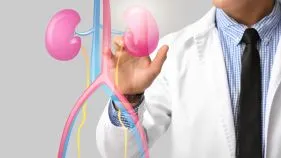
Ureteral Stent Problems: Symptoms, Causes, Treatment & Expert Kidney Care

Ureteral Stent Problems: Symptoms, Causes, Treatment & Expert Kidney Care

Introduction

A ureteral stent, commonly called a DJ stent (Double J stent), is a thin, flexible tube placed inside the ureter to help urine flow from the kidney to the bladder. It is commonly used after kidney stone removal, during the treatment of urinary tract obstruction, or following certain urological procedures.

Although ureteral stents are highly effective, some patients may experience discomfort or temporary side effects while the stent is in place. Most stent-related problems improve after removal, but persistent symptoms should always be evaluated to prevent complications.

At Prabhakar Bhurke Clinic, our super specialist nephrologist provides comprehensive kidney evaluations, personalized treatment plans, and coordinated care with experienced urology specialists to help patients recover safely from kidney and urinary tract conditions.


What Is a Ureteral Stent?

A ureteral stent is a soft tube placed inside the ureter to keep it open and allow urine to drain normally from the kidney to the bladder.

A stent may be recommended for:

  • Kidney stones

  • Ureteral blockage

  • Swelling of the ureter

  • Urinary tract injury

  • After kidney stone surgery

  • Before or after certain urological procedures

Most ureteral stents are temporary and are removed once the underlying condition has improved.


Why Is a Ureteral Stent Needed?

Your doctor may recommend a ureteral stent to:

  • Relieve urinary obstruction

  • Protect kidney function

  • Allow healing after surgery

  • Improve urine drainage

  • Reduce pressure inside the kidney

  • Prevent complications caused by blocked urine flow

Prompt treatment helps prevent permanent kidney damage.


Common Ureteral Stent Problems

Most patients tolerate ureteral stents well, but temporary symptoms are common.

Frequent Urination

Patients may feel the need to urinate more often than usual.


Burning During Urination

Mild burning or discomfort while passing urine may occur, especially soon after stent placement.


Blood in the Urine

A small amount of blood in the urine is common, particularly after physical activity.

Persistent or heavy bleeding should be evaluated immediately.


Flank or Back Pain

Some patients experience pain in the:

  • Kidney area

  • Side of the abdomen

  • Lower back

Pain may become more noticeable during or immediately after urination because of temporary backflow of urine toward the kidney.


Bladder Irritation

The lower end of the stent may irritate the bladder, causing:

  • Urgency

  • Frequency

  • Discomfort

  • Feeling of incomplete bladder emptying


Lower Abdominal or Groin Pain

Some discomfort may extend toward the lower abdomen or groin.


Possible Complications of a Ureteral Stent

Although uncommon, complications can occur.

These include:

  • Urinary tract infection (UTI)

  • Stent blockage

  • Stent migration (movement)

  • Stent encrustation (mineral deposits on the stent)

  • Persistent blood in the urine

  • Kidney infection

  • Rarely, stent fracture or breakage

Regular follow-up helps identify these problems early.


Symptoms That Require Immediate Medical Attention

Seek prompt medical care if you experience:

  • High fever

  • Chills

  • Severe flank pain

  • Inability to pass urine

  • Heavy bleeding in the urine

  • Severe nausea or vomiting

  • Persistent burning that worsens

  • Symptoms of urinary tract infection

These symptoms may indicate infection or obstruction and require urgent evaluation.


How Are Ureteral Stent Problems Diagnosed?

At Prabhakar Bhurke Clinic, our super specialist nephrologist performs a detailed evaluation.

Medical History and Physical Examination

Your doctor will assess:

  • Current symptoms

  • Timing of stent placement

  • Previous kidney stone history

  • Medical history

  • Medication use


Blood Tests

Investigations may include:

  • Serum Creatinine

  • Estimated Glomerular Filtration Rate (eGFR)

  • Blood Urea Nitrogen (BUN)

  • Electrolytes

  • Complete Blood Count (CBC)

These tests help evaluate kidney function and detect infection.


Urine Tests

Urine investigations may include:

  • Urinalysis

  • Urine Culture

  • Urine Microscopy

These tests help detect infection, blood, and inflammation.


Imaging Studies

Depending on your condition, imaging may include:

  • Kidney Ultrasound

  • X-ray KUB

  • CT Scan when clinically indicated

These investigations help confirm the position of the stent and identify obstruction or other complications.


Treatment for Ureteral Stent Problems

Treatment depends on the cause and severity of symptoms.

Medications

Your doctor may prescribe medicines to:

  • Reduce bladder spasms

  • Relieve pain

  • Treat urinary tract infections

  • Improve urinary comfort

Medications should only be taken under medical supervision.


Hydration

Unless medically

Intrinsic Kidney Disease: Symptoms, Causes, Diagnosis & Treatment

Intrinsic Kidney Disease: Symptoms, Causes, Diagnosis & Treatment

Introduction

Intrinsic kidney disease, also known as intrarenal kidney disease, refers to conditions that directly damage the kidney tissue itself. Unlike kidney problems caused by reduced blood flow (prerenal disease) or urinary tract blockage (postrenal disease), intrinsic kidney disease affects the kidneys' filtering units, tubules, blood vessels, or supporting tissues.

The condition can develop suddenly as acute kidney injury (AKI) or gradually as chronic kidney disease (CKD). Early diagnosis and timely treatment are essential to preserve kidney function, prevent complications, and reduce the risk of kidney failure.

At Prabhakar Bhurke Clinic, our super specialist nephrologist provides comprehensive kidney evaluations, advanced diagnostic testing, personalized treatment plans, dialysis guidance, and long-term care for patients with intrinsic kidney disease and other renal disorders.


What Is Intrinsic Kidney Disease?

Intrinsic kidney disease occurs when the kidney tissue is directly damaged.

The injury may involve:

  • Glomeruli (kidney filtering units)

  • Kidney tubules

  • Interstitial tissue

  • Blood vessels within the kidneys

Damage to these structures reduces the kidneys' ability to filter waste products, regulate fluid balance, and maintain normal electrolyte levels.


Types of Intrinsic Kidney Disease

Several kidney disorders are classified as intrinsic kidney diseases.

Glomerular Diseases

These affect the tiny filters (glomeruli) inside the kidneys.

Examples include:

  • Glomerulonephritis

  • Diabetic kidney disease

  • Lupus nephritis


Tubular Disorders

These affect the kidney tubules responsible for reabsorbing water and electrolytes.

Examples include:

  • Acute Tubular Necrosis (ATN)

  • Drug-induced tubular injury


Interstitial Kidney Disease

Inflammation affects the tissue surrounding the kidney tubules.

Examples include:

  • Acute interstitial nephritis

  • Chronic interstitial nephritis


Vascular Kidney Disease

Damage occurs to the blood vessels supplying the kidneys.

Examples include:

  • Vasculitis

  • Malignant hypertension

  • Thrombotic microangiopathy


Causes of Intrinsic Kidney Disease

Common causes include:

  • Diabetes

  • High blood pressure

  • Autoimmune diseases

  • Glomerulonephritis

  • Kidney infections

  • Certain medications

  • Toxic substances

  • Acute tubular necrosis

  • Lupus nephritis

  • Vasculitis

  • Long-standing kidney disease

Proper identification of the underlying cause is essential for successful treatment.


Symptoms of Intrinsic Kidney Disease

Symptoms vary depending on the cause and severity of kidney damage.

Common symptoms include:

  • Swelling of the feet, ankles, or face

  • Fatigue

  • Weakness

  • High blood pressure

  • Foamy urine

  • Blood in the urine

  • Reduced urine output

  • Frequent urination

  • Loss of appetite

  • Nausea and vomiting

  • Muscle cramps

  • Itchy skin

  • Difficulty concentrating

  • Shortness of breath in advanced disease

Some patients may have no symptoms during the early stages.


Risk Factors

The risk of intrinsic kidney disease is higher in people with:

  • Diabetes

  • High blood pressure

  • Autoimmune diseases

  • Family history of kidney disease

  • Long-term use of certain medications

  • Recurrent kidney infections

  • Older age

  • Previous kidney injury

Routine kidney screening helps identify disease early.


Possible Complications

Without treatment, intrinsic kidney disease may lead to:

  • Chronic Kidney Disease (CKD)

  • Acute Kidney Injury (AKI)

  • Kidney failure

  • Electrolyte imbalances

  • Anemia

  • High blood pressure

  • Heart disease

  • Fluid overload

Early intervention helps reduce these complications.


How Is Intrinsic Kidney Disease Diagnosed?

At Prabhakar Bhurke Clinic, our super specialist nephrologist performs a comprehensive kidney evaluation.

Medical History and Physical Examination

Your doctor will assess:

  • Symptoms

  • Medical history

  • Family history

  • Medication use

  • Blood pressure

  • Lifestyle habits


Blood Tests

Important investigations include:

  • Serum Creatinine

  • Estimated Glomerular Filtration Rate (eGFR)

  • Blood Urea Nitrogen (BUN)

  • Electrolytes

  • Blood Sugar

  • Complete Blood Count (CBC)

These tests evaluate kidney function and identify complications.


Urine Tests

Urine investigations may include:

  • Urinalysis

  • Urine Albumin-to-Creatinine Ratio (ACR)

  • Protein estimation

  • Urine microscopy

These tests help detect blood, protein, infection, and kidney damage.


Imaging Studies

Depending on your condition, imaging may include:

  • Kidney Ultrasound

  • CT Scan

  • MRI when clinically indicated

These investigations help assess kidney size, structure, and blood flow.


Kidney Biopsy

In selected cases, a kidney biopsy may be recommended to identify the exact type of intrinsic kidney disease and guide treatment.


Treatment for Intrinsic Kidney Disease

Treatment depends on the underlying cause and stage of kidney damage.

Treat the Underlying Cause

Managing the primary condition is the most important step.

Treatment may focus on:

  • Diabetes control

  • Blood pressure management

  • Treating infections

  • Managing autoimmune diseases

  • Stopping medications that may harm the kidneys


Medications

Your nephrologist may prescribe medicines to:

  • Control blood pressure

  • Reduce protein loss in urine

  • Suppress inflammation when appropriate

  • Correct electrolyte imbalances

  • Treat anemia

  • Reduce swelling

Treatment is individualized according to each patient's condition.


Kidney-Friendly Diet

Dietary recommendations may include:

  • Reducing salt intake

  • Appropriate protein intake

  • Managing potassium and phosphorus when required

  • Eating fresh, balanced meals

  • Avoiding processed foods

A renal dietitian may help develop a personalized meal plan.


Lifestyle Changes

Healthy habits include:

  • Maintaining a healthy weight

  • Exercising regularly

  • Controlling diabetes and blood pressure

  • Quitting smoking

  • Staying hydrated as advised

  • Taking medications exactly as prescribed

  • Attending regular nephrology follow-up appointments

These measures help preserve kidney function.


Dialysis

Patients with advanced kidney failure may require dialysis to remove waste products and excess fluid from the blood.

The two main types include:

  • Hemodialysis

  • Peritoneal Dialysis


Kidney Transplant

For eligible patients with end-stage kidney disease, kidney transplantation may offer improved quality of life and long-term outcomes.


When Should You See a Nephrologist?

Consult a nephrologist if you experience:

  • High creatinine levels

  • Low eGFR

  • Blood in the urine

  • Foamy urine

  • Persistent swelling

  • High blood pressure

  • Frequent kidney infections

  • Reduced urine output

  • Persistent fatigue

Early specialist evaluation can help prevent irreversible kidney damage.


Why Choose Prabhakar Bhurke Clinic?

Patients trust Prabhakar Bhurke Clinic because we provide:

  • Consultation with a super specialist nephrologist

  • Comprehensive kidney evaluations

  • Advanced kidney function testing

  • Kidney biopsy evaluation when indicated

  • Personalized treatment plans

  • Expertise in acute and chronic kidney diseases

  • Dialysis planning and kidney transplant evaluation

  • Long-term kidney health monitoring

  • Compassionate, evidence-based, patient-centered care

Our goal is to diagnose kidney disease early, preserve kidney function, and improve long-term health outcomes.


Frequently Asked Questions (FAQs)

What is intrinsic kidney disease?

Intrinsic kidney disease refers to conditions that directly damage the kidney tissue, including the glomeruli, tubules, interstitium, or blood vessels.

Can intrinsic kidney disease be treated?

Yes. Treatment depends on the underlying cause. Early diagnosis and proper management can slow disease progression and, in some cases, improve kidney function.

Is intrinsic kidney disease the same as chronic kidney disease?

No. Intrinsic kidney disease describes the location of the damage, while chronic kidney disease refers to long-term loss of kidney function. Intrinsic kidney disease can lead to CKD if left untreated.

Will everyone with intrinsic kidney disease need dialysis?

No. Many patients can manage their condition with medications, lifestyle changes, and regular monitoring. Dialysis is generally required only if kidney disease progresses to advanced kidney failure.


Conclusion

Intrinsic kidney disease includes a group of conditions that directly affect the kidney tissue and may impair the kidneys' ability to filter waste, regulate fluids, and maintain electrolyte balance. Early diagnosis, accurate identification of the underlying cause, and timely treatment are essential to preserve kidney function and prevent progression to kidney failure.

At Prabhakar Bhurke Clinic, our super specialist nephrologist provides expert diagnosis, advanced kidney evaluations, kidney biopsy assessment, personalized treatment plans, dialysis guidance, and long-term care for patients with intrinsic kidney disease. Through evidence-based treatment and compassionate care, we are committed to protecting your kidney health and improving your quality of life.


Book an Appointment Today

If you have high creatinine levels, low eGFR, blood in the urine, foamy urine, swelling, persistent fatigue, diabetes, high blood pressure, or symptoms of intrinsic kidney disease, schedule a consultation at Prabhakar Bhurke Clinic. Our super specialist nephrologist will perform a comprehensive kidney evaluation and develop a personalized treatment plan to preserve your kidney function and support your long-term health.

Ureteral Stent Problems: Symptoms, Causes, Treatment & Expert Kidney Care

Kidney Symptoms and Signs: Early Warning Signs You Should Never Ignore

Introduction

Your kidneys perform several essential functions that keep your body healthy, including filtering waste products from the blood, balancing fluids and electrolytes, regulating blood pressure, and supporting red blood cell production. When the kidneys are not functioning properly, they may not produce symptoms in the early stages. As kidney disease progresses, however, a variety of warning signs may appear.

Recognizing kidney symptoms and signs early can lead to prompt diagnosis and treatment, helping to slow disease progression and prevent complications such as chronic kidney disease (CKD) or kidney failure.

At Prabhakar Bhurke Clinic, our super specialist nephrologist provides comprehensive kidney evaluations, advanced diagnostic testing, personalized treatment plans, dialysis guidance, and long-term kidney care for patients with all types of kidney diseases.


Why Are Healthy Kidneys Important?

Healthy kidneys help to:

  • Filter waste products from the blood

  • Remove excess fluid through urine

  • Maintain electrolyte balance

  • Regulate blood pressure

  • Produce hormones that support red blood cell production

  • Help maintain healthy bones

When kidney function declines, these important processes become less effective, leading to a wide range of symptoms.


Common Kidney Symptoms and Signs

Kidney disease can affect different people in different ways. Some individuals have no symptoms until kidney function is significantly reduced.

Common signs and symptoms include:

Swelling (Edema)

Swelling is one of the most common signs of kidney disease.

It may affect:

  • Feet

  • Ankles

  • Legs

  • Hands

  • Face

  • Around the eyes

Swelling occurs because the kidneys are unable to remove excess fluid effectively.


Changes in Urination

Changes in urination may include:

  • Frequent urination

  • Urinating more often at night

  • Reduced urine output

  • Difficulty passing urine

  • Foamy urine

  • Dark-colored urine

  • Blood in the urine

Any persistent change in urination should be evaluated.


Fatigue and Weakness

Damaged kidneys may cause:

  • Persistent tiredness

  • Reduced energy

  • Difficulty concentrating

  • Weakness

These symptoms may occur because kidney disease can lead to anemia and the buildup of waste products in the body.


High Blood Pressure

Kidney disease and high blood pressure often occur together.

High blood pressure may both cause kidney disease and worsen existing kidney damage.


Loss of Appetite

As waste products accumulate in the blood, patients may experience:

  • Reduced appetite

  • Weight loss

  • Metallic taste in the mouth

  • Bad breath


Nausea and Vomiting

Advanced kidney disease may cause:

  • Nausea

  • Vomiting

  • Indigestion

  • General discomfort

These symptoms occur because waste products are not adequately removed from the body.


Itchy Skin

Persistent itching may occur due to:

  • Dry skin

  • Mineral imbalances

  • Advanced chronic kidney disease

Severe itching should always be medically evaluated.


Muscle Cramps

Kidney disease may disrupt electrolyte balance, leading to:

  • Leg cramps

  • Muscle spasms

  • Weak muscles


Shortness of Breath

Excess fluid accumulation and anemia associated with kidney disease may contribute to difficulty breathing.


Back or Flank Pain

Pain near the kidneys may occur with conditions such as:

  • Kidney infection

  • Kidney stones

  • Polycystic kidney disease

  • Urinary tract obstruction

Not all kidney diseases cause pain.


What Causes Kidney Disease?

Common causes include:

  • Diabetes

  • High blood pressure

  • Chronic kidney disease (CKD)

  • Acute kidney injury (AKI)

  • Kidney stones

  • Kidney infections

  • Glomerulonephritis

  • Polycystic kidney disease

  • Autoimmune diseases

  • Certain medications

  • Urinary tract obstruction

Early treatment of these conditions helps protect kidney function.


Who Is at Risk?

The risk of kidney disease is higher in people with:

  • Diabetes

  • High blood pressure

  • Obesity

  • Heart disease

  • Family history of kidney disease

  • Older age

  • Smoking

  • Recurrent urinary tract infections

  • Previous kidney injury

Routine kidney screening is recommended for individuals in these high-risk groups.


How Are Kidney Problems Diagnosed?

At Prabhakar Bhurke Clinic, our super specialist nephrologist performs a detailed kidney evaluation.

Medical History and Physical Examination

Your consultation includes:

  • Review of symptoms

  • Medical history

  • Family history

  • Medication review

  • Blood pressure assessment

  • Physical examination


Blood Tests

Important investigations include:

  • Serum Creatinine

  • Estimated Glomerular Filtration Rate (eGFR)

  • Blood Urea Nitrogen (BUN)

  • Electrolytes

  • Blood Sugar

  • Complete Blood Count (CBC)

These tests help assess kidney function and identify complications.


Urine Tests

Urine investigations may include:

  • Urinalysis

  • Urine Albumin-to-Creatinine Ratio (ACR)

  • Protein estimation

  • Urine microscopy

Protein or blood in the urine may indicate kidney disease.


Imaging Studies

Depending on your condition, investigations may include:

  • Kidney Ultrasound

  • CT Scan

  • MRI when clinically indicated

Imaging helps detect kidney stones, cysts, tumors, obstruction, and structural abnormalities.


Kidney Biopsy

In selected cases, a kidney biopsy may be recommended to determine the exact cause of kidney disease and guide treatment.


Treatment for Kidney Disease

Treatment depends on the underlying cause and stage of kidney disease.

Medications

Medicines may help:

  • Control blood pressure

  • Manage diabetes

  • Reduce protein loss in urine

  • Correct electrolyte imbalances

  • Treat anemia

  • Reduce swelling

Treatment is personalized according to each patient's condition.


Kidney-Friendly Diet

Dietary recommendations may include:

  • Limiting salt intake

  • Eating appropriate amounts of protein

  • Managing potassium and phosphorus when necessary

  • Choosing fresh, balanced meals

  • Avoiding processed foods

A renal dietitian may help create an individualized meal plan.


Lifestyle Changes

Healthy lifestyle habits include:

  • Maintaining a healthy weight

  • Exercising regularly

  • Quitting smoking

  • Controlling diabetes and blood pressure

  • Drinking fluids as recommended

  • Taking medications exactly as prescribed

  • Attending regular nephrology follow-up appointments

Lifestyle modifications play a key role in protecting kidney health.


Dialysis

Patients with advanced kidney failure may require dialysis to remove waste products and excess fluid from the blood.

The two main types include:

  • Hemodialysis

  • Peritoneal Dialysis


Kidney Transplant

For eligible patients with end-stage kidney disease, kidney transplantation may offer improved quality of life and long-term outcomes.


When Should You See a Nephrologist?

Consult a nephrologist if you experience:

  • Swelling

  • Blood in the urine

  • Foamy urine

  • Persistent fatigue

  • High blood pressure

  • High creatinine levels

  • Reduced eGFR

  • Recurrent kidney stones

  • Frequent urinary tract infections

  • Changes in urination

Early specialist care can help preserve kidney function and prevent complications.


Why Choose Prabhakar Bhurke Clinic?

Patients trust Prabhakar Bhurke Clinic because we provide:

  • Consultation with a super specialist nephrologist

  • Comprehensive kidney evaluations

  • Advanced kidney function testing

  • Personalized treatment plans

  • Expertise in chronic kidney disease, kidney infections, kidney stones, and kidney failure

  • Dialysis planning and kidney transplant evaluation

  • Long-term kidney health monitoring

  • Compassionate, evidence-based, patient-centered care

Our goal is to diagnose kidney disease early, preserve kidney function, and help every patient achieve the best possible quality of life.


Frequently Asked Questions (FAQs)

What are the first signs of kidney disease?

Early signs may include swelling, changes in urination, fatigue, high blood pressure, foamy urine, or blood in the urine. Some people have no symptoms in the early stages.

Can kidney disease develop without symptoms?

Yes. Chronic kidney disease often develops silently, which is why regular kidney screening is important for people at higher risk.

When should I get my kidneys checked?

You should seek medical evaluation if you notice persistent swelling, urinary changes, high blood pressure, fatigue, or abnormal blood or urine test results.

Can early kidney disease be treated?

Yes. Early diagnosis and proper treatment can slow disease progression, reduce complications, and help preserve kidney function.


Conclusion

Recognizing kidney symptoms and signs early is essential for protecting long-term kidney health. Although many kidney diseases develop without obvious symptoms initially, warning signs such as swelling, changes in urination, fatigue, high blood pressure, or blood in the urine should never be ignored. Prompt evaluation and timely treatment can help prevent permanent kidney damage and improve overall health outcomes.

At Prabhakar Bhurke Clinic, our super specialist nephrologist provides expert diagnosis, advanced kidney evaluations, personalized treatment plans, dialysis guidance, and long-term care for patients with all types of kidney diseases. We are committed to helping you maintain healthy kidneys through compassionate, evidence-based medical care.


Book an Appointment Today

If you are experiencing swelling, foamy urine, blood in the urine, frequent urination, persistent fatigue, high blood pressure, high creatinine levels, low eGFR, or other kidney symptoms, schedule a consultation at Prabhakar Bhurke Clinic. Our super specialist nephrologist will perform a comprehensive kidney evaluation and develop a personalized treatment plan to protect your kidney health and overall well-being.

Ureteral Stent Problems: Symptoms, Causes, Treatment & Expert Kidney Care

Kidney Infection and Leg Pain: Causes, Symptoms, Treatment & Expert Kidney Care

Introduction

A kidney infection, also known as pyelonephritis, is a serious urinary tract infection that spreads to one or both kidneys. It requires prompt medical attention because delayed treatment can lead to kidney damage, sepsis, or other serious complications.

Some patients wonder whether a kidney infection can cause leg pain. While leg pain is not a typical symptom, discomfort may sometimes radiate from the flank or lower back toward the groin, hip, or upper thigh. In addition, severe infections, muscle aches, inflammation, or complications may contribute to pain in the legs. Persistent leg pain should always be evaluated to determine its exact cause.

At Prabhakar Bhurke Clinic, our super specialist nephrologist provides comprehensive diagnosis, advanced kidney function testing, personalized treatment plans, and long-term kidney care for patients with kidney infections and other kidney disorders.


What Is a Kidney Infection?

A kidney infection occurs when bacteria travel from the bladder or urinary tract into the kidneys.

Without prompt treatment, the infection may:

  • Damage kidney tissue

  • Reduce kidney function

  • Spread into the bloodstream

  • Cause serious illness

Early diagnosis and treatment are essential for preventing complications.


Can a Kidney Infection Cause Leg Pain?

Leg pain is not usually a direct symptom of a kidney infection, but it may occur in certain situations.

Possible reasons include:

Pain Radiating from the Kidney Area

Pain from the kidneys is often felt in the:

  • Flank

  • Lower back

  • Side of the abdomen

In some patients, the discomfort may radiate toward the:

  • Groin

  • Hip

  • Upper thigh


Muscle Aches During Infection

Severe infections may cause:

  • Generalized body aches

  • Muscle pain

  • Fatigue

  • Weakness

These symptoms may affect the legs as part of a systemic infection.


Inflammation or Complications

Rarely, severe kidney infections or complications may contribute to pain extending beyond the kidney region.

Persistent or severe leg pain should always be medically evaluated to rule out other conditions such as nerve disorders, blood vessel problems, joint disease, or muscle injuries.


Symptoms of a Kidney Infection

Common symptoms include:

  • Pain in the side or lower back

  • Fever

  • Chills

  • Burning during urination

  • Frequent urination

  • Urgent need to urinate

  • Cloudy urine

  • Foul-smelling urine

  • Blood in the urine

  • Nausea and vomiting

  • Fatigue

  • Loss of appetite

Prompt treatment helps prevent permanent kidney damage.


Risk Factors for Kidney Infection

The risk of kidney infection is higher in people with:

  • Urinary tract infections (UTIs)

  • Kidney stones

  • Diabetes

  • Enlarged prostate

  • Urinary tract obstruction

  • Pregnancy

  • Vesicoureteral reflux (backflow of urine)

  • Weakened immune system

Managing these conditions helps reduce the risk of infection.


Possible Complications

Untreated kidney infections may lead to:

  • Kidney abscess

  • Acute Kidney Injury (AKI)

  • Chronic Kidney Disease (CKD)

  • Sepsis (bloodstream infection)

  • Permanent kidney damage

  • Recurrent kidney infections

Early medical care significantly reduces these risks.


How Is a Kidney Infection Diagnosed?

At Prabhakar Bhurke Clinic, our super specialist nephrologist performs a complete kidney evaluation.

Medical History and Physical Examination

Your consultation includes:

  • Review of symptoms

  • Medical history

  • Previous urinary tract infections

  • Medication review

  • Physical examination


Blood Tests

Important investigations include:

  • Serum Creatinine

  • Estimated Glomerular Filtration Rate (eGFR)

  • Blood Urea Nitrogen (BUN)

  • Complete Blood Count (CBC)

  • Electrolytes

These tests help assess kidney function and identify infection.


Urine Tests

Urine investigations may include:

  • Urinalysis

  • Urine Culture

  • Urine Microscopy

Urine culture identifies the bacteria causing the infection and helps guide antibiotic treatment.


Imaging Studies

If complications are suspected, imaging may include:

  • Kidney Ultrasound

  • CT Scan

  • MRI in selected cases

These studies help identify kidney stones, obstruction, abscesses, or structural abnormalities.


Treatment for Kidney Infection

Treatment focuses on eliminating the infection and protecting kidney function.

Antibiotics

Antibiotics are the primary treatment for kidney infections.

The choice of antibiotic depends on:

  • The type of bacteria

  • Severity of infection

  • Urine culture results

  • Overall health

It is important to complete the full prescribed course, even if symptoms improve.


Pain and Fever Management

Your doctor may recommend medications to relieve pain and reduce fever.

Avoid taking pain medicines without medical advice, as some medications may affect kidney function.


Hydration

Adequate fluid intake may help support recovery unless fluid restriction is recommended due to kidney disease or another medical condition.


Treat the Underlying Cause

If the infection is caused by kidney stones or urinary obstruction, additional treatment may be required to remove the blockage and prevent future infections.

Our nephrologist coordinates care with experienced urology specialists whenever procedural treatment is needed.


Hospital Treatment

Severe infections may require:

  • Intravenous antibiotics

  • Hospital admission

  • Close monitoring of kidney function


Can Kidney Infections Be Prevented?

You can reduce your risk by:

  • Drinking adequate water unless medically restricted

  • Treating urinary tract infections promptly

  • Maintaining good personal hygiene

  • Controlling diabetes

  • Avoiding unnecessary delay in urination

  • Following your doctor's advice if you have kidney stones or urinary tract abnormalities

Preventive care helps protect kidney health.


When Should You See a Nephrologist?

Consult a nephrologist if you have:

  • Recurrent kidney infections

  • High creatinine levels

  • Low eGFR

  • Persistent flank pain

  • Blood in the urine

  • Kidney stones

  • Diabetes with kidney problems

  • Swelling

  • Symptoms that do not improve with treatment

Early specialist care helps prevent long-term kidney damage.


Why Choose Prabhakar Bhurke Clinic?

Patients trust Prabhakar Bhurke Clinic because we provide:

  • Consultation with a super specialist nephrologist

  • Comprehensive kidney evaluations

  • Advanced kidney function testing

  • Personalized treatment plans

  • Expertise in kidney infections, kidney stones, and chronic kidney disease

  • Dialysis planning and kidney transplant evaluation

  • Coordination with experienced urology specialists when required

  • Compassionate, evidence-based, patient-centered care

Our goal is to diagnose kidney infections early, preserve kidney function, and help patients recover safely.


Frequently Asked Questions (FAQs)

Can a kidney infection cause pain in the legs?

Leg pain is not a common symptom of a kidney infection. However, pain may radiate toward the groin or upper thigh, and severe infections can cause generalized muscle aches. Persistent leg pain should be evaluated by a doctor.

What does kidney infection pain feel like?

Kidney infection pain is usually felt in the flank or lower back and may be accompanied by fever, chills, burning during urination, nausea, or frequent urination.

Can a kidney infection become serious?

Yes. Without prompt treatment, a kidney infection can lead to kidney damage, abscess formation, or sepsis, which is a medical emergency.

How long does recovery take?

Many patients begin to feel better within a few days of starting antibiotics, but recovery depends on the severity of the infection and the individual's overall health. Completing the full course of treatment is essential.


Conclusion

A kidney infection is a serious condition that requires prompt diagnosis and treatment. Although leg pain is not a typical symptom, some patients may experience discomfort radiating toward the groin or upper thigh, while severe infections may cause generalized muscle aches. Persistent leg pain, fever, urinary symptoms, or flank pain should never be ignored.

At Prabhakar Bhurke Clinic, our super specialist nephrologist provides expert diagnosis, comprehensive kidney evaluations, advanced investigations, and personalized treatment for kidney infections and other kidney disorders. Through timely care and evidence-based treatment, we are committed to protecting your kidney health and improving your overall well-being.


Book an Appointment Today

If you have fever, flank pain, burning during urination, blood in the urine, recurrent urinary tract infections, kidney stones, high creatinine levels, low eGFR, or concerns about kidney infection and leg pain, schedule a consultation at Prabhakar Bhurke Clinic. Our super specialist nephrologist will perform a thorough evaluation and develop a personalized treatment plan to restore your kidney health and prevent complications.

Ureteral Stent Problems: Symptoms, Causes, Treatment & Expert Kidney Care

Interstitial Nephritis Treatment: Symptoms, Causes, Diagnosis & Expert Kidney Care

Introduction

Interstitial nephritis is an inflammatory condition affecting the interstitium, the tissue surrounding the tiny filtering units (tubules) of the kidneys. When this tissue becomes inflamed, the kidneys may not filter waste products and excess fluid effectively, leading to reduced kidney function. Interstitial nephritis may develop suddenly (acute interstitial nephritis) or gradually over time (chronic interstitial nephritis).

Early diagnosis and appropriate treatment are important because many patients recover well when the underlying cause is identified promptly. If left untreated, however, interstitial nephritis can lead to chronic kidney disease (CKD) or even kidney failure.

At Prabhakar Bhurke Clinic, our super specialist nephrologist provides comprehensive kidney evaluations, advanced diagnostic testing, personalized treatment plans, and long-term care for patients with interstitial nephritis and other kidney disorders.


What Is Interstitial Nephritis?

The kidneys contain millions of tiny filtering units called nephrons. Around these nephrons is supportive tissue called the interstitium.

In interstitial nephritis:

  • The interstitial tissue becomes inflamed.
  • Kidney function decreases.
  • Waste products build up in the blood.
  • Fluid and electrolyte balance may be disturbed.

The condition can affect one or both kidneys and varies in severity from mild to severe.


Types of Interstitial Nephritis

Acute Interstitial Nephritis (AIN)

Acute interstitial nephritis develops suddenly, often within days or weeks.

With prompt treatment, kidney function often improves significantly.


Chronic Interstitial Nephritis (CIN)

Chronic interstitial nephritis develops slowly over months or years.

Persistent inflammation may cause permanent kidney damage if not managed appropriately.


Causes of Interstitial Nephritis

Several conditions can trigger inflammation in the kidneys.

Medications

One of the most common causes is a reaction to certain medications, including:

  • Some antibiotics
  • Non-steroidal anti-inflammatory drugs (NSAIDs)
  • Proton pump inhibitors (PPIs)
  • Certain diuretics
  • Some anticonvulsants

Patients should never stop prescribed medicines without consulting their doctor.


Infections

Interstitial nephritis may occur following:

  • Bacterial infections
  • Viral infections
  • Other systemic infections

Autoimmune Diseases

Conditions that may affect the kidneys include:

  • Systemic Lupus Erythematosus (SLE)
  • Sjögren's syndrome
  • Sarcoidosis
  • IgG4-related disease
  • Other autoimmune disorders

Other Causes

Less commonly, interstitial nephritis may occur due to:

  • Metabolic disorders
  • Certain toxins
  • Idiopathic (unknown) causes

Symptoms of Interstitial Nephritis

Symptoms vary depending on the severity of inflammation.

Common symptoms include:

  • Fatigue
  • Fever
  • Skin rash
  • Swelling of the feet, ankles, or face
  • Reduced urine output
  • Frequent urination
  • Blood in the urine
  • Foamy urine
  • High blood pressure
  • Nausea and vomiting
  • Flank or lower back pain
  • Loss of appetite

Some patients may have very mild symptoms or no symptoms initially.


Possible Complications

Without timely treatment, interstitial nephritis may lead to:

  • Acute Kidney Injury (AKI)
  • Chronic Kidney Disease (CKD)
  • Permanent kidney damage
  • High blood pressure
  • Electrolyte imbalances
  • Kidney failure

Early diagnosis greatly improves the chances of recovery.


How Is Interstitial Nephritis Diagnosed?

At Prabhakar Bhurke Clinic, our super specialist nephrologist performs a detailed kidney evaluation.

Medical History and Physical Examination

Your nephrologist will review:

  • Symptoms
  • Medication history
  • Recent infections
  • Autoimmune diseases
  • Blood pressure
  • Family history
  • Lifestyle factors

Blood Tests

Important investigations include:

  • Serum Creatinine
  • Estimated Glomerular Filtration Rate (eGFR)
  • Blood Urea Nitrogen (BUN)
  • Electrolytes
  • Complete Blood Count (CBC)

These tests evaluate kidney function and detect inflammation.


Urine Tests

Urine investigations may include:

  • Urinalysis
  • Urine Microscopy
  • Protein estimation
  • Urine Culture when infection is suspected

Urine tests help identify blood, protein, inflammatory cells, and infection.


Imaging Studies

Depending on your condition, investigations may include:

  • Kidney Ultrasound
  • CT Scan when clinically indicated

Imaging helps evaluate kidney size and identify structural abnormalities.


Kidney Biopsy

In selected patients, a kidney biopsy may be recommended to confirm the diagnosis, determine the severity of inflammation, and guide treatment decisions.


Interstitial Nephritis Treatment

Treatment depends on the underlying cause and the severity of kidney involvement.

Remove the Underlying Cause

If a medication is responsible, your doctor may stop or replace it with a safer alternative.

Never discontinue prescribed medicines without medical supervision.


Treat Underlying Infections

When an infection is the cause, appropriate antimicrobial treatment is started promptly.


Corticosteroid Therapy

Some patients may benefit from corticosteroids to reduce kidney inflammation and improve recovery.

Steroids are prescribed only when appropriate and require close monitoring by a nephrologist.


Medications

Additional medicines may be prescribed to:

  • Control blood pressure
  • Reduce swelling
  • Correct electrolyte imbalances
  • Treat anemia
  • Manage complications of kidney disease

Treatment is individualized according to each patient's needs.


Fluid and Electrolyte Management

Maintaining the proper balance of fluids and minerals is an important part of treatment.

Your nephrologist will recommend the most appropriate fluid intake based on your kidney function.


Dialysis

In severe cases with significant kidney failure, temporary dialysis may be required while the kidneys recover.

Many patients do not require long-term dialysis if treatment begins early.


Lifestyle Changes to Support Kidney Recovery

Patients are encouraged to:

  • Stay hydrated as advised by their doctor
  • Avoid unnecessary use of NSAID painkillers
  • Take medications exactly as prescribed
  • Control diabetes and high blood pressure
  • Avoid smoking
  • Follow a kidney-friendly diet if recommended
  • Attend regular follow-up appointments

These measures help preserve kidney function and reduce the risk of recurrence.


When Should You See a Nephrologist?

Consult a nephrologist if you have:

  • High creatinine levels
  • Low eGFR
  • Blood in the urine
  • Swelling
  • Reduced urine output
  • Persistent fever with abnormal kidney tests
  • Unexplained kidney dysfunction
  • Suspected medication-related kidney injury

Early specialist care improves treatment outcomes and helps protect kidney function.


Why Choose Prabhakar Bhurke Clinic?

Patients trust Prabhakar Bhurke Clinic because we provide:

  • Consultation with a super specialist nephrologist
  • Comprehensive kidney function evaluation
  • Advanced diagnostic investigations
  • Expertise in acute and chronic kidney diseases
  • Kidney biopsy evaluation when required
  • Personalized treatment plans
  • Dialysis planning and kidney failure management
  • Long-term kidney health monitoring
  • Compassionate, evidence-based, patient-centered care

Our goal is to diagnose kidney disease early, preserve kidney function, and provide comprehensive care for every patient.


Frequently Asked Questions (FAQs)

Can interstitial nephritis be cured?

Many cases of acute interstitial nephritis improve significantly when diagnosed early and treated promptly. Recovery depends on the underlying cause and the extent of kidney injury.

Is interstitial nephritis permanent?

Not always. Acute cases often recover well, while chronic interstitial nephritis may lead to permanent kidney damage if treatment is delayed.

Can medications cause interstitial nephritis?

Yes. Certain antibiotics, NSAIDs, proton pump inhibitors, diuretics, and other medicines are common causes. Always discuss medication concerns with your doctor before making any changes.

Will I need dialysis?

Most patients do not require dialysis. Temporary dialysis may be necessary in severe cases until kidney function improves.


Conclusion

Interstitial nephritis is an inflammatory kidney condition that requires timely diagnosis and appropriate treatment to prevent long-term kidney damage. Early identification of the underlying cause, careful medication review, and expert nephrology care can significantly improve recovery and preserve kidney function.

At Prabhakar Bhurke Clinic, our super specialist nephrologist provides expert diagnosis, advanced kidney evaluations, kidney biopsy assessment, personalized treatment plans, and long-term care for patients with interstitial nephritis and other kidney disorders. We are committed to delivering evidence-based treatment and compassionate care to help you maintain healthy kidney function.


Book an Appointment Today

If you have high creatinine levels, low eGFR, blood in the urine, swelling, reduced urine output, persistent fever, suspected medication-related kidney injury, or symptoms of interstitial nephritis, schedule a consultation at Prabhakar Bhurke Clinic. Our super specialist nephrologist will perform a comprehensive evaluation and create a personalized treatment plan to protect your kidneys and support your long-term health.