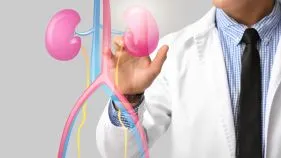
Lower Back Pain and Kidney Stones: Causes, Symptoms, Diagnosis, and Treatment
Introduction
Lower back pain is a common complaint that can result from muscle strain, spinal problems, poor posture, or kidney-related conditions. One important cause that should not be overlooked is kidney stones. Although not all lower back pain is caused by kidney stones, stone-related pain can become severe and may require prompt medical treatment.
Kidney stones are hard mineral deposits that form inside the kidneys and may move into the ureter, causing obstruction, muscle spasms, and significant pain. Understanding the relationship between lower back pain and kidney stones can help patients seek timely medical care and prevent complications such as infection, kidney swelling, or reduced kidney function.
At Prabhakar Bhurke Clinic, our super specialist nephrologist provides comprehensive kidney stone evaluation, advanced diagnostic testing, personalized treatment plans, kidney stone prevention, and long-term kidney care.
Can Kidney Stones Cause Lower Back Pain?
Yes. Kidney stones can cause lower back pain, particularly when a stone blocks the flow of urine or moves through the urinary tract.
Kidney stone pain usually occurs because:
-
The stone obstructs urine flow.
-
Pressure builds up inside the kidney.
-
The ureter goes into spasm.
-
Kidney tissues become stretched and irritated.
The pain may begin suddenly and can become extremely severe.
Where Is Kidney Stone Pain Usually Felt?
Kidney stone pain is commonly felt in the flank area, which is located on either side of the spine below the ribs.
Pain may occur in:
-
Lower back
-
Side of the back
-
Flank region
-
Lower abdomen
-
Groin
-
Pelvic area
The location often changes as the stone moves through the urinary tract.
Symptoms of Kidney Stones
Lower back pain associated with kidney stones may occur with other symptoms such as:
Severe Flank Pain
Pain may be sharp, intense, and come in waves.
Blood in the Urine
Urine may appear pink, red, or brown.
Burning During Urination
Pain while urinating may occur when the stone is near the bladder.
Frequent Urination
Patients may feel the need to urinate repeatedly.
Nausea and Vomiting
Severe kidney stone pain often triggers digestive symptoms.
Difficulty Passing Urine
Urinary obstruction may reduce urine flow.
Fever and Chills
These symptoms may indicate a kidney infection and require urgent medical attention.
Kidney Stone Pain vs Muscle Lower Back Pain
Kidney stone pain is different from most muscle-related back pain.
Kidney Stone Pain
-
Usually occurs suddenly.
-
May be severe.
-
Often comes in waves.
-
Does not improve significantly with changes in posture.
-
May occur with urinary symptoms.
-
May be associated with nausea or vomiting.
Muscle Back Pain
-
Often follows physical activity or injury.
-
Changes with movement.
-
Improves with rest.
-
Is usually tender when muscles are pressed.
-
Is not usually associated with urinary symptoms.
A medical evaluation helps determine the exact cause.
Common Causes of Kidney Stones
Kidney stones may develop due to:
Dehydration
Low fluid intake can make urine more concentrated.
High Salt Intake
Excess sodium can increase stone formation risk.
Dietary Factors
Risk may increase with excessive animal protein or high oxalate intake in susceptible individuals.
Family History
Some people inherit a tendency to develop kidney stones.
Metabolic Disorders
Conditions such as gout, obesity, and certain hormonal disorders can increase stone risk.
When Lower Back Pain May Be an Emergency
Seek immediate medical care if lower back pain occurs with:
-
Fever
-
Chills
-
Severe uncontrolled pain
-
Blood in the urine
-
Inability to urinate
-
Persistent vomiting
-
Reduced urine output
-
Pregnancy
-
Known kidney disease
These symptoms may indicate obstruction, infection, or kidney damage.
Diagnosis of Kidney Stones
At Prabhakar Bhurke Clinic, our super specialist nephrologist performs a detailed kidney stone evaluation.
Medical History and Physical Examination
The doctor evaluates:
-
Pain location
-
Pain severity
-
Urinary symptoms
-
Previous stone history
-
Medical conditions
-
Current medications
Blood Tests
Common investigations include:
-
Serum Creatinine
-
Kidney function tests
-
Electrolytes
-
Complete Blood Count (CBC)
Urine Tests
Urine evaluation helps detect:
-
Blood
-
Infection
-
Protein
-
Crystals
Imaging Studies
Imaging helps determine:
-
Stone size
-
Stone location
-
Kidney swelling
-
Urinary obstruction
Common tests include:
-
Kidney ultrasound
-
Non-contrast CT scan
Treatment for Kidney Stones
Treatment depends on stone size, location, symptoms, and kidney function.
Pain Management
Doctors may prescribe medicines to:
-
Relieve pain
-
Reduce inflammation
-
Relax the urinary tract
-
Help stone passage
Hydration
Adequate fluid intake may help some small stones pass naturally.
Medical Stone Passage Therapy
Certain medicines may help facilitate stone passage in selected patients.
ESWL (Shock Wave Lithotripsy)
Shock waves break stones into smaller fragments.
Ureteroscopy With Laser Lithotripsy
Laser energy is used to break and remove stones through a minimally invasive approach.
PCNL (Percutaneous Nephrolithotomy)
Recommended for large or complex kidney stones.
Can Lower Back Pain Improve After Stone Treatment?
Yes. Once the stone passes naturally or is removed through treatment, the back and flank pain usually improves significantly.
Persistent pain after stone treatment should be re-evaluated to rule out:
-
Remaining stone fragments
-
Infection
-
Kidney swelling
-
Other causes of back pain
Preventing Future Kidney Stones
To reduce recurrence risk:
Drink Adequate Water
Proper hydration is one of the most important preventive measures.
Reduce Salt Intake
Lower sodium intake helps reduce stone formation risk.
Follow a Balanced Diet
Dietary recommendations may include:
-
Fresh fruits and vegetables
-
Appropriate calcium intake
-
Limiting processed foods
-
Moderate protein intake
Regular Kidney Monitoring
Patients with recurrent stones may benefit from:
-
Stone analysis
-
Metabolic evaluation
-
Personalized prevention strategies
When Should You Consult a Nephrologist?
Consult a super specialist nephrologist if you have:
-
Persistent lower back pain
-
Recurrent kidney stones
-
Blood in the urine
-
Frequent urinary infections
-
High creatinine levels
-
Reduced kidney function
-
Kidney swelling
-
Severe flank pain
Early specialist care helps prevent kidney complications.
Why Choose Prabhakar Bhurke Clinic?
Patients trust Prabhakar Bhurke Clinic because we provide:
-
Consultation with a super specialist nephrologist
-
Comprehensive kidney stone evaluation
-
Advanced diagnostic facilities
-
Personalized treatment plans
-
Kidney function assessment
-
ESWL and stone treatment guidance
-
Stone prevention counseling
-
Long-term kidney health monitoring
Our goal is to relieve pain, remove kidney stones safely, preserve kidney function, and prevent recurrence.
Frequently Asked Questions (FAQs)
Can kidney stones cause lower back pain?
Yes. Kidney stones commonly cause lower back or flank pain, especially when they obstruct urine flow or move through the ureter.
Is kidney stone pain always severe?
Not always. Small stones may cause mild discomfort or no symptoms, while larger or obstructing stones can cause severe pain.
How can I tell if my lower back pain is from a kidney stone?
Kidney stone pain is often sudden, severe, occurs in the flank area, and may be associated with urinary symptoms, blood in urine, nausea, or vomiting.
Which doctor treats kidney stone-related back pain?
A super specialist nephrologist evaluates kidney function, stone-related complications, and guides appropriate treatment.
Conclusion
Lower back pain and kidney stones are closely connected because stones can obstruct urine flow, increase pressure within the kidney, and cause severe flank and back pain. Recognizing symptoms such as blood in urine, urinary changes, nausea, and fever is important for early diagnosis and treatment.
At Prabhakar Bhurke Clinic, our super specialist nephrologist provides expert kidney stone evaluation, personalized pain management, advanced stone treatment guidance, and long-term prevention strategies to help patients maintain healthy kidneys and prevent future stones.
Book an Appointment Today
If you are experiencing lower back pain, flank pain, blood in urine, recurrent kidney stones, urinary obstruction, or kidney function concerns, schedule a consultation at Prabhakar Bhurke Clinic. Our super specialist nephrologist will perform a comprehensive evaluation and recommend the most effective treatment for your kidney stone-related back pain.