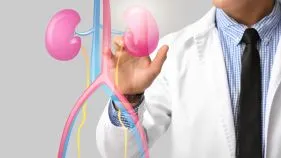
Understanding Renal Failure: Causes, Symptoms, and Life-Saving Treatment Options

Understanding Renal Failure: Causes, Symptoms, and Life-Saving Treatment Options

Understanding Renal Failure: Causes, Symptoms, and Life-Saving Treatment Options

Your kidneys are essential for filtering waste, balancing fluids, and regulating blood pressure. When they begin to fail, your body’s ability to remove toxins and maintain balance is compromised — a condition known as renal failure.

In this blog post, we’ll explore what renal failure is, its main causes and symptoms, how it’s diagnosed, and the available treatment options — including expert insights from the nephrology team at Prabhakar Bhurke Clinic, Mumbai.


What Is Renal Failure?

Renal failure, also called kidney failure, occurs when the kidneys lose their ability to effectively filter blood. This leads to the accumulation of harmful toxins and fluid imbalances in the body, affecting multiple organs and functions.

There are two main types:

  • Acute Renal Failure (ARF): Sudden loss of kidney function, often reversible with prompt treatment.

  • Chronic Renal Failure (CRF) or Chronic Kidney Disease (CKD): Gradual decline in kidney function over time, which can lead to End-Stage Renal Disease (ESRD) and may require dialysis or a kidney transplant.


Common Causes of Renal Failure

Several health conditions can lead to kidney failure, including:

  • Diabetes (Type 1 or 2) – The most common cause of chronic kidney disease

  • Hypertension (High blood pressure)

  • Glomerulonephritis – Inflammation of the kidney’s filtering units

  • Polycystic kidney disease (PKD) – A genetic disorder

  • Urinary tract obstructions or infections

  • Overuse of NSAIDs or nephrotoxic medications

  • Autoimmune diseases like lupus


Symptoms of Renal Failure

Renal failure often develops quietly. Symptoms may not appear until kidney function is severely reduced. Common signs include:

  • Fatigue and weakness

  • Swelling in ankles, legs, or face (edema)

  • Shortness of breath

  • Frequent or decreased urination

  • Foamy or bloody urine

  • Nausea or vomiting

  • Confusion or difficulty concentrating

  • Muscle cramps

  • High blood pressure that’s hard to control


How Is Renal Failure Diagnosed?

Early diagnosis is key. Your doctor may recommend:

  • Blood tests: To check creatinine and blood urea nitrogen (BUN) levels

  • Urine tests: To detect protein or blood in the urine

  • Imaging tests: Ultrasound or CT to assess kidney size and structure

  • GFR (Glomerular Filtration Rate): To measure kidney function


Treatment Options for Renal Failure

Treatment depends on whether the failure is acute or chronic, and how advanced it is.

🔹 Lifestyle and Medication Management (Early Stages):

  • Controlling blood sugar and blood pressure

  • Low-sodium, low-protein diet

  • Avoiding nephrotoxic drugs

  • Medications to manage symptoms and underlying conditions

🔹 Dialysis (For Advanced Stages or ESRD):

  • Hemodialysis: Blood is filtered using a machine

  • Peritoneal Dialysis: Uses the lining of the abdomen to filter blood

🔹 Kidney Transplant:

  • A long-term solution for patients with ESRD, where a healthy kidney is transplanted from a donor


Living with Renal Failure

While renal failure is serious, many patients live long, fulfilling lives with proper treatment and lifestyle adjustments. Key steps include:

  • Regular follow-ups with a nephrologist

  • Taking medications as prescribed

  • Sticking to a kidney-friendly diet

  • Managing stress and staying informed about your condition


Expert Kidney Care at Prabhakar Bhurke Clinic

At Prabhakar Bhurke Nephrology, Urology & Gynaecology Fertility Clinic, we offer comprehensive care for kidney-related conditions. Our lead nephrologist, Dr. Sandip Prabhakar Bhurke, specializes in diagnosing and managing all stages of renal failure.

We provide:

  • Detailed kidney function assessments

  • Personalized treatment plans

  • Dialysis support and counseling

  • Home visit and video consultation services

  • Clinics at Andheri West (Lokhandwala) and Borivali West, Mumbai


Final Thoughts

Renal failure doesn’t happen overnight — but when symptoms appear, timely diagnosis and expert care can prevent life-threatening complications. Whether it’s managing early-stage kidney disease or guiding you through dialysis or transplant options, the right care team makes all the difference.


📞 Concerned About Kidney Health? We’re Here to Help.

Book your appointment with Dr. Sandip Bhurke today and take control of your kidney health. Your journey to better wellness starts at Prabhakar Bhurke Clinic.

Understanding Renal Failure: Causes, Symptoms, and Life-Saving Treatment Options

Top Symptoms of Kidney Problems: What Your Body Might Be Telling You

Top Symptoms of Kidney Problems: What Your Body Might Be Telling You

Your kidneys play a critical role in keeping your body healthy — they filter toxins from your blood, balance fluid levels, regulate blood pressure, and support red blood cell production. When your kidneys begin to struggle, the signs can be subtle or mistaken for other health issues.

Understanding the symptoms of kidney problems can help with early detection and timely treatment. In this blog, we’ll highlight the most common signs of kidney trouble and when to seek medical attention.


Why Kidney Health Is So Important

Each kidney contains about a million filtering units called nephrons. These filters work around the clock to:

  • Remove waste and toxins from your blood

  • Maintain a healthy balance of water, salts, and minerals

  • Control blood pressure

  • Stimulate red blood cell production through a hormone called erythropoietin

  • Keep bones strong by managing calcium and phosphorus levels

When kidney function declines, waste builds up in the body, leading to complications that affect multiple organs.


Common Symptoms of Kidney Problems

Here are the top warning signs your kidneys might be in trouble:

1. Changes in Urination

  • Frequent urination, especially at night

  • Foamy, bubbly, or bloody urine

  • Dark-colored urine or reduced urine output

  • Pain or burning sensation while urinating

2. Swelling (Edema)

Kidneys that aren’t filtering properly can cause fluid buildup, leading to:

  • Swollen ankles, feet, or hands

  • Puffy face, especially around the eyes

3. Persistent Fatigue

Kidney problems can lead to a buildup of toxins and a drop in red blood cell production, causing constant tiredness or weakness.

4. Shortness of Breath

Fluid buildup in the lungs or anemia from reduced red blood cell production can lead to breathlessness, even with mild activity.

5. Nausea and Vomiting

As waste products accumulate in the blood, they can trigger stomach issues and a loss of appetite.

6. Itchy or Dry Skin

Kidney problems can affect mineral balance and cause uremic toxins to irritate the skin.

7. Metallic Taste in the Mouth or Bad Breath

Toxin buildup may leave a bad taste in the mouth, along with ammonia-like breath odor.

8. Muscle Cramps

Imbalances in electrolytes like calcium and potassium can lead to painful muscle cramps.

9. Difficulty Concentrating

Kidney dysfunction can cause cognitive issues like brain fog, memory problems, or poor focus due to toxin overload and anemia.


When to See a Doctor

If you experience any of the symptoms above — especially more than one at a time — it’s essential to consult a healthcare provider or nephrologist. A few simple blood and urine tests can evaluate kidney function and help catch issues early.


Protecting Your Kidney Health

To prevent kidney problems or slow their progression:

  • Stay hydrated

  • Control blood sugar and blood pressure

  • Avoid overuse of painkillers (NSAIDs)

  • Eat a kidney-friendly diet (low in sodium and processed foods)

  • Avoid smoking and excessive alcohol

  • Get regular check-ups, especially if you have diabetes, hypertension, or a family history of kidney disease


Expert Kidney Care at Prabhakar Bhurke Clinic

At Prabhakar Bhurke Nephrology, Urology & Gynaecology Fertility Clinic, we specialize in diagnosing and treating all types of kidney issues. Dr. Sandip Prabhakar Bhurke, a leading nephrologist in Mumbai, offers personalized care at our state-of-the-art clinics in Andheri West (Lokhandwala) and Borivali West.

We offer:

  • Advanced kidney function testing

  • Treatment for chronic and acute kidney conditions

  • Dialysis planning and support

  • Video and in-clinic consultations

  • 24/7 medical assistance by appointment


Final Thoughts

Kidney problems often progress silently, making it vital to recognize the early symptoms. Whether it's fatigue, swelling, or changes in urination, your body may be signaling the need for medical attention. Early diagnosis can make all the difference in protecting your health.


📞 Worried About Kidney Symptoms?

Book a consultation with Dr. Sandip Bhurke today at Prabhakar Bhurke Clinic and take the first step toward better kidney health. Your wellness starts with awareness.

Warning Signs of Kidney Infection: What You Should Never Ignore

Warning Signs of Kidney Infection: What You Should Never Ignore

A kidney infection, also known as pyelonephritis, is a serious and potentially life-threatening condition that requires immediate medical attention. It usually starts as a urinary tract infection (UTI) and spreads to one or both kidneys. Without prompt treatment, it can lead to kidney damage or bloodstream infections (sepsis).

Recognizing the early signs of a kidney infection can help prevent severe complications and ensure quick recovery.


What is a Kidney Infection?

A kidney infection occurs when bacteria or viruses travel up from the bladder or urethra into the kidneys, causing inflammation and infection. It is more common in women, but men and children can also be affected.

Kidney infections are different from typical bladder infections—they penetrate deeper and can escalate quickly if untreated.


Most Common Signs of Kidney Infection

Here are the key symptoms to watch out for:

1. Fever and Chills

A sudden high fever (often above 101°F or 38.5°C) with chills is one of the first signs the infection has moved to the kidneys.

2. Flank or Back Pain

Sharp or dull pain in your lower back or side (flank), usually on one side, is a hallmark of kidney involvement.

3. Painful or Burning Urination

This may start as a lower UTI symptom but continues or worsens as the infection spreads.

4. Frequent Urination or Urgency

You may feel an increased urge to urinate but pass only small amounts, often accompanied by discomfort.

5. Cloudy, Bloody, or Foul-Smelling Urine

Changes in urine appearance or smell can be a strong sign of infection.

6. Nausea and Vomiting

As the infection worsens, your body may react with gastrointestinal symptoms.

7. Fatigue or Weakness

You may feel unusually tired or weak as your immune system fights the infection.

8. Confusion (in older adults)

Elderly patients may not show typical signs but instead appear confused or disoriented.


When to Seek Medical Help

A kidney infection should never be ignored. If you have any of the symptoms listed above—especially fever with back pain or urinary symptoms—see a doctor immediately. Delayed treatment may lead to:

  • Kidney scarring or damage

  • Sepsis (a life-threatening blood infection)

  • Chronic kidney disease (if recurrent)


How Are Kidney Infections Diagnosed?

At Prabhakar Bhurke Nephrology, Urology & Gynaecology Fertility Clinic, diagnosis typically includes:

  • Urine tests (to detect bacteria, blood, or pus)

  • Blood tests (to check for infection markers)

  • Ultrasound or CT scans (to assess kidney health)


Treatment Options for Kidney Infections

1. Oral Antibiotics

Mild to moderate infections are treated with a course of antibiotics for 7–14 days.

2. Hospitalization & IV Antibiotics

Severe cases, or infections in high-risk patients (elderly, diabetics, pregnant women), may require hospital care.

3. Pain Management & Fluids

Pain relievers and increased fluid intake help flush out the bacteria and ease discomfort.


Preventing Kidney Infections

Here are some ways to reduce your risk:

  • Drink plenty of fluids daily

  • Don’t delay urination when you feel the urge

  • Maintain good hygiene, especially after using the bathroom

  • Wipe from front to back (for women)

  • Urinate after sexual activity

  • Avoid using irritating feminine products or douches

If you experience recurrent UTIs or kidney infections, speak with a nephrologist or urologist to explore underlying causes and long-term solutions.


Expert Kidney Care in Mumbai – We’re Here for You

At Prabhakar Bhurke Clinic, our team of specialists including Dr. Sandip Prabhakar Bhurke (Kidney Specialist) and Dr. Hitesh Jain (Urologist) provides comprehensive care for kidney infections and related conditions.

With advanced diagnostics and personalized treatments, we ensure fast relief and long-term kidney health. Consult us at our clinics in Andheri West (Lokhandwala) and Borivali West, or book a home visit or video consultation 24/7.


Don’t Ignore the Signs – Your Kidneys Deserve Urgent Care

Kidney infections can escalate quickly. If you or your loved one shows warning signs, don’t wait. Book your consultation with our expert team today for safe, effective, and affordable care.

📞 Call now or schedule online for immediate assistance.

Understanding Kidney Function: Why Healthy Kidneys Are Vital for Your Body

Understanding Kidney Function: Why Healthy Kidneys Are Vital for Your Body

Understanding Kidney Function: Why Healthy Kidneys Are Vital for Your Body
Your kidneys are small, bean-shaped organs located on either side of your spine, just below your rib cage. Although they may be small in size, they play a big role in keeping your body healthy and balanced. When your kidney function is optimal, your body efficiently removes waste, regulates blood pressure, and maintains essential nutrients and fluids. But when kidney function declines, it can lead to serious health complications—some even life-threatening.

In this article, we’ll dive into what kidney function really means, why it’s crucial for your health, how to detect issues early, and ways to keep your kidneys strong for life.

What Is Kidney Function?
Kidney function refers to how well your kidneys filter blood and maintain a healthy internal environment. Each kidney contains about one million tiny filtering units called nephrons, which remove waste and extra fluid from the bloodstream, turning it into urine.

Key roles of the kidneys include:

Filtering waste products and toxins from the blood

Balancing fluid and electrolytes (sodium, potassium, calcium)

Regulating blood pressure

Producing hormones that support red blood cell production and bone health

Maintaining pH balance in the body

How Is Kidney Function Measured?
Doctors use several tests to assess kidney health:

1. Glomerular Filtration Rate (GFR)
Estimates how much blood your kidneys filter per minute

A GFR of 90 or above is considered normal

Below 60 may indicate kidney disease

2. Serum Creatinine Test
Measures creatinine, a waste product

Elevated levels may signal reduced kidney function

3. Urine Albumin Test
Checks for protein (albumin) in urine, which can be an early sign of kidney damage

Signs of Reduced Kidney Function
In early stages, kidney problems may not show any symptoms. As function declines, you may experience:

Fatigue and weakness

Swelling in the hands, feet, or face

Foamy or bloody urine

Changes in urination frequency

Shortness of breath

Persistent itching

High blood pressure

Loss of appetite

If you notice these signs, it’s important to get checked by a doctor as soon as possible.

Common Causes of Decreased Kidney Function
Several health conditions and lifestyle factors can impact how well your kidneys work:

High blood pressure (Hypertension)

Diabetes

Chronic dehydration

Kidney infections or stones

Autoimmune diseases (e.g., lupus)

Overuse of certain medications (especially NSAIDs)

Smoking and excessive alcohol use

Family history of kidney disease

How to Keep Your Kidney Function Healthy
✅ Stay Hydrated
Drink enough water to help your kidneys filter waste efficiently.

✅ Manage Blood Pressure and Blood Sugar
These are the top two causes of kidney disease—control them with diet, exercise, and medications.

✅ Eat a Kidney-Friendly Diet
Limit salt, processed foods, and excessive protein. Include fruits, vegetables, and whole grains.

✅ Avoid Over-the-Counter Painkillers
Frequent use of ibuprofen, aspirin, or naproxen can damage kidneys over time.

✅ Don’t Smoke
Smoking slows kidney function and increases the risk of kidney disease.

✅ Get Regular Checkups
Routine screening helps detect early signs of kidney issues—even before symptoms appear.

Expert Kidney Function Evaluation at Prabhakar Bhurke Clinic
At Prabhakar Bhurke Nephrology, Urology, and Gynaecology Fertility Clinic, we offer comprehensive kidney health assessments led by Dr. Sandip Prabhakar Bhurke, a renowned Kidney (Renal) Nephrologist Specialist.

Whether you're managing diabetes, hypertension, or just want to check your kidney function, we provide:

Advanced diagnostic tests

Personalized treatment plans

Diet and lifestyle guidance

Clinic consultations, home visits, and video calls

Our centers in Lokhandwala (Andheri West) and Borivali West, Mumbai, are equipped to provide state-of-the-art nephrology care with compassion and precision.

Protect Your Kidney Function—Start Today
Your kidneys do a lot behind the scenes. Take charge of your kidney health by booking a consultation with our experts. Early action can prevent long-term complications and support a healthier future.

Understanding Kidney Function: Why Healthy Kidneys Are Vital for Your Body

Kidney Stone Treatment: Effective Ways to Relieve Pain and Prevent Recurrence

Kidney Stone Treatment: Effective Ways to Relieve Pain and Prevent Recurrence
Kidney stones are small, hard deposits that form inside your kidneys when certain minerals and salts in the urine become concentrated. These stones can cause severe pain, discomfort, and urinary complications. Fortunately, kidney stone treatment options are highly effective and vary based on the size, type, and severity of the stones.

In this blog, we’ll explore everything you need to know about kidney stone treatment—from natural remedies and medications to advanced surgical procedures. We’ll also cover prevention tips to help you avoid recurrent stones in the future.

What Are Kidney Stones?
Kidney stones, or renal calculi, are crystalline mineral deposits that form in the kidneys and may move into the urinary tract. Common types include:

Calcium stones (most common)

Uric acid stones

Struvite stones (from infections)

Cystine stones (genetic disorder)

Symptoms of Kidney Stones
Kidney stones can go unnoticed until they start moving. Common symptoms include:

Sharp pain in the lower back or abdomen

Pain during urination

Blood in urine

Frequent or urgent urination

Nausea or vomiting

Fever and chills (if infection is present)

Kidney Stone Treatment Options
1. Home Remedies and Hydration
For small stones (less than 5mm), increasing fluid intake (2–3 liters a day) can help flush out the stone naturally. Other remedies include:

Lemon water: Contains citrate, which may help dissolve calcium stones.

Apple cider vinegar: Some believe it helps break down small stones.

Pain relief medications: Such as ibuprofen or acetaminophen.

⚠️ Always consult a doctor before trying home remedies.

2. Medical Therapy
Doctors may prescribe medications such as:

Alpha blockers (e.g., tamsulosin) to relax ureter muscles and ease stone passage.

Potassium citrate to dissolve certain types of stones.

Allopurinol for uric acid stones.

Antibiotics if an infection is present.

3. Minimally Invasive Surgical Treatments
If the stone is large or causing complications, surgery may be needed:

a. Extracorporeal Shock Wave Lithotripsy (ESWL)
Non-invasive procedure using sound waves to break stones into small fragments.

Ideal for medium-sized stones.

b. Ureteroscopy
A thin scope is inserted through the urethra to break or remove stones from the ureter or kidney.

No incisions required.

c. Percutaneous Nephrolithotomy (PCNL)
For large or complex stones.

Involves a small incision in the back to access and remove the stone.

d. Laser Lithotripsy
A laser is used via ureteroscopy to fragment the stone.

Fast recovery and minimal discomfort.

Preventing Kidney Stones
Prevention is key to avoid recurrence. Here’s how:

Drink plenty of water daily (at least 8–10 glasses)

Limit sodium, sugar, and animal protein intake

Include more citrus fruits like lemons and oranges

Avoid excessive intake of oxalate-rich foods (spinach, chocolate, nuts)

Follow doctor-prescribed medications for underlying conditions

Expert Kidney Stone Treatment at Prabhakar Bhurke Clinic
At Prabhakar Bhurke Nephrology, Urology, and Gynaecology Fertility Clinic, we specialize in the diagnosis, treatment, and prevention of kidney stones using the latest technology and compassionate care.

Dr. Hitesh Jain, our expert Urologist and Uro Surgeon, has a particular focus on kidney stone treatment, prostate conditions, and urological cancers. With access to advanced diagnostic tools and minimally invasive surgical techniques, we ensure fast relief and long-term prevention.

We offer clinic consultations, home visits, and video consultations at our centers in Lokhandwala (Andheri West) and Borivali West, Mumbai.

Say Goodbye to Kidney Stone Pain—Book Your Consultation Today
Don’t wait for the pain to worsen. Our experienced team is ready to guide you through the most effective kidney stone treatment plan tailored to your needs.