Kidney Stone 7mm Home Treatment: Safe Ways to Manage Symptoms and Know When Treatment Is Needed
A 7 mm kidney stone is considered a moderately sized stone. People diagnosed with a 7 mm stone often want to know whether it can pass naturally and whether kidney stone 7mm home treatment can help.
The answer depends on several factors. A 7 mm stone may pass naturally in some patients, particularly when it is already in the ureter and positioned favorably. However, the likelihood of spontaneous passage is lower than it is for smaller stones.
Home measures may help control symptoms and support safe stone passage in selected patients, but they cannot guarantee that a 7 mm stone will pass.
The stone's location, shape, urinary obstruction, kidney function, infection, and the patient's overall health should be assessed before deciding between observation and active treatment.
At Prabhakar Bhurke Clinic, Dr. Sandip Prabhakar Bhurke, a super specialist nephrologist, provides comprehensive evaluation of kidney stones, kidney function, metabolic risk factors, and related kidney conditions. When a procedure is required, appropriate urology care can be coordinated.
Is a 7mm Kidney Stone Large?
A 7 mm kidney stone is approximately 0.7 cm in diameter.
It is larger than stones that commonly pass easily through the urinary tract. Whether it can pass naturally depends greatly on its location.
A 7 mm stone located in the kidney may remain there without causing symptoms for some time. If it moves into the ureter, it may cause significant pain or obstruction.
Important factors include:
-
Stone size
-
Stone location
-
Stone shape
-
Ureter anatomy
-
Presence of obstruction
-
Hydronephrosis
-
Infection
-
Kidney function
-
Previous history of kidney stones
Therefore, the size alone should not be used to predict the outcome.
Can a 7mm Kidney Stone Pass Naturally?
Yes, a 7 mm stone can pass naturally in some cases, but spontaneous passage is less likely than with smaller stones.
The chance of passage depends particularly on where the stone is located in the ureter.
A stone that has moved farther down the ureter toward the bladder may have a better chance of passing than a stone located higher in the urinary tract.
Because passage can take time and obstruction can damage the kidney, observation should generally be done with appropriate medical guidance and follow-up.
Kidney Stone 7mm Home Treatment Options
Home care can sometimes be used as supportive management when the patient is medically stable and there is no significant obstruction or infection.
1. Drink Fluids as Advised
Adequate hydration is important for urinary health and kidney stone prevention.
However, drinking excessive amounts of water does not force a 7 mm stone out.
If a stone is causing significant urinary obstruction, rapidly drinking very large quantities of fluid may increase discomfort.
Instead:
-
Drink fluids regularly.
-
Maintain good hydration unless your doctor has restricted fluids.
-
Follow your nephrologist's advice if you have kidney, heart, or other medical conditions requiring fluid restriction.
2. Take Prescribed Pain Medication
Kidney stones can cause severe colicky pain.
A doctor may recommend an appropriate pain-relieving medicine based on your medical history and kidney function.
Do not repeatedly take painkillers without medical advice, particularly NSAIDs, because some pain medicines can affect kidney function in susceptible patients.
3. Use Gentle Heat for Temporary Comfort
A warm heating pad or warm compress over the painful area may provide temporary relief for some people.
This does not remove the stone, but it may make discomfort easier to manage.
Avoid excessively hot temperatures that could burn the skin.
4. Stay Physically Active if Comfortable
Normal light activity may be continued if you feel well.
However, strenuous exercise is not a proven method for forcing a 7 mm stone to pass.
If pain is severe, rest and seek medical advice instead of attempting vigorous physical activity.
5. Follow Your Prescribed Stone-Passage Treatment
Depending on the stone's location and the patient's circumstances, a doctor may consider medicines that can help facilitate passage in selected ureteral stones.
These medicines are not appropriate for everyone.
Your doctor will consider:
-
Stone location
-
Stone size
-
Blood pressure
-
Kidney function
-
Other medications
-
Pregnancy status where relevant
-
Risk of obstruction
Do not start stone-passage medicines without professional guidance.
Can Lemon Water Remove a 7mm Kidney Stone?
Lemon water may contribute to fluid intake and provides citrate, which can be relevant to prevention of certain types of kidney stones.
However, lemon water should not be considered a treatment that dissolves or removes a 7 mm stone.
It should not replace medical evaluation or treatment when a stone is causing obstruction, infection, persistent pain, or impaired kidney function.
Can Apple Cider Vinegar Dissolve a 7mm Stone?
There is no reliable evidence that drinking apple cider vinegar will dissolve or remove a typical 7 mm kidney stone.
Using large amounts of acidic drinks or unproven remedies can cause other health problems and should not replace appropriate medical treatment.
Can Herbal Remedies Remove a 7mm Kidney Stone?
Herbal products are sometimes marketed as natural kidney stone treatments.
However, there is no dependable herbal remedy that can be recommended as a universal treatment for a 7 mm stone.
Some herbal or supplement products may:
-
Interact with medications
-
Contain unknown ingredients
-
Affect kidney function
-
Delay appropriate treatment
Patients with kidney disease should discuss supplements with a healthcare professional before using them.
What Symptoms Can a 7mm Kidney Stone Cause?
A 7 mm stone may cause symptoms when it moves or blocks urine flow.
Possible symptoms include:
-
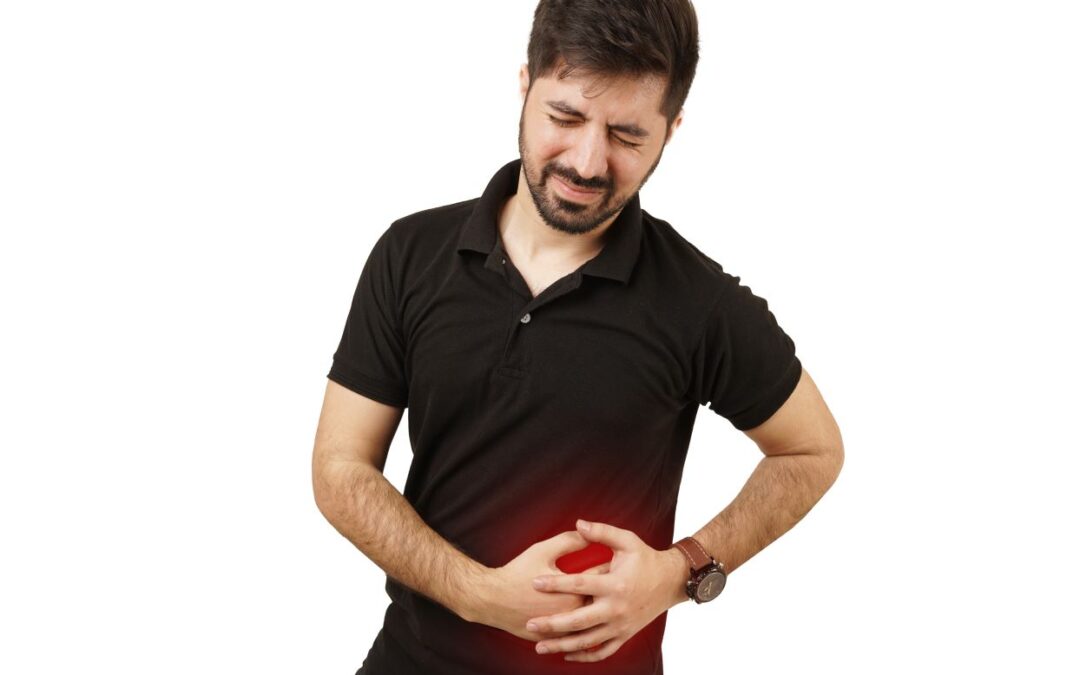
Severe flank pain
-
Pain radiating toward the lower abdomen or groin
-
Blood in the urine
-
Nausea
-
Vomiting
-
Burning while urinating
-
Frequent urination
-
Difficulty passing urine
-
Urinary urgency
Some kidney stones cause no symptoms and are discovered during imaging performed for another reason.
When Is a 7mm Kidney Stone an Emergency?
A kidney stone requires urgent medical assessment when it is associated with symptoms suggesting infection, severe obstruction, or significant deterioration in health.
Seek urgent medical care if you experience:
-
Fever or chills
-
Severe or worsening pain
-
Persistent vomiting
-
Difficulty passing urine
-
Very low urine output
-
Blood in the urine with severe symptoms
-
Fainting or marked weakness
-
Known reduced kidney function
-
A single functioning kidney with suspected obstruction
Fever Plus Kidney Stone Needs Special Attention
A blocked urinary system combined with infection can become a serious medical emergency.
Do not attempt to manage this situation at home with water, herbal remedies, or painkillers alone.
Urgent evaluation may be necessary to treat the infection and relieve obstruction.
How Is a 7mm Kidney Stone Diagnosed?
Before deciding on home observation or active treatment, the stone should be evaluated properly.
Ultrasound
Ultrasound can help identify:
-
Kidney stones
-
Kidney swelling
-
Hydronephrosis
-
Some urinary tract abnormalities
CT Scan
A non-contrast CT scan may provide more detailed information about:
-
Exact stone size
-
Stone location
-
Number of stones
-
Urinary obstruction
-
Kidney anatomy
The need for CT depends on the clinical situation.
Blood Tests
Your doctor may recommend:
-
Serum creatinine
-
eGFR
-
Blood urea nitrogen
-
Electrolytes
-
Calcium
-
Uric acid
-
Complete blood count when infection is suspected
These tests help assess kidney function and identify associated problems.
Urine Tests
Urine evaluation may include:
-
Routine urinalysis
-
Urine microscopy
-
Urine culture when infection is suspected
-
Urine pH
-
Protein testing
These investigations can help identify blood, infection, and other abnormalities.
When Should a 7mm Stone Be Treated?
Active treatment may be considered when:
-
The stone does not pass
-
Pain continues or repeatedly returns
-
There is significant urinary obstruction
-
Hydronephrosis develops
-
Infection occurs
-
Kidney function is affected
-
The stone is unlikely to pass based on its location
-
The patient prefers definitive treatment after discussing the options
-
The stone increases in size
The decision should be individualized rather than based only on the 7 mm measurement.
Medical Treatment Options for a 7mm Kidney Stone
If home observation is unsuccessful or inappropriate, several treatment options may be considered.
Ureteroscopy
During ureteroscopy, a small scope is passed through the urinary tract to reach the stone.
The stone can be removed or broken into smaller pieces, often using laser technology.
Ureteroscopy may be considered for stones in the ureter or kidney depending on their location and other factors.
RIRS
Retrograde Intrarenal Surgery (RIRS) is a minimally invasive procedure used for selected kidney stones.
A flexible scope is guided into the kidney, where the stone can be fragmented using a laser and the fragments removed or allowed to pass depending on the situation.
ESWL
Extracorporeal Shock Wave Lithotripsy (ESWL) uses shock waves to break a kidney stone into smaller fragments.
Its suitability depends on:
-
Stone location
-
Stone density
-
Stone size
-
Kidney anatomy
-
Patient factors
PCNL
Percutaneous Nephrolithotomy (PCNL) is generally used for larger or more complex stone burdens.
A 7 mm stone does not automatically require PCNL.
The appropriate procedure depends on the specific clinical circumstances.
What Happens If a 7mm Stone Gets Stuck?
A stone lodged in the ureter can obstruct urine flow.
Persistent obstruction may lead to:
-
Hydronephrosis
-
Increasing pain
-
Infection
-
Reduced kidney function
-
Kidney damage if severe obstruction remains untreated
This is why prolonged home treatment without medical follow-up is not advisable.
How Long Can You Wait for a 7mm Stone to Pass?
There is no single safe waiting period for every patient.
Observation may be reasonable in selected stable patients when:
-
There is no infection
-
Kidney function is preserved
-
Pain is manageable
-
Urine is passing normally
-
There is no concerning obstruction
-
Follow-up has been arranged
Your doctor may recommend repeat imaging to confirm whether the stone has moved or passed.
If symptoms worsen, waiting should stop and medical evaluation should be obtained.
How to Prevent Another Kidney Stone
After the immediate stone problem is addressed, prevention becomes important.
Helpful measures may include:
Maintain Appropriate Fluid Intake
Regular fluid consumption can help reduce the concentration of stone-forming substances in urine.
Reduce Excess Sodium
High sodium intake can increase urinary calcium in some people and contribute to stone formation.
Maintain a Balanced Diet
Avoid extreme dietary restrictions unless recommended by your healthcare professional.
Do Not Eliminate Dietary Calcium Without Advice
For many calcium-stone formers, appropriate dietary calcium is important. Unnecessarily avoiding calcium can sometimes increase stone risk.
Identify the Stone Type
Stone analysis, when available, can help determine prevention strategies.
Consider Metabolic Evaluation
People with recurrent stones may benefit from blood tests and 24-hour urine testing to identify specific risk factors.
What Not to Do at Home for a 7mm Kidney Stone
Avoid relying on:
-
Excessive water intake
-
Unproven herbal mixtures
-
“Kidney cleansing” products
-
Apple cider vinegar as a stone cure
-
Extreme fasting
-
Excessive exercise
-
Repeated painkiller use without medical advice
-
Delaying treatment despite fever or reduced urine output
Home care should support medical management, not replace necessary treatment.
Kidney Stone Care at Prabhakar Bhurke Clinic
At Prabhakar Bhurke Clinic, Dr. Sandip Prabhakar Bhurke, a super specialist nephrologist, evaluates patients with kidney stones and related kidney problems.
Assessment may include:
-
Kidney function evaluation
-
Blood and urine testing
-
Review of ultrasound or CT findings
-
Assessment of urinary obstruction
-
Evaluation of recurrent stone risk
-
Guidance on hydration and dietary measures
-
Management of associated kidney disease
-
Coordination with appropriate urology specialists when stone removal is required
The aim is to choose a safe management strategy while protecting kidney function.
Frequently Asked Questions
Can a 7mm kidney stone pass naturally?
Yes, it can pass naturally in some patients, but the chance is lower than for smaller stones. Location within the urinary tract is an important factor.
What is the best home treatment for a 7mm kidney stone?
Supportive measures may include appropriate hydration, prescribed pain relief, gentle heat, and following your doctor's advice. Home treatment cannot guarantee that a 7 mm stone will pass.
Should I drink lots of water to push out a 7mm stone?
No. Excessive water intake does not guarantee stone passage and may worsen discomfort if significant obstruction is present. Maintain hydration according to medical advice.
Can lemon water dissolve a 7mm kidney stone?
No. Lemon water may contribute to hydration and citrate intake but should not be considered a treatment that dissolves a 7 mm stone.
Can a 7mm kidney stone be removed without surgery?
Depending on its location and characteristics, ESWL may provide a non-incisional treatment option. Some stones may also be observed under medical supervision.
Is RIRS suitable for a 7mm stone?
RIRS may be appropriate for selected kidney stones, but the decision depends on the stone's location, anatomy, symptoms, and other clinical factors.
When should I stop home treatment?
Seek medical evaluation if pain persists, symptoms worsen, the stone does not pass as expected, or you develop fever, chills, vomiting, reduced urine output, or difficulty passing urine.
Which doctor should I consult for a 7mm kidney stone?
A nephrologist can evaluate kidney function and associated kidney conditions, while a urologist manages many stone-removal procedures. Depending on the case, coordinated care may be recommended.
Conclusion
Kidney stone 7mm home treatment can be appropriate as supportive management for carefully selected patients, but a 7 mm stone should not automatically be assumed to pass naturally.
Adequate hydration, medically appropriate pain management, gentle heat, and prescribed medications may help some patients while they are being monitored. However, these measures do not guarantee stone passage.
If the stone causes persistent obstruction, infection, uncontrolled pain, reduced urine output, or kidney function problems, active treatment may be necessary. Options can include ESWL, ureteroscopy, or RIRS depending on the stone's location and characteristics.
At Prabhakar Bhurke Clinic, Dr. Sandip Prabhakar Bhurke, a super specialist nephrologist, provides comprehensive kidney evaluation and individualized guidance for patients with kidney stones, recurrent stone disease, and related kidney conditions. When a procedure is required, appropriate urology care can be coordinated.
Book an Appointment
If you have been diagnosed with a 7mm kidney stone, persistent kidney stone pain, blood in the urine, hydronephrosis, recurrent stones, high creatinine, or difficulty passing urine, consult a qualified kidney specialist.
At Prabhakar Bhurke Clinic, Dr. Sandip Prabhakar Bhurke, super specialist nephrologist, can evaluate your kidney function, review your stone-related investigations, and guide you toward appropriate observation, prevention, or specialist treatment.
Medical Disclaimer
This article is intended for general educational purposes only and does not replace professional medical advice, diagnosis, or treatment. The appropriate management of a 7 mm kidney stone depends on its location, shape, urinary obstruction, infection status, kidney function, and individual health factors. Do not start medicines or supplements without professional guidance. Seek urgent medical care for fever, chills, severe worsening pain, persistent vomiting, inability to pass urine, or significantly reduced urine output.