
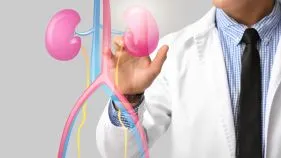
High Creatinine Treatment: Expert Kidney Care at Prabhakar Bhurke Clinic

High Creatinine Treatment: Expert Kidney Care at Prabhakar Bhurke Clinic

Understanding High Creatinine Levels

Creatinine is a waste product formed from normal muscle metabolism and is filtered out of the blood by the kidneys. When creatinine levels rise, it often indicates that the kidneys are not functioning properly. High creatinine levels can be temporary or may signal an underlying kidney condition that requires timely medical attention.

At Prabhakar Bhurke Clinic, patients receive expert evaluation and advanced care from a super specialist doctor, ensuring accurate diagnosis and effective management of high creatinine levels.


Common Causes of High Creatinine

High creatinine levels may be caused by several factors, including:

  • Chronic kidney disease (CKD)

  • Acute kidney injury

  • Dehydration

  • Uncontrolled diabetes or high blood pressure

  • Urinary tract obstruction

  • Certain medications or supplements

Identifying the exact cause is essential, as treatment depends on the underlying condition.


High Creatinine Treatment Approach

Treatment for high creatinine focuses on improving kidney function and preventing further damage. At Prabhakar Bhurke Clinic, the treatment plan is customized for each patient and may include:

1. Accurate Diagnosis

Advanced blood tests, urine tests, imaging studies, and detailed clinical evaluation are used to determine the cause and severity of kidney dysfunction.

2. Medical Management

Depending on the diagnosis, treatment may include:

  • Medications to control blood pressure and diabetes

  • Medicines to reduce kidney workload

  • Adjusting or stopping harmful medications

3. Dietary and Lifestyle Guidance

Patients are advised on:

  • Kidney-friendly diet plans

  • Proper hydration

  • Reducing salt and protein intake when required

  • Lifestyle changes to support kidney health

4. Advanced Kidney Care

For complex or severe cases, the super specialist doctor at Prabhakar Bhurke Clinic provides advanced nephrology care, ensuring close monitoring and timely intervention.


Why Choose Prabhakar Bhurke Clinic?

  • Super Specialist Doctor with expertise in kidney-related disorders

  • Personalized Treatment Plans based on individual health needs

  • Modern Diagnostic Facilities for accurate assessment

  • Patient-Centered Care with clear guidance and follow-up

The clinic is committed to helping patients manage high creatinine levels effectively and improve their overall kidney health.


When to See a Doctor

You should seek medical advice if you experience:

  • Persistently high creatinine levels

  • Swelling in legs or face

  • Fatigue or reduced urine output

  • Known kidney disease, diabetes, or hypertension

Early diagnosis and treatment can prevent complications and slow disease progression.


Conclusion

High creatinine levels should never be ignored. With expert care from a super specialist doctor, Prabhakar Bhurke Clinic offers comprehensive and effective treatment for high creatinine and kidney-related conditions. Timely intervention, proper treatment, and guided lifestyle changes can make a significant difference in kidney health.

Dialysis Treatment: Types, Procedure, Benefits Life on Dialysis

Dialysis Treatment: Types, Procedure, Benefits Life on Dialysis

Dialysis Treatment: Types, Procedure, Benefits & Life on Dialysis

Dialysis treatment is a medical procedure that helps filter and clean the blood when the kidneys can no longer function effectively due to kidney failure or severe kidney disease. It removes waste products, excess fluids, and toxins, helping maintain a healthy balance of electrolytes.


Why Dialysis is Needed

When kidneys lose 85–90% of their function, harmful waste and excess fluid build up in the body. Dialysis takes over the filtering role to:

  • Prevent toxin buildup

  • Control blood pressure

  • Maintain the right balance of minerals like potassium and sodium


Types of Dialysis Treatment

  1. Hemodialysis

    • Blood is passed through a dialysis machine (artificial kidney) for cleaning.

    • Usually performed in a clinic, 3 times a week for 3–5 hours.

  2. Peritoneal Dialysis (PD)

    • Uses the lining of your abdomen (peritoneum) as a filter.

    • Can be done at home, either manually during the day (CAPD) or automatically overnight (APD).


Procedure & What to Expect

  • Hemodialysis: Blood is drawn via a fistula, graft, or catheter, cleaned in the machine, and returned to the body.

  • Peritoneal Dialysis: Dialysis fluid is introduced into the abdominal cavity, where waste is absorbed and later drained.


Benefits of Dialysis

  • Extends life expectancy for kidney failure patients

  • Improves quality of life and reduces symptoms like swelling, fatigue, and nausea

  • Can be performed long-term or as a bridge to kidney transplant


Living Well on Dialysis

  • Follow a kidney-friendly diet

  • Maintain proper fluid restrictions

  • Take medications as prescribed

  • Stay active within limits and attend all treatment sessions

Dialysis Treatment: Types, Procedure, Benefits Life on Dialysis

Kidney Stone Surgery: Types, Procedure, Recovery Risks

Kidney Stone Surgery: Types, Procedure, Recovery & Risks

Kidney stones are hard mineral deposits that form in the kidneys and can cause severe pain, urinary problems, and even kidney damage if left untreated. While many stones pass naturally, kidney stone surgery is sometimes necessary when stones are too large, cause persistent pain, block urine flow, or lead to recurrent infections.


When is Surgery Needed?

Doctors may recommend surgery if:

  • Stones are larger than 6mm

  • They are causing blockage in the urinary tract

  • Pain is unmanageable with medication

  • There is risk of kidney damage

  • Stones recur despite preventive measures


Types of Kidney Stone Surgery

  1. Ureteroscopy (URS)

    • A thin scope is passed through the urethra and bladder to the stone.

    • The stone is either removed directly or broken into smaller pieces with a laser.

  2. Percutaneous Nephrolithotomy (PCNL)

    • Used for large or complex stones.

    • A small incision is made in the back to remove the stone directly from the kidney.

  3. Shock Wave Lithotripsy (SWL)

    • Uses sound waves to break the stone into smaller pieces that can pass naturally.

    • Minimally invasive and done as an outpatient procedure.

  4. Open Surgery (Rare)

    • Reserved for extremely large or unusual stones.

    • Requires a larger incision and longer recovery.


Recovery After Kidney Stone Surgery

  • Hospital stay: Few hours to 2 days depending on the procedure

  • Drink plenty of fluids to flush out stone fragments

  • Avoid strenuous activity for at least 1–2 weeks

  • Take prescribed antibiotics or pain medications as advised

  • Attend follow-up appointments to monitor healing


Possible Risks

Like any surgical procedure, kidney stone surgery has potential risks:

  • Bleeding

  • Infection

  • Injury to surrounding tissues

  • Recurrence of stones


Preventing Future Kidney Stones

  • Stay hydrated (2–3 liters of water daily)

  • Limit sodium and animal protein

  • Maintain a balanced diet rich in fruits and vegetables

  • Follow dietary recommendations based on stone type


Bottom Line:
Kidney stone surgery is safe, effective, and often necessary for large or stubborn stones. Early diagnosis, the right procedure, and healthy lifestyle changes can help prevent future stones and protect your kidney health.

Dialysis Treatment: Types, Procedure, Benefits Life on Dialysis

Tulane Nephrology: Leading Kidney Care Training in New Orleans

Tulane Nephrology: Leading Kidney Care & Training in New Orleans

When it comes to kidney health—from diagnosis and treatment to training top specialists—Tulane University School of Medicine is at the forefront. The Section of Nephrology & Hypertension, based in New Orleans, combines expert medical care with pioneering education and research.

Here’s what makes Tulane Nephrology a distinguished name in renal medicine:


1. Comprehensive Clinical Care

Tulane’s nephrology services cover a wide spectrum of kidney-related care—including hypertension management, dialysis, and transplantation. They operate through several clinical sites:

  • Tulane Multispecialty Clinic (Downtown and East Jefferson)

  • Tulane Dialysis Clinics for patient-focused renal failure management

  • Transplant Institute for pre- and post-transplant care Tulane School of Medicine+1

These clinics ensure that patients across New Orleans and the Gulf South receive accessible and cohesive care.


2. Unmatched Fellowship Training

Tulane offers a robust two-year Nephrology & Hypertension Fellowship designed to produce highly skilled kidney specialists. Trainees gain hands-on experience in:

Tulane also offers a one-year Transplantation Nephrology Fellowship, focusing on surgical and immunologic aspects of kidney transplantation—ideal for those pursuing specialized transplant careers Tulane School of Medicine.


3. Leadership & Innovative Education

  • Dr. Robert S. Hoover, Chief of Nephrology & Hypertension, leads a team dedicated to compassionate patient care and pioneering kidney research Tulane School of Medicine+1.

  • Dr. Adrian Baudy, IV, MD, MBA serves as Program Director of the fellowship and emphasizes holistic training—blending clinical excellence with community engagement and addressing social determinants of health Tulane School of MedicineFREIDA Database.


4. Collaborative Clinical Environment

Fellows rotate through diverse clinical settings including:

  • East Jefferson General Hospital—inpatient consults, dialysis, and transplant preparation

  • University Medical Center (UMCNO)—high-acuity inpatient cases

  • VA Clinics—chronic kidney disease care for veterans Tulane School of Medicine

This exposure ensures comprehensive training across unique patient populations and care scenarios.


Why Tulane Nephrology Stands Out

Tulane’s nephrology program shines due to:

  • Multisite patient care anchored in academic excellence

  • Comprehensive training combining clinical skill, research, and leadership

  • Strong mentorship from clinical leaders and educators

  • Access to transplant nephrology and procedural experiences

  • A rich urban and cultural backdrop that enhances learning and service

Whether you’re a patient seeking leading-edge kidney care or a physician looking to specialize in nephrology, Tulane Nephrology offers unparalleled expertise and support.

Dialysis Treatment: Types, Procedure, Benefits Life on Dialysis

Chronic Renal Failure Causes, Symptoms Advanced Treatment Options

Chronic Renal Failure: Causes, Symptoms & Advanced Treatment Options

Chronic renal failure, also known as chronic kidney disease (CKD), is a progressive loss of kidney function over time. It develops slowly and can remain undetected for years until kidney function is significantly impaired. Understanding its causes, recognizing the early symptoms, and seeking timely treatment are crucial to managing this life-altering condition.

At Prabhakar Bhurke Nephrology, Urology & Gynaecology Fertility Clinic, we specialize in diagnosing and managing all stages of chronic renal failure. Here’s a comprehensive guide to help you understand this condition better.


What Is Chronic Renal Failure?

Chronic renal failure refers to a gradual and permanent decline in the kidneys’ ability to filter waste, excess fluids, and toxins from the blood. This damage is often irreversible and can eventually lead to end-stage renal disease (ESRD), requiring dialysis or a kidney transplant.

Unlike acute kidney failure, which happens suddenly, chronic renal failure progresses slowly—often without noticeable symptoms in the early stages.


Common Causes of Chronic Renal Failure

Several underlying health conditions can lead to chronic kidney damage. The most common include:

  • Diabetes (Type 1 and 2) – the leading cause of CKD

  • Hypertension (High blood pressure)

  • Glomerulonephritis – inflammation of the kidney’s filtering units

  • Polycystic kidney disease – a genetic disorder

  • Prolonged obstruction of the urinary tract (e.g., kidney stones or enlarged prostate)

  • Recurrent kidney infections

  • Autoimmune diseases like lupus


Signs and Symptoms of Chronic Renal Failure

In early stages, symptoms may be subtle or even absent. As the disease progresses, you may experience:

  • Fatigue and weakness

  • Swelling in the ankles, feet, or hands (edema)

  • Difficulty concentrating or confusion

  • Decreased urine output

  • Persistent itching

  • Muscle cramps

  • Nausea and vomiting

  • Shortness of breath

  • High blood pressure that’s hard to control

  • Metallic taste in the mouth and bad breath


Stages of Chronic Kidney Disease (CKD)

CKD is classified into five stages based on the glomerular filtration rate (GFR), which measures how well your kidneys are filtering.

  • Stage 1: Mild damage with normal GFR (90+)

  • Stage 2: Mild reduction in GFR (60–89)

  • Stage 3: Moderate reduction (30–59)

  • Stage 4: Severe reduction (15–29)

  • Stage 5: Kidney failure (<15) — may require dialysis or transplant


Diagnosis of Chronic Renal Failure

Diagnosis typically involves:

  • Blood tests (to check creatinine, GFR, urea)

  • Urine tests (for protein or blood)

  • Imaging studies like ultrasound

  • Kidney biopsy, if needed, for detailed assessment

Early detection through routine health check-ups is key to slowing the progression of the disease.


Treatment Options for Chronic Renal Failure

While chronic kidney damage cannot be reversed, its progression can be slowed with proper care:

1. Lifestyle Modifications

  • Low-sodium, kidney-friendly diet

  • Controlled blood sugar and blood pressure

  • Adequate hydration

  • Avoiding nephrotoxic medications

2. Medications

  • Blood pressure-lowering drugs (ACE inhibitors or ARBs)

  • Diuretics to manage fluid buildup

  • Phosphate binders and vitamin D supplements

3. Dialysis

When kidney function falls below 10–15%, hemodialysis or peritoneal dialysis may be required to remove waste from the body.

4. Kidney Transplant

In suitable patients, a kidney transplant may offer the best long-term outcome and improved quality of life.


Expert Nephrology Care in Mumbai

At Prabhakar Bhurke Clinic, we provide personalized treatment plans for patients at every stage of kidney disease. Led by Dr. Sandip Prabhakar Bhurke, a senior nephrologist, our clinic is equipped with:

  • Modern dialysis units

  • Advanced diagnostic tools

  • 24×7 doctor consultation (in-clinic, video, or home visits)

  • Multidisciplinary team including urologists and wellness experts

Located in Andheri West and Borivali West, we are committed to accessible and affordable kidney care in Mumbai.


Conclusion

Chronic renal failure is a serious condition — but with early diagnosis, expert guidance, and the right treatment, you can slow its progression and maintain a better quality of life. Don’t ignore the subtle signs; your kidneys may be working harder than they should.


📞 Concerned About Kidney Health? Schedule Your Consultation Today!

Get in touch with Prabhakar Bhurke Nephrology Clinic to discuss your symptoms, get tested, and receive comprehensive kidney care from experienced specialists.