

Acute Renal Failure: Causes, Warning Signs Emergency Treatments Explained

Acute Renal Failure: Causes, Warning Signs Emergency Treatments Explained

Acute Renal Failure: Causes, Warning Signs & Emergency Treatments Explained

When your kidneys suddenly stop working, it’s a serious medical emergency known as acute renal failure. Unlike chronic kidney disease, which progresses over time, acute renal failure (also known as acute kidney injury or AKI) develops rapidly — often within hours or days — and can lead to life-threatening complications if not treated promptly.

At Prabhakar Bhurke Nephrology, Urology & Gynaecology Fertility Clinic, we understand the urgency and complexity of kidney issues. In this article, we explain what acute renal failure is, what causes it, its symptoms, and how it can be treated to restore kidney function and save lives.


What Is Acute Renal Failure?

Acute renal failure refers to a sudden loss of kidney function, leading to the buildup of waste products, electrolytes, and fluid in the body. The kidneys, which normally filter and excrete toxins through urine, fail to perform this essential role, disrupting the body’s delicate balance.

While it can happen in anyone, it is more common in people who are already hospitalized, especially those in intensive care or recovering from major surgery or trauma.


Common Causes of Acute Renal Failure

There are three main categories of causes:

1. Prerenal (Reduced Blood Flow to Kidneys):

  • Severe dehydration

  • Low blood pressure

  • Heart failure

  • Blood loss or shock

2. Intrinsic (Damage to Kidney Tissue):

  • Glomerulonephritis

  • Toxins or drug-induced injury (e.g., NSAIDs, antibiotics, contrast dye)

  • Acute tubular necrosis

  • Infections affecting the kidneys

3. Postrenal (Obstruction of Urine Flow):

  • Kidney stones

  • Enlarged prostate

  • Tumors pressing on urinary tract

  • Urethral strictures


Warning Signs and Symptoms of Acute Renal Failure

Acute renal failure often develops rapidly, and symptoms can include:

  • Decreased or no urine output

  • Swelling in legs, ankles, or face (due to fluid retention)

  • Shortness of breath

  • Fatigue and confusion

  • Nausea or vomiting

  • Irregular heartbeat

  • Chest pain or pressure

  • Seizures or coma in severe cases

It is important to note that symptoms may not always be obvious, especially in early stages.


How Is Acute Renal Failure Diagnosed?

Diagnosis involves a combination of:

  • Blood tests: To measure creatinine, BUN (blood urea nitrogen), and electrolyte levels

  • Urine tests: To assess kidney damage and concentration

  • Ultrasound or CT scan: To detect obstructions or structural issues

  • Kidney biopsy: In rare cases, to determine the cause of intrinsic damage


Treatment Options for Acute Renal Failure

Prompt treatment is essential and typically involves:

🔹 Treating the Underlying Cause:

  • Restoring blood flow in case of shock or dehydration

  • Stopping nephrotoxic drugs or medications

  • Treating infections or autoimmune responses

  • Relieving obstructions surgically or with a catheter

🔹 Supportive Care:

  • IV fluids or diuretics

  • Electrolyte correction (especially potassium, sodium, and calcium)

  • Temporary dialysis, if the kidneys cannot filter waste efficiently

🔹 Dialysis (if needed):

  • Used when waste buildup becomes life-threatening

  • May be temporary if kidney function recovers


Can Kidney Function Be Restored After Acute Renal Failure?

Yes — in many cases, especially if diagnosed and treated early, kidney function can return to normal or near-normal. However, in severe cases or if treatment is delayed, it can lead to chronic kidney disease or even permanent kidney failure requiring long-term dialysis or transplant.


Expert Kidney Emergency Care in Mumbai

At Prabhakar Bhurke Clinic, our nephrology team, led by Dr. Sandip Prabhakar Bhurke, specializes in early diagnosis and aggressive management of acute renal failure. We offer:

  • 24/7 emergency kidney care by appointment

  • On-site blood and imaging diagnostics

  • Dialysis support for critical patients

  • Personalized inpatient and outpatient care plans

  • Home and video consultations available

With locations in Lokhandwala, Andheri West, and Borivali West, we serve patients across the Mumbai Metropolitan Region with compassion, expertise, and cutting-edge care.


Final Thoughts

Acute renal failure is a medical emergency — but it’s also reversible if treated quickly. Don’t ignore sudden symptoms like reduced urine output, swelling, or unexplained fatigue. Getting timely medical care could make the difference between recovery and long-term damage.


📞 Think You May Have Acute Kidney Issues? Don’t Wait.

Contact Prabhakar Bhurke Clinic today to consult with our experienced nephrologist. Early action saves kidneys — and lives.

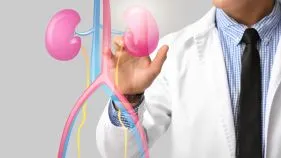
Acute Renal Failure: Causes, Warning Signs Emergency Treatments Explained

Lithotripsy: A Non-Invasive Solution for Kidney Stones

Lithotripsy: A Non-Invasive Solution for Kidney Stones

Kidney stones are a common and painful urological condition affecting millions of people worldwide. When these hard mineral deposits become too large to pass naturally, medical intervention is often needed. One of the most effective and least invasive treatments available today is lithotripsy.

At Prabhakar Bhurke Nephrology, Urology & Gynaecology Fertility Clinic, we specialize in advanced treatments for kidney stones, including lithotripsy, which uses sound waves to break stones into smaller pieces for easier removal. In this blog, we’ll explain what lithotripsy is, how it works, and who can benefit from it.


What Is Lithotripsy?

Lithotripsy is a medical procedure used to treat kidney stones and sometimes stones in the ureter or bladder. It uses shock waves or laser energy to break the stones into tiny fragments that can be passed naturally through urine.

There are two main types:

  1. Extracorporeal Shock Wave Lithotripsy (ESWL):

    • Non-invasive

    • Uses focused sound waves from outside the body

    • Most common and preferred method for small to medium-sized stones

  2. Laser Lithotripsy (Intracorporeal):

    • Minimally invasive

    • Performed via a thin scope inserted into the urinary tract

    • Ideal for larger or more complex stones


Who Needs Lithotripsy?

Your urologist may recommend lithotripsy if:

  • The kidney stones are too large to pass on their own

  • Stones are causing severe pain, bleeding, or infections

  • You have recurrent stone formation

  • You prefer a non-surgical treatment method

Lithotripsy is generally suitable for patients with stones less than 2 cm in size, located in the kidney or upper urinary tract.


What to Expect During Lithotripsy

🔹 Before the Procedure:

  • Imaging tests (like X-rays, ultrasound, or CT scan) help locate the stone

  • Mild sedation or anesthesia may be given

  • You’ll be positioned on a special table that directs shock waves at the stone

🔹 During the Procedure:

  • The shock waves pass through your skin and tissue to reach the stone

  • Each wave breaks the stone into smaller fragments

  • The procedure usually lasts 45–60 minutes

  • It is done on an outpatient basis, so you can go home the same day

🔹 After the Procedure:

  • You may experience mild discomfort or blood in urine for a few days

  • Drink plenty of water to flush out fragments

  • Your doctor may prescribe pain relievers or medications to prevent infection

  • A follow-up imaging test may be scheduled to confirm the stone has cleared


Benefits of Lithotripsy

✅ Non-invasive or minimally invasive
✅ Short recovery time
✅ No surgical incisions
✅ Quick return to daily activities
✅ Effective for many types of stones


Risks and Considerations

While lithotripsy is generally safe, potential side effects may include:

  • Mild bruising or discomfort

  • Urinary tract infection

  • Incomplete stone removal (requiring additional treatment)

  • Temporary difficulty urinating due to stone fragments

Your doctor will evaluate your medical history and imaging results to ensure lithotripsy is the best option for you.


Why Choose Prabhakar Bhurke Clinic for Lithotripsy in Mumbai?

Our urology department is led by Dr. Hitesh Jain, a renowned Urologist & Uro-surgeon, with a special focus on kidney stone treatment. At our Andheri West (Lokhandwala) and Borivali West locations, we offer:

  • State-of-the-art lithotripsy equipment

  • Personalized treatment planning

  • Expert nephrology and urology team

  • 24/7 emergency support by appointment

  • Video and in-person consultations available


Final Thoughts

Lithotripsy has revolutionized kidney stone treatment, offering patients a painless, outpatient alternative to surgery. If you’re experiencing symptoms like back pain, blood in urine, or recurrent urinary infections, don’t ignore them — it could be a sign of kidney stones.


📞 Need Relief from Kidney Stones? Let’s Talk.

Book your consultation with Dr. Hitesh Jain or Dr. Sandip Bhurke at Prabhakar Bhurke Clinic and find out if lithotripsy is right for you. Let us help you take the pain out of kidney stones — quickly and safely.

Acute Renal Failure: Causes, Warning Signs Emergency Treatments Explained

Understanding Renal Failure: Causes, Symptoms, and Life-Saving Treatment Options

Understanding Renal Failure: Causes, Symptoms, and Life-Saving Treatment Options

Your kidneys are essential for filtering waste, balancing fluids, and regulating blood pressure. When they begin to fail, your body’s ability to remove toxins and maintain balance is compromised — a condition known as renal failure.

In this blog post, we’ll explore what renal failure is, its main causes and symptoms, how it’s diagnosed, and the available treatment options — including expert insights from the nephrology team at Prabhakar Bhurke Clinic, Mumbai.


What Is Renal Failure?

Renal failure, also called kidney failure, occurs when the kidneys lose their ability to effectively filter blood. This leads to the accumulation of harmful toxins and fluid imbalances in the body, affecting multiple organs and functions.

There are two main types:

  • Acute Renal Failure (ARF): Sudden loss of kidney function, often reversible with prompt treatment.

  • Chronic Renal Failure (CRF) or Chronic Kidney Disease (CKD): Gradual decline in kidney function over time, which can lead to End-Stage Renal Disease (ESRD) and may require dialysis or a kidney transplant.


Common Causes of Renal Failure

Several health conditions can lead to kidney failure, including:

  • Diabetes (Type 1 or 2) – The most common cause of chronic kidney disease

  • Hypertension (High blood pressure)

  • Glomerulonephritis – Inflammation of the kidney’s filtering units

  • Polycystic kidney disease (PKD) – A genetic disorder

  • Urinary tract obstructions or infections

  • Overuse of NSAIDs or nephrotoxic medications

  • Autoimmune diseases like lupus


Symptoms of Renal Failure

Renal failure often develops quietly. Symptoms may not appear until kidney function is severely reduced. Common signs include:

  • Fatigue and weakness

  • Swelling in ankles, legs, or face (edema)

  • Shortness of breath

  • Frequent or decreased urination

  • Foamy or bloody urine

  • Nausea or vomiting

  • Confusion or difficulty concentrating

  • Muscle cramps

  • High blood pressure that’s hard to control


How Is Renal Failure Diagnosed?

Early diagnosis is key. Your doctor may recommend:

  • Blood tests: To check creatinine and blood urea nitrogen (BUN) levels

  • Urine tests: To detect protein or blood in the urine

  • Imaging tests: Ultrasound or CT to assess kidney size and structure

  • GFR (Glomerular Filtration Rate): To measure kidney function


Treatment Options for Renal Failure

Treatment depends on whether the failure is acute or chronic, and how advanced it is.

🔹 Lifestyle and Medication Management (Early Stages):

  • Controlling blood sugar and blood pressure

  • Low-sodium, low-protein diet

  • Avoiding nephrotoxic drugs

  • Medications to manage symptoms and underlying conditions

🔹 Dialysis (For Advanced Stages or ESRD):

  • Hemodialysis: Blood is filtered using a machine

  • Peritoneal Dialysis: Uses the lining of the abdomen to filter blood

🔹 Kidney Transplant:

  • A long-term solution for patients with ESRD, where a healthy kidney is transplanted from a donor


Living with Renal Failure

While renal failure is serious, many patients live long, fulfilling lives with proper treatment and lifestyle adjustments. Key steps include:

  • Regular follow-ups with a nephrologist

  • Taking medications as prescribed

  • Sticking to a kidney-friendly diet

  • Managing stress and staying informed about your condition


Expert Kidney Care at Prabhakar Bhurke Clinic

At Prabhakar Bhurke Nephrology, Urology & Gynaecology Fertility Clinic, we offer comprehensive care for kidney-related conditions. Our lead nephrologist, Dr. Sandip Prabhakar Bhurke, specializes in diagnosing and managing all stages of renal failure.

We provide:

  • Detailed kidney function assessments

  • Personalized treatment plans

  • Dialysis support and counseling

  • Home visit and video consultation services

  • Clinics at Andheri West (Lokhandwala) and Borivali West, Mumbai


Final Thoughts

Renal failure doesn’t happen overnight — but when symptoms appear, timely diagnosis and expert care can prevent life-threatening complications. Whether it’s managing early-stage kidney disease or guiding you through dialysis or transplant options, the right care team makes all the difference.


📞 Concerned About Kidney Health? We’re Here to Help.

Book your appointment with Dr. Sandip Bhurke today and take control of your kidney health. Your journey to better wellness starts at Prabhakar Bhurke Clinic.

Nephrology Explained: Understanding Kidney Health and Why It Matters

Nephrology Explained: Understanding Kidney Health and Why It Matters

Nephrology is a specialized branch of medicine that focuses on the diagnosis, treatment, and management of kidney-related diseases and disorders. Our kidneys play a vital role in maintaining overall health—filtering waste, balancing fluids, regulating blood pressure, and producing essential hormones.

When kidney function is impaired, it can lead to serious health problems, which is why the expertise of a nephrologist is so crucial.

In this article, we’ll take a closer look at what nephrology involves, the conditions it addresses, and when you should consider seeing a kidney specialist.


What is Nephrology?

Nephrology is the study of the structure, function, and diseases of the kidneys. A doctor who specializes in nephrology is known as a nephrologist. Unlike a urologist, who treats urinary tract conditions, nephrologists focus on the medical (non-surgical) management of kidney problems.

Nephrology includes:

  • Assessing kidney function

  • Treating chronic kidney disease (CKD)

  • Managing high blood pressure

  • Treating kidney failure

  • Overseeing dialysis and kidney transplantation

  • Monitoring electrolyte and acid/base imbalances


Common Conditions Treated in Nephrology

Nephrologists diagnose and manage a wide range of kidney-related health issues, including:

1. Chronic Kidney Disease (CKD)

A long-term condition where the kidneys slowly lose function over time.

2. Acute Kidney Injury (AKI)

A sudden decline in kidney function, often due to illness, medication, or dehydration.

3. Glomerulonephritis

Inflammation of the kidney’s filtering units (glomeruli).

4. Polycystic Kidney Disease (PKD)

An inherited condition where fluid-filled cysts form in the kidneys.

5. Kidney Stones

Hard mineral deposits that can block the urinary tract and cause severe pain.

6. Hypertension (High Blood Pressure)

Uncontrolled high blood pressure can damage the kidneys, and kidney issues can, in turn, elevate blood pressure.

7. End-Stage Renal Disease (ESRD)

Advanced kidney failure requiring dialysis or a kidney transplant.


When Should You See a Nephrologist?

You should consider seeing a nephrologist if you experience:

  • Persistent swelling in your legs, feet, or face

  • High blood pressure that’s difficult to control

  • Changes in urination (frequency, color, foamy or bloody urine)

  • Unexplained fatigue or weakness

  • A family history of kidney disease

  • Recurring kidney stones or urinary tract infections

  • Abnormal blood or urine test results related to kidney function

Early intervention can significantly slow or stop the progression of kidney damage.


Why Kidney Health is Crucial

Your kidneys are responsible for:

  • Filtering waste products and excess fluids from your blood

  • Regulating electrolytes like sodium and potassium

  • Controlling blood pressure

  • Producing hormones that support red blood cell production and bone health

When your kidneys fail to perform these functions properly, it can lead to dangerous health complications.


Nephrology Services at Prabhakar Bhurke Clinic

At Prabhakar Bhurke Nephrology, Urology & Gynaecology Fertility Clinic, our experienced team provides comprehensive nephrology care. Led by Dr. Sandip Prabhakar Bhurke, a renowned Kidney Renal Nephrologist Specialist, we offer:

  • Kidney function evaluations

  • Diagnosis and treatment of all kidney conditions

  • Chronic disease management

  • Dialysis planning and support

  • Kidney transplant consultation and follow-up

  • Home visits and 24×7 video consultations

We serve patients from across Mumbai at our Lokhandwala, Andheri West, and Borivali West centers.


Final Thoughts

Nephrology is more than just kidney care—it’s about safeguarding your long-term health and quality of life. Whether you’re managing high blood pressure, living with diabetes, or facing chronic kidney issues, timely care from a nephrologist can make all the difference.


📞 Need Expert Kidney Care in Mumbai?

Schedule an appointment today with Dr. Sandip Bhurke at Prabhakar Bhurke Clinic and take proactive steps toward healthier kidneys and a healthier you.

Kidney Stones: Causes, Symptoms, Prevention Treatment You Shouldn’t Ignore

Kidney Stones: Causes, Symptoms, Prevention Treatment You Shouldn’t Ignore

Kidney Stones: Causes, Symptoms, Prevention & Treatment You Shouldn’t Ignore
Kidney stones are one of the most common and painful urinary tract disorders affecting millions of people globally. If you’ve ever had one, you know the agony they can cause. These hard, pebble-like deposits form in the kidneys and can range from a grain of sand to the size of a golf ball.

In this blog post, we’ll cover the causes, symptoms, prevention tips, and treatment options for kidney stones—and how expert care at Prabhakar Bhurke Clinic can help you manage and prevent them.

What Are Kidney Stones?
Kidney stones are solid deposits made of minerals and salts that form inside the kidneys. They develop when urine becomes concentrated, allowing these substances to crystallize and stick together.

There are different types of kidney stones:

Calcium oxalate stones – Most common

Uric acid stones

Struvite stones – Often linked to infections

Cystine stones – Rare, often genetic

What Causes Kidney Stones?
Kidney stones can form due to various factors, including:

Dehydration – Not drinking enough water

Diet – High salt, sugar, or protein intake

Family history – Genetics play a role

Obesity – Increases stone-forming risk

Medical conditions – Hyperparathyroidism, urinary tract infections, gout

Certain medications or supplements – Calcium-based antacids, vitamin D, etc.

Common Symptoms of Kidney Stones
You may not notice small kidney stones, but larger ones can cause intense symptoms, including:

Severe pain in the side, back, or lower abdomen

Pain during urination

Pink, red, or brown urine (blood in urine)

Nausea and vomiting

Frequent urge to urinate

Cloudy or foul-smelling urine

Fever and chills (if infection is present)

Pain from kidney stones can be so intense that it’s often compared to childbirth. Don’t ignore these signs—early detection can prevent complications.

How Are Kidney Stones Diagnosed?
Diagnosis typically includes:

Urine analysis

Blood tests

Imaging tests (Ultrasound, CT scan, or X-ray)

Stone analysis (if passed naturally or removed)

Treatment Options for Kidney Stones
Treatment depends on the size, type, and location of the stone:

1. Small Stones
Often pass naturally with:

Increased fluid intake

Pain relievers

Alpha-blockers (to relax ureters)

2. Large or Painful Stones
May require:

Extracorporeal Shock Wave Lithotripsy (ESWL) – Breaks stones with sound waves

Ureteroscopy – Removes stones via a thin scope

Percutaneous Nephrolithotomy – Surgical removal for large stones

Open surgery – Rare, only for very large or complex stones

Can Kidney Stones Be Prevented?
Yes, in many cases. Here are key prevention tips:

Drink plenty of water (2.5–3 liters/day)

Limit salt and animal protein intake

Eat more fruits and vegetables

Reduce oxalate-rich foods (spinach, nuts, chocolate)

Monitor calcium intake (don’t over-supplement)

Stay physically active

Kidney Stone Expertise at Prabhakar Bhurke Clinic, Mumbai
At Prabhakar Bhurke Nephrology, Urology & Gynaecology Fertility Clinic, our team of urology and nephrology specialists provides expert care for kidney stones.

Dr. Sandip Prabhakar Bhurke (Kidney Specialist) and Dr. Hitesh Jain (Urologist and Uro Surgeon) offer:

Complete diagnostic evaluations

Customized treatment plans

Advanced stone removal techniques

Home and video consultations

State-of-the-art facilities in Andheri West (Lokhandwala) and Borivali West, Mumbai

Don’t Let Kidney Stones Slow You Down
Kidney stones are painful—but preventable and treatable. If you’re experiencing symptoms or have a history of kidney stones, consult with our experts today for a personalized treatment plan.