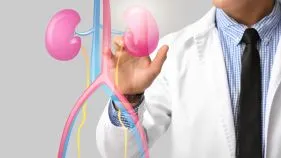
New Treatment for Kidney Failure: Latest Advances, Modern Therapies, and Expert Kidney Care

New Treatment for Kidney Failure: Latest Advances, Modern Therapies, and Expert Kidney Care

Introduction

Kidney failure, also known as end-stage kidney disease (ESKD), occurs when the kidneys lose most of their ability to filter waste products, regulate fluids, and maintain electrolyte balance. Without timely treatment, kidney failure can become life-threatening.

Many patients search for "new treatment for kidney failure" hoping for alternatives to dialysis or a permanent cure. While there is currently no universal cure for chronic kidney failure, remarkable advances in nephrology have led to newer medications, improved dialysis techniques, better transplant outcomes, and more personalized treatment strategies. These innovations help preserve kidney function when possible, improve quality of life, and reduce complications.

At Prabhakar Bhurke Clinic, our super specialist nephrologist provides evidence-based kidney care using the latest diagnostic tools and modern treatment approaches tailored to each patient's needs.


Understanding Kidney Failure

Kidney failure develops when the kidneys can no longer remove waste products and excess fluid effectively.

There are two major types:

Acute Kidney Injury (AKI)

Acute Kidney Injury develops suddenly over hours or days due to conditions such as:

  • Severe dehydration
  • Serious infections
  • Blood loss
  • Certain medications
  • Urinary tract obstruction

Many cases of AKI can improve if treated promptly.

Chronic Kidney Disease (CKD)

Chronic Kidney Disease progresses gradually over months or years. If untreated, it may advance to kidney failure requiring dialysis or kidney transplantation.


Latest Advances in Kidney Failure Treatment

Modern nephrology focuses on preserving kidney function, slowing disease progression, and improving long-term outcomes.

1. Early Diagnosis with Advanced Kidney Testing

Early detection significantly improves treatment success.

Modern evaluation includes:

  • Estimated Glomerular Filtration Rate (eGFR)
  • Serum Creatinine
  • Urine Albumin-to-Creatinine Ratio (ACR)
  • Kidney Ultrasound
  • Advanced laboratory investigations

Early diagnosis allows treatment before irreversible damage develops.


2. Newer Kidney-Protective Medications

In recent years, newer medicines have become available that can help slow the progression of chronic kidney disease in selected patients. Depending on the cause of kidney disease, your nephrologist may prescribe medications that:

  • Help protect kidney function
  • Reduce protein leakage in the urine
  • Improve blood sugar control in diabetes
  • Lower blood pressure
  • Reduce the risk of heart and kidney complications

These treatments are prescribed only after careful evaluation and are tailored to each patient's condition.


3. Personalized Treatment Plans

Modern kidney care emphasizes individualized treatment based on:

  • Stage of kidney disease
  • Underlying cause
  • Blood pressure
  • Diabetes control
  • Age
  • Overall health
  • Laboratory results

Every patient receives a customized management plan designed to preserve kidney function for as long as possible.


Advanced Dialysis Treatments

When kidney function becomes severely reduced, dialysis helps remove waste products and excess fluid.

Hemodialysis

Modern hemodialysis offers:

  • Improved dialysis machines
  • Better fluid management
  • Enhanced patient safety
  • More effective toxin removal
  • Individualized treatment schedules

Peritoneal Dialysis

For selected patients, peritoneal dialysis provides:

  • Home-based treatment
  • Greater independence
  • Flexible scheduling
  • Continuous waste removal

Your nephrologist will determine which dialysis option is most suitable.


Kidney Transplantation

For many patients with end-stage kidney disease, kidney transplantation offers the best opportunity for long-term kidney replacement.

Advances in transplantation include:

  • Improved donor-recipient matching
  • Better immunosuppressive medications
  • Enhanced infection prevention
  • Improved long-term graft survival
  • Comprehensive post-transplant monitoring

Although not every patient is eligible, transplantation can provide excellent outcomes when appropriate.


Managing the Complications of Kidney Failure

Kidney failure affects many organs and requires comprehensive management.

Treatment may include:

  • Blood pressure control
  • Diabetes management
  • Treatment of anemia
  • Correction of electrolyte imbalances
  • Bone and mineral disorder management
  • Fluid balance monitoring
  • Nutritional counseling

Managing these complications improves quality of life and reduces hospitalizations.


Lifestyle Changes That Support Kidney Health

Healthy lifestyle habits remain an essential part of kidney failure management.

Your nephrologist may recommend:

  • Following a kidney-friendly diet
  • Limiting salt intake
  • Eating the appropriate amount of protein
  • Staying physically active
  • Maintaining a healthy weight
  • Avoiding smoking and tobacco
  • Taking medications exactly as prescribed
  • Attending regular follow-up appointments

Lifestyle changes work together with medical treatment to improve outcomes.


When Should You See a Kidney Specialist?

Consult a nephrologist if you experience:

  • Swelling of the legs or face
  • Persistent fatigue
  • High blood pressure
  • Reduced urine output
  • Foamy urine
  • Blood in the urine
  • Elevated creatinine levels
  • Persistent nausea
  • Shortness of breath
  • Recurrent kidney infections

Early specialist care can slow disease progression and delay kidney failure.


Diagnosis at Prabhakar Bhurke Clinic

At Prabhakar Bhurke Clinic, our super specialist nephrologist performs a detailed kidney evaluation using advanced diagnostic techniques.

Investigations may include:

Blood Tests

  • Serum Creatinine
  • eGFR
  • Blood Urea Nitrogen (BUN)
  • Electrolytes
  • Complete Blood Count
  • Blood Sugar

Urine Tests

  • Urine Routine Examination
  • Urine Protein
  • Albumin-Creatinine Ratio
  • Urine Culture (if infection is suspected)

Imaging

  • Kidney Ultrasound
  • CT Scan
  • MRI (when indicated)

Additional Evaluation

  • Kidney biopsy in selected patients
  • Cardiovascular risk assessment
  • Nutritional assessment

Why Choose Prabhakar Bhurke Clinic?

Patients trust Prabhakar Bhurke Clinic because we provide:

  • Consultation with a super specialist nephrologist
  • Expertise in chronic kidney disease and kidney failure
  • Advanced diagnostic facilities
  • Personalized treatment plans
  • Modern dialysis guidance
  • Kidney transplant evaluation and long-term follow-up
  • Comprehensive management of diabetes and hypertension
  • Compassionate, evidence-based patient care

Our goal is to help patients preserve kidney function, improve quality of life, and receive the most appropriate treatment based on the latest medical evidence.


Conclusion

Although there is no single new cure for kidney failure, advances in nephrology have transformed the way kidney disease is treated. Early diagnosis, kidney-protective medications, modern dialysis techniques, improved transplant care, and personalized treatment strategies have significantly improved outcomes for patients with kidney disease.

At Prabhakar Bhurke Clinic, our super specialist nephrologist is committed to providing comprehensive, evidence-based kidney care using the latest medical advances. Whether you have early-stage kidney disease or advanced kidney failure, our team works closely with you to develop an individualized treatment plan that supports long-term kidney health.


Book an Appointment Today

If you have kidney failure, high creatinine levels, chronic kidney disease, swelling, reduced urine output, or are seeking the latest treatment options, consult the super specialist nephrologist at Prabhakar Bhurke Clinic. Early intervention and expert care can help protect your kidney function, manage complications, and improve your quality of life.

Kidney Transplant Failure: Causes, Symptoms, Diagnosis, Treatment, and Expert Kidney Care

Kidney Transplant Failure: Causes, Symptoms, Diagnosis, Treatment, and Expert Kidney Care

Introduction

A kidney transplant can significantly improve the quality of life for people with end-stage kidney disease by restoring kidney function and reducing the need for dialysis. While many transplanted kidneys function successfully for years, there are situations where the transplanted kidney may gradually or suddenly lose its ability to function. This is known as kidney transplant failure or graft failure.

Kidney transplant failure does not always mean the transplanted kidney stops working immediately. In many cases, early detection and prompt treatment can help manage complications and preserve kidney function. Regular follow-up with a nephrologist is essential to monitor the transplanted kidney and address any concerns as early as possible.

At Prabhakar Bhurke Clinic, our super specialist nephrologist provides comprehensive pre-transplant evaluation, post-transplant monitoring, immunosuppressive medication management, and long-term care for kidney transplant recipients.


What Is Kidney Transplant Failure?

Kidney transplant failure occurs when the transplanted kidney (also called the graft) no longer functions adequately to meet the body's needs. This may happen soon after surgery or many years later.

Transplant failure may be:

  • Early graft failure, occurring within days or weeks after transplantation.
  • Late graft failure, developing months or years after a successful transplant.

If kidney function declines significantly, patients may require dialysis or evaluation for another kidney transplant.


Common Causes of Kidney Transplant Failure

Several factors can affect the long-term success of a kidney transplant.

1. Rejection of the Transplanted Kidney

The immune system may recognize the transplanted kidney as foreign and attack it.

Types of rejection include:

  • Hyperacute rejection (rare and immediate)
  • Acute rejection (can occur within weeks, months, or even years)
  • Chronic rejection (gradual loss of kidney function over time)

Early diagnosis and treatment can often control acute rejection.


2. Medication-Related Problems

Anti-rejection (immunosuppressive) medications are essential after transplantation.

Problems may occur due to:

  • Missing doses
  • Incorrect medication levels
  • Drug interactions
  • Side effects affecting kidney function

Taking medications exactly as prescribed is critical.


3. Recurrence of the Original Kidney Disease

Some diseases that caused kidney failure before transplantation can return and affect the transplanted kidney.

Examples include:

  • Certain glomerular diseases
  • Focal Segmental Glomerulosclerosis (FSGS)
  • IgA nephropathy (in selected cases)

Regular monitoring helps detect recurrence early.


4. Infections

Because transplant recipients take immunosuppressive medications, they are more vulnerable to infections that may affect overall health and kidney function.


5. Reduced Blood Supply or Surgical Complications

Rarely, problems with the blood vessels supplying the transplanted kidney or surgical complications may impair graft function.


6. Chronic Medical Conditions

Long-term conditions such as:

  • Diabetes
  • High blood pressure
  • High cholesterol
  • Obesity

can gradually damage the transplanted kidney if not well controlled.


Symptoms of Kidney Transplant Failure

Some patients develop symptoms gradually, while others may notice changes more quickly.

Common symptoms include:

  • Reduced urine output
  • Swelling of the legs, ankles, or face
  • Persistent fatigue
  • High blood pressure
  • Sudden weight gain due to fluid retention
  • Shortness of breath
  • Loss of appetite
  • Nausea
  • Fever (especially if infection or rejection is present)
  • Pain or tenderness over the transplanted kidney
  • Rising serum creatinine on blood tests

In some cases, transplant failure is detected through routine blood tests before noticeable symptoms appear.


Risk Factors

The likelihood of transplant failure may increase with:

  • Missing immunosuppressive medications
  • Poorly controlled diabetes
  • Uncontrolled hypertension
  • Recurrent infections
  • Smoking
  • Obesity
  • Previous episodes of rejection
  • Certain autoimmune kidney diseases

Careful follow-up helps reduce these risks.


How Is Kidney Transplant Failure Diagnosed?

At Prabhakar Bhurke Clinic, our super specialist nephrologist performs a detailed assessment of transplant kidney function.

Clinical Evaluation

The consultation includes:

  • Review of symptoms
  • Blood pressure assessment
  • Medication review
  • Physical examination

Blood Tests

Common investigations include:

  • Serum Creatinine
  • Estimated Glomerular Filtration Rate (eGFR)
  • Blood Urea Nitrogen (BUN)
  • Electrolytes
  • Complete Blood Count (CBC)
  • Drug level monitoring (when indicated)

Urine Tests

Urine examination helps detect:

  • Protein
  • Blood
  • Infection
  • Changes suggesting graft dysfunction

Imaging Studies

Imaging may include:

  • Kidney Ultrasound
  • Doppler Ultrasound to evaluate blood flow
  • CT Scan or MRI when clinically required

Kidney Biopsy

A transplant kidney biopsy may be recommended when rejection or another specific cause of graft dysfunction is suspected.


Treatment for Kidney Transplant Failure

Treatment depends on the underlying cause.

Management of Rejection

If rejection is identified, treatment may involve adjusting immunosuppressive therapy under specialist supervision.

Treating Infections

Appropriate antimicrobial therapy is provided when infections are present.

Optimizing Medical Conditions

Careful control of:

  • Blood pressure
  • Blood sugar
  • Cholesterol
  • Fluid balance

helps protect transplant kidney function.

Medication Review

Your nephrologist may adjust medications to improve graft function while minimizing side effects.

Dialysis

If the transplanted kidney can no longer support the body's needs, dialysis may be required.

Repeat Kidney Transplant

Some patients may be evaluated for another kidney transplant depending on their overall health and eligibility.


Can Kidney Transplant Failure Be Prevented?

Although not all cases can be prevented, several measures improve long-term transplant success.

  • Take immunosuppressive medications exactly as prescribed.
  • Attend all follow-up appointments.
  • Monitor kidney function regularly.
  • Control diabetes and blood pressure.
  • Maintain a healthy weight.
  • Avoid smoking and tobacco.
  • Practice good hygiene to reduce infection risk.
  • Report any unusual symptoms promptly.

Early intervention can often preserve transplant function.


Life After Kidney Transplant

Most transplant recipients can enjoy an active and fulfilling life with appropriate care.

Long-term follow-up includes:

  • Regular blood tests
  • Urine examinations
  • Blood pressure monitoring
  • Medication adjustments
  • Nutritional counseling
  • Lifestyle guidance
  • Screening for complications

Ongoing nephrology care is essential to maintain the health of the transplanted kidney.


Why Choose Prabhakar Bhurke Clinic?

Patients trust Prabhakar Bhurke Clinic because we provide:

  • Care from a super specialist nephrologist
  • Comprehensive kidney transplant follow-up
  • Advanced kidney function monitoring
  • Personalized medication management
  • Chronic kidney disease and transplant care
  • Early detection of transplant complications
  • Compassionate, evidence-based treatment

Our goal is to help every transplant recipient achieve the best possible long-term kidney health.


Conclusion

Kidney transplant failure is a serious condition, but early recognition and expert medical care can make a significant difference. Symptoms such as swelling, reduced urine output, fatigue, high blood pressure, or rising creatinine levels should be evaluated promptly. With regular monitoring, appropriate medications, and healthy lifestyle habits, many transplant recipients maintain good kidney function for years.

At Prabhakar Bhurke Clinic, our super specialist nephrologist offers comprehensive post-transplant care, advanced diagnostic evaluation, and individualized treatment plans to help protect your transplanted kidney and support your long-term health.


Book an Appointment Today

If you have undergone a kidney transplant and are experiencing reduced urine output, swelling, increasing creatinine levels, high blood pressure, or other concerns, schedule a consultation at Prabhakar Bhurke Clinic. Our super specialist nephrologist provides expert transplant follow-up, personalized treatment, and long-term kidney care to help preserve your transplant function and improve your quality of life.

I Cured My PKD – Can Polycystic Kidney Disease Be Cured?

I Cured My PKD – Can Polycystic Kidney Disease Be Cured?

Introduction

Many people diagnosed with Polycystic Kidney Disease (PKD) search online for phrases like "I cured my PKD" hoping to find a permanent solution. Receiving a diagnosis of PKD can be overwhelming, and it is natural to look for stories of complete recovery.

The important fact is that there is currently no proven cure for Polycystic Kidney Disease. However, modern medical treatment, lifestyle modifications, and regular nephrology care can help slow the progression of the disease, manage symptoms, reduce complications, and preserve kidney function for many years.

At Prabhakar Bhurke Clinic, our super specialist nephrologist provides comprehensive diagnosis, long-term monitoring, and personalized treatment plans for patients living with PKD.


What Is Polycystic Kidney Disease (PKD)?

Polycystic Kidney Disease is a genetic condition in which multiple fluid-filled cysts develop inside the kidneys. Over time, these cysts may enlarge, causing the kidneys to increase in size and gradually lose their ability to function normally.

The two main forms are:

  • Autosomal Dominant Polycystic Kidney Disease (ADPKD): The most common type, usually diagnosed in adulthood.
  • Autosomal Recessive Polycystic Kidney Disease (ARPKD): A rarer form that often presents in infancy or childhood.

Can PKD Be Cured?

No. At present, there is no medical treatment or surgery that completely cures PKD or removes all kidney cysts permanently.

However, this does not mean that nothing can be done.

With early diagnosis and appropriate medical care, many patients can:

  • Slow the progression of kidney damage
  • Control blood pressure
  • Reduce the risk of complications
  • Manage pain and infections
  • Delay kidney failure
  • Maintain a good quality of life for many years

The goal of treatment is to preserve kidney function for as long as possible.


Why Do Some People Say "I Cured My PKD"?

You may come across personal stories online claiming that PKD was "cured." In many cases, these experiences may actually reflect:

  • Improved symptoms
  • Better blood pressure control
  • Stable kidney function over time
  • Successful treatment of a complication, such as a kidney infection
  • Lifestyle changes that improved overall health

While these improvements are encouraging, they do not mean the underlying genetic disease has been cured.

Always discuss treatment claims with a qualified nephrologist before trying alternative therapies.


Symptoms of Polycystic Kidney Disease

Many people have no symptoms in the early stages. As the disease progresses, symptoms may include:

  • Pain in the back or sides
  • High blood pressure
  • Blood in the urine
  • Frequent urinary tract infections
  • Kidney stones
  • Enlarged abdomen
  • Frequent urination
  • Headaches
  • Fatigue
  • Gradual decline in kidney function

Early diagnosis can help reduce complications.


Who Is at Risk?

The primary risk factor is a family history of PKD, as it is usually inherited.

Other factors that can influence disease progression include:

  • Uncontrolled high blood pressure
  • Smoking
  • Obesity
  • Recurrent kidney infections
  • Poorly controlled diabetes

Family members of patients with PKD may benefit from medical evaluation and genetic counseling when appropriate.


How Is PKD Diagnosed?

At Prabhakar Bhurke Clinic, our super specialist nephrologist performs a comprehensive evaluation.

Medical Assessment

This includes:

  • Personal and family medical history
  • Physical examination
  • Blood pressure measurement

Blood Tests

Investigations may include:

  • Serum Creatinine
  • Estimated Glomerular Filtration Rate (eGFR)
  • Blood Urea Nitrogen (BUN)
  • Electrolytes

Urine Tests

Urine analysis helps detect:

  • Protein
  • Blood
  • Infection

Imaging Studies

Diagnosis is usually confirmed using:

  • Kidney Ultrasound
  • CT Scan
  • MRI (when required)

In selected cases, genetic testing may also be recommended.


Treatment for Polycystic Kidney Disease

Although PKD cannot currently be cured, treatment can effectively slow progression and manage complications.

Treatment may include:

Blood Pressure Control

Maintaining healthy blood pressure is one of the most important ways to protect kidney function.

Medications

Your nephrologist may prescribe medications to:

  • Control blood pressure
  • Manage pain safely
  • Treat urinary tract infections
  • Reduce complications associated with CKD

Some patients may be candidates for disease-modifying therapies based on individual clinical assessment.

Management of Complications

Treatment may also involve:

  • Kidney stone management
  • Treatment of kidney infections
  • Monitoring liver cysts (if present)
  • Management of chronic kidney disease

Advanced Kidney Care

If kidney function declines significantly, treatment options may include:

  • Hemodialysis
  • Peritoneal dialysis
  • Kidney transplantation

Lifestyle Tips for Living Well With PKD

Healthy habits can help support kidney function.

  • Keep blood pressure under control.
  • Stay hydrated according to your doctor's advice.
  • Reduce salt intake.
  • Eat a balanced diet.
  • Maintain a healthy weight.
  • Exercise regularly.
  • Avoid smoking.
  • Limit alcohol intake.
  • Avoid unnecessary use of painkillers without medical advice.
  • Attend regular kidney check-ups.

Following your nephrologist's recommendations can make a meaningful difference in long-term kidney health.


Why Choose Prabhakar Bhurke Clinic?

Patients choose Prabhakar Bhurke Clinic because we provide:

  • Consultation with a super specialist nephrologist
  • Expertise in inherited kidney diseases such as PKD
  • Advanced kidney function assessment
  • Personalized treatment plans
  • Long-term monitoring and preventive care
  • Comprehensive chronic kidney disease management
  • Guidance for dialysis and kidney transplantation when needed

We are committed to helping patients with PKD maintain the best possible kidney function and quality of life.


Conclusion

If you searched for "I cured my PKD," it is understandable to hope for a permanent solution. While Polycystic Kidney Disease cannot currently be cured, it can often be managed effectively with early diagnosis, regular nephrology care, healthy lifestyle choices, and appropriate medical treatment. Many people with PKD live productive lives while preserving kidney function for many years.

At Prabhakar Bhurke Clinic, our super specialist nephrologist provides expert care for patients with PKD, offering accurate diagnosis, individualized treatment plans, and long-term support to help protect kidney health.


Book an Appointment Today

If you or a family member has Polycystic Kidney Disease (PKD), persistent flank pain, blood in the urine, high blood pressure, or declining kidney function, consult the super specialist nephrologist at Prabhakar Bhurke Clinic. Early diagnosis and expert management can help slow disease progression and support long-term kidney health.

Symptoms of Kidneys Not Working Properly: Early Warning Signs, Causes, Diagnosis, and Treatment

Symptoms of Kidneys Not Working Properly: Early Warning Signs, Causes, Diagnosis, and Treatment

Introduction

Your kidneys play a vital role in filtering waste products from the blood, balancing body fluids, regulating blood pressure, maintaining electrolyte levels, and producing hormones that support healthy red blood cell production. When the kidneys are not working properly, waste products and excess fluid accumulate in the body, leading to a variety of health problems.

One of the challenges of kidney disease is that it often develops silently. Many people do not notice symptoms until significant kidney damage has already occurred. Recognizing the symptoms of kidneys not working properly and seeking timely medical attention can help slow disease progression and prevent kidney failure.

At Prabhakar Bhurke Clinic, our super specialist nephrologist offers advanced diagnostic services and personalized treatment for all stages of kidney disease.


What Happens When the Kidneys Stop Working Properly?

Healthy kidneys perform several important functions, including:

  • Filtering waste products from the blood
  • Removing excess water through urine
  • Balancing sodium, potassium, and other electrolytes
  • Regulating blood pressure
  • Maintaining healthy bones through vitamin D activation
  • Producing erythropoietin, a hormone that helps make red blood cells

When kidney function declines, these processes become less efficient, resulting in symptoms that affect many parts of the body.


Early Symptoms of Kidneys Not Working Properly

1. Changes in Urination

One of the earliest signs of kidney disease is a change in urinary habits.

You may notice:

  • Frequent urination, especially at night
  • Passing less urine than usual
  • Foamy or bubbly urine
  • Blood in the urine
  • Difficulty passing urine
  • Dark-colored urine

Persistent urinary changes should be evaluated by a nephrologist.


2. Swelling (Edema)

Damaged kidneys may not remove excess fluid effectively, causing swelling in:

  • Feet
  • Ankles
  • Legs
  • Hands
  • Face
  • Around the eyes

Swelling is often more noticeable after prolonged sitting or standing.


3. Persistent Fatigue

Reduced kidney function can cause anemia because the kidneys produce less erythropoietin. As a result, patients may experience:

  • Constant tiredness
  • Weakness
  • Low energy levels
  • Difficulty concentrating

4. High Blood Pressure

High blood pressure is both a cause and a consequence of kidney disease. Poorly functioning kidneys make it more difficult to regulate blood pressure effectively.


5. Loss of Appetite

Waste products accumulating in the bloodstream may lead to:

  • Poor appetite
  • Metallic taste in the mouth
  • Nausea
  • Vomiting
  • Unintentional weight loss

6. Persistent Itching

When toxins and minerals build up in the blood, many patients develop:

  • Dry skin
  • Severe itching
  • Skin irritation
  • Sleep disturbances due to itching

7. Muscle Cramps

Electrolyte imbalances caused by kidney disease may result in:

  • Muscle cramps
  • Leg cramps
  • Muscle weakness

8. Shortness of Breath

Fluid accumulation and anemia can lead to:

  • Breathlessness during activity
  • Difficulty breathing while lying flat
  • Reduced exercise tolerance

9. Difficulty Concentrating

The buildup of waste products can affect brain function, leading to:

  • Poor concentration
  • Memory problems
  • Confusion in advanced cases

10. Pain in the Kidney Area

Some kidney disorders may cause pain in the back or sides, particularly if associated with kidney stones, infections, or urinary obstruction. However, many chronic kidney diseases cause little or no pain.


Common Causes of Poor Kidney Function

Several medical conditions can impair kidney function, including:

  • Chronic Kidney Disease (CKD)
  • Diabetes
  • High blood pressure
  • Kidney infections
  • Kidney stones
  • Glomerulonephritis
  • Polycystic Kidney Disease
  • Autoimmune diseases
  • Urinary tract obstruction
  • Long-term use of certain medications, especially some painkillers

Identifying the underlying cause is essential for effective treatment.


Who Is at Higher Risk?

You may have an increased risk of kidney disease if you:

  • Have diabetes
  • Have hypertension
  • Are overweight or obese
  • Smoke
  • Have heart disease
  • Have a family history of kidney disease
  • Experience recurrent urinary tract infections
  • Have recurrent kidney stones
  • Are over 60 years of age

Regular kidney screening is recommended for individuals with these risk factors.


How Are Kidney Problems Diagnosed?

At Prabhakar Bhurke Clinic, our super specialist nephrologist performs a comprehensive kidney evaluation.

Medical Assessment

This includes:

  • Review of symptoms
  • Medical history
  • Family history
  • Physical examination
  • Blood pressure measurement

Blood Tests

Important investigations include:

  • Serum Creatinine
  • Estimated Glomerular Filtration Rate (eGFR)
  • Blood Urea Nitrogen (BUN)
  • Electrolytes
  • Blood sugar levels
  • Hemoglobin

Urine Tests

Urine analysis helps detect:

  • Protein
  • Blood
  • Infection
  • Early kidney damage

Imaging Studies

Depending on your condition, your doctor may recommend:

  • Kidney Ultrasound
  • CT Scan
  • MRI (when indicated)

Kidney Biopsy

In selected patients, a biopsy may be required to determine the exact cause of kidney disease.


Treatment for Kidneys Not Working Properly

Treatment depends on the cause and severity of kidney dysfunction.

Management may include:

Medications

Your nephrologist may prescribe medicines to:

  • Control blood pressure
  • Manage diabetes
  • Treat infections
  • Reduce protein loss in urine
  • Correct anemia
  • Manage electrolyte imbalances

Lifestyle Modifications

Patients are advised to:

  • Follow a kidney-friendly diet
  • Limit salt intake
  • Stay physically active
  • Maintain a healthy weight
  • Avoid smoking
  • Take medications exactly as prescribed

Advanced Kidney Care

In advanced kidney disease, treatment options may include:

  • Hemodialysis
  • Peritoneal dialysis
  • Kidney transplant evaluation and follow-up

Early treatment can often delay or prevent the need for dialysis.


How to Keep Your Kidneys Healthy

Simple lifestyle habits can help protect kidney function:

  • Drink adequate water unless restricted by your doctor.
  • Control blood pressure and diabetes.
  • Eat a balanced diet rich in fruits and vegetables.
  • Limit processed foods and excess salt.
  • Exercise regularly.
  • Avoid smoking and excessive alcohol.
  • Do not overuse pain-relieving medications.
  • Have routine kidney health check-ups if you are at risk.

Preventive care plays a crucial role in maintaining healthy kidneys.


Why Choose Prabhakar Bhurke Clinic?

Patients choose Prabhakar Bhurke Clinic because we provide:

  • Consultation with a super specialist nephrologist
  • Expertise in diagnosing all types of kidney diseases
  • Advanced kidney function testing
  • Personalized treatment plans
  • Comprehensive management of CKD, kidney stones, infections, and kidney failure
  • Dialysis planning and kidney transplant guidance
  • Compassionate, evidence-based patient care

We are committed to protecting kidney health through early diagnosis, advanced treatment, and long-term follow-up.


Conclusion

Recognizing the symptoms of kidneys not working properly is essential for early diagnosis and effective treatment. Signs such as changes in urination, swelling, fatigue, itching, high blood pressure, or blood in the urine should never be ignored. Early intervention can slow disease progression and help preserve kidney function.

At Prabhakar Bhurke Clinic, our super specialist nephrologist provides comprehensive kidney evaluations, personalized treatment, and ongoing care for patients with acute and chronic kidney diseases. Whether you are experiencing early symptoms or have been diagnosed with kidney disease, our team is dedicated to helping you achieve the best possible kidney health.


Book an Appointment Today

If you are experiencing symptoms of kidneys not working properly, such as swelling, changes in urination, fatigue, high creatinine levels, or persistent high blood pressure, schedule a consultation at Prabhakar Bhurke Clinic. Our super specialist nephrologist will perform a detailed evaluation, identify the underlying cause, and create a personalized treatment plan to protect your kidney function and improve your overall well-being.

Kidney Transplant Failure: Causes, Symptoms, Diagnosis, Treatment, and Expert Kidney Care

Left Radical Nephrectomy: Procedure, Recovery, Risks, and Kidney Care After Surgery

Introduction

A left radical nephrectomy is a surgical procedure in which the entire left kidney is removed to treat serious kidney conditions such as kidney cancer, a severely damaged kidney, or certain complex kidney disorders. The operation is typically performed by a urologic surgeon, while a nephrologist plays an essential role in evaluating kidney function before surgery and monitoring the health of the remaining kidney after surgery.

Living with one healthy kidney is possible for most patients, but regular follow-up and proper kidney care are essential to preserve long-term kidney function.

At Prabhakar Bhurke Clinic, our super specialist nephrologist provides comprehensive pre-operative kidney assessment, post-operative monitoring, chronic kidney disease management, and long-term kidney health support for patients who have undergone nephrectomy.


What Is a Left Radical Nephrectomy?

A left radical nephrectomy is the complete surgical removal of the left kidney.

Depending on the patient's medical condition, the surgeon may also remove:

  • Surrounding fatty tissue
  • Nearby lymph nodes (when indicated)
  • The adrenal gland if the disease has spread or is closely associated with it

The objective is to remove diseased tissue while preserving the function of the remaining kidney.


Why Is a Left Radical Nephrectomy Performed?

A left radical nephrectomy may be recommended for conditions such as:

  • Kidney cancer (Renal Cell Carcinoma)
  • Large kidney tumors
  • A non-functioning kidney due to severe damage
  • Extensive kidney trauma
  • Certain congenital kidney abnormalities
  • Persistent infection in a severely damaged kidney
  • Selected complex benign kidney conditions where the kidney cannot be preserved

The decision depends on imaging findings, kidney function, and the patient's overall health.


Symptoms That May Lead to Evaluation

Many kidney conditions requiring nephrectomy present with symptoms such as:

  • Blood in the urine (Hematuria)
  • Persistent pain in the left flank
  • Lump in the abdomen
  • Unexplained weight loss
  • Recurrent urinary tract infections
  • Fever without an obvious cause
  • Fatigue
  • Abnormal findings on ultrasound or CT scan

Some kidney tumors produce no symptoms and are discovered during routine imaging.


Pre-Surgical Evaluation

Before surgery, a detailed kidney assessment is performed to ensure the remaining kidney can adequately support the body's needs.

At Prabhakar Bhurke Clinic, our super specialist nephrologist evaluates:

Medical History

Including:

  • Diabetes
  • High blood pressure
  • Previous kidney disease
  • Current medications
  • Family history

Blood Tests

These commonly include:

  • Serum Creatinine
  • Estimated Glomerular Filtration Rate (eGFR)
  • Blood Urea Nitrogen (BUN)
  • Electrolytes
  • Complete Blood Count (CBC)

Urine Tests

Urine testing evaluates:

  • Protein
  • Blood
  • Infection
  • Kidney function abnormalities

Imaging Studies

Your doctor may recommend:

  • Kidney Ultrasound
  • CT Scan
  • MRI when indicated

These investigations help determine surgical planning and assess the health of both kidneys.


Surgical Techniques

Depending on the patient's condition, surgery may be performed using different approaches.

Open Radical Nephrectomy

A traditional procedure using a larger incision to remove the kidney.

Laparoscopic Radical Nephrectomy

A minimally invasive technique performed through small incisions, generally resulting in less postoperative pain and quicker recovery.

Robotic-Assisted Radical Nephrectomy

In selected cases, robotic-assisted surgery offers enhanced precision and may support faster recovery.

The operating surgeon selects the most appropriate technique based on the patient's condition.


Recovery After Left Radical Nephrectomy

Recovery depends on the type of surgery and the patient's overall health.

Patients are usually advised to:

  • Walk regularly after surgery as recommended
  • Drink fluids according to medical advice
  • Avoid lifting heavy objects during recovery
  • Follow wound care instructions
  • Take medications exactly as prescribed
  • Attend scheduled follow-up appointments

Most patients gradually resume normal activities over several weeks, depending on the surgical approach.


Living With One Kidney

Most people can live healthy and active lives with one functioning kidney.

To protect the remaining kidney:

  • Control blood pressure
  • Maintain healthy blood sugar levels
  • Follow a balanced kidney-friendly diet
  • Stay hydrated according to medical advice
  • Avoid smoking and tobacco
  • Maintain a healthy body weight
  • Avoid unnecessary use of painkillers such as NSAIDs
  • Have regular kidney function tests

Long-term monitoring by a nephrologist is essential for maintaining kidney health.


Possible Risks and Complications

As with any major surgery, left radical nephrectomy carries potential risks, including:

  • Bleeding
  • Infection
  • Blood clots
  • Injury to nearby organs
  • Temporary decline in kidney function
  • Chronic kidney disease in susceptible patients

Early follow-up allows timely detection and management of these complications.


Importance of Nephrology Follow-Up

After kidney removal, ongoing nephrology care helps:

  • Monitor kidney function
  • Detect early signs of chronic kidney disease
  • Control blood pressure
  • Manage diabetes
  • Prevent further kidney damage
  • Provide nutritional and lifestyle guidance
  • Support long-term kidney health

Regular monitoring helps ensure the remaining kidney continues to function effectively.


Why Choose Prabhakar Bhurke Clinic?

Patients choose Prabhakar Bhurke Clinic because we provide:

  • Care from a super specialist nephrologist
  • Comprehensive kidney function evaluation before and after surgery
  • Advanced diagnostic facilities
  • Personalized kidney care plans
  • Chronic kidney disease management
  • Guidance for long-term kidney health
  • Compassionate, evidence-based treatment

Our focus is on preserving kidney function and helping patients enjoy a healthy life after nephrectomy.


Conclusion

A left radical nephrectomy is an important surgical procedure used to treat kidney cancer and other severe kidney conditions. Although the surgery removes the diseased kidney, careful monitoring of the remaining kidney is essential to maintain long-term health.

At Prabhakar Bhurke Clinic, our super specialist nephrologist provides comprehensive kidney evaluation, personalized treatment, and ongoing follow-up before and after nephrectomy. Through advanced kidney care and patient-focused management, we help patients protect their remaining kidney and maintain an excellent quality of life.


Book an Appointment Today

If you have been advised to undergo a left radical nephrectomy, have kidney cancer, or need expert evaluation of your kidney function before or after kidney surgery, consult the super specialist nephrologist at Prabhakar Bhurke Clinic. We provide comprehensive kidney care, personalized treatment plans, and long-term monitoring to support your recovery and preserve your kidney health.