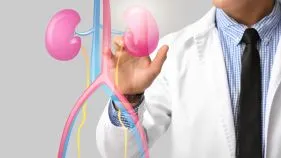
Renal Cell Carcinoma Chemotherapy: Current Treatment Options, Targeted Therapy, and Expert Kidney Cancer Care

Renal Cell Carcinoma Chemotherapy: Current Treatment Options, Targeted Therapy, and Expert Kidney Cancer Care

Introduction

Renal cell carcinoma (RCC) is the most common type of kidney cancer in adults. Many patients search for renal cell carcinoma chemotherapy after receiving a diagnosis and want to understand whether chemotherapy is effective for kidney cancer. Unlike many other cancers, renal cell carcinoma responds differently to traditional chemotherapy, and treatment has evolved significantly in recent years.

Today, many patients with RCC are treated with targeted therapy, immunotherapy, surgery, or a combination of treatments, depending on the stage of cancer, overall health, and kidney function. Understanding the role of chemotherapy and other modern treatments is important for making informed treatment decisions.

At Prabhakar Bhurke Clinic, our super specialist nephrologist provides comprehensive kidney evaluations, kidney function monitoring, treatment coordination with oncology and urology specialists, postoperative kidney care, and long-term kidney health management.


What Is Renal Cell Carcinoma?

Renal cell carcinoma is a cancer that begins in the kidney’s filtering cells. RCC accounts for the majority of kidney cancer cases in adults.

Common subtypes include:

  • Clear cell renal cell carcinoma

  • Papillary renal cell carcinoma

  • Chromophobe renal cell carcinoma

  • Other less common variants

Early diagnosis improves treatment outcomes and helps preserve kidney function whenever possible.


Is Chemotherapy Effective for Renal Cell Carcinoma?

Traditional chemotherapy is generally not the main treatment for renal cell carcinoma.

RCC tends to be relatively resistant to many standard chemotherapy drugs. As a result, modern treatment often focuses on:

  • Surgery

  • Targeted therapy

  • Immunotherapy

  • Combination therapy

  • Clinical trials in selected patients

Chemotherapy may occasionally be considered in certain rare situations or uncommon RCC subtypes.


Why RCC Responds Differently to Chemotherapy

Kidney cancer cells often have biological characteristics that make them less sensitive to conventional chemotherapy.

Modern research has shown that therapies targeting specific cancer pathways or stimulating the immune system are frequently more effective than traditional chemotherapy for many RCC patients.


Main Treatment Options for Renal Cell Carcinoma

Surgery

Surgery is often the primary treatment for localized kidney cancer.

Options may include:

Partial Nephrectomy

Only the tumor and a small portion of surrounding kidney tissue are removed.

Radical Nephrectomy

The entire affected kidney is removed.

Whenever appropriate, preserving kidney function is an important treatment goal.


Targeted Therapy

Targeted therapy is one of the most important modern treatments for advanced RCC.

These medicines target pathways involved in:

  • Tumor blood vessel growth

  • Cancer cell growth

  • Tumor progression

Targeted therapies are commonly used for:

  • Advanced kidney cancer

  • Metastatic RCC

  • Recurrent RCC

Treatment selection is individualized.


Immunotherapy

Immunotherapy helps the immune system recognize and attack cancer cells.

It has become a major treatment option for many patients with advanced renal cell carcinoma.

Immunotherapy may be used:

  • Alone

  • In combination with targeted therapy

  • In selected treatment settings


When Might Chemotherapy Be Used?

Although uncommon, chemotherapy may be considered for:

  • Rare aggressive kidney cancer subtypes

  • Sarcomatoid features in selected cases

  • Certain advanced cancers

  • Clinical trial settings

Treatment decisions require specialist evaluation.


Symptoms of Renal Cell Carcinoma

Kidney cancer may not cause symptoms in the early stages.

Possible symptoms include:

  • Blood in the urine

  • Flank or back pain

  • A kidney mass

  • Unexplained weight loss

  • Fatigue

  • Fever

  • Loss of appetite

  • Night sweats

  • High blood pressure

Some tumors are discovered incidentally during imaging studies.


How Is Renal Cell Carcinoma Diagnosed?

At Prabhakar Bhurke Clinic, our super specialist nephrologist performs a comprehensive kidney evaluation and coordinates further cancer assessment when indicated.

Medical History and Examination

The doctor evaluates:

  • Symptoms

  • Medical history

  • Family history

  • Smoking history

  • Blood pressure

  • Kidney disease history


Blood Tests

Investigations may include:

  • Serum Creatinine

  • Kidney Function Tests

  • Complete Blood Count (CBC)

  • Electrolytes

  • Liver function tests when indicated

These tests help assess kidney function before treatment.


Urine Tests

Urine testing helps detect:

  • Blood

  • Infection

  • Protein

  • Other urinary abnormalities


Imaging Studies

Imaging is essential for diagnosis and staging.

Common tests include:

  • Kidney ultrasound

  • Contrast-enhanced CT scan

  • MRI when necessary

  • Chest imaging for cancer staging


Biopsy

A biopsy may be recommended in selected cases to confirm the diagnosis and guide treatment.


Staging of Renal Cell Carcinoma

Treatment depends on cancer stage.

Localized Disease

Cancer remains confined to the kidney.

Surgery is often the primary treatment.


Locally Advanced Disease

Cancer extends into nearby tissues or blood vessels.

Treatment may include surgery and systemic therapy.


Metastatic Disease

Cancer has spread to other organs.

Treatment often involves targeted therapy, immunotherapy, or combination treatment.


Kidney Function During Cancer Treatment

Protecting kidney function is extremely important during RCC treatment.

Kidney function may be affected by:

  • Kidney removal surgery

  • Targeted therapy

  • Immunotherapy

  • Blood pressure changes

  • Dehydration

  • Underlying chronic kidney disease

Regular monitoring helps preserve remaining kidney function.


Side Effects of Targeted Therapy

Possible side effects may include:

  • High blood pressure

  • Fatigue

  • Diarrhea

  • Skin changes

  • Mouth sores

  • Thyroid dysfunction

  • Protein in urine

Side effects are monitored carefully during treatment.


Side Effects of Immunotherapy

Possible side effects may include:

  • Fatigue

  • Skin rash

  • Diarrhea

  • Liver inflammation

  • Thyroid problems

  • Lung inflammation

  • Kidney inflammation

Early recognition of side effects is important.


How a Nephrologist Helps During RCC Treatment

A nephrologist plays an important role by:

  • Monitoring kidney function

  • Managing high creatinine levels

  • Treating electrolyte imbalances

  • Controlling blood pressure

  • Managing proteinuria

  • Protecting the remaining kidney after surgery

  • Coordinating care with oncology specialists

Kidney preservation remains an important part of cancer treatment.


Lifestyle Support During Treatment

Patients may benefit from:

  • Adequate hydration

  • Balanced nutrition

  • Blood pressure control

  • Diabetes management

  • Regular exercise as tolerated

  • Avoiding smoking

  • Limiting alcohol

  • Regular medical follow-up

Lifestyle measures support overall health and kidney function.


When Should You Consult a Nephrologist?

Consult a super specialist nephrologist if you have:

  • Kidney cancer

  • One remaining kidney

  • High creatinine levels

  • Reduced eGFR

  • Protein in urine

  • High blood pressure

  • Kidney function concerns during cancer treatment

Early nephrology involvement helps optimize kidney outcomes.


Why Choose Prabhakar Bhurke Clinic?

Patients trust Prabhakar Bhurke Clinic because we provide:

  • Consultation with a super specialist nephrologist

  • Comprehensive kidney evaluations

  • Advanced kidney function testing

  • Personalized treatment plans

  • Kidney function monitoring during cancer treatment

  • Post-nephrectomy kidney care

  • Chronic kidney disease management

  • Coordination with oncology and urology specialists

  • Long-term kidney health monitoring

  • Compassionate, evidence-based kidney care

Our goal is to protect kidney function while supporting the best possible cancer treatment outcomes.


Frequently Asked Questions (FAQs)

Is chemotherapy the main treatment for renal cell carcinoma?

No. RCC is often relatively resistant to traditional chemotherapy. Surgery, targeted therapy, and immunotherapy are more commonly used.

Can kidney function be preserved during RCC treatment?

Yes. Careful treatment planning and nephrology monitoring help protect kidney function whenever possible.

What is targeted therapy for kidney cancer?

Targeted therapy uses medicines that block specific pathways involved in kidney cancer growth and spread.

Which doctor manages kidney function during kidney cancer treatment?

A super specialist nephrologist monitors kidney function, manages kidney-related complications, and helps protect the remaining kidney during cancer treatment.


Conclusion

The role of renal cell carcinoma chemotherapy has changed significantly, and traditional chemotherapy is not the primary treatment for most kidney cancer patients. Modern management often involves surgery, targeted therapy, immunotherapy, and personalized treatment planning. Protecting kidney function during treatment is essential for long-term health and quality of life.

At Prabhakar Bhurke Clinic, our super specialist nephrologist provides expert kidney evaluations, kidney function monitoring, post-surgical kidney care, chronic kidney disease management, and coordinated kidney cancer support to help patients maintain better kidney health throughout their treatment journey.


Book an Appointment Today

If you have renal cell carcinoma, high creatinine levels, reduced eGFR, one remaining kidney, protein in urine, high blood pressure, or concerns about kidney function during cancer treatment, schedule a consultation at Prabhakar Bhurke Clinic. Our super specialist nephrologist will perform a detailed kidney evaluation and provide personalized kidney care in coordination with your cancer treatment team.

Symptoms of Having Kidney Problem: Early Warning Signs You Should Never Ignore

Symptoms of Having Kidney Problem: Early Warning Signs You Should Never Ignore

Introduction

Kidney problems often develop gradually and may not cause noticeable symptoms in the early stages. Because the kidneys can continue functioning even after significant damage has occurred, many people are diagnosed with kidney disease only after routine blood or urine tests reveal abnormalities.

Recognizing the symptoms of having a kidney problem is important because early diagnosis and treatment can help preserve kidney function, prevent complications, and reduce the risk of kidney failure. Kidney problems may range from kidney infections and kidney stones to chronic kidney disease (CKD) and acute kidney injury (AKI).

At Prabhakar Bhurke Clinic, our super specialist nephrologist provides comprehensive kidney evaluations, advanced diagnostic testing, personalized treatment plans, chronic kidney disease management, dialysis guidance, kidney transplant evaluation, and long-term kidney care.


What Do the Kidneys Do?

Healthy kidneys perform several essential functions:

  • Filter waste products from the blood

  • Remove excess fluids

  • Maintain electrolyte balance

  • Regulate blood pressure

  • Support red blood cell production

  • Maintain bone and mineral health

When the kidneys do not function properly, waste products and excess fluid can build up in the body, causing various symptoms.


Common Symptoms of Having a Kidney Problem

Persistent Fatigue and Weakness

One of the earliest symptoms of kidney disease is ongoing tiredness.

Patients may experience:

  • Low energy

  • Weakness

  • Difficulty concentrating

  • Reduced stamina

Kidney disease can contribute to anemia, which often worsens fatigue.


Swelling of Feet, Ankles, or Face

Damaged kidneys may not remove excess fluid effectively.

Swelling (edema) commonly affects:

  • Feet

  • Ankles

  • Lower legs

  • Hands

  • Face

  • Puffy eyes in the morning

Persistent swelling requires medical evaluation.


Changes in Urination

Urinary changes are often important warning signs.

Possible symptoms include:

  • Frequent urination

  • Urination at night

  • Reduced urine output

  • Difficulty passing urine

  • Foamy urine

  • Dark urine

  • Blood in the urine

Any significant change in urination should be evaluated by a doctor.


Foamy Urine

Foamy or frothy urine may indicate protein leakage, which can be an early sign of kidney damage.


Blood in the Urine

Blood may be visible or detected only through laboratory testing.

Possible causes include:

  • Kidney stones

  • Kidney infections

  • Glomerular diseases

  • Urinary tract disorders

Blood in urine should never be ignored.


High Blood Pressure

Kidney disease can both cause and worsen high blood pressure.

Poorly controlled hypertension can further damage the kidneys.


Persistent Back or Flank Pain

Pain around the side of the back below the ribs may occur with:

  • Kidney stones

  • Kidney infections

  • Kidney cysts

  • Urinary obstruction

Kidney pain is usually deeper than muscle pain.


Loss of Appetite

As kidney function declines, waste products may accumulate in the bloodstream, causing:

  • Poor appetite

  • Feeling full quickly

  • Weight loss

  • Nausea


Nausea and Vomiting

More advanced kidney dysfunction may cause:

  • Persistent nausea

  • Vomiting

  • Metallic taste in the mouth


Dry and Itchy Skin

Kidney disease may affect mineral balance and lead to:

  • Dry skin

  • Generalized itching

  • Skin irritation


Muscle Cramps

Electrolyte imbalances may cause painful muscle cramps, especially at night.


Shortness of Breath

Fluid overload or anemia associated with kidney disease may contribute to breathing difficulty.


Difficulty Concentrating

Waste product accumulation can affect mental clarity and concentration.


Symptoms of Acute Kidney Problems

Acute kidney injury may develop suddenly.

Possible symptoms include:

  • Reduced urine output

  • Swelling

  • Sudden fatigue

  • Confusion

  • Shortness of breath

  • Chest discomfort

  • Severe weakness

Acute kidney injury requires urgent medical evaluation.


Common Causes of Kidney Problems

Kidney problems may result from:

Chronic Kidney Disease (CKD)

A gradual decline in kidney function.


Acute Kidney Injury (AKI)

A sudden reduction in kidney function.


Diabetes

One of the leading causes of kidney disease.


High Blood Pressure

Long-term hypertension damages kidney blood vessels.


Kidney Stones

Stones may cause obstruction and kidney damage.


Kidney Infections

Untreated infections may affect kidney tissue.


Glomerulonephritis

Inflammation of the kidney’s filtering units.


Polycystic Kidney Disease

An inherited condition causing kidney cysts.


Who Is at Higher Risk?

You may have a higher risk if you have:

  • Diabetes

  • High blood pressure

  • Obesity

  • Heart disease

  • Family history of kidney disease

  • Kidney stones

  • Frequent urinary infections

  • Older age

Regular kidney screening is recommended for high-risk individuals.


How Are Kidney Problems Diagnosed?

At Prabhakar Bhurke Clinic, our super specialist nephrologist performs a detailed kidney evaluation.

Blood Tests

Common investigations include:

  • Serum Creatinine

  • eGFR

  • Blood Urea Nitrogen (BUN)

  • Electrolytes

  • Hemoglobin


Urine Tests

Urine evaluation helps detect:

  • Protein leakage

  • Blood

  • Infection

  • Early kidney damage


Blood Pressure Assessment

Blood pressure monitoring is an essential part of kidney evaluation.


Imaging Studies

Doctors may recommend:

  • Kidney ultrasound

  • CT scan when clinically indicated

Imaging helps identify structural abnormalities, stones, cysts, or urinary obstruction.


Treatment for Kidney Problems

Treatment depends on the underlying cause.

Blood Pressure Control

Proper blood pressure management helps protect kidney function.


Diabetes Management

Good blood sugar control reduces further kidney damage.


Medications

Your nephrologist may prescribe medicines to:

  • Protect kidney function

  • Reduce protein leakage

  • Control blood pressure

  • Manage diabetes

  • Treat infections

  • Correct anemia

  • Reduce swelling


Kidney-Friendly Diet

Dietary recommendations may include:

  • Reduced salt intake

  • Appropriate protein intake

  • Managing potassium and phosphorus when necessary

  • Limiting processed foods


Dialysis

Advanced kidney failure may require dialysis to remove waste products and excess fluid.


Kidney Transplant

Eligible patients with end-stage kidney disease may benefit from kidney transplantation.


Lifestyle Tips to Protect Kidney Health

Support kidney function by:

  • Drinking adequate water unless medically restricted

  • Controlling blood pressure

  • Managing diabetes

  • Exercising regularly

  • Maintaining healthy weight

  • Avoiding smoking

  • Limiting alcohol

  • Avoiding unnecessary painkiller use

  • Attending regular kidney checkups

These measures help slow kidney disease progression.


When Should You Consult a Nephrologist?

Consult a super specialist nephrologist if you have:

  • High creatinine levels

  • Reduced eGFR

  • Protein in urine

  • Blood in urine

  • Swelling

  • Persistent fatigue

  • High blood pressure

  • Diabetes-related kidney concerns

  • Recurrent kidney stones

  • Frequent urinary infections

Early specialist care can preserve kidney function.


Why Choose Prabhakar Bhurke Clinic?

Patients trust Prabhakar Bhurke Clinic because we provide:

  • Consultation with a super specialist nephrologist

  • Comprehensive kidney evaluations

  • Advanced kidney function testing

  • Personalized treatment plans

  • Chronic kidney disease management

  • Kidney stone treatment

  • Dialysis guidance

  • Kidney transplant evaluation

  • Long-term kidney health monitoring

  • Compassionate, evidence-based kidney care

Our goal is to detect kidney disease early and protect long-term kidney function.


Frequently Asked Questions (FAQs)

What is the first symptom of a kidney problem?

Fatigue, foamy urine, swelling, and changes in urination are among the earliest symptoms.

Can kidney problems occur without symptoms?

Yes. Early kidney disease often causes no noticeable symptoms, which is why regular kidney screening is important.

Is foamy urine a sign of kidney disease?

Foamy urine may indicate protein leakage and should be evaluated by a nephrologist.

Which doctor treats kidney problems?

A super specialist nephrologist specializes in diagnosing and treating kidney diseases at all stages.


Conclusion

The symptoms of having a kidney problem can range from subtle early signs such as fatigue, foamy urine, and mild swelling to more serious symptoms such as blood in urine, severe swelling, shortness of breath, and reduced urine output. Early diagnosis and timely treatment are essential for preserving kidney function and preventing complications.

At Prabhakar Bhurke Clinic, our super specialist nephrologist provides expert diagnosis, comprehensive kidney evaluations, personalized treatment plans, chronic kidney disease management, dialysis guidance, and long-term kidney care to help patients maintain healthy kidneys and improve their quality of life.


Book an Appointment Today

If you are experiencing fatigue, swelling, foamy urine, blood in the urine, frequent urination, high creatinine levels, reduced eGFR, kidney pain, or high blood pressure, schedule a consultation at Prabhakar Bhurke Clinic. Our super specialist nephrologist will perform a detailed kidney evaluation and create a personalized treatment plan to protect your kidney health.

Vesicoureteral Reflux Treatment in Adults: Symptoms, Diagnosis, and Effective Management

Vesicoureteral Reflux Treatment in Adults: Symptoms, Diagnosis, and Effective Management

Introduction

Vesicoureteral reflux (VUR) is a condition in which urine flows backward from the bladder into the ureters and sometimes into the kidneys. Although VUR is more commonly diagnosed in children, it can also occur in adults and may lead to recurrent urinary tract infections (UTIs), kidney infections, kidney scarring, high blood pressure, and reduced kidney function if left untreated.

Understanding vesicoureteral reflux treatment in adults is important because early diagnosis and appropriate management can help prevent permanent kidney damage and preserve long-term kidney health.

At Prabhakar Bhurke Clinic, our super specialist nephrologist provides comprehensive kidney evaluations, advanced diagnostic testing, personalized treatment plans, urinary tract disorder management, kidney function monitoring, and long-term kidney care.


What Is Vesicoureteral Reflux (VUR)?

Normally, urine flows from the kidneys through the ureters into the bladder. A valve-like mechanism where the ureter enters the bladder prevents urine from flowing backward.

In VUR:

  • Urine moves backward toward the kidneys.

  • Pressure may build up in the urinary tract.

  • Bacteria can travel into the kidneys.

  • Kidney infections become more likely.

  • Kidney scarring may develop over time.

VUR may affect one or both kidneys.


Causes of VUR in Adults

Adult VUR may result from several conditions.

Congenital VUR

Some adults have VUR that was present since birth but remained undiagnosed.


Bladder Outlet Obstruction

Conditions such as urethral narrowing or enlarged prostate may increase bladder pressure and contribute to reflux.


Neurogenic Bladder

Nerve-related bladder disorders can interfere with normal bladder emptying.


Previous Urinary Tract Surgery

Certain surgical procedures may affect the normal valve mechanism.


Recurrent Urinary Tract Infections

Repeated infections may contribute to urinary tract dysfunction.


Kidney or Ureteral Abnormalities

Structural abnormalities may predispose patients to reflux.


Symptoms of Vesicoureteral Reflux in Adults

Some adults have no symptoms.

When symptoms occur, they may include:

Recurrent Urinary Tract Infections

Frequent UTIs are one of the most common signs.


Kidney Infections (Pyelonephritis)

Symptoms may include:

  • Fever

  • Chills

  • Flank pain

  • Nausea

  • Vomiting


Flank or Back Pain

Pain may occur around the kidney area.


Burning During Urination

Urinary discomfort may occur with infection.


Frequent Urination

Increased urinary frequency or urgency may be present.


Blood in the Urine

Some patients develop visible or microscopic blood in urine.


High Blood Pressure

Long-standing kidney damage from reflux may contribute to hypertension.


Complications of Untreated VUR

Without treatment, adult VUR may lead to:

  • Recurrent kidney infections

  • Kidney scarring

  • Chronic kidney disease

  • Reduced kidney function

  • High blood pressure

  • Kidney failure in severe cases

Early diagnosis helps reduce these risks.


How Is VUR Diagnosed?

At Prabhakar Bhurke Clinic, our super specialist nephrologist performs a detailed urinary tract evaluation.

Medical History and Examination

The doctor evaluates:

  • Recurrent UTIs

  • Kidney infection history

  • Flank pain

  • Blood pressure

  • Previous urinary surgery

  • Kidney disease history


Urine Tests

Urine evaluation helps detect:

  • Infection

  • Blood

  • Protein

  • Urinary abnormalities

Tests may include:

  • Urinalysis

  • Urine culture


Blood Tests

Important investigations include:

  • Serum Creatinine

  • eGFR

  • Blood Urea Nitrogen (BUN)

  • Electrolytes

These tests assess kidney function.


Imaging Studies

Imaging helps evaluate:

  • Kidney size

  • Kidney scarring

  • Hydronephrosis

  • Structural abnormalities

Common studies include:

  • Kidney ultrasound

  • CT scan when indicated


Voiding Cystourethrogram (VCUG)

VCUG is the most important test for diagnosing VUR.

During the test:

  • Contrast is placed in the bladder.

  • X-ray images are taken while the bladder fills and empties.

  • Backward urine flow can be detected.


Nuclear Renal Scan

This test helps assess:

  • Individual kidney function

  • Kidney scarring

  • Differential kidney function


Treatment of Vesicoureteral Reflux in Adults

Treatment depends on:

  • Severity of reflux

  • Frequency of infections

  • Kidney function

  • Presence of scarring

  • Symptoms

  • Underlying cause


Antibiotic Treatment

Antibiotics are used to:

  • Treat active urinary infections

  • Prevent recurrent infections in selected patients

Repeated infections require careful medical evaluation.


Management of Bladder Dysfunction

Treatment may include:

  • Timed voiding

  • Bladder training

  • Medications for bladder dysfunction

  • Treatment of urinary obstruction

Improving bladder emptying can reduce reflux severity.


Blood Pressure Control

Patients with kidney scarring may require treatment for hypertension.

Blood pressure control helps protect kidney function.


Surgical Treatment

Surgery may be recommended for:

  • Persistent high-grade reflux

  • Recurrent kidney infections

  • Progressive kidney damage

  • Failure of conservative treatment


Endoscopic Injection Therapy

A bulking material is injected near the ureteral opening to reduce reflux.

Advantages include:

  • Minimally invasive

  • Short recovery

  • No large incision


Ureteral Reimplantation Surgery

The ureter is repositioned within the bladder to create a more effective anti-reflux mechanism.

This procedure has high success rates in appropriately selected patients.


Kidney Function Monitoring

Long-term monitoring is essential.

Regular follow-up may include:

  • Kidney function tests

  • Urine protein testing

  • Blood pressure checks

  • Kidney imaging

  • Infection monitoring


Lifestyle Measures

Patients with VUR can support kidney health by:

  • Staying hydrated

  • Treating UTIs promptly

  • Avoiding unnecessary urinary retention

  • Controlling diabetes if present

  • Maintaining healthy blood pressure

  • Attending regular nephrology follow-ups

These measures help reduce kidney damage risk.


Can Adult VUR Be Cured?

In many cases, VUR can be effectively treated, especially when diagnosed early.

Successful treatment may:

  • Reduce infections

  • Prevent further kidney scarring

  • Preserve kidney function

  • Improve quality of life

However, existing kidney scarring may not be completely reversible.


When Should You Consult a Nephrologist?

Consult a super specialist nephrologist if you have:

  • Recurrent UTIs

  • Repeated kidney infections

  • Flank pain

  • Blood in urine

  • High blood pressure

  • Reduced kidney function

  • Kidney scarring

  • Hydronephrosis

  • Suspected vesicoureteral reflux

Early specialist care helps prevent long-term kidney damage.


Why Choose Prabhakar Bhurke Clinic?

Patients trust Prabhakar Bhurke Clinic because we provide:

  • Consultation with a super specialist nephrologist

  • Comprehensive urinary tract evaluation

  • Advanced kidney function testing

  • Personalized treatment plans

  • Kidney infection management

  • VUR evaluation and monitoring

  • Chronic kidney disease management

  • Long-term kidney health monitoring

  • Compassionate, evidence-based kidney care

Our goal is to preserve kidney function and prevent complications related to urinary reflux.


Frequently Asked Questions (FAQs)

Can adults develop vesicoureteral reflux?

Yes. Adults may have congenital VUR or develop reflux due to bladder dysfunction, obstruction, or urinary tract abnormalities.

Is VUR serious in adults?

It can be serious if it causes recurrent kidney infections or kidney scarring, but timely treatment can significantly reduce complications.

Can VUR cause kidney damage?

Yes. Repeated reflux and infections may lead to kidney scarring and reduced kidney function.

Which doctor treats VUR in adults?

A super specialist nephrologist evaluates kidney function, recurrent infections, and reflux-related kidney complications and coordinates appropriate treatment.


Conclusion

Vesicoureteral reflux in adults is an important condition that can lead to recurrent urinary infections, kidney infections, kidney scarring, and chronic kidney disease if left untreated. Early diagnosis through urine tests, imaging studies, and VCUG allows timely treatment with medications, bladder management, or surgical correction when necessary.

At Prabhakar Bhurke Clinic, our super specialist nephrologist provides expert diagnosis, personalized treatment plans, kidney function monitoring, infection management, and long-term kidney care to help patients protect their kidneys and maintain better urinary health.


Book an Appointment Today

If you have recurrent urinary tract infections, kidney infections, flank pain, blood in urine, high blood pressure, reduced kidney function, or concerns about vesicoureteral reflux, schedule a consultation at Prabhakar Bhurke Clinic. Our super specialist nephrologist will perform a detailed evaluation and create a personalized treatment plan to protect your kidney health and prevent long-term complications.

Dehydration and Kidney Stones: How Low Water Intake Increases Stone Risk

Dehydration and Kidney Stones: How Low Water Intake Increases Stone Risk

Introduction

Dehydration is one of the most important and preventable causes of kidney stones. When the body does not receive enough fluids, urine becomes concentrated, allowing minerals and salts to crystallize and form stones inside the kidneys. Many people who develop kidney stones have a history of low water intake, excessive sweating, hot weather exposure, or inadequate hydration.

Understanding the connection between dehydration and kidney stones is essential because maintaining proper hydration can significantly reduce the risk of stone formation and recurrence.

At Prabhakar Bhurke Clinic, our super specialist nephrologist provides comprehensive kidney stone evaluation, advanced diagnostic testing, personalized treatment plans, hydration guidance, stone prevention counseling, and long-term kidney care.


How Does Dehydration Cause Kidney Stones?

Healthy kidneys remove waste products by producing urine. When fluid intake is inadequate:

  • Urine volume decreases.

  • Urine becomes concentrated.

  • Minerals such as calcium, oxalate, and uric acid become more concentrated.

  • Crystals begin to form.

  • Crystals gradually grow into kidney stones.

Adequate urine volume helps dilute these minerals and reduces stone formation.


Why Concentrated Urine Increases Stone Risk

Concentrated urine contains higher levels of:

  • Calcium

  • Oxalate

  • Uric acid

  • Phosphate

  • Other stone-forming substances

When these substances become highly concentrated, they are more likely to crystallize and stick together.

This process is especially common during prolonged dehydration.


Who Is at Higher Risk of Dehydration-Related Kidney Stones?

Certain individuals are more likely to develop dehydration-related stones.

People Living in Hot Climates

Excessive sweating increases fluid loss.


Outdoor Workers

Construction workers, farmers, athletes, and others exposed to heat may lose significant amounts of water.


Individuals Who Drink Little Water

Habitually low fluid intake is a major risk factor.


Patients with Frequent Vomiting or Diarrhea

These conditions can cause rapid fluid loss.


Older Adults

Older adults may have reduced thirst sensation and increased dehydration risk.


Individuals with Recurrent Kidney Stones

Previous stone formers often require increased hydration to prevent recurrence.


Symptoms of Kidney Stones

Kidney stones caused by dehydration may produce:

Severe Flank Pain

Pain is usually felt on one side of the back below the ribs.


Lower Back Pain

Pain may radiate toward the abdomen or groin.


Blood in the Urine

Urine may appear pink, red, or brown.


Burning During Urination

Stones near the bladder may cause urinary discomfort.


Frequent Urination

Patients may feel the need to urinate repeatedly.


Nausea and Vomiting

Severe kidney stone pain often causes digestive symptoms.


Fever and Chills

Fever with kidney stone symptoms may indicate infection and requires urgent medical attention.


Signs of Dehydration

Common dehydration symptoms include:

  • Dark yellow urine

  • Dry mouth

  • Excessive thirst

  • Dizziness

  • Fatigue

  • Headache

  • Reduced urine output

Persistent dehydration should not be ignored.


How Much Water Helps Prevent Kidney Stones?

Most kidney stone prevention strategies aim to maintain adequate urine output throughout the day.

Your nephrologist may recommend increasing fluid intake based on:

  • Stone history

  • Kidney function

  • Climate

  • Physical activity

  • Medical conditions

The goal is usually to keep urine relatively clear or pale yellow.


Types of Kidney Stones Associated with Dehydration

Dehydration can contribute to several stone types.

Calcium Oxalate Stones

The most common kidney stone type.


Uric Acid Stones

Concentrated acidic urine increases uric acid stone formation.


Calcium Phosphate Stones

May occur under certain urinary conditions.


Diagnosis of Dehydration-Related Kidney Stones

At Prabhakar Bhurke Clinic, our super specialist nephrologist performs a detailed kidney stone evaluation.

Medical History

The doctor assesses:

  • Fluid intake

  • Heat exposure

  • Previous stone history

  • Dietary habits

  • Medical conditions


Blood Tests

Common investigations include:

  • Serum Creatinine

  • Kidney Function Tests

  • Electrolytes

  • Calcium levels

  • Uric acid levels


Urine Tests

Urine evaluation helps detect:

  • Blood

  • Infection

  • Crystals

  • Concentrated urine

  • Stone-forming abnormalities


Imaging Studies

Imaging determines:

  • Stone size

  • Stone location

  • Kidney swelling

  • Urinary obstruction

Common tests include:

  • Kidney ultrasound

  • Non-contrast CT scan


Treatment of Kidney Stones

Treatment depends on stone size, location, and symptoms.

Hydration

Increasing fluid intake is often recommended for small stones.


Pain Management

Doctors may prescribe medicines to relieve pain and urinary tract spasms.


Medical Stone Passage Therapy

Certain medicines may help selected small stones pass naturally.


ESWL (Shock Wave Lithotripsy)

Shock waves break stones into smaller fragments.


Laser Lithotripsy

Laser energy breaks stones through a minimally invasive procedure.


RIRS (Flexible Ureteroscopy)

An incision-free procedure used for selected kidney stones.


PCNL (Percutaneous Nephrolithotomy)

Used for large or complex kidney stones.


Best Hydration Strategies

Drink Water Regularly

Do not wait until you feel very thirsty.


Increase Fluids in Hot Weather

Higher temperatures require additional hydration.


Replace Fluids After Exercise

Sweating increases water loss.


Monitor Urine Color

Pale yellow urine usually indicates better hydration than dark concentrated urine.


Foods That Support Kidney Stone Prevention

A kidney-friendly diet may include:

  • Fresh fruits

  • Vegetables

  • Whole grains

  • Appropriate calcium intake

  • Moderate protein intake

  • Reduced processed foods

Diet should be individualized according to stone type.


Preventing Dehydration-Related Kidney Stones

Drink Adequate Water

Hydration is the most important preventive measure.


Reduce Salt Intake

Lower sodium intake reduces calcium stone risk.


Limit Excessive Sugary Drinks

High sugar intake may increase stone risk.


Maintain Healthy Weight

Weight management supports kidney health.


Regular Kidney Monitoring

Patients with recurrent stones may benefit from:

  • Stone analysis

  • Urine metabolic testing

  • Personalized prevention plans


When Should You Consult a Nephrologist?

Consult a super specialist nephrologist if you have:

  • Recurrent kidney stones

  • Severe flank pain

  • Blood in urine

  • Frequent urinary infections

  • Kidney swelling

  • High creatinine levels

  • Reduced kidney function

  • Persistent dehydration

Early specialist care helps protect kidney health.


Why Choose Prabhakar Bhurke Clinic?

Patients trust Prabhakar Bhurke Clinic because we provide:

  • Consultation with a super specialist nephrologist

  • Comprehensive kidney stone evaluation

  • Advanced diagnostic facilities

  • Personalized treatment plans

  • Kidney function assessment

  • Hydration and dietary counseling

  • Stone prevention strategies

  • Long-term kidney health monitoring

Our goal is to provide effective kidney stone treatment while helping patients prevent future stones through proper hydration and kidney care.


Frequently Asked Questions (FAQs)

Can dehydration cause kidney stones?

Yes. Dehydration is one of the leading causes of kidney stone formation because concentrated urine promotes crystal formation.

How much water should kidney stone patients drink?

Fluid intake should be individualized based on kidney function, stone history, and medical conditions. Your nephrologist can provide personalized recommendations.

Is dark urine a sign of dehydration?

Yes. Dark yellow urine may indicate concentrated urine and inadequate hydration.

Which doctor should I consult for dehydration-related kidney stones?

A super specialist nephrologist can evaluate kidney stone risk, kidney function, hydration status, and provide personalized prevention and treatment guidance.


Conclusion

The connection between dehydration and kidney stones is strong and well established. Low water intake leads to concentrated urine, increased mineral crystallization, and a higher risk of stone formation. Adequate hydration, healthy dietary habits, reduced salt intake, and regular kidney monitoring are among the most effective ways to prevent kidney stones and protect kidney function.

At Prabhakar Bhurke Clinic, our super specialist nephrologist provides expert kidney stone diagnosis, personalized treatment plans, hydration guidance, and long-term prevention strategies to help patients maintain healthy kidneys and reduce the risk of recurrent stones.


Book an Appointment Today

If you are experiencing kidney stone pain, blood in urine, recurrent stones, dehydration-related symptoms, urinary problems, kidney swelling, or kidney function concerns, schedule a consultation at Prabhakar Bhurke Clinic. Our super specialist nephrologist will perform a comprehensive evaluation and create a personalized kidney stone treatment and prevention plan.

Dehydration and Kidney Stones: How Low Water Intake Increases Stone Risk

Does Coffee Cause Kidney Stones? The Truth About Coffee and Kidney Healt

Introduction

Many people who have experienced kidney stones wonder whether coffee causes kidney stones. Coffee is one of the most widely consumed beverages in the world, and there is often confusion about whether it increases or decreases the risk of stone formation.

The answer is not a simple yes or no. For most healthy adults, moderate coffee consumption is not considered a direct cause of kidney stones. In fact, some research suggests that moderate coffee intake may even be associated with a lower risk of certain types of kidney stones. However, excessive caffeine intake, dehydration, high sugar intake from coffee beverages, and underlying medical conditions can influence stone risk.

Understanding the relationship between coffee, hydration, diet, and kidney stone formation is important for long-term kidney health.

At Prabhakar Bhurke Clinic, our super specialist nephrologist provides comprehensive kidney stone evaluation, advanced diagnostic testing, personalized treatment plans, stone prevention counseling, and long-term kidney care.


What Are Kidney Stones?

Kidney stones are hard deposits made of minerals and salts that form inside the kidneys.

Common types include:

  • Calcium oxalate stones

  • Calcium phosphate stones

  • Uric acid stones

  • Struvite stones

  • Cystine stones

The most common type is calcium oxalate stone.


Does Coffee Directly Cause Kidney Stones?

Current evidence suggests that moderate coffee consumption is generally not a direct cause of kidney stones.

Coffee contains:

  • Caffeine

  • Antioxidants

  • Water

  • Small amounts of minerals

Several studies have found that moderate coffee intake may be associated with a lower risk of kidney stone formation, likely because coffee increases urine production in many individuals.

However, individual risk factors are important.


How Coffee May Affect Kidney Stone Risk

Increased Urine Production

Coffee can have a mild diuretic effect.

This may:

  • Increase urine volume

  • Reduce urine concentration

  • Decrease crystal formation

  • Lower stone risk in some individuals

Adequate urine volume is one of the most important protective factors against kidney stones.


Hydration Status

Coffee contributes to total fluid intake.

For most regular coffee drinkers, moderate coffee consumption does not usually cause significant dehydration.

The greater concern is insufficient overall water intake.


Caffeine and Calcium Excretion

Caffeine may slightly increase calcium excretion in urine.

In some susceptible individuals, very high caffeine intake could potentially contribute to stone risk.

However, the effect is usually small with moderate coffee consumption.


Can Too Much Coffee Increase Kidney Stone Risk?

Excessive coffee intake may increase risk in some situations.

Possible concerns include:

  • Inadequate water intake

  • Excess caffeine consumption

  • High sugar coffee drinks

  • High-calorie coffee beverages

  • Underlying kidney stone disorders

Large amounts of coffee should not replace adequate water consumption.


Sugary Coffee Drinks and Kidney Stones

Many commercial coffee beverages contain:

  • Large amounts of sugar

  • Sweetened syrups

  • Creamers

  • Flavored additives

High sugar intake may contribute to:

  • Obesity

  • Diabetes

  • Metabolic changes

  • Increased kidney stone risk

The issue is often the added sugar, not the coffee itself.


Coffee and Calcium Oxalate Stones

Calcium oxalate stones are the most common kidney stones.

Coffee contains relatively low amounts of oxalate compared with foods such as:

  • Spinach

  • Beetroot

  • Nuts

  • Chocolate

For most people, coffee is not considered a major dietary oxalate source.


Other Common Causes of Kidney Stones

More important kidney stone risk factors include:

Low Water Intake

Dehydration is one of the leading causes of kidney stone formation.


High Salt Intake

Excess sodium increases urinary calcium excretion.


Excess Animal Protein

High intake of red meat and certain high-protein diets may increase stone risk.


Obesity

Obesity increases the risk of several stone types.


Diabetes

Diabetes alters urine chemistry and may increase stone formation.


Family History

Genetic factors can increase stone risk.


Recurrent Urinary Infections

Certain infections contribute to struvite stones.


Symptoms of Kidney Stones

Common symptoms include:

  • Severe flank pain

  • Lower back pain

  • Pain radiating to the groin

  • Blood in urine

  • Burning during urination

  • Frequent urination

  • Nausea and vomiting

  • Fever if infection develops

These symptoms require medical evaluation.


How Is Kidney Stone Risk Evaluated?

At Prabhakar Bhurke Clinic, our super specialist nephrologist performs a detailed kidney stone assessment.

Medical History

The doctor evaluates:

  • Previous stone history

  • Diet

  • Fluid intake

  • Coffee and caffeine intake

  • Medical conditions

  • Family history


Blood Tests

Common investigations include:

  • Serum Creatinine

  • Kidney Function Tests

  • Electrolytes

  • Calcium levels

  • Uric acid levels


Urine Tests

Urine evaluation helps detect:

  • Blood

  • Infection

  • Protein

  • Crystals

  • Stone-forming abnormalities


Imaging Studies

Imaging helps determine:

  • Stone size

  • Stone location

  • Kidney swelling

  • Urinary obstruction

Common tests include:

  • Kidney ultrasound

  • Non-contrast CT scan


How Much Coffee Is Generally Considered Safe?

For many adults, moderate coffee consumption is generally considered acceptable.

The exact amount varies depending on:

  • Age

  • Blood pressure

  • Heart conditions

  • Pregnancy

  • Kidney function

  • Individual caffeine sensitivity

Patients with kidney disease or recurrent stones should discuss caffeine intake with their nephrologist.


Best Drinks to Prevent Kidney Stones

The most effective beverage for stone prevention is water.

Other potentially beneficial options may include:

  • Water

  • Citrus-containing beverages in moderation when appropriate

  • Adequate overall fluid intake

The goal is usually to maintain sufficient urine volume throughout the day.


Lifestyle Tips to Reduce Kidney Stone Risk

Drink Plenty of Water

Adequate hydration is one of the most important preventive measures.


Reduce Salt Intake

Lower sodium intake reduces calcium stone risk.


Eat a Balanced Diet

Healthy dietary habits include:

  • Fruits

  • Vegetables

  • Appropriate calcium intake

  • Moderate protein intake

  • Limiting excessive processed foods


Maintain Healthy Weight

Weight management supports kidney health.


Regular Medical Follow-Up

Patients with recurrent stones may benefit from:

  • Stone analysis

  • Metabolic evaluation

  • Personalized prevention planning


When Should You Consult a Nephrologist?

Consult a super specialist nephrologist if you have:

  • Recurrent kidney stones

  • Severe flank pain

  • Blood in urine

  • Frequent urinary infections

  • Kidney swelling

  • High creatinine levels

  • Reduced kidney function

  • Family history of kidney stones

Early specialist care helps prevent complications.


Why Choose Prabhakar Bhurke Clinic?

Patients trust Prabhakar Bhurke Clinic because we provide:

  • Consultation with a super specialist nephrologist

  • Comprehensive kidney stone evaluation

  • Advanced diagnostic facilities

  • Personalized treatment plans

  • Kidney function assessment

  • Stone prevention counseling

  • Dietary guidance

  • Long-term kidney health monitoring

Our goal is to provide effective kidney stone treatment while helping patients prevent future stone formation.


Frequently Asked Questions (FAQs)

Does coffee cause kidney stones?

Moderate coffee consumption is generally not considered a direct cause of kidney stones and may even be associated with a lower stone risk in some individuals.

Should kidney stone patients stop drinking coffee?

Not necessarily. Many patients can continue moderate coffee consumption, but adequate water intake remains essential.

Is caffeine bad for kidney stones?

Excessive caffeine intake may increase calcium excretion in some individuals, but moderate intake is usually not a major stone risk factor.

Which doctor should I consult?

A super specialist nephrologist can evaluate kidney stone risk, kidney function, and provide personalized dietary and medical guidance.


Conclusion

The question “Does coffee cause kidney stones?” does not have a simple answer, but current evidence suggests that moderate coffee consumption is generally not a direct cause of kidney stones. Adequate hydration, low salt intake, healthy diet, weight management, and individualized stone prevention strategies are much more important factors in reducing kidney stone risk.

At Prabhakar Bhurke Clinic, our super specialist nephrologist provides expert kidney stone diagnosis, personalized treatment plans, dietary counseling, and long-term prevention strategies to help patients maintain healthy kidneys and reduce the risk of recurrent stones.


Book an Appointment Today

If you are experiencing kidney stone pain, recurrent stones, blood in urine, urinary problems, kidney swelling, or kidney function concerns, schedule a consultation at Prabhakar Bhurke Clinic. Our super specialist nephrologist will perform a comprehensive evaluation and create a personalized kidney stone prevention and treatment plan.