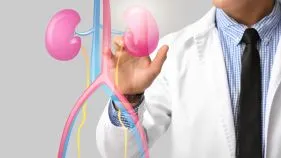
UTI Due to Kidney Stones: Causes, Symptoms, Treatment, and Prevention
Introduction
Urinary tract infections (UTIs) and kidney stones are common urinary problems that can occur separately or together. When a kidney stone blocks the normal flow of urine, bacteria can multiply more easily, increasing the risk of infection. A UTI due to kidney stones requires prompt medical attention because untreated infections can spread to the kidneys, cause severe pain, and potentially lead to kidney damage or sepsis.
Recognizing the symptoms early and treating both the infection and the kidney stone is essential for preserving kidney function and preventing complications.
At Prabhakar Bhurke Clinic, our super specialist nephrologist provides comprehensive kidney evaluations, advanced diagnostic testing, kidney stone treatment guidance, UTI management, kidney function monitoring, and long-term kidney care.
Can Kidney Stones Cause a UTI?
Yes. Kidney stones can increase the risk of urinary tract infections by:
-
Blocking urine flow
-
Preventing complete bladder emptying
-
Trapping bacteria within the urinary tract
-
Causing irritation of the urinary tract lining
When urine cannot drain normally, bacteria have a better environment for growth.
How Kidney Stones Lead to Infection
Normally, urine helps flush bacteria out of the urinary tract.
A kidney stone may:
-
Obstruct the ureter
-
Slow urine drainage
-
Cause urine stagnation
-
Allow bacterial multiplication
-
Increase infection risk
In some cases, the infection may spread from the bladder to the kidneys.
Symptoms of UTI Due to Kidney Stones
Patients may experience symptoms of both a kidney stone and a urinary tract infection.
Burning During Urination
Pain or burning while urinating is a common UTI symptom.
Frequent Urination
An increased urge to urinate may occur.
Urgent Need to Urinate
Patients may feel a sudden strong urge to pass urine.
Blood in the Urine
Kidney stones commonly cause hematuria.
Urine may appear:
-
Pink
-
Red
-
Brown
-
Or contain microscopic blood
Flank or Back Pain
Kidney stone pain is often felt:
-
On one side of the back
-
Below the ribs
-
Radiating toward the lower abdomen or groin
Fever and Chills
These symptoms suggest that the infection may have reached the kidneys.
Nausea and Vomiting
Severe stones and kidney infections may cause gastrointestinal symptoms.
Cloudy or Foul-Smelling Urine
These are common signs of urinary infection.
When Is It an Emergency?
A kidney stone with infection can become a medical emergency.
Seek immediate medical care if you have:
-
Fever
-
Chills
-
Severe flank pain
-
Persistent vomiting
-
Difficulty passing urine
-
Reduced urine output
-
Confusion
-
Low blood pressure
An obstructed infected kidney may require urgent treatment.
Risk Factors
You may be at higher risk if you have:
-
Recurrent kidney stones
-
Previous UTIs
-
Diabetes
-
Urinary tract obstruction
-
Enlarged prostate
-
Pregnancy
-
Reduced immunity
-
Inadequate hydration
How Is UTI Due to Kidney Stones Diagnosed?
At Prabhakar Bhurke Clinic, our super specialist nephrologist performs a detailed urinary tract evaluation.
Medical History and Examination
The doctor evaluates:
-
Pain location
-
Urinary symptoms
-
Fever
-
Previous stones
-
UTI history
-
Medical conditions
Urine Tests
Urinalysis helps detect:
-
White blood cells
-
Blood
-
Bacteria
-
Protein
-
Crystals
Urine Culture
Urine culture identifies the specific bacteria causing the infection and helps guide antibiotic treatment.
Blood Tests
Common investigations include:
-
Serum Creatinine
-
eGFR
-
Blood Urea Nitrogen (BUN)
-
Electrolytes
-
Complete Blood Count (CBC)
These tests assess kidney function and detect infection severity.
Imaging Studies
Imaging may include:
-
Kidney ultrasound
-
Non-contrast CT scan
-
X-ray when indicated
These studies help identify:
-
Stone size
-
Stone location
-
Urinary obstruction
-
Kidney swelling (hydronephrosis)
Treatment of UTI Due to Kidney Stones
Treatment must address both the infection and the stone.
Antibiotics
Antibiotics are used to treat the urinary tract infection.
The choice of antibiotic depends on:
-
Urine culture results
-
Infection severity
-
Kidney function
-
Patient allergies
Completing the full antibiotic course is essential.
Pain Management
Pain relief medications may be prescribed to reduce stone-related discomfort.
Hydration
Adequate hydration helps maintain urine flow.
However, patients with severe obstruction or kidney disease should follow individualized medical advice.
Medical Expulsive Therapy
Small stones may pass naturally with medications that help relax the ureter.
Stone Removal Procedures
Larger stones or obstructing stones may require intervention.
Common procedures include:
-
Extracorporeal Shock Wave Lithotripsy (ESWL)
-
Ureteroscopy with Laser Lithotripsy
-
Percutaneous Nephrolithotomy (PCNL)
Our nephrologist coordinates care with experienced urology specialists when procedural treatment is necessary.
Emergency Drainage
An infected obstructed kidney may require urgent drainage.
This may involve:
-
Ureteral stent placement
-
Percutaneous nephrostomy
Relieving obstruction is critical in severe infections.
Preventing Future UTIs and Kidney Stones
Preventive measures include:
Drink Adequate Water
Hydration reduces urine concentration and stone formation risk.
Reduce Excess Salt Intake
Lower sodium intake helps reduce calcium stone risk.
Manage Stone Risk Factors
Treatment depends on the stone type.
Treat UTIs Promptly
Early treatment prevents infection spread.
Follow a Kidney-Friendly Diet
Dietary recommendations are individualized.
Attend Regular Follow-Up
Patients with recurrent stones benefit from periodic nephrology evaluation.
Can Kidney Stones Permanently Damage the Kidneys?
Most stones do not cause permanent damage when treated promptly.
However, untreated obstruction combined with infection can lead to:
-
Kidney scarring
-
Reduced kidney function
-
Recurrent infections
-
Chronic kidney disease
Early treatment is extremely important.
When Should You Consult a Nephrologist?
Consult a super specialist nephrologist if you have:
-
Recurrent kidney stones
-
Recurrent UTIs
-
High creatinine levels
-
Reduced eGFR
-
Kidney swelling
-
Persistent flank pain
-
Blood in urine
-
Diabetes with kidney concerns
Early specialist care helps protect kidney function.
Why Choose Prabhakar Bhurke Clinic?
Patients trust Prabhakar Bhurke Clinic because we provide:
-
Consultation with a super specialist nephrologist
-
Comprehensive kidney stone evaluations
-
Advanced kidney function testing
-
Personalized treatment plans
-
UTI diagnosis and management
-
Kidney stone prevention strategies
-
Kidney function monitoring
-
Coordination with experienced urology specialists
-
Compassionate, evidence-based kidney care
Our goal is to relieve symptoms, eliminate infection, preserve kidney function, and prevent recurrence.
Frequently Asked Questions (FAQs)
Can a kidney stone cause a urinary tract infection?
Yes. Kidney stones can block urine flow and increase bacterial growth, making UTIs more likely.
Is a kidney stone with fever dangerous?
Yes. Fever may indicate a kidney infection and can become a medical emergency if obstruction is present.
Will antibiotics remove the kidney stone?
No. Antibiotics treat the infection, but the stone may still require medical or surgical treatment.
Which doctor should I consult?
A super specialist nephrologist evaluates kidney function, manages stone-related kidney complications, and coordinates appropriate treatment.
Conclusion
A UTI due to kidney stones requires prompt medical evaluation because infection and urinary obstruction can occur together and may lead to serious kidney complications. Symptoms such as burning urination, fever, flank pain, blood in urine, and recurrent infections should never be ignored. Early diagnosis and treatment can help preserve kidney function and prevent future stone episodes.
At Prabhakar Bhurke Clinic, our super specialist nephrologist provides expert diagnosis, comprehensive kidney evaluations, personalized treatment plans, kidney stone prevention strategies, and long-term kidney care to help patients maintain healthy kidneys and better urinary health.
Book an Appointment Today
If you are experiencing burning urination, fever, flank pain, blood in urine, recurrent urinary tract infections, kidney stones, high creatinine levels, reduced eGFR, or kidney swelling, schedule a consultation at Prabhakar Bhurke Clinic. Our super specialist nephrologist will perform a detailed kidney evaluation and create a personalized treatment plan to protect your kidney health.