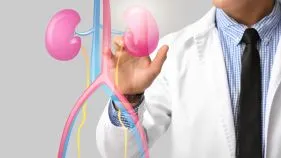
Kidney Stone in Ureter Treatment: Causes, Symptoms, Treatment Options, and Expert Kidney Care
Introduction
A kidney stone in the ureter (also called a ureteric stone) occurs when a stone formed in the kidney moves into the ureter, the narrow tube that carries urine from the kidney to the bladder. Ureteric stones can cause severe pain, urinary obstruction, blood in the urine, infection, and reduced kidney function if not treated promptly.
The treatment of a ureteric stone depends on its size, location, degree of obstruction, symptoms, and kidney function. Small stones may pass naturally, while larger or obstructing stones may require procedures such as ureteroscopy with laser lithotripsy, ESWL (shock wave lithotripsy), or other minimally invasive treatments.
At Prabhakar Bhurke Clinic, our super specialist nephrologist provides comprehensive kidney stone evaluations, advanced diagnostic testing, kidney function monitoring, personalized treatment planning, dialysis guidance, kidney transplant evaluation, and long-term kidney stone prevention.
What Is a Ureteric Stone?
A ureteric stone is a stone that has moved from the kidney into the ureter.
As the stone travels through the ureter, it may partially or completely block urine flow.
This can lead to:
-
Severe flank pain
-
Hydronephrosis (kidney swelling)
-
Infection
-
Acute kidney injury
-
Persistent urinary symptoms
Prompt evaluation is important.
Symptoms of a Kidney Stone in the Ureter
Common symptoms include:
-
Severe flank pain
-
Pain radiating to the groin
-
Lower abdominal pain
-
Blood in the urine
-
Burning urination
-
Frequent urination
-
Urinary urgency
-
Nausea and vomiting
-
Difficulty passing urine
-
Fever if infection is present
Sudden severe pain is a typical feature of ureteric stones.
What Causes Ureteric Stones?
Kidney stones may form due to:
-
Dehydration
-
High urinary calcium
-
High urinary oxalate
-
High uric acid
-
Recurrent urinary infections
-
Certain metabolic disorders
-
Family history
-
Dietary factors
Once formed, the stone may migrate into the ureter.
How Is a Ureteric Stone Diagnosed?
At Prabhakar Bhurke Clinic, our super specialist nephrologist performs a comprehensive kidney stone evaluation.
Medical History and Examination
The doctor evaluates:
-
Pain location
-
Pain severity
-
Urinary symptoms
-
Previous stone history
-
Hydration
-
Medical conditions
Blood Tests
Investigations may include:
-
Serum creatinine
-
Estimated Glomerular Filtration Rate (eGFR)
-
Blood Urea Nitrogen (BUN)
-
Electrolytes
-
Calcium
-
Uric acid
These tests assess kidney function and metabolic risk factors.
Urine Tests
Urine evaluation may include:
-
Routine urinalysis
-
Urine culture
-
Urine microscopy
Imaging Studies
Imaging helps determine:
-
Stone size
-
Stone location
-
Degree of obstruction
-
Kidney swelling
-
Number of stones
Common investigations include:
-
Kidney ultrasound
-
Non-contrast CT scan
-
X-ray when appropriate
CT scan is often the most accurate test.
Treatment for Kidney Stone in the Ureter
Treatment depends on the size and location of the stone.
Small Stones
Small stones may pass naturally with:
-
Adequate hydration
-
Pain management
-
Medications that help stone passage
-
Close monitoring
Many small ureteric stones pass without surgery.
Medical Expulsive Therapy
Certain medications may help relax the ureter and facilitate stone passage in selected patients.
ESWL (Shock Wave Lithotripsy)
ESWL uses shock waves to break the stone into smaller fragments.
It is commonly used for:
-
Small to medium-sized upper ureter stones
-
Selected kidney stones
No surgical incision is required.
Ureteroscopy with Laser Lithotripsy
This is one of the most effective treatments for ureteric stones.
During the procedure:
-
A thin scope is passed through the urinary tract.
-
The stone is visualized directly.
-
A laser breaks the stone into fine fragments.
-
Fragments may be removed.
-
A temporary ureteral stent may be placed when necessary.
Laser lithotripsy has high success rates.
Ureteral Stenting
A ureteral stent may be inserted to:
-
Relieve obstruction
-
Allow urine drainage
-
Reduce kidney pressure
-
Treat infection-associated obstruction
The stent is usually temporary.
Percutaneous Nephrolithotomy (PCNL)
PCNL is generally reserved for:
-
Large kidney stones
-
Complex stones
-
Stones extending into the ureter from the kidney
When Is Urgent Treatment Required?
Immediate intervention may be necessary if the stone causes:
-
Complete urinary obstruction
-
Kidney function deterioration
-
Severe uncontrolled pain
-
Fever
-
Urinary infection
-
Hydronephrosis
-
Solitary kidney obstruction
Delay may increase the risk of permanent kidney damage.
Recovery After Ureteric Stone Treatment
Recovery depends on the procedure performed.
After ureteroscopy or ESWL, patients may experience:
-
Mild flank discomfort
-
Blood in urine
-
Burning urination
-
Frequent urination
-
Passage of stone fragments
Most patients recover within a few days.
Possible Complications
Untreated ureteric stones may lead to:
-
Kidney swelling
-
Recurrent infections
-
Kidney damage
-
Acute kidney injury
-
Chronic kidney disease
Procedural complications are generally uncommon but may include:
-
Infection
-
Bleeding
-
Incomplete stone removal
-
Temporary stent discomfort
Regular follow-up is important.
Preventing Future Stones
Prevention is an important part of long-term care.
Stay Adequately Hydrated
Maintaining good urine volume helps reduce stone formation.
Reduce Salt Intake
High sodium intake increases urinary calcium excretion.
Balanced Diet
Dietary recommendations may include:
-
Appropriate calcium intake
-
Reduced excessive oxalate-rich foods when indicated
-
Moderate animal protein intake
Weight Management
Healthy weight reduces kidney stone risk.
Metabolic Evaluation
Patients with recurrent stones may benefit from specialized metabolic testing.
When Should You Consult a Nephrologist?
Consult a super specialist nephrologist if you have:
-
Recurrent kidney stones
-
Ureteric stones
-
Blood in urine
-
Severe flank pain
-
High creatinine levels
-
Reduced eGFR
-
Frequent urinary infections
-
Bilateral stones
Early specialist care helps protect kidney function.
Why Choose Prabhakar Bhurke Clinic?
Patients trust Prabhakar Bhurke Clinic because we provide:
-
Consultation with a super specialist nephrologist
-
Comprehensive kidney stone evaluations
-
Advanced diagnostic facilities
-
Personalized treatment planning
-
Kidney function monitoring
-
Metabolic stone assessment
-
Long-term kidney stone prevention
-
Dialysis guidance and kidney transplant evaluation
-
Compassionate, evidence-based kidney care
Our goal is to provide effective stone treatment while preserving kidney function and preventing recurrence.
Frequently Asked Questions (FAQs)
Can a ureteric stone pass naturally?
Yes. Small stones often pass naturally with hydration, medications, and close medical supervision.
Is laser treatment better than ESWL?
Laser lithotripsy generally has higher success rates for ureteric stones, especially larger or lower ureter stones.
How long does recovery take after ureteroscopy?
Many patients recover within a few days, although temporary urinary symptoms may occur.
Which doctor treats ureteric stones?
A super specialist nephrologist evaluates kidney function, stone disease, and coordinates the most appropriate treatment approach.
Conclusion
Kidney stone in ureter treatment depends on the size, location, and severity of the obstruction. Small stones may pass naturally, while larger or symptomatic ureteric stones often require ureteroscopy with laser lithotripsy, ESWL, or other minimally invasive procedures. Early diagnosis and prompt treatment are essential to relieve pain, restore urine flow, preserve kidney function, and prevent complications.
At Prabhakar Bhurke Clinic, our super specialist nephrologist provides expert diagnosis, comprehensive kidney stone evaluation, personalized treatment planning, kidney function monitoring, dialysis guidance, kidney transplant evaluation, and long-term kidney stone prevention. Through evidence-based treatment and advanced stone management strategies, we help patients achieve better kidney health and reduce the risk of future stone recurrence.
Book an Appointment Today
If you are experiencing ureteric stone pain, severe flank pain, blood in the urine, recurrent kidney stones, high creatinine levels, reduced eGFR, urinary obstruction, or symptoms of a kidney stone in the ureter, schedule a consultation at Prabhakar Bhurke Clinic. Our super specialist nephrologist will perform a detailed evaluation and create a personalized treatment plan to protect your kidney health and prevent future kidney stones.