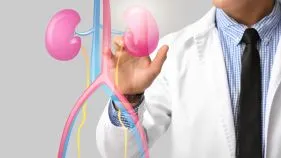
Best Nephrology Hospitals in Mumbai: How to Choose the Right Kidney Care Center

Best Nephrology Hospitals in Mumbai: How to Choose the Right Kidney Care Center

Introduction

Finding the best nephrology hospitals in Mumbai is an important decision for patients living with kidney disease, kidney stones, high creatinine levels, chronic kidney disease (CKD), kidney failure, or hypertension related to kidney disorders. Choosing the right kidney specialist and treatment center can make a significant difference in diagnosis, treatment outcomes, and long-term kidney health.

A good nephrology center should offer accurate diagnosis, evidence-based treatment, personalized care, and long-term follow-up under the guidance of an experienced super specialist nephrologist.

At Prabhakar Bhurke Clinic, patients receive comprehensive kidney evaluations, advanced diagnostic testing, personalized treatment plans, dialysis planning, kidney transplant evaluation, and compassionate long-term kidney care from a super specialist nephrologist committed to preserving kidney function and improving quality of life.


What Is a Nephrology Center?

A nephrology center specializes in diagnosing, treating, and managing diseases affecting the kidneys.

Nephrologists are experts in conditions such as:

  • Chronic Kidney Disease (CKD)

  • Acute Kidney Injury (AKI)

  • Kidney Failure

  • High Creatinine Levels

  • Protein in Urine

  • Blood in Urine

  • Diabetic Kidney Disease

  • High Blood Pressure Related to Kidney Disease

  • Kidney Stones

  • Electrolyte Disorders

  • Dialysis Care

  • Kidney Transplant Evaluation


When Should You Consult a Nephrologist?

You should seek nephrology consultation if you experience:

  • High creatinine levels

  • Reduced eGFR

  • Swelling of the feet or face

  • Persistent high blood pressure

  • Protein in the urine

  • Blood in the urine

  • Recurrent kidney stones

  • Frequent urinary tract infections

  • Diabetes affecting kidney function

  • Chronic kidney disease

  • Kidney failure symptoms

Early diagnosis often helps slow kidney disease progression.


What to Look for in a Nephrology Hospital or Kidney Care Center

When choosing a nephrology center in Mumbai, consider the following factors.

Experienced Super Specialist Nephrologist

Choose a center led by a nephrologist experienced in managing both common and complex kidney disorders.


Comprehensive Kidney Evaluation

A quality kidney care center should provide:

  • Detailed clinical assessment

  • Blood investigations

  • Urine analysis

  • Kidney imaging

  • Kidney function assessment

Accurate diagnosis is the foundation of successful treatment.


Personalized Treatment Plans

Every patient's kidney disease is different.

Treatment should be tailored according to:

  • Age

  • Medical history

  • Kidney function

  • Associated illnesses

  • Lifestyle


Dialysis Services

Patients with advanced kidney disease benefit from proper dialysis planning and long-term monitoring.


Kidney Transplant Evaluation

Comprehensive nephrology care should include guidance regarding kidney transplantation for eligible patients.


Long-Term Follow-Up

Regular monitoring helps:

  • Slow disease progression

  • Prevent complications

  • Adjust medications

  • Improve quality of life


Kidney Conditions Treated at Prabhakar Bhurke Clinic

Our super specialist nephrologist provides expert care for:

Chronic Kidney Disease (CKD)

Early diagnosis and treatment help preserve remaining kidney function and delay progression.


Acute Kidney Injury (AKI)

Prompt treatment improves the chances of kidney recovery.


Kidney Failure

Comprehensive management includes medications, dialysis planning, and transplant evaluation.


Diabetic Kidney Disease

Care focuses on controlling blood sugar, blood pressure, and protecting kidney function.


High Blood Pressure Related to Kidney Disease

Specialized treatment helps prevent further kidney damage.


Kidney Stones

Patients receive metabolic evaluation, preventive therapy, and coordination with experienced urology specialists whenever stone removal procedures are required.


Electrolyte Disorders

Accurate diagnosis and treatment help maintain normal body function.


Diagnostic Services

At Prabhakar Bhurke Clinic, evaluation may include:

Blood Tests

Important investigations include:

  • Serum Creatinine

  • Estimated Glomerular Filtration Rate (eGFR)

  • Blood Urea Nitrogen (BUN)

  • Electrolytes

  • Hemoglobin


Urine Tests

Investigations may include:

  • Routine Urinalysis

  • Protein Estimation

  • Urine Microscopy

  • Urine Culture when indicated


Imaging Studies

Depending on your condition, imaging may include:

  • Kidney Ultrasound

  • CT Scan

  • MRI when clinically indicated


Additional Testing

When required, your nephrologist may recommend:

  • Kidney biopsy

  • Specialized laboratory investigations

  • Metabolic evaluation


Treatment Options

Treatment is individualized according to each patient's diagnosis.

Management may include:

  • Blood pressure control

  • Diabetes management

  • Kidney-friendly diet counseling

  • Medication therapy

  • Dialysis planning

  • Hemodialysis guidance

  • Peritoneal dialysis guidance

  • Kidney transplant evaluation

  • Long-term nephrology follow-up


Tips to Protect Your Kidneys

Maintain healthy kidneys by:

  • Drinking adequate water unless medically restricted

  • Controlling diabetes and blood pressure

  • Eating a balanced diet

  • Limiting salt intake

  • Maintaining a healthy weight

  • Exercising regularly

  • Avoiding smoking

  • Taking medications only as prescribed

  • Having regular kidney function tests if you are at risk

Healthy lifestyle habits support long-term kidney health.


Why Choose Prabhakar Bhurke Clinic?

Patients choose Prabhakar Bhurke Clinic because we provide:

  • Consultation with a super specialist nephrologist

  • Comprehensive kidney evaluations

  • Advanced kidney function testing

  • Personalized treatment plans

  • Expertise in chronic kidney disease, kidney failure, diabetic kidney disease, and kidney stones

  • Dialysis planning and long-term kidney care

  • Kidney transplant evaluation and counseling

  • Coordination with experienced specialists whenever advanced procedures are required

  • Compassionate, evidence-based, patient-centered care

Our focus is on early diagnosis, individualized treatment, and preserving kidney function for every patient.


Frequently Asked Questions (FAQs)

What does a nephrologist treat?

A nephrologist diagnoses and manages kidney diseases, high creatinine levels, chronic kidney disease, kidney failure, dialysis, electrolyte disorders, and hypertension related to kidney disease.

When should I visit a nephrologist?

If you have abnormal kidney function tests, swelling, blood or protein in the urine, diabetes, uncontrolled blood pressure, recurrent kidney stones, or kidney disease symptoms, you should consult a nephrologist.

Does every kidney patient need dialysis?

No. Many patients with kidney disease can be managed with medications, lifestyle changes, and regular follow-up. Dialysis is recommended only when medically necessary.

Can chronic kidney disease be treated?

Although chronic kidney disease is generally not reversible, early diagnosis and proper treatment can slow its progression, reduce complications, and improve quality of life.


Conclusion

When searching for the best nephrology hospitals in Mumbai, it is important to choose a kidney care center that offers experienced nephrology expertise, comprehensive diagnostic facilities, personalized treatment plans, and long-term patient support. Early diagnosis and regular follow-up play a vital role in protecting kidney function and improving health outcomes.

At Prabhakar Bhurke Clinic, our super specialist nephrologist provides expert diagnosis, advanced kidney evaluations, individualized treatment plans, dialysis planning, kidney transplant evaluation, and compassionate long-term kidney care. We are committed to helping every patient preserve kidney function, manage kidney disease effectively, and achieve the best possible quality of life.


Book an Appointment Today

If you are experiencing high creatinine levels, reduced eGFR, chronic kidney disease, kidney failure, kidney stones, swelling, protein in the urine, uncontrolled blood pressure, diabetes-related kidney disease, or other kidney health concerns, schedule a consultation at Prabhakar Bhurke Clinic. Our super specialist nephrologist will perform a comprehensive evaluation, explain your treatment options, and create a personalized care plan to support your long-term kidney health.

Renal Calculi Medication: Medicines for Kidney Stones, Treatment, and Prevention

Renal Calculi Medication: Medicines for Kidney Stones, Treatment, and Prevention

Introduction

Renal calculi, commonly known as kidney stones, are hard mineral deposits that form inside the kidneys. They can cause severe pain, blood in the urine, urinary obstruction, nausea, and recurrent urinary tract infections. Many patients search for renal calculi medication to understand whether medicines can remove kidney stones without surgery.

The answer depends on the type, size, location, and composition of the stone. While medications play an important role in relieving symptoms, helping certain stones pass, preventing new stones, and dissolving selected uric acid stones, not all kidney stones can be treated with medicines alone.

At Prabhakar Bhurke Clinic, our super specialist nephrologist provides comprehensive kidney evaluations, advanced diagnostic testing, personalized treatment plans, kidney stone prevention, dialysis planning, kidney transplant evaluation, and coordinates care with experienced urology specialists whenever advanced stone removal procedures are required.


What Are Renal Calculi?

Renal calculi are solid crystals that develop when minerals and salts become concentrated in the urine.

The most common stone types include:

  • Calcium Oxalate Stones

  • Calcium Phosphate Stones

  • Uric Acid Stones

  • Struvite Stones

  • Cystine Stones

Identifying the stone type helps determine the most appropriate treatment.


Can Medicines Remove Kidney Stones?

Medications are an important part of kidney stone treatment, but they do not dissolve every type of stone.

Uric Acid Stones

Certain uric acid stones may gradually dissolve with medicines that alkalinize the urine under the supervision of a nephrologist.

Calcium-Based Stones

Most calcium oxalate and calcium phosphate stones cannot be dissolved with medication. These stones may pass naturally if small or require minimally invasive procedures if they are large or cause obstruction.


Symptoms of Renal Calculi

Kidney stones may cause:

  • Severe pain in the side or back

  • Flank pain radiating to the groin

  • Blood in the urine

  • Burning during urination

  • Frequent urination

  • Nausea and vomiting

  • Difficulty passing urine

  • Fever and chills if infection develops

Persistent symptoms require prompt medical evaluation.


Renal Calculi Medications

Treatment depends on the patient's condition and stone characteristics.

Pain Relief

Pain medicines may be prescribed to relieve discomfort while the stone passes naturally or before definitive treatment.


Medical Expulsive Therapy

For selected small ureteric stones, medications may help relax the urinary tract and improve the chances of natural stone passage.

Your nephrologist will determine whether this treatment is appropriate.


Medicines to Dissolve Uric Acid Stones

Patients with confirmed uric acid stones may receive medications that increase urine alkalinity, allowing the stones to dissolve gradually under close medical supervision.

Self-medication is not recommended.


Infection Treatment

If a urinary tract infection is present, appropriate antibiotics may be prescribed based on the clinical situation and laboratory findings.


Preventive Medications

Depending on the metabolic cause of stone formation, medicines may be recommended to:

  • Reduce uric acid production

  • Lower urinary calcium in selected patients

  • Correct metabolic abnormalities

  • Prevent recurrent stone formation

Long-term prevention is an important part of kidney stone care.


How Are Kidney Stones Diagnosed?

At Prabhakar Bhurke Clinic, our super specialist nephrologist performs a detailed kidney stone evaluation.

Medical History and Physical Examination

Your doctor evaluates:

  • Symptoms

  • Previous kidney stones

  • Family history

  • Medical conditions

  • Current medications

  • Lifestyle habits


Blood Tests

Investigations may include:

  • Serum Creatinine

  • Estimated Glomerular Filtration Rate (eGFR)

  • Blood Urea Nitrogen (BUN)

  • Electrolytes

  • Calcium

  • Uric Acid

These tests assess kidney function and identify metabolic abnormalities.


Urine Tests

Urine investigations may include:

  • Routine Urinalysis

  • Urine Culture

  • Urine Microscopy

  • 24-Hour Urine Analysis for recurrent stone formers

These tests help identify infection and determine why stones are forming.


Imaging Studies

Imaging helps determine the size and location of stones.

Investigations may include:

  • Kidney Ultrasound

  • Non-Contrast CT Scan

  • X-ray KUB when appropriate


When Are Procedures Needed?

If medications are not sufficient or the stone is too large, additional treatment may be recommended.

Options include:

Extracorporeal Shock Wave Lithotripsy (ESWL)

Shock waves break selected stones into smaller fragments.


Ureteroscopy (URS)

A thin endoscope is passed through the urinary tract to remove or fragment stones.


Retrograde Intrarenal Surgery (RIRS)

Flexible endoscopic laser treatment is used for selected kidney stones.


Percutaneous Nephrolithotomy (PCNL)

Large or complex kidney stones may require PCNL for complete removal.

Our nephrologist coordinates care with experienced urology specialists whenever these procedures are indicated.


Preventing Kidney Stone Recurrence

Preventive care includes:

  • Drinking adequate water unless medically restricted

  • Limiting salt intake

  • Following a balanced diet

  • Maintaining a healthy weight

  • Managing diabetes and high blood pressure

  • Taking prescribed preventive medications

  • Completing metabolic evaluation

  • Attending regular nephrology follow-up appointments

These measures significantly reduce the risk of future stones.


Why Early Treatment Matters

Early diagnosis helps:

  • Relieve severe pain

  • Prevent urinary obstruction

  • Reduce infection risk

  • Preserve kidney function

  • Lower the chance of recurrent stone formation

Delaying treatment may increase the risk of kidney damage.


Why Choose Prabhakar Bhurke Clinic?

Patients trust Prabhakar Bhurke Clinic because we provide:

  • Consultation with a super specialist nephrologist

  • Comprehensive kidney evaluations

  • Advanced kidney function testing

  • Personalized treatment plans

  • Expertise in kidney stone prevention and metabolic evaluation

  • Coordination with experienced urology specialists for advanced stone removal procedures

  • Dialysis planning and kidney transplant evaluation

  • Compassionate, evidence-based, patient-centered care

Our focus is to provide individualized kidney stone treatment while protecting long-term kidney health.


Frequently Asked Questions (FAQs)

Can medication dissolve all kidney stones?

No. Only certain uric acid stones may dissolve with medical therapy. Most calcium-based stones cannot be dissolved with medicines.

Can medicines help pass kidney stones?

Yes. Selected medications may help relax the urinary tract and improve the chances of passing small ureteric stones naturally.

Can kidney stones return after treatment?

Yes. Without preventive care, kidney stones can recur. A metabolic evaluation, dietary changes, and preventive medications help reduce recurrence.

Which doctor should I consult?

A super specialist nephrologist evaluates kidney function, identifies the underlying cause of stone formation, prescribes appropriate medications, and coordinates advanced treatment with experienced urology specialists when needed.


Conclusion

Renal calculi medication plays an important role in kidney stone management by relieving pain, helping selected stones pass, treating infections, preventing recurrence, and dissolving certain uric acid stones. However, not every kidney stone responds to medication, making accurate diagnosis essential before treatment begins. Larger stones or those causing obstruction may require minimally invasive procedures for safe removal.

At Prabhakar Bhurke Clinic, our super specialist nephrologist provides expert diagnosis, comprehensive kidney evaluations, personalized treatment plans, kidney stone prevention, dialysis planning, kidney transplant evaluation, and coordinates advanced stone care whenever required. Through evidence-based treatment and compassionate care, we are committed to helping patients achieve lasting kidney health and reduce the risk of recurrent kidney stones.


Book an Appointment Today

If you have kidney stones, severe flank pain, blood in the urine, recurrent kidney stones, urinary obstruction, high creatinine levels, reduced eGFR, or persistent urinary symptoms, schedule a consultation at Prabhakar Bhurke Clinic. Our super specialist nephrologist will perform a comprehensive evaluation, determine the most appropriate renal calculi medication or treatment option, and create a personalized care plan to protect your kidneys and prevent future stone formation.

Urinary Calculi Treatment: Symptoms, Causes, Diagnosis, and Advanced Stone Management

Urinary Calculi Treatment: Symptoms, Causes, Diagnosis, and Advanced Stone Management

Introduction

Urinary calculi, commonly known as urinary stones or kidney stones, are hard mineral deposits that can develop anywhere within the urinary tract, including the kidneys, ureters, bladder, or urethra. These stones can cause severe pain, blood in the urine, urinary obstruction, and recurrent urinary tract infections if left untreated.

Modern urinary calculi treatment focuses on relieving symptoms, removing stones safely, preventing kidney damage, and reducing the risk of future stone formation. The most appropriate treatment depends on the stone's size, location, composition, and the patient's overall health.

At Prabhakar Bhurke Clinic, our super specialist nephrologist provides comprehensive kidney evaluations, advanced kidney function testing, personalized treatment plans, kidney stone prevention, dialysis planning, kidney transplant evaluation, and coordinates care with experienced urology specialists whenever stone removal procedures are required.


What Are Urinary Calculi?

Urinary calculi are solid crystals formed when minerals and salts in the urine become concentrated and stick together.

They may occur in:

  • Kidneys (Kidney Stones)

  • Ureters (Ureteric Stones)

  • Bladder (Bladder Stones)

  • Urethra (Urethral Stones)

The size of urinary stones can vary from tiny crystals to large stones that block urine flow.


Types of Urinary Stones

The most common types include:

  • Calcium Oxalate Stones

  • Calcium Phosphate Stones

  • Uric Acid Stones

  • Struvite Stones

  • Cystine Stones

Identifying the stone type helps guide treatment and long-term prevention.


Symptoms of Urinary Calculi

Symptoms may include:

  • Severe pain in the side or lower back

  • Flank pain radiating to the groin

  • Blood in the urine

  • Burning while urinating

  • Frequent urination

  • Difficulty passing urine

  • Nausea and vomiting

  • Fever and chills if infection develops

Large stones may obstruct urine flow and require urgent treatment.


Causes of Urinary Calculi

Several factors increase the risk of stone formation.

Common causes include:

  • Inadequate water intake

  • High salt consumption

  • Excessive animal protein intake

  • High oxalate foods in susceptible individuals

  • Obesity

  • Diabetes

  • Recurrent urinary tract infections

  • Family history of kidney stones

  • Certain metabolic disorders

  • Some medications

Understanding the underlying cause helps prevent recurrence.


How Are Urinary Calculi Diagnosed?

At Prabhakar Bhurke Clinic, our super specialist nephrologist performs a comprehensive kidney stone evaluation.

Medical History and Physical Examination

Your doctor reviews:

  • Symptoms

  • Previous kidney stones

  • Medical history

  • Family history

  • Current medications

  • Lifestyle habits


Blood Tests

Important investigations include:

  • Serum Creatinine

  • Estimated Glomerular Filtration Rate (eGFR)

  • Blood Urea Nitrogen (BUN)

  • Electrolytes

  • Calcium

  • Uric Acid

These tests evaluate kidney function and metabolic abnormalities.


Urine Tests

Urine investigations may include:

  • Routine Urinalysis

  • Urine Culture

  • Urine Microscopy

  • 24-Hour Urine Analysis for recurrent stone formers

These tests help detect infection and identify factors contributing to stone formation.


Imaging Studies

Imaging determines the stone's size and location.

Investigations may include:

  • Kidney Ultrasound

  • Non-Contrast CT Scan

  • X-ray KUB when appropriate


Urinary Calculi Treatment Options

Treatment depends on the size, location, symptoms, and type of stone.

Conservative Treatment

Small stones may be managed with:

  • Adequate hydration as advised

  • Pain-relieving medications

  • Medicines that help relax the urinary tract

  • Observation with regular follow-up

Many small stones pass naturally.


Medication

Medicines may be prescribed to:

  • Relieve pain

  • Treat urinary tract infections

  • Help selected small stones pass

  • Reduce uric acid levels when indicated

  • Prevent recurrent stone formation

Treatment is individualized according to the patient's condition.


Extracorporeal Shock Wave Lithotripsy (ESWL)

ESWL uses shock waves to break suitable stones into smaller fragments that can pass naturally.

It is commonly recommended for selected kidney and ureteric stones.


Ureteroscopy (URS)

A thin telescope is passed through the urinary tract to remove or fragment stones using laser technology.


Retrograde Intrarenal Surgery (RIRS)

Flexible endoscopic instruments are used to treat selected kidney stones without large incisions.


Percutaneous Nephrolithotomy (PCNL)

Large or complex kidney stones may require PCNL, a minimally invasive procedure performed through a small incision in the back.

Our nephrologist coordinates care with experienced urology specialists whenever procedural treatment is indicated.


Preventing Future Urinary Stones

Preventive therapy is essential because urinary stones may recur.

Recommendations include:

  • Drinking adequate water unless medically restricted

  • Limiting excess salt intake

  • Following a balanced diet

  • Maintaining a healthy weight

  • Managing diabetes and high blood pressure

  • Completing metabolic evaluation

  • Taking prescribed preventive medications

  • Attending regular nephrology follow-up appointments

Stone prevention helps protect long-term kidney health.


Possible Complications if Left Untreated

Untreated urinary calculi may lead to:

  • Urinary obstruction

  • Kidney infection

  • Hydronephrosis (swelling of the kidney)

  • Reduced kidney function

  • Chronic kidney disease

  • Recurrent stone formation

Early diagnosis significantly reduces these risks.


Why Choose Prabhakar Bhurke Clinic?

Patients trust Prabhakar Bhurke Clinic because we provide:

  • Consultation with a super specialist nephrologist

  • Comprehensive kidney evaluations

  • Advanced kidney function testing

  • Personalized treatment plans

  • Expertise in kidney stone prevention and metabolic evaluation

  • Coordination with experienced urology specialists for advanced stone removal procedures

  • Dialysis planning and kidney transplant evaluation

  • Compassionate, evidence-based, patient-centered care

Our goal is to provide complete urinary calculi treatment while preserving long-term kidney function.


Frequently Asked Questions (FAQs)

What are urinary calculi?

Urinary calculi are stones that develop anywhere in the urinary tract, including the kidneys, ureters, bladder, or urethra.

Can urinary calculi be treated without surgery?

Yes. Small stones may pass naturally with conservative treatment. Larger stones may require minimally invasive procedures such as ESWL, URS, RIRS, or PCNL.

Can urinary stones come back?

Yes. Many patients develop recurrent stones. Preventive treatment, dietary changes, and metabolic evaluation help reduce recurrence.

Which doctor treats urinary calculi?

A super specialist nephrologist evaluates kidney function, identifies the cause of stone formation, manages recurrent stone disease, and coordinates care with experienced urology specialists when stone removal procedures are required.


Conclusion

Urinary calculi treatment involves more than simply removing a stone. Effective care includes identifying the underlying cause, relieving symptoms, preserving kidney function, preventing complications, and reducing the risk of future stone formation. With timely diagnosis and modern minimally invasive treatment options, most patients recover successfully and return to their normal daily activities.

At Prabhakar Bhurke Clinic, our super specialist nephrologist provides expert diagnosis, comprehensive kidney evaluations, personalized urinary calculi treatment, kidney stone prevention, dialysis planning, kidney transplant evaluation, and long-term kidney care. Through evidence-based treatment and compassionate care, we are committed to helping every patient achieve better kidney health and long-term wellness.


Book an Appointment Today

If you have urinary stones, severe flank pain, blood in the urine, recurrent kidney stones, urinary obstruction, high creatinine levels, reduced eGFR, or persistent urinary symptoms, schedule a consultation at Prabhakar Bhurke Clinic. Our super specialist nephrologist will perform a comprehensive evaluation, explain your treatment options, and create a personalized care plan to protect your kidneys and prevent future stone formation.

Leg Pain in Dialysis Patients: Causes, Symptoms, Treatment, and Expert Kidney Care

Leg Pain in Dialysis Patients: Causes, Symptoms, Treatment, and Expert Kidney Care

Introduction

Leg pain is a common concern among people undergoing dialysis. The discomfort may range from mild muscle cramps to severe pain that affects walking, sleeping, and daily activities. While occasional leg pain may occur during or after dialysis, persistent or severe pain should not be ignored, as it may indicate an underlying medical condition requiring evaluation.

There are many possible causes of leg pain in dialysis patients, including muscle cramps, electrolyte imbalances, poor circulation, nerve damage, bone disease related to chronic kidney disease, or vascular problems. Identifying the exact cause is essential because treatment varies depending on the underlying condition.

At Prabhakar Bhurke Clinic, our super specialist nephrologist provides comprehensive kidney evaluations, individualized dialysis management, advanced diagnostic testing, personalized treatment plans, kidney transplant evaluation, and long-term kidney care to help patients improve both their health and quality of life.


Can Dialysis Cause Leg Pain?

Yes. Some patients experience leg pain during or after dialysis sessions.

However, dialysis itself is not always the direct cause. Pain may result from:

  • Muscle cramps

  • Rapid fluid removal during dialysis

  • Electrolyte imbalances

  • Poor blood circulation

  • Peripheral nerve damage

  • Mineral and bone disorders associated with chronic kidney disease

  • Peripheral artery disease

  • Other medical conditions unrelated to dialysis

A nephrologist can determine the exact cause after proper evaluation.


Common Causes of Leg Pain in Dialysis Patients

Muscle Cramps

Muscle cramps are among the most common causes of leg pain during dialysis.

Possible contributing factors include:

  • Rapid fluid removal

  • Low blood pressure during dialysis

  • Electrolyte changes

These cramps usually affect the calves but may involve other muscles.


Electrolyte Imbalances

Changes in sodium, potassium, calcium, or magnesium levels may contribute to muscle pain or cramping.

Maintaining the proper electrolyte balance is an important part of dialysis care.


Peripheral Neuropathy

Long-standing kidney disease and diabetes can damage peripheral nerves.

Symptoms may include:

  • Burning pain

  • Tingling

  • Numbness

  • Weakness

  • Night-time leg discomfort


Poor Blood Circulation

Peripheral artery disease (PAD) is more common in patients with chronic kidney disease.

Reduced blood flow may cause:

  • Pain while walking

  • Cold feet

  • Slow wound healing

  • Leg weakness


Chronic Kidney Disease-Mineral and Bone Disorder (CKD-MBD)

Kidney disease affects calcium, phosphorus, vitamin D, and parathyroid hormone balance.

This may contribute to:

  • Bone pain

  • Muscle weakness

  • Joint discomfort

  • Increased fracture risk


Restless Legs Syndrome

Some dialysis patients experience an uncomfortable urge to move their legs, particularly during rest or at night.

This condition may interfere with sleep and quality of life.


Symptoms That May Accompany Leg Pain

Patients may also experience:

  • Muscle cramps

  • Swelling of the legs

  • Tingling or numbness

  • Weakness

  • Difficulty walking

  • Cold feet

  • Skin color changes

  • Sleep disturbance

  • Fatigue

Persistent symptoms should be evaluated promptly.


How Is the Cause Diagnosed?

At Prabhakar Bhurke Clinic, our super specialist nephrologist performs a detailed evaluation.

Medical History and Physical Examination

Your nephrologist reviews:

  • Timing of leg pain

  • Dialysis schedule

  • Medical history

  • Diabetes status

  • Current medications

  • Walking ability

  • Blood pressure

  • Vascular examination


Blood Tests

Investigations may include:

  • Serum Creatinine

  • Blood Urea Nitrogen (BUN)

  • Electrolytes

  • Calcium

  • Phosphorus

  • Magnesium

  • Vitamin D

  • Parathyroid Hormone (when indicated)

  • Hemoglobin

These tests help identify metabolic abnormalities contributing to pain.


Vascular Assessment

If poor circulation is suspected, additional vascular studies may be recommended.


Imaging Studies

Depending on your symptoms, investigations may include:

  • Doppler Ultrasound

  • X-rays

  • MRI when clinically indicated


Treatment for Leg Pain in Dialysis Patients

Treatment depends on the underlying cause.

Optimizing Dialysis

Your nephrologist may adjust:

  • Fluid removal rate

  • Dialysis prescription

  • Dry weight

  • Dialysis schedule

These changes may reduce muscle cramps and improve comfort.


Correcting Electrolyte Imbalances

Treatment may include appropriate correction of calcium, potassium, magnesium, or other electrolyte abnormalities.


Medications

Depending on the diagnosis, medicines may be prescribed to:

  • Relieve muscle cramps

  • Manage nerve pain

  • Treat restless legs syndrome

  • Improve circulation

  • Correct mineral imbalance

Treatment is individualized.


Lifestyle Measures

Patients may benefit from:

  • Gentle stretching exercises

  • Regular physical activity as advised

  • Following fluid restrictions when prescribed

  • Maintaining a kidney-friendly diet

  • Taking medications exactly as prescribed


Management of Bone Disease

Treatment may include:

  • Vitamin D therapy when appropriate

  • Phosphate control

  • Dietary counseling

  • Management of parathyroid hormone abnormalities

Proper management helps reduce bone and muscle pain.


When Should You Seek Immediate Medical Attention?

Seek urgent medical care if leg pain is associated with:

  • Sudden swelling

  • Severe weakness

  • Inability to walk

  • Cold or pale leg

  • Chest pain

  • Shortness of breath

  • Fever

  • Severe redness or skin infection

These symptoms require immediate medical evaluation.


How to Reduce the Risk of Leg Pain

Patients can lower their risk by:

  • Attending every dialysis session

  • Following prescribed fluid restrictions

  • Eating a kidney-friendly diet

  • Controlling diabetes and blood pressure

  • Staying physically active within medical advice

  • Reporting new symptoms early

  • Attending regular nephrology follow-up appointments

Consistent dialysis care improves long-term outcomes.


Why Choose Prabhakar Bhurke Clinic?

Patients trust Prabhakar Bhurke Clinic because we provide:

  • Consultation with a super specialist nephrologist

  • Personalized dialysis management

  • Comprehensive kidney evaluations

  • Advanced kidney function testing

  • Expertise in chronic kidney disease and kidney failure

  • Management of dialysis-related complications

  • Kidney transplant evaluation and counseling

  • Compassionate, evidence-based, patient-centered care

Our goal is to improve dialysis outcomes while helping patients maintain the best possible quality of life.


Frequently Asked Questions (FAQs)

Is leg pain common during dialysis?

Yes. Muscle cramps and leg discomfort are relatively common during or after dialysis, but persistent pain should always be evaluated to identify the underlying cause.

Why do dialysis patients get muscle cramps?

Rapid fluid removal, low blood pressure during dialysis, and electrolyte changes are common contributing factors.

Can poor circulation cause leg pain in dialysis patients?

Yes. Peripheral artery disease is more common in people with chronic kidney disease and may cause leg pain, especially while walking.

Which doctor should I consult?

A super specialist nephrologist can diagnose the cause of leg pain, optimize dialysis treatment, manage electrolyte imbalances, and coordinate additional care when necessary.


Conclusion

Leg pain in dialysis patients may result from muscle cramps, electrolyte imbalances, nerve damage, poor circulation, or bone disorders associated with chronic kidney disease. Although some discomfort can occur during dialysis, persistent or severe pain should never be ignored. Early diagnosis allows appropriate treatment, reduces complications, and improves comfort and mobility.

At Prabhakar Bhurke Clinic, our super specialist nephrologist provides expert diagnosis, comprehensive kidney evaluations, individualized dialysis management, personalized treatment plans, kidney transplant evaluation, and long-term kidney care. Through advanced medical expertise and compassionate care, we are committed to helping dialysis patients achieve better health and an improved quality of life.


Book an Appointment Today

If you are experiencing leg pain during dialysis, muscle cramps, swelling, numbness, weakness, poor circulation, high creatinine levels, chronic kidney disease, or kidney failure, schedule a consultation at Prabhakar Bhurke Clinic. Our super specialist nephrologist will perform a comprehensive evaluation, identify the underlying cause of your symptoms, and create a personalized treatment plan to improve your comfort, mobility, and long-term kidney health.

Medication to Dissolve Kidney Stones: Can Medicines Remove Kidney Stones Without Surgery?

Medication to Dissolve Kidney Stones: Can Medicines Remove Kidney Stones Without Surgery?

Introduction

Kidney stones are a common urinary tract problem that can cause severe pain, blood in the urine, urinary obstruction, and recurrent infections. Many patients search for medication to dissolve kidney stones, hoping to avoid surgery or other procedures.

The good news is that certain types of kidney stones may respond to medications, while others cannot be dissolved and may require different forms of treatment. The most appropriate therapy depends on the type, size, location, and composition of the stone. Therefore, an accurate diagnosis is essential before starting treatment.

At Prabhakar Bhurke Clinic, our super specialist nephrologist provides comprehensive kidney evaluations, advanced diagnostic testing, personalized treatment plans, kidney stone prevention, dialysis planning, kidney transplant evaluation, and coordinates care with experienced urology specialists whenever stone removal procedures are required.


Can All Kidney Stones Be Dissolved With Medication?

No. Not all kidney stones can be dissolved with medicines.

Whether medication is effective depends largely on the stone's composition.

Stones That May Respond to Medication

Some uric acid stones may gradually dissolve with medicines that make the urine less acidic (alkalinization), under the supervision of a nephrologist.

Stones That Usually Do Not Dissolve

The following stones generally cannot be dissolved with medication:

  • Calcium oxalate stones

  • Calcium phosphate stones

  • Struvite stones

  • Cystine stones

These stones may require observation, medications for symptom relief, or minimally invasive procedures if they do not pass naturally.


Types of Kidney Stones

Common types include:

  • Calcium Oxalate Stones

  • Calcium Phosphate Stones

  • Uric Acid Stones

  • Struvite Stones

  • Cystine Stones

Determining the stone type is an important step in planning treatment and preventing recurrence.


Medications Used in Kidney Stone Management

Although medicines cannot dissolve every stone, they play an important role in treatment.

Medicines That Help Dissolve Certain Stones

Patients with uric acid stones may be prescribed medications that alkalinize the urine, making it easier for these stones to dissolve over time under close medical supervision.

Treatment is individualized, and self-medication should be avoided.


Pain Relief

Pain medicines may be prescribed to relieve discomfort while a stone passes naturally or before a planned procedure.


Medical Expulsive Therapy

For selected patients with small ureteric stones, medications may help relax the urinary tract and increase the likelihood of stone passage.

Your nephrologist will determine whether this approach is appropriate.


Preventive Medications

Depending on the cause of stone formation, medicines may help:

  • Reduce uric acid production

  • Correct metabolic abnormalities

  • Lower urinary calcium in selected patients

  • Prevent recurrent stone formation

Long-term prevention is often just as important as treating the current stone.


Symptoms of Kidney Stones

Kidney stones may cause:

  • Severe pain in the side or back

  • Flank pain radiating to the groin

  • Blood in the urine

  • Burning while urinating

  • Frequent urination

  • Nausea and vomiting

  • Difficulty passing urine

  • Fever and chills if infection develops

Persistent symptoms require prompt medical evaluation.


How Are Kidney Stones Diagnosed?

At Prabhakar Bhurke Clinic, our super specialist nephrologist performs a complete kidney stone evaluation.

Medical History and Physical Examination

Your doctor evaluates:

  • Symptoms

  • Previous kidney stones

  • Family history

  • Medical conditions

  • Current medications

  • Lifestyle habits


Blood Tests

Investigations may include:

  • Serum Creatinine

  • Estimated Glomerular Filtration Rate (eGFR)

  • Blood Urea Nitrogen (BUN)

  • Electrolytes

  • Calcium

  • Uric Acid

These tests assess kidney function and identify metabolic abnormalities.


Urine Tests

Urine investigations may include:

  • Routine Urinalysis

  • Urine Culture

  • Urine Microscopy

  • 24-Hour Urine Analysis for recurrent stone formers

These tests help identify infection and factors contributing to stone formation.


Imaging Studies

Imaging helps determine the size and location of kidney stones.

Investigations may include:

  • Kidney Ultrasound

  • Non-Contrast CT Scan

  • X-ray KUB when appropriate


What If Medicines Do Not Work?

If a stone is too large, causes obstruction, infection, or persistent symptoms, minimally invasive procedures may be recommended.

Treatment options include:

Extracorporeal Shock Wave Lithotripsy (ESWL)

Shock waves break suitable stones into smaller pieces that may pass naturally.


Ureteroscopy (URS)

A thin telescope is passed through the urinary tract to remove or fragment the stone.


Retrograde Intrarenal Surgery (RIRS)

Laser technology is used to treat selected kidney stones through a flexible endoscope.


Percutaneous Nephrolithotomy (PCNL)

Large or complex stones may require PCNL for complete removal.

Our nephrologist coordinates care with experienced urology specialists whenever procedural treatment is required.


Preventing Future Kidney Stones

Preventive care may include:

  • Drinking adequate water unless medically restricted

  • Reducing excess salt intake

  • Maintaining a healthy weight

  • Managing diabetes and high blood pressure

  • Following dietary advice based on stone type

  • Taking prescribed preventive medications

  • Regular nephrology follow-up

Understanding why stones formed helps reduce recurrence.


Why Early Treatment Matters

Early diagnosis allows:

  • Better pain control

  • Prevention of urinary obstruction

  • Reduced risk of kidney infection

  • Preservation of kidney function

  • Prevention of recurrent stone formation

Delaying treatment may increase the risk of complications.


Why Choose Prabhakar Bhurke Clinic?

Patients trust Prabhakar Bhurke Clinic because we provide:

  • Consultation with a super specialist nephrologist

  • Comprehensive kidney evaluations

  • Advanced kidney function testing

  • Personalized treatment plans

  • Expertise in kidney stone prevention and metabolic evaluation

  • Coordination with experienced urology specialists for advanced stone removal procedures

  • Dialysis planning and kidney transplant evaluation

  • Compassionate, evidence-based, patient-centered care

Our goal is to provide individualized kidney stone treatment while protecting long-term kidney health.


Frequently Asked Questions (FAQs)

Can medicines dissolve all kidney stones?

No. Only certain uric acid stones may dissolve with appropriate medications. Most calcium-based stones do not dissolve with medicines.

How do doctors know if medication will work?

Your nephrologist determines the stone type using blood tests, urine tests, imaging, and sometimes stone analysis after passage or removal.

Can I take over-the-counter medicines to dissolve kidney stones?

No. Self-medication is not recommended. Treatment depends on the type of stone, and incorrect treatment may delay proper care.

Which doctor should I consult?

A super specialist nephrologist evaluates kidney function, identifies the cause of kidney stone formation, prescribes appropriate medical therapy, and coordinates care with experienced urology specialists when procedures are required.


Conclusion

Many people search for medication to dissolve kidney stones, but it is important to understand that only certain types of stones—particularly uric acid stones—may respond to medical dissolution therapy. Most other kidney stones require symptom management, preventive treatment, or minimally invasive procedures depending on their size and location. Early diagnosis is essential to determine the correct treatment and prevent complications such as urinary obstruction, infection, or kidney damage.

At Prabhakar Bhurke Clinic, our super specialist nephrologist provides expert diagnosis, comprehensive kidney evaluations, personalized treatment plans, kidney stone prevention, dialysis planning, kidney transplant evaluation, and coordinates care with experienced urology specialists whenever advanced stone treatment is required. Through evidence-based care and compassionate support, we help patients achieve lasting kidney health and reduce the risk of recurrent stones.


Book an Appointment Today

If you have kidney stones, severe flank pain, blood in the urine, recurrent kidney stones, urinary obstruction, high creatinine levels, reduced eGFR, or persistent urinary symptoms, schedule a consultation at Prabhakar Bhurke Clinic. Our super specialist nephrologist will perform a comprehensive evaluation, determine the type of kidney stone, explain whether medication is appropriate, and create a personalized treatment plan to protect your kidneys and prevent future stone formation.