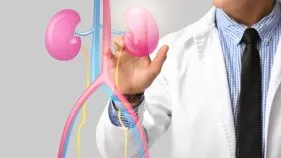
PCNL Treatment for Kidney Stones: When It Is Needed, Procedure, Recovery and Results

PCNL Treatment for Kidney Stones: When It Is Needed, Procedure, Recovery and Results

Kidney stones can vary considerably in size, location, number, and composition. While small stones may sometimes pass naturally or be treated with less invasive approaches, larger or complex kidney stones may require PCNL treatment.

Percutaneous Nephrolithotomy (PCNL) is a minimally invasive procedure designed to remove kidney stones through a small access route created through the skin into the kidney. It is particularly useful when the stone burden is too large or complex for observation or when other stone-treatment methods are less suitable.

At Prabhakar Bhurke Clinic, a super specialist nephrologist provides comprehensive kidney stone evaluation, kidney function assessment, metabolic evaluation, stone-prevention guidance, and coordination with experienced urology specialists when PCNL or another stone procedure is required.


What Is PCNL?

PCNL stands for Percutaneous Nephrolithotomy.

Unlike treatments that depend primarily on a stone passing naturally through the urinary tract, PCNL allows the treating urologist to directly access the kidney and remove stone fragments.

The procedure generally involves:

  1. Creating a small opening through the skin of the back.

  2. Establishing access to the kidney.

  3. Introducing a specialized instrument into the kidney.

  4. Breaking the stone into smaller pieces.

  5. Removing the fragments.

  6. Checking the kidney for remaining stone material.

PCNL is generally performed under anesthesia.


Why Is PCNL Used for Kidney Stones?

PCNL is particularly useful when there is a substantial stone burden.

A urologist may consider PCNL for:

  • Large kidney stones

  • Multiple stones

  • Staghorn calculi

  • Complex stones

  • Stones that are difficult to reach or treat using other approaches

  • Stones causing significant obstruction

  • Selected hard or dense stones

  • Stones that remain despite previous treatment

The decision is individualized rather than based on stone size alone.


What Size Stone Requires PCNL?

There is no single stone size at which PCNL is automatically required.

However, PCNL is commonly considered for kidney stone burdens greater than approximately 2 cm, especially when the stones are complex or occupy a substantial portion of the collecting system.

PCNL may also be considered for smaller stones when there are additional factors such as:

  • Multiple stones

  • Difficult stone location

  • High stone density

  • Significant obstruction

  • Complex kidney anatomy

  • Failed previous procedures

  • Staghorn configuration

Imaging is essential before selecting the procedure.


PCNL for Large Kidney Stones

Large kidney stones may be difficult to treat successfully with medicines or shock-wave therapy alone.

A large stone may remain inside the kidney and potentially contribute to:

  • Recurrent pain

  • Urinary obstruction

  • Hydronephrosis

  • Recurrent urinary infections

  • Reduced kidney function in complicated cases

PCNL provides direct access to the stone, allowing the treating urologist to fragment and remove a significant amount of stone material.

In very large or complex stones, more than one procedure may sometimes be required.


PCNL for Staghorn Calculi

A staghorn calculus is a branching stone that can occupy a large part of the kidney's collecting system.

These stones can be associated with recurrent urinary infections and obstruction and generally require active treatment when clinically appropriate.

PCNL is an important treatment option for significant staghorn stone burdens.

Depending on the stone's size and complexity, treatment may involve:

  • Standard PCNL

  • Multiple access routes

  • Staged PCNL

  • Combination with other endoscopic procedures

The treatment plan is determined using imaging and the patient's overall medical condition.


How Is a Patient Prepared for PCNL?

Before the procedure, the treating team evaluates both the stone and the patient's general health.

Assessment may include:

Imaging

Imaging such as CT or ultrasound may be used to determine:

  • Stone size

  • Stone location

  • Number of stones

  • Kidney anatomy

  • Degree of obstruction

  • Hydronephrosis

Blood Tests

Tests may assess:

  • Kidney function

  • Hemoglobin

  • Electrolytes

  • Other parameters required before the procedure

Urine Testing

Urine testing is particularly important because infection must be identified and appropriately managed.

If there is an infected obstruction, urgent drainage may be required before definitive stone removal.

Medication Review

The healthcare team may review blood thinners and other medicines before the procedure.


How Is PCNL Performed?

PCNL is performed in a controlled hospital setting.

Step 1: Anesthesia

The procedure is usually performed under anesthesia.

Step 2: Kidney Access

A small tract is created through the skin into the kidney using imaging guidance.

Step 3: Stone Identification

The stone is located through the access tract.

Step 4: Stone Fragmentation

The stone is broken into smaller pieces using an appropriate stone-fragmentation technique.

Depending on the case, technologies such as laser or pneumatic lithotripsy may be used.

Step 5: Fragment Removal

The broken pieces are removed through the access tract.

Step 6: Final Assessment

The treating team checks for residual stone fragments and determines whether temporary drainage with a nephrostomy tube or ureteral stent is appropriate.


Is PCNL a Major Surgery?

PCNL is considered a minimally invasive procedure, but it is still a significant medical intervention because the kidney is accessed through a small tract.

Compared with traditional open stone surgery, PCNL generally uses a much smaller incision.

The risks and recovery depend on:

  • Stone size

  • Number of stones

  • Kidney anatomy

  • Procedure complexity

  • Patient's health

  • Presence of infection

  • Number of access tracts required


PCNL vs Other Kidney Stone Treatments

Different kidney stones require different approaches.

Treatment Common Use
Observation Selected small or asymptomatic stones
Medicines Symptom control and selected ureteric stones
ESWL Selected stones suitable for shock-wave treatment
RIRS Selected kidney stones treated through the urinary tract
Ureteroscopy Selected ureteral and kidney stones
PCNL Large, multiple, staghorn or complex kidney stones

There is no universally best procedure. The appropriate option depends on the individual stone and patient.


PCNL vs ESWL

ESWL breaks a stone using shock waves delivered from outside the body.

It may be suitable for selected stones, particularly when the stone's size, location, and density are favorable.

PCNL provides direct access to the kidney and is generally preferred for larger or complex stone burdens.

Factors that influence the choice include:

  • Stone size

  • Stone density

  • Stone location

  • Kidney anatomy

  • Skin-to-stone distance

  • Obstruction

  • Previous treatment


PCNL vs RIRS

RIRS uses a flexible ureteroscope passed through the natural urinary tract to reach a kidney stone.

RIRS can be useful for selected small-to-moderate stones or stones in locations that are difficult to treat with other methods.

PCNL may be preferred when the stone burden is larger or more complex.

In selected cases, staged or combined treatment may be considered.


Recovery After PCNL

Recovery differs from one patient to another.

Some patients may experience:

  • Mild pain around the access site

  • Temporary blood in the urine

  • Tiredness

  • Temporary urinary discomfort

  • Discomfort related to a ureteral stent if one has been placed

The treating team will provide instructions regarding:

  • Medicines

  • Wound care

  • Physical activity

  • Fluid intake

  • Stent or nephrostomy management

  • Follow-up appointments

The exact time needed to return to normal activities depends on the complexity of the procedure and individual recovery.


Possible Risks of PCNL

PCNL is widely used, but it is not completely risk-free.

Possible complications include:

  • Bleeding

  • Infection

  • Fever

  • Residual stone fragments

  • Urinary leakage

  • Injury to surrounding structures

  • Need for another procedure

  • Blood transfusion in uncommon cases

The risk can vary significantly depending on the size and complexity of the stone.

Patients should discuss individual risks with their treating urologist.


Does PCNL Completely Remove Kidney Stones?

PCNL can provide a high level of stone clearance, particularly for larger stone burdens, but complete clearance is not guaranteed in every patient.

Residual fragments may occur when:

  • Stones are very large

  • Multiple kidney areas are involved

  • The stone has a branching configuration

  • Access to certain parts of the kidney is difficult

Additional treatment may sometimes be required.


Can Kidney Stones Return After PCNL?

Yes.

PCNL removes existing stones but does not necessarily remove the underlying cause of stone formation.

Without prevention, stones may recur.

Factors contributing to recurrent stones may include:

  • Low fluid intake

  • High sodium intake

  • Dietary factors

  • Metabolic abnormalities

  • Certain medical conditions

  • Family history

  • Specific stone composition

This is why long-term prevention is an important part of kidney stone care.


Kidney Stone Prevention After PCNL

After stone removal, prevention may include:

  • Appropriate fluid intake

  • Limiting excessive salt

  • Maintaining a balanced diet

  • Avoiding unnecessary excessive animal protein

  • Maintaining a healthy weight

  • Completing metabolic evaluation when recommended

  • Stone analysis when available

  • Taking preventive medicines when prescribed

Dietary recommendations should be individualized according to stone type and kidney function.


Kidney Function and PCNL

Kidney function should be assessed in patients undergoing treatment for significant kidney stones.

This is particularly important in people with:

  • Chronic kidney disease

  • Reduced eGFR

  • A single functioning kidney

  • Recurrent urinary obstruction

  • Previous kidney surgery

  • Multiple kidney stones

Removing an obstructing stone may help protect the affected urinary system, but the overall kidney condition must also be considered.


When Is PCNL Urgent?

PCNL itself is not always an emergency procedure.

However, a stone causing urinary obstruction together with infection can be an emergency.

Symptoms requiring urgent medical evaluation include:

  • Fever or chills

  • Severe flank pain

  • Persistent vomiting

  • Difficulty passing urine

  • Very low or no urine output

  • Severe weakness

  • Confusion

In an infected obstructed system, urgent drainage may be required first. Definitive stone removal is usually planned after the infection is appropriately managed.


Role of the Nephrologist in PCNL Care

PCNL is generally performed by a urologist, while a nephrologist plays an important role in evaluating kidney health and managing medical aspects of stone disease.

A nephrologist may help with:

  • Kidney function assessment

  • Chronic kidney disease management

  • Metabolic stone evaluation

  • Recurrent stone prevention

  • Blood pressure management

  • Dietary guidance

  • Management of electrolyte abnormalities

  • Long-term kidney monitoring

At Prabhakar Bhurke Clinic, nephrology care can be coordinated with appropriate urology specialists when PCNL or another procedure is required.


Why Choose Prabhakar Bhurke Clinic?

At Prabhakar Bhurke Clinic, patients receive personalized kidney care from a super specialist nephrologist.

Services may include:

  • Comprehensive kidney stone evaluation

  • Kidney function testing

  • Review of CT and ultrasound findings

  • Recurrent stone assessment

  • Metabolic evaluation

  • Personalized stone-prevention strategies

  • Chronic kidney disease management

  • Dialysis planning when required

  • Kidney transplant evaluation

  • Coordination with experienced urologists for PCNL and other procedures

  • Long-term kidney health monitoring

The goal is not only to manage the current stone but also to reduce the risk of future kidney problems.


Frequently Asked Questions

What is PCNL treatment for kidney stones?

PCNL, or Percutaneous Nephrolithotomy, is a minimally invasive procedure used to access the kidney through a small opening in the back and fragment and remove kidney stones.

Is PCNL suitable for a 1 cm kidney stone?

Not necessarily. A 1 cm stone may often be treated using other approaches depending on its location, density, symptoms, and kidney anatomy. PCNL may be considered in selected situations.

Is PCNL suitable for stones larger than 2 cm?

PCNL is commonly considered for larger kidney stone burdens, including many stones greater than 2 cm, although individual factors determine the final treatment choice.

Is PCNL painful?

PCNL is generally performed under anesthesia. Some discomfort or pain may occur during recovery, which is usually managed with prescribed medicines.

How long does it take to recover after PCNL?

Recovery varies depending on stone complexity, the procedure performed, and the patient's overall health. The treating urologist provides individualized recovery instructions.

Can PCNL damage the kidney?

PCNL is designed to remove stones while preserving kidney tissue, but complications such as bleeding, infection, and injury to surrounding structures can occur.

Can kidney stones come back after PCNL?

Yes. Stone recurrence is possible. Stone analysis and metabolic evaluation can help identify preventive measures.

Who performs PCNL?

PCNL is generally performed by a trained urologist. A nephrologist can evaluate kidney function and manage associated kidney disease and long-term stone prevention.


Conclusion

PCNL treatment for kidney stones is an important minimally invasive option for patients with large, multiple, staghorn, or complex kidney stone burdens. By creating a small access tract into the kidney, the stone can be fragmented and removed directly.

PCNL is not required for every kidney stone. The appropriate treatment depends on stone size, location, number, density, kidney anatomy, symptoms, obstruction, infection status, and kidney function. Other treatments such as ESWL, RIRS, or ureteroscopy may be more appropriate for selected patients.

At Prabhakar Bhurke Clinic, a super specialist nephrologist provides comprehensive kidney stone evaluation, kidney function assessment, metabolic evaluation, prevention guidance, and coordination with experienced urology specialists when PCNL or another stone-removal procedure is required.


Book an Appointment Today

If you have been diagnosed with a large kidney stone, staghorn calculus, multiple kidney stones, recurrent stones, hydronephrosis, high creatinine, or reduced kidney function, schedule a consultation at Prabhakar Bhurke Clinic.

A super specialist nephrologist can evaluate your kidney health, review your imaging and laboratory results, explain available treatment approaches, and coordinate appropriate specialist care when PCNL is being considered.


Medical Disclaimer

This article is intended for general educational purposes only and does not replace professional medical advice, diagnosis, or treatment. PCNL is not appropriate for every kidney stone, and treatment decisions depend on individual imaging findings, stone characteristics, kidney function, infection status, and overall health. Consult a qualified healthcare professional before choosing a kidney stone treatment. Seek urgent medical attention for severe pain with fever or chills, persistent vomiting, difficulty passing urine, or very low or no urine output.


Surgery for Renal Stone: Types of Procedures, Recovery and Kidney Stone Care

Surgery for Renal Stone: Types of Procedures, Recovery and Kidney Stone Care

Introduction

A renal stone, commonly called a kidney stone, may sometimes pass naturally without surgery. However, some stones can become too large, remain in the urinary tract, cause repeated pain, block urine flow, or contribute to recurrent infections. In these situations, active stone removal or a surgical procedure may be recommended.

Modern renal stone treatment is often minimally invasive. Depending on the size, location, number, and composition of the stone, treatment may include ESWL, ureteroscopy, RIRS, or PCNL rather than traditional open surgery.

The right procedure is not determined by stone size alone. The doctor also considers urinary obstruction, infection, kidney function, stone density, kidney anatomy, symptoms, previous treatment, and the patient's overall health.

At Prabhakar Bhurke Clinic, a super specialist nephrologist provides comprehensive kidney stone evaluation, kidney function assessment, metabolic evaluation, prevention guidance, and coordination with experienced urology specialists when a renal stone requires a procedure.


Does Every Renal Stone Need Surgery?

No.

Many small kidney stones do not require surgery and may be managed through observation, appropriate fluid intake, pain management, and medical treatment when suitable.

Active removal is more likely to be considered when a stone:

  • Is large or unlikely to pass naturally

  • Causes recurrent or severe pain

  • Blocks urine flow

  • Causes hydronephrosis

  • Is associated with recurrent urinary infection

  • Causes deterioration in kidney function

  • Continues to grow

  • Remains in the urinary tract despite conservative management

  • Is located in a position where spontaneous passage is unlikely

A specialist evaluation helps determine whether observation or active treatment is appropriate.


When Is Surgery for Renal Stone Recommended?

The decision to remove a renal stone depends on several factors.

Stone Size

Larger stones are less likely to pass naturally.

Very large stones may require procedures such as PCNL, while smaller stones may be suitable for ESWL, RIRS, or ureteroscopy depending on their location.


Stone Location

A stone in the kidney may be managed differently from a stone that has entered the ureter.

The exact location can influence which procedure offers the best chance of clearance.


Urinary Obstruction

A stone blocking urine flow may cause hydronephrosis and potentially affect kidney function.

Persistent obstruction generally requires specialist assessment and appropriate treatment.


Infection

A stone associated with urinary infection requires particular attention.

If infection occurs behind an obstruction, urgent drainage may be necessary before definitive stone removal.


Persistent Symptoms

Repeated episodes of severe pain, nausea, vomiting, or urinary symptoms may be reasons to consider active stone treatment.


Types of Surgery and Procedures for Renal Stones

The term “renal stone surgery” includes several different procedures.


1. ESWL

Extracorporeal Shock Wave Lithotripsy (ESWL) uses shock waves generated outside the body to break a kidney stone into smaller fragments.

The fragments may then pass naturally through the urinary tract.

ESWL may be considered for:

  • Selected smaller kidney stones

  • Stones in favorable locations

  • Stones with suitable density

  • Patients without significant obstruction

Factors that can reduce ESWL effectiveness include:

  • High stone density

  • Large stone burden

  • Certain kidney locations

  • Difficult anatomy

  • Increased skin-to-stone distance

ESWL is non-invasive from the standpoint of surgical access, but more than one treatment session may sometimes be needed.


2. Ureteroscopy With Laser Lithotripsy

Ureteroscopy involves passing a small camera through the natural urinary tract to reach a stone.

A laser can then fragment the stone.

The fragments may be removed using specialized instruments.

This approach may be used for stones in the ureter and selected stones within the kidney.

Advantages may include:

  • No external kidney incision

  • Direct visualization of the stone

  • Ability to fragment and remove the stone

  • Suitable for selected stones that are less favorable for ESWL

A temporary ureteral stent may be placed in some patients.


3. RIRS

Retrograde Intrarenal Surgery (RIRS) is a minimally invasive procedure used to treat stones inside the kidney.

A flexible ureteroscope is passed through the urinary tract and into the kidney.

The stone is located and fragmented, commonly using a laser.

RIRS may be considered for:

  • Selected small-to-moderate kidney stones

  • Stones in difficult locations

  • Stones unsuitable for ESWL

  • Patients requiring active stone removal without percutaneous access

RIRS is generally performed by a trained urologist.


4. PCNL

Percutaneous Nephrolithotomy (PCNL) is commonly considered for larger or complex kidney stones.

A small access tract is created through the skin into the kidney.

Specialized instruments are then used to fragment and remove the stone.

PCNL may be appropriate for:

  • Large kidney stones

  • Staghorn calculi

  • Multiple or complex stones

  • Significant stone burdens

  • Selected hard or dense stones

Compared with traditional open surgery, PCNL uses a much smaller access route.


5. Staged or Combined Stone Treatment

Very large or complex renal stones may not always be completely cleared with one procedure.

Depending on the stone burden, the treating team may recommend:

  • Staged PCNL

  • RIRS after PCNL

  • Combined endoscopic procedures

  • Repeat ESWL in selected cases

The objective is to achieve effective stone clearance while minimizing unnecessary risk to the patient.


How Is the Best Renal Stone Surgery Selected?

There is no single procedure that is best for every patient.

The treating team considers:

Stone Size

A larger stone may favor PCNL or another active treatment rather than ESWL or observation.

Stone Location

Lower-pole kidney stones may respond differently to treatment compared with stones in other parts of the kidney.

Stone Density

Dense stones may be less responsive to shock-wave treatment.

Number of Stones

Multiple stones may require a different approach from a single stone.

Kidney Anatomy

The structure and drainage pattern of the kidney can influence treatment selection.

Kidney Function

Patients with chronic kidney disease or a single functioning kidney require careful planning.

Infection

Active infection must be identified and treated appropriately before elective stone removal.


Tests Before Renal Stone Surgery

Before deciding on a procedure, doctors may recommend several investigations.

Imaging

Imaging may include:

  • Ultrasound

  • Non-contrast CT scan

  • X-ray in selected cases

CT can provide detailed information about stone size, location, density, obstruction, and kidney anatomy.


Blood Tests

Testing may include:

  • Serum creatinine

  • eGFR

  • Blood urea nitrogen

  • Electrolytes

  • Complete blood count

These tests help assess kidney function and overall health.


Urine Tests

Urine testing may include:

  • Routine urinalysis

  • Urine microscopy

  • Urine culture when infection is suspected

Treating a urinary infection before an elective stone procedure is important.


Recovery After Renal Stone Surgery

Recovery depends on the procedure performed.

After ESWL

Patients may experience:

  • Mild discomfort

  • Blood in the urine for a short period

  • Passage of stone fragments

  • Temporary urinary symptoms

After RIRS or Ureteroscopy

Some patients may experience:

  • Burning during urination

  • Urinary frequency

  • Flank discomfort

  • Blood in the urine

  • Stent-related discomfort if a stent has been placed

After PCNL

Recovery may involve:

  • Temporary discomfort at the access site

  • Blood in the urine

  • Tiredness

  • Temporary drainage tube or stent in selected cases

The treating urologist will provide individualized instructions regarding activity, medicines, and follow-up.


Possible Risks of Renal Stone Surgery

Modern stone procedures are generally well established, but complications can occur.

Depending on the procedure, possible risks include:

  • Bleeding

  • Infection

  • Residual stone fragments

  • Urinary tract injury

  • Ureteral injury

  • Urinary leakage

  • Stent-related symptoms

  • Need for another procedure

  • Rare injury to surrounding structures

Individual risk depends on stone complexity, anatomy, infection status, and general health.


Can Renal Stone Surgery Damage the Kidney?

Stone-removal procedures are designed to treat the stone while preserving kidney function.

However, any medical procedure can have complications.

Protecting kidney function is especially important in patients with:

  • Chronic kidney disease

  • Reduced eGFR

  • A single functioning kidney

  • Recurrent obstruction

  • Previous kidney surgery

  • Multiple or complex stones

A pre-procedure assessment helps the medical team choose an appropriate treatment strategy.


What Happens if a Renal Stone Is Not Removed?

Not every untreated stone causes complications.

Some asymptomatic stones may remain stable for years.

However, a stone can potentially:

  • Grow larger

  • Move into the ureter

  • Cause obstruction

  • Produce hydronephrosis

  • Cause recurrent pain

  • Contribute to urinary infection

  • Affect kidney function in complicated cases

For this reason, patients with known stones should follow the recommended monitoring plan.


Kidney Stone Prevention After Surgery

Removing a stone does not guarantee that another stone will never form.

Long-term prevention may include:

  • Appropriate fluid intake

  • Reducing excessive salt consumption

  • Maintaining a balanced diet

  • Avoiding excessive animal protein when advised

  • Maintaining a healthy body weight

  • Stone analysis

  • Metabolic evaluation for recurrent stone formers

  • Taking prescribed preventive medicines

  • Regular follow-up

The prevention plan should be based on the type of stone and the patient's metabolic and kidney health.


When Is Renal Stone Surgery an Emergency?

The presence of a kidney stone alone is not necessarily an emergency.

Urgent medical attention is required when a stone is associated with:

  • Fever or chills

  • Suspected urinary infection

  • Severe uncontrolled pain

  • Persistent vomiting

  • Difficulty passing urine

  • Very low or no urine output

  • Significant obstruction

An infected and obstructed urinary system can become dangerous and may require urgent drainage.

Definitive stone removal is generally planned after the acute infection has been appropriately managed.


Role of a Nephrologist in Renal Stone Treatment

A nephrologist specializes in kidney function and medical kidney disorders.

Nephrology care may involve:

  • Kidney function assessment

  • Evaluation of recurrent stone formation

  • Metabolic testing

  • Dietary prevention

  • Management of chronic kidney disease

  • Blood pressure management

  • Electrolyte management

  • Long-term kidney monitoring

A urologist generally performs procedures such as PCNL, RIRS, ureteroscopy, and other surgical stone treatments.

For patients with complex kidney or stone problems, coordinated nephrology and urology care can be valuable.


Why Choose Prabhakar Bhurke Clinic?

At Prabhakar Bhurke Clinic, patients receive individualized kidney care from a super specialist nephrologist.

Care may include:

  • Comprehensive renal stone evaluation

  • Kidney function testing

  • Review of ultrasound and CT findings

  • Recurrent stone assessment

  • Metabolic evaluation

  • Personalized stone-prevention guidance

  • Chronic kidney disease management

  • Dialysis planning when medically required

  • Kidney transplant evaluation and guidance

  • Coordination with experienced urology specialists when renal stone surgery is required

  • Long-term kidney health monitoring

The aim is to treat the current stone appropriately while reducing the risk of future kidney complications.


Frequently Asked Questions

Does every renal stone require surgery?

No. Small or asymptomatic stones may sometimes be monitored or managed conservatively. Surgery or an active procedure is considered when the stone causes symptoms, obstruction, infection, growth, or other complications.

What is the best surgery for kidney stones?

There is no single best procedure. ESWL, ureteroscopy, RIRS, and PCNL are used for different stone sizes, locations, and clinical situations.

Is PCNL used for large renal stones?

Yes. PCNL is commonly considered for large, multiple, staghorn, or complex kidney stone burdens.

Is laser treatment the same as kidney stone surgery?

Laser lithotripsy is a stone-fragmentation technique that may be used during ureteroscopy or RIRS and in some PCNL procedures. The overall procedure depends on how the stone is accessed.

Can kidney stones come back after surgery?

Yes. Stone removal treats the existing stone but does not always eliminate the cause of stone formation. Prevention and metabolic evaluation can help reduce recurrence.

Which doctor performs renal stone surgery?

Procedures such as PCNL, RIRS, ureteroscopy, and ESWL are generally performed by appropriately trained urology specialists. A nephrologist manages kidney function and medical aspects of stone disease and can coordinate care with urology.


Conclusion

Surgery for renal stone may be recommended when a kidney stone is too large to pass naturally, causes persistent symptoms, blocks urine flow, contributes to infection, grows over time, or threatens kidney function.

Modern treatment options include ESWL, ureteroscopy with laser lithotripsy, RIRS, and PCNL. The appropriate procedure depends on the stone's size, location, number, density, kidney anatomy, symptoms, obstruction, infection status, and kidney function.

At Prabhakar Bhurke Clinic, a super specialist nephrologist provides comprehensive renal stone evaluation, kidney function assessment, metabolic evaluation, prevention guidance, and coordinated care with experienced urology specialists when a surgical or minimally invasive procedure is required.


Book an Appointment Today

If you have been diagnosed with a renal stone, recurrent kidney stones, hydronephrosis, urinary obstruction, high creatinine, or persistent flank pain, schedule a consultation at Prabhakar Bhurke Clinic.

A super specialist nephrologist can evaluate your kidney health, review your imaging and laboratory results, explain the available treatment approaches, and coordinate appropriate specialist care when renal stone removal is required.


Medical Disclaimer

This article is intended for general educational purposes only and does not replace professional medical advice, diagnosis, or treatment. The appropriate treatment for a renal stone depends on individual imaging findings, stone characteristics, symptoms, infection status, kidney function, and overall health. Do not self-medicate or delay evaluation of suspected urinary obstruction or infection. Seek urgent medical attention for severe pain accompanied by fever or chills, persistent vomiting, difficulty passing urine, or very low or no urine output.

Hydrotherapy in Kidney Stone: Can Water Help Pass Kidney Stones?

Hydrotherapy in Kidney Stone: Can Water Help Pass Kidney Stones?

Introduction

Many people searching for hydrotherapy in kidney stone treatment want to know whether drinking more water can help a kidney stone pass naturally.

Hydration is an important part of kidney stone management. Drinking an appropriate amount of fluid can increase urine production and may help some small stones move through the urinary tract. Adequate fluid intake is also one of the most important measures for reducing the risk of future kidney stones in many patients.

However, water therapy cannot dissolve or remove every kidney stone. A large stone, an obstructing stone, an infected stone, or a stone associated with significant kidney dysfunction may require medical treatment or a procedure.

At Prabhakar Bhurke Clinic, a super specialist nephrologist provides comprehensive kidney stone evaluation, kidney function assessment, metabolic evaluation, individualized hydration and dietary advice, and coordination with urology specialists when active stone removal is required.


What Is Hydrotherapy for Kidney Stones?

In the context of kidney stones, hydrotherapy generally refers to using adequate fluid intake to increase urine production.

The objective is to:

  • Maintain adequate urine volume

  • Reduce excessive concentration of stone-forming substances

  • Support natural passage of selected small stones

  • Reduce the risk of future stone formation

This is different from a medical procedure involving water.

For most patients, the useful principle is appropriate hydration, rather than drinking excessive quantities of water in a short period.


Can Drinking Water Help Pass a Kidney Stone?

Yes, adequate hydration may support the passage of some small kidney stones, particularly when the stone has entered the ureter and there is no significant obstruction or infection.

However, water does not physically push every stone out of the kidney.

The likelihood of natural passage depends on:

  • Stone size

  • Stone location

  • Stone shape

  • Degree of obstruction

  • Ureter anatomy

  • Patient symptoms

  • Kidney function

Smaller stones generally have a better chance of passing naturally than larger stones.


How Does Hydration Help With Kidney Stones?

Adequate fluid intake increases urine production.

More urine can help:

Reduce Urine Concentration

Dilute urine reduces the concentration of substances that can contribute to stone formation.

Support Stone Passage

For selected small stones, adequate urine flow may support movement through the urinary tract.

Reduce Future Stone Formation

Maintaining an appropriate urine volume can reduce the likelihood of certain types of stones forming again.

Hydration is therefore useful both for stone management and prevention, although it is not a universal treatment for an existing stone.


How Much Water Should You Drink for a Kidney Stone?

There is no single amount of water that is appropriate for every person.

The ideal fluid intake depends on:

  • Kidney function

  • Heart health

  • Weather and activity level

  • Body size

  • Stone type

  • Other medical conditions

  • Current urine output

For many adults prone to kidney stones, doctors may recommend enough fluid to produce a high daily urine volume, but the exact target should be individualized.

People with advanced kidney disease, significant heart disease, fluid restrictions, or urinary obstruction should not increase fluid intake aggressively without medical advice.


Is Drinking a Lot of Water Quickly Safe?

Not necessarily.

A common misconception is that drinking very large amounts of water quickly will force a kidney stone to pass.

Excessive rapid water consumption can be harmful and may cause:

  • Nausea

  • Vomiting

  • Electrolyte disturbances

  • Water intoxication in extreme circumstances

  • Increased discomfort when urinary drainage is obstructed

The goal is appropriate hydration, not excessive water consumption.


Can Hydrotherapy Dissolve Kidney Stones?

For most kidney stones, water does not dissolve the stone.

The majority of kidney stones are made from calcium-containing minerals, and simply drinking more water does not dissolve them.

However, selected uric acid stones may sometimes be dissolved through medically supervised urine alkalinization and adequate hydration.

This requires appropriate diagnosis and monitoring.

Do not assume that drinking large amounts of water will dissolve a known kidney stone.


Hydrotherapy for Different Kidney Stone Sizes

Small Kidney Stones

Small stones have a greater chance of passing naturally.

Appropriate hydration may support passage when there is:

  • No infection

  • No significant obstruction

  • Stable kidney function

  • Manageable pain

Medical follow-up is still important.


5mm to 6mm Kidney Stones

A 5mm or 6mm stone may pass naturally in some patients, but passage is less predictable than with smaller stones.

Location is particularly important.

A stone that has entered the ureter may be managed differently from a stone that remains inside the kidney.

Hydration may be part of conservative management when medically appropriate.


Larger Kidney Stones

As stone size increases, spontaneous passage becomes less likely.

Larger stones may require active treatment such as:

  • ESWL

  • Ureteroscopy

  • RIRS

  • PCNL

Hydration alone should not be relied upon to remove a large stone.


Can Hydrotherapy Help Kidney Stones in the Ureter?

Adequate hydration may support natural passage of selected ureteral stones.

Depending on the stone's size and location, a doctor may also consider medical treatment to control pain or support stone passage.

However, observation is not appropriate for every ureteral stone.

Active treatment may be necessary when there is:

  • Persistent obstruction

  • Infection

  • Worsening kidney function

  • Uncontrolled pain

  • Persistent vomiting

  • Very low urine output

  • A high likelihood that the stone will not pass


Hydrotherapy and Kidney Stone Prevention

Hydration is one of the most important lifestyle measures for preventing recurrent kidney stones.

Appropriate fluid intake can help:

  • Dilute urine

  • Reduce the concentration of stone-forming substances

  • Increase urine volume

  • Reduce the risk of recurrence

However, hydration is only one part of prevention.

Depending on the type of stone, prevention may also require:

  • Lower sodium intake

  • Appropriate dietary calcium

  • Modification of excessive animal-protein intake

  • Management of oxalate intake when appropriate

  • Treatment of metabolic abnormalities

  • Prescription preventive medicines in selected patients

A metabolic evaluation can help identify the factors responsible for recurrent stone formation.


Is Lemon Water a Treatment for Kidney Stones?

Lemon water is commonly promoted as a natural kidney stone remedy.

Lemon contains citrate, which can help reduce the formation of certain calcium-containing stones in appropriate dietary contexts.

However, lemon water should not be considered a guaranteed treatment for an existing kidney stone.

It should also not replace:

  • Medical evaluation

  • Appropriate medications

  • Imaging

  • Stone removal when necessary

  • Treatment of urinary obstruction or infection

Patients with recurrent stones may benefit from individualized dietary advice.


Can Warm Water Help Pass Kidney Stones?

There is no strong evidence that drinking warm water specifically provides a special stone-removal effect compared with adequate hydration using fluids at a comfortable temperature.

Warm fluids may feel soothing to some people, but the key factor is adequate overall hydration, not water temperature.


What Should You Avoid During Kidney Stone Hydrotherapy?

Avoid:

  • Drinking excessive water rapidly

  • Delaying medical evaluation

  • Taking unproven herbal stone-dissolving products

  • Using large amounts of supplements without medical advice

  • Assuming all stones can pass naturally

  • Ignoring fever or chills

  • Taking excessive painkillers

Some herbal products may interact with medicines or potentially affect kidney function.


When Is Hydrotherapy Not Enough?

Water therapy should not be relied upon when the stone is causing significant complications.

Medical treatment is particularly important if there is:

  • Severe or persistent pain

  • Fever or chills

  • Urinary infection

  • Hydronephrosis

  • Significant urinary obstruction

  • Reduced kidney function

  • Persistent vomiting

  • Difficulty passing urine

  • Very low or no urine output

  • A large or complex stone

An infected obstructed urinary system can be a medical emergency and may require urgent drainage followed by definitive stone treatment.


Kidney Stone Treatments When Water Is Not Enough

Depending on the stone, treatment may include:

Medical Management

Selected small stones may be managed with:

  • Pain medication

  • Medicines for nausea

  • Medicines that may facilitate passage of selected ureteral stones

  • Appropriate hydration

  • Follow-up imaging


ESWL

Extracorporeal Shock Wave Lithotripsy uses shock waves to fragment selected kidney stones.


RIRS

Retrograde Intrarenal Surgery uses a flexible ureteroscope to reach stones inside the kidney, where laser energy may be used to fragment them.


Ureteroscopy

A ureteroscope is passed through the urinary tract to locate and treat stones in the ureter or selected kidney stones.


PCNL

Percutaneous Nephrolithotomy is commonly considered for larger, multiple, staghorn, or complex kidney stone burdens.

These procedures are generally performed by appropriately trained urology specialists.


How Is Kidney Stone Treatment Planned?

At Prabhakar Bhurke Clinic, a super specialist nephrologist may evaluate:

  • Stone size

  • Stone location

  • Kidney function

  • Symptoms

  • Urine findings

  • Infection

  • Hydronephrosis

  • Previous stone history

  • Risk factors for recurrence

Investigations may include:

  • Kidney ultrasound

  • Non-contrast CT scan when appropriate

  • Serum creatinine

  • eGFR

  • Electrolytes

  • Urinalysis

  • Urine culture when infection is suspected

For recurrent stone formers, metabolic testing may also be recommended.


How to Stay Hydrated for Kidney Health

For people without a medical fluid restriction:

  • Drink fluids regularly throughout the day.

  • Increase intake appropriately during hot weather or increased physical activity.

  • Follow your doctor's individualized fluid recommendation.

  • Avoid relying only on thirst if you have a history of recurrent stones.

  • Maintain appropriate hydration during travel and outdoor activities.

People with chronic kidney disease, heart failure, or other conditions requiring fluid restriction should follow their doctor's specific recommendations rather than increasing fluid intake independently.


Why Choose Prabhakar Bhurke Clinic?

At Prabhakar Bhurke Clinic, patients receive personalized kidney care from a super specialist nephrologist.

The clinic provides:

  • Kidney stone evaluation

  • Kidney function assessment

  • Metabolic evaluation for recurrent stones

  • Individualized hydration and dietary guidance

  • Kidney stone prevention planning

  • Chronic kidney disease management

  • Assessment of hydronephrosis and urinary obstruction

  • Dialysis planning when medically required

  • Kidney transplant evaluation and guidance

  • Coordination with experienced urology specialists when stone removal is required

  • Long-term kidney health monitoring

The focus is on identifying the cause of stone formation and choosing an appropriate treatment strategy rather than relying on home remedies alone.


Frequently Asked Questions

Does hydrotherapy remove kidney stones?

Adequate hydration may support the passage of some small stones, but water does not reliably remove every kidney stone. Larger or obstructing stones may require medical or procedural treatment.

How much water should I drink for a kidney stone?

The appropriate amount varies by individual. Fluid intake should be sufficient to maintain good urine output but should not be excessive, particularly in people with kidney or heart conditions.

Can drinking lots of water dissolve a kidney stone?

No. Most kidney stones do not dissolve simply from drinking more water. Selected uric acid stones may be dissolved with medically supervised urine alkalinization.

Is lemon water good for kidney stones?

Lemon provides citrate, which may help reduce the risk of certain stones. However, lemon water is not a guaranteed treatment for an existing stone.

Can water help a 6mm kidney stone pass?

A 6mm stone may pass naturally in some patients, but the outcome depends on its location and other factors. Medical evaluation and follow-up are important.

When should I stop home treatment and see a doctor?

Seek medical care for severe pain, fever or chills, persistent vomiting, difficulty passing urine, reduced urine output, blood in the urine with significant symptoms, or known urinary obstruction.


Conclusion

Hydrotherapy in kidney stone management primarily means maintaining appropriate hydration to support urine flow and reduce the concentration of stone-forming substances. Adequate fluid intake may help selected small stones pass naturally and plays an important role in preventing recurrent kidney stones.

However, water is not a universal cure for kidney stones. Large stones, obstructing stones, infected stones, and stones associated with declining kidney function may require medicines, monitoring, or procedures such as ESWL, RIRS, ureteroscopy, or PCNL.

At Prabhakar Bhurke Clinic, a super specialist nephrologist provides comprehensive kidney stone evaluation, kidney function assessment, metabolic evaluation, individualized hydration and dietary guidance, and coordinated care with urology specialists when active stone removal is required.


Book an Appointment Today

If you have a kidney stone, recurrent stones, flank pain, hydronephrosis, blood in the urine, urinary symptoms, high creatinine, or reduced eGFR, schedule a consultation at Prabhakar Bhurke Clinic.

A super specialist nephrologist can assess your kidney health, review your stone investigations, guide appropriate hydration, and recommend further treatment when water therapy alone is not sufficient.


Medical Disclaimer

This article is intended for general educational purposes only and does not replace professional medical advice, diagnosis, or treatment. Appropriate fluid intake varies between individuals, and excessive water consumption may be unsafe in some kidney, heart, or obstructive conditions. Do not rely on hydrotherapy or herbal remedies as a substitute for evaluation and treatment of kidney stones. Seek urgent medical attention for severe pain with fever or chills, persistent vomiting, difficulty passing urine, or very low or no urine output.

Common Symptoms of Kidney Failure: Early Warning Signs, Causes, Diagnosis and Treatment

Common Symptoms of Kidney Failure: Early Warning Signs, Causes, Diagnosis and Treatment

Introduction

The kidneys perform several essential functions, including filtering waste from the blood, removing excess fluid, balancing electrolytes, regulating blood pressure, and supporting healthy red blood cell production. When kidney function becomes severely impaired, waste products and excess fluid can accumulate in the body and cause a range of symptoms.

Knowing the common symptoms of kidney failure can help patients recognize warning signs and seek medical attention at the right time. Kidney failure may develop suddenly as acute kidney injury (AKI) or gradually as advanced chronic kidney disease (CKD).

Symptoms can vary considerably between individuals. Some people may have few noticeable symptoms until kidney function is significantly reduced, while others may develop swelling, changes in urination, fatigue, nausea, breathlessness, or other complications.

At Prabhakar Bhurke Clinic, Dr. Sandip Prabhakar Bhurke, a super specialist nephrologist, provides comprehensive evaluation and management of kidney diseases, kidney failure, dialysis requirements, and kidney-related complications.


What Is Kidney Failure?

Kidney failure occurs when the kidneys can no longer perform their functions adequately to maintain the body's internal balance.

Severe kidney dysfunction can lead to:

  • Accumulation of waste products

  • Excess fluid retention

  • Electrolyte abnormalities

  • Acid-base imbalance

  • Anemia

  • High blood pressure

  • Bone and mineral problems

  • Cardiovascular complications

Kidney failure can occur because of long-standing kidney disease or as a result of an acute injury to the kidneys.


Common Symptoms of Kidney Failure

The symptoms of kidney failure depend on how quickly kidney function declines and how severe the impairment becomes.

1. Persistent Fatigue and Weakness

Feeling unusually tired or weak is a common symptom of advanced kidney disease.

Several factors may contribute, including:

  • Accumulation of waste products

  • Anemia

  • Sleep disturbances

  • Changes in metabolism

  • Reduced physical tolerance

Persistent or unexplained fatigue should be medically evaluated, particularly in people with diabetes or high blood pressure.


2. Swelling in the Feet and Ankles

When the kidneys cannot remove excess sodium and fluid effectively, fluid may accumulate in the body.

Swelling may occur in the:

  • Feet

  • Ankles

  • Lower legs

  • Hands

  • Face

Rapidly increasing swelling can indicate significant fluid retention and requires medical assessment.


3. Changes in Urination

Changes in urine production or appearance may be an important warning sign.

Patients may notice:

  • Reduced urine output

  • Increased urination, particularly at night

  • Foamy urine

  • Blood in the urine

  • Dark or unusually colored urine

  • Difficulty passing urine

Not every urinary change is caused by kidney failure, but persistent abnormalities should be investigated.


4. Shortness of Breath

Kidney failure can contribute to breathlessness through fluid accumulation or anemia.

Excess fluid may collect in the lungs or around the body, making breathing difficult.

Sudden or severe breathlessness requires urgent medical attention.


5. Nausea and Vomiting

As kidney function declines, waste products can accumulate in the bloodstream.

This may result in:

  • Nausea

  • Vomiting

  • Loss of appetite

  • An unpleasant or metallic taste

  • Food aversion

Persistent nausea or vomiting in someone with known kidney disease should not be ignored.


6. Loss of Appetite and Weight Changes

Advanced kidney dysfunction can affect appetite.

Some patients may experience:

  • Reduced appetite

  • Feeling full quickly

  • Changes in taste

  • Unintentional weight loss

  • Poor nutritional intake

These symptoms may become more prominent as kidney disease progresses.


7. Itching and Dry Skin

Persistent itching can occur in advanced kidney disease.

Changes in mineral metabolism, dry skin, inflammation, and accumulation of certain substances may contribute to CKD-associated pruritus.

Severe itching can interfere with sleep and quality of life.


8. Muscle Cramps and Restlessness

Electrolyte and mineral abnormalities associated with kidney dysfunction can cause:

  • Muscle cramps

  • Muscle weakness

  • Restlessness

  • Leg discomfort

Frequent or severe cramps should be discussed with a healthcare professional.


9. Difficulty Concentrating

Severe kidney dysfunction can affect mental clarity.

Patients may experience:

  • Difficulty concentrating

  • Reduced alertness

  • Memory problems

  • Sleepiness

  • Confusion in severe cases

Confusion or a significant change in consciousness requires urgent medical evaluation.


10. High Blood Pressure

The kidneys play an important role in regulating blood pressure.

Kidney disease can contribute to hypertension, while uncontrolled high blood pressure can further damage kidney function.

Persistently elevated blood pressure may therefore be both a cause and a complication of kidney disease.


11. Sleep Problems

People with advanced kidney disease may experience:

  • Difficulty falling asleep

  • Frequent nighttime waking

  • Daytime sleepiness

  • Restless legs

  • Itching that interferes with sleep

Poor sleep can further affect energy levels and overall quality of life.


12. Headaches and General Malaise

Changes in blood pressure, anemia, fluid balance, or accumulation of waste products may contribute to headaches and a general feeling of being unwell.

These symptoms are nonspecific but may occur alongside other kidney-related problems.


Can Kidney Failure Cause Pain?

Kidney failure itself does not always cause pain.

Many people with advanced chronic kidney disease have little or no kidney pain. Pain is more commonly associated with conditions that may cause kidney damage, such as:

  • Kidney stones

  • Kidney infections

  • Urinary obstruction

  • Polycystic kidney disease

  • Certain inflammatory kidney conditions

Therefore, the absence of pain does not mean that kidney function is normal.


Early Symptoms vs Advanced Symptoms

Kidney disease often develops gradually, and early stages may cause few or no obvious symptoms.

Possible early warning signs

  • Foamy urine

  • Protein in the urine

  • Blood in the urine

  • High blood pressure

  • Mild fatigue

  • Abnormal creatinine or eGFR

  • Swelling in some patients

Symptoms associated with advanced kidney failure

  • Significant swelling

  • Markedly reduced urine output

  • Persistent nausea or vomiting

  • Severe fatigue

  • Breathlessness

  • Persistent itching

  • Muscle cramps

  • Difficulty concentrating

  • Confusion in severe cases

Regular kidney testing is therefore important for people at increased risk.


What Causes Kidney Failure?

Kidney failure can develop from several underlying conditions.

Common causes include:

Diabetes

Long-term uncontrolled diabetes can damage the kidney's filtering units and progressively reduce kidney function.

High Blood Pressure

Persistent hypertension can damage the blood vessels and structures within the kidneys.

Glomerular Diseases

Conditions such as glomerulonephritis can damage the kidney's filtering units.

Polycystic Kidney Disease

Inherited cystic kidney disorders can progressively affect kidney function.

Recurrent Kidney Infections

Repeated or severe infections can sometimes contribute to kidney damage.

Urinary Obstruction

Kidney stones, prostate enlargement, strictures, or other forms of obstruction can impair urine drainage and damage kidney function.

Acute Kidney Injury

Severe dehydration, infection, low blood pressure, certain medications, or other serious illnesses can cause sudden kidney injury.


Who Is at Higher Risk of Kidney Failure?

The risk is higher in people with:

  • Diabetes

  • High blood pressure

  • Heart disease

  • Previous kidney disease

  • Recurrent kidney stones

  • Family history of kidney disease

  • Obesity

  • Recurrent urinary tract problems

  • Previous acute kidney injury

  • Older age

People in high-risk groups should discuss appropriate kidney screening with their doctor.


How Is Kidney Failure Diagnosed?

Symptoms alone cannot confirm kidney failure. Blood and urine tests are essential for evaluating kidney function.

At Prabhakar Bhurke Clinic, the evaluation may include:

Kidney Function Blood Tests

These may include:

  • Serum creatinine

  • Estimated Glomerular Filtration Rate (eGFR)

  • Blood urea nitrogen

  • Electrolytes

  • Bicarbonate

  • Hemoglobin

  • Blood glucose

Urine Testing

Urine tests may assess:

  • Protein

  • Albumin

  • Blood

  • Infection

  • Other abnormalities

Imaging

Depending on the situation, imaging may include:

  • Kidney ultrasound

  • CT scan

  • Other imaging when clinically indicated

These investigations can help identify kidney size, obstruction, stones, cysts, or structural abnormalities.


Treatment for Kidney Failure

Treatment depends on the cause, severity, symptoms, complications, and overall health of the patient.

Treating the Underlying Cause

Management may include controlling:

  • Diabetes

  • Blood pressure

  • Proteinuria

  • Kidney infections

  • Kidney stones

  • Autoimmune kidney disease

  • Urinary obstruction

Medications

Depending on the patient's condition, medicines may be used to manage blood pressure, anemia, mineral abnormalities, fluid retention, and other complications.

Dietary Management

A kidney-friendly diet may involve individualized recommendations regarding:

  • Salt

  • Protein

  • Potassium

  • Phosphorus

  • Fluid intake

Dietary requirements differ between patients and should be personalized by the treating healthcare team.

Dialysis

When kidney function becomes severely impaired and medical indications are present, dialysis may be required to remove waste products and excess fluid.

The two major forms are:

  • Hemodialysis

  • Peritoneal dialysis

Dialysis should be started based on the patient's overall clinical condition rather than a single laboratory value alone.

Kidney Transplantation

For suitable patients with kidney failure, kidney transplantation may provide an alternative to long-term dialysis and can improve quality of life and long-term outcomes.

A detailed transplant evaluation is required to determine eligibility.


How Can You Protect Your Kidney Function?

People can reduce their risk of kidney disease progression by:

  • Controlling blood pressure

  • Managing diabetes effectively

  • Avoiding unnecessary painkillers, particularly NSAIDs

  • Maintaining a healthy body weight

  • Following a balanced diet

  • Limiting excessive salt intake

  • Staying physically active

  • Avoiding smoking

  • Taking prescribed medicines correctly

  • Attending recommended kidney check-ups

People with established kidney disease should follow fluid and dietary recommendations provided by their nephrologist.


When Should You See a Nephrologist?

Consult a super specialist nephrologist if you have:

  • Persistent swelling

  • Reduced urine output

  • Foamy or bloody urine

  • High creatinine

  • Reduced eGFR

  • Persistent fatigue

  • Uncontrolled blood pressure

  • Diabetes with abnormal kidney tests

  • Recurrent kidney stones

  • Known chronic kidney disease

Early evaluation can help identify kidney disease and manage complications before they become severe.


When Is Kidney Failure an Emergency?

Seek urgent medical attention if you develop:

  • Severe breathlessness

  • Very low or no urine output

  • Severe swelling with breathing difficulty

  • Persistent vomiting with weakness

  • Severe confusion or reduced consciousness

  • Chest pain

  • Severe weakness associated with known kidney disease

  • Severe symptoms with suspected high potassium or other electrolyte abnormalities

These symptoms can indicate serious complications requiring immediate medical care.


Why Choose Prabhakar Bhurke Clinic?

At Prabhakar Bhurke Clinic, Dr. Sandip Prabhakar Bhurke, a super specialist nephrologist, provides comprehensive care for patients with kidney disorders.

Care may include:

  • Evaluation of kidney failure symptoms

  • Kidney function assessment

  • Chronic kidney disease management

  • Acute kidney injury evaluation

  • Blood pressure and diabetes-related kidney care

  • Proteinuria and hematuria assessment

  • Dialysis planning and management

  • Kidney transplant evaluation

  • Long-term kidney health monitoring

  • Coordination with other specialists when required

The focus is on accurate diagnosis, individualized treatment, preservation of kidney function, and improving quality of life.


Frequently Asked Questions

What are the most common symptoms of kidney failure?

Common symptoms can include fatigue, swelling, changes in urination, nausea, loss of appetite, itching, muscle cramps, breathlessness, and difficulty concentrating. Some people may have few symptoms until kidney disease is advanced.

Can kidney failure develop without symptoms?

Yes. Chronic kidney disease can progress silently, particularly in its early stages. Regular blood and urine testing is important for people at increased risk.

Is back pain a common symptom of kidney failure?

Not usually. Kidney failure itself often does not cause pain. Kidney stones, infections, obstruction, and some other kidney conditions can cause flank or back pain.

Can swollen feet indicate kidney failure?

Swelling of the feet and ankles can occur when impaired kidney function causes fluid and sodium retention. However, heart, liver, vein, medication, and other conditions can also cause swelling.

Can kidney failure be treated?

Yes. Treatment depends on the cause and severity. Management may include medicines, dietary measures, treatment of underlying diseases, dialysis, or kidney transplantation when appropriate.

Does everyone with kidney failure need dialysis?

No. Dialysis is recommended when kidney function is severely impaired and clinical indications are present. A nephrologist evaluates the patient's symptoms, laboratory results, fluid status, and complications before recommending dialysis.


Conclusion

Recognizing the common symptoms of kidney failure can help patients seek medical care before serious complications develop. Fatigue, swelling, changes in urination, nausea, poor appetite, itching, muscle cramps, breathlessness, and difficulty concentrating can occur as kidney function declines, although these symptoms can also have other causes.

Because kidney disease may progress without obvious symptoms, people with diabetes, high blood pressure, a family history of kidney disease, recurrent stones, or previous kidney injury should consider appropriate kidney screening.

At Prabhakar Bhurke Clinic, Dr. Sandip Prabhakar Bhurke, a super specialist nephrologist, provides comprehensive kidney evaluation, chronic kidney disease management, kidney failure care, dialysis planning, transplant evaluation, and long-term nephrology support.


Book an Appointment Today

If you or a family member is experiencing swelling, persistent fatigue, changes in urination, high creatinine, reduced eGFR, nausea, breathlessness, or other possible symptoms of kidney failure, consult Dr. Sandip Prabhakar Bhurke, a super specialist nephrologist at Prabhakar Bhurke Clinic for an appropriate kidney evaluation and personalized care plan.


Medical Disclaimer

This article is intended for general educational purposes only and does not replace professional medical advice, diagnosis, or treatment. Kidney failure can have different causes and may require urgent treatment depending on the patient's condition. Do not self-medicate or delay medical evaluation based on symptoms alone. Severe breathlessness, very low or absent urine output, severe confusion, chest pain, or rapidly worsening symptoms require urgent medical attention.

Stage 4 Kidney Disease in the Elderly: Symptoms, Treatment, Life Expectancy and Kidney Care

Stage 4 Kidney Disease in the Elderly: Symptoms, Treatment, Life Expectancy and Kidney Care

Introduction

Stage 4 kidney disease in the elderly is an advanced stage of chronic kidney disease (CKD) that requires careful medical monitoring and individualized treatment. At this stage, kidney function is significantly reduced, and patients have a higher risk of complications such as anemia, electrolyte abnormalities, fluid retention, high blood pressure, and cardiovascular problems.

However, a diagnosis of Stage 4 CKD does not automatically mean that dialysis must begin immediately. Treatment decisions depend on kidney function, symptoms, overall health, frailty, other medical conditions, nutritional status, and the patient's preferences and goals of care.

Older adults can have very different health needs. An otherwise active older person may benefit from an approach focused on slowing CKD progression and preparing for kidney replacement therapy, while a frail patient with multiple serious health conditions may benefit from a carefully planned conservative kidney management approach.

At Prabhakar Bhurke Clinic, Dr. Sandip Prabhakar Bhurke, a super specialist nephrologist, provides individualized kidney care for elderly patients with advanced CKD, including disease monitoring, complication management, dialysis planning, and kidney replacement therapy evaluation.


What Is Stage 4 Kidney Disease?

Stage 4 CKD generally corresponds to an estimated glomerular filtration rate (eGFR) of 15–29 mL/min/1.73 m² that persists for at least three months.

At this stage, the kidneys have substantially reduced filtering capacity.

Stage 4 CKD is different from kidney failure itself. Stage 5 CKD generally refers to eGFR below 15 mL/min/1.73 m², although treatment decisions should always consider the patient's overall clinical condition rather than eGFR alone.


Why Is Stage 4 CKD Different in Older Adults?

Kidney disease in older adults requires a broader assessment than simply looking at the eGFR.

Doctors may also consider:

  • Age

  • Frailty

  • Muscle mass

  • Mobility

  • Nutrition

  • Memory and cognitive function

  • Heart and lung health

  • Diabetes

  • Blood pressure

  • Medication burden

  • Previous hospitalizations

  • Functional independence

  • Patient and family preferences

An older adult who is physically active may have very different treatment goals from a frail elderly person with multiple chronic illnesses.


Common Causes of Stage 4 Kidney Disease in the Elderly

Several conditions can contribute to advanced CKD.

Diabetes

Long-standing diabetes can gradually damage the kidney's filtering units and blood vessels.

High Blood Pressure

Chronic hypertension can cause progressive damage to the kidneys.

Heart Disease

Heart and kidney problems frequently occur together. Reduced heart function can affect kidney blood flow and contribute to worsening kidney function.

Glomerular Diseases

Inflammatory diseases affecting the kidney's filtering units can cause progressive loss of kidney function.

Obstructive Kidney Disease

Urinary obstruction caused by conditions such as prostate enlargement, strictures, or stones can sometimes contribute to kidney damage.

Recurrent Kidney Injury

Repeated episodes of acute kidney injury may contribute to long-term loss of kidney function.

Age-Related Kidney Changes

Kidney function can decline with age, but an age-related decline alone should not automatically be labeled CKD. Persistent reduction in eGFR and other evidence of kidney damage should be appropriately evaluated.


Symptoms of Stage 4 Kidney Disease in the Elderly

Some older adults with Stage 4 CKD may have few symptoms. Others may develop noticeable complications.

Possible symptoms include:

  • Persistent tiredness

  • Weakness

  • Swelling of the feet or ankles

  • Changes in urination

  • Frequent urination at night

  • Foamy urine

  • Poor appetite

  • Nausea

  • Itching

  • Muscle cramps

  • Sleep problems

  • Breathlessness

  • Difficulty concentrating

  • High blood pressure

Symptoms can also be caused by other medical conditions common in older adults, so proper evaluation is important.


Why Fatigue Can Be Significant in Elderly CKD Patients

Fatigue is common in advanced CKD and may have multiple causes.

These can include:

  • Anemia

  • Accumulation of waste products

  • Poor sleep

  • Reduced physical activity

  • Nutritional problems

  • Heart disease

  • Medication effects

Because fatigue is common in older adults for many reasons, the underlying cause should be investigated rather than assuming it is entirely due to kidney disease.


Swelling and Fluid Retention

As kidney function declines, the kidneys may become less effective at maintaining fluid and sodium balance.

This can result in:

  • Swollen ankles

  • Swollen feet

  • Leg edema

  • Rapid weight gain

  • Breathlessness

Severe fluid overload can be dangerous and may require urgent treatment.


Complications of Stage 4 CKD

Advanced CKD can cause several complications.

Anemia

Reduced kidney function can contribute to anemia, leading to tiredness, weakness, and reduced exercise tolerance.

Electrolyte Abnormalities

Potassium, sodium, bicarbonate, calcium, and phosphorus levels may become abnormal.

Bone and Mineral Disorders

Advanced CKD can disturb calcium, phosphorus, vitamin D, and parathyroid hormone regulation.

Fluid Overload

Excess fluid can cause swelling and breathlessness.

High Blood Pressure

Hypertension may worsen as kidney function declines.

Cardiovascular Disease

People with advanced CKD have a higher risk of cardiovascular complications.

Metabolic Acidosis

Reduced kidney function can impair the body's ability to maintain normal acid-base balance.


How Is Stage 4 Kidney Disease Diagnosed?

Diagnosis and monitoring generally involve multiple assessments.

Blood Tests

A nephrologist may monitor:

  • Serum creatinine

  • eGFR

  • Blood urea nitrogen

  • Potassium

  • Sodium

  • Bicarbonate

  • Calcium

  • Phosphorus

  • Hemoglobin

  • Blood glucose

Urine Tests

Urine testing may assess:

  • Albumin

  • Protein

  • Blood

  • Infection

The urine albumin-to-creatinine ratio (ACR) can provide important information about kidney damage and cardiovascular risk.

Blood Pressure Monitoring

Blood pressure should be monitored regularly and treatment individualized, particularly in elderly patients who may be vulnerable to dizziness or falls from excessive blood-pressure lowering.

Imaging

Kidney ultrasound or other imaging may be recommended when there is concern about obstruction, structural abnormalities, stones, cysts, or other causes of kidney dysfunction.


Treatment of Stage 4 Kidney Disease in the Elderly

Treatment focuses on preserving remaining kidney function, controlling complications, maintaining quality of life, and planning for possible kidney replacement therapy.

Control Blood Pressure

Appropriate blood pressure management can help protect kidney and cardiovascular health.

The target should be individualized in older adults, particularly those with frailty, dizziness, or a risk of falls.

Manage Diabetes

Good diabetes management can reduce further kidney damage while avoiding episodes of low blood sugar.

Manage Proteinuria

Patients with significant albuminuria may benefit from kidney-protective medicines when appropriate.

Medication choices depend on kidney function, potassium levels, blood pressure, and other medical conditions.

Treat Anemia

Anemia should be evaluated and treated according to its cause and severity.

Manage Potassium and Other Electrolytes

Dietary and medication adjustments may be required when potassium or other electrolytes become abnormal.

Manage Fluid Balance

Some patients may require fluid or salt restriction and medicines such as diuretics when fluid retention is present.

Fluid recommendations should be individualized rather than applying the same amount to every elderly patient.


Medication Review Is Especially Important in Elderly CKD

Older adults often take multiple medications for different conditions.

Stage 4 CKD can change how medicines are eliminated from the body.

A nephrologist may therefore review:

  • Prescription medicines

  • Over-the-counter painkillers

  • Diabetes medicines

  • Blood-pressure medicines

  • Supplements

  • Herbal products

Unnecessary or potentially kidney-harming medications should be avoided or adjusted when appropriate.


Diet for Elderly Patients With Stage 4 CKD

There is no single kidney diet suitable for every elderly patient.

Dietary recommendations may involve individualized management of:

  • Salt

  • Protein

  • Potassium

  • Phosphorus

  • Fluid

  • Overall calorie intake

In older adults, maintaining adequate nutrition and avoiding unintended weight loss are particularly important.

A renal dietitian may be helpful when dietary restrictions become complicated.


Does Stage 4 Kidney Disease Mean Dialysis Is Needed?

Not necessarily.

Stage 4 CKD is an important time to discuss and prepare for possible kidney replacement therapy, but dialysis is generally not started solely because the eGFR reaches a particular number.

The decision may depend on:

  • Persistent symptoms caused by kidney failure

  • Fluid overload that cannot be adequately controlled

  • Difficult-to-manage high potassium

  • Severe metabolic acidosis

  • Progressive nutritional deterioration

  • Uremic complications

  • Overall health and functional status

  • Patient preferences

For some elderly patients, preparation for dialysis is appropriate. For others, conservative kidney management may better match their health status and personal goals.


Dialysis Options for Elderly Patients

When dialysis becomes medically necessary, the main options include:

Hemodialysis

Blood is filtered through a dialysis machine.

Treatment may be provided at a dialysis center or, in selected circumstances, through a home-based program.

Peritoneal Dialysis

The patient's peritoneal membrane is used to remove waste and excess fluid from the body.

Suitability depends on medical, functional, home-support, and patient-specific factors.

The nephrologist discusses the available options and their benefits and limitations.


Conservative Kidney Management in Elderly Patients

For some elderly patients, particularly those who are frail or have multiple serious health conditions, conservative kidney management may be an appropriate option.

This approach focuses on:

  • Controlling symptoms

  • Managing fluid balance

  • Treating anemia and other complications

  • Managing blood pressure

  • Maintaining nutrition

  • Reducing unnecessary hospital visits

  • Supporting comfort and quality of life

  • Aligning treatment with the patient's personal goals

Conservative management does not mean abandoning treatment. It involves active medical care without dialysis or transplantation when those treatments are not consistent with the patient's goals or overall situation.


How Can Elderly Patients Slow CKD Progression?

Patients can support kidney health by:

  • Taking medicines exactly as prescribed

  • Controlling blood pressure

  • Managing diabetes

  • Avoiding unnecessary NSAID painkillers

  • Avoiding unverified herbal kidney remedies

  • Following an individualized diet

  • Staying physically active according to ability

  • Maintaining appropriate nutrition

  • Attending regular nephrology appointments

  • Monitoring kidney function as recommended

Even in Stage 4 CKD, careful management can help reduce complications and may slow further deterioration in some patients.


Life Expectancy With Stage 4 Kidney Disease in the Elderly

Many families ask about stage 4 kidney disease life expectancy in the elderly.

There is no single life-expectancy figure that applies to every patient.

Outcomes depend on factors such as:

  • Age

  • Cause of kidney disease

  • eGFR trend

  • Albuminuria

  • Heart health

  • Diabetes

  • Frailty

  • Nutritional status

  • Other medical conditions

  • Response to treatment

  • Whether kidney replacement therapy becomes necessary

A relatively healthy older adult with slowly progressing CKD may have a very different outlook from a frail patient with advanced heart disease and repeated hospitalizations.

The most useful approach is to evaluate the individual's overall health and the trajectory of kidney function rather than relying on a single survival estimate.


How Often Should Stage 4 CKD Be Monitored?

Monitoring frequency depends on the patient's kidney function, rate of decline, complications, medications, and overall health.

Follow-up may include periodic:

  • Creatinine and eGFR testing

  • Potassium and electrolyte testing

  • Hemoglobin assessment

  • Urine protein or albumin testing

  • Blood pressure monitoring

  • Medication review

  • Nutritional assessment

Patients with rapidly changing kidney function or significant complications may require more frequent review.


When Should an Elderly Patient With Stage 4 CKD Seek Urgent Care?

Seek urgent medical attention for:

  • Severe breathlessness

  • Chest pain

  • Severe confusion

  • Very low or absent urine output

  • Severe or rapidly increasing swelling

  • Persistent vomiting

  • Severe weakness

  • Symptoms suggesting a serious electrolyte abnormality

These symptoms can indicate complications requiring immediate assessment.


Why Choose Prabhakar Bhurke Clinic?

At Prabhakar Bhurke Clinic, Dr. Sandip Prabhakar Bhurke, a super specialist nephrologist, provides individualized care for elderly patients with advanced kidney disease.

Care may include:

  • Stage 4 CKD evaluation

  • Kidney function monitoring

  • Management of diabetes and hypertension-related kidney disease

  • Anemia and electrolyte management

  • Proteinuria assessment

  • Medication review

  • Dietary and lifestyle guidance

  • Dialysis planning when appropriate

  • Kidney transplant evaluation for suitable patients

  • Conservative kidney management when appropriate

  • Long-term nephrology follow-up

The goal is to balance kidney protection, complication management, functional health, and quality of life.


Frequently Asked Questions

Is Stage 4 kidney disease serious in an elderly person?

Yes. Stage 4 CKD represents significantly reduced kidney function and requires regular specialist monitoring. However, the outlook varies considerably between individuals.

Does every elderly person with Stage 4 CKD need dialysis?

No. Dialysis is not automatically required at Stage 4. The decision depends on symptoms, complications, kidney function trajectory, overall health, and patient preferences.

Can Stage 4 kidney disease improve in an elderly person?

Chronic kidney disease is generally not considered reversible, but kidney function can sometimes stabilize, and progression may be slowed by treating the underlying causes and complications. A sudden decline may also represent acute kidney injury superimposed on CKD, which can sometimes improve.

What should an elderly person with Stage 4 CKD eat?

Diet should be individualized. Salt, protein, potassium, phosphorus, and fluid intake may need adjustment, while maintaining adequate calories and nutrition is especially important in older adults.

How long can an elderly person live with Stage 4 kidney disease?

There is no reliable single number. Prognosis depends on age, frailty, cardiovascular health, diabetes, kidney function trend, albuminuria, nutrition, and other medical conditions.

Should an elderly person with Stage 4 CKD see a nephrologist?

Yes. Regular nephrology care can help monitor kidney function, manage complications, review medications, discuss dialysis or conservative care, and plan treatment according to the patient's goals.


Conclusion

Stage 4 kidney disease in the elderly is an advanced form of CKD that requires careful and individualized medical management. Symptoms may include fatigue, swelling, changes in urination, poor appetite, itching, muscle cramps, and breathlessness, although some patients may have relatively few symptoms.

Treatment focuses on controlling the underlying causes, managing complications, protecting remaining kidney function, reviewing medications, maintaining nutrition, and planning for future care. Dialysis is not automatically required at Stage 4, and some elderly patients may benefit from conservative kidney management depending on their health status and treatment goals.

At Prabhakar Bhurke Clinic, Dr. Sandip Prabhakar Bhurke, a super specialist nephrologist, provides comprehensive care for elderly patients with advanced CKD, including kidney function monitoring, complication management, dialysis planning, transplant evaluation, and individualized conservative kidney care.


Book an Appointment Today

If an elderly family member has been diagnosed with Stage 4 kidney disease, reduced eGFR, high creatinine, protein in the urine, swelling, anemia, uncontrolled blood pressure, or other kidney-related complications, schedule a consultation at Prabhakar Bhurke Clinic.

Dr. Sandip Prabhakar Bhurke, a super specialist nephrologist, can assess the patient's kidney function, overall health, complications, and treatment goals and develop an individualized kidney-care plan.


Medical Disclaimer

This article is intended for general educational purposes only and does not replace professional medical advice, diagnosis, or treatment. Stage 4 CKD requires individualized assessment, particularly in elderly patients with multiple medical conditions or frailty. Do not start, stop, or change medications or dialysis plans without consulting the treating healthcare professional. Severe breathlessness, chest pain, severe confusion, very low or absent urine output, or rapidly worsening symptoms require urgent medical attention.