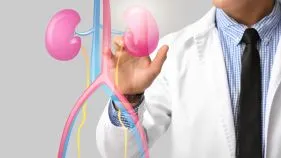
Kidney Infection in Babies: Symptoms, Causes, Diagnosis & Treatment

Kidney Infection in Babies: Symptoms, Causes, Diagnosis & Treatment

Introduction

A kidney infection in babies is a serious type of urinary tract infection (UTI) that occurs when bacteria spread from the bladder to one or both kidneys. Unlike older children and adults, babies often cannot communicate their symptoms, making early diagnosis more challenging.

If left untreated, a kidney infection can lead to kidney scarring, recurrent urinary tract infections, high blood pressure later in life, or reduced kidney function. Recognizing the warning signs early and seeking prompt medical care is essential for protecting your child's kidney health.

At Prabhakar Bhurke Clinic, our super specialist nephrologist provides comprehensive evaluation and management of kidney disorders. For infants and young children with suspected kidney infections, we coordinate appropriate investigations and recommend timely treatment and referral to pediatric specialists whenever required.


What Is a Kidney Infection?

A kidney infection, also called pyelonephritis, develops when bacteria travel from the lower urinary tract into the kidneys.

Compared with a simple bladder infection, a kidney infection is more serious because it affects the kidney tissue and requires prompt medical treatment.


Symptoms of Kidney Infection in Babies

The symptoms of kidney infection vary depending on the baby's age.

Common symptoms include:

  • Fever without an obvious cause

  • Poor feeding

  • Vomiting

  • Irritability

  • Excessive crying

  • Sleepiness or lethargy

  • Poor weight gain

  • Foul-smelling urine

  • Reduced urine output

  • Blood in the urine (occasionally)

  • Jaundice in newborn babies

  • Difficulty feeding

Because symptoms can be non-specific, any unexplained fever in a young baby should be evaluated by a doctor.


Causes of Kidney Infection in Babies

Kidney infections are usually caused by bacteria that enter the urinary tract and spread upward to the kidneys.

Common risk factors include:

  • Urinary tract infection (UTI)

  • Vesicoureteral reflux (backward flow of urine)

  • Congenital urinary tract abnormalities

  • Urinary obstruction

  • Infrequent bladder emptying

  • Constipation in older infants

  • Weakened immune system

  • Previous urinary infections

Identifying the underlying cause helps prevent future infections.


Risk Factors

Babies may have a higher risk if they have:

  • Previous UTIs

  • Structural abnormalities of the urinary tract

  • Family history of urinary tract disorders

  • Vesicoureteral reflux

  • Urinary obstruction

  • Premature birth in some cases

Some children require additional evaluation after their first kidney infection.


When Should Parents Seek Immediate Medical Care?

Seek medical attention immediately if your baby has:

  • Fever without a known cause

  • Persistent vomiting

  • Refusal to feed

  • Poor urine output

  • Extreme sleepiness

  • Excessive irritability

  • Difficulty breathing

  • Signs of dehydration

Early treatment helps prevent kidney damage and other complications.


How Is Kidney Infection Diagnosed?

At Prabhakar Bhurke Clinic, our super specialist nephrologist performs a detailed evaluation and coordinates pediatric care whenever appropriate.

Medical History and Physical Examination

The doctor reviews:

  • Fever

  • Feeding history

  • Urinary symptoms

  • Previous infections

  • Birth history

  • Family history

A complete physical examination is performed to assess the baby's overall condition.


Urine Tests

Urine investigations may include:

  • Urinalysis

  • Urine Culture

  • Urine Microscopy

These tests identify the bacteria responsible for the infection and help guide antibiotic treatment.


Blood Tests

When clinically indicated, investigations may include:

  • Complete Blood Count (CBC)

  • Serum Creatinine

  • Blood Urea Nitrogen (BUN)

  • Electrolytes

  • Blood Culture in severe infections

These tests help assess infection severity and kidney function.


Imaging Studies

Depending on the baby's condition, imaging may include:

  • Kidney Ultrasound

  • Additional specialized imaging when recommended

These investigations help identify urinary tract abnormalities or obstruction.


Treatment for Kidney Infection in Babies

Treatment depends on the baby's age, overall health, and severity of infection.

Antibiotics

Appropriate antibiotics are the primary treatment for bacterial kidney infections. The choice of medicine depends on the baby's age and urine culture results.


Hospital Care

Young infants or babies with severe illness may require hospitalization for close monitoring and intravenous (IV) antibiotics.


Hydration

Maintaining adequate hydration is important during recovery.

Parents should follow the treating doctor's advice regarding feeding and fluid intake.


Treating Underlying Causes

If the baby has:

  • Vesicoureteral reflux

  • Urinary obstruction

  • Congenital urinary tract abnormalities

Further evaluation and management may be required to prevent recurrent infections.


Possible Complications

Without timely treatment, kidney infections may lead to:

  • Kidney scarring

  • Recurrent urinary tract infections

  • Reduced kidney function

  • High blood pressure later in life

  • Sepsis (severe bloodstream infection)

Prompt diagnosis greatly reduces these risks.


How Can Kidney Infections Be Prevented?

Parents can help reduce the risk by:

  • Seeking prompt treatment for urinary infections.

  • Ensuring regular diaper changes.

  • Maintaining good hygiene.

  • Keeping follow-up appointments after a UTI.

  • Following medical advice if urinary tract abnormalities are present.

  • Encouraging adequate fluid intake in older infants and children.

Preventive care plays an important role in protecting long-term kidney health.


Why Choose Prabhakar Bhurke Clinic?

Families trust Prabhakar Bhurke Clinic because we provide:

  • Consultation with a super specialist nephrologist

  • Comprehensive kidney evaluations

  • Advanced kidney function testing

  • Personalized treatment plans

  • Evaluation of recurrent urinary tract infections

  • Long-term monitoring of kidney health

  • Guidance for kidney disorders affecting children, with referral and coordinated care involving pediatric specialists whenever required

  • Compassionate, evidence-based, patient-centered care

Our focus is on early diagnosis, preserving kidney function, and preventing long-term complications.


Frequently Asked Questions (FAQs)

Can a baby have a kidney infection without urinary symptoms?

Yes. Many babies develop fever, poor feeding, vomiting, or irritability without obvious urinary symptoms.

Is a kidney infection in babies serious?

Yes. Kidney infections require prompt medical treatment because delayed care may increase the risk of kidney damage.

Can kidney infections come back?

Yes. Recurrent infections may occur if an underlying urinary tract abnormality or vesicoureteral reflux is present.

Can kidney infections be prevented?

Many infections can be prevented through early treatment of UTIs, good hygiene, appropriate follow-up, and evaluation of underlying urinary tract problems when necessary.


Conclusion

A kidney infection in babies is a serious condition that should never be ignored. Symptoms such as unexplained fever, poor feeding, vomiting, irritability, or foul-smelling urine may indicate a kidney infection and require immediate medical evaluation. Early diagnosis and appropriate antibiotic treatment are essential to prevent kidney scarring and long-term complications.

At Prabhakar Bhurke Clinic, our super specialist nephrologist provides expert evaluation, advanced kidney investigations, personalized treatment planning, and long-term monitoring for kidney disorders. When infants require specialized pediatric care, we ensure timely coordination with the appropriate pediatric specialists to provide comprehensive management and protect your child's kidney health.


Book an Appointment Today

If your baby has unexplained fever, poor feeding, vomiting, recurrent urinary tract infections, foul-smelling urine, abnormal kidney ultrasound findings, or suspected kidney infection, schedule a consultation at Prabhakar Bhurke Clinic. Our super specialist nephrologist will perform a comprehensive evaluation, recommend the appropriate investigations, and guide you toward the most suitable treatment plan for your child's kidney health.

Mild Renal Insufficiency: Symptoms, Causes, Diagnosis & Treatment

Mild Renal Insufficiency: Symptoms, Causes, Diagnosis & Treatment

Introduction

Mild renal insufficiency refers to an early reduction in kidney function where the kidneys are still able to perform most of their essential tasks but are not working at full capacity. It is often an early stage of Chronic Kidney Disease (CKD) and may not cause noticeable symptoms.

Because kidney disease frequently develops silently, many people discover mild renal insufficiency only after routine blood or urine tests. Early diagnosis is extremely important because appropriate treatment and lifestyle changes can slow disease progression, preserve kidney function, and reduce the risk of complications.

At Prabhakar Bhurke Clinic, our super specialist nephrologist provides comprehensive kidney evaluations, advanced diagnostic testing, personalized treatment plans, and long-term kidney care to help patients maintain healthy kidney function.


What Is Mild Renal Insufficiency?

The kidneys filter waste products, remove excess fluid, regulate electrolytes, help control blood pressure, and produce hormones that support red blood cell production.

In mild renal insufficiency, kidney function is slightly reduced, but the kidneys continue to perform most of these functions effectively.

This condition often corresponds to early-stage chronic kidney disease (CKD Stage 2 or early Stage 3), depending on kidney function tests and other findings.

Early management can significantly delay further kidney damage.


Causes of Mild Renal Insufficiency

Several medical conditions can contribute to reduced kidney function.

Common causes include:

  • Diabetes

  • High blood pressure (Hypertension)

  • Chronic kidney disease

  • Glomerulonephritis

  • Polycystic kidney disease

  • Recurrent kidney infections

  • Kidney stones with repeated obstruction

  • Autoimmune diseases

  • Long-term use of certain pain-relieving medications

  • Age-related decline in kidney function

Treating the underlying cause is essential for protecting kidney health.


Symptoms of Mild Renal Insufficiency

Many people have no symptoms during the early stages.

When symptoms occur, they may include:

  • Mild fatigue

  • Swelling of the feet or ankles

  • Frequent urination, especially at night

  • Foamy urine

  • High blood pressure

  • Mild loss of appetite

  • Difficulty concentrating

  • Muscle cramps

  • Persistent weakness

These symptoms are often subtle, making routine screening especially important.


Who Is at Risk?

The risk of mild renal insufficiency is higher in people with:

  • Diabetes

  • High blood pressure

  • Heart disease

  • Obesity

  • Family history of kidney disease

  • Older age

  • Recurrent urinary tract infections

  • Kidney stones

  • Smoking habits

Regular kidney function tests are recommended for high-risk individuals.


How Is Mild Renal Insufficiency Diagnosed?

At Prabhakar Bhurke Clinic, our super specialist nephrologist performs a complete kidney evaluation.

Medical History and Physical Examination

Your doctor reviews:

  • Symptoms

  • Medical history

  • Diabetes

  • Blood pressure

  • Current medications

  • Family history

  • Lifestyle habits


Blood Tests

Important investigations include:

  • Serum Creatinine

  • Estimated Glomerular Filtration Rate (eGFR)

  • Blood Urea Nitrogen (BUN)

  • Electrolytes

  • Blood Sugar Levels

  • Hemoglobin

These tests assess kidney function and identify early abnormalities.


Urine Tests

Urine investigations may include:

  • Urinalysis

  • Urine Protein Testing

  • Urine Albumin-to-Creatinine Ratio (ACR)

  • Urine Microscopy

Protein in the urine may indicate early kidney damage even when symptoms are absent.


Imaging Studies

Depending on your condition, investigations may include:

  • Kidney Ultrasound

  • CT Scan when clinically indicated

Imaging helps detect structural abnormalities, kidney stones, cysts, or urinary obstruction.


Kidney Biopsy

In selected cases, a kidney biopsy may be recommended to determine the exact cause of kidney dysfunction and guide treatment.


Treatment for Mild Renal Insufficiency

Treatment focuses on slowing disease progression and preserving kidney function.

Blood Pressure Control

Maintaining healthy blood

Lower Back Pain Right Side Kidney: Causes, Symptoms, Diagnosis & Treatment

Lower Back Pain Right Side Kidney: Causes, Symptoms, Diagnosis & Treatment

Introduction

Pain in the lower right side of the back, especially near the kidney area, can be concerning. While muscle strain and spinal problems are common causes of back pain, pain located near the right kidney may also indicate a kidney-related condition such as a kidney stone, kidney infection, urinary tract obstruction, or another kidney disorder.

Understanding the cause of the pain is important because kidney-related conditions often require prompt medical evaluation to prevent complications and preserve kidney function.

At Prabhakar Bhurke Clinic, our super specialist nephrologist provides comprehensive kidney evaluations, advanced diagnostic testing, personalized treatment plans, kidney stone management, dialysis planning, kidney transplant evaluation, and long-term kidney care.


Can Kidney Problems Cause Right-Sided Lower Back Pain?

Yes.

The right kidney is located toward the back of the abdomen beneath the lower ribs. Conditions affecting the right kidney can cause pain in the:

  • Right flank

  • Lower back

  • Side of the abdomen

  • Area below the ribs

Kidney pain is usually deeper than muscle pain and is often accompanied by urinary or systemic symptoms.


Common Causes of Right Kidney Pain

Several kidney conditions can cause pain on the right side.

Kidney Stones

Kidney stones are one of the most common causes of severe flank pain.

Symptoms may include:

  • Sudden severe pain

  • Pain radiating toward the groin

  • Blood in the urine

  • Nausea and vomiting

  • Difficulty passing urine


Kidney Infection (Pyelonephritis)

A kidney infection develops when bacteria spread from the urinary tract to the kidneys.

Symptoms may include:

  • Fever

  • Chills

  • Burning while urinating

  • Frequent urination

  • Flank pain

  • Fatigue

Prompt treatment is important to prevent kidney damage.


Urinary Tract Obstruction

Blockage caused by kidney stones, narrowing of the urinary tract, or other conditions may lead to kidney swelling (hydronephrosis) and pain.


Kidney Cysts

Large kidney cysts may occasionally cause discomfort or pressure on one side of the back.


Polycystic Kidney Disease

Inherited kidney cysts may enlarge the kidneys and cause flank discomfort.


Kidney Injury

Trauma or injury to the kidney may result in pain and sometimes blood in the urine.


Other Non-Kidney Causes

Not every episode of right-sided lower back pain is caused by the kidneys.

Other possible causes include:

  • Muscle strain

  • Spinal disorders

  • Herniated disc

  • Arthritis

  • Gallbladder disease

  • Liver conditions

  • Nerve compression

A thorough medical evaluation helps determine the exact cause.


Symptoms That Suggest a Kidney Problem

Seek medical evaluation if right-sided back pain occurs along with:

  • Blood in the urine

  • Burning while urinating

  • Frequent urination

  • Fever

  • Chills

  • Nausea or vomiting

  • Reduced urine output

  • Foamy urine

  • Swelling of the feet or face

  • High blood pressure

These symptoms may indicate an underlying kidney disorder.


When Should You See a Nephrologist?

Consult a nephrologist if you have:

  • Persistent flank pain

  • Recurrent kidney stones

  • Kidney infection

  • High creatinine levels

  • Reduced eGFR

  • Blood or protein in the urine

  • Swelling

  • Diabetes with kidney abnormalities

  • High blood pressure with kidney disease

Early diagnosis helps prevent long-term kidney damage.


How Is Right Kidney Pain Diagnosed?

At Prabhakar Bhurke Clinic, our super specialist nephrologist performs a complete kidney evaluation.

Medical History and Physical Examination

Your doctor reviews:

  • Symptoms

  • Pain location

  • Previous kidney stones

  • Urinary infections

  • Diabetes

  • Blood pressure

  • Current medications

  • Family history


Blood Tests

Important investigations include:

  • Serum Creatinine

  • Estimated Glomerular Filtration Rate (eGFR)

  • Blood Urea Nitrogen (BUN)

  • Complete Blood Count (CBC)

  • Electrolytes

These tests assess kidney function and identify complications.


Urine Tests

Investigations may include:

  • Urinalysis

  • Urine Culture

  • Protein Testing

  • Urine Microscopy

Urine testing helps detect infection, blood, protein leakage, and kidney damage.


Imaging Studies

Depending on your condition, investigations may include:

  • Kidney Ultrasound

  • CT Scan

  • MRI when clinically indicated

  • X-ray (KUB) in selected cases

These tests help identify kidney stones, cysts, obstruction, swelling, or structural abnormalities.


Treatment for Right Kidney Pain

Treatment depends on the underlying cause.

Kidney Stones

Treatment may include:

  • Medications

  • Increased fluid intake (when appropriate)

  • ESWL

  • Ureteroscopy (URS)

  • RIRS

  • PCNL

The treatment depends on the stone's size, location, and composition.


Kidney Infection

Bacterial kidney infections are treated with appropriate antibiotics and supportive care.

Early treatment reduces the risk of permanent kidney damage.


Urinary Obstruction

Relieving the obstruction is essential to restore normal urine flow and protect kidney function.


Chronic Kidney Disease

If kidney function is reduced, treatment focuses on slowing disease progression through:

  • Blood pressure control

  • Diabetes management

  • Medications

  • Kidney-friendly diet

  • Regular monitoring


Dialysis

Patients with advanced kidney failure may require dialysis if medically indicated.


How to Protect Your Kidneys

You can help maintain healthy kidneys by:

  • Drinking adequate water unless medically restricted.

  • Controlling diabetes.

  • Managing blood pressure.

  • Avoiding smoking.

  • Limiting excessive salt intake.

  • Exercising regularly.

  • Avoiding unnecessary painkiller use.

  • Having regular kidney check-ups.

Preventive care supports long-term kidney health.


Possible Complications

Without timely treatment, kidney disorders may lead to:

  • Kidney damage

  • Chronic kidney disease

  • Kidney failure

  • Recurrent infections

  • Hydronephrosis

  • High blood pressure

  • Sepsis in severe infections

Early diagnosis significantly reduces these risks.


Why Choose Prabhakar Bhurke Clinic?

Patients trust Prabhakar Bhurke Clinic because we provide:

  • Consultation with a super specialist nephrologist

  • Comprehensive kidney evaluations

  • Advanced kidney function testing

  • Personalized treatment plans

  • Expertise in kidney stones and urinary tract disorders

  • Chronic kidney disease management

  • Dialysis planning and kidney transplant evaluation

  • Compassionate, evidence-based, patient-centered care

Our goal is to accurately diagnose the cause of kidney pain, preserve kidney function, and improve your overall health.


Frequently Asked Questions (FAQs)

Can lower right back pain indicate a kidney problem?

Yes. Pain near the right kidney, particularly when associated with urinary symptoms, fever, or blood in the urine, may indicate a kidney disorder.

How is kidney pain different from muscle pain?

Kidney pain is usually deeper, located beneath the ribs toward the side of the back, and often occurs with urinary symptoms or fever. Muscle pain generally worsens with movement and is not associated with changes in urination.

Can kidney stones cause severe right-sided back pain?

Yes. Kidney stones commonly cause sudden, severe pain that may radiate from the flank toward the groin.

When should I seek immediate medical attention?

Seek prompt medical care if back pain is accompanied by fever, chills, severe pain, vomiting, blood in the urine, or difficulty passing urine.


Conclusion

Lower back pain on the right side near the kidney may be caused by kidney stones, kidney infection, urinary obstruction, or other kidney conditions. Although muscle strain is a common cause of back pain, kidney-related symptoms such as blood in the urine, fever, painful urination, or persistent flank pain should never be ignored. Early diagnosis and appropriate treatment are essential to prevent complications and preserve kidney function.

At Prabhakar Bhurke Clinic, our super specialist nephrologist provides expert diagnosis, comprehensive kidney evaluations, advanced imaging, personalized treatment plans, kidney stone management, dialysis planning, and long-term kidney care. We are committed to helping patients achieve lasting kidney health through timely and evidence-based treatment.


Book an Appointment Today

If you have right-sided lower back pain, flank pain, kidney stone symptoms, blood in the urine, recurrent urinary tract infections, high creatinine levels, reduced eGFR, or any signs of kidney disease, schedule a consultation at Prabhakar Bhurke Clinic. Our super specialist nephrologist will perform a detailed evaluation, identify the cause of your symptoms, and create a personalized treatment plan to protect your kidneys and improve your overall health.

Lower Back Pain Right Side Kidney: Causes, Symptoms, Diagnosis & Treatment

Kidney Infection and Back Pain: Symptoms, Causes, Diagnosis & Treatment

Introduction

Back pain is a common complaint, but not all back pain originates from muscles or the spine. In some cases, back pain may be a sign of a kidney infection, especially when it occurs along with fever, painful urination, or changes in urine.

A kidney infection, medically known as pyelonephritis, is a serious urinary tract infection (UTI) that spreads from the bladder to one or both kidneys. If left untreated, it can lead to kidney damage, bloodstream infection (sepsis), or chronic kidney disease.

Recognizing the symptoms early and seeking prompt medical attention can prevent complications and protect kidney function.

At Prabhakar Bhurke Clinic, our super specialist nephrologist provides comprehensive kidney evaluations, advanced diagnostic testing, personalized treatment plans, and long-term care for patients with kidney infections and other kidney disorders.


Can a Kidney Infection Cause Back Pain?

Yes. One of the most common symptoms of a kidney infection is pain in the back or side, usually near the lower ribs. This pain occurs because the infection causes inflammation within the kidney.

Unlike muscle-related back pain, kidney infection pain is often accompanied by:

  • Fever

  • Chills

  • Pain during urination

  • Frequent urination

  • Nausea or vomiting

  • General illness

Kidney-related pain often affects one side but may occur on both sides if both kidneys are infected.


Symptoms of a Kidney Infection

A kidney infection usually causes more severe symptoms than a simple bladder infection.

Common symptoms include:

  • Pain in the back, side, or flank

  • Fever

  • Chills

  • Burning sensation while urinating

  • Frequent urge to urinate

  • Passing small amounts of urine

  • Blood in the urine

  • Cloudy or foul-smelling urine

  • Nausea and vomiting

  • Fatigue

  • Weakness

  • Loss of appetite

These symptoms require prompt medical evaluation.


What Does Kidney Infection Pain Feel Like?

Kidney infection pain is typically:

  • Felt in the upper lower back or flank

  • Located below the ribs

  • Constant rather than movement-related

  • Moderate to severe in intensity

  • Sometimes radiating toward the abdomen or groin

Pain caused by kidney infection is often accompanied by signs of infection, unlike muscle strain or spinal problems.


Causes of Kidney Infection

Most kidney infections occur when bacteria travel from the bladder into the kidneys.

Common causes include:

  • Untreated urinary tract infection (UTI)

  • Recurrent urinary infections

  • Kidney stones

  • Urinary tract obstruction

  • Enlarged prostate

  • Vesicoureteral reflux

  • Diabetes

  • Pregnancy

  • Weakened immune system

  • Urinary catheter use

Early treatment of bladder infections helps reduce the risk of kidney infection.


Who Is at Higher Risk?

The risk is higher in:

  • Women

  • People with diabetes

  • Pregnant women

  • Older adults

  • Individuals with kidney stones

  • Patients with urinary tract abnormalities

  • People with weakened immunity

  • Individuals with recurrent UTIs

Regular follow-up is important for high-risk patients.


When Should You See a Nephrologist?

Consult a nephrologist immediately if you have:

  • Severe back or flank pain

  • Fever with urinary symptoms

  • Blood in the urine

  • High creatinine levels

  • Reduced eGFR

  • Recurrent kidney infections

  • Persistent urinary symptoms despite antibiotics

  • Kidney stones associated with infection

  • Diabetes with urinary tract infection

Prompt specialist evaluation helps prevent kidney damage.


How Is a Kidney Infection Diagnosed?

At Prabhakar Bhurke Clinic, our super specialist nephrologist performs a comprehensive kidney evaluation.

Medical History and Physical Examination

The doctor assesses:

  • Symptoms

  • Previous urinary infections

  • Kidney stone history

  • Diabetes

  • Current medications

  • Family history

The kidney area is examined for tenderness.


Urine Tests

Investigations may include:

  • Urinalysis

  • Urine Culture

  • Urine Microscopy

  • Protein Testing

These tests identify infection and guide antibiotic selection.


Blood Tests

Important investigations include:

  • Serum Creatinine

  • Estimated Glomerular Filtration Rate (eGFR)

  • Blood Urea Nitrogen (BUN)

  • Complete Blood Count (CBC)

  • Electrolytes

These tests evaluate kidney function and identify complications.


Imaging Studies

Depending on your condition, imaging may include:

  • Kidney Ultrasound

  • CT Scan

  • MRI in selected cases

Imaging helps detect kidney stones, obstruction, abscesses, swelling, or structural abnormalities.


Treatment for Kidney Infection

Treatment depends on the severity of the infection and the patient's overall health.

Antibiotics

Antibiotics are the primary treatment for bacterial kidney infections. Completing the prescribed course is essential to fully clear the infection.


Hydration

Adequate fluid intake may help flush bacteria from the urinary tract unless fluid restriction is medically advised.


Pain and Fever Management

Supportive medications may be recommended to reduce pain and control fever.


Treating the Underlying Cause

If the infection is related to:

  • Kidney stones

  • Urinary obstruction

  • Enlarged prostate

  • Structural urinary abnormalities

Additional treatment may be necessary to prevent recurrence.


Hospital Care

Patients with severe infection, persistent vomiting, pregnancy, advanced kidney disease, or sepsis may require hospitalization and intravenous antibiotics.


Can Kidney Infections Cause Permanent Kidney Damage?

Yes.

Without prompt treatment, kidney infections may lead to:

  • Kidney scarring

  • Chronic kidney disease (CKD)

  • Reduced kidney function

  • Kidney abscess

  • Recurrent infections

  • Sepsis

Early diagnosis greatly reduces these risks.


How to Prevent Kidney Infections

You can reduce your risk by:

  • Drinking adequate water.

  • Treating UTIs early.

  • Not delaying urination.

  • Maintaining good personal hygiene.

  • Managing diabetes effectively.

  • Completing prescribed antibiotics.

  • Seeking treatment for kidney stones.

  • Attending regular medical follow-up.

Healthy habits help protect long-term kidney health.


Why Choose Prabhakar Bhurke Clinic?

Patients trust Prabhakar Bhurke Clinic because we provide:

  • Consultation with a super specialist nephrologist

  • Comprehensive kidney evaluations

  • Advanced kidney function testing

  • Expert diagnosis and treatment of kidney infections

  • Personalized treatment plans

  • Management of recurrent urinary tract infections

  • Dialysis planning and kidney transplant evaluation when required

  • Compassionate, evidence-based, patient-centered care

Our goal is to diagnose kidney infections early, preserve kidney function, and prevent future complications.


Frequently Asked Questions (FAQs)

Can a kidney infection cause severe back pain?

Yes. Pain in the back or flank, especially when accompanied by fever and urinary symptoms, is a common sign of a kidney infection.

How can I tell the difference between muscle pain and kidney pain?

Kidney pain is usually deeper, located below the ribs on one or both sides, and often occurs with fever, painful urination, or changes in urine. Muscle pain typically worsens with movement and is not associated with urinary symptoms.

Is a kidney infection an emergency?

A kidney infection requires prompt medical attention because delaying treatment increases the risk of kidney damage and serious complications.

Can kidney infections recur?

Yes. Recurrent infections may occur if the underlying cause, such as kidney stones, urinary obstruction, or uncontrolled diabetes, is not treated.


Conclusion

Kidney infection and back pain often occur together when a urinary tract infection spreads to the kidneys. Symptoms such as flank pain, fever, chills, painful urination, blood in the urine, and nausea should never be ignored. Early diagnosis and appropriate treatment are essential to prevent kidney damage and other serious complications.

At Prabhakar Bhurke Clinic, our super specialist nephrologist provides expert diagnosis, advanced kidney evaluations, personalized treatment plans, and long-term care for patients with kidney infections and urinary tract disorders. Through timely, evidence-based treatment, we are committed to protecting your kidney health and improving your quality of life.


Book an Appointment Today

If you have back or flank pain, fever, burning during urination, blood in the urine, recurrent UTIs, kidney stones, high creatinine levels, reduced eGFR, or symptoms of a kidney infection, schedule a consultation at Prabhakar Bhurke Clinic. Our super specialist nephrologist will perform a comprehensive evaluation, identify the cause of your symptoms, and create a personalized treatment plan to protect your kidneys and support your long-term health.

Mild Renal Insufficiency: Symptoms, Causes, Diagnosis & Treatment

ESWL Therapy: A Non-Surgical Treatment for Kidney Stones

Introduction

Kidney stones are a common urinary tract condition that can cause severe pain, blood in the urine, nausea, and difficulty passing urine. While some small stones pass naturally, larger or symptomatic stones often require medical treatment.

One of the most effective non-surgical treatments for selected kidney stones is Extracorporeal Shock Wave Lithotripsy (ESWL). This procedure uses focused shock waves to break kidney stones into smaller fragments that can pass naturally through the urinary tract.

ESWL is a minimally invasive treatment that does not require surgical incisions and is suitable for many patients with appropriately sized kidney or upper ureteric stones.

At Prabhakar Bhurke Clinic, our super specialist nephrologist provides comprehensive kidney stone evaluation, advanced diagnostic testing, personalized treatment plans, and guidance regarding ESWL and other modern kidney stone treatment options.


What Is ESWL Therapy?

Extracorporeal Shock Wave Lithotripsy (ESWL) is a non-invasive procedure used to treat certain kidney and upper ureter stones.

During the procedure:

  • Shock waves are generated outside the body.

  • These waves are precisely focused on the kidney stone.

  • The stone gradually breaks into smaller fragments.

  • The fragments are later passed naturally in the urine.

Because no surgical incision is required, ESWL is considered a minimally invasive treatment.


When Is ESWL Recommended?

ESWL may be recommended for patients with:

  • Small to medium-sized kidney stones

  • Stones located in suitable parts of the kidney

  • Upper ureteric stones in selected cases

  • Persistent pain due to kidney stones

  • Stones that are unlikely to pass naturally

The decision depends on the size, location, hardness of the stone, and the patient's overall health.


Who May Not Be Suitable for ESWL?

ESWL may not be the best option for every patient.

Alternative treatments may be considered for patients with:

  • Very large kidney stones

  • Certain types of hard stones

  • Pregnancy

  • Untreated urinary tract infections

  • Significant urinary tract obstruction

  • Bleeding disorders

  • Severe obesity in some cases

Your nephrologist will determine the most appropriate treatment after a thorough evaluation.


Symptoms of Kidney Stones

Patients with kidney stones may experience:

  • Severe pain in the back or side

  • Flank pain

  • Pain radiating toward the groin

  • Blood in the urine

  • Frequent urination

  • Burning during urination

  • Nausea and vomiting

  • Difficulty passing urine

  • Fever and chills (if infection is present)

Prompt medical evaluation is important, especially if fever or reduced urine output occurs.


How Is a Patient Evaluated Before ESWL?

At Prabhakar Bhurke Clinic, our super specialist nephrologist performs a comprehensive assessment before recommending ESWL.

Medical History and Physical Examination

The doctor evaluates:

  • Symptoms

  • Previous kidney stones

  • Medical history

  • Current medications

  • Family history

  • Existing kidney disease


Blood Tests

Investigations may include:

  • Serum Creatinine

  • Estimated Glomerular Filtration Rate (eGFR)

  • Blood Urea Nitrogen (BUN)

  • Complete Blood Count (CBC)

  • Electrolytes

  • Blood Clotting Tests when indicated

These tests help assess kidney function and ensure the patient is suitable for treatment.


Urine Tests

Urine investigations may include:

  • Urinalysis

  • Urine Culture

  • Microscopy

  • Protein Testing

Active infections are usually treated before ESWL is performed.


Imaging Studies

Imaging may include:

  • Kidney Ultrasound

  • X-ray (KUB)

  • CT Scan

These investigations determine:

  • Stone size

  • Stone location

  • Number of stones

  • Degree of urinary obstruction


How Is ESWL Performed?

The procedure generally includes:

  1. Positioning the patient comfortably.

  2. Locating the stone using imaging guidance.

  3. Delivering controlled shock waves to the stone.

  4. Breaking the stone into small fragments.

  5. Allowing the fragments to pass naturally through urine over the following days or weeks.

The procedure usually does not require a surgical incision.


Benefits of ESWL Therapy

Advantages include:

  • No surgical incision

  • Minimally invasive treatment

  • Short recovery period

  • Reduced hospital stay in many cases

  • Lower risk compared with open surgery

  • Effective treatment for many appropriately selected kidney stones

Treatment recommendations are individualized according to each patient's condition.


Recovery After ESWL

Most patients recover quickly.

During recovery, patients may experience:

  • Mild flank discomfort

  • Blood-tinged urine for a short period

  • Passage of stone fragments

  • Temporary urinary discomfort

Your doctor may recommend:

  • Drinking adequate fluids (unless medically restricted)

  • Taking prescribed medications

  • Attending follow-up imaging to confirm stone clearance

Recovery varies depending on the size and number of stones.


Possible Risks and Complications

Although ESWL is generally safe, possible complications include:

  • Temporary blood in the urine

  • Mild pain during passage of stone fragments

  • Urinary tract infection

  • Incomplete stone clearance

  • Need for additional treatment

  • Temporary blockage by stone fragments

Your nephrologist will discuss the risks and benefits before treatment.


Alternatives to ESWL

Depending on the stone characteristics, alternative treatments may include:

  • Medical management

  • Ureteroscopy (URS)

  • Retrograde Intrarenal Surgery (RIRS)

  • Percutaneous Nephrolithotomy (PCNL)

The best option depends on the size, location, and composition of the stone.


Preventing Future Kidney Stones

Patients can reduce the risk of recurrence by:

  • Drinking adequate water.

  • Limiting excessive salt intake.

  • Following a balanced diet.

  • Maintaining a healthy weight.

  • Managing diabetes and blood pressure.

  • Taking medications when prescribed.

  • Attending regular follow-up appointments.

Stone prevention strategies are individualized based on the stone type.


Why Choose Prabhakar Bhurke Clinic?

Patients trust Prabhakar Bhurke Clinic because we provide:

  • Consultation with a super specialist nephrologist

  • Comprehensive kidney stone evaluation

  • Advanced kidney function testing

  • Personalized treatment plans

  • Guidance regarding ESWL and other minimally invasive stone treatments

  • Expertise in chronic kidney disease and kidney stone prevention

  • Dialysis planning and kidney transplant evaluation when required

  • Compassionate, evidence-based, patient-centered care

Our goal is to provide accurate diagnosis, effective treatment, and long-term prevention of kidney stone recurrence.


Frequently Asked Questions (FAQs)

Is ESWL painful?

Most patients tolerate ESWL well. Some may experience mild discomfort during or after the procedure, which is usually temporary.

How long does ESWL take?

The procedure typically takes less than an hour, although the exact duration varies depending on the stone.

Will all kidney stones require ESWL?

No. Treatment depends on the size, location, hardness, and number of stones. Some stones pass naturally, while others may require different procedures.

Can kidney stones return after ESWL?

Yes. ESWL removes existing stones but does not prevent new stones from forming. Lifestyle modifications and regular follow-up help reduce recurrence.


Conclusion

ESWL therapy is an effective, minimally invasive treatment for many patients with kidney stones. By breaking stones into smaller fragments without surgery, ESWL allows many patients to recover quickly while avoiding more invasive procedures. However, not every kidney stone is suitable for ESWL, making specialist evaluation essential for selecting the most appropriate treatment.

At Prabhakar Bhurke Clinic, our super specialist nephrologist provides expert kidney stone evaluation, personalized treatment recommendations, guidance regarding ESWL and other advanced stone removal techniques, and long-term prevention strategies. We are committed to helping patients achieve lasting kidney health with safe, evidence-based care.


Book an Appointment Today

If you have kidney stone pain, blood in the urine, recurrent kidney stones, urinary obstruction, high creatinine levels, or abnormal kidney imaging, schedule a consultation at Prabhakar Bhurke Clinic. Our super specialist nephrologist will perform a detailed evaluation, explain whether ESWL is suitable for you, and create a personalized treatment plan to relieve symptoms and protect your kidney health.