Introduction
Kidney stones can affect women of all ages and may cause sudden, severe pain, urinary discomfort, blood in the urine, nausea, or repeated urinary infections. Although the basic principles of kidney stone treatment are similar for men and women, female kidney stones treatment may require consideration of factors such as pregnancy, recurrent urinary tract infections, hormonal and metabolic conditions, and individual urinary anatomy.
Not every kidney stone requires a procedure. Smaller stones may pass naturally with appropriate medical management, while larger, obstructing, infected, or persistent stones may require active stone removal.
At Prabhakar Bhurke Clinic, Dr. Sandip Prabhakar Bhurke, a super specialist nephrologist, provides comprehensive kidney stone evaluation, kidney function assessment, metabolic evaluation, preventive guidance, and personalized treatment planning. When a stone requires a surgical or endoscopic procedure, care can be coordinated with an experienced urologist.
What Are Kidney Stones?
Kidney stones are hard deposits that form when certain minerals and other substances in urine become concentrated and crystallize.
Common types include:
-
Calcium oxalate stones
-
Calcium phosphate stones
-
Uric acid stones
-
Struvite stones
-
Cystine stones
The treatment approach depends on the stone's composition, size, location, and the patient's symptoms and overall health.
Symptoms of Kidney Stones in Women
Kidney stones may produce different symptoms depending on where the stone is located.
Common symptoms include:
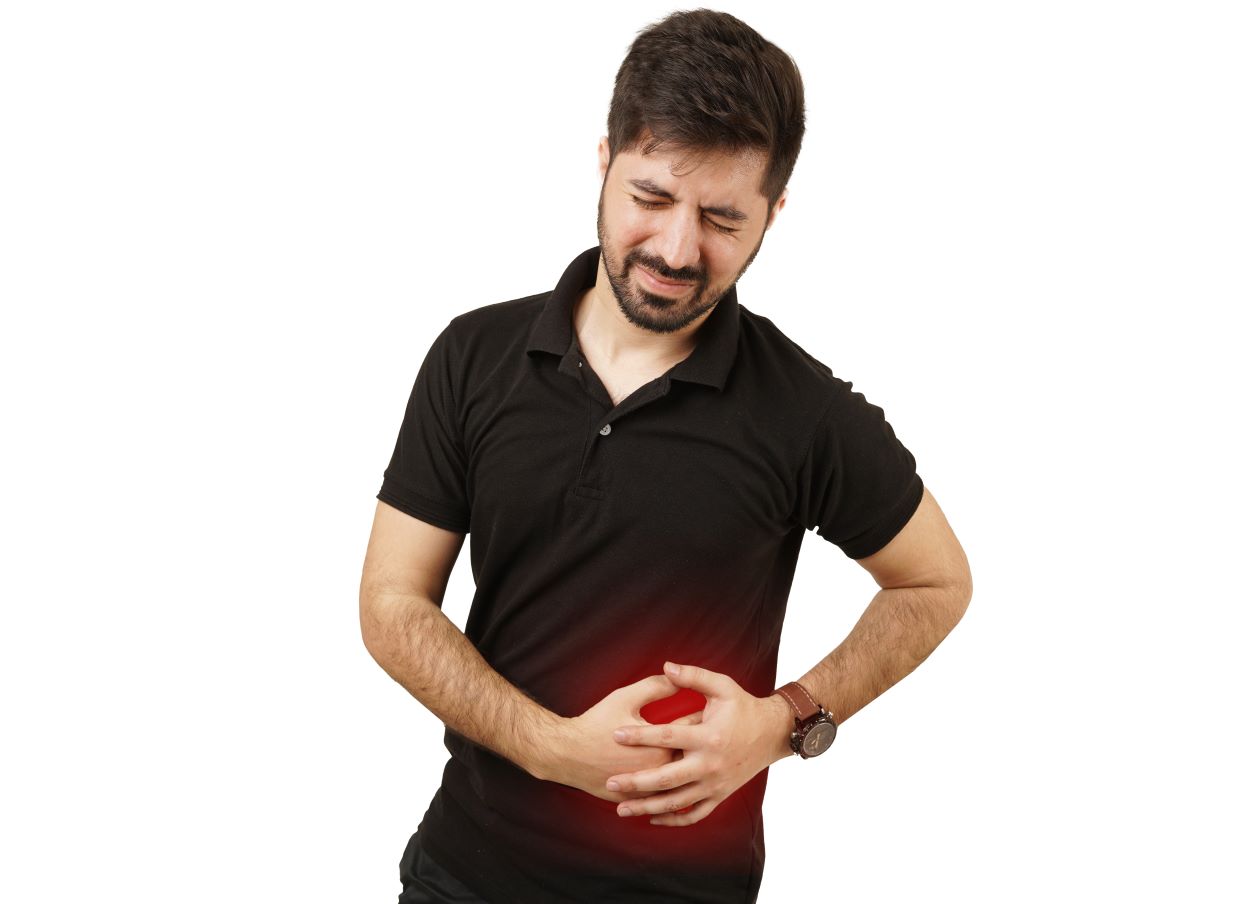
Severe Flank Pain
Pain may occur on one side of the back below the ribs and can come in waves.
Pain Radiating to the Lower Abdomen or Groin
As a stone moves through the ureter, pain may travel toward the lower abdomen, pelvis, or groin.
Blood in the Urine
Kidney stones can irritate the urinary tract and cause visible or microscopic blood in the urine.
Burning During Urination
Burning may occur when the stone is close to the bladder or when a urinary infection is present.
Frequent Urination
A stone near the lower urinary tract may create an urge to urinate frequently.
Nausea and Vomiting
Severe renal colic can cause nausea and vomiting.
Cloudy or Foul-Smelling Urine
This may occur when an infection is present, although cloudy urine has several possible causes.
Difficulty Passing Urine
A stone can obstruct urine flow and may require urgent medical attention.
Why Kidney Stones May Be Different for Women
Women may have additional considerations when evaluating kidney stones.
Urinary Tract Infections
Women are more prone to urinary tract infections, and certain infection-related stones can develop in association with specific bacteria.
Pregnancy
Pregnancy requires special consideration when kidney stones are suspected. Imaging and treatment need to be selected carefully to protect both the mother and fetus.
Recurrent Stones
Women with repeated stones may benefit from metabolic evaluation to identify factors contributing to stone formation.
Other Medical Conditions
Conditions affecting metabolism, diet, fluid balance, or urinary function may increase the risk of kidney stones.
Causes and Risk Factors for Kidney Stones in Women
Several factors can contribute to kidney stone formation.
These include:
-
Low fluid intake
-
High salt consumption
-
Certain dietary patterns
-
Family history of kidney stones
-
Previous kidney stones
-
Obesity
-
Some metabolic conditions
-
Recurrent urinary infections
-
Certain medications
-
High urinary calcium
-
High urinary oxalate
-
High urinary uric acid
-
Low urinary citrate
The exact cause varies from person to person.
How Are Kidney Stones Diagnosed?
An accurate diagnosis helps determine whether observation, medication, or a procedure is appropriate.
At Prabhakar Bhurke Clinic, Dr. Sandip Prabhakar Bhurke may recommend investigations based on symptoms and medical history.
Urine Tests
Urinalysis can detect:
-
Blood
-
White blood cells
-
Protein
-
Crystals
-
Signs of infection
A urine culture may be recommended when infection is suspected.
Blood Tests
Depending on the clinical situation, testing may include:
-
Serum creatinine
-
eGFR
-
Blood urea nitrogen
-
Electrolytes
-
Calcium
-
Uric acid
-
Blood glucose
These tests help assess kidney function and identify factors that may contribute to stone formation.
Imaging
Imaging may include:
-
Kidney and urinary tract ultrasound
-
X-ray when appropriate
-
Non-contrast CT scan when clinically indicated
Imaging helps determine the stone's size, location, number, and whether it is causing obstruction.
Female Kidney Stones Treatment Options
Treatment is selected according to the individual patient.
Observation for Small Stones
Some small kidney or ureteral stones can pass naturally.
Depending on the stone and the patient's condition, the doctor may recommend:
-
Observation
-
Appropriate fluid intake
-
Pain management
-
Medicines when indicated
-
Follow-up imaging
Not every stone needs immediate removal.
Medicines for Kidney Stones
Medicines may be used to manage symptoms or help selected stones pass.
Treatment may include:
-
Pain-relieving medicines
-
Medicines that help facilitate passage of selected ureteral stones
-
Medicines to control nausea
-
Antibiotics when a bacterial infection is confirmed or strongly suspected
-
Preventive medicines for recurrent stone formation when indicated
Medication should be selected by a healthcare professional based on the patient's condition.
ESWL for Female Kidney Stones
Extracorporeal Shock Wave Lithotripsy (ESWL) uses externally generated shock waves to break selected kidney or ureteral stones into smaller fragments.
ESWL may be considered when:
-
The stone is of suitable size
-
The location is favorable
-
The stone can be effectively targeted
-
There is no untreated infection
-
Other clinical factors support the treatment
The suitability of ESWL depends on the individual stone and patient.
Ureteroscopy and Laser Lithotripsy
During ureteroscopy, a urologist passes a thin scope through the urinary tract to reach the stone.
Laser energy can be used to fragment the stone, and fragments may then be removed.
Ureteroscopy may be considered for stones that:
-
Are unlikely to pass naturally
-
Cause persistent symptoms
-
Are causing obstruction
-
Are in a location where another treatment may be less effective
-
Require active removal
A urologist generally performs this procedure.
RIRS for Kidney Stones in Women
Retrograde Intrarenal Surgery (RIRS) uses a flexible scope to access stones inside the kidney.
Laser lithotripsy may be used to fragment the stone into smaller pieces.
RIRS may be considered for selected kidney stones depending on their size, location, anatomy, and other patient factors.
PCNL for Large Kidney Stones
Percutaneous Nephrolithotomy (PCNL) is a minimally invasive procedure commonly considered for larger or complex kidney stones.
A small access tract is created through the skin into the kidney, allowing a nephroscope to reach and remove or fragment the stone.
PCNL may be considered for:
-
Large stone burdens
-
Complex kidney stones
-
Some staghorn stones
-
Stones that are unlikely to be cleared effectively using less invasive approaches
PCNL is generally performed by a urologist.
Kidney Stones During Pregnancy
Kidney stone treatment during pregnancy requires particular care.
Doctors consider:
-
Severity of symptoms
-
Stone size and location
-
Urinary obstruction
-
Presence of infection
-
Kidney function
-
Stage of pregnancy
Ultrasound is commonly used as an initial imaging approach when appropriate. Other imaging or procedures may be considered when clinically necessary.
If a pregnant woman develops severe pain, fever, chills, vomiting, or difficulty passing urine, urgent medical assessment is important.
Do not attempt self-treatment during pregnancy without medical guidance.
Kidney Stones and Urinary Infection in Women
A kidney stone accompanied by a urinary infection can become serious, especially when the stone blocks urine drainage.
Warning signs include:
-
Fever
-
Chills
-
Flank pain
-
Burning urination
-
Cloudy or foul-smelling urine
-
Reduced urine output
-
Persistent vomiting
An infected obstructed urinary system may require urgent drainage by a urologist, along with appropriate infection treatment.
Can Women Treat Kidney Stones at Home?
Some small, uncomplicated stones may be monitored at home under medical guidance.
Supportive measures may include:
-
Drinking an appropriate amount of fluid
-
Taking prescribed medicines
-
Resting when pain is severe
-
Monitoring symptoms
-
Attending scheduled follow-up
However, home treatment is not appropriate for every kidney stone.
Do not force large amounts of water if significant obstruction is suspected, and do not rely on unverified herbal remedies to dissolve or remove stones.
How to Prevent Kidney Stones From Returning
Treating the existing stone is only part of long-term care.
Prevention may include:
Adequate Fluid Intake
Drinking enough fluid can help dilute substances that contribute to stone formation. The appropriate amount depends on individual health and should be discussed with your doctor.
Reduce Excess Salt
High sodium intake can increase urinary calcium in some individuals and may increase stone risk.
Maintain a Balanced Diet
Dietary recommendations should be tailored to the type of stone and metabolic risk factors.
Avoid Unnecessary Dietary Restrictions
Not every patient needs to eliminate calcium or specific foods. Excessive dietary restriction can sometimes be counterproductive.
Metabolic Evaluation
Women with recurrent stones may benefit from blood and urine testing to identify factors contributing to stone formation.
Stone Analysis
If a stone fragment is available, laboratory analysis can help identify its composition and guide prevention.
What Is the Role of a Nephrologist in Female Kidney Stone Treatment?
A nephrologist specializes in kidney function and the medical causes of stone formation.
A nephrologist can help with:
-
Kidney function assessment
-
Recurrent kidney stone evaluation
-
Metabolic stone testing
-
Dietary and lifestyle guidance
-
Prevention of recurrent stones
-
Management of diabetes and hypertension
-
Associated chronic kidney disease
-
Coordination with urology specialists when stone removal is required
A urologist generally performs procedures such as ESWL, ureteroscopy, RIRS, and PCNL.
When Should Women Seek Urgent Treatment?
Seek urgent medical attention if kidney stone symptoms occur with:
-
Fever or chills
-
Severe or worsening pain
-
Difficulty passing urine
-
Significantly reduced urine output
-
Persistent vomiting
-
Severe weakness
-
Pregnancy with significant stone symptoms
These symptoms may indicate obstruction, infection, dehydration, or another condition requiring prompt treatment.
Why Choose Prabhakar Bhurke Clinic?
At Prabhakar Bhurke Clinic, women receive individualized kidney stone care from Dr. Sandip Prabhakar Bhurke, a super specialist nephrologist.
The clinic provides:
-
Comprehensive kidney stone evaluation
-
Kidney function assessment
-
Recurrent stone risk evaluation
-
Metabolic testing when indicated
-
Personalized dietary and preventive guidance
-
Management of associated kidney conditions
-
Kidney stone follow-up
-
Dialysis guidance when required
-
Kidney transplant evaluation and counseling
-
Coordination with urology specialists for procedures such as ESWL, ureteroscopy, RIRS, and PCNL
The goal is to manage the immediate kidney stone problem while reducing the risk of recurrence and protecting long-term kidney health.
Frequently Asked Questions
What is the best treatment for kidney stones in women?
There is no single best treatment for every woman. Small uncomplicated stones may pass naturally, while larger, obstructing, persistent, or complicated stones may require ESWL, ureteroscopy, RIRS, or PCNL.
Can a 4 mm kidney stone pass naturally in a woman?
A small stone such as a 4 mm stone may pass naturally, particularly depending on its location. However, symptoms, obstruction, infection, kidney function, and follow-up findings also matter.
Are kidney stones common in women?
Kidney stones can affect women as well as men. Risk varies according to hydration, diet, metabolic factors, family history, urinary infections, and other individual factors.
Can kidney stones cause urinary infections in women?
Kidney stones can contribute to urinary obstruction and may be associated with recurrent urinary infections. Infection combined with obstruction requires urgent medical evaluation.
Can kidney stones be dissolved with medicine?
Most calcium-based kidney stones cannot be dissolved with medicines. Selected uric acid stones may sometimes be dissolved through urine alkalinization under specialist supervision.
Is ESWL safe for women?
ESWL can be appropriate for selected patients, but suitability depends on stone characteristics and individual health. It is generally avoided during pregnancy.
Is PCNL required for every large kidney stone?
No. PCNL is commonly considered for larger or complex stones, but treatment depends on stone size, location, anatomy, stone burden, and the patient's clinical condition.
Which doctor treats kidney stones in women?
A nephrologist can evaluate kidney function, recurrent stone risk, and medical causes of stone formation. A urologist generally performs procedures used to remove kidney stones.
Conclusion
Female kidney stones treatment depends on the size, location, composition, and clinical impact of the stone. Some small stones can pass naturally with appropriate medical management and follow-up, while larger, obstructing, persistent, or complicated stones may require procedures such as ESWL, ureteroscopy, RIRS, or PCNL.
Women also require special consideration in situations such as pregnancy, recurrent urinary infections, and repeated kidney stones. Fever with a suspected obstructing stone is particularly important because it may indicate an infected obstructed urinary system requiring urgent treatment.
At Prabhakar Bhurke Clinic, Dr. Sandip Prabhakar Bhurke, a super specialist nephrologist, provides comprehensive kidney evaluation, recurrent stone assessment, metabolic testing, preventive guidance, and personalized kidney care. When procedural stone removal is required, treatment can be coordinated with experienced urology specialists.
Book an Appointment Today
If you are experiencing kidney stone pain, blood in the urine, burning urination, recurrent urinary infections, cloudy urine, repeated kidney stones, high creatinine, or reduced eGFR, consult Prabhakar Bhurke Clinic.
Dr. Sandip Prabhakar Bhurke, our super specialist nephrologist, can evaluate your kidney function, determine factors contributing to stone formation, recommend appropriate investigations, and guide you toward suitable medical or coordinated urological treatment.
Medical Disclaimer
This article is intended for general educational purposes only and should not replace professional medical advice, diagnosis, or treatment. Kidney stone treatment must be individualized according to stone size, location, kidney function, symptoms, pregnancy status, infection risk, and other clinical factors. Do not self-medicate or use unverified home or herbal treatments to manage kidney stones. Seek urgent medical attention if you have severe pain, fever or chills, difficulty passing urine, significantly reduced urine output, persistent vomiting, or significant symptoms during pregnancy.