Introduction
A 1.5 cm kidney stone (15 mm) is considered a relatively large kidney stone and often requires medical treatment because it is unlikely to pass naturally. While small kidney stones may pass with hydration and medication, stones measuring 1.5 cm can cause severe pain, urinary obstruction, infection, and reduced kidney function if left untreated.
Fortunately, several effective treatment options are available. The most appropriate treatment depends on the stone's size, location, composition, the patient's overall health, and kidney function.
At Prabhakar Bhurke Clinic, our super specialist nephrologist provides comprehensive kidney stone evaluation, advanced diagnostic testing, personalized treatment planning, long-term kidney stone prevention, and expert kidney care to help patients achieve the best possible outcomes.
Is a 1.5 cm Kidney Stone Serious?
A kidney stone measuring 1.5 cm is larger than the size that usually passes on its own.
Without appropriate treatment, it may lead to:
-
Severe kidney stone pain
-
Urinary obstruction
-
Recurrent urinary tract infections
-
Blood in the urine
-
Swelling of the kidney (Hydronephrosis)
-
Reduced kidney function
-
Kidney damage if obstruction persists
Early medical evaluation is important to prevent complications.
Symptoms of a 1.5 cm Kidney Stone
Symptoms may include:
-
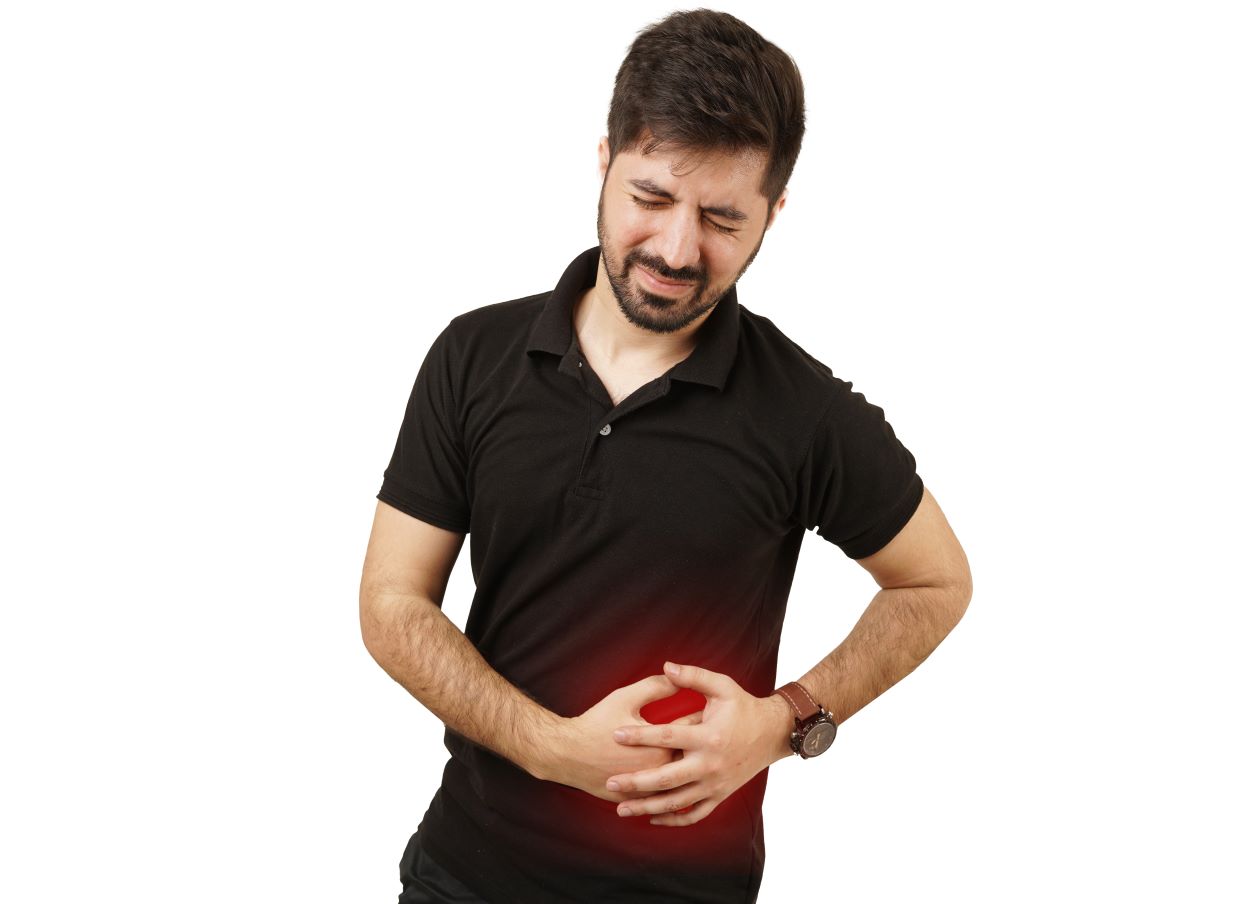
Severe pain in the back or side
-
Pain radiating toward the groin
-
Blood in the urine
-
Burning during urination
-
Frequent urination
-
Nausea and vomiting
-
Difficulty passing urine
-
Cloudy or foul-smelling urine
-
Fever and chills if infection develops
Severe pain accompanied by fever requires urgent medical attention.
How Is a 1.5 cm Kidney Stone Diagnosed?
At Prabhakar Bhurke Clinic, our super specialist nephrologist performs a detailed kidney evaluation.
Medical History and Physical Examination
The doctor reviews:
-
Pain location
-
Previous kidney stones
-
Medical history
-
Family history
-
Current medications
-
Associated urinary symptoms
Blood Tests
Investigations may include:
-
Serum Creatinine
-
Estimated Glomerular Filtration Rate (eGFR)
-
Blood Urea Nitrogen (BUN)
-
Electrolytes
These tests assess kidney function before treatment.
Urine Tests
Urine investigations may include:
-
Urinalysis
-
Urine Culture
-
Urine Microscopy
These tests help detect blood, infection, or crystal formation.
Imaging Studies
Imaging is essential for treatment planning.
Depending on your condition, investigations may include:
-
Kidney Ultrasound
-
CT Scan (preferred for stone evaluation)
-
X-ray KUB in selected cases
These tests determine the exact size, location, and number of stones.
Treatment Options for a 1.5 cm Kidney Stone
The best treatment depends on several factors. Your nephrologist may work with a urologist to recommend the most appropriate procedure.
Extracorporeal Shock Wave Lithotripsy (ESWL)
ESWL uses focused shock waves to break stones into smaller fragments that pass naturally through urine.
It may be suitable for selected patients, although larger stones such as 1.5 cm may sometimes require additional treatment sessions or alternative procedures depending on stone characteristics.
Retrograde Intrarenal Surgery (RIRS)
RIRS is a minimally invasive procedure in which a flexible scope is passed through the urinary tract to reach the kidney. A laser is then used to break the stone into smaller pieces.
RIRS is commonly considered for appropriately selected kidney stones, including some stones around 1.5 cm, depending on their location and other clinical factors.
Percutaneous Nephrolithotomy (PCNL)
PCNL is generally recommended for:
-
Larger kidney stones
-
Complex stones
-
Multiple stones
-
Stones that are less suitable for ESWL or RIRS
A small incision is made in the back to access and remove the stone directly.
Ureteroscopy (URS)
URS is more commonly used for ureteric stones but may also be appropriate in selected situations depending on stone location.
Which Treatment Is Best?
The ideal treatment depends on:
-
Stone size
-
Stone location
-
Stone hardness (composition)
-
Kidney anatomy
-
Presence of infection
-
Kidney function
-
Patient's overall health
A personalized treatment plan is developed after a complete evaluation.
Recovery After Treatment
Recovery varies depending on the procedure performed.
Many patients can:
-
Resume light daily activities within a short period after minimally invasive procedures.
-
Return to normal activities according to their doctor's advice.
-
Attend follow-up imaging to confirm complete stone clearance.
Your doctor will provide individualized recovery instructions.
Preventing Future Kidney Stones
Preventive measures include:
-
Drinking adequate water unless medically restricted.
-
Limiting excess salt intake.
-
Following dietary recommendations.
-
Maintaining a healthy body weight.
-
Managing underlying medical conditions.
-
Taking prescribed medications when indicated.
-
Having regular follow-up appointments.
Stone analysis and metabolic evaluation may help identify the underlying cause and reduce recurrence.
Possible Complications If Left Untreated
A 1.5 cm kidney stone may cause:
-
Persistent severe pain
-
Urinary obstruction
-
Recurrent urinary tract infections
-
Hydronephrosis
-
Reduced kidney function
-
Permanent kidney damage if obstruction continues
Prompt treatment helps prevent these complications.
Why Choose Prabhakar Bhurke Clinic?
Patients trust Prabhakar Bhurke Clinic because we provide:
-
Consultation with a super specialist nephrologist
-
Comprehensive kidney stone evaluation
-
Advanced kidney function testing
-
Personalized treatment planning
-
Long-term kidney stone prevention strategies
-
Dialysis planning and kidney transplant evaluation when required
-
Compassionate, evidence-based, patient-centered care
Our focus is on accurate diagnosis, effective treatment, and protecting long-term kidney health.
Frequently Asked Questions (FAQs)
Can a 1.5 cm kidney stone pass naturally?
A stone measuring 1.5 cm (15 mm) is unlikely to pass naturally and usually requires medical treatment.
Is surgery always required?
Not necessarily. Treatment may include ESWL, RIRS, PCNL, or other procedures depending on the stone's characteristics and your overall health.
Is ESWL suitable for a 1.5 cm kidney stone?
ESWL may be appropriate for some patients, but its success depends on factors such as stone size, location, and composition. Your doctor will recommend the most suitable option after evaluation.
How can I prevent future kidney stones?
Adequate hydration, dietary modifications, management of underlying conditions, and regular medical follow-up can help reduce the risk of recurrence.
Conclusion
A 1.5 cm kidney stone is generally too large to pass on its own and often requires medical intervention. Several effective treatment options—including ESWL, RIRS, PCNL, and ureteroscopy—are available, and the best choice depends on the stone's size, location, composition, and the patient's overall health. Early diagnosis and timely treatment can relieve symptoms, prevent complications, and preserve kidney function.
At Prabhakar Bhurke Clinic, our super specialist nephrologist provides expert diagnosis, comprehensive kidney stone evaluations, personalized treatment planning, long-term stone prevention strategies, dialysis planning, and kidney transplant evaluation. We are committed to helping patients receive the most appropriate treatment while protecting their long-term kidney health.
Book an Appointment Today
If you have a 1.5 cm kidney stone, severe kidney stone pain, blood in the urine, recurrent kidney stones, urinary obstruction, abnormal kidney function tests, or persistent urinary symptoms, schedule a consultation at Prabhakar Bhurke Clinic. Our super specialist nephrologist will perform a comprehensive evaluation, recommend the most appropriate treatment option, and develop a personalized care plan to help you become stone-free and maintain healthy kidneys.