Introduction
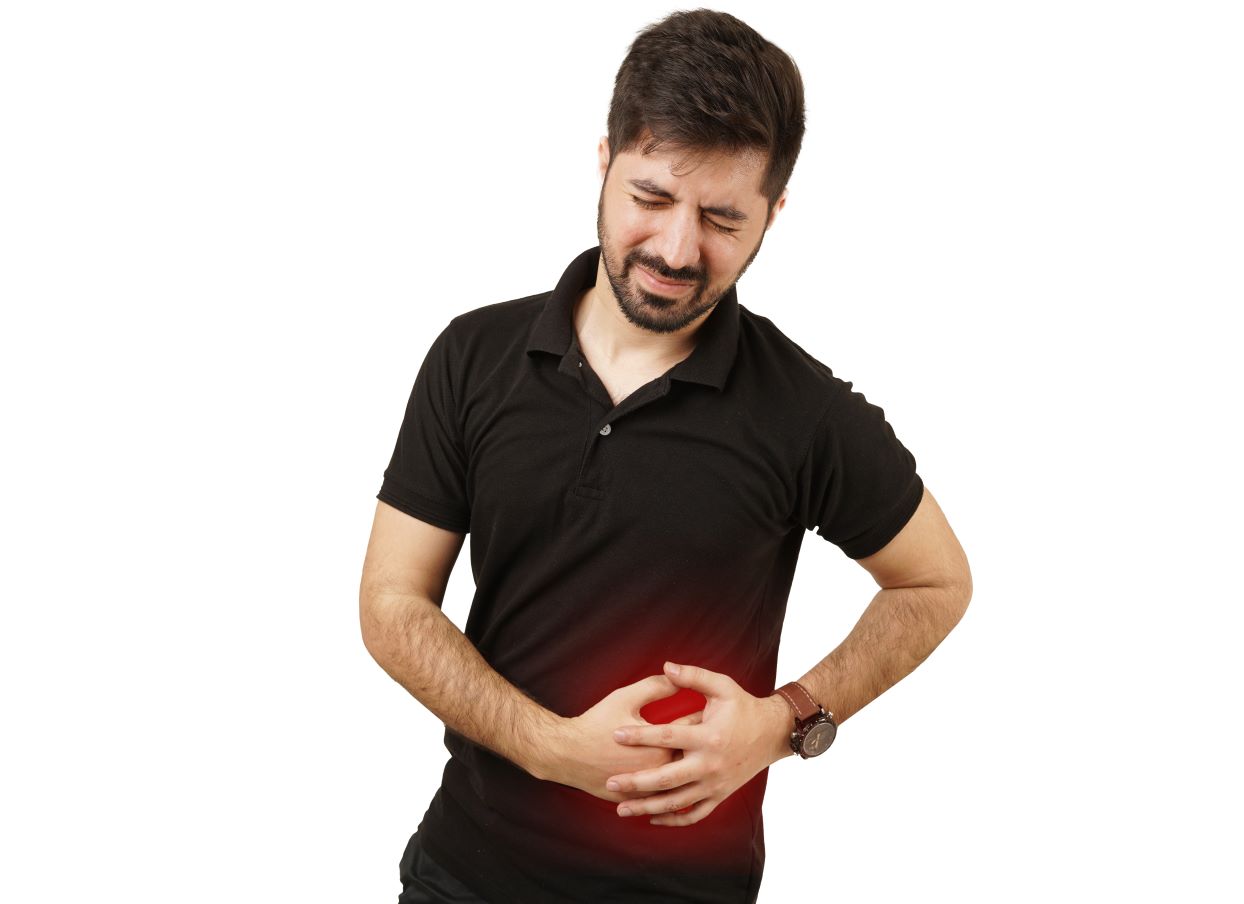
Kidney stones are one of the most common causes of sudden, severe pain in the lower back or side of the body. The pain, known as renal colic, occurs when a stone moves into the urinary tract and blocks the normal flow of urine. Many people search for "kidney stone instant pain relief at home" because the pain can begin unexpectedly and become extremely intense.
Although some home care measures may help reduce discomfort while waiting for medical evaluation, there is no guaranteed instant home remedy that can safely remove a kidney stone. Large stones, severe pain, fever, vomiting, or difficulty passing urine require immediate medical attention.
At Prabhakar Bhurke Clinic, our super specialist nephrologist provides comprehensive kidney stone evaluation, advanced diagnostic testing, personalized treatment plans, kidney stone prevention, dialysis guidance, kidney transplant evaluation, and long-term kidney care.
What Causes Kidney Stone Pain?
Kidney stone pain develops when:
-
A stone blocks the ureter
-
Urine cannot drain normally
-
Pressure builds up inside the kidney
-
The ureter goes into spasm while trying to push the stone forward
The severity of pain does not always indicate the size of the stone.
Symptoms of Kidney Stones
Common symptoms include:
-
Sudden severe pain in the back or side
-
Pain radiating to the lower abdomen or groin
-
Blood in the urine
-
Burning while urinating
-
Frequent urination
-
Nausea
-
Vomiting
-
Difficulty passing urine
-
Cloudy or foul-smelling urine
-
Fever if infection develops
Immediate medical care is needed if fever or urinary obstruction occurs.
Can Kidney Stone Pain Be Relieved at Home?
Some measures may temporarily reduce discomfort while arranging medical evaluation, particularly for small stones.
However, persistent or severe pain should never be managed only at home.
Safe Home Measures That May Help
Stay Hydrated (If Appropriate)
Drinking adequate fluids may help support the natural passage of small kidney stones.
However, patients with kidney failure, heart failure, or fluid restrictions should only increase fluid intake after medical advice.
Rest
Finding a comfortable position and avoiding strenuous activity may help some people cope with pain while awaiting medical evaluation.
Use Prescribed Pain Medication
Take only medicines that have been prescribed or recommended by your doctor.
Avoid self-medicating with painkillers, as some medications (such as certain NSAIDs) may not be suitable for people with kidney disease.
Warm Compress
Applying a warm compress or heating pad to the painful area may help relax muscles and provide temporary comfort.
Avoid excessive heat to prevent burns.
What Should You Avoid?
Avoid:
-
Delaying medical care if pain is severe
-
Taking antibiotics without a prescription
-
Using unproven herbal remedies claiming to dissolve stones instantly
-
Taking excessive painkillers without medical advice
These measures may delay proper treatment and increase the risk of complications.
When Should You Seek Immediate Medical Care?
Consult a doctor immediately if you experience:
-
Severe or unbearable pain
-
Fever or chills
-
Persistent vomiting
-
Blood in the urine
-
Difficulty passing urine
-
Reduced urine output
-
Pain affecting both kidneys
-
Pregnancy with suspected kidney stones
These symptoms may indicate urinary obstruction or infection requiring urgent treatment.
How Are Kidney Stones Diagnosed?
At Prabhakar Bhurke Clinic, our super specialist nephrologist performs a complete kidney stone evaluation.
Medical History and Physical Examination
The doctor reviews:
-
Pain characteristics
-
Urinary symptoms
-
Previous kidney stones
-
Medical history
-
Current medications
-
Family history
Blood Tests
Important investigations include:
-
Serum Creatinine
-
Estimated Glomerular Filtration Rate (eGFR)
-
Blood Urea Nitrogen (BUN)
-
Electrolytes
-
Calcium
-
Uric Acid
These tests evaluate kidney function and possible contributing factors.
Urine Tests
Urine investigations may include:
-
Routine urinalysis
-
Urine culture
-
Urine microscopy
These tests help detect blood, infection, and stone-related abnormalities.
Imaging Studies
Imaging may include:
-
Kidney Ultrasound
-
Non-contrast CT Scan
-
X-ray when appropriate
These studies identify the size, number, and location of kidney stones.
Medical Treatment for Kidney Stones
Treatment depends on the size and location of the stone.
Medications
Your nephrologist may prescribe medicines to:
-
Relieve pain
-
Reduce nausea
-
Help small stones pass naturally
-
Prevent future stone formation
Treatment is individualized.
Minimally Invasive Procedures
Larger stones may require:
-
Extracorporeal Shock Wave Lithotripsy (ESWL)
-
Ureteroscopy with Laser Lithotripsy
-
Percutaneous Nephrolithotomy (PCNL)
Our nephrologist coordinates care with experienced urology specialists whenever procedural treatment is necessary.
Dialysis
Dialysis is rarely required but may become necessary if severe urinary obstruction leads to advanced kidney failure or serious complications.
How to Prevent Future Kidney Stones
Reduce your risk by:
-
Drinking adequate fluids as advised.
-
Limiting excess salt intake.
-
Following a balanced kidney-friendly diet.
-
Maintaining a healthy body weight.
-
Managing diabetes and blood pressure.
-
Following personalized dietary recommendations.
-
Attending regular follow-up appointments.
Preventive care helps reduce stone recurrence.
When Should You Consult a Nephrologist?
Consult a super specialist nephrologist if you have:
-
Recurrent kidney stones
-
Persistent flank pain
-
Blood in the urine
-
High creatinine levels
-
Reduced eGFR
-
Frequent urinary tract infections
-
Kidney stone history with worsening symptoms
Early specialist care protects kidney function.
Why Choose Prabhakar Bhurke Clinic?
Patients trust Prabhakar Bhurke Clinic because we provide:
-
Consultation with a super specialist nephrologist
-
Comprehensive kidney stone evaluation
-
Advanced kidney function testing
-
Personalized treatment plans
-
Expertise in kidney stones and chronic kidney disease
-
Kidney stone prevention counseling
-
Coordination with experienced urology specialists
-
Dialysis planning and kidney transplant evaluation
-
Compassionate, evidence-based patient care
Our goal is to provide rapid pain relief, preserve kidney function, and prevent future kidney stones.
Frequently Asked Questions (FAQs)
Is there an instant home remedy that removes kidney stones?
No. There is no scientifically proven home remedy that instantly removes kidney stones. Home measures may temporarily reduce discomfort, but proper medical evaluation is often necessary.
Can drinking water stop kidney stone pain?
Hydration may help support the passage of small stones, but it does not provide immediate pain relief or remove larger stones.
Should I take painkillers without consulting a doctor?
No. Some pain medications may not be safe for people with kidney disease. Always follow your doctor's advice.
Which doctor should I consult for kidney stones?
A super specialist nephrologist evaluates kidney function, diagnoses kidney stones, provides medical treatment, and coordinates care with urology specialists when procedures are required.
Conclusion
People searching for kidney stone instant pain relief at home should understand that while hydration, rest, prescribed pain medication, and warm compresses may provide temporary comfort, they do not eliminate the underlying kidney stone. Severe pain, fever, urinary obstruction, or persistent vomiting requires immediate medical attention. Early diagnosis and appropriate treatment help relieve symptoms, prevent kidney damage, and reduce the risk of future stones.
At Prabhakar Bhurke Clinic, our super specialist nephrologist provides expert diagnosis, comprehensive kidney stone evaluation, personalized treatment plans, kidney stone prevention counseling, dialysis guidance, kidney transplant evaluation, and long-term kidney care. Through evidence-based treatment and compassionate care, we are committed to helping patients recover safely while protecting their kidney health.
Book an Appointment Today
If you are experiencing severe kidney stone pain, blood in the urine, recurrent kidney stones, high creatinine levels, reduced eGFR, urinary obstruction, or symptoms of a kidney stone, schedule a consultation at Prabhakar Bhurke Clinic. Our super specialist nephrologist will perform a comprehensive evaluation, identify the underlying cause, and develop a personalized treatment plan to relieve pain, remove the stone safely, and protect your kidneys.