Introduction
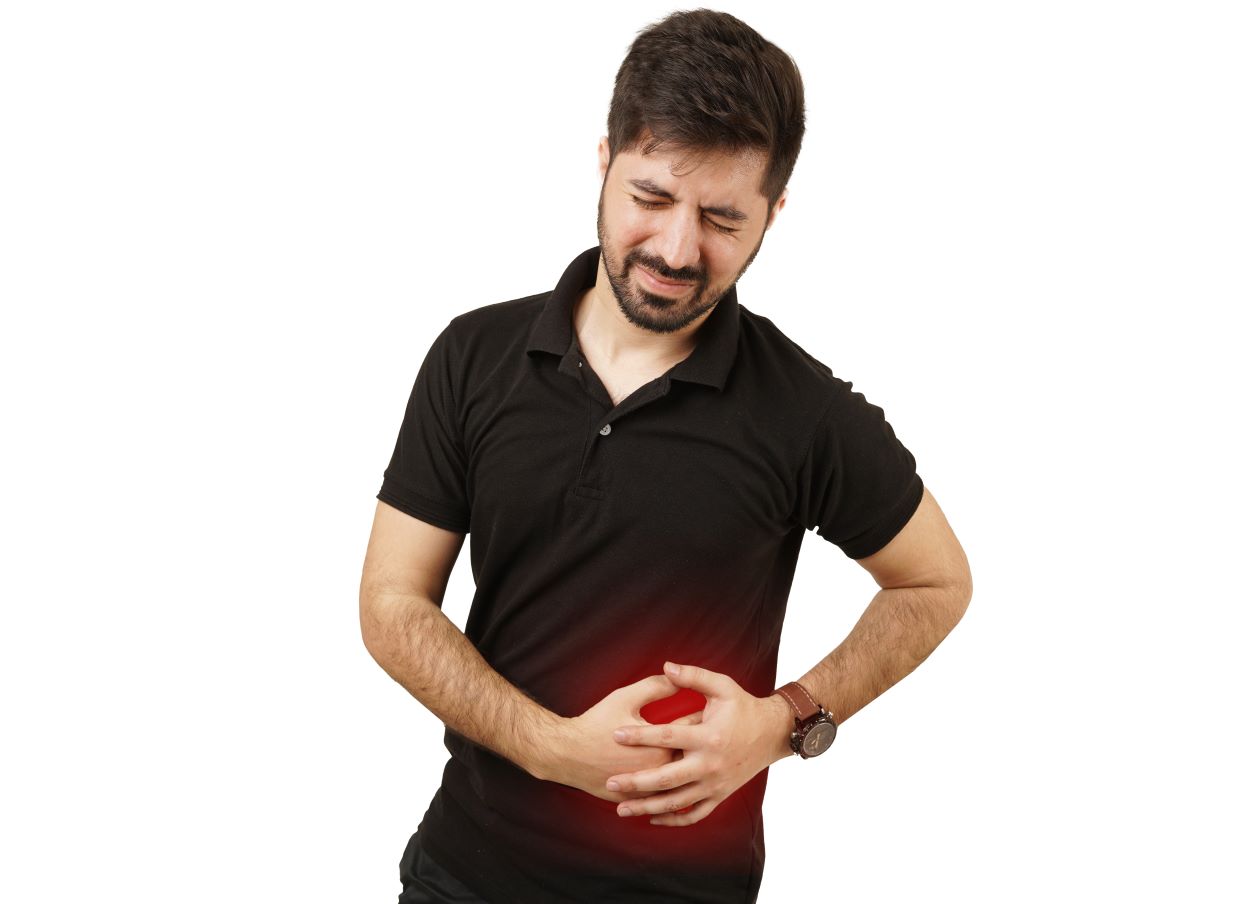
Kidney stones are hard deposits made of minerals and salts that form inside the kidneys or urinary tract. They can cause severe pain, urinary discomfort, blood in urine, and difficulty passing urine. Many patients search for “kidney stone without surgery” because they want to know whether stones can be treated naturally or with medicines without undergoing an operation.
The possibility of treating kidney stones without surgery depends on several factors, including:
-
Stone size
-
Stone location
-
Type of stone
-
Symptoms
-
Kidney function
-
Presence of blockage or infection
Small kidney stones often pass naturally with proper medical guidance, while larger or complicated stones may require procedures.
At Prabhakar Bhurke Clinic, our super specialist nephrologist provides comprehensive kidney stone evaluation, advanced diagnostic testing, personalized treatment plans, kidney function monitoring, and long-term stone prevention guidance.
Can Kidney Stones Be Treated Without Surgery?
Yes, some kidney stones can be treated without surgery, especially when they are:
-
Small in size
-
Not causing severe blockage
-
Not associated with serious infection
-
Likely to pass naturally
Non-surgical treatment focuses on:
-
Helping the stone pass naturally
-
Managing pain
-
Preventing complications
-
Reducing the chance of future stones
However, every kidney stone requires proper evaluation before deciding the treatment approach.
Factors That Decide Kidney Stone Treatment Without Surgery
A nephrologist considers several factors before recommending non-surgical treatment.
Stone Size
Small stones are more likely to pass naturally compared with large stones.
Stone Location
Stones located closer to the bladder may have a higher chance of passing naturally than stones located higher in the urinary tract.
Symptoms
Severe pain, repeated infections, or urine blockage may require faster intervention.
Kidney Function
If kidney function is affected, timely treatment becomes important to prevent damage.
Non-Surgical Treatment Options for Kidney Stones
1. Medicines for Kidney Stone Passage
For selected small stones, doctors may prescribe medicines that help relax the urinary tract and improve the chances of stone passage.
Medicines may help:
-
Reduce ureter spasm
-
Decrease pain
-
Support natural stone movement
Medicines should only be taken after medical evaluation.
2. Pain Management
Kidney stones can cause intense pain due to movement and urinary tract irritation.
Doctors may recommend appropriate pain-relieving medicines based on:
-
Kidney function
-
Overall health
-
Medical history
Self-medication should be avoided, especially with kidney problems.
3. Adequate Fluid Intake
Drinking sufficient water may help some small stones pass naturally.
However, fluid intake should be based on medical advice, especially in patients with:
-
Kidney failure
-
Heart disease
-
Fluid restrictions
4. Dietary Changes
Diet plays an important role in kidney stone prevention.
Recommendations may include:
-
Reducing excess salt intake
-
Maintaining balanced calcium intake
-
Avoiding excessive processed foods
-
Following stone-specific dietary advice
Can Kidney Stones Dissolve Naturally?
The ability of a kidney stone to dissolve depends on the type of stone.
Uric Acid Stones
Some uric acid stones may dissolve with specific medical treatment that changes urine chemistry.
Calcium Stones
Most calcium stones do not dissolve easily with medicines and may require natural passage, monitoring, or procedures depending on size and symptoms.
Symptoms of Kidney Stones
Kidney stones may cause:
-
Severe side or back pain
-
Pain spreading to lower abdomen or groin
-
Blood in urine
-
Frequent urination
-
Burning while urinating
-
Nausea and vomiting
-
Difficulty passing urine
-
Fever and chills if infection occurs
Seek urgent medical attention if severe symptoms occur.
How Are Kidney Stones Diagnosed?
At Prabhakar Bhurke Clinic, our super specialist nephrologist performs a complete kidney stone evaluation.
Medical History Assessment
The doctor reviews:
-
Pain symptoms
-
Urinary complaints
-
Previous stone history
-
Diet and lifestyle
-
Medical conditions
Urine Tests
Urine investigations may include:
-
Routine urine analysis
-
Urine culture
-
Stone risk assessment
These help identify infection, blood, and crystal formation.
Blood Tests
Blood investigations may include:
-
Serum creatinine
-
Kidney function tests
-
Calcium levels
-
Uric acid levels
-
Electrolytes
Imaging Tests
Imaging helps determine:
-
Stone size
-
Stone location
-
Kidney swelling
-
Urinary obstruction
Tests may include:
-
Kidney ultrasound
-
CT scan when required
When Is Surgery or a Procedure Needed?
Non-surgical treatment may not be enough when kidney stones are:
-
Large in size
-
Blocking urine flow
-
Causing repeated infections
-
Causing kidney swelling
-
Not passing naturally
-
Affecting kidney function
Treatment options may include:
ESWL (Shock Wave Lithotripsy)
Uses shock waves to break stones into smaller fragments.
Ureteroscopy With Laser Lithotripsy
A thin instrument is used to reach and break stones using laser energy.
PCNL (Percutaneous Nephrolithotomy)
Used for large or complex kidney stones.
Prevention of Kidney Stones Without Surgery
Preventing recurrence is an important part of kidney stone care.
Helpful measures include:
-
Drinking enough fluids as advised
-
Reducing salt intake
-
Maintaining a balanced diet
-
Managing body weight
-
Controlling medical conditions
-
Following stone-specific diet recommendations
-
Regular kidney check-ups
When Should You Consult a Nephrologist?
Consult a super specialist nephrologist if you have:
-
Recurrent kidney stones
-
Severe flank pain
-
Blood in urine
-
Urinary blockage
-
Fever with urinary symptoms
-
High creatinine levels
-
Reduced kidney function
Early evaluation helps prevent complications.
Why Choose Prabhakar Bhurke Clinic?
Patients trust Prabhakar Bhurke Clinic because we provide:
-
Consultation with a super specialist nephrologist
-
Complete kidney stone evaluation
-
Advanced diagnostic testing
-
Personalized treatment plans
-
Non-surgical kidney stone management guidance
-
Stone prevention strategies
-
Kidney function monitoring
-
Dialysis and kidney transplant evaluation when required
-
Compassionate, evidence-based kidney care
Our goal is to provide safe and effective treatment while protecting long-term kidney health.
Frequently Asked Questions (FAQs)
Can kidney stones go away without surgery?
Yes. Small kidney stones may pass naturally with medicines, proper hydration, and monitoring.
How long does it take for a kidney stone to pass naturally?
The time varies depending on stone size, location, and individual health conditions.
Can all kidney stones be treated without surgery?
No. Large stones, blocked stones, infected stones, or stones affecting kidney function may require procedures.
Which doctor treats kidney stones without surgery?
A super specialist nephrologist evaluates kidney stones, kidney function, and recommends the most appropriate treatment approach.
Conclusion
Kidney stone without surgery treatment is possible in many cases, especially for small stones that can pass naturally with proper medical guidance. Early diagnosis, medication support, lifestyle changes, and regular monitoring can help manage kidney stones effectively.
At Prabhakar Bhurke Clinic, our super specialist nephrologist provides expert kidney stone evaluation, non-surgical treatment guidance, advanced diagnostics, and personalized kidney care. With timely treatment and preventive strategies, patients can reduce complications and maintain better kidney health.
Book an Appointment Today
If you are experiencing kidney stone pain, frequent urination, blood in urine, urinary discomfort, recurrent stones, or want to explore kidney stone treatment without surgery, schedule a consultation at Prabhakar Bhurke Clinic. Our super specialist nephrologist will evaluate your condition and recommend the most suitable treatment plan.