Introduction
Kidney stone pain is one of the most intense types of pain caused by urinary conditions. It often occurs suddenly when a stone moves through the urinary tract, causing irritation, blockage, and pressure inside the kidney or ureter.
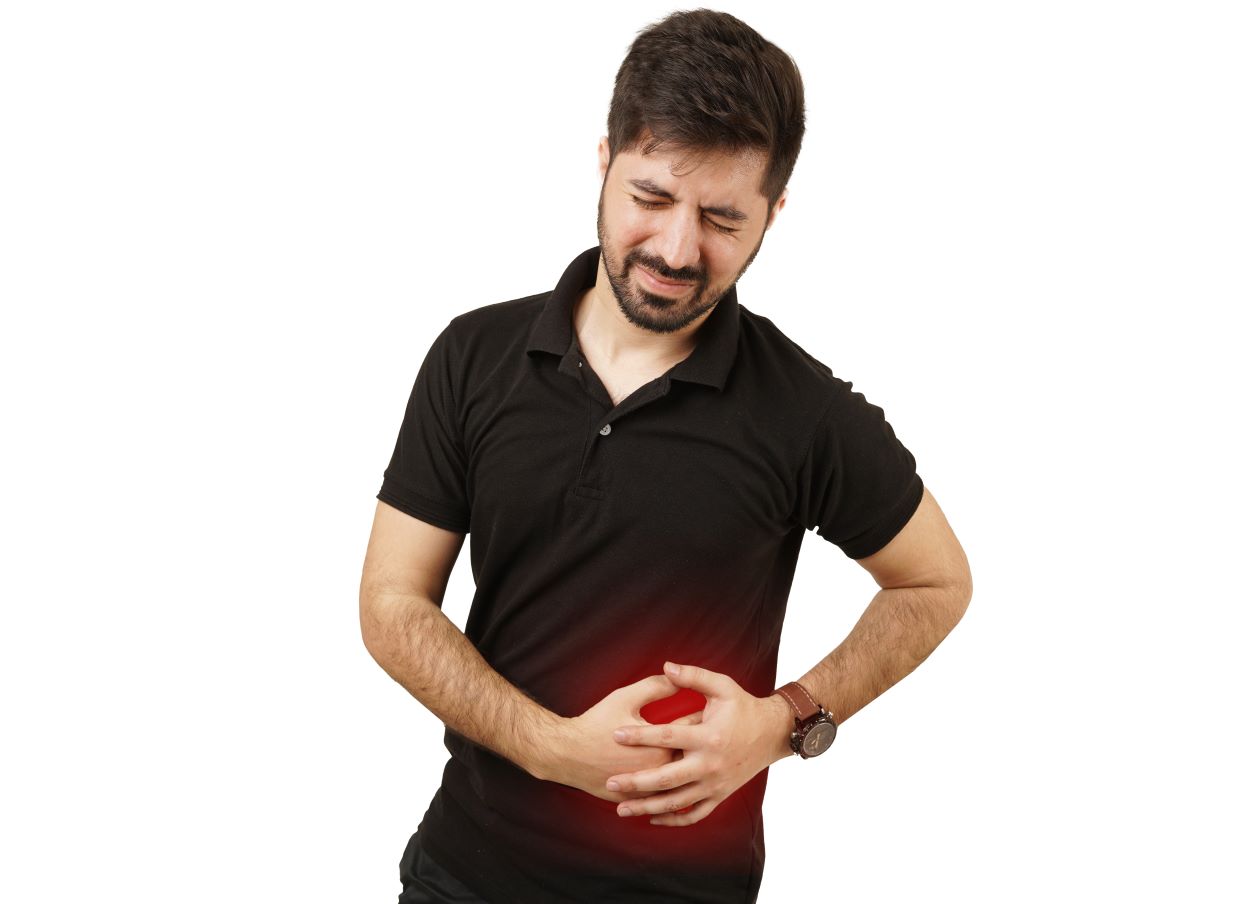
Many patients search for an “immediate remedy for kidney stone pain” when they experience sudden severe pain in the side, back, or lower abdomen. While temporary relief measures may help reduce discomfort, proper medical evaluation is important to identify the stone size, location, and risk of complications.
At Prabhakar Bhurke Clinic, our super specialist nephrologist provides comprehensive kidney stone evaluation, advanced diagnostic testing, personalized treatment plans, pain management guidance, and long-term kidney care.
Why Does Kidney Stone Pain Occur?
Kidney stones cause pain mainly due to:
-
Movement of the stone through the ureter
-
Stretching of the urinary tract
-
Blockage of urine flow
-
Inflammation and irritation around the stone
The pain may come in waves and can spread from the back or side toward the lower abdomen and groin.
Immediate Remedies for Kidney Stone Pain Relief
While medical consultation is important, some measures may provide temporary comfort.
1. Take Doctor-Recommended Pain Relief Medicines
Pain medicines prescribed by a healthcare professional can help reduce kidney stone discomfort.
The choice of medicine depends on:
-
Kidney function
-
Other medical conditions
-
Severity of pain
-
Current medications
Avoid taking random painkillers without medical advice, as some medicines can affect kidney function.
2. Apply a Warm Compress
A warm heating pad or warm compress on the painful area may help:
-
Relax muscles
-
Reduce discomfort
-
Provide temporary relief
Avoid excessive heat if there are signs of infection such as fever.
3. Maintain Adequate Hydration as Advised
Drinking water may help some small stones pass naturally.
However, excessive water intake during severe blockage may worsen discomfort in some cases.
Fluid intake should be based on medical advice, especially for patients with:
-
Kidney failure
-
Heart disease
-
Fluid restrictions
4. Rest and Change Position Comfortably
Changing body position and resting may help some patients manage discomfort while waiting for medical evaluation.
Symptoms of Kidney Stone Pain
Kidney stones may cause:
-
Sudden severe pain in the side or back
-
Pain spreading to the lower abdomen or groin
-
Blood in urine
-
Burning while urinating
-
Frequent urination
-
Nausea and vomiting
-
Difficulty passing urine
-
Fever and chills (may indicate infection)
Severe symptoms require urgent medical attention.
When Is Kidney Stone Pain an Emergency?
Seek immediate medical care if kidney stone pain occurs with:
-
Fever or chills
-
Severe uncontrolled pain
-
Persistent vomiting
-
Difficulty passing urine
-
Reduced urine output
-
Blood in urine
-
Swelling
-
Known kidney disease
These symptoms may indicate infection or urinary blockage requiring urgent treatment.
How Are Kidney Stones Diagnosed?
At Prabhakar Bhurke Clinic, our super specialist nephrologist performs a detailed evaluation.
Medical History and Examination
The doctor evaluates:
-
Pain location and severity
-
Urinary symptoms
-
Previous kidney stones
-
Medical history
-
Diet and lifestyle factors
Urine Tests
Urine tests may include:
-
Routine urine analysis
-
Urine culture
-
Microscopic examination
These help detect:
-
Blood
-
Infection
-
Crystal formation
Blood Tests
Blood investigations may include:
-
Serum creatinine
-
Kidney function tests
-
Calcium levels
-
Uric acid levels
-
Electrolytes
Imaging Tests
Imaging helps identify:
-
Stone size
-
Stone location
-
Kidney swelling
-
Urinary blockage
Common tests include:
-
Kidney ultrasound
-
CT scan when required
Treatment Options for Kidney Stones
Treatment depends on:
-
Stone size
-
Location
-
Symptoms
-
Kidney function
-
Presence of blockage
1. Medicines for Small Stones
Small kidney stones may pass naturally with:
-
Pain management medicines
-
Medicines that relax the ureter
-
Monitoring
-
Lifestyle changes
2. ESWL (Shock Wave Lithotripsy)
ESWL uses external shock waves to break stones into smaller pieces.
It is a non-invasive treatment option for selected stones.
3. Ureteroscopy With Laser Lithotripsy
This procedure uses a thin instrument to reach the stone and break it using laser energy.
It may be recommended for stones that:
-
Do not pass naturally
-
Cause obstruction
-
Cause repeated symptoms
4. PCNL (Percutaneous Nephrolithotomy)
PCNL is used for:
-
Large kidney stones
-
Multiple stones
-
Complex stones
How to Prevent Future Kidney Stone Pain
Preventive measures include:
-
Drinking adequate fluids as advised
-
Reducing salt intake
-
Maintaining a balanced diet
-
Avoiding excessive processed foods
-
Managing body weight
-
Treating urinary infections promptly
-
Following stone-specific dietary advice
When Should You Consult a Nephrologist?
Consult a super specialist nephrologist if you experience:
-
Recurrent kidney stone pain
-
Frequent urinary symptoms
-
Blood in urine
-
Kidney swelling
-
High creatinine levels
-
Reduced kidney function
-
Previous history of stones
Early evaluation helps prevent kidney damage.
Why Choose Prabhakar Bhurke Clinic?
Patients trust Prabhakar Bhurke Clinic because we provide:
-
Consultation with a super specialist nephrologist
-
Comprehensive kidney stone evaluation
-
Advanced diagnostic facilities
-
Personalized treatment plans
-
Kidney stone pain management guidance
-
Prevention strategies for recurrent stones
-
Kidney function monitoring
-
Dialysis and kidney transplant evaluation when required
-
Compassionate, evidence-based kidney care
Our goal is to provide timely relief, accurate diagnosis, and long-term kidney protection.
Frequently Asked Questions (FAQs)
What is the fastest way to relieve kidney stone pain?
Doctor-recommended pain medication, warm compresses, and proper medical evaluation can help manage kidney stone pain. Severe pain requires professional care.
Can kidney stone pain go away on its own?
Yes, pain may improve if a small stone passes naturally, but recurring or severe pain requires evaluation.
Should I drink lots of water during kidney stone pain?
Hydration is important, but excessive water intake during blockage may worsen discomfort. Follow medical advice.
When should I visit a kidney specialist for stone pain?
Seek specialist care for severe pain, repeated stones, blood in urine, fever, urinary blockage, or abnormal kidney tests.
Conclusion
Finding an immediate remedy for kidney stone pain can provide temporary relief, but identifying and treating the underlying cause is essential for long-term kidney health. Small stones may pass naturally with proper medical guidance, while larger or complicated stones may require advanced treatment.
At Prabhakar Bhurke Clinic, our super specialist nephrologist provides expert kidney stone evaluation, pain management guidance, advanced diagnostics, and personalized treatment plans. With timely medical care and preventive strategies, patients can reduce complications and protect kidney function.
Book an Appointment Today
If you are experiencing severe kidney stone pain, flank pain, blood in urine, frequent urination, urinary blockage, recurrent stones, or need immediate kidney stone guidance, schedule a consultation at Prabhakar Bhurke Clinic. Our super specialist nephrologist will evaluate your condition and recommend the most suitable treatment approach.