Introduction
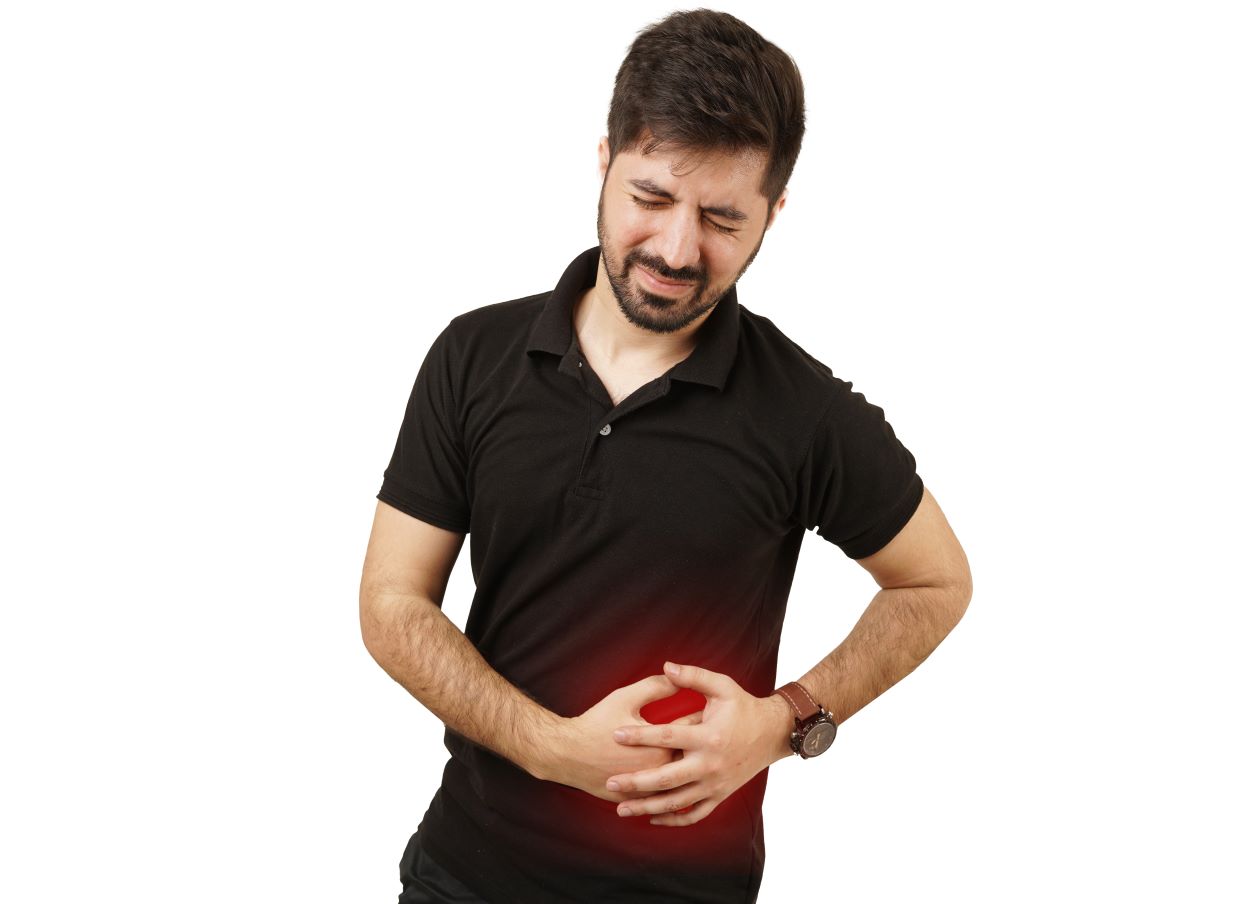
Stabbing pain in the kidney area can be alarming and should never be ignored, especially if it occurs suddenly, becomes severe, or is accompanied by urinary symptoms. Kidney-related pain is often felt in the flank region, below the ribs and on either side of the spine. A sharp or stabbing sensation may indicate a kidney stone, kidney infection, urinary blockage, or another kidney-related condition that requires medical evaluation.
While not every episode of stabbing back pain is caused by the kidneys, distinguishing kidney pain from muscle or spine-related pain is important because delayed treatment may increase the risk of complications.
At Prabhakar Bhurke Clinic, our super specialist nephrologist provides comprehensive kidney evaluations, advanced diagnostic testing, personalized treatment plans, kidney stone management, dialysis guidance, and long-term kidney care.
Where Is Kidney Pain Felt?
Kidney pain is usually located:
-
On one or both sides of the back
-
Below the rib cage
-
In the flank area
-
Sometimes radiating to the lower abdomen or groin
Kidney pain is often deeper than muscle pain and may not improve with changes in body position.
Common Causes of Stabbing Kidney Pain
Several kidney and urinary conditions can cause sharp or stabbing pain.
Kidney Stones
Kidney stones are one of the most common causes of severe stabbing kidney pain.
Symptoms may include:
-
Sudden intense flank pain
-
Pain spreading to the groin
-
Blood in the urine
-
Nausea and vomiting
-
Frequent urination
-
Burning during urination
Pain often occurs when a stone moves through the ureter.
Kidney Infection (Pyelonephritis)
A kidney infection can cause:
-
Stabbing or severe flank pain
-
Fever and chills
-
Burning while urinating
-
Frequent urination
-
Cloudy or foul-smelling urine
-
Fatigue
Kidney infections require prompt treatment to prevent kidney damage.
Urinary Tract Obstruction
A blockage in urine flow can increase pressure inside the kidney and cause severe pain.
Common causes include:
-
Kidney stones
-
Narrowing of the ureter
-
Enlarged prostate (in men)
-
Other urinary tract abnormalities
Hydronephrosis
Hydronephrosis occurs when urine backs up into the kidney, causing swelling and discomfort.
Symptoms may include:
-
Sharp kidney pain
-
Pressure sensation
-
Urinary changes
-
Kidney swelling on imaging tests
Kidney Cysts
Large kidney cysts may cause:
-
Localized flank pain
-
Pressure sensation
-
Back discomfort
-
Blood in the urine
Polycystic Kidney Disease
This inherited condition may cause:
-
Persistent kidney pain
-
Enlarged kidneys
-
High blood pressure
-
Recurrent urinary infections
-
Blood in the urine
Kidney Pain vs Muscle Pain
A stabbing sensation in the back is not always caused by the kidneys.
Kidney Pain
Usually:
-
Deep and internal
-
Located below the ribs
-
May occur with urinary symptoms
-
May be associated with fever, nausea, or blood in urine
-
Often persists despite position changes
Muscle Pain
Usually:
-
Worsens with movement
-
Improves with rest
-
Feels tender when touched
-
Changes with posture
Medical evaluation helps determine the exact cause.
Symptoms That Require Immediate Medical Attention
Seek urgent medical care if stabbing kidney pain occurs with:
-
Fever or chills
-
Blood in the urine
-
Severe or unbearable pain
-
Difficulty passing urine
-
Reduced urine output
-
Persistent vomiting
-
Swelling of the legs or face
-
High blood pressure
-
Known kidney disease
These symptoms may indicate a serious kidney condition requiring prompt treatment.
How Is Stabbing Kidney Pain Diagnosed?
At Prabhakar Bhurke Clinic, our super specialist nephrologist performs a detailed kidney evaluation.
Medical History and Physical Examination
The doctor reviews:
-
Pain location and severity
-
Duration of symptoms
-
Urinary complaints
-
Previous kidney stones
-
Medical history
-
Current medications
Blood Tests
Kidney function tests may include:
-
Serum creatinine
-
Estimated Glomerular Filtration Rate (eGFR)
-
Blood Urea Nitrogen (BUN)
-
Electrolytes
-
Complete Blood Count (CBC)
These tests help evaluate kidney function and detect infection.
Urine Tests
Urine investigations may include:
-
Routine urinalysis
-
Urine culture
-
Urine microscopy
-
Protein testing
These help identify blood, infection, and kidney abnormalities.
Imaging Studies
Imaging helps identify the cause of kidney pain.
Tests may include:
-
Kidney ultrasound
-
Non-contrast CT scan
-
X-ray when required
These can detect kidney stones, obstruction, cysts, or structural abnormalities.
Treatment for Stabbing Kidney Pain
Treatment depends on the underlying cause.
Kidney Stone Treatment
Small stones may be managed with:
-
Pain relief
-
Medicines to help stone passage
-
Hydration guidance
-
Monitoring
Larger stones may require:
-
ESWL (Shock Wave Lithotripsy)
-
Ureteroscopy with Laser Lithotripsy
-
PCNL for large stones
Kidney Infection Treatment
Treatment may include:
-
Appropriate antibiotics
-
Pain management
-
Kidney function monitoring
Urinary Obstruction Treatment
Restoring urine flow is essential to relieve pressure and protect kidney function.
Chronic Kidney Disease Management
Long-term treatment may include:
-
Blood pressure control
-
Diabetes management
-
Kidney-protective medicines
-
Diet planning
-
Regular monitoring
Lifestyle Tips to Protect Kidney Health
Protect your kidneys by:
-
Drinking adequate fluids unless medically restricted
-
Controlling blood pressure
-
Managing diabetes
-
Reducing salt intake
-
Avoiding unnecessary painkillers
-
Maintaining a healthy weight
-
Treating urinary infections promptly
-
Attending regular kidney check-ups
When Should You See a Nephrologist?
Consult a super specialist nephrologist if you have:
-
Persistent stabbing kidney pain
-
Recurrent kidney stones
-
Blood in urine
-
Frequent urinary infections
-
Increased creatinine levels
-
Reduced eGFR
-
Swelling
-
High blood pressure
Early specialist care helps protect kidney function.
Why Choose Prabhakar Bhurke Clinic?
Patients trust Prabhakar Bhurke Clinic because we provide:
-
Consultation with a super specialist nephrologist
-
Comprehensive kidney evaluations
-
Advanced diagnostic facilities
-
Personalized treatment plans
-
Kidney stone diagnosis and management
-
Chronic kidney disease care
-
Dialysis planning and kidney transplant evaluation
-
Compassionate, evidence-based kidney care
Our goal is to identify the cause of kidney pain early and provide effective treatment to protect long-term kidney health.
Frequently Asked Questions (FAQs)
What causes stabbing pain in the kidney area?
Common causes include kidney stones, kidney infections, urinary obstruction, hydronephrosis, kidney cysts, and other kidney disorders.
Is stabbing kidney pain always caused by a kidney stone?
No. Kidney infections, urinary blockage, and other kidney conditions can also cause sharp kidney pain.
Can kidney pain go away on its own?
Some mild causes may improve, but severe or persistent kidney pain requires medical evaluation.
Which doctor treats stabbing kidney pain?
A super specialist nephrologist specializes in diagnosing kidney pain, kidney stones, infections, and kidney function disorders.
Conclusion
Stabbing pain in the kidney area can be a warning sign of kidney stones, kidney infections, urinary obstruction, or other kidney disorders. Because kidney pain can sometimes resemble ordinary back pain, proper diagnosis is essential to identify the underlying cause and prevent complications.
At Prabhakar Bhurke Clinic, our super specialist nephrologist provides expert kidney evaluation, advanced diagnostic testing, personalized treatment plans, kidney stone management, and comprehensive kidney care. Early diagnosis and timely treatment can help relieve symptoms and protect long-term kidney function.
Book an Appointment Today
If you are experiencing stabbing kidney pain, severe flank pain, blood in urine, frequent urination, urinary blockage, recurrent kidney stones, or abnormal kidney test results, schedule a consultation at Prabhakar Bhurke Clinic. Our super specialist nephrologist will evaluate your condition and create a personalized treatment plan for better kidney health.