Introduction
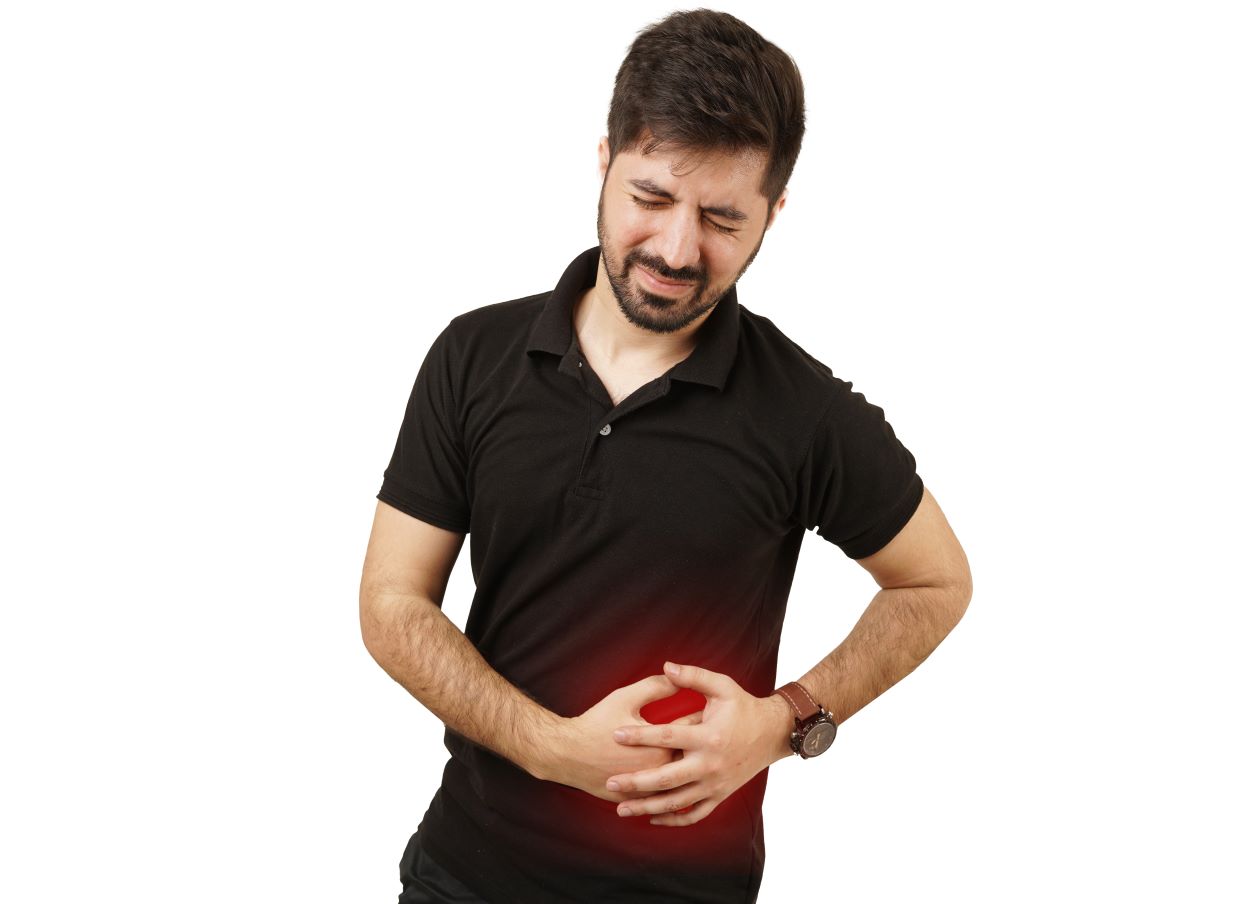
Stone problem (Kidney Stone) is a common urinary condition that occurs when minerals and salts in the urine form hard deposits inside the kidneys or urinary tract. Kidney stones can cause severe pain, urinary problems, infections, and sometimes blockage of urine flow.
The right stone problem treatment depends on the size, location, type of stone, symptoms, and overall kidney function. While some small stones may pass naturally with medicines and proper hydration, larger stones often require advanced procedures for safe removal.
At Prabhakar Bhurke Clinic, our super specialist nephrologist provides comprehensive kidney stone evaluation, advanced diagnosis, personalized treatment planning, kidney function monitoring, dialysis guidance, and long-term prevention strategies.
What Is a Kidney Stone?
A kidney stone is a hard crystal-like deposit formed from substances present in urine.
Common types of kidney stones include:
-
Calcium stones
-
Uric acid stones
-
Struvite stones
-
Cystine stones
Stones may develop in:
-
Kidney
-
Ureter (tube connecting kidney to bladder)
-
Urinary tract
Causes of Kidney Stones
Several factors can increase the risk of stone formation.
Low Water Intake
Not drinking enough fluids makes urine more concentrated, increasing the chance of stone formation.
High Salt Intake
Excess salt can increase calcium levels in urine and promote stone formation.
Dietary Factors
Certain dietary habits may increase risk, including:
-
Excess animal protein
-
High oxalate foods in susceptible individuals
-
Poor dietary balance
Family History
People with a family history of kidney stones may have a higher risk.
Medical Conditions
Conditions associated with kidney stones include:
-
Obesity
-
Gout
-
Metabolic disorders
-
Certain digestive diseases
Symptoms of Kidney Stones
Symptoms depend on stone size and location.
Common symptoms include:
Severe Pain
Kidney stone pain may occur in:
-
Side of the back
-
Lower abdomen
-
Flank area
-
Groin
Pain may come in waves and can be intense.
Urinary Symptoms
Patients may experience:
-
Burning while urinating
-
Frequent urination
-
Difficulty passing urine
-
Blood in urine
Nausea and Vomiting
Severe kidney stone pain may cause:
-
Nausea
-
Vomiting
-
Abdominal discomfort
Fever and Chills
Fever with kidney stone symptoms may indicate infection and requires urgent medical attention.
When Should You Seek Immediate Treatment?
Consult a doctor immediately if you have:
-
Severe unbearable pain
-
Fever with chills
-
Blood in urine
-
Difficulty passing urine
-
Reduced urine output
-
Repeated kidney stones
Early treatment prevents complications.
How Are Kidney Stones Diagnosed?
At Prabhakar Bhurke Clinic, our super specialist nephrologist performs a detailed evaluation.
Medical History and Examination
The doctor reviews:
-
Pain symptoms
-
Previous stone history
-
Diet and lifestyle
-
Medical conditions
-
Medications
Blood Tests
Tests may include:
-
Serum Creatinine
-
Kidney function tests
-
Calcium levels
-
Uric acid levels
-
Electrolytes
Urine Tests
Urine tests help detect:
-
Blood in urine
-
Infection
-
Crystal formation
-
Protein abnormalities
Imaging Tests
Imaging helps identify:
-
Stone size
-
Stone location
-
Kidney blockage
Common tests include:
-
Kidney ultrasound
-
Non-contrast CT scan
-
X-ray when required
Stone Problem Treatment Options
Treatment depends on the size and location of the stone.
1. Medicines for Small Kidney Stones
Small stones may pass naturally with:
-
Adequate fluids
-
Pain-relieving medicines
-
Medicines that relax the urinary tract
Medical treatment is decided based on the patient’s condition.
2. ESWL (Shock Wave Lithotripsy)
Extracorporeal Shock Wave Lithotripsy (ESWL) uses sound waves to break kidney stones into smaller pieces.
Benefits:
-
Non-invasive procedure
-
No major incision
-
Suitable for selected stones
3. Laser Lithotripsy
Laser treatment uses a thin scope and laser energy to break stones into small fragments.
Benefits:
-
Minimally invasive
-
Effective for ureter and kidney stones
-
Faster recovery
4. Ureteroscopy (URS)
During ureteroscopy:
-
A small camera is passed through the urinary passage
-
The stone is identified
-
The stone is removed or broken using laser
5. PCNL Surgery for Large Stones
Percutaneous Nephrolithotomy (PCNL) is commonly used for large kidney stones.
During PCNL:
-
A small opening is made in the back
-
The stone is broken
-
Stone fragments are removed
It is highly effective for large or complex stones.
Lifestyle Changes to Prevent Kidney Stones
Preventing future stones is an important part of stone problem treatment.
Drink Enough Water
Adequate hydration helps dilute urine and reduce stone formation.
Reduce Salt Intake
Lower salt consumption helps reduce calcium loss in urine.
Maintain a Balanced Diet
Healthy eating includes:
-
Proper calcium intake
-
Moderate protein intake
-
Fresh fruits and vegetables
Maintain Healthy Weight
Obesity can increase the risk of kidney stones.
Follow Medical Advice
Patients with repeated stones may require:
-
Stone analysis
-
Metabolic evaluation
-
Customized prevention plan
Can Kidney Stones Damage the Kidney?
Yes. Untreated kidney stones may cause:
-
Urinary blockage
-
Kidney swelling (hydronephrosis)
-
Recurrent infections
-
Reduced kidney function
Early diagnosis and treatment help protect kidney health.
When Should You Visit a Nephrologist?
Consult a super specialist nephrologist if you have:
-
Recurrent kidney stones
-
High creatinine levels
-
Kidney pain
-
Blood in urine
-
Urinary infection
-
Kidney swelling
-
Reduced kidney function
Why Choose Prabhakar Bhurke Clinic?
Patients trust Prabhakar Bhurke Clinic because we provide:
-
Consultation with a super specialist nephrologist
-
Complete kidney stone evaluation
-
Advanced diagnostic facilities
-
Personalized treatment plans
-
Kidney function assessment
-
Stone prevention guidance
-
Dialysis planning when required
-
Kidney transplant evaluation
-
Long-term kidney health monitoring
Our goal is to provide effective stone problem treatment while protecting kidney function and preventing recurrence.
Frequently Asked Questions (FAQs)
Can kidney stones be treated without surgery?
Yes. Small stones may be treated with medicines, hydration, and monitoring. Larger stones may require procedures like laser treatment or PCNL.
What is the best treatment for kidney stones?
The best treatment depends on stone size, location, symptoms, and kidney condition.
How can I prevent kidney stones?
Drinking enough water, maintaining a balanced diet, reducing salt intake, and following medical advice can help prevent stones.
Which doctor treats kidney stones?
A super specialist nephrologist evaluates kidney function and provides guidance for kidney stone management and prevention.
Conclusion
Stone problem treatment depends on accurate diagnosis, stone size, location, and the patient’s overall kidney health. From medicines and lifestyle changes to advanced procedures like ESWL, laser lithotripsy, and PCNL, modern treatments can effectively manage kidney stones.
At Prabhakar Bhurke Clinic, our super specialist nephrologist provides expert kidney stone evaluation, personalized treatment plans, prevention strategies, and long-term kidney care to help patients maintain healthy kidneys.
Book an Appointment Today
If you are experiencing kidney stone pain, blood in urine, urinary problems, recurrent stones, kidney swelling, or high creatinine levels, schedule a consultation at Prabhakar Bhurke Clinic. Our super specialist nephrologist will evaluate your condition and recommend the most suitable stone problem treatment for your kidney health.