Introduction
A 3.5 mm kidney stone is considered a small kidney stone, but it can still cause significant pain and discomfort depending on its location and whether it blocks urine flow. Many small stones may pass naturally with proper medical guidance, while others may require medication or minimally invasive treatment if complications occur.
The right 3.5 mm kidney stone treatment depends on several factors, including:
-
Location of the stone
-
Symptoms
-
Urine flow obstruction
-
Kidney function
-
Presence of infection
-
Previous history of kidney stones
Early evaluation helps prevent complications such as kidney swelling, infection, and reduced kidney function.
At Prabhakar Bhurke Clinic, our super specialist nephrologist provides comprehensive kidney stone evaluation, advanced diagnosis, personalized treatment plans, prevention strategies, and long-term kidney care.
What Is a 3.5 mm Kidney Stone?
A kidney stone is a hard deposit formed from minerals and salts present in urine. A 3.5 mm stone measures approximately the size of a small grain and may occur in:
-
Kidney
-
Ureter (the tube connecting kidney to bladder)
-
Urinary tract
The symptoms and treatment depend more on the location and effect of the stone than only its size.
Can a 3.5 mm Kidney Stone Pass Naturally?
Yes, many 3.5 mm kidney stones can pass naturally, especially when:
-
The stone is located near the lower ureter
-
There is no major blockage
-
The patient has controlled symptoms
-
Kidney function is normal
However, passing time can vary from person to person.
Medical supervision is important because even small stones can cause complications if they block urine flow or cause infection.
Symptoms of a 3.5 mm Kidney Stone
A small kidney stone may cause:
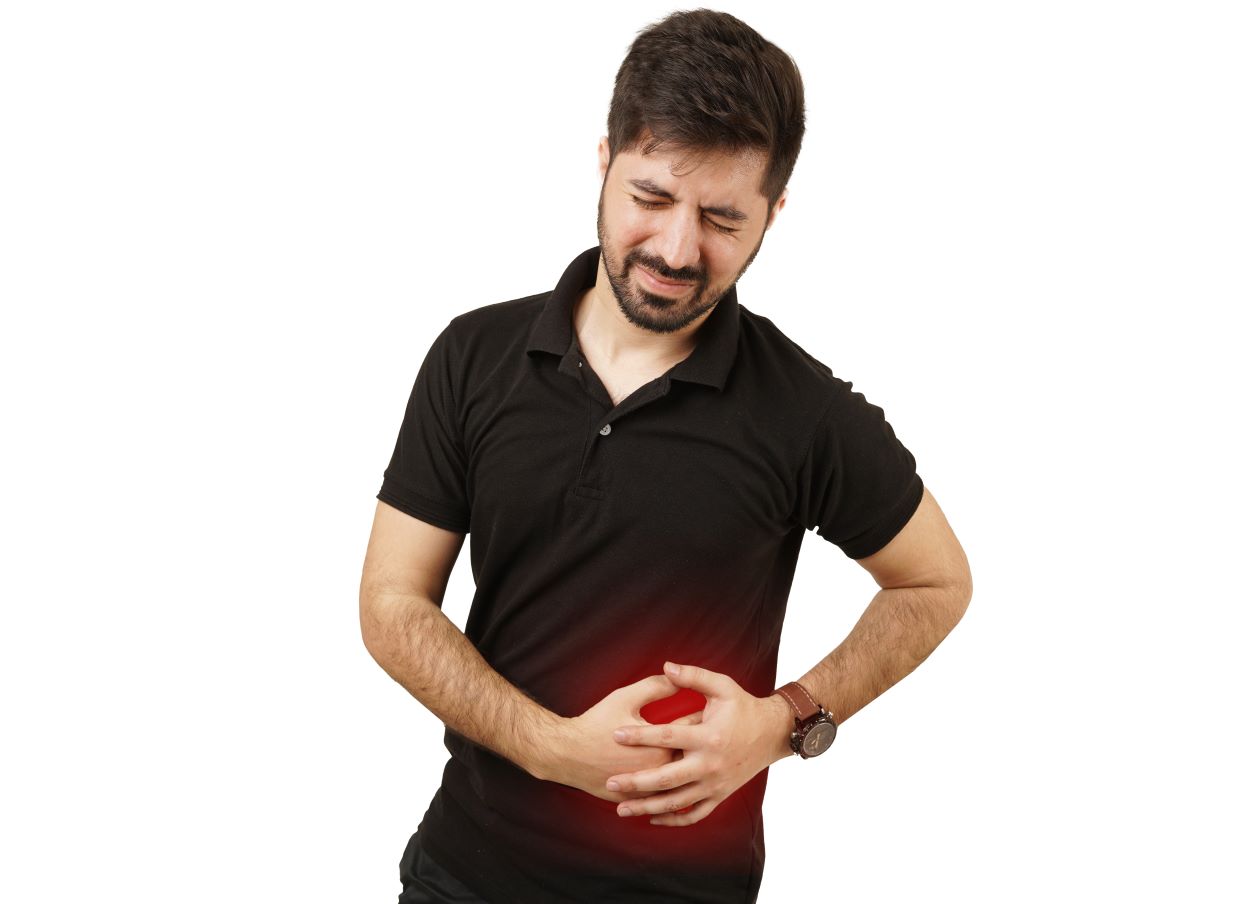
Kidney Stone Pain
Pain may occur in:
-
Side of the back
-
Flank area
-
Lower abdomen
-
Groin region
The pain may come in waves and can be severe.
Urinary Symptoms
Patients may experience:
-
Burning while urinating
-
Frequent urination
-
Urgency to urinate
-
Blood in urine
-
Difficulty passing urine
Nausea and Vomiting
Kidney stone pain may be associated with:
-
Nausea
-
Vomiting
-
Abdominal discomfort
Fever and Chills
Fever along with kidney stone symptoms may indicate infection and requires urgent medical attention.
Factors Affecting 3.5 mm Kidney Stone Treatment
Treatment decisions depend on:
Stone Location
A stone in the ureter may behave differently compared with a stone inside the kidney.
Symptoms
Severe pain, repeated attacks, or urinary blockage may require active treatment.
Kidney Function
Reduced kidney function requires careful evaluation and monitoring.
Infection
An infected obstructed kidney stone may require urgent medical management.
Diagnosis of a 3.5 mm Kidney Stone
At Prabhakar Bhurke Clinic, our super specialist nephrologist performs a detailed assessment.
Medical Evaluation
The doctor reviews:
-
Pain symptoms
-
Previous stone history
-
Diet and lifestyle
-
Urinary symptoms
-
Medical conditions
Urine Tests
Urine tests help detect:
-
Blood in urine
-
Infection
-
Crystal formation
-
Other abnormalities
Blood Tests
Investigations may include:
-
Serum Creatinine
-
Kidney function tests
-
Calcium levels
-
Uric acid levels
-
Electrolytes
Imaging Tests
Imaging helps identify:
-
Exact stone size
-
Stone location
-
Kidney blockage
Common tests include:
-
Kidney ultrasound
-
Non-contrast CT scan
Treatment Options for 3.5 mm Kidney Stone
1. Observation and Monitoring
For many patients, doctors may recommend monitoring when:
-
Stone is small
-
Symptoms are manageable
-
No infection or obstruction is present
Regular follow-up ensures safe passage.
2. Medicines for Stone Passage
A nephrologist may prescribe medicines to:
-
Reduce pain
-
Relax urinary muscles
-
Support stone passage
-
Control nausea
Medicines should only be taken under medical advice.
3. Adequate Fluid Intake
Drinking enough water helps maintain urine flow and may support natural stone passage.
However, fluid intake should be adjusted according to kidney condition and doctor’s advice.
4. Pain Management
Pain management may include:
-
Prescribed pain-relieving medicines
-
Supportive care
-
Monitoring symptoms
5. Minimally Invasive Procedures
Although many 3.5 mm stones do not require procedures, treatment may be considered if:
-
Stone does not pass
-
Pain continues
-
Urine flow is blocked
-
Infection develops
Options may include:
ESWL (Extracorporeal Shock Wave Lithotripsy)
Shock waves are used to break stones into smaller fragments.
Ureteroscopy with Laser Lithotripsy
A small camera is passed through the urinary tract and laser energy is used to break the stone.
Home Care Tips for 3.5 mm Kidney Stone
Support kidney health by:
-
Drinking fluids as advised
-
Reducing salt intake
-
Maintaining a balanced diet
-
Avoiding excessive processed foods
-
Staying physically active
-
Following medical advice
Home remedies should not replace professional evaluation.
Diet Tips to Prevent Future Kidney Stones
Increase Healthy Fluid Intake
Adequate hydration helps reduce stone formation.
Reduce Excess Salt
High salt intake can increase the risk of certain stones.
Maintain Balanced Calcium Intake
Avoid unnecessary calcium restriction unless advised by your doctor.
Limit Excess Animal Protein
High protein intake may increase stone risk in some individuals.
When Should You See a Nephrologist?
Consult a super specialist nephrologist if you have:
-
Severe kidney stone pain
-
Fever with stone symptoms
-
Blood in urine
-
Repeated kidney stones
-
Reduced urine output
-
Kidney swelling
-
High creatinine levels
Early treatment prevents kidney complications.
Why Choose Prabhakar Bhurke Clinic?
Patients trust Prabhakar Bhurke Clinic because we provide:
-
Consultation with a super specialist nephrologist
-
Complete kidney stone evaluation
-
Advanced diagnostic facilities
-
Personalized treatment plans
-
Kidney function assessment
-
Stone prevention guidance
-
Management of recurrent kidney stones
-
Dialysis planning when required
-
Long-term kidney health monitoring
Our goal is to provide effective kidney stone treatment while protecting kidney function.
Frequently Asked Questions (FAQs)
Is a 3.5 mm kidney stone dangerous?
A 3.5 mm stone is small, and many pass naturally, but complications can occur if it causes blockage or infection.
How long does a 3.5 mm kidney stone take to pass?
The time varies depending on stone location, urine flow, and individual factors.
Does every 3.5 mm kidney stone need surgery?
No. Many small stones can be managed with medicines and monitoring. Procedures are considered when complications occur.
Which doctor treats kidney stones?
A super specialist nephrologist evaluates kidney health, stone-related complications, and provides treatment guidance.
Conclusion
A 3.5 mm kidney stone is a small stone that may often pass naturally, but proper evaluation is important to ensure safe management. Treatment depends on the stone location, symptoms, kidney function, and presence of complications.
At Prabhakar Bhurke Clinic, our super specialist nephrologist provides expert kidney stone evaluation, personalized treatment plans, prevention strategies, and long-term kidney care to help patients maintain healthy kidneys.
Book an Appointment Today
If you are experiencing 3.5 mm kidney stone pain, urinary symptoms, blood in urine, recurrent stones, kidney swelling, or kidney function concerns, schedule a consultation at Prabhakar Bhurke Clinic. Our super specialist nephrologist will evaluate your condition and recommend the most suitable treatment approach for your kidney health.