Introduction
A 2 cm kidney stone is considered a relatively large kidney stone and is unlikely to pass naturally through the urinary tract. Treatment is often recommended to relieve symptoms, prevent urinary obstruction, reduce the risk of infection, and protect kidney function.
The most appropriate 2 cm kidney stone treatment depends on several factors, including the stone's location, composition, kidney anatomy, symptoms, urinary obstruction, infection status, and the patient's overall health.
Treatment options may include percutaneous nephrolithotomy (PCNL), retrograde intrarenal surgery (RIRS), ureteroscopy, or selected cases of shock wave lithotripsy (ESWL). For many larger kidney stones, PCNL is an important treatment option, while RIRS may be suitable in selected patients.
At Prabhakar Bhurke Clinic, our super specialist nephrologist provides comprehensive kidney evaluation, kidney-function assessment, recurrent stone prevention, and long-term kidney care. When a 2 cm stone requires a procedure, treatment can be coordinated with an experienced urologist.
Is a 2 cm Kidney Stone Large?
Yes. A 2 cm kidney stone measures approximately 20 mm, making it a large stone compared with stones that can commonly pass on their own.
A stone of this size may:
-
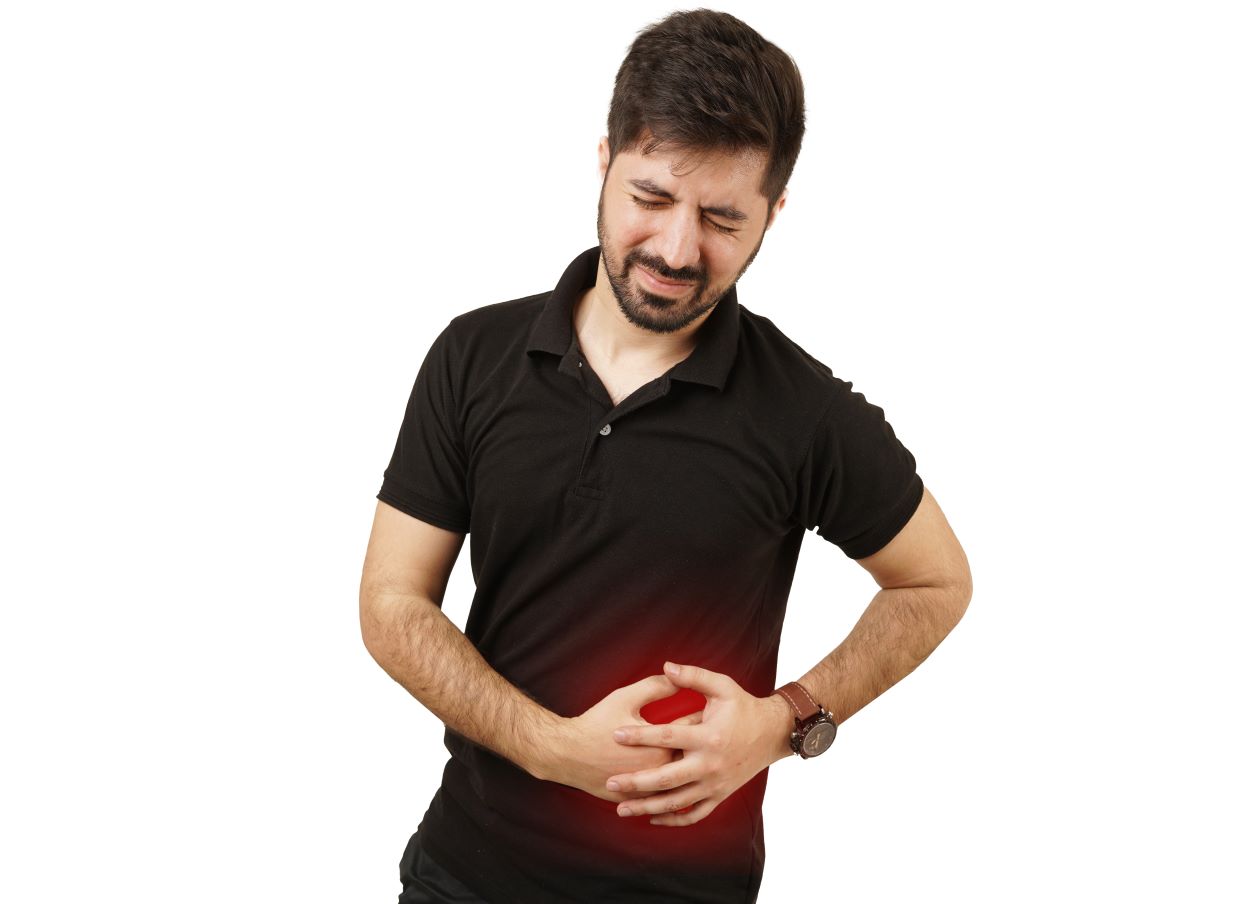
Cause persistent flank pain
-
Obstruct urine flow
-
Cause blood in the urine
-
Increase the risk of urinary infection
-
Cause hydronephrosis
-
Affect kidney function if obstruction is prolonged
A 2 cm stone generally requires specialist evaluation rather than relying on home remedies alone.
Can a 2 cm Kidney Stone Pass Naturally?
A 2 cm kidney stone is very unlikely to pass naturally.
The urinary tract is relatively narrow, and a stone of this size may become lodged and cause obstruction.
Attempting to wait for spontaneous passage without appropriate medical assessment can increase the risk of complications.
A urologist should evaluate the stone and determine the most appropriate treatment.
Symptoms of a 2 cm Kidney Stone
A large kidney stone may cause:
-
Severe flank pain
-
Pain radiating toward the abdomen or groin
-
Blood in the urine
-
Nausea and vomiting
-
Burning during urination
-
Frequent urination
-
Urinary urgency
-
Difficulty passing urine
-
Recurrent urinary infections
Some large kidney stones may cause few symptoms and may be discovered during an ultrasound or CT scan.
When Is a 2 cm Kidney Stone an Emergency?
A kidney stone can become an emergency when it causes obstruction together with infection or significant kidney dysfunction.
Seek urgent medical attention if you experience:
-
Fever or chills
-
Severe or worsening pain
-
Persistent vomiting
-
Difficulty passing urine
-
Very low urine output
-
Blood in the urine with severe symptoms
-
Weakness or confusion
-
Known kidney disease with worsening symptoms
An obstructed and infected urinary system may require urgent drainage before definitive stone removal.
How Is a 2 cm Kidney Stone Diagnosed?
At Prabhakar Bhurke Clinic, our super specialist nephrologist may assess kidney function and coordinate appropriate stone evaluation.
Imaging
Imaging may include:
Ultrasound
An ultrasound can identify:
-
Kidney stones
-
Hydronephrosis
-
Urinary obstruction
CT Scan
A non-contrast CT scan can provide detailed information about:
-
Stone size
-
Stone location
-
Stone density
-
Number of stones
-
Urinary obstruction
-
Kidney anatomy
CT findings can help the urologist choose the most appropriate procedure.
Blood Tests
Investigations may include:
-
Serum creatinine
-
eGFR
-
Blood urea nitrogen
-
Electrolytes
-
Complete blood count
These tests assess kidney function and identify complications.
Urine Tests
Urine evaluation may include:
-
Routine urinalysis
-
Urine microscopy
-
Urine culture
A urine culture is particularly important when infection is suspected or before certain stone procedures.
Treatment Options for a 2 cm Kidney Stone
1. PCNL — Percutaneous Nephrolithotomy
PCNL is an important treatment option for large kidney stones, including many stones around 2 cm or larger.
During PCNL:
-
A small access tract is created through the skin into the kidney.
-
A nephroscope is inserted into the kidney.
-
The stone is fragmented using appropriate energy.
-
Stone fragments are removed.
Advantages of PCNL
-
Effective for large kidney stones
-
Can remove a significant stone burden in one procedure
-
Particularly useful for large or complex stones
PCNL is performed by a trained urologic surgeon.
2. RIRS — Retrograde Intrarenal Surgery
RIRS uses a flexible ureteroscope inserted through the natural urinary passage to reach the kidney.
A laser can be used to fragment the stone.
RIRS may be considered for selected 2 cm stones depending on:
-
Stone location
-
Stone density
-
Kidney anatomy
-
Number of stones
-
Patient factors
Some patients may require more than one session to achieve complete stone clearance.
3. ESWL — Extracorporeal Shock Wave Lithotripsy
ESWL uses shock waves from outside the body to break the stone into smaller fragments.
For a 2 cm kidney stone, ESWL may be less suitable than endoscopic or percutaneous procedures in many situations, particularly when the stone is large, dense, or located in an unfavorable position.
The urologist determines whether ESWL is appropriate.
PCNL vs RIRS for a 2 cm Kidney Stone
| Feature | PCNL | RIRS |
|---|---|---|
| Access | Small tract through skin | Natural urinary passage |
| Best suited for | Larger/complex stone burden | Selected renal stones |
| Stone clearance | Often high in one procedure | May require staged treatment |
| External incision | Small | Usually none |
| Hospital recovery | Varies | Often relatively short |
| Procedure choice | Depends on anatomy and stone factors | Depends on anatomy and stone factors |
There is no single procedure that is best for every 2 cm stone.
Can Medicine Dissolve a 2 cm Kidney Stone?
Most kidney stones cannot be dissolved with medication.
A limited exception is certain uric acid stones, which may sometimes be dissolved using urine-alkalinizing treatment under medical supervision.
Calcium-based stones, which are common, generally cannot be dissolved with medicines.
Therefore, patients should not rely on unproven stone-dissolving medicines or home remedies for a 2 cm stone.
Role of a Nephrologist in 2 cm Kidney Stone Treatment
A nephrologist focuses on kidney health and can help with:
-
Kidney-function assessment
-
High creatinine evaluation
-
Recurrent kidney stone prevention
-
Metabolic evaluation
-
Blood pressure management
-
Chronic kidney disease management
-
Electrolyte abnormalities
-
Long-term kidney protection
A urologist generally performs procedures such as PCNL, RIRS, ureteroscopy, and ESWL.
For complex patients, nephrology and urology care can work together.
Recovery After 2 cm Kidney Stone Treatment
Recovery depends on the procedure performed.
Patients may temporarily experience:
-
Mild flank discomfort
-
Blood in the urine
-
Burning during urination
-
Frequent urination
-
Fatigue
-
Stent-related discomfort
The treating urologist provides individualized instructions regarding:
-
Medications
-
Fluid intake
-
Activity
-
Wound care after PCNL
-
Stent removal
-
Follow-up imaging
Fever, chills, severe pain, inability to urinate, or worsening symptoms require prompt medical attention.
Preventing Future Kidney Stones
Removing a 2 cm stone does not guarantee that new stones will never develop.
Prevention may include:
-
Adequate fluid intake when medically appropriate
-
Reducing excessive salt consumption
-
Maintaining a balanced diet
-
Avoiding excessive animal protein
-
Maintaining a healthy weight
-
Managing metabolic abnormalities
-
Treating urinary infections
-
Completing stone analysis
-
Undergoing a metabolic evaluation when recommended
Patients with chronic kidney disease or fluid restrictions should follow individualized fluid recommendations.
Stone Analysis and Metabolic Evaluation
If a stone fragment is retrieved during treatment, laboratory analysis may identify its composition.
Depending on the patient's history, the nephrologist may recommend:
-
Blood calcium testing
-
Uric acid testing
-
Kidney-function tests
-
Urine studies
-
24-hour urine testing
This evaluation can help identify why stones are forming and reduce recurrence risk.
Why Choose Prabhakar Bhurke Clinic?
Patients choose Prabhakar Bhurke Clinic for:
-
Consultation with a super specialist nephrologist
-
Comprehensive kidney-function assessment
-
Kidney stone evaluation
-
Recurrent stone prevention
-
Metabolic evaluation
-
Chronic kidney disease management
-
High creatinine and reduced eGFR evaluation
-
Personalized kidney-care plans
-
Dialysis and kidney failure management
-
Coordination with experienced urologists for procedures such as PCNL, RIRS, and ESWL
-
Long-term kidney health monitoring
Our approach focuses on treating the current kidney problem while also protecting long-term kidney function.
Frequently Asked Questions (FAQs)
Can a 2 cm kidney stone pass naturally?
A 2 cm stone is very unlikely to pass naturally and generally requires evaluation for active treatment.
What is the best treatment for a 2 cm kidney stone?
For many 2 cm kidney stones, PCNL is an important treatment option. RIRS may be appropriate in selected patients, while ESWL may be considered in specific circumstances. The best procedure depends on stone size, location, density, anatomy, and patient factors.
Can a 2 cm kidney stone be removed by RIRS?
Yes. RIRS can treat selected 2 cm kidney stones, although some patients may require more than one procedure depending on stone burden and location.
Is PCNL painful?
PCNL is performed under anesthesia. Some discomfort may occur during recovery, but pain is managed using appropriate medicines prescribed by the medical team.
Can medicines dissolve a 2 cm kidney stone?
Most stones, particularly calcium-based stones, cannot be dissolved with medicines. Certain uric acid stones may sometimes respond to urine-alkalinizing treatment under medical supervision.
Is a 2 cm kidney stone dangerous?
It can be, particularly if it causes urinary obstruction, infection, hydronephrosis, or impaired kidney function. Prompt specialist assessment is important.
Conclusion
A 2 cm kidney stone is a large stone that is unlikely to pass naturally and may require active treatment. Depending on its location, density, anatomy, symptoms, and the patient's overall health, treatment options may include PCNL, RIRS, ureteroscopy, or selected cases of ESWL.
The presence of infection, urinary obstruction, reduced kidney function, or a single functioning kidney can require additional urgency and specialist care.
At Prabhakar Bhurke Clinic, our super specialist nephrologist provides comprehensive kidney-function assessment, kidney stone evaluation, recurrent stone prevention, metabolic evaluation, and long-term kidney care. When surgical removal is required, treatment can be coordinated with an experienced urologist to determine the most appropriate procedure.
Book an Appointment Today
If you have a 2 cm kidney stone, severe flank pain, recurrent urinary infections, hydronephrosis, high creatinine, reduced eGFR, or urinary obstruction, schedule a consultation at Prabhakar Bhurke Clinic. Our super specialist nephrologist will evaluate your kidney health and help coordinate an individualized treatment and follow-up plan.