Introduction
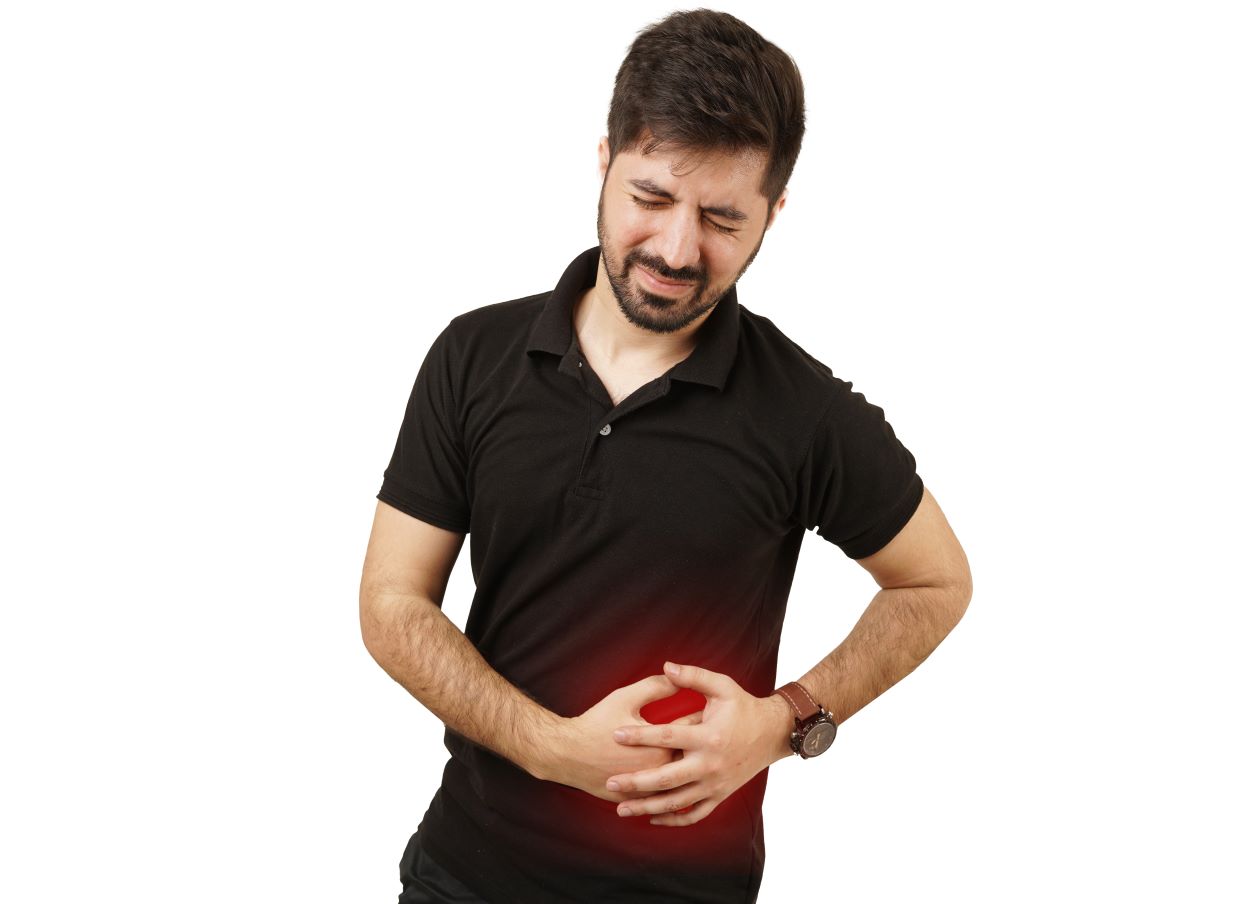
Kidney stones can cause sudden and severe pain when a stone moves through the urinary tract. Patients often search for “kidney stone relief medicine” to find a safe way to reduce pain, control nausea, or help a small stone pass naturally.
The right treatment depends on the size, location, and type of kidney stone, as well as whether there is urinary obstruction, infection, or reduced kidney function.
Medicines can sometimes help relieve symptoms and may assist the passage of certain smaller stones. However, medicines do not remove every type or size of kidney stone. Larger stones or stones causing obstruction may require procedures such as ureteroscopy, RIRS, ESWL, or PCNL.
At Prabhakar Bhurke Clinic, our super specialist nephrologist provides comprehensive kidney stone evaluation, kidney-function assessment, recurrent stone prevention, metabolic evaluation, and personalized kidney care. When a stone requires a procedure, care can be coordinated with an experienced urologist.
What Is Kidney Stone Relief Medicine?
The term kidney stone relief medicine can refer to several types of treatment.
Depending on the patient's condition, medicines may be used to:
-
Relieve kidney stone pain
-
Control nausea and vomiting
-
Relax the ureter to potentially facilitate passage of selected stones
-
Treat urinary infections when present
-
Prevent future kidney stones
-
Manage the underlying metabolic abnormality
The appropriate medicine depends on the individual patient and should be prescribed or recommended by a healthcare professional.
Medicines Used for Kidney Stone Pain
Kidney stone pain can be severe and may require medical treatment.
Nonsteroidal Anti-Inflammatory Drugs (NSAIDs)
NSAIDs are commonly used for renal colic because they can reduce pain and inflammation.
However, NSAIDs may not be appropriate for everyone.
People with:
-
Chronic kidney disease
-
Reduced kidney function
-
Stomach ulcers
-
Certain cardiovascular conditions
-
Some forms of heart failure
-
Dehydration
may need to avoid or limit NSAIDs.
A doctor should determine whether an NSAID is safe for you.
Paracetamol
Paracetamol (acetaminophen) may be used for pain in appropriate patients.
The correct dose depends on age, medical history, liver function, and other medicines being taken.
Patients with liver disease or those taking multiple medicines should consult their doctor before using it.
Stronger Prescription Pain Medicines
Severe kidney stone pain may sometimes require stronger prescription pain medicines.
These should only be used under medical supervision because they can have side effects such as:
-
Drowsiness
-
Nausea
-
Constipation
-
Dizziness
-
Dependence with prolonged or inappropriate use
Medicines That May Help a Kidney Stone Pass
Some small ureteric stones may pass naturally.
In selected patients, doctors may use medical expulsive therapy, which can involve medicines such as alpha-blockers.
Tamsulosin
Tamsulosin is an alpha-blocker that relaxes smooth muscle in the urinary tract.
It may help the passage of selected ureteric stones, particularly certain stones located in the lower ureter.
However, it does not dissolve the stone and is not appropriate for every patient.
Possible side effects can include:
-
Dizziness
-
Low blood pressure
-
Headache
-
Ejaculatory changes in some men
It should be used only after evaluation by a doctor.
Can Kidney Stone Medicine Dissolve Stones?
Most kidney stones cannot be dissolved with medicine.
Uric Acid Stones
Some uric acid stones may be dissolved or reduced by medicines that make the urine more alkaline.
This treatment requires medical supervision and monitoring of urine pH.
Calcium Stones
Calcium oxalate and calcium phosphate stones are common and generally cannot be dissolved with medication.
They may require:
-
Observation if small and likely to pass
-
Medical expulsive therapy in selected cases
-
ESWL
-
Ureteroscopy
-
RIRS
-
PCNL
The treatment depends on stone size and location.
Medicines for Nausea and Vomiting
Kidney stones can cause significant nausea and vomiting, particularly during episodes of severe renal colic.
A doctor may prescribe appropriate anti-nausea medication when required.
Persistent vomiting is important because it can cause dehydration, which may worsen kidney problems and make stone symptoms more difficult to manage.
Antibiotics for Kidney Stones
Antibiotics do not treat kidney stones themselves.
They are used when a bacterial urinary infection is present.
An obstructed urinary system with infection can be a medical emergency and may require urgent drainage as well as antibiotics.
Patients should not take leftover antibiotics without medical evaluation.
Is Water a Kidney Stone Relief Treatment?
Adequate hydration is important for kidney stone prevention and may support the passage of some small stones.
However, drinking excessive amounts of water during an acute stone attack does not necessarily make the stone pass faster and can sometimes worsen discomfort if urine flow is obstructed.
Patients with:
-
Kidney failure
-
Heart failure
-
Fluid restrictions
-
Significant urinary obstruction
should follow their doctor's individualized fluid recommendations.
When Can a Kidney Stone Pass Naturally?
The likelihood of spontaneous passage depends strongly on the stone's:
-
Size
-
Location
-
Shape
-
Number
-
Associated swelling or obstruction
Smaller stones have a greater chance of passing naturally than larger stones.
A stone's exact size and location can be determined using appropriate imaging.
When Is Medicine Not Enough?
Medicine may not be sufficient when the stone:
-
Is large
-
Causes persistent obstruction
-
Causes severe or recurrent pain
-
Causes repeated infections
-
Causes hydronephrosis
-
Does not pass despite observation
-
Is associated with declining kidney function
-
Occurs in a patient with a single functioning kidney
In such situations, a urologist may recommend a procedure.
Procedures for Kidney Stone Removal
ESWL
Extracorporeal Shock Wave Lithotripsy (ESWL) uses shock waves to break selected stones into smaller fragments.
It may be suitable for certain stones depending on size, location, and density.
Ureteroscopy
During ureteroscopy, a thin scope is passed through the urinary tract to reach the stone.
The stone can be removed or fragmented using laser technology.
RIRS
Retrograde Intrarenal Surgery (RIRS) uses a flexible ureteroscope to reach stones located inside the kidney.
Laser energy can be used to fragment or dust the stone.
PCNL
Percutaneous Nephrolithotomy (PCNL) is commonly considered for larger or complex kidney stones.
A small tract is created through the skin into the kidney, allowing the surgeon to fragment and remove the stone.
Kidney Stone Relief Medicine Based on Stone Size
| Stone situation | Possible approach |
|---|---|
| Small stone likely to pass | Pain control, observation, and selected medical expulsive therapy |
| Small ureteric stone with symptoms | Medical management and follow-up |
| Persistent stone or obstruction | Urologic evaluation |
| Larger kidney stone | ESWL, RIRS, PCNL, or other appropriate procedure |
| Large/complex stone | Often requires active procedural treatment |
| Stone with infection and obstruction | Urgent medical and urologic management |
The table is a general guide. Individual treatment should be based on imaging and medical evaluation.
Kidney Stone Relief Medicine and Kidney Function
Patients with kidney disease require extra caution when choosing pain medicines.
If you have:
-
High creatinine
-
Low eGFR
-
Chronic kidney disease
-
A single functioning kidney
-
Kidney transplant
-
Diabetes
-
High blood pressure
you should consult a doctor before taking painkillers or other medicines for kidney stone symptoms.
At Prabhakar Bhurke Clinic, our super specialist nephrologist can assess kidney function and help ensure that treatment decisions take existing kidney disease into account.
How Is a Kidney Stone Evaluated?
A specialist may recommend:
Blood Tests
-
Serum creatinine
-
eGFR
-
Electrolytes
-
Calcium
-
Uric acid
-
Other tests when indicated
Urine Tests
-
Urinalysis
-
Urine microscopy
-
Urine culture when infection is suspected
-
Metabolic urine testing for recurrent stones
Imaging
Depending on the situation:
-
Kidney ultrasound
-
X-ray in selected cases
-
Non-contrast CT scan
Imaging helps determine the stone's size, location, number, and effect on the urinary system.
How to Prevent Future Kidney Stones
After treatment, preventing recurrence is important.
Recommendations may include:
-
Drink adequate fluids as advised by your doctor.
-
Reduce excessive salt intake.
-
Maintain a balanced diet.
-
Avoid excessive animal protein.
-
Maintain appropriate dietary calcium.
-
Manage body weight.
-
Treat urinary infections promptly.
-
Complete stone analysis when possible.
-
Undergo metabolic evaluation if you have recurrent stones.
The best diet depends on the type of kidney stone.
When Should You Seek Urgent Medical Care?
Seek urgent medical attention if kidney stone symptoms occur with:
-
Fever or chills
-
Severe or worsening pain
-
Persistent vomiting
-
Difficulty passing urine
-
Very low urine output
-
Confusion or severe weakness
-
Known kidney disease with worsening symptoms
An infected obstructed kidney can require urgent treatment.
Why Choose Prabhakar Bhurke Clinic?
Patients choose Prabhakar Bhurke Clinic for:
-
Consultation with a super specialist nephrologist
-
Comprehensive kidney stone evaluation
-
Kidney-function assessment
-
Recurrent kidney stone prevention
-
Metabolic stone evaluation
-
High creatinine and low eGFR assessment
-
Personalized treatment plans
-
Chronic kidney disease management
-
Dialysis and kidney failure care
-
Coordination with experienced urologists for stone procedures
-
Long-term kidney health monitoring
-
Compassionate, evidence-based care
Our goal is to provide appropriate symptom relief while identifying and treating the underlying cause of kidney stones.
Frequently Asked Questions (FAQs)
What is the best medicine for kidney stone pain?
The appropriate pain medicine depends on your health and kidney function. NSAIDs are commonly used for renal colic in suitable patients, while other pain medicines may be used when NSAIDs are not appropriate. A doctor should guide treatment.
Can tamsulosin help pass a kidney stone?
Tamsulosin may help selected patients pass certain ureteric stones, particularly stones in the lower ureter. It does not dissolve stones and is not suitable for every patient.
Can kidney stone medicine dissolve a stone?
Most calcium-based kidney stones cannot be dissolved with medication. Certain uric acid stones may respond to urine-alkalinizing treatment under medical supervision.
Should I drink lots of water during kidney stone pain?
Adequate hydration is important, but forcing excessive amounts of water during an acute stone attack is not recommended. Patients with obstruction, kidney failure, heart failure, or fluid restrictions need individualized advice.
Can antibiotics remove kidney stones?
No. Antibiotics treat bacterial infections, not the stone itself. An infected obstructed urinary system may require urgent drainage and antibiotic treatment.
When does a kidney stone need surgery?
A procedure may be needed when a stone is large, causes persistent obstruction or infection, produces uncontrolled symptoms, fails to pass, or threatens kidney function.
Which doctor treats kidney stones?
A urologist generally performs procedures for stone removal, while a nephrologist evaluates kidney function, recurrent stone risk, metabolic causes, and associated kidney disease. Both specialists may work together when appropriate.
Conclusion
Kidney stone relief medicine can help control pain, nausea, and, in selected cases, support the passage of smaller ureteric stones. However, there is no single medicine that works for every kidney stone.
The correct treatment depends on the stone's size, location, composition, symptoms, kidney function, and presence of obstruction or infection. Larger stones may require procedures such as ESWL, ureteroscopy, RIRS, or PCNL.
At Prabhakar Bhurke Clinic, our super specialist nephrologist provides comprehensive kidney stone evaluation, kidney-function assessment, metabolic evaluation, recurrent stone prevention, and long-term kidney care. When procedural treatment is required, care can be coordinated with an experienced urologist.
Book an Appointment Today
If you are experiencing kidney stone pain, blood in the urine, recurrent stones, urinary obstruction, high creatinine, reduced eGFR, or repeated urinary infections, schedule a consultation at Prabhakar Bhurke Clinic. Our super specialist nephrologist will evaluate your kidney health and help develop an individualized treatment and prevention plan.