Introduction
A 0.5 cm kidney stone is approximately 5 mm in size. Many stones of this size may pass naturally through the urinary tract, particularly when they are located in the ureter and there is no significant obstruction or infection. However, the likelihood of spontaneous passage depends not only on the size of the stone but also on its location, shape, anatomy, and the patient's symptoms.
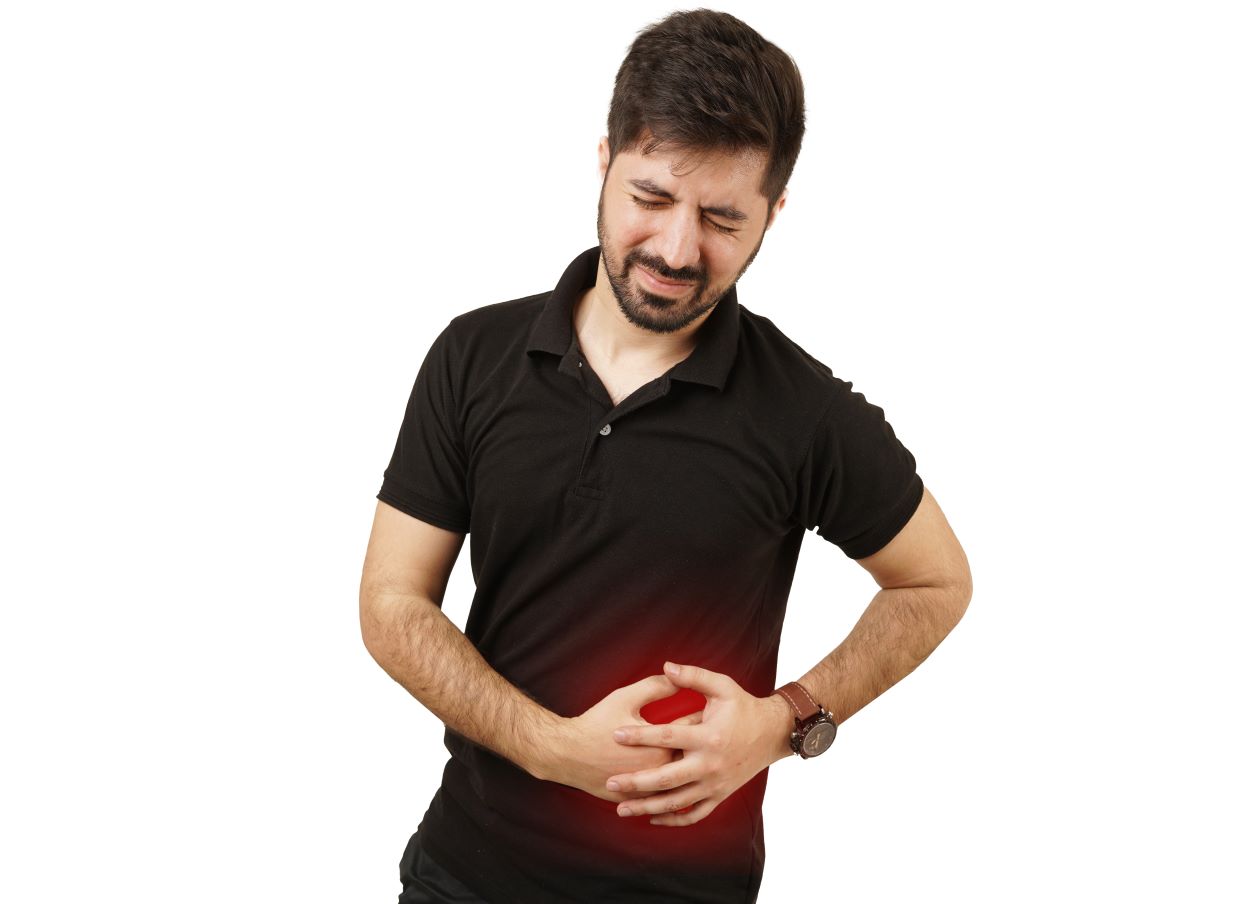
Some patients with a 5 mm stone may experience no symptoms, while others can develop severe flank pain, blood in the urine, nausea, vomiting, or difficulty passing urine.
Treatment should therefore be based on a medical evaluation rather than stone size alone.
At Prabhakar Bhurke Clinic, our super specialist nephrologist provides comprehensive kidney-stone evaluation, kidney-function assessment, metabolic evaluation, personalized treatment planning, stone-prevention guidance, and coordination with urology specialists when a procedure is required.
What Does a 0.5 cm Kidney Stone Mean?
A 0.5 cm kidney stone is equal to approximately 5 mm.
The significance of a stone depends on:
-
Its exact size
-
Location in the kidney or ureter
-
Shape
-
Number of stones
-
Degree of urinary obstruction
-
Presence of infection
-
Kidney function
-
Severity and duration of symptoms
A 5 mm stone is not necessarily an indication for surgery.
Can a 0.5 cm Kidney Stone Pass Naturally?
Yes, some 5 mm stones can pass naturally, especially when they are already in the ureter.
However, the probability of passage varies considerably. Stones located lower in the ureter generally have a better chance of passing than stones located higher up.
The treating doctor may recommend observation when:
-
Pain is manageable
-
There is no significant infection
-
Urine is draining adequately
-
Kidney function is stable
-
There is no dangerous or persistent obstruction
-
The patient's condition can be monitored safely
Follow-up is important to confirm whether the stone has passed or remains in the urinary tract.
Symptoms of a 0.5 cm Kidney Stone
A 5 mm stone may cause:
-
Flank pain
-
Lower back pain
-
Pain radiating toward the abdomen or groin
-
Blood in the urine
-
Nausea
-
Vomiting
-
Burning during urination
-
Frequent urination
-
Urinary urgency
Some stones may remain completely asymptomatic.
Factors That Determine 0.5 cm Kidney Stone Treatment
The treatment decision depends on several factors.
Stone Location
A stone in the kidney may be managed differently from a stone that has entered the ureter.
The location can significantly influence the likelihood of natural passage.
Symptoms
Mild symptoms may allow observation in selected patients.
Persistent or severe pain may require active treatment.
Urinary Obstruction
A stone that blocks urine flow may require closer monitoring or intervention, particularly if kidney function is affected.
Infection
A stone associated with an infected, obstructed urinary system can be a medical emergency.
Such patients require urgent medical attention rather than simply waiting for the stone to pass.
Kidney Function
Patients with reduced kidney function require careful evaluation before deciding on treatment.
Treatment Options for a 0.5 cm Kidney Stone
1. Observation and Medical Management
For selected patients, doctors may recommend monitoring while allowing the stone to pass naturally.
Follow-up may include:
-
Symptom monitoring
-
Urine testing
-
Kidney-function testing
-
Follow-up imaging
The doctor may modify treatment depending on whether the stone moves or symptoms change.
2. Pain Management
Kidney stones can cause significant pain.
A healthcare professional may recommend appropriate pain-relieving medication based on the patient's kidney function, medical history, and other medicines.
Patients with kidney disease should avoid taking painkillers—particularly NSAIDs—without medical advice.
3. Medical Expulsive Therapy
For selected ureteric stones, a doctor may prescribe medication that can help relax the ureter and potentially facilitate stone passage.
Medicines such as alpha-blockers may be considered in appropriate patients.
They are not suitable for everyone, and their use depends on factors such as stone location, blood pressure, other medications, and the treating doctor's assessment.
4. Hydration
Adequate fluid intake can support normal urine flow and may help a small stone pass.
However, drinking excessive amounts of water does not guarantee that a stone will pass faster and may be inappropriate for people with:
-
Advanced kidney disease
-
Heart failure
-
Significant fluid retention
-
Certain other medical conditions
Patients should follow individualized fluid recommendations.
When Is Surgery Needed for a 0.5 cm Stone?
A 5 mm stone may require active treatment if:
-
It does not pass within an appropriate observation period
-
Pain remains severe or recurrent
-
It causes persistent urinary obstruction
-
Kidney function is affected
-
Recurrent infections occur
-
The stone continues to cause significant symptoms
-
There are other clinical reasons to remove it
The decision is based on the patient's overall condition rather than size alone.
Procedures Used to Treat a 0.5 cm Kidney Stone
Ureteroscopy
Ureteroscopy (URS) is a minimally invasive procedure in which a thin scope is passed through the urinary tract to reach the stone.
The stone can then be:
-
Removed with a basket
-
Fragmented using laser lithotripsy
A temporary ureteral stent may sometimes be placed.
RIRS
Retrograde intrarenal surgery (RIRS) uses a flexible ureteroscope to reach stones located inside the kidney.
Laser energy can be used to fragment the stone.
RIRS may be considered when active treatment is needed for a kidney stone based on its location and other characteristics.
ESWL
Extracorporeal shock wave lithotripsy (ESWL) uses focused shock waves from outside the body to break the stone into smaller fragments.
Whether ESWL is appropriate depends on:
-
Stone location
-
Stone size
-
Stone composition
-
Kidney anatomy
-
Patient factors
0.5 cm Kidney Stone: Medicine or Surgery?
There is no single treatment that is best for every 5 mm stone.
| Situation | Possible approach |
|---|---|
| Small, uncomplicated stone with manageable symptoms | Observation and medical management |
| Selected ureteric stone | Medical expulsive therapy may be considered |
| Persistent severe pain | Active treatment may be considered |
| Persistent obstruction | Specialist evaluation and possible intervention |
| Infected obstruction | Urgent medical treatment |
| Stone not passing | Procedure may be recommended |
| Kidney stone requiring removal | URS, RIRS, ESWL, or another appropriate procedure |
The final decision should be made after imaging and clinical assessment.
How Is a 0.5 cm Kidney Stone Diagnosed?
At Prabhakar Bhurke Clinic, evaluation may include:
Medical History
Your doctor may ask about:
-
Pain location and severity
-
Duration of symptoms
-
Previous kidney stones
-
Urinary symptoms
-
Fever
-
Medical conditions
-
Current medications
Blood Tests
Depending on the situation:
-
Serum creatinine
-
eGFR
-
Electrolytes
-
Calcium
-
Uric acid
-
Complete blood count when infection is suspected
Urine Tests
Investigations may include:
-
Routine urinalysis
-
Urine microscopy
-
Urine culture when infection is suspected
These tests can detect blood, infection, crystals, and other abnormalities.
Imaging
Imaging may include:
-
Kidney ultrasound
-
X-ray in selected cases
-
Non-contrast CT scan when clinically appropriate
Imaging helps determine the stone's exact size and location and whether there is urinary obstruction.
Warning Signs That Need Urgent Medical Attention
A kidney stone requires urgent medical evaluation if you develop:
-
Fever or chills
-
Severe or worsening pain
-
Persistent vomiting
-
Difficulty passing urine
-
Very low urine output
-
Blood in the urine with other concerning symptoms
-
Severe weakness
-
Known kidney disease with worsening symptoms
An infected and obstructed urinary system can become serious quickly and may require urgent treatment.
How Long Does a 0.5 cm Kidney Stone Take to Pass?
There is no fixed time.
Some stones may pass within days, while others can take weeks or may not pass at all.
Factors affecting passage include:
-
Stone location
-
Stone shape
-
Ureter anatomy
-
Degree of obstruction
-
Previous stone passage
-
Individual patient factors
Regular follow-up is important if observation is chosen.
What Happens After the Stone Passes?
Passing a stone does not mean that future stones cannot develop.
Depending on your history, your doctor may recommend:
-
Stone analysis
-
Blood tests
-
Urine metabolic evaluation
-
Dietary assessment
-
Hydration guidance
-
Salt reduction
-
Other preventive measures
Identifying the reason for stone formation can help reduce recurrence.
How to Prevent Future Kidney Stones
General preventive measures may include:
-
Maintain appropriate fluid intake as advised by your doctor.
-
Reduce excessive salt intake.
-
Follow a balanced diet.
-
Maintain a healthy body weight.
-
Avoid excessive intake of foods or supplements associated with your specific stone type.
-
Treat urinary infections promptly.
-
Follow individualized dietary recommendations.
-
Attend follow-up appointments for recurrent stones.
The ideal diet depends on the type of kidney stone and the patient's medical condition.
Why Choose Prabhakar Bhurke Clinic?
Patients choose Prabhakar Bhurke Clinic for:
-
Consultation with a super specialist nephrologist
-
Comprehensive kidney-stone evaluation
-
Kidney-function assessment
-
Personalized treatment plans
-
Medical management of selected kidney stones
-
Stone-prevention counseling
-
Metabolic evaluation for recurrent stone formers
-
Chronic kidney disease management
-
Dialysis planning and kidney transplant evaluation
-
Coordination with experienced urology specialists when stone removal is required
-
Compassionate, evidence-based patient care
Our approach focuses on treating the current stone while protecting kidney function and reducing the risk of recurrence.
Frequently Asked Questions (FAQs)
Is a 0.5 cm kidney stone considered large?
A 0.5 cm stone is approximately 5 mm and is generally considered a small-to-moderate stone. Whether it requires treatment depends on its location, symptoms, obstruction, infection, and other factors.
Can a 5 mm kidney stone pass naturally?
Yes, some 5 mm stones can pass naturally, particularly certain ureteric stones. However, spontaneous passage is not guaranteed.
Is medicine enough for a 0.5 cm kidney stone?
In selected patients, observation and medical treatment may be sufficient. A doctor may consider medical expulsive therapy for some ureteric stones.
Does every 5 mm stone require surgery?
No. Many uncomplicated stones can initially be observed. Surgery is considered when the stone causes persistent symptoms, obstruction, infection, kidney-function problems, or fails to pass.
Can drinking more water dissolve a kidney stone?
Drinking appropriate amounts of fluid can support urine flow, but most kidney stones do not simply dissolve by drinking large quantities of water. Excessive water intake can also be unsafe for some patients.
Which doctor treats a 0.5 cm kidney stone?
A super specialist nephrologist can assess kidney function, stone-related risk factors, and prevention. A urologist performs procedures such as ureteroscopy, RIRS, or other surgical stone-removal techniques when required.
Conclusion
0.5 cm kidney stone treatment depends on more than the stone's size. A 5 mm stone may pass naturally in some patients, particularly when it is located in the ureter and there is no infection, significant obstruction, or kidney-function problem. Other patients may require active treatment because of persistent pain, obstruction, infection, or failure of the stone to pass.
Appropriate imaging and specialist evaluation are important before deciding between observation, medical management, or procedures such as ureteroscopy, RIRS, or ESWL.
At Prabhakar Bhurke Clinic, our super specialist nephrologist provides comprehensive kidney-stone evaluation, kidney-function assessment, personalized treatment planning, stone-prevention guidance, and coordination with urology specialists when procedural treatment is required.
Book an Appointment Today
If you have a 0.5 cm kidney stone, flank pain, blood in the urine, urinary obstruction, recurrent kidney stones, fever, or concerns about kidney function, schedule a consultation at Prabhakar Bhurke Clinic. Our super specialist nephrologist will evaluate your stone and kidney health and guide you toward the most appropriate treatment plan for your individual condition.