Introduction
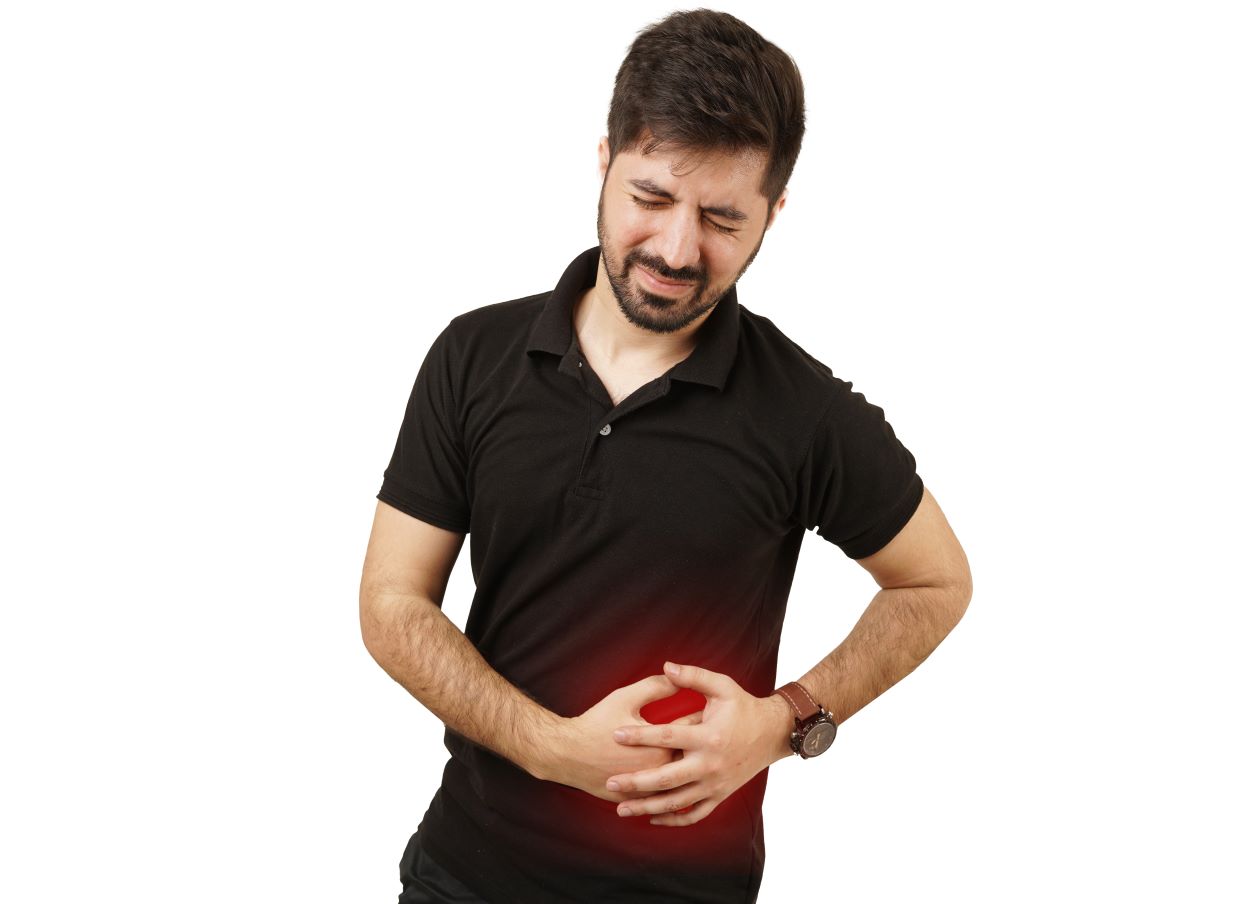
Kidney stones can develop when minerals and other substances in urine become concentrated and form hard crystals inside the urinary system. A stone may remain in the kidney without causing symptoms, or it may move into the ureter and produce severe pain, urinary discomfort, or obstruction.
If you are searching for a kidney stone specialist in Andheri, it is important to choose medical care that considers more than the stone itself. The stone's size and location, kidney function, urinary obstruction, infection, previous stone history, and other health conditions can all influence treatment.
At Prabhakar Bhurke Clinic, Dr. Sandip Prabhakar Bhurke, a super specialist nephrologist, provides comprehensive kidney evaluation, medical management, recurrent stone assessment, prevention guidance, and long-term kidney care. When an interventional procedure is required, care can be coordinated with appropriate urology specialists.
Understanding Kidney Stones
Kidney stones are solid deposits that develop when substances in urine crystallize.
Common stone types include:
-
Calcium oxalate
-
Calcium phosphate
-
Uric acid
-
Struvite
-
Cystine
Knowing the stone type can be useful because prevention and medical management may differ between patients.
A stone's size and location are also important. A small stone located in the ureter may have a reasonable chance of passing naturally, while a larger or strategically positioned stone may require active treatment.
What Causes Kidney Stones?
Several factors can increase the likelihood of stone formation.
These may include:
-
Inadequate fluid intake
-
High urinary calcium
-
Increased urinary oxalate
-
Low urinary citrate
-
High dietary sodium
-
Certain dietary patterns
-
Obesity and metabolic conditions
-
Family history
-
Previous kidney stones
-
Certain medications
-
Some inherited or metabolic disorders
In recurrent stone formers, identifying the underlying risk factors can help reduce future episodes.
Symptoms That May Indicate a Kidney Stone
A kidney stone may not cause symptoms until it moves or blocks urine flow.
Possible symptoms include:
-
Sharp pain in the side or back
-
Pain extending toward the lower abdomen or groin
-
Blood in the urine
-
Burning during urination
-
Frequent urination
-
Urgent need to urinate
-
Nausea
-
Vomiting
-
Cloudy urine
-
Difficulty passing urine
The symptoms can vary considerably from one person to another.
When Should You Visit a Kidney Stone Specialist?
Specialist evaluation is advisable if you have:
-
Recurrent kidney stones
-
Severe or persistent flank pain
-
Blood in the urine
-
A stone detected on an ultrasound or CT scan
-
Repeated urinary infections
-
Hydronephrosis
-
High creatinine
-
Reduced eGFR
-
Difficulty passing urine
-
A history of complicated stone disease
People with chronic kidney disease or a single functioning kidney should receive particular attention when a urinary obstruction is suspected.
Kidney Stone Specialist in Andheri: Nephrologist or Urologist?
Patients sometimes wonder whether they should see a nephrologist or a urologist.
Role of a Nephrologist
A nephrologist focuses on the medical aspects of kidney health.
This may include:
-
Evaluating kidney function
-
Managing chronic kidney disease
-
Assessing metabolic risk factors for recurrent stones
-
Reviewing blood and urine abnormalities
-
Providing dietary and preventive guidance
-
Managing associated hypertension
-
Monitoring long-term kidney health
Role of a Urologist
A urologist generally manages procedural treatment of stones and urinary tract obstruction.
Procedures may include:
-
Ureteroscopy
-
Laser lithotripsy
-
RIRS
-
ESWL
-
PCNL
-
Ureteral stent placement when required
For patients who have both kidney disease and stones, nephrology and urology care may need to work together.
How Are Kidney Stones Diagnosed?
A proper diagnosis helps determine whether observation or active treatment is appropriate.
Medical Assessment
Your doctor may review:
-
Pain characteristics
-
Urinary symptoms
-
Previous stone episodes
-
Fluid intake
-
Dietary habits
-
Family history
-
Existing kidney disease
-
Current medications
Blood Investigations
Depending on the patient's condition, testing may include:
-
Serum creatinine
-
eGFR
-
Blood urea nitrogen
-
Electrolytes
-
Calcium
-
Uric acid
-
Other tests when clinically indicated
Urine Testing
Urine analysis may detect:
-
Blood
-
Protein
-
Infection
-
Crystals
-
Other urinary abnormalities
Imaging
Imaging may include:
-
Kidney ultrasound
-
Non-contrast CT scan
-
Other investigations when clinically indicated
Imaging helps determine the stone's size, number, location, and whether it is affecting urine drainage.
Does Every Kidney Stone Require Surgery?
No.
Some small stones can be monitored because they may pass naturally.
A doctor may consider conservative management when:
-
The patient is clinically stable
-
There is no serious infection
-
Kidney function is not being threatened
-
Pain can be controlled
-
The stone has a reasonable chance of passing
Active treatment may be considered when a stone causes persistent pain, significant obstruction, infection, kidney-function concerns, or is unlikely to pass naturally.
Treatment Choices for Kidney Stones
Medical Management
Selected patients may be treated with:
-
Appropriate pain medication
-
Medicines for nausea
-
Medicines that may assist passage of selected ureteral stones
-
Follow-up imaging
Medical management must be individualized.
Extracorporeal Shock Wave Lithotripsy
ESWL uses focused shock waves to break certain stones into smaller fragments.
Its suitability depends on the stone's:
-
Size
-
Location
-
Composition
-
Density
-
Patient anatomy
-
Presence of obstruction
Ureteroscopy and Laser Lithotripsy
During ureteroscopy, a small scope is passed through the urinary tract to reach the stone.
Laser energy can be used to fragment the stone, and appropriate fragments may be removed.
A temporary ureteral stent may be required in selected cases.
RIRS
Retrograde Intrarenal Surgery, commonly called RIRS, uses a flexible scope to reach stones within the kidney.
Laser technology may be used to break the stone into smaller pieces.
RIRS is considered for selected stones depending on their size, location, anatomy, and other clinical factors.
PCNL
Percutaneous Nephrolithotomy is commonly used for larger or complex kidney stones.
The procedure creates a small access pathway through the skin to reach and remove the stone.
Procedural stone treatment is generally performed by a urologist.
Can Kidney Stones Be Dissolved With Medicine?
Most kidney stones cannot simply be dissolved using standard medicines.
Calcium-based stones, including calcium oxalate and calcium phosphate stones, generally require passage, fragmentation, or removal rather than medication-based dissolution.
Some uric acid stones may be dissolved in selected patients using treatment that changes urine chemistry. This requires confirmation of the stone type and appropriate medical monitoring.
Unverified "stone-dissolving" tablets or herbal products should not be relied upon.
Managing Kidney Stone Pain Safely
Kidney stone pain can be severe and may occur in waves.
Depending on your health and kidney function, your doctor may recommend appropriate pain relief.
Some patients may also benefit from:
-
Resting in a comfortable position
-
Gentle warmth over the painful area
-
Appropriate fluid intake
-
Prescribed medicines
Avoid excessive water intake in an attempt to force a stone through the urinary tract, particularly when there may be significant obstruction, persistent vomiting, fluid restriction, or impaired kidney function.
Do not repeatedly use painkillers without professional advice.
Kidney Stone and Urinary Obstruction
A stone can become lodged in the ureter and restrict urine flow.
This may result in hydronephrosis, where urine backs up toward the kidney.
Prolonged or significant obstruction can threaten kidney function.
Depending on the situation, doctors may recommend:
-
Ureteral stent placement
-
Percutaneous nephrostomy
-
Definitive stone removal
The immediate priority in an infected obstructed urinary system is often restoring drainage before definitive stone treatment.
When Is Kidney Stone Pain an Emergency?
Seek urgent medical attention if you have kidney stone symptoms along with:
-
Fever or chills
-
Severe or worsening pain
-
Persistent vomiting
-
Difficulty passing urine
-
Very low or absent urine output
-
Severe weakness
-
Confusion
-
Significant blood or clots in urine
Fever with urinary obstruction can indicate a serious infection and requires urgent medical assessment.
Do not rely on home remedies or pain medicine alone in this situation.
Recurrent Kidney Stones: Finding the Reason
If kidney stones repeatedly develop, simply removing each stone may not be enough.
A specialist may consider:
-
Stone analysis
-
Blood testing
-
Urine testing
-
24-hour urine evaluation
-
Dietary assessment
-
Medication review
-
Family history
-
Evaluation for metabolic or inherited risk factors
The findings can help create a personalized prevention plan.
How to Prevent Future Kidney Stones
Maintain Appropriate Hydration
Adequate fluid intake helps dilute substances that can form stones.
The recommended amount should be individualized for patients with kidney disease, heart disease, fluid restrictions, or other medical conditions.
Reduce Excess Salt
High sodium intake can increase urinary calcium in some individuals.
Reducing very salty and highly processed foods may help lower stone risk.
Maintain Appropriate Dietary Calcium
People with calcium stones should not automatically eliminate dietary calcium.
The appropriate amount depends on the individual and the type of stone.
Moderate Excessive Animal Protein
High intake of animal protein may influence urinary chemistry and increase stone risk in some people.
Follow Stone-Specific Advice
A prevention plan should ideally be based on the patient's stone composition and metabolic evaluation rather than a generic diet.
Kidney Stones in Patients With Chronic Kidney Disease
Kidney stones require additional attention when a patient already has CKD.
Treatment decisions may need to consider:
-
Current eGFR
-
Serum creatinine
-
Degree of obstruction
-
Infection
-
Stone burden
-
Other medical conditions
-
Current medications
Certain medicines commonly used for pain may not be appropriate for people with impaired kidney function.
Professional guidance can help balance effective symptom management with kidney protection.
Why Choose Prabhakar Bhurke Clinic?
At Prabhakar Bhurke Clinic, patients receive individualized kidney care from Dr. Sandip Prabhakar Bhurke, a super specialist nephrologist.
The clinic provides:
-
Detailed kidney function assessment
-
Medical evaluation of kidney stone-related problems
-
Assessment of recurrent stone risk
-
Personalized dietary and lifestyle guidance
-
Management of associated kidney disease
-
Blood pressure and diabetes-related kidney care
-
Dialysis planning when required
-
Kidney transplant evaluation and follow-up
-
Coordination with experienced urology specialists for stone procedures when necessary
-
Long-term monitoring of kidney health
The approach focuses on identifying the cause of the problem and protecting kidney function while selecting appropriate treatment.
Frequently Asked Questions
Who is the best specialist for kidney stones?
A nephrologist can evaluate kidney function and medical or metabolic factors associated with stones, while a urologist generally manages procedures used to remove stones. The appropriate specialist depends on the patient's condition.
Can a kidney stone pass without surgery?
Yes. Some smaller stones may pass naturally. The likelihood depends on factors such as stone size, location, obstruction, and the patient's clinical condition.
What is the treatment for a large kidney stone?
Large stones may require procedures such as PCNL, RIRS, ureteroscopy, or ESWL depending on their size, location, composition, and patient factors.
Can drinking water remove kidney stones?
Adequate hydration can support stone passage in selected patients and is important for prevention. However, drinking excessive amounts of water does not guarantee stone removal and may be unsafe in certain obstructive or medical conditions.
Can kidney stones damage the kidneys?
A stone that causes prolonged or significant obstruction can affect kidney function. Infection combined with obstruction is particularly concerning and requires urgent evaluation.
Should recurring kidney stones be investigated?
Yes. Recurrent stones may be associated with dietary, metabolic, medication-related, inherited, or other risk factors. A specialist evaluation can help identify ways to reduce recurrence.
Can kidney patients take painkillers for stone pain?
Some pain medicines may be unsuitable for patients with impaired kidney function. Pain relief should therefore be selected according to kidney function, medical history, and current medications.
Conclusion
Finding a kidney stone specialist in Andheri is important when stones cause recurring pain, urinary symptoms, obstruction, hydronephrosis, or concerns about kidney function. While some small stones may pass naturally, others require treatment based on their size, location, composition, and effect on urine drainage.
Effective kidney stone care involves more than treating an individual episode. Patients with recurrent stones may benefit from metabolic evaluation and personalized prevention strategies, while those with kidney disease require careful consideration of medications and treatment options.
At Prabhakar Bhurke Clinic, Dr. Sandip Prabhakar Bhurke, a super specialist nephrologist, provides comprehensive kidney evaluation, medical management, stone prevention guidance, and long-term kidney care. When a procedure is necessary, appropriate coordination with urology specialists can help patients receive suitable interventional treatment.
Book an Appointment Today
If you are looking for a kidney stone specialist in Andheri because of kidney stone pain, recurrent stones, blood in the urine, hydronephrosis, high creatinine, reduced eGFR, or urinary obstruction, consult Prabhakar Bhurke Clinic.
Dr. Sandip Prabhakar Bhurke, super specialist nephrologist, can evaluate your kidney health, assess your stone-related concerns, and guide you toward an appropriate and personalized treatment plan.
Medical Disclaimer
This article is intended for general educational purposes only and should not be considered a substitute for professional medical advice, diagnosis, or treatment. Kidney stone treatment varies according to stone size, location, composition, obstruction, infection, kidney function, and other individual factors. Do not start, stop, or change medicines without consulting a qualified healthcare professional. Seek urgent medical care for severe pain with fever or chills, persistent vomiting, inability to pass urine, significantly reduced urine output, confusion, or severe weakness.