Introduction
Finding a 4mm kidney stone on an ultrasound or CT scan can raise an immediate question: does a 4mm stone need treatment, or can it pass naturally?
A 4mm stone is considered relatively small, and many stones of this size can pass through the urinary tract without a procedure, particularly when the stone has already entered the ureter. However, stone size is only one part of the decision. Its exact location, shape, symptoms, degree of blockage, kidney function, and presence or absence of infection also influence the treatment plan.
The appropriate approach may range from observation and symptom management to medication or a minimally invasive procedure when the stone does not pass or causes complications.
At Prabhakar Bhurke Clinic, Dr. Sandip Prabhakar Bhurke, a super specialist nephrologist, provides comprehensive evaluation of kidney stones, kidney function, metabolic risk factors, and associated kidney conditions, with treatment guidance tailored to each patient.
What Does a 4mm Kidney Stone Mean?
A 4mm kidney stone is approximately 0.4 centimetres in diameter.
The measurement gives an idea of the likelihood of spontaneous passage, but it does not tell the entire story.
A 4mm stone may be:
-
Still inside the kidney
-
Moving from the kidney into the ureter
-
Located in the upper ureter
-
Located in the middle or lower ureter
-
Close to the bladder
A stone located in the ureter may have a reasonable chance of passing naturally, whereas a stone remaining inside the kidney may simply be monitored if it is not causing problems.
Can a 4mm Kidney Stone Pass Naturally?
Yes, many 4mm stones can pass naturally, particularly when they are located in the ureter.
The likelihood of passage depends on factors such as:
-
Stone size
-
Stone location
-
Shape of the stone
-
Anatomy of the urinary tract
-
Degree of obstruction
-
Previous stone passage
-
Presence of infection
-
Kidney function
Therefore, a scan showing a 4mm stone does not automatically mean that surgery is necessary.
Your doctor may recommend observation when the patient is stable, there is no significant obstruction or infection, kidney function is satisfactory, and symptoms can be managed safely.
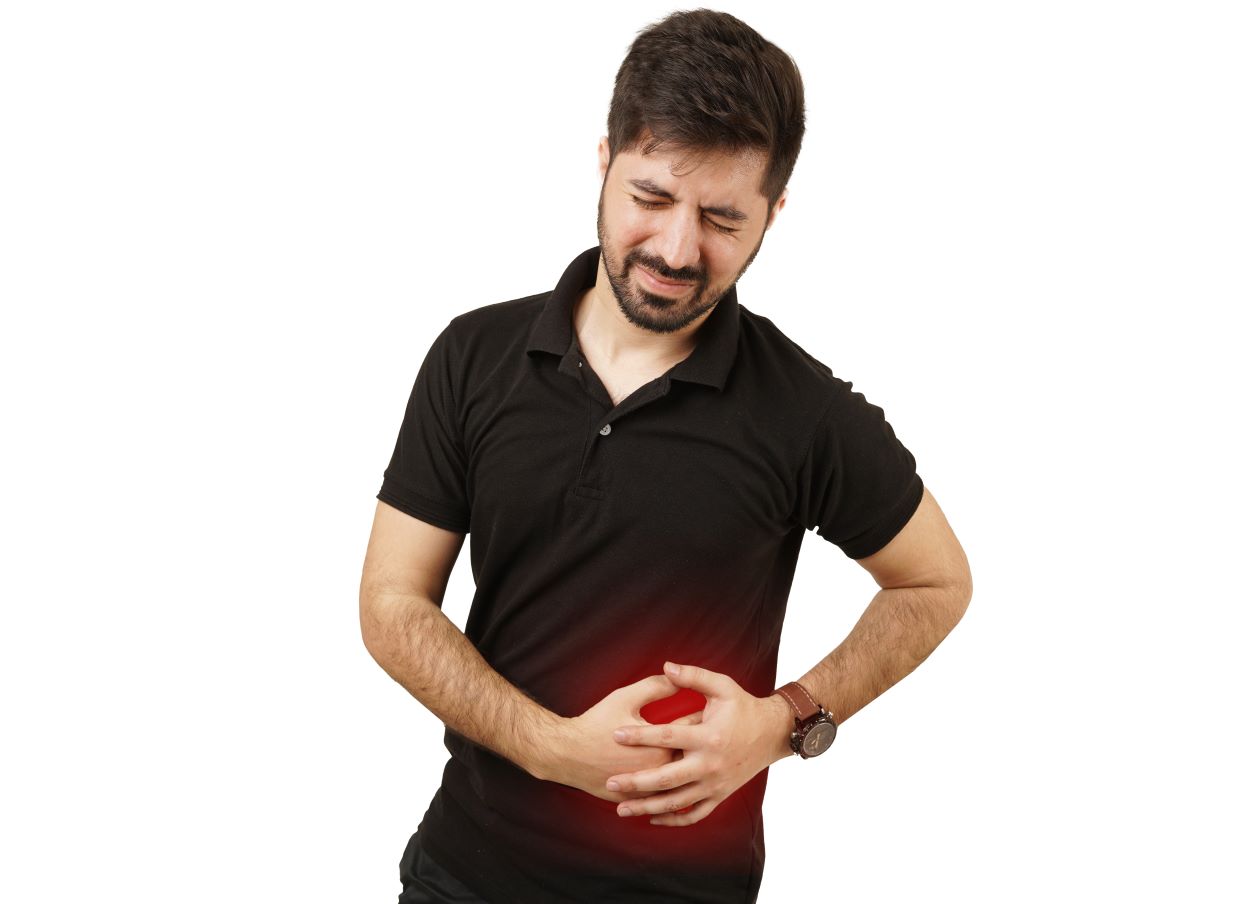
4mm Kidney Stone Symptoms
Some people with a 4mm kidney stone have no symptoms, particularly when the stone remains inside the kidney.
When the stone moves into the ureter, symptoms can include:
-
Sharp pain in the side or lower back
-
Pain that comes and goes in waves
-
Pain spreading toward the lower abdomen or groin
-
Burning while urinating
-
Frequent urge to urinate
-
Blood in the urine
-
Nausea or vomiting
-
Restlessness during severe pain
The intensity of pain does not always correspond to the size of the stone. Even a small stone can cause considerable discomfort if it obstructs urine flow.
When Can a 4mm Stone Be Monitored?
Observation may be appropriate when:
-
The patient is clinically stable.
-
There is no significant urinary obstruction.
-
There is no active kidney infection.
-
Kidney function is not deteriorating.
-
Pain is manageable.
-
The stone has a reasonable possibility of passing naturally.
-
Follow-up imaging can be performed when required.
Monitoring does not mean ignoring the stone. Follow-up helps determine whether it has passed, moved, remained in place, or caused obstruction.
Medicines Used During 4mm Kidney Stone Treatment
Medicines may be used to manage symptoms and, in selected patients, support stone passage.
Pain Relief
Your doctor may recommend an appropriate pain-relieving medicine based on your health and kidney function.
Patients with kidney disease, dehydration, stomach problems, or certain cardiovascular conditions should not take painkillers such as NSAIDs without medical advice.
Medicines for Nausea
If the stone causes nausea or vomiting, medication may be prescribed to control these symptoms.
Medical Expulsive Therapy
In selected patients with ureteral stones, a doctor may prescribe medicines such as an alpha-blocker to help relax the ureter and potentially improve the chance of passage.
These medicines are not suitable for every patient and should only be taken after medical evaluation.
Should You Drink More Water for a 4mm Stone?
Adequate hydration is important for kidney health and may support urine flow while a small stone is being monitored.
However, forcing very large amounts of water is not a treatment for an obstructing stone.
If urine flow is significantly blocked, excessive fluid intake may increase discomfort without solving the obstruction.
The appropriate amount of fluid depends on:
-
Kidney function
-
Heart health
-
Degree of obstruction
-
Weather and activity
-
Fluid restrictions, if any
-
Your doctor's recommendations
Drink fluids according to your medical advice rather than attempting to flush the stone out rapidly.
When Does a 4mm Kidney Stone Need a Procedure?
Although many 4mm stones pass naturally, intervention may be considered when:
-
The stone fails to pass during appropriate observation.
-
Pain remains severe or recurrent.
-
There is significant urinary obstruction.
-
Hydronephrosis develops or persists.
-
Kidney function is affected.
-
The stone is associated with infection.
-
The stone is unlikely to pass based on its location or other factors.
-
The patient has a single functioning kidney or other high-risk circumstances.
The decision should be individualized rather than based on stone size alone.
Procedures for a 4mm Kidney Stone
If active treatment becomes necessary, the appropriate procedure depends on the stone's location and characteristics.
Extracorporeal Shock Wave Lithotripsy
ESWL uses externally generated shock waves to break a suitable stone into smaller fragments that can subsequently pass through the urinary tract.
Whether ESWL is appropriate depends on factors such as stone location, composition, size, and anatomy.
Ureteroscopy
During ureteroscopy, a urologist passes a small camera through the urinary tract to reach the stone. The stone may be removed with specialized instruments or fragmented with a laser.
RIRS
Retrograde Intrarenal Surgery may be considered for selected stones located inside the kidney. A flexible scope is used to reach the stone and fragment it, commonly using laser energy.
A temporary ureteral stent may sometimes be placed depending on the clinical situation.
Diagnosis Before Choosing Treatment
A proper assessment helps determine whether observation or active treatment is appropriate.
Your evaluation may include:
Imaging
Depending on the situation, your doctor may recommend:
-
Ultrasound
-
Non-contrast CT scan
-
X-ray in selected cases
Imaging provides information about:
-
Stone size
-
Stone location
-
Urinary obstruction
-
Hydronephrosis
-
Number of stones
-
Kidney anatomy
Blood Tests
Tests may include:
-
Serum creatinine
-
eGFR
-
Blood urea
-
Electrolytes
-
Calcium
-
Uric acid
Urine Tests
Urine evaluation may include:
-
Routine urinalysis
-
Urine microscopy
-
Urine culture when infection is suspected
-
Protein testing when clinically indicated
These investigations help identify infection, blood in the urine, and other abnormalities.
4mm Kidney Stone Treatment if It Is Still in the Kidney
A 4mm stone inside the kidney does not necessarily require immediate removal.
If it is:
-
Not causing significant symptoms
-
Not blocking urine flow
-
Not associated with infection
-
Not causing kidney damage
your doctor may recommend monitoring.
However, treatment may be considered if the stone causes repeated pain, grows over time, causes obstruction, or creates other clinical concerns.
Warning Signs That Need Urgent Medical Attention
A kidney stone can become an emergency when obstruction occurs together with infection or when kidney function is threatened.
Seek urgent medical care if you develop:
-
Fever or chills
-
Severe or worsening flank pain
-
Persistent vomiting
-
Difficulty passing urine
-
Very little or no urine
-
Blood in the urine with severe symptoms
-
Severe weakness or fainting
-
Confusion
-
Known kidney disease with worsening symptoms
-
A single functioning kidney with suspected obstruction
Fever with an obstructed urinary system requires urgent medical assessment.
Can Home Remedies Remove a 4mm Kidney Stone?
Home measures may support comfort and general hydration, but they should not replace medical evaluation.
There is no guaranteed home remedy that can dissolve or remove every 4mm kidney stone.
Lemon Water
Lemon water can contribute to fluid intake and provides citrate, but it should not be considered a guaranteed treatment for an existing stone.
Herbal Remedies
Herbal products marketed for kidney stones are not automatically safe or effective. Some may interact with medicines or may be unsuitable for people with impaired kidney function.
Apple Cider Vinegar and Similar Remedies
There is insufficient evidence to consider these products reliable treatments for removing a 4mm kidney stone.
If a stone is obstructing urine flow, home remedies should never delay appropriate medical care.
How Long Does a 4mm Kidney Stone Take to Pass?
There is no fixed time period that applies to every patient.
Some stones pass relatively quickly, while others may take longer depending on their location and movement through the ureter.
During observation, your doctor may recommend follow-up to confirm whether the stone has passed and whether the kidney remains unobstructed.
If symptoms persist or the stone does not progress, the treatment plan may need to be reassessed.
How to Prevent Future Kidney Stones
Passing a 4mm stone does not necessarily prevent another stone from developing.
Prevention may involve:
-
Drinking adequate fluids
-
Reducing excessive salt intake
-
Maintaining an appropriate dietary calcium intake
-
Avoiding excessive intake of highly processed foods
-
Moderating animal protein when appropriate
-
Maintaining a healthy body weight
-
Treating conditions that increase stone risk
-
Following a personalized diet based on stone composition
Patients with recurrent stones may benefit from stone analysis and metabolic evaluation, including a 24-hour urine assessment when clinically indicated.
Why Choose Prabhakar Bhurke Clinic?
At Prabhakar Bhurke Clinic, kidney stone care focuses on understanding both the stone and the patient's overall kidney health.
Patients receive:
-
Consultation with Dr. Sandip Prabhakar Bhurke, a super specialist nephrologist
-
Detailed assessment of kidney function
-
Evaluation of kidney stone-related complications
-
Individualized treatment planning
-
Guidance regarding observation and follow-up
-
Metabolic evaluation for recurrent stone formation
-
Dietary and lifestyle guidance
-
Coordination with urology specialists when a procedure is required
-
Long-term kidney health monitoring
The goal is to manage the immediate stone problem while also reducing the risk of future kidney complications.
Frequently Asked Questions
Is a 4mm kidney stone considered large?
No. A 4mm stone is relatively small, and many stones of this size may pass naturally. However, location and obstruction are important factors.
Does every 4mm kidney stone require surgery?
No. Many patients can be managed initially with observation and appropriate medical treatment. A procedure may be required if the stone causes persistent symptoms, obstruction, infection, kidney-function problems, or fails to pass.
Can medicine dissolve a 4mm kidney stone?
Most common calcium-based stones cannot simply be dissolved with medicine. Certain uric acid stones may respond to urine alkalinization under specialist supervision.
Can I treat a 4mm stone at home?
Supportive measures such as appropriate hydration and prescribed pain management may be suitable for selected patients. However, medical evaluation is important to determine whether the stone is obstructing the urinary tract.
Is a 4mm stone dangerous?
A 4mm stone is not necessarily dangerous, but complications can occur if it causes significant obstruction, infection, persistent pain, or kidney-function impairment.
Which specialist should I consult for a 4mm kidney stone?
A nephrologist can assess kidney function, metabolic risk factors, and associated kidney disease. A urologist generally manages procedures used to remove or fragment stones. Depending on the situation, coordinated care may be appropriate.
Conclusion
4mm kidney stone treatment does not automatically mean surgery. Because a 4mm stone is relatively small, many patients may be able to pass it naturally with appropriate observation and medical guidance. However, the stone's location, symptoms, urinary obstruction, infection risk, and kidney function must be considered before deciding on treatment.
Early assessment helps determine whether monitoring, medication, or a minimally invasive procedure is most appropriate. Patients should also receive guidance on preventing future stones, especially when stones occur repeatedly.
At Prabhakar Bhurke Clinic, Dr. Sandip Prabhakar Bhurke, a super specialist nephrologist, provides comprehensive kidney evaluation, kidney stone management, metabolic assessment, and personalized treatment guidance, with coordination with urology specialists when procedural treatment is required.
Book an Appointment Today
If you have been diagnosed with a 4mm kidney stone, are experiencing flank pain, blood in the urine, urinary symptoms, or have concerns about kidney stone treatment, schedule a consultation at Prabhakar Bhurke Clinic. A detailed evaluation can help determine whether your stone is likely to pass naturally or whether further treatment is required.
Medical Disclaimer
This article is intended for general educational purposes and should not be considered a substitute for professional medical advice, diagnosis, or treatment. Kidney stone management varies according to stone size, location, composition, symptoms, obstruction, infection, kidney function, and individual health conditions. Do not start, stop, or change medicines without consulting a qualified healthcare professional. Seek urgent medical care for severe pain, fever or chills, persistent vomiting, difficulty passing urine, very low or absent urine, or other serious symptoms.