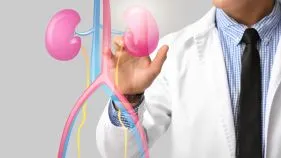
Beans Treatment for Kidney Stones: Can Beans Help Prevent or Manage Kidney Stones?

Beans Treatment for Kidney Stones: Can Beans Help Prevent or Manage Kidney Stones?

Introduction

Kidney stones are a common urinary tract condition that can cause severe pain, blood in the urine, nausea, and urinary discomfort. Along with medical treatment, many patients look for dietary changes that may help reduce the risk of future stones. One common question is whether beans can help treat kidney stones.

While beans are not a treatment or cure for kidney stones, they can be part of a healthy, balanced diet for many people. The effect of beans depends on the type of kidney stone, your overall kidney health, and your individual nutritional needs. Since different kidney stones have different causes, dietary recommendations should always be personalized by a nephrologist.

At Prabhakar Bhurke Clinic, our super specialist nephrologist provides comprehensive kidney stone evaluation, personalized dietary guidance, medical treatment, and long-term prevention strategies to help patients maintain healthy kidneys.


Can Beans Cure Kidney Stones?

The simple answer is No.

Beans cannot dissolve or remove kidney stones that have already formed. However, they may contribute to an overall healthy eating pattern that supports kidney health and helps reduce the risk of certain types of kidney stones.

Medical evaluation is necessary to determine the size, location, and type of stone before deciding on the most appropriate treatment.


Nutritional Benefits of Beans

Beans are rich in nutrients that support general health, including:

  • Plant-based protein
  • Dietary fiber
  • Vitamins
  • Minerals
  • Antioxidants
  • Complex carbohydrates

For many people, beans are a healthy alternative to excessive animal protein, which may increase the risk of certain kidney stones when consumed in large amounts.


Can Beans Help Prevent Kidney Stones?

Beans may support kidney stone prevention as part of a balanced diet because they:

  • Provide plant-based protein
  • Help maintain a healthy body weight
  • Contain dietary fiber that supports overall health
  • May reduce excessive intake of animal protein when used as a substitute

However, they should not be considered a standalone treatment for kidney stones.


Are Beans Safe for Everyone with Kidney Stones?

Not always.

The ideal diet depends on several factors, including:

  • The type of kidney stone
  • Kidney function
  • Presence of chronic kidney disease (CKD)
  • Potassium levels
  • Other medical conditions such as diabetes or hypertension

Some beans contain relatively high amounts of potassium or oxalates. People with advanced kidney disease or specific dietary restrictions may need to limit certain varieties.

Always follow the advice of your nephrologist or renal dietitian.


Types of Kidney Stones

Understanding the stone type helps determine the best dietary and medical treatment.

Calcium Oxalate Stones

The most common type of kidney stone.

Dietary advice may include:

  • Adequate hydration
  • Moderate calcium intake
  • Reduced salt intake
  • Limiting excessive oxalate-rich foods when appropriate

Uric Acid Stones

Often associated with:

  • High uric acid levels
  • Diets rich in animal protein
  • Gout

Lifestyle and dietary modifications may help reduce recurrence.


Struvite Stones

Usually develop after recurrent urinary tract infections.

Treatment focuses on removing the stone and managing the underlying infection.


Cystine Stones

A rare inherited condition requiring specialized long-term management.


Symptoms of Kidney Stones

Common symptoms include:

  • Severe pain in the back or flank
  • Pain radiating to the lower abdomen or groin
  • Blood in the urine
  • Burning during urination
  • Frequent urge to urinate
  • Nausea
  • Vomiting
  • Cloudy urine
  • Fever and chills if infection is present

These symptoms require prompt medical evaluation.


How Are Kidney Stones Diagnosed?

At Prabhakar Bhurke Clinic, our super specialist nephrologist performs a thorough kidney stone evaluation.

Medical History and Physical Examination

Your doctor will assess:

  • Symptoms
  • Previous kidney stones
  • Family history
  • Dietary habits
  • Current medications
  • Fluid intake

Blood Tests

Important investigations may include:

  • Serum Creatinine
  • Estimated Glomerular Filtration Rate (eGFR)
  • Calcium
  • Uric Acid
  • Electrolytes
  • Blood Urea Nitrogen (BUN)

Urine Tests

Urinalysis helps detect:

  • Blood
  • Infection
  • Crystals
  • Protein
  • Urine pH

A 24-hour urine collection may be recommended for patients with recurrent kidney stones.


Imaging Studies

Imaging helps determine the size and location of the stone.

Investigations may include:

  • Kidney Ultrasound
  • CT Scan
  • X-ray in selected cases

Treatment for Kidney Stones

Treatment depends on the size, location, and type of stone.

Medical Management

Small stones may pass naturally with supportive treatment such as:

  • Adequate hydration when medically appropriate
  • Pain-relieving medications
  • Medicines that help stone passage
  • Regular follow-up

Minimally Invasive Procedures

Larger stones or stones causing obstruction may require:

  • Shock Wave Lithotripsy (ESWL)
  • Ureteroscopy
  • Percutaneous Nephrolithotomy (PCNL)

Our nephrologist works closely with urology specialists whenever procedural treatment is required.


Foods That Help Reduce Kidney Stone Risk

Your nephrologist may recommend:

  • Drinking enough water
  • Eating fresh fruits and vegetables
  • Consuming adequate dietary calcium
  • Limiting excess salt
  • Reducing processed foods
  • Maintaining a healthy weight
  • Following a personalized kidney stone diet

The best diet depends on the type of kidney stone and your overall health.


Lifestyle Tips to Prevent Kidney Stones

Healthy habits include:

  • Staying well hydrated
  • Exercising regularly
  • Maintaining a healthy weight
  • Avoiding excessive salt intake
  • Limiting sugary beverages
  • Following medical advice regarding diet
  • Attending regular kidney check-ups

These measures significantly reduce the risk of stone recurrence.


When Should You See a Nephrologist?

Consult a nephrologist if you have:

  • Severe flank pain
  • Blood in the urine
  • Recurrent kidney stones
  • High creatinine levels
  • Repeated urinary tract infections
  • Family history of kidney stones
  • Chronic kidney disease
  • Persistent urinary symptoms

Early treatment helps protect kidney function and prevent complications.


Why Choose Prabhakar Bhurke Clinic?

Patients trust Prabhakar Bhurke Clinic because we provide:

  • Consultation with a super specialist nephrologist
  • Comprehensive kidney stone evaluation
  • Advanced kidney function testing
  • Personalized dietary counseling
  • Medical management of kidney stones
  • Kidney stone prevention programs
  • Coordination for minimally invasive stone procedures
  • Long-term follow-up with evidence-based, patient-centered care

Our goal is to relieve symptoms, prevent recurrent kidney stones, and preserve long-term kidney health.


Frequently Asked Questions (FAQs)

Can beans dissolve kidney stones?

No. Beans cannot dissolve existing kidney stones. They may be part of a healthy diet but should not be considered a treatment or cure.

Are beans good for kidney stone prevention?

For many people, beans can be included in a balanced diet as a source of plant-based protein. However, dietary advice should be individualized based on the type of kidney stone and kidney function.

Should people with chronic kidney disease eat beans?

Some people with CKD may need to limit beans because of their potassium or phosphorus content. Your nephrologist or renal dietitian can provide personalized recommendations.

What is the best way to prevent kidney stones?

Drinking adequate fluids, reducing salt intake, maintaining a healthy weight, and following a stone-specific diet under medical guidance are among the most effective preventive measures.


Conclusion

Although many people search for "beans treatment for kidney stones," it is important to understand that beans do not cure or remove kidney stones. They can, however, be part of a healthy diet for many individuals and may contribute to kidney stone prevention when included in a balanced meal plan. The most effective treatment depends on the size, type, and location of the stone, as well as your overall kidney health.

At Prabhakar Bhurke Clinic, our super specialist nephrologist provides expert diagnosis, personalized dietary guidance, advanced kidney stone evaluation, medical management, and long-term prevention strategies. We are committed to helping patients prevent future kidney stones while protecting overall kidney function.


Book an Appointment Today

If you have kidney stone symptoms, recurrent kidney stones, blood in the urine, severe flank pain, high creatinine levels, or want personalized dietary advice for kidney stone prevention, schedule a consultation at Prabhakar Bhurke Clinic. Our super specialist nephrologist will perform a comprehensive evaluation and create an individualized treatment and prevention plan to help you achieve lasting kidney health.

Low GFR Treatment: Causes, Symptoms, Diagnosis & Expert Kidney Care

Low GFR Treatment: Causes, Symptoms, Diagnosis & Expert Kidney Care

Introduction

The Glomerular Filtration Rate (GFR) is one of the most important measurements used to evaluate how well your kidneys are filtering waste products and excess fluid from the blood. A low GFR indicates reduced kidney function and may be an early sign of chronic kidney disease (CKD) or another kidney disorder.

Many people become concerned after receiving blood test results showing a low estimated GFR (eGFR) and wonder whether treatment is available. While the treatment for a low GFR depends on the underlying cause, early diagnosis and proper medical management can often slow kidney disease progression, reduce complications, and help preserve remaining kidney function.

At Prabhakar Bhurke Clinic, our super specialist nephrologist provides comprehensive kidney evaluation, advanced diagnostic testing, personalized treatment plans, dialysis guidance, and long-term care for patients with reduced kidney function.


What Is GFR?

GFR (Glomerular Filtration Rate) measures how efficiently the kidneys filter blood.

It is usually estimated using a blood test called Estimated Glomerular Filtration Rate (eGFR), which is calculated from:

  • Serum creatinine
  • Age
  • Sex
  • Other clinical factors

A lower GFR generally indicates reduced kidney function.


What Does a Low GFR Mean?

A low GFR does not automatically mean kidney failure.

It may indicate:

  • Early chronic kidney disease
  • Moderate kidney disease
  • Advanced kidney disease
  • Acute kidney injury
  • Temporary reduction in kidney function due to dehydration or certain illnesses

Your nephrologist will interpret your GFR along with your medical history, symptoms, urine tests, and other investigations.


Common Causes of Low GFR

Several medical conditions can reduce kidney function.

Common causes include:

  • Diabetes
  • High blood pressure
  • Chronic Kidney Disease (CKD)
  • Acute Kidney Injury (AKI)
  • Glomerulonephritis
  • Polycystic kidney disease
  • Kidney infections
  • Urinary tract obstruction
  • Kidney stones causing blockage
  • Autoimmune diseases
  • Long-term use of certain medications (such as some NSAIDs)

Identifying the underlying cause is essential for effective treatment.


Symptoms of Low GFR

Many people with a mildly reduced GFR have no symptoms.

As kidney function declines, symptoms may include:

  • Fatigue
  • Swelling of the feet, ankles, or face
  • Foamy urine
  • Blood in the urine
  • Reduced urine output
  • Frequent urination at night
  • High blood pressure
  • Muscle cramps
  • Nausea
  • Loss of appetite
  • Dry or itchy skin
  • Shortness of breath
  • Difficulty concentrating

Early-stage kidney disease is often detected through routine blood and urine tests.


How Is Low GFR Diagnosed?

At Prabhakar Bhurke Clinic, our super specialist nephrologist performs a complete kidney assessment.

Medical History and Physical Examination

Your consultation includes:

  • Review of symptoms
  • Medical history
  • Family history
  • Blood pressure assessment
  • Medication review
  • Physical examination

Blood Tests

Important investigations include:

  • Serum Creatinine
  • Estimated Glomerular Filtration Rate (eGFR)
  • Blood Urea Nitrogen (BUN)
  • Electrolytes
  • Blood Sugar
  • Complete Blood Count (CBC)

These tests help assess kidney function and identify contributing conditions.


Urine Tests

Urinalysis helps detect:

  • Protein
  • Blood
  • Albumin
  • Infection
  • Kidney damage

Urine protein testing is especially important in chronic kidney disease.


Imaging Studies

Depending on your condition, investigations may include:

  • Kidney Ultrasound
  • CT Scan
  • MRI when clinically indicated

These tests help identify structural abnormalities or urinary tract obstruction.


Additional Tests

In selected patients, further investigations such as kidney biopsy or specialized laboratory tests may be recommended.


Low GFR Treatment

Treatment depends on the underlying cause and the stage of kidney disease.

Control Blood Pressure

High blood pressure is both a cause and a consequence of kidney disease.

Careful blood pressure management helps protect remaining kidney function.


Manage Diabetes

Maintaining healthy blood sugar levels helps slow kidney damage in patients with diabetes.

Regular monitoring and appropriate medications are essential.


Medications

Your nephrologist may prescribe medicines to:

  • Control blood pressure
  • Reduce protein leakage in urine
  • Manage diabetes
  • Correct electrolyte imbalances
  • Treat anemia
  • Reduce swelling
  • Address complications of kidney disease

Treatment is individualized based on your condition.


Kidney-Friendly Diet

Dietary recommendations may include:

  • Limiting salt intake
  • Eating appropriate amounts of protein
  • Managing potassium and phosphorus intake when necessary
  • Avoiding processed foods
  • Following personalized dietary advice

A renal dietitian may help develop a suitable meal plan.


Lifestyle Changes

Healthy habits play a major role in protecting kidney function.

Recommendations include:

  • Maintaining a healthy weight
  • Exercising regularly
  • Quitting smoking
  • Limiting alcohol
  • Taking medications exactly as prescribed
  • Attending regular follow-up appointments

Lifestyle changes complement medical treatment.


Dialysis

If kidney function becomes severely impaired and symptoms cannot be controlled with medical therapy alone, dialysis may be recommended to remove waste products and excess fluid from the body.


Kidney Transplant

For suitable patients with end-stage kidney disease, kidney transplantation may offer improved long-term survival and quality of life.


Can a Low GFR Improve?

Whether a low GFR improves depends on the cause.

  • Acute Kidney Injury (AKI): Kidney function may improve if the underlying cause is treated promptly.
  • Chronic Kidney Disease (CKD): Kidney damage is usually permanent, but appropriate treatment can often slow progression and preserve remaining kidney function.

Regular follow-up is essential for monitoring changes in kidney health.


How to Protect Your Kidney Function

To help preserve kidney health:

  • Control blood pressure
  • Manage diabetes
  • Stay hydrated as advised by your doctor
  • Eat a balanced kidney-friendly diet
  • Avoid unnecessary use of NSAID painkillers
  • Maintain a healthy weight
  • Exercise regularly
  • Avoid smoking
  • Attend routine kidney check-ups

Prevention and early treatment are the best ways to reduce the risk of worsening kidney disease.


When Should You See a Nephrologist?

Consult a nephrologist if you have:

  • Low eGFR on blood tests
  • High creatinine levels
  • Protein in the urine
  • Blood in the urine
  • Persistent swelling
  • High blood pressure
  • Diabetes with reduced kidney function
  • Recurrent kidney stones
  • Chronic kidney disease

Early specialist care can significantly improve long-term outcomes.


Why Choose Prabhakar Bhurke Clinic?

Patients trust Prabhakar Bhurke Clinic because we provide:

  • Consultation with a super specialist nephrologist
  • Comprehensive kidney function evaluation
  • Advanced diagnostic investigations
  • Personalized treatment plans
  • Expertise in chronic kidney disease, acute kidney injury, diabetic kidney disease, hypertension-related kidney disease, and electrolyte disorders
  • Dialysis planning and management
  • Kidney transplant evaluation and follow-up
  • Compassionate, evidence-based, long-term kidney care

Our goal is to identify the cause of reduced kidney function early, slow disease progression, and help patients maintain the best possible quality of life.


Frequently Asked Questions (FAQs)

What does a low GFR mean?

A low GFR indicates that the kidneys are filtering blood less efficiently than normal. It may be caused by chronic kidney disease, acute kidney injury, dehydration, or other kidney disorders.

Can a low GFR be treated?

Yes. Treatment focuses on the underlying cause and may include blood pressure control, diabetes management, medications, dietary changes, and lifestyle modifications. The goal is to preserve kidney function and reduce complications.

Can a low GFR return to normal?

It depends on the cause. Temporary kidney injury may improve with treatment, while chronic kidney disease is generally not reversible. However, progression can often be slowed with appropriate medical care.

When is dialysis needed for a low GFR?

Dialysis is not started based on GFR alone. The decision depends on kidney function, symptoms, laboratory findings, and the patient's overall clinical condition.


Conclusion

A low GFR is an important indicator of reduced kidney function and should never be ignored. Although it does not always mean kidney failure, it requires proper evaluation to identify the underlying cause and begin appropriate treatment. Early diagnosis, individualized medical care, healthy lifestyle changes, and regular follow-up can help slow kidney disease progression and preserve kidney function.

At Prabhakar Bhurke Clinic, our super specialist nephrologist provides expert diagnosis, comprehensive kidney function assessment, advanced treatment, dialysis guidance, and long-term care for patients with low GFR and other kidney disorders. We are committed to helping you protect your kidneys and achieve better long-term health.


Book an Appointment Today

If your blood tests show a low GFR, high creatinine levels, protein in the urine, chronic kidney disease, diabetes-related kidney damage, or abnormal kidney function, schedule a consultation at Prabhakar Bhurke Clinic. Our super specialist nephrologist will perform a detailed evaluation, explain your kidney function results, and develop a personalized treatment plan to help preserve your kidney health and improve your quality of life.

Kidney Stone Back Pain Area: Where Does Kidney Stone Pain Occur?

Kidney Stone Back Pain Area: Where Does Kidney Stone Pain Occur?

Introduction

One of the most common symptoms of a kidney stone is severe back or flank pain. Many people search for "kidney stone back pain area" because they want to know whether their back pain is related to a kidney stone or another condition such as muscle strain or a spinal problem.

Kidney stone pain is often intense and may move as the stone travels through the urinary tract. Recognizing the typical location and associated symptoms can help patients seek timely medical care.

At Prabhakar Bhurke Clinic, our super specialist nephrologist provides comprehensive evaluation, advanced diagnostic testing, kidney stone prevention, medical management, and long-term kidney care for patients with kidney stone disease.


Where Is Kidney Stone Pain Usually Felt?

Kidney stone pain typically begins in the flank, which is the area between the lower ribs and the hip on either side of the back.

Common pain locations include:

  • One side of the upper back

  • Below the ribs

  • Side of the abdomen (flank)

  • Lower back

  • Lower abdomen

  • Groin

  • Genital area (as the stone moves downward)

Pain usually occurs on one side, depending on which kidney contains the stone.


Why Does the Pain Move?

A kidney stone often causes pain as it moves from the kidney into the ureter (the tube connecting the kidney to the bladder).

As the stone travels, the pain may move:

  • From the upper back

  • To the side of the abdomen

  • Into the lower abdomen

  • Toward the groin

This changing pattern of pain is called radiating pain and is a common feature of kidney stones.


Characteristics of Kidney Stone Pain

Kidney stone pain is often described as:

  • Sudden in onset

  • Severe and sharp

  • Cramping or wave-like

  • Coming and going in intensity

  • Difficult to relieve by changing body position

Unlike muscle pain, kidney stone pain often persists regardless of sitting, standing, or lying down.


Other Symptoms of Kidney Stones

In addition to back pain, kidney stones may cause:

  • Blood in the urine

  • Pain during urination

  • Frequent urge to urinate

  • Burning while urinating

  • Cloudy or foul-smelling urine

  • Nausea

  • Vomiting

  • Fever and chills (if infection is present)

  • Difficulty passing urine

  • Reduced urine flow in severe obstruction

If fever accompanies kidney stone pain, immediate medical attention is required.


What Causes Kidney Stones?

Kidney stones develop when minerals and salts in the urine form crystals that gradually grow into stones.

Common risk factors include:

  • Inadequate fluid intake

  • High salt intake

  • Diets high in animal protein

  • Obesity

  • Family history of kidney stones

  • Recurrent urinary tract infections

  • Certain metabolic disorders

  • Hyperparathyroidism

  • Some medications

Proper hydration and dietary modifications may reduce the risk of recurrence.


Types of Kidney Stones

The most common types include:

Calcium Stones

The most frequently occurring kidney stones, often composed of calcium oxalate.

Uric Acid Stones

More common in people with gout or persistently acidic urine.

Struvite Stones

Usually associated with recurrent urinary tract infections.

Cystine Stones

A rare inherited form of kidney stone disease.

Identifying the stone type helps guide prevention strategies.


How Are Kidney Stones Diagnosed?

At Prabhakar Bhurke Clinic, our super specialist nephrologist performs a complete evaluation to confirm the diagnosis and determine the most appropriate treatment.

Medical History and Physical Examination

The consultation includes:

  • Review of symptoms

  • Pain location and severity

  • Medical history

  • Family history

  • Medication review

  • Physical examination


Blood Tests

Important investigations include:

  • Serum Creatinine

  • Estimated Glomerular Filtration Rate (eGFR)

  • Blood Urea Nitrogen (BUN)

  • Calcium

  • Uric Acid

  • Electrolytes

These tests help assess kidney function and identify contributing metabolic conditions.


Urine Tests

Urinalysis helps detect:

  • Blood

  • Infection

  • Crystals

  • Protein

  • Urine pH

Stone analysis and 24-hour urine testing may be recommended for recurrent stone formers.


Imaging Studies

Imaging helps determine the size and location of the stone.

Investigations may include:

  • Kidney Ultrasound

  • CT Scan (commonly used for detailed evaluation)

  • X-ray in selected cases


Treatment for Kidney Stones

Treatment depends on the stone's size, location, symptoms, and whether it is causing blockage or infection.

Medical Management

Small stones may pass naturally with supportive treatment, which may include:

  • Adequate hydration (when medically appropriate)

  • Pain management

  • Medications to help the stone pass

  • Close follow-up

Treatment should always be guided by a healthcare professional.


Minimally Invasive Procedures

Larger stones or stones causing complications may require:

  • Shock Wave Lithotripsy (ESWL)

  • Ureteroscopy

  • Percutaneous Nephrolithotomy (PCNL)

  • Other specialized procedures when indicated

Our nephrologist coordinates care with urology specialists whenever procedural treatment is required.


How to Prevent Future Kidney Stones

You can reduce your risk of recurrence by:

  • Drinking enough fluids as advised

  • Limiting excessive salt intake

  • Eating a balanced diet

  • Maintaining a healthy body weight

  • Managing underlying medical conditions

  • Following stone-specific dietary recommendations

  • Attending regular nephrology follow-up appointments

Patients with recurrent stones may require a personalized prevention plan.


When Should You See a Nephrologist?

Consult a nephrologist if you experience:

  • Severe flank or back pain

  • Blood in the urine

  • Recurrent kidney stones

  • High creatinine levels

  • Persistent urinary symptoms

  • Repeated urinary tract infections

  • Kidney stones associated with reduced kidney function

  • Family history of recurrent kidney stones

Early evaluation can help prevent kidney damage and reduce the risk of future stones.


Why Choose Prabhakar Bhurke Clinic?

Patients trust Prabhakar Bhurke Clinic because we provide:

  • Consultation with a super specialist nephrologist

  • Comprehensive kidney stone evaluation

  • Advanced kidney function testing

  • Personalized stone prevention strategies

  • Medical management of kidney stones

  • Expertise in chronic kidney disease and kidney stone-related complications

  • Coordination for minimally invasive stone procedures when required

  • Long-term follow-up with compassionate, evidence-based care

Our goal is to relieve symptoms, protect kidney function, and help prevent future kidney stones.


Frequently Asked Questions (FAQs)

Where is kidney stone pain usually located?

Kidney stone pain usually begins in the flank—the area between the lower ribs and the hip—and may spread to the lower abdomen or groin as the stone moves.

Can kidney stone pain feel like back pain?

Yes. Kidney stone pain is often felt in the back or side below the ribs, but it is usually deeper and more severe than muscle-related back pain.

Does every kidney stone cause severe pain?

No. Small stones may produce few or no symptoms. Pain usually occurs when a stone moves or blocks the flow of urine.

When should I seek emergency medical care?

Seek immediate medical attention if kidney stone pain is accompanied by fever, chills, persistent vomiting, difficulty passing urine, or severe uncontrolled pain.


Conclusion

The kidney stone back pain area is typically the flank—the region between the lower ribs and the hip—and the pain may radiate to the abdomen or groin as the stone travels through the urinary tract. Because kidney stone pain can resemble other causes of back pain, prompt medical evaluation is important, especially if symptoms are associated with blood in the urine, fever, or difficulty urinating.

At Prabhakar Bhurke Clinic, our super specialist nephrologist provides expert diagnosis, advanced kidney stone evaluation, personalized treatment, kidney stone prevention, and long-term kidney care. With evidence-based management and compassionate support, we are committed to helping patients achieve lasting kidney health.


Book an Appointment Today

If you have persistent back or flank pain, blood in the urine, recurrent kidney stones, painful urination, high creatinine levels, or abnormal kidney imaging, schedule a consultation at Prabhakar Bhurke Clinic. Our super specialist nephrologist will perform a comprehensive kidney evaluation, identify the cause of your symptoms, and create a personalized treatment plan to protect your kidneys and prevent future stone formation.

Common Kidney Problems: Symptoms, Causes, Treatment & Expert Kidney Care

Common Kidney Problems: Symptoms, Causes, Treatment & Expert Kidney Care

Introduction

The kidneys are two vital organs responsible for filtering waste products, removing excess fluid, balancing electrolytes, regulating blood pressure, and supporting healthy red blood cell production. When the kidneys become damaged, they may not function properly, leading to a wide range of health problems.

Many people search for "common kidney problems" after experiencing symptoms such as swelling, back pain, blood in the urine, high creatinine levels, or changes in urination. While some kidney conditions are mild and treatable, others require long-term medical management to prevent complications and preserve kidney function.

At Prabhakar Bhurke Clinic, our super specialist nephrologist provides comprehensive diagnosis, advanced kidney function evaluation, personalized treatment plans, dialysis guidance, and long-term care for patients with all types of kidney diseases.


What Do Healthy Kidneys Do?

Healthy kidneys perform several essential functions, including:

  • Filtering waste products from the blood

  • Removing excess water through urine

  • Maintaining electrolyte balance

  • Regulating blood pressure

  • Supporting healthy bone health

  • Producing hormones involved in red blood cell production

  • Maintaining acid-base balance

Healthy kidney function is essential for overall health.


Common Kidney Problems

Several medical conditions can affect kidney function.

Chronic Kidney Disease (CKD)

Chronic Kidney Disease is a long-term condition in which kidney function gradually declines over time.

Common causes include:

  • Diabetes

  • High blood pressure

  • Glomerulonephritis

  • Polycystic kidney disease

Early diagnosis and treatment can slow disease progression.


Acute Kidney Injury (AKI)

Acute Kidney Injury is a sudden decline in kidney function that may occur due to:

  • Severe dehydration

  • Infections

  • Certain medications

  • Reduced blood flow to the kidneys

  • Urinary tract obstruction

Prompt treatment can often improve kidney function.


Kidney Stones

Kidney stones are hard mineral deposits that form inside the kidneys.

Symptoms may include:

  • Severe flank pain

  • Blood in the urine

  • Pain during urination

  • Nausea and vomiting

Treatment depends on the size, location, and type of stone.


Kidney Infections (Pyelonephritis)

A kidney infection is usually caused by bacteria that spread from the urinary tract.

Symptoms may include:

  • Fever

  • Chills

  • Flank pain

  • Burning during urination

  • Frequent urination

Early treatment helps prevent permanent kidney damage.


Glomerulonephritis

This condition involves inflammation of the kidney's filtering units (glomeruli).

It may cause:

  • Protein in the urine

  • Blood in the urine

  • Swelling

  • High blood pressure

  • Reduced kidney function


Diabetic Kidney Disease

Long-standing diabetes can damage the kidneys over time.

Good blood sugar control and regular kidney monitoring help reduce the risk of complications.


Polycystic Kidney Disease (PKD)

PKD is an inherited condition in which multiple fluid-filled cysts develop inside the kidneys.

It can lead to:

  • High blood pressure

  • Flank pain

  • Blood in the urine

  • Progressive kidney dysfunction


Kidney Failure

Kidney failure occurs when the kidneys lose most of their filtering ability.

Advanced kidney failure may require:

  • Dialysis

  • Kidney transplantation

  • Long-term nephrology care


Common Symptoms of Kidney Problems

Kidney disease often develops silently during its early stages.

Symptoms may include:

  • Swelling of the feet, ankles, or face

  • Foamy urine

  • Blood in the urine

  • Frequent urination, especially at night

  • Reduced urine output

  • High blood pressure

  • Persistent fatigue

  • Loss of appetite

  • Nausea and vomiting

  • Shortness of breath

  • Muscle cramps

  • Dry or itchy skin

  • Back or flank pain

  • Difficulty concentrating

Persistent symptoms should be evaluated by a nephrologist.


Who Is at Higher Risk?

You may have an increased risk of kidney disease if you have:

  • Diabetes

  • High blood pressure

  • Heart disease

  • Obesity

  • Family history of kidney disease

  • Recurrent kidney stones

  • Frequent urinary tract infections

  • Autoimmune diseases

  • Older age

Regular kidney screening is recommended for people in these high-risk groups.


How Are Kidney Problems Diagnosed?

At Prabhakar Bhurke Clinic, our super specialist nephrologist performs a complete kidney evaluation.

Medical History and Physical Examination

The consultation includes:

  • Review of symptoms

  • Medical history

  • Family history

  • Blood pressure measurement

  • Medication review

  • Physical examination


Blood Tests

Important investigations include:

  • Serum Creatinine

  • Estimated Glomerular Filtration Rate (eGFR)

  • Blood Urea Nitrogen (BUN)

  • Electrolytes

  • Complete Blood Count (CBC)

These tests help assess kidney function.


Urine Tests

Urinalysis helps identify:

  • Protein

  • Blood

  • Infection

  • Albumin leakage

  • Kidney damage


Imaging Studies

Imaging may include:

  • Kidney Ultrasound

  • CT Scan

  • MRI when clinically indicated

These tests help identify structural kidney abnormalities.


Additional Testing

Depending on your condition, your nephrologist may recommend:

  • Kidney biopsy

  • Specialized laboratory tests

  • Metabolic evaluation for kidney stones


Treatment for Common Kidney Problems

Treatment depends on the specific kidney condition and its severity.

Medications

Medicines may be prescribed to:

  • Control blood pressure

  • Manage diabetes

  • Treat kidney infections

  • Correct electrolyte imbalances

  • Reduce swelling

  • Treat anemia

  • Slow kidney disease progression


Lifestyle Modifications

Patients are encouraged to:

  • Eat a kidney-friendly diet

  • Reduce salt intake

  • Exercise regularly

  • Maintain a healthy weight

  • Stop smoking

  • Stay hydrated according to medical advice

  • Take medications as prescribed

Healthy lifestyle habits help preserve kidney function.


Dialysis

Patients with advanced kidney failure may require dialysis to remove waste products and excess fluid when the kidneys can no longer perform these functions effectively.


Kidney Transplant

Eligible patients with end-stage kidney disease may benefit from kidney transplantation, which can improve long-term health outcomes and quality of life.


How to Keep Your Kidneys Healthy

Protect your kidneys by:

  • Controlling blood pressure

  • Managing diabetes

  • Drinking fluids as advised by your doctor

  • Avoiding unnecessary use of pain-relieving medicines (NSAIDs)

  • Eating a balanced diet

  • Exercising regularly

  • Maintaining a healthy weight

  • Avoiding smoking

  • Undergoing regular kidney health check-ups

Early prevention is the best way to reduce the risk of kidney disease.


Why Early Diagnosis Matters

Many kidney diseases progress without noticeable symptoms.

Early diagnosis helps:

  • Preserve kidney function

  • Prevent complications

  • Delay kidney failure

  • Improve quality of life

  • Reduce the need for dialysis

Routine screening is especially important for people with diabetes or hypertension.


Why Choose Prabhakar Bhurke Clinic?

Patients trust Prabhakar Bhurke Clinic because we provide:

  • Consultation with a super specialist nephrologist

  • Comprehensive kidney function evaluation

  • Advanced diagnostic investigations

  • Personalized treatment plans

  • Expertise in chronic kidney disease, kidney failure, kidney stones, diabetic kidney disease, glomerular diseases, electrolyte disorders, and hypertension-related kidney disease

  • Dialysis planning and long-term management

  • Kidney transplant evaluation and follow-up

  • Compassionate, evidence-based, patient-centered care

Our goal is to diagnose kidney disease early, preserve kidney function, and provide comprehensive care that improves long-term health and quality of life.


Frequently Asked Questions (FAQs)

What is the most common kidney problem?

Chronic kidney disease (CKD) is one of the most common kidney disorders, particularly among people with diabetes and high blood pressure.

What are the early signs of kidney disease?

Early kidney disease often has no symptoms. Protein in the urine, blood in the urine, abnormal kidney function tests, or high blood pressure may be among the first signs.

Can kidney problems be treated?

Many kidney conditions can be effectively managed with early diagnosis, medications, lifestyle changes, and regular follow-up. Treatment depends on the specific cause and stage of the disease.

When should I see a nephrologist?

Consult a nephrologist if you have high creatinine levels, reduced kidney function, blood or protein in the urine, persistent swelling, recurrent kidney stones, uncontrolled blood pressure, or symptoms suggestive of kidney disease.


Conclusion

Common kidney problems include chronic kidney disease, acute kidney injury, kidney stones, kidney infections, diabetic kidney disease, glomerulonephritis, polycystic kidney disease, and kidney failure. Because many kidney conditions develop silently, early diagnosis and timely treatment are essential to preserve kidney function and prevent serious complications.

At Prabhakar Bhurke Clinic, our super specialist nephrologist provides expert diagnosis, advanced kidney function testing, personalized treatment, dialysis guidance, and long-term care for patients with a wide range of kidney disorders. We are committed to helping you protect your kidneys and maintain better overall health.


Book an Appointment Today

If you have high creatinine levels, swelling, blood in the urine, foamy urine, recurrent kidney stones, diabetes, high blood pressure, or abnormal kidney function tests, schedule a consultation at Prabhakar Bhurke Clinic. Our super specialist nephrologist will perform a comprehensive kidney evaluation, identify the cause of your symptoms, and create a personalized treatment plan to help protect your kidney health and improve your quality of life.

Common Kidney Problems: Symptoms, Causes, Treatment & Expert Kidney Care

Leg Pain and Kidney Disease: Causes, Symptoms, Treatment & When to See a Nephrologist

Introduction

Leg pain is a common symptom that can result from muscle strain, nerve problems, poor circulation, arthritis, or injuries. However, in some cases, kidney disease or kidney failure may contribute to leg pain through fluid retention, electrolyte imbalances, nerve damage, poor circulation, or bone and mineral disorders associated with chronic kidney disease (CKD).

Many people search for "leg pain kidney" to understand whether kidney problems could be the reason for discomfort in their legs. While leg pain alone does not necessarily indicate kidney disease, persistent leg pain associated with swelling, muscle cramps, weakness, or changes in kidney function should be evaluated by a nephrologist.

At Prabhakar Bhurke Clinic, our super specialist nephrologist provides comprehensive kidney evaluation, advanced diagnostic testing, personalized treatment plans, dialysis management, and long-term care for patients with kidney disorders.


Can Kidney Disease Cause Leg Pain?

Yes, kidney disease can contribute to leg pain, although it is usually not the direct cause.

Kidney-related conditions may lead to:

  • Muscle cramps

  • Fluid retention

  • Swelling of the legs

  • Nerve damage

  • Bone and mineral disorders

  • Poor circulation due to associated medical conditions

Proper evaluation is important because many other medical conditions can also cause leg pain.


How Kidney Disease Can Lead to Leg Pain

Fluid Retention

Damaged kidneys may be unable to remove excess fluid effectively.

This can cause:

  • Swelling of the feet

  • Swelling of the ankles

  • Tightness in the legs

  • Heaviness or discomfort

Swelling often becomes more noticeable toward the end of the day.


Electrolyte Imbalances

Kidney disease can affect the balance of:

  • Potassium

  • Calcium

  • Sodium

  • Magnesium

  • Phosphorus

These changes may contribute to:

  • Muscle cramps

  • Muscle pain

  • Leg stiffness

  • Weakness


Peripheral Neuropathy

People with advanced kidney disease or diabetes may develop nerve damage.

Symptoms include:

  • Burning pain

  • Tingling

  • Numbness

  • Shooting pain

  • Reduced sensation in the legs or feet


Bone and Mineral Disorders

Chronic kidney disease can affect calcium, phosphorus, and vitamin D balance, leading to weakened bones and joint discomfort that may contribute to leg pain.


Poor Blood Circulation

Many kidney patients also have diabetes, high blood pressure, or cardiovascular disease, which may reduce blood flow to the legs and cause pain during walking or activity.


Other Symptoms of Kidney Disease

Leg pain accompanied by any of the following symptoms should be evaluated:

  • Swelling of the feet, ankles, or face

  • Puffiness around the eyes

  • Reduced urine output

  • Foamy urine

  • Blood in the urine

  • Persistent fatigue

  • High blood pressure

  • Nausea

  • Loss of appetite

  • Shortness of breath

  • Dry or itchy skin

  • Muscle cramps

  • Difficulty concentrating

These symptoms may indicate declining kidney function.


Causes of Kidney Disease

Common causes include:

  • Diabetes

  • High blood pressure

  • Chronic kidney disease (CKD)

  • Acute kidney injury (AKI)

  • Glomerulonephritis

  • Polycystic kidney disease

  • Kidney infections

  • Autoimmune diseases

  • Urinary tract obstruction

  • Certain medications

Early diagnosis can help slow disease progression.


Who Is at Risk?

You may have a higher risk of kidney disease if you have:

  • Diabetes

  • High blood pressure

  • Heart disease

  • Obesity

  • Family history of kidney disease

  • Recurrent kidney stones

  • Frequent urinary tract infections

  • Older age

  • Long-term use of certain pain-relieving medicines (NSAIDs)

Regular kidney screening is recommended for people at increased risk.


How Is Kidney Disease Diagnosed?

At Prabhakar Bhurke Clinic, our super specialist nephrologist performs a complete kidney evaluation.

Medical History and Physical Examination

The consultation includes:

  • Review of symptoms

  • Medical history

  • Medication review

  • Blood pressure measurement

  • Assessment of swelling

  • Physical examination


Blood Tests

Important investigations include:

  • Serum Creatinine

  • Estimated Glomerular Filtration Rate (eGFR)

  • Blood Urea Nitrogen (BUN)

  • Electrolytes

  • Calcium

  • Phosphorus

  • Complete Blood Count (CBC)

These tests help assess kidney function and identify metabolic abnormalities.


Urine Tests

Urinalysis helps detect:

  • Protein

  • Blood

  • Infection

  • Albumin leakage


Imaging Studies

Depending on your condition, your nephrologist may recommend:

  • Kidney Ultrasound

  • CT Scan

  • MRI when clinically indicated

These tests help identify structural kidney abnormalities.


Treatment for Kidney-Related Leg Pain

Treatment focuses on the underlying cause rather than simply relieving pain.

Treating Kidney Disease

Management may include:

  • Blood pressure control

  • Diabetes management

  • Kidney-protective medications

  • Lifestyle modifications

  • Regular monitoring

Slowing kidney disease progression can reduce complications.


Managing Swelling

Your doctor may recommend:

  • Reducing salt intake

  • Fluid management

  • Medications when appropriate

  • Elevating the legs

  • Compression therapy only when medically suitable

Treatment depends on the cause of swelling.


Correcting Electrolyte Imbalances

Abnormal sodium, potassium, calcium, or phosphorus levels may require:

  • Dietary changes

  • Medication adjustments

  • Supplements or other treatments

  • Regular blood test monitoring


Dialysis

Patients with advanced kidney failure may require dialysis to remove excess fluid and waste products, which can improve symptoms related to fluid overload and electrolyte imbalance.


Kidney Transplant

For eligible patients with end-stage kidney disease, kidney transplantation may improve long-term kidney function and quality of life.


Lifestyle Tips for Healthy Kidneys

To help protect your kidneys:

  • Control blood pressure

  • Manage diabetes

  • Eat a balanced kidney-friendly diet

  • Stay physically active

  • Maintain a healthy weight

  • Avoid smoking

  • Limit excessive salt intake

  • Avoid unnecessary use of NSAID painkillers

  • Attend regular nephrology follow-up appointments

Healthy habits support better kidney and overall health.


When Should You See a Nephrologist?

Consult a nephrologist if leg pain occurs with:

  • Persistent swelling

  • High creatinine levels

  • Reduced kidney function

  • Foamy urine

  • Blood in the urine

  • Muscle cramps that are frequent or severe

  • High blood pressure

  • Diabetes with kidney-related symptoms

Early medical evaluation helps prevent complications.


Why Choose Prabhakar Bhurke Clinic?

Patients trust Prabhakar Bhurke Clinic because we provide:

  • Consultation with a super specialist nephrologist

  • Comprehensive kidney health evaluation

  • Advanced diagnostic testing

  • Personalized treatment plans

  • Expertise in chronic kidney disease, kidney failure, diabetic kidney disease, electrolyte disorders, and hypertension-related kidney disease

  • Dialysis planning and management

  • Kidney transplant evaluation and follow-up

  • Long-term, evidence-based kidney care

Our focus is on identifying the underlying cause of symptoms, preserving kidney function, relieving complications, and improving long-term quality of life.


Frequently Asked Questions (FAQs)

Can kidney disease cause leg pain?

Yes. Kidney disease may contribute to leg pain through fluid retention, muscle cramps, electrolyte imbalances, nerve damage, or bone and mineral disorders. However, many cases of leg pain are caused by conditions unrelated to the kidneys.

Why do kidney patients get leg cramps?

Leg cramps may occur because of electrolyte imbalances, fluid shifts, dialysis-related changes, or nerve and muscle involvement associated with kidney disease.

Can dialysis help reduce leg pain?

If leg pain is related to fluid overload or certain electrolyte disturbances, dialysis may help improve symptoms. However, the effect depends on the underlying cause.

When should I seek medical attention?

You should consult a doctor if leg pain is persistent, associated with swelling, weakness, reduced urine output, blood in the urine, or abnormal kidney function tests.


Conclusion

Leg pain can sometimes be associated with kidney disease, particularly when fluid retention, electrolyte imbalance, nerve damage, or chronic kidney disease complications are present. However, leg pain has many possible causes, and a thorough medical evaluation is necessary to identify the exact reason. Early diagnosis and appropriate treatment can help relieve symptoms while protecting kidney function.

At Prabhakar Bhurke Clinic, our super specialist nephrologist provides expert diagnosis, advanced kidney function testing, personalized treatment plans, dialysis guidance, and long-term care for patients with kidney disease. We are committed to helping you manage kidney-related complications and maintain the best possible quality of life.


Book an Appointment Today

If you have persistent leg pain, swelling, muscle cramps, high creatinine levels, chronic kidney disease, kidney failure, diabetes, or abnormal kidney function tests, schedule a consultation at Prabhakar Bhurke Clinic. Our super specialist nephrologist will perform a comprehensive kidney evaluation, determine the cause of your symptoms, and develop a personalized treatment plan to protect your kidney health and overall well-being.