Introduction
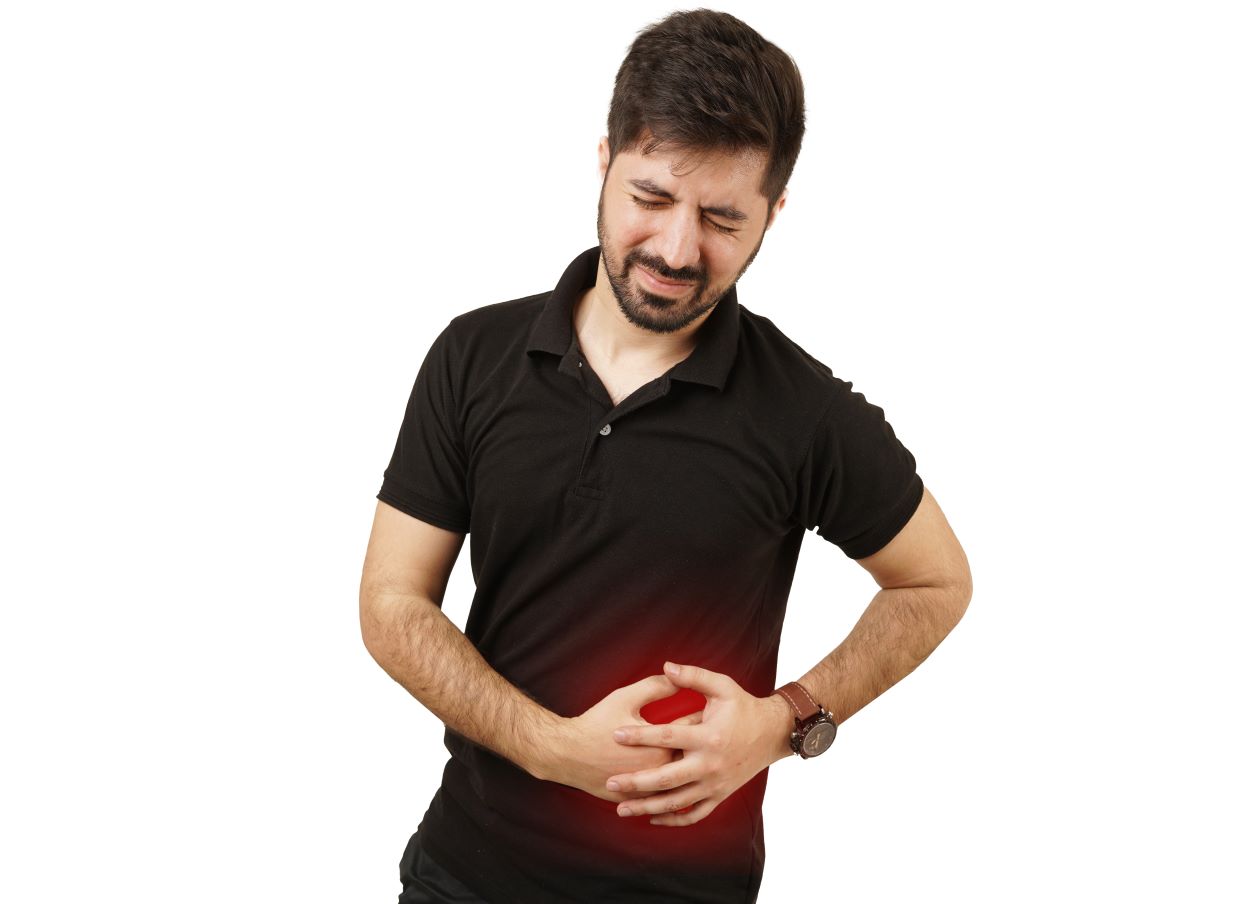
Kidney stone pain can be one of the most severe forms of pain a person experiences. The pain often begins suddenly, may come in waves, and can spread from the back or side toward the lower abdomen or groin. Because the discomfort can be intense, many people search for an instant remedy for kidney stone pain.
While some measures may provide temporary relief, it is important to understand that severe kidney stone pain often requires medical evaluation and treatment. Home remedies may reduce discomfort temporarily, but they do not always remove the stone or treat complications such as urinary obstruction or infection.
At Prabhakar Bhurke Clinic, our super specialist nephrologist provides comprehensive kidney stone evaluation, kidney-function assessment, metabolic testing, recurrence prevention, and long-term kidney care. When a stone requires a procedure, treatment can be coordinated with an experienced urologist.
Why Is Kidney Stone Pain So Severe?
Kidney stone pain usually occurs when a stone moves into the ureter, the tube connecting the kidney and bladder.
Pain develops because:
-
The stone blocks urine flow.
-
Pressure builds up inside the kidney.
-
The ureter goes into spasm.
-
The urinary tract becomes irritated.
This produces the classic renal colic, which may be extremely painful.
Symptoms of Kidney Stone Pain
Common symptoms include:
-
Severe pain in the side or back
-
Pain below the ribs
-
Pain radiating toward the groin
-
Pain that comes in waves
-
Blood in the urine
-
Nausea
-
Vomiting
-
Burning during urination
-
Frequent urination
-
Difficulty passing urine
Severe pain should not be ignored.
Is There an Instant Remedy for Kidney Stone Pain?
The most effective immediate treatment depends on the stone's size, location, and whether complications are present.
Temporary relief may include:
-
Medical pain relief
-
Hydration when appropriate
-
Rest
-
Warm compresses
-
Medical evaluation for obstruction or infection
The safest approach is to seek medical care, especially for severe pain.
Safe Immediate Relief Measures
Rest
Remaining as comfortable as possible may help reduce movement-related discomfort.
Warm Compress
Applying gentle warmth to the affected flank area may provide temporary relief for some patients.
Avoid excessive heat, especially if fever is present.
Appropriate Hydration
Drinking water may help some small stones pass.
However, drinking excessive amounts of water is not always appropriate, particularly if:
-
Pain is severe
-
Urine flow is obstructed
-
Vomiting is present
-
Kidney function is impaired
-
Fluid restriction has been prescribed
A nephrologist can advise the appropriate fluid intake.
Medical Pain Relief
Doctors may prescribe appropriate pain-relieving medication depending on the patient's kidney function and overall health.
Patients with:
-
Chronic kidney disease
-
Reduced eGFR
-
High creatinine
-
Kidney failure
-
Certain heart conditions
should avoid self-medicating with painkillers.
What Should You Avoid?
When experiencing severe kidney stone pain, avoid:
-
Taking repeated over-the-counter painkillers without medical advice
-
Delaying medical evaluation
-
Ignoring fever
-
Ignoring reduced urine output
-
Drinking excessive fluids if vomiting or obstruction is present
Delaying treatment can increase the risk of kidney damage.
Emergency Warning Signs
Seek immediate medical attention if kidney stone pain is accompanied by:
-
Fever
-
Chills
-
Persistent vomiting
-
Inability to pass urine
-
Very low urine output
-
Severe weakness
-
Confusion
-
Uncontrolled pain
-
Known kidney disease
-
A single functioning kidney
A kidney stone causing infection and obstruction can become a medical emergency.
How Is Kidney Stone Pain Diagnosed?
At Prabhakar Bhurke Clinic, our super specialist nephrologist performs a comprehensive kidney evaluation.
Medical History and Examination
The doctor reviews:
-
Pain location
-
Pain severity
-
Urinary symptoms
-
Previous kidney stones
-
Medical history
-
Current medications
Blood Tests
Investigations may include:
-
Serum creatinine
-
eGFR
-
Blood urea nitrogen (BUN)
-
Electrolytes
-
Calcium
-
Uric acid
-
Complete blood count
These tests assess kidney function and identify complications.
Urine Tests
Urine evaluation may include:
-
Routine urinalysis
-
Urine microscopy
-
Urine culture
-
Protein testing
These tests help detect blood, infection, and kidney abnormalities.
Imaging Studies
Imaging may include:
-
Kidney ultrasound
-
Non-contrast CT scan
-
X-ray in selected cases
Imaging determines:
-
Stone size
-
Stone location
-
Degree of obstruction
-
Hydronephrosis
-
Number of stones
Treatment for Kidney Stone Pain
Treatment depends on the stone's size and location.
Medical Management
Small stones may sometimes be managed with:
-
Pain control
-
Appropriate hydration
-
Medical expulsive therapy in selected cases
-
Follow-up imaging
Not every stone requires surgery.
Medical Expulsive Therapy
Selected patients with certain ureteric stones may benefit from medicines that help relax the urinary tract and facilitate stone passage.
Treatment should always be prescribed by a healthcare professional.
Procedures for Kidney Stone Removal
Larger stones or stones causing significant symptoms may require intervention.
ESWL
Extracorporeal Shock Wave Lithotripsy (ESWL) uses shock waves to break selected stones into smaller fragments.
Ureteroscopy
A thin scope is passed through the urinary tract to remove or fragment the stone.
RIRS
Retrograde Intrarenal Surgery (RIRS) uses a flexible scope and laser technology to treat selected kidney stones.
PCNL
Percutaneous Nephrolithotomy (PCNL) is commonly used for larger or complex kidney stones.
Can a Kidney Stone Pass Naturally?
Some small stones can pass naturally.
Factors influencing passage include:
-
Stone size
-
Stone location
-
Ureteral anatomy
-
Degree of obstruction
A doctor can determine whether observation is appropriate.
How Long Does Kidney Stone Pain Last?
Pain may last:
-
Several hours
-
Several days
-
Longer if the stone remains obstructed
Intermittent pain often occurs as the stone moves through the urinary tract.
Persistent pain requires medical evaluation.
Preventing Future Kidney Stones
After a stone episode, preventing recurrence is important.
Recommendations may include:
-
Adequate fluid intake when appropriate
-
Reduced excessive salt intake
-
Appropriate dietary calcium
-
Moderation of excessive animal protein
-
Weight management
-
Treatment of urinary infections
-
Stone analysis
-
Metabolic evaluation
-
24-hour urine testing for recurrent stone formers
Prevention should be individualized based on stone composition.
Kidney Stone Metabolic Evaluation
Patients with recurrent stones may benefit from:
-
Calcium assessment
-
Oxalate assessment
-
Citrate assessment
-
Uric acid assessment
-
Urine pH testing
-
24-hour urine collection
This helps identify why stones are forming and guides preventive treatment.
Why Choose Prabhakar Bhurke Clinic?
Patients choose Prabhakar Bhurke Clinic for:
-
Consultation with a super specialist nephrologist
-
Comprehensive kidney stone evaluation
-
Kidney-function assessment
-
High creatinine and reduced eGFR evaluation
-
Recurrent stone prevention
-
Metabolic stone evaluation
-
Personalized treatment plans
-
Chronic kidney disease management
-
Dialysis and kidney failure care
-
Kidney transplant evaluation
-
Coordination with experienced urologists for ESWL, RIRS, ureteroscopy, and PCNL
-
Long-term kidney health monitoring
-
Compassionate, evidence-based care
Our goal is to provide rapid symptom relief while protecting long-term kidney function and reducing future stone formation.
Frequently Asked Questions (FAQs)
What is the fastest way to relieve kidney stone pain?
The fastest relief usually comes from medical pain treatment and appropriate evaluation. Severe kidney stone pain often requires professional medical care.
Can drinking water instantly relieve kidney stone pain?
Water may help some small stones pass, but it does not provide instant pain relief in most cases and may not be appropriate if significant obstruction or vomiting is present.
Can home remedies remove a kidney stone?
Home remedies generally do not remove most kidney stones. Medical evaluation is important to determine whether the stone can pass naturally or requires treatment.
Which doctor should I consult for severe kidney stone pain?
A super specialist nephrologist can evaluate kidney function, stone-related complications, and coordinate treatment with a urologist when necessary.
Conclusion
Searching for an instant remedy for kidney stone pain is understandable because kidney stones can cause extremely severe discomfort. While temporary measures such as rest, warmth, and appropriate hydration may help some patients, persistent or severe kidney stone pain requires medical evaluation. Pain relief alone is not enough if the stone is causing obstruction, infection, hydronephrosis, or declining kidney function.
At Prabhakar Bhurke Clinic, our super specialist nephrologist provides expert kidney stone diagnosis, kidney-function assessment, personalized treatment plans, metabolic evaluation, recurrence prevention, and long-term kidney care. When procedural treatment is necessary, care can be coordinated with experienced urologists to ensure the most appropriate management.
Book an Appointment Today
If you are experiencing severe kidney stone pain, blood in the urine, recurrent kidney stones, urinary obstruction, hydronephrosis, high creatinine, reduced eGFR, or repeated urinary infections, schedule a consultation at Prabhakar Bhurke Clinic. Our super specialist nephrologist will evaluate your condition and develop an individualized treatment and prevention plan to protect your kidney health and relieve your symptoms safely.