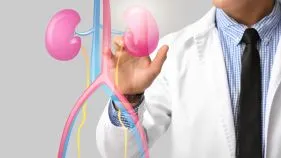
Kidney Stone Problem Symptoms: Early Signs, Causes, Diagnosis, and Treatment

Kidney Stone Problem Symptoms: Early Signs, Causes, Diagnosis, and Treatment

Introduction

Kidney stones are one of the most common urinary tract conditions and can cause severe pain if left untreated. These hard deposits form when minerals and salts in the urine crystallize inside the kidneys. While some small stones may pass naturally, larger stones can block the urinary tract, leading to intense pain, infection, and kidney damage.

Recognizing kidney stone problem symptoms early allows timely treatment and helps prevent complications. At Prabhakar Bhurke Clinic, our super specialist nephrologist provides accurate diagnosis, personalized treatment, and long-term prevention strategies for kidney stones.


What Are Kidney Stones?

Kidney stones are solid deposits made of minerals such as calcium, uric acid, or other substances that normally dissolve in urine. When urine becomes concentrated, these minerals can stick together and form stones of different sizes.

Stones may remain inside the kidney or travel into the ureter, where they can block urine flow and cause severe symptoms.


Common Kidney Stone Problem Symptoms

The symptoms depend on the size and location of the stone. Small stones may not cause noticeable symptoms, while larger stones often produce sudden and severe discomfort.

Severe Pain in the Back or Side

One of the most common symptoms is intense pain that begins in the back or side, just below the ribs. The pain may:

  • Start suddenly
  • Come in waves
  • Spread to the lower abdomen or groin
  • Vary in intensity

This type of pain is commonly called renal colic.


Pain During Urination

When a stone moves into the lower urinary tract, patients may experience:

  • Burning sensation while passing urine
  • Sharp pain during urination
  • Difficulty passing urine

Blood in the Urine

Kidney stones may scratch the lining of the urinary tract, causing:

  • Pink urine
  • Red urine
  • Brown-colored urine

Even small amounts of blood require medical evaluation.


Frequent Urination

A stone near the bladder may create the sensation of needing to urinate frequently, even when very little urine is passed.


Nausea and Vomiting

Severe kidney stone pain often triggers nausea and vomiting due to the close connection between the kidneys and digestive system.


Fever and Chills

If a kidney stone causes a urinary tract infection, symptoms may include:

  • Fever
  • Chills
  • Burning urination
  • Cloudy urine

This is a medical emergency and requires immediate treatment.


Cloudy or Foul-Smelling Urine

Infection or inflammation caused by kidney stones may make urine appear cloudy or have a strong odor.


Causes of Kidney Stones

Several factors increase the likelihood of kidney stone formation, including:

  • Inadequate water intake
  • Diet high in salt
  • Excess animal protein
  • High oxalate foods
  • Obesity
  • Family history of kidney stones
  • Recurrent urinary tract infections
  • Certain medications
  • Medical conditions such as gout or hyperparathyroidism

Understanding the cause helps reduce the risk of recurrence.


Types of Kidney Stones

The main types include:

Calcium Stones

The most common type, usually composed of calcium oxalate or calcium phosphate.

Uric Acid Stones

Often associated with dehydration or high uric acid levels.

Struvite Stones

Typically develop after urinary tract infections and can grow rapidly.

Cystine Stones

A rare type caused by an inherited disorder affecting amino acid metabolism.


When Should You See a Kidney Specialist?

Consult a nephrologist immediately if you experience:

  • Severe back or side pain
  • Blood in the urine
  • Persistent nausea or vomiting
  • Fever with urinary symptoms
  • Difficulty passing urine
  • Recurrent kidney stone attacks
  • Pain that does not improve with medication

Early treatment helps prevent complications such as infection or kidney damage.


How Are Kidney Stones Diagnosed?

At Prabhakar Bhurke Clinic, our super specialist nephrologist performs a detailed evaluation to identify the stone and determine the best treatment.

Medical Assessment

The consultation includes:

  • Review of symptoms
  • Medical and family history
  • Physical examination

Blood Tests

Blood tests may evaluate:

  • Kidney function
  • Calcium levels
  • Uric acid
  • Electrolytes

Urine Tests

Urine analysis helps detect:

  • Blood
  • Infection
  • Crystal formation
  • Risk factors for stone development

Imaging Studies

Diagnostic imaging may include:

  • Kidney Ultrasound
  • CT Scan
  • X-ray when appropriate

These tests help determine the size, number, and location of kidney stones.


Treatment for Kidney Stones

Treatment depends on the stone's size, location, symptoms, and overall health of the patient.

Conservative Management

Small stones may pass naturally with:

  • Adequate hydration
  • Pain-relieving medication
  • Medicines that relax the urinary tract (when appropriate)
  • Regular monitoring

Medical Treatment

Your doctor may prescribe medicines to:

  • Relieve pain
  • Prevent infection
  • Help the stone pass
  • Reduce the risk of future stone formation

Minimally Invasive Procedures

If the stone is too large or causes obstruction, procedures may include:

  • Extracorporeal Shock Wave Lithotripsy (ESWL)
  • Ureteroscopy (URS)
  • Percutaneous Nephrolithotomy (PCNL)
  • Laser stone removal in selected cases

The appropriate treatment depends on the patient's individual condition.


How to Prevent Kidney Stones

You can lower your risk by:

  • Drinking enough water every day
  • Limiting salt intake
  • Eating a balanced diet
  • Maintaining a healthy weight
  • Reducing excessive animal protein intake if advised
  • Managing calcium and oxalate intake according to medical guidance
  • Following your nephrologist's recommendations after treatment

Prevention is especially important for people who have had kidney stones before.


Why Choose Prabhakar Bhurke Clinic?

Patients choose Prabhakar Bhurke Clinic because of:

  • Consultation with a super specialist nephrologist
  • Expertise in diagnosing and treating kidney stone disease
  • Advanced kidney imaging and diagnostic services
  • Personalized treatment plans
  • Guidance on stone prevention and dietary modifications
  • Comprehensive care for kidney disease and urinary tract disorders
  • Compassionate, patient-centered approach

Conclusion

Recognizing kidney stone problem symptoms such as severe back pain, blood in the urine, painful urination, nausea, or fever is essential for early diagnosis and treatment. Ignoring these symptoms may lead to urinary obstruction, infection, or permanent kidney damage.

At Prabhakar Bhurke Clinic, our super specialist nephrologist provides expert diagnosis, advanced treatment options, and long-term preventive care for kidney stone disease. Early medical attention can relieve symptoms, protect kidney function, and reduce the risk of future stones.


Book an Appointment Today

If you are experiencing kidney stone problem symptoms, including severe flank pain, blood in the urine, painful urination, or recurrent kidney stones, schedule a consultation at Prabhakar Bhurke Clinic. Our super specialist nephrologist will evaluate your condition, recommend the most appropriate treatment, and help you maintain lifelong kidney health.

Kidney Problems and Symptoms: Early Warning Signs, Causes, Diagnosis, and Treatment

Kidney Problems and Symptoms: Early Warning Signs, Causes, Diagnosis, and Treatment

Introduction

The kidneys are vital organs that filter waste products from the blood, regulate body fluids, balance electrolytes, and help control blood pressure. When the kidneys become damaged or stop functioning properly, various symptoms may develop. Recognizing kidney problems and symptoms early is essential because many kidney diseases progress silently and may not show noticeable signs until they are more advanced.

Timely diagnosis and treatment can help preserve kidney function, prevent complications, and improve overall health. At Prabhakar Bhurke Clinic, our super specialist nephrologist provides expert diagnosis and personalized treatment for patients with acute and chronic kidney disorders.


What Are Kidney Problems?

Kidney problems refer to conditions that affect the normal functioning of the kidneys. These may include:

  • Chronic Kidney Disease (CKD)
  • Acute Kidney Injury (AKI)
  • Kidney stones
  • Kidney infections
  • Glomerulonephritis
  • Polycystic Kidney Disease (PKD)
  • Diabetic kidney disease
  • High blood pressure-related kidney damage
  • Kidney cysts
  • Kidney failure

Some conditions develop suddenly, while others progress gradually over many years.


Early Symptoms of Kidney Problems

Many kidney diseases begin with mild or unnoticed symptoms. Some of the earliest warning signs include:

Changes in Urination

One of the first signs of kidney disease is a change in urinary habits, such as:

  • Frequent urination, especially at night
  • Reduced urine output
  • Foamy urine
  • Blood in the urine
  • Dark-colored urine
  • Pain or burning during urination

Persistent urinary changes should always be evaluated by a kidney specialist.


Swelling of the Body

When the kidneys cannot remove excess fluid effectively, swelling may occur in:

  • Feet
  • Ankles
  • Legs
  • Hands
  • Face
  • Around the eyes

Swelling is often an early sign of declining kidney function.


Persistent Fatigue

Healthy kidneys produce hormones that help make red blood cells. Reduced kidney function can lead to anemia, causing:

  • Tiredness
  • Weakness
  • Lack of energy
  • Difficulty concentrating

Pain in the Kidney Area

Pain in the lower back or sides may occur due to:

  • Kidney stones
  • Kidney infection
  • Urinary blockage
  • Certain kidney disorders

Although not every kidney disease causes pain, persistent flank pain should not be ignored.


High Blood Pressure

Kidney disease and hypertension are closely connected. High blood pressure may both cause and result from kidney damage.


Nausea and Poor Appetite

As waste products build up in the bloodstream, patients may develop:

  • Nausea
  • Vomiting
  • Poor appetite
  • Unexplained weight loss

These symptoms are more common in advanced kidney disease.


Itchy Skin

Persistent itching can occur due to the accumulation of waste products and mineral imbalances caused by reduced kidney function.


Muscle Cramps

Kidney disease may lead to electrolyte disturbances that cause muscle cramps, particularly in the legs.


Shortness of Breath

Fluid retention and anemia associated with kidney disease can contribute to breathlessness during daily activities.


Common Causes of Kidney Problems

Several conditions can damage the kidneys, including:

  • Diabetes mellitus
  • High blood pressure
  • Kidney stones
  • Urinary tract infections
  • Glomerulonephritis
  • Autoimmune diseases
  • Polycystic kidney disease
  • Long-term urinary obstruction
  • Certain medications when used excessively

Identifying the underlying cause is essential for effective treatment.


Who Is at Risk?

You may have a higher risk of kidney disease if you:

  • Have diabetes
  • Have high blood pressure
  • Have heart disease
  • Are overweight or obese
  • Have a family history of kidney disease
  • Experience recurrent kidney stones
  • Have repeated urinary tract infections
  • Are over the age of 60
  • Smoke or use tobacco products

Regular kidney health screening is recommended for high-risk individuals.


How Are Kidney Problems Diagnosed?

At Prabhakar Bhurke Clinic, our super specialist nephrologist performs a thorough evaluation.

Medical Consultation

Your doctor will review:

  • Symptoms
  • Medical history
  • Family history
  • Current medications
  • Lifestyle factors

Blood Tests

Important investigations include:

  • Serum Creatinine
  • Estimated Glomerular Filtration Rate (eGFR)
  • Blood Urea Nitrogen (BUN)
  • Electrolytes
  • Blood sugar levels

Urine Tests

Urine examinations help detect:

  • Protein
  • Blood
  • Infection
  • Early kidney damage

Imaging Studies

Depending on your condition, investigations may include:

  • Kidney Ultrasound
  • CT Scan
  • X-ray when appropriate

Kidney Biopsy

In selected cases, a kidney biopsy may be recommended to determine the exact cause of kidney disease.


Treatment for Kidney Problems

Treatment depends on the specific kidney condition and its severity.

Medications

Your nephrologist may prescribe medicines to:

  • Control blood pressure
  • Manage diabetes
  • Treat infections
  • Reduce protein loss in urine
  • Correct electrolyte imbalances
  • Manage anemia

Lifestyle Modifications

Patients are encouraged to:

  • Follow a kidney-friendly diet
  • Limit salt intake
  • Stay physically active
  • Maintain a healthy weight
  • Avoid smoking
  • Drink fluids as advised
  • Take medications regularly

Advanced Kidney Care

If kidney disease becomes severe, treatment options may include:

  • Hemodialysis
  • Peritoneal dialysis
  • Kidney transplant evaluation and long-term follow-up

Early intervention can often delay or prevent the need for these treatments.


How to Keep Your Kidneys Healthy

To reduce your risk of kidney disease:

  • Control blood pressure and diabetes.
  • Drink adequate water unless restricted by your doctor.
  • Eat a balanced diet rich in fruits and vegetables.
  • Limit salt and processed foods.
  • Exercise regularly.
  • Avoid unnecessary painkiller use.
  • Stop smoking.
  • Get routine kidney function tests if you are at risk.

Healthy habits play a major role in maintaining kidney function.


Why Choose Prabhakar Bhurke Clinic?

Patients choose Prabhakar Bhurke Clinic because of:

  • Consultation with a super specialist nephrologist
  • Expertise in diagnosing and treating all types of kidney diseases
  • Advanced kidney function testing
  • Personalized treatment plans
  • Comprehensive management of CKD, kidney stones, infections, and kidney failure
  • Dialysis planning and kidney transplant guidance
  • Compassionate, evidence-based patient care

Our goal is to detect kidney disease early and provide effective treatment that supports long-term kidney health.


Conclusion

Recognizing kidney problems and symptoms at an early stage can make a significant difference in preserving kidney function and preventing serious complications. Symptoms such as changes in urination, swelling, fatigue, flank pain, high blood pressure, or blood in the urine should never be ignored.

At Prabhakar Bhurke Clinic, our super specialist nephrologist offers comprehensive diagnosis, advanced treatment, and personalized care for patients with kidney disorders. Whether you have early kidney disease or require long-term management, our team is committed to helping you achieve better kidney health and an improved quality of life.


Book an Appointment Today

If you are experiencing kidney problems and symptoms such as swelling, changes in urination, persistent fatigue, high creatinine levels, or kidney pain, schedule a consultation at Prabhakar Bhurke Clinic. Our super specialist nephrologist will perform a complete evaluation and create a personalized treatment plan to protect your kidneys and support your long-term health.

Kidney Cyst Treatment in Hindi: किडनी सिस्ट का इलाज, लक्षण, कारण और विशेषज्ञ सलाह

Kidney Cyst Treatment in Hindi: किडनी सिस्ट का इलाज, लक्षण, कारण और विशेषज्ञ सलाह

परिचय

यदि आप "Kidney Cyst Treatment in Hindi" या "किडनी सिस्ट का इलाज" खोज रहे हैं, तो यह जानना आवश्यक है कि हर किडनी सिस्ट गंभीर नहीं होती। कई लोगों में साधारण (Simple) किडनी सिस्ट बिना किसी लक्षण के होती है और केवल अल्ट्रासाउंड के दौरान पता चलती है। हालांकि, कुछ सिस्ट बड़ी हो सकती हैं, दर्द पैदा कर सकती हैं, संक्रमण का कारण बन सकती हैं या किडनी की कार्यक्षमता को प्रभावित कर सकती हैं।

समय पर जांच और सही उपचार से अधिकांश मरीज स्वस्थ जीवन जी सकते हैं।

Prabhakar Bhurke Clinic में सुपर स्पेशलिस्ट नेफ्रोलॉजिस्ट द्वारा किडनी सिस्ट की आधुनिक जांच, सही निदान और व्यक्तिगत उपचार उपलब्ध है।


किडनी सिस्ट क्या होती है?

किडनी सिस्ट (Kidney Cyst) किडनी के अंदर बनने वाली तरल पदार्थ (Fluid) से भरी हुई गोल थैली होती है।

मुख्य रूप से दो प्रकार की होती हैं:

1. Simple Kidney Cyst

  • सबसे सामान्य प्रकार
  • अधिकांश मामलों में हानिरहित
  • अक्सर किसी उपचार की आवश्यकता नहीं होती
  • नियमित जांच से निगरानी की जाती है

2. Complex Kidney Cyst

  • मोटी दीवार या कई भागों वाली सिस्ट
  • अतिरिक्त जांच की आवश्यकता हो सकती है
  • कुछ मामलों में उपचार या सर्जरी की जरूरत पड़ सकती है

किडनी सिस्ट होने के कारण

किडनी सिस्ट बनने के संभावित कारण हैं:

  • बढ़ती उम्र
  • आनुवंशिक कारण
  • Polycystic Kidney Disease (PKD)
  • किडनी की पुरानी बीमारियां
  • किडनी में चोट
  • जन्मजात विकार

कई बार इसका स्पष्ट कारण पता नहीं चलता।


किडनी सिस्ट के लक्षण

छोटी सिस्ट में अक्सर कोई लक्षण नहीं होते।

यदि सिस्ट बड़ी हो जाए तो निम्नलिखित लक्षण दिखाई दे सकते हैं:

  • कमर या पीठ के एक तरफ दर्द
  • पेट में भारीपन
  • पेशाब में खून
  • बार-बार यूरिन इंफेक्शन
  • बुखार (यदि संक्रमण हो)
  • उच्च रक्तचाप
  • बार-बार पेशाब आना
  • पेट में गांठ जैसा महसूस होना

यदि इनमें से कोई भी लक्षण लंबे समय तक बने रहें तो तुरंत नेफ्रोलॉजिस्ट से सलाह लें।


किडनी सिस्ट की जांच कैसे होती है?

Prabhakar Bhurke Clinic में सुपर स्पेशलिस्ट नेफ्रोलॉजिस्ट विस्तृत जांच करते हैं।

मेडिकल हिस्ट्री और शारीरिक जांच

डॉक्टर आपके:

  • लक्षण
  • मेडिकल हिस्ट्री
  • पारिवारिक इतिहास
  • दवाओं का उपयोग
  • ब्लड प्रेशर

का मूल्यांकन करते हैं।

ब्लड टेस्ट

इनमें शामिल हो सकते हैं:

  • Serum Creatinine
  • eGFR
  • Blood Urea
  • Kidney Function Test (KFT)
  • Electrolytes

यूरिन टेस्ट

यूरिन जांच से पता चलता है:

  • प्रोटीन
  • खून
  • संक्रमण
  • अन्य असामान्यताएं

इमेजिंग टेस्ट

सिस्ट का आकार और प्रकार जानने के लिए:

  • Kidney Ultrasound
  • CT Scan
  • MRI (यदि आवश्यक हो)

Kidney Cyst Treatment in Hindi (किडनी सिस्ट का इलाज)

उपचार सिस्ट के प्रकार, आकार और लक्षणों पर निर्भर करता है।

1. नियमित निगरानी (Observation)

यदि सिस्ट छोटी है और कोई लक्षण नहीं हैं, तो केवल समय-समय पर जांच की जाती है।


2. दवाइयों द्वारा उपचार

यदि दर्द, संक्रमण या उच्च रक्तचाप हो तो डॉक्टर उचित दवाएं लिख सकते हैं।

इनमें शामिल हो सकती हैं:

  • संक्रमण के लिए एंटीबायोटिक
  • दर्द नियंत्रित करने की दवाएं
  • ब्लड प्रेशर नियंत्रित करने वाली दवाएं

दवाएं केवल डॉक्टर की सलाह पर ही लें।


3. सिस्ट ड्रेनेज (Aspiration)

यदि सिस्ट बहुत बड़ी हो और दर्द का कारण बन रही हो, तो विशेष प्रक्रिया द्वारा उसमें भरा तरल निकाला जा सकता है।


4. लेप्रोस्कोपिक सर्जरी

कुछ मामलों में बड़ी या जटिल सिस्ट को न्यूनतम चीरे वाली सर्जरी (Laparoscopic Surgery) द्वारा हटाया जा सकता है।


5. Polycystic Kidney Disease का उपचार

यदि मरीज को आनुवंशिक पॉलीसिस्टिक किडनी डिजीज है, तो उपचार का उद्देश्य होता है:

  • किडनी की कार्यक्षमता बनाए रखना
  • ब्लड प्रेशर नियंत्रित करना
  • संक्रमण रोकना
  • जटिलताओं का उपचार करना

किडनी को स्वस्थ रखने के उपाय

किडनी की सुरक्षा के लिए:

  • पर्याप्त पानी पिएं (यदि डॉक्टर अनुमति दें)
  • नमक कम खाएं
  • ब्लड प्रेशर नियंत्रित रखें
  • डायबिटीज नियंत्रित रखें
  • धूम्रपान से बचें
  • नियमित व्यायाम करें
  • बिना सलाह के दर्द निवारक दवाएं अधिक मात्रा में न लें
  • समय-समय पर किडनी की जांच कराएं

कब तुरंत डॉक्टर से मिलना चाहिए?

यदि आपको निम्न में से कोई भी समस्या हो तो तुरंत नेफ्रोलॉजिस्ट से संपर्क करें:

  • तेज कमर या पेट दर्द
  • पेशाब में खून
  • तेज बुखार
  • बार-बार यूरिन इंफेक्शन
  • पेशाब कम होना
  • लगातार बढ़ता हुआ दर्द
  • क्रिएटिनिन बढ़ना

Prabhakar Bhurke Clinic क्यों चुनें?

मरीज Prabhakar Bhurke Clinic पर भरोसा करते हैं क्योंकि यहां उपलब्ध हैं:

  • सुपर स्पेशलिस्ट नेफ्रोलॉजिस्ट
  • आधुनिक किडनी जांच सुविधाएं
  • Kidney Function Evaluation
  • Kidney Cyst की सटीक पहचान
  • व्यक्तिगत उपचार योजना
  • Chronic Kidney Disease और Kidney Failure का विशेषज्ञ उपचार
  • Dialysis एवं Kidney Transplant संबंधी परामर्श
  • मरीज-केंद्रित और वैज्ञानिक उपचार

निष्कर्ष

Kidney Cyst Treatment in Hindi के बारे में सही जानकारी होना बहुत महत्वपूर्ण है। अधिकांश साधारण किडनी सिस्ट गंभीर नहीं होतीं, लेकिन यदि सिस्ट बड़ी हो जाए, दर्द करे, संक्रमण हो या किडनी की कार्यक्षमता प्रभावित होने लगे, तो तुरंत विशेषज्ञ से परामर्श लेना चाहिए।

Prabhakar Bhurke Clinic में सुपर स्पेशलिस्ट नेफ्रोलॉजिस्ट द्वारा आधुनिक जांच, सटीक निदान और प्रत्येक मरीज के लिए व्यक्तिगत उपचार उपलब्ध है, जिससे किडनी को सुरक्षित रखने और जटिलताओं से बचने में मदद मिलती है।


आज ही अपॉइंटमेंट बुक करें

यदि आपको किडनी सिस्ट, कमर में दर्द, पेशाब में खून, बार-बार यूरिन इंफेक्शन या किडनी से जुड़ी कोई समस्या है, तो Prabhakar Bhurke Clinic में सुपर स्पेशलिस्ट नेफ्रोलॉजिस्ट से परामर्श लें। समय पर उपचार आपकी किडनी की कार्यक्षमता को सुरक्षित रखने और स्वस्थ जीवन जीने में महत्वपूर्ण भूमिका निभाता है।

Kidney Stone Problem Symptoms: Early Signs, Causes, Diagnosis, and Treatment

Moderate Kidney Disease: Understanding Stage 3 CKD, Symptoms, Treatment, and Prevention

Introduction

Moderate kidney disease is a condition in which the kidneys are no longer working at full capacity but still perform many of their essential functions. It commonly refers to Stage 3 Chronic Kidney Disease (CKD) and is an important stage where timely treatment can significantly slow the progression of kidney damage.

Many individuals are unaware they have moderate kidney disease because symptoms often develop gradually. Regular kidney function tests and early consultation with a nephrologist are essential for preserving kidney health and preventing complications.

At Prabhakar Bhurke Clinic, our super specialist nephrologist provides comprehensive evaluation, advanced diagnostic services, and individualized treatment plans for patients with moderate kidney disease.


What Is Moderate Kidney Disease?

The kidneys normally filter waste products, toxins, and excess fluids from the blood. In moderate kidney disease, this filtering ability decreases, allowing waste products to accumulate slowly in the body.

Moderate kidney disease usually includes:

  • Stage 3A CKD: Mild to moderate loss of kidney function.
  • Stage 3B CKD: Moderate to significant reduction in kidney function.

Although kidney function has declined, proper treatment can help maintain stable kidney health for many years.


What Causes Moderate Kidney Disease?

Several chronic medical conditions can damage the kidneys over time.

Common causes include:

  • Diabetes mellitus
  • High blood pressure
  • Chronic glomerulonephritis
  • Polycystic kidney disease
  • Recurrent kidney infections
  • Kidney stones causing repeated blockage
  • Autoimmune disorders
  • Congenital kidney abnormalities
  • Long-term urinary obstruction
  • Certain medications that affect kidney function

Identifying the underlying cause is essential for successful treatment.


Symptoms of Moderate Kidney Disease

Many patients have few symptoms during the early stages. As kidney function decreases, the following symptoms may develop:

  • Persistent tiredness
  • Swelling in the ankles, feet, or face
  • Frequent urination, especially at night
  • Foamy urine
  • Blood in the urine
  • Poor appetite
  • Nausea
  • Dry and itchy skin
  • Muscle cramps
  • Difficulty concentrating
  • High blood pressure
  • Mild shortness of breath

If these symptoms persist, consult a nephrologist without delay.


Who Is More Likely to Develop Moderate Kidney Disease?

You are at increased risk if you have:

  • Diabetes
  • Hypertension
  • Heart disease
  • Obesity
  • Family history of kidney disease
  • History of kidney stones
  • Recurrent urinary tract infections
  • Smoking habit
  • Age above 60 years

Routine kidney screening is recommended for individuals with these risk factors.


Diagnosis of Moderate Kidney Disease

At Prabhakar Bhurke Clinic, our super specialist nephrologist performs a complete assessment to determine kidney function and identify the cause of disease.

Clinical Evaluation

Your consultation includes:

  • Review of symptoms
  • Medical history
  • Blood pressure measurement
  • Family history
  • Medication review

Blood Investigations

Important tests include:

  • Serum Creatinine
  • Estimated Glomerular Filtration Rate (eGFR)
  • Blood Urea Nitrogen (BUN)
  • Electrolytes
  • Blood sugar levels

Urine Examination

Urine tests help detect:

  • Protein leakage
  • Blood
  • Infection
  • Early kidney damage

Imaging

Imaging studies may include:

  • Kidney Ultrasound
  • CT Scan
  • Other investigations if required

In selected patients, a kidney biopsy may be recommended to establish an accurate diagnosis.


Treatment for Moderate Kidney Disease

Treatment is designed to slow kidney damage, relieve symptoms, and reduce complications.

Control Blood Pressure

Maintaining healthy blood pressure is one of the most effective ways to protect kidney function.

Manage Diabetes

Proper blood sugar control helps prevent further kidney damage in diabetic patients.

Medications

Your nephrologist may prescribe medicines to:

  • Lower blood pressure
  • Reduce protein loss in urine
  • Treat anemia
  • Manage swelling
  • Correct electrolyte imbalances
  • Treat underlying kidney disorders

Nutritional Guidance

A kidney-friendly diet may include:

  • Reduced salt intake
  • Balanced protein consumption
  • Limited processed foods
  • Monitoring potassium and phosphorus intake when necessary

Dietary advice is personalized according to your kidney function.


Lifestyle Changes That Support Kidney Health

Simple lifestyle modifications can slow disease progression.

These include:

  • Exercise regularly.
  • Maintain a healthy body weight.
  • Avoid smoking and tobacco products.
  • Stay hydrated according to your doctor's advice.
  • Limit unnecessary painkiller use.
  • Control cholesterol levels.
  • Get regular kidney check-ups.
  • Take prescribed medicines consistently.

Can Moderate Kidney Disease Progress?

Yes. Without treatment, moderate kidney disease may gradually progress to advanced CKD or kidney failure.

However, early diagnosis, appropriate medication, healthy lifestyle habits, and regular nephrology follow-up can significantly delay progression and improve long-term outcomes.


Possible Complications

Untreated moderate kidney disease may lead to:

  • Advanced chronic kidney disease
  • Kidney failure
  • Persistent high blood pressure
  • Anemia
  • Bone and mineral disorders
  • Cardiovascular disease
  • Fluid overload
  • Electrolyte abnormalities

Regular monitoring helps identify and manage these complications early.


Why Choose Prabhakar Bhurke Clinic?

Patients trust Prabhakar Bhurke Clinic because of:

  • Consultation with a super specialist nephrologist
  • Expertise in diagnosing all stages of chronic kidney disease
  • Advanced laboratory and kidney function testing
  • Personalized treatment plans
  • Comprehensive monitoring and long-term follow-up
  • Dialysis planning and kidney transplant guidance when needed
  • Compassionate, evidence-based patient care

Conclusion

Moderate kidney disease is a serious but manageable condition. Although kidney function is reduced, many patients can continue to lead healthy lives with early diagnosis, proper treatment, and regular medical supervision. Managing blood pressure, controlling diabetes, following a kidney-friendly diet, and maintaining healthy lifestyle habits are essential to protecting kidney function.

At Prabhakar Bhurke Clinic, our super specialist nephrologist offers comprehensive care for patients with moderate kidney disease, helping them slow disease progression, prevent complications, and maintain the best possible quality of life.


Book an Appointment Today

If you have been diagnosed with moderate kidney disease, elevated creatinine levels, protein in the urine, or symptoms such as swelling, fatigue, or changes in urination, schedule a consultation at Prabhakar Bhurke Clinic. Our super specialist nephrologist will perform a detailed evaluation and develop a personalized treatment plan to help protect your kidneys and support your long-term health.

Kidney Cyst Treatment in Hindi: किडनी सिस्ट का इलाज, लक्षण, कारण और विशेषज्ञ सलाह

Kidney Ka Doctor: Expert Kidney Care by a Super Specialist Nephrologist at Prabhakar Bhurke Clinic

Introduction

Many people search online using the phrase "Kidney Ka Doctor" when they experience symptoms such as back pain, swelling, blood in the urine, high creatinine levels, or frequent urinary problems. The medical specialist who diagnoses and treats kidney-related diseases is called a nephrologist.

A nephrologist is specially trained to manage conditions affecting the kidneys, including chronic kidney disease (CKD), kidney failure, high blood pressure related to kidney disease, kidney infections, electrolyte disorders, and dialysis care.

At Prabhakar Bhurke Clinic, patients receive expert consultation from a super specialist nephrologist who offers comprehensive diagnosis, advanced treatment, and long-term kidney care tailored to each individual's needs.


Who Is a Kidney Doctor?

A Kidney Ka Doctor, or nephrologist, is a physician who specializes in preventing, diagnosing, and treating kidney diseases.

A nephrologist helps patients with:

  • Chronic Kidney Disease (CKD)
  • Acute Kidney Injury (AKI)
  • Kidney failure
  • High creatinine levels
  • Protein or blood in the urine
  • High blood pressure caused by kidney disease
  • Electrolyte imbalances
  • Dialysis planning and management
  • Kidney transplant evaluation and follow-up

Early consultation with a nephrologist can help slow disease progression and protect kidney function.


Signs You Should Visit a Kidney Doctor

Consult a nephrologist if you experience:

  • Swelling of the feet, ankles, hands, or face
  • Persistent back or flank pain
  • Blood in the urine
  • Foamy urine
  • Frequent urination, especially at night
  • Pain or burning while urinating
  • High creatinine levels
  • Uncontrolled high blood pressure
  • Recurrent kidney stones
  • Repeated urinary tract infections
  • Fatigue and weakness without a clear cause

Ignoring these symptoms may allow kidney disease to progress silently.


Conditions Treated at Prabhakar Bhurke Clinic

At Prabhakar Bhurke Clinic, a super specialist nephrologist provides diagnosis and treatment for a wide range of kidney disorders.

Chronic Kidney Disease (CKD)

CKD is a gradual decline in kidney function that often develops due to diabetes or high blood pressure. Early diagnosis and treatment help slow progression.

Acute Kidney Injury (AKI)

A sudden reduction in kidney function caused by dehydration, infections, medications, or reduced blood flow to the kidneys. Many cases improve with prompt treatment.

Kidney Stones

The clinic offers evaluation, medical management, prevention strategies, and guidance regarding minimally invasive stone removal procedures when required.

Kidney Infections

Early diagnosis and appropriate treatment help prevent permanent kidney damage.

Diabetic Kidney Disease

Patients with diabetes require regular kidney monitoring to detect kidney damage at an early stage.

High Blood Pressure Related to Kidney Disease

Kidney disease and hypertension often occur together. Proper blood pressure control is essential for preserving kidney function.

Dialysis Care

Comprehensive dialysis planning and long-term management are available for patients with advanced kidney disease.


How Does a Kidney Doctor Diagnose Kidney Problems?

At Prabhakar Bhurke Clinic, diagnosis begins with a detailed medical evaluation.

Medical History and Physical Examination

Your nephrologist will review:

  • Symptoms
  • Medical history
  • Family history
  • Current medications
  • Lifestyle habits
  • Previous kidney problems

Blood Tests

Important investigations include:

  • Serum creatinine
  • Estimated Glomerular Filtration Rate (eGFR)
  • Blood Urea Nitrogen (BUN)
  • Electrolytes
  • Blood sugar levels

Urine Tests

Urine analysis helps detect:

  • Protein
  • Blood
  • Infection
  • Early kidney damage

Imaging Studies

Depending on your condition, investigations may include:

  • Kidney ultrasound
  • CT scan
  • X-ray when indicated

Kidney Biopsy

In selected cases, a biopsy helps identify the exact cause of kidney disease and guides treatment.


Treatment Options

Treatment depends on the underlying kidney condition and stage of disease.

Medications

Your nephrologist may prescribe medicines to:

  • Control blood pressure
  • Manage diabetes
  • Reduce protein loss in urine
  • Treat kidney infections
  • Correct electrolyte imbalances
  • Manage anemia associated with kidney disease

Lifestyle Changes

Patients are advised to:

  • Follow a kidney-friendly diet
  • Limit salt intake
  • Maintain a healthy weight
  • Exercise regularly
  • Avoid smoking
  • Take medications exactly as prescribed

Dialysis

When kidney function becomes severely impaired, dialysis removes waste products and excess fluid from the blood.

Kidney Transplant Guidance

Eligible patients receive counseling, evaluation, and long-term follow-up for kidney transplantation.


Tips to Keep Your Kidneys Healthy

Protect your kidneys by:

  • Drinking enough water unless medically restricted
  • Controlling diabetes and blood pressure
  • Eating a balanced diet
  • Exercising regularly
  • Maintaining a healthy weight
  • Avoiding excessive use of painkillers
  • Quitting smoking
  • Undergoing regular kidney health screenings if you are at risk

Preventive care plays a major role in maintaining healthy kidneys.


Why Choose Prabhakar Bhurke Clinic?

Patients choose Prabhakar Bhurke Clinic because of:

  • Consultation with a super specialist nephrologist
  • Expertise in managing all stages of kidney disease
  • Advanced diagnostic facilities
  • Personalized treatment plans
  • Comprehensive care for kidney stones, CKD, dialysis, and kidney failure
  • Kidney transplant evaluation and guidance
  • Patient-centered, compassionate approach to kidney care

The clinic focuses on early diagnosis, evidence-based treatment, and long-term kidney health.


Conclusion

If you are searching for a "Kidney Ka Doctor," it is important to consult a qualified nephrologist who specializes in diagnosing and treating kidney diseases. Symptoms such as swelling, urinary changes, persistent back pain, blood in the urine, or abnormal kidney function tests should not be ignored. Early medical attention can help prevent complications and preserve kidney function.

At Prabhakar Bhurke Clinic, a super specialist nephrologist provides expert diagnosis, personalized treatment, and ongoing care for patients with kidney diseases, kidney stones, dialysis needs, and kidney failure. With advanced medical expertise and compassionate care, the clinic is committed to helping patients achieve better kidney health and improved quality of life.


Book an Appointment Today

If you are looking for a trusted Kidney Ka Doctor for kidney disease, kidney stones, high creatinine levels, dialysis care, or chronic kidney disease, schedule an appointment at Prabhakar Bhurke Clinic. Our super specialist nephrologist will perform a comprehensive evaluation and create a personalized treatment plan to protect your kidneys and support your long-term health.