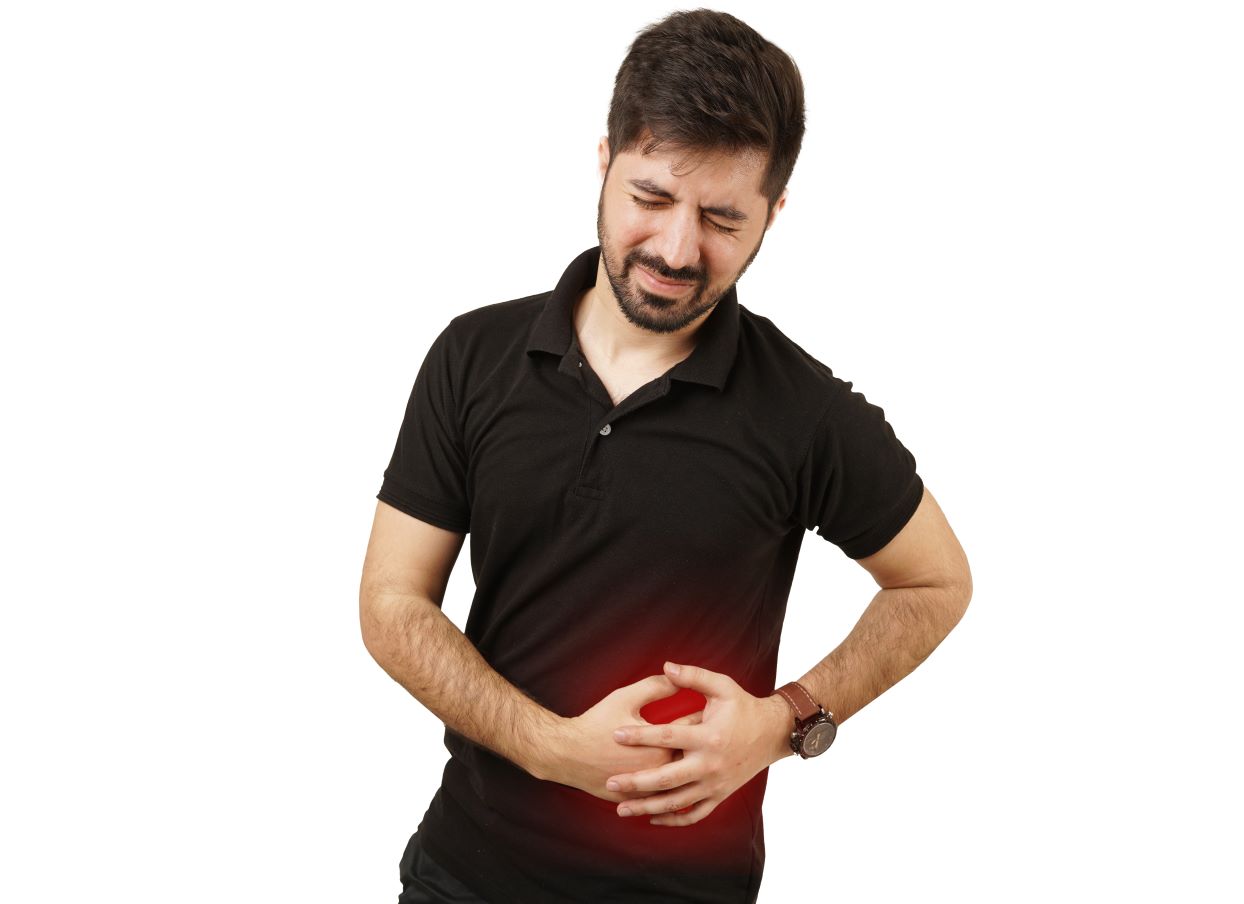
Kidney stone pain can be sudden, severe, and difficult to tolerate. It often begins in the flank or back and may move toward the lower abdomen or groin as the stone travels through the urinary tract.
Many patients searching for a pain relief tablet for kidney stones want quick relief. While pain medicines can help control symptoms, the appropriate medicine depends on the patient's kidney function, medical history, other medicines, and the cause of the pain.
Pain relief does not remove the stone itself. A patient may also need treatment to help the stone pass, relieve an obstruction, treat an infection, or remove the stone when necessary.
At Prabhakar Bhurke Clinic, Dr. Sandip Prabhakar Bhurke, a super specialist nephrologist, provides kidney-function assessment, recurrent stone evaluation, metabolic assessment, prevention guidance, and coordination with urology specialists when a stone requires active treatment.
Why Do Kidney Stones Cause Severe Pain?
Kidney stones often become painful when they move from the kidney into the ureter.
The ureter is a narrow tube that carries urine from the kidney to the bladder. When a stone irritates or partially blocks the ureter, the surrounding muscles may contract and pressure can increase.
This can result in:
-
Severe flank pain
-
Back pain
-
Lower abdominal pain
-
Pain radiating toward the groin
-
Pain that comes in waves
-
Nausea or vomiting
-
Blood in the urine
-
Urinary urgency or frequency
A stone can cause significant pain even when it is relatively small.
Which Tablet Is Used for Kidney Stone Pain?
There is no single pain relief tablet that is safest for everyone.
Doctors commonly consider medicines from different pain-relief groups depending on the patient's condition.
Non-Steroidal Anti-Inflammatory Drugs
NSAIDs are commonly used for renal colic in appropriate patients and can provide effective pain relief.
Examples include medicines containing:
-
Ibuprofen
-
Diclofenac
-
Naproxen
However, NSAIDs are not suitable for everyone.
They may be unsafe or require particular caution in people with:
-
Chronic kidney disease
-
Acute kidney injury
-
Dehydration
-
Stomach ulcers
-
Gastrointestinal bleeding
-
Certain heart conditions
-
Certain blood-pressure problems
-
Some medication combinations
A doctor should determine whether an NSAID is appropriate.
Can Paracetamol Help Kidney Stone Pain?
Paracetamol (acetaminophen) may help with pain in some patients and may be considered when NSAIDs are unsuitable.
However, the correct dose depends on factors such as:
-
Age
-
Liver health
-
Other medicines
-
Total daily intake from all products
Patients should follow the recommended dose and avoid accidentally taking multiple medicines containing paracetamol.
Severe renal colic may require a different or additional treatment strategy under medical supervision.
Are Stronger Painkillers Ever Needed?
In some cases, kidney stone pain may remain severe despite initial treatment.
A healthcare professional may consider stronger prescription pain medicines when clinically appropriate.
These medicines require careful assessment because they can cause side effects such as:
-
Drowsiness
-
Nausea
-
Constipation
-
Dizziness
-
Breathing problems with certain medicines or excessive doses
They should not be self-prescribed or shared between patients.
Does a Pain Relief Tablet Remove the Kidney Stone?
No.
Painkillers control the symptom but do not usually remove the stone.
Depending on the stone, additional treatment may include:
-
Observation
-
Appropriate hydration
-
Medicines to facilitate passage of selected ureteral stones
-
Treatment of infection
-
ESWL
-
Ureteroscopy with laser lithotripsy
-
RIRS
-
PCNL for selected larger or complex stones
The appropriate treatment depends on stone size, location, obstruction, infection, kidney function, and symptoms.
Medicines That May Help a Kidney Stone Pass
For selected ureteral stones, a doctor may prescribe an alpha-blocker, such as tamsulosin, to facilitate stone passage.
This approach is not suitable for every stone.
Its usefulness depends on factors including:
-
Stone size
-
Stone location
-
Patient characteristics
-
Degree of obstruction
-
Symptoms
A pain relief tablet and a stone-passage medicine serve different purposes.
What If the Kidney Stone Causes Nausea or Vomiting?
Kidney stone pain can trigger significant nausea and vomiting.
A doctor may prescribe an appropriate anti-nausea medicine when necessary.
Persistent vomiting is important because dehydration can worsen kidney problems and may make it difficult to take oral medicines.
If vomiting is severe or accompanied by reduced urine output, fever, or severe pain, prompt medical evaluation is necessary.
Pain Relief Tablets and Kidney Disease
Patients with existing kidney disease should be especially careful about self-medicating.
Some medicines that are generally used for pain can worsen kidney function in susceptible individuals.
This is particularly important in people with:
-
Chronic kidney disease
-
Acute kidney injury
-
Reduced eGFR
-
Dehydration
-
Kidney failure
-
Heart failure
-
Significant fluid or electrolyte problems
A medicine that is appropriate for one patient may not be appropriate for another.
What About Painkillers During Dehydration?
Dehydration can reduce blood flow to the kidneys.
Taking certain medicines, particularly NSAIDs, during significant dehydration can increase the risk of kidney injury.
If kidney stone pain is accompanied by repeated vomiting or inability to maintain fluids, medical evaluation may be more appropriate than repeatedly taking pain tablets at home.
How Much Water Should You Drink With Kidney Stone Pain?
Appropriate fluid intake can be useful for some patients, but more water is not always better.
Do not force large quantities of water if you have:
-
Significant urinary obstruction
-
Severe vomiting
-
Reduced urine output
-
Advanced kidney disease
-
Heart failure
-
A prescribed fluid restriction
Excessive fluid intake does not dissolve most kidney stones and cannot reliably force an obstructed stone through the ureter.
Follow your doctor's individualized fluid advice.
When Does Kidney Stone Pain Require Urgent Medical Care?
Severe kidney stone pain should be assessed urgently when it occurs with:
-
Fever
-
Chills
-
Severe weakness
-
Persistent vomiting
-
Difficulty passing urine
-
Very low or absent urine output
-
Confusion
-
Known urinary obstruction
-
A single functioning kidney with concerning symptoms
A particularly important emergency is an infected urinary system with obstruction.
In such cases, urgent drainage may be needed using a ureteral stent or nephrostomy, along with appropriate treatment for infection. Definitive stone removal may be performed after the acute infection and obstruction have been appropriately managed.
Why Fever With a Kidney Stone Is Concerning
Pain from a stone alone does not necessarily mean that an infection is present.
However, fever or chills together with suspected urinary obstruction can indicate an infected obstructed system.
This situation should not be managed simply by taking a painkiller.
Prompt medical assessment is important because serious infection and sepsis can develop.
How Is Kidney Stone Pain Evaluated?
Before deciding on treatment, doctors may assess the stone and the patient's overall condition.
Urine Tests
Urinalysis may detect:
-
Blood
-
Infection
-
Crystals
-
Protein
-
Other abnormalities
A urine culture may be recommended if infection is suspected.
Blood Tests
Investigations may include:
-
Serum creatinine
-
eGFR
-
Electrolytes
-
Calcium
-
Uric acid
-
Complete blood count when indicated
These tests help assess kidney function and identify complications.
Imaging
Depending on the clinical situation, doctors may recommend:
-
Kidney ultrasound
-
Non-contrast CT scan
-
Other appropriate imaging
Imaging helps determine:
-
Stone size
-
Stone location
-
Number of stones
-
Degree of obstruction
-
Hydronephrosis
When Is a Procedure Needed Instead of Tablets?
Pain medicine may be insufficient when a stone:
-
Causes persistent severe symptoms
-
Fails to pass
-
Produces significant obstruction
-
Causes worsening kidney function
-
Is associated with infection
-
Is unlikely to pass because of its location or size
A urologist may then consider active stone removal.
Kidney Stone Procedures
ESWL
Extracorporeal Shock Wave Lithotripsy (ESWL) uses externally generated shock waves to fragment selected kidney or ureteral stones.
Its suitability depends on stone location, density, anatomy, and other patient factors.
Ureteroscopy With Laser Lithotripsy
A small scope is passed through the urinary tract to reach the stone.
Laser energy can fragment the stone, and the fragments may be removed or allowed to pass.
RIRS
Retrograde Intrarenal Surgery (RIRS) uses a flexible ureteroscope to reach stones inside the kidney and commonly uses laser energy to fragment them.
PCNL
Percutaneous Nephrolithotomy (PCNL) is a minimally invasive procedure commonly used for larger or complex kidney stones.
A urologist generally performs these stone-removal procedures.
Nephrologist or Urologist for Kidney Stone Pain?
Both specialists can play an important role.
Nephrologist
A nephrologist can help with:
-
Kidney function assessment
-
Recurrent stone evaluation
-
Metabolic stone-risk assessment
-
Electrolyte abnormalities
-
Chronic kidney disease
-
Stone prevention
Urologist
A urologist generally manages:
-
Stones requiring procedures
-
Ureteroscopy
-
Laser lithotripsy
-
ESWL
-
RIRS
-
PCNL
-
Ureteral stents
-
Urinary obstruction
Coordinated care may be useful when kidney stones occur alongside reduced kidney function or recurrent disease.
How to Prevent Future Kidney Stone Pain
After the immediate episode is treated, preventing another stone is important.
Depending on your stone type and risk factors, your doctor may recommend:
-
Appropriate daily fluid intake
-
Lower sodium consumption
-
Balanced dietary calcium
-
Dietary changes based on stone composition
-
Maintaining a healthy weight
-
Regular physical activity
-
Treatment of metabolic abnormalities
-
Stone analysis
-
24-hour urine testing for selected recurrent stone formers
Prevention should be individualized rather than based on a generic internet diet.
Common Mistakes to Avoid
When dealing with kidney stone pain, avoid:
-
Taking painkillers repeatedly without medical advice
-
Taking antibiotics without evidence of infection
-
Using someone else's prescription
-
Taking multiple products containing the same painkiller
-
Forcing excessive water intake
-
Relying on unverified herbal stone-removal products
-
Ignoring fever or chills
-
Delaying care when urine output falls
Pain relief should be part of an appropriate treatment plan rather than the only response to recurring stone pain.
Kidney Stone Pain Management at Prabhakar Bhurke Clinic
At Prabhakar Bhurke Clinic, Dr. Sandip Prabhakar Bhurke, a super specialist nephrologist, provides comprehensive assessment for patients with kidney stones and kidney-related complications.
Evaluation and care may include:
-
Kidney-function testing
-
Creatinine and eGFR assessment
-
Urine examination
-
Recurrent stone evaluation
-
Metabolic risk assessment
-
Dietary and prevention guidance
-
Management of associated kidney disease
-
Review of imaging reports
-
Coordination with urology specialists when stone removal is required
The focus is on controlling symptoms while also addressing the underlying cause and reducing the risk of recurrence.
Frequently Asked Questions
What is the best pain relief tablet for kidney stones?
There is no single best tablet for everyone. NSAIDs may be effective for renal colic in suitable patients, while paracetamol or other medicines may be considered depending on individual health and contraindications.
Can I take ibuprofen for kidney stone pain?
Ibuprofen can be used for kidney stone pain in some patients, but it may be inappropriate for people with kidney disease, dehydration, certain stomach problems, or other medical conditions. Ask a healthcare professional before using it.
Is paracetamol safe for kidney stone pain?
Paracetamol may be an option for some patients when used at the recommended dose. Individual circumstances, including liver health and other medicines, should be considered.
Does pain medicine dissolve kidney stones?
No. Pain medicines relieve symptoms but generally do not dissolve kidney stones.
Can tamsulosin reduce kidney stone pain?
Tamsulosin is not primarily a painkiller. In selected ureteral stones, it may help facilitate stone passage. A doctor should determine whether it is appropriate.
Can I take a painkiller if I have chronic kidney disease?
Some painkillers, particularly NSAIDs, can worsen kidney function in susceptible patients. People with CKD should consult their doctor before using them.
Should I drink a lot of water when I have kidney stone pain?
Not necessarily. Appropriate hydration may help selected stones, but excessive water intake can be harmful in certain situations, particularly obstruction, reduced urine output, advanced kidney disease, or fluid overload.
When should kidney stone pain be treated as an emergency?
Seek urgent medical care for severe pain with fever or chills, persistent vomiting, difficulty passing urine, very low or absent urine output, confusion, or known urinary obstruction.
Conclusion
Choosing a pain relief tablet for kidney stones depends on the patient's kidney function, medical history, other medicines, stone characteristics, and severity of symptoms. NSAIDs may provide effective relief for renal colic in appropriate patients, while paracetamol or other treatments may be considered when NSAIDs are unsuitable.
Pain relief, however, does not remove the underlying stone. Small uncomplicated stones may sometimes pass naturally, while persistent obstruction, severe symptoms, infection, worsening kidney function, or failure to pass the stone may require active urological treatment.
At Prabhakar Bhurke Clinic, Dr. Sandip Prabhakar Bhurke, a super specialist nephrologist, provides expert kidney-function assessment, recurrent stone evaluation, metabolic guidance, prevention planning, and coordinated care with urology specialists when procedures are required.
Book an Appointment Today
If you are experiencing severe kidney stone pain, recurrent stones, blood in the urine, difficulty passing urine, high creatinine, reduced eGFR, or repeated need for pain relief tablets, schedule a consultation at Prabhakar Bhurke Clinic.
Dr. Sandip Prabhakar Bhurke, a super specialist nephrologist, can assess your kidney function, review your investigations, identify stone-related risks, and guide you toward an individualized treatment and prevention plan.
Medical Disclaimer
This article is intended for general educational purposes only and does not replace professional medical advice, diagnosis, or treatment. The appropriate pain medicine depends on individual health conditions, kidney function, medications, and contraindications. NSAIDs can be harmful in some patients with kidney disease or dehydration. Do not self-medicate repeatedly or force excessive fluids. Fever or chills with suspected urinary obstruction, severe worsening pain, persistent vomiting, difficulty passing urine, or very low urine output requires urgent medical evaluation.