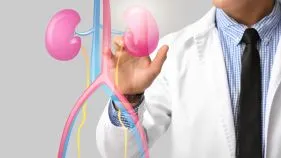
Kidney Dialysis Treatment: Everything You Need to Know About Dialysis for Kidney Failure

Kidney Dialysis Treatment: Everything You Need to Know About Dialysis for Kidney Failure

Introduction

Healthy kidneys are responsible for filtering waste products, removing excess fluids, balancing minerals, and maintaining overall health. When the kidneys lose most of their function due to advanced kidney disease or kidney failure, kidney dialysis treatment becomes an essential life-saving therapy.

Dialysis helps perform many of the functions of healthy kidneys, allowing patients with severe kidney disease to live healthier and more active lives. At Prabhakar Bhurke Clinic, a super specialist nephrologist provides comprehensive kidney disease management, dialysis planning, and long-term care tailored to each patient's individual needs.


What Is Kidney Dialysis Treatment?

Kidney dialysis is a medical procedure that removes waste products, excess water, and toxins from the blood when the kidneys can no longer perform these functions effectively.

Dialysis helps:

  • Remove harmful waste products

  • Eliminate excess fluid

  • Maintain electrolyte balance

  • Help regulate blood pressure

  • Improve symptoms caused by kidney failure

Although dialysis cannot cure chronic kidney disease, it can significantly improve quality of life and support patients while awaiting a kidney transplant or as a long-term treatment.


When Is Kidney Dialysis Needed?

A super specialist nephrologist may recommend dialysis when kidney function declines severely and the body can no longer eliminate waste products effectively.

Common situations include:

  • End-stage kidney disease (ESKD)

  • Advanced chronic kidney disease (CKD)

  • Severe acute kidney injury (AKI)

  • Persistent fluid overload

  • High potassium levels that cannot be controlled medically

  • Severe metabolic acidosis

  • Uremic symptoms such as nausea, confusion, severe itching, or fatigue

The decision to begin dialysis is based on symptoms, laboratory tests, and the patient's overall health rather than on creatinine levels alone.


Types of Kidney Dialysis Treatment

1. Hemodialysis

Hemodialysis is the most commonly used form of dialysis.

During treatment:

  • Blood is removed from the body through a vascular access.

  • A dialysis machine filters the blood using a special filter called a dialyzer.

  • Clean blood is returned to the body.

Most patients receive hemodialysis three times each week, with each session lasting approximately three to five hours.


2. Peritoneal Dialysis

Peritoneal dialysis uses the natural lining of the abdomen (peritoneum) as a filter.

A sterile dialysis solution is introduced into the abdominal cavity through a catheter, where it absorbs waste products and excess fluid before being drained.

Peritoneal dialysis offers greater flexibility and can often be performed at home after appropriate training.


Symptoms That May Indicate the Need for Dialysis

Patients with advanced kidney failure may experience:

  • Persistent fatigue

  • Swelling of the feet, legs, or face

  • Shortness of breath

  • Reduced urine output

  • Persistent nausea and vomiting

  • Loss of appetite

  • Severe itching

  • Difficulty concentrating

  • Muscle cramps

  • High blood pressure

  • Sleep disturbances

These symptoms should be evaluated promptly by a kidney specialist.


How Is Kidney Failure Diagnosed?

At Prabhakar Bhurke Clinic, a super specialist nephrologist may recommend:

  • Serum creatinine

  • Estimated Glomerular Filtration Rate (eGFR)

  • Blood urea nitrogen (BUN)

  • Electrolyte testing

  • Urine analysis

  • Urine protein testing

  • Kidney ultrasound

  • Blood pressure evaluation

These investigations help determine the severity of kidney disease and whether dialysis is required.


Benefits of Kidney Dialysis Treatment

Regular dialysis offers several important benefits:

  • Removes harmful toxins from the bloodstream

  • Controls excess body fluid

  • Improves breathing by reducing fluid overload

  • Corrects electrolyte imbalances

  • Reduces swelling

  • Improves appetite and energy levels

  • Enhances overall quality of life

  • Helps patients remain active and productive


Possible Risks and Side Effects

Although dialysis is generally safe, some patients may experience:

  • Low blood pressure during treatment

  • Muscle cramps

  • Fatigue after dialysis

  • Headache

  • Nausea

  • Infection of the dialysis access site

  • Blood clot formation in the access

Regular monitoring helps minimize these risks.


Living Well While on Dialysis

Many patients lead fulfilling lives while receiving dialysis by following these recommendations:

  • Attend every scheduled dialysis session

  • Take prescribed medications regularly

  • Follow a kidney-friendly diet

  • Limit salt intake

  • Monitor fluid intake as advised

  • Maintain healthy blood sugar and blood pressure

  • Stay physically active with your doctor's guidance

  • Keep regular follow-up appointments

Consistent medical care plays a key role in maintaining good health.


Can Dialysis Cure Kidney Disease?

Dialysis does not cure chronic kidney disease. Instead, it replaces many of the kidneys' essential functions when they can no longer work adequately.

Some patients with acute kidney injury recover enough kidney function to stop dialysis. However, patients with permanent kidney failure usually require long-term dialysis or kidney transplantation.


Kidney Transplant as an Alternative

For eligible patients with end-stage kidney disease, kidney transplantation may offer a better long-term solution than lifelong dialysis.

A super specialist nephrologist can evaluate whether transplantation is an appropriate option and guide patients through the transplant evaluation process.


Why Choose Prabhakar Bhurke Clinic?

Patients trust Prabhakar Bhurke Clinic because of:

  • Care by a super specialist nephrologist

  • Expertise in chronic kidney disease and kidney failure management

  • Comprehensive dialysis planning

  • Personalized treatment strategies

  • Advanced kidney function evaluation

  • Long-term follow-up and patient education

  • Compassionate, patient-centered care


Conclusion

Kidney dialysis treatment is a life-saving therapy for patients with advanced kidney disease and kidney failure. Early diagnosis, proper dialysis planning, lifestyle modifications, and regular medical follow-up can significantly improve both survival and quality of life.

At Prabhakar Bhurke Clinic, a super specialist nephrologist provides expert diagnosis, individualized dialysis care, and comprehensive kidney disease management to help patients achieve the best possible outcomes while preserving their overall health.


Book an Appointment Today

If you or a loved one has chronic kidney disease, declining kidney function, or symptoms of kidney failure, schedule a consultation at Prabhakar Bhurke Clinic. Our super specialist nephrologist will evaluate your condition, explain your treatment options, and develop a personalized kidney dialysis plan to support your long-term health and well-being.

Robotic Kidney Transplant: Benefits, Procedure, Recovery, and Expert Kidney Care

Robotic Kidney Transplant: Benefits, Procedure, Recovery, and Expert Kidney Care

Introduction

Kidney transplantation is considered the most effective long-term treatment for many patients with end-stage kidney disease (ESKD). Advances in surgical technology have introduced robotic kidney transplant, a minimally invasive surgical technique that offers selected patients the potential benefits of smaller incisions, greater surgical precision, and faster recovery compared with traditional open surgery.

Although robotic kidney transplantation is available only at specialized transplant centers and may not be suitable for every patient, it represents an important advancement in kidney transplant surgery.

At Prabhakar Bhurke Clinic, a super specialist nephrologist provides comprehensive evaluation, transplant readiness assessment, pre- and post-transplant care, and long-term management for patients with advanced kidney disease. When appropriate, patients can also be guided and referred to specialized transplant centers for robotic or conventional kidney transplantation.


What Is a Robotic Kidney Transplant?

A robotic kidney transplant is a procedure in which the transplant surgeon uses a robotic-assisted surgical system to implant a healthy donor kidney through small incisions.

The robotic platform provides:

  • High-definition 3D visualization

  • Enhanced precision and dexterity

  • Better control during delicate surgical steps

  • Improved access in selected patients

It is important to understand that the surgeon performs every part of the operation—the robotic system does not make decisions or operate independently.


Who May Benefit from a Robotic Kidney Transplant?

A robotic kidney transplant may be considered for carefully selected patients with:

  • End-stage chronic kidney disease

  • Kidney failure requiring dialysis

  • Suitable living or deceased donor kidneys

  • Good overall surgical fitness

Some studies suggest that patients with obesity or those at higher risk of wound complications may particularly benefit from minimally invasive approaches. However, the final decision depends on a detailed evaluation by the transplant team.


Conditions That May Lead to Kidney Transplant

A kidney transplant may be recommended for patients with:

  • Chronic kidney disease (CKD)

  • Diabetic kidney disease

  • Hypertensive kidney disease

  • Polycystic kidney disease

  • Chronic glomerulonephritis

  • Congenital kidney disorders

  • End-stage kidney failure

When kidney function declines permanently, transplantation often offers better long-term outcomes than lifelong dialysis for eligible patients.


Advantages of Robotic Kidney Transplant

Compared with conventional open surgery, robotic-assisted transplantation may offer:

  • Smaller surgical incisions

  • Reduced blood loss

  • Less postoperative pain

  • Lower risk of wound-related complications in selected patients

  • Shorter hospital stay in many cases

  • Faster recovery and return to daily activities

  • Improved cosmetic results

The benefits vary depending on the patient's overall health and surgical complexity.


Pre-Transplant Evaluation

Before transplantation, patients undergo a comprehensive assessment that may include:

  • Medical history and physical examination

  • Blood tests

  • Kidney function tests

  • Blood group and tissue matching

  • Infection screening

  • Cardiac evaluation

  • Imaging studies

  • Psychological and nutritional assessment

The donor also undergoes a detailed medical evaluation to ensure safe donation.


The Robotic Kidney Transplant Procedure

The procedure generally involves:

  1. Administration of general anesthesia.

  2. Small abdominal incisions for robotic instruments.

  3. Removal of the donor kidney from cold preservation.

  4. Precise placement of the donor kidney into the recipient.

  5. Connection of the kidney's blood vessels to the recipient's blood vessels.

  6. Connection of the ureter to the urinary bladder.

  7. Careful monitoring to ensure immediate blood flow to the transplanted kidney.

The diseased native kidneys are usually left in place unless there is a specific medical reason to remove them.


Recovery After Robotic Kidney Transplant

Recovery varies from patient to patient.

After surgery, patients generally require:

  • Close monitoring in the hospital

  • Regular kidney function tests

  • Immunosuppressive medications

  • Blood pressure management

  • Infection prevention measures

  • Routine follow-up visits

Many patients gradually return to normal daily activities over several weeks, depending on their recovery and overall health.


Life After Kidney Transplant

A successful kidney transplant can significantly improve quality of life.

Patients should:

  • Take immunosuppressive medicines exactly as prescribed

  • Attend regular follow-up appointments

  • Maintain good hydration

  • Follow a healthy diet

  • Exercise regularly after medical clearance

  • Avoid smoking and excessive alcohol

  • Report fever or signs of infection immediately

Long-term follow-up is essential to maintain the health of the transplanted kidney.


Is Robotic Kidney Transplant Suitable for Everyone?

No. While robotic kidney transplantation offers many potential advantages, it is not appropriate for every patient.

Eligibility depends on:

  • Overall health

  • Body structure

  • Previous abdominal surgeries

  • Donor characteristics

  • Availability of specialized robotic transplant facilities

  • The transplant surgeon's assessment

Some patients may achieve equally excellent outcomes with conventional open kidney transplantation.


Why Choose Prabhakar Bhurke Clinic?

Patients choose Prabhakar Bhurke Clinic because of:

  • Care by a super specialist nephrologist

  • Expertise in advanced chronic kidney disease management

  • Comprehensive transplant evaluation and counseling

  • Pre- and post-kidney transplant care

  • Personalized dialysis and kidney preservation strategies

  • Coordination with specialized transplant centers when required

  • Compassionate, patient-focused treatment


Conclusion

A robotic kidney transplant is an advanced surgical option that offers minimally invasive treatment for selected patients with end-stage kidney disease. Although not suitable for everyone, it can provide important benefits such as smaller incisions, quicker recovery, and reduced wound-related complications in carefully chosen cases.

At Prabhakar Bhurke Clinic, a super specialist nephrologist provides expert evaluation, transplant counseling, long-term kidney disease management, and comprehensive post-transplant care. Patients receive personalized guidance to determine the most appropriate treatment, whether that involves dialysis, conventional kidney transplantation, or referral for robotic transplant surgery at a specialized center.


Book an Appointment Today

If you have advanced chronic kidney disease, are undergoing dialysis, or would like to explore your kidney transplant options, schedule a consultation at Prabhakar Bhurke Clinic. Our super specialist nephrologist will assess your condition, explain available treatment options, and help you plan the best path toward improved kidney health and quality of life.

Taking Care of Kidneys: Essential Tips for Lifelong Kidney Health

Taking Care of Kidneys: Essential Tips for Lifelong Kidney Health

Introduction

Your kidneys play a vital role in keeping your body healthy. They filter waste products, remove excess fluids, balance electrolytes, regulate blood pressure, and support the production of red blood cells. Since kidney disease often develops silently without noticeable symptoms, taking care of kidneys should be a priority for everyone.

Healthy lifestyle habits, regular medical check-ups, and early management of underlying health conditions can significantly reduce the risk of kidney disease. At Prabhakar Bhurke Clinic, a super specialist nephrologist provides expert guidance, preventive care, and advanced treatment to help patients maintain healthy kidneys throughout their lives.


Why Are Healthy Kidneys Important?

Healthy kidneys perform several essential functions, including:

  • Filtering waste products from the blood

  • Removing excess water through urine

  • Maintaining electrolyte balance

  • Regulating blood pressure

  • Supporting healthy bones through vitamin D activation

  • Producing hormones that help prevent anemia

When kidney function declines, waste products accumulate in the body, increasing the risk of serious health complications.


Who Is at Risk of Kidney Disease?

Anyone can develop kidney disease, but the risk is higher in people with:

  • Diabetes

  • High blood pressure

  • Obesity

  • Heart disease

  • A family history of kidney disease

  • Recurrent kidney stones

  • Frequent urinary tract infections

  • Older age

  • Smoking habits

Individuals with these risk factors should have regular kidney function assessments.


Top Tips for Taking Care of Kidneys

1. Stay Well Hydrated

Drinking enough water helps the kidneys remove waste products and supports normal urinary function.

The amount of water needed varies depending on age, activity level, weather, and medical conditions. Your doctor can recommend the right fluid intake for you.


2. Control Blood Pressure

High blood pressure is one of the leading causes of chronic kidney disease.

To maintain healthy blood pressure:

  • Reduce salt intake

  • Exercise regularly

  • Take prescribed medications

  • Monitor blood pressure routinely


3. Manage Diabetes Effectively

High blood sugar can damage the tiny blood vessels in the kidneys over time.

Proper diabetes management includes:

  • Regular blood sugar monitoring

  • Following a balanced diet

  • Taking medications as prescribed

  • Routine kidney function testing


4. Eat a Kidney-Friendly Diet

A healthy diet supports overall kidney function.

Include:

  • Fresh fruits and vegetables

  • Whole grains

  • Healthy fats

  • Lean protein in appropriate amounts

Limit:

  • Processed foods

  • Excessive salt

  • Sugary beverages

  • Highly processed snacks

If you already have kidney disease, your nephrologist or renal dietitian may recommend additional dietary modifications.


5. Exercise Regularly

Physical activity helps:

  • Maintain a healthy weight

  • Improve blood pressure

  • Enhance blood sugar control

  • Reduce the risk of cardiovascular disease

Aim for at least 150 minutes of moderate exercise each week, unless advised otherwise by your doctor.


6. Avoid Smoking and Excessive Alcohol

Smoking reduces blood flow to the kidneys and increases the risk of chronic kidney disease.

Excessive alcohol consumption can contribute to dehydration, high blood pressure, and other conditions that affect kidney health.

Quitting smoking and limiting alcohol intake can help protect your kidneys.


7. Use Medications Responsibly

Frequent or prolonged use of certain pain-relieving medications, especially nonsteroidal anti-inflammatory drugs (NSAIDs), may damage the kidneys.

Always:

  • Take medicines only as prescribed

  • Avoid self-medication

  • Inform your doctor about all medications and supplements you use


8. Maintain a Healthy Weight

Being overweight increases the risk of diabetes, hypertension, and kidney disease.

Healthy eating and regular physical activity are key to maintaining an ideal body weight.


9. Do Not Ignore Urinary Symptoms

Consult a doctor promptly if you experience:

  • Blood in the urine

  • Burning during urination

  • Frequent urinary tract infections

  • Persistent flank pain

  • Difficulty passing urine

Early diagnosis can prevent long-term kidney damage.


10. Get Regular Kidney Check-Ups

Routine kidney health screening is especially important for people with diabetes, hypertension, or a family history of kidney disease.

Your nephrologist may recommend:

  • Serum creatinine

  • Estimated Glomerular Filtration Rate (eGFR)

  • Urine analysis

  • Urine protein tests

  • Blood pressure monitoring

  • Kidney ultrasound when necessary

Regular screening helps detect kidney disease before symptoms develop.


Warning Signs of Kidney Disease

Many kidney diseases progress silently, but possible warning signs include:

  • Swelling of the feet, ankles, or face

  • Persistent fatigue

  • Reduced urine output

  • Foamy urine

  • Blood in the urine

  • Persistent itching

  • Loss of appetite

  • High blood pressure

  • Shortness of breath

If you notice any of these symptoms, seek medical evaluation without delay.


Why Choose Prabhakar Bhurke Clinic?

Patients trust Prabhakar Bhurke Clinic because of:

  • Care by a super specialist nephrologist

  • Expertise in preventing and managing kidney diseases

  • Comprehensive kidney function assessment

  • Personalized treatment plans

  • Advanced care for chronic kidney disease, kidney stones, and hypertension

  • Compassionate, patient-centered approach


Conclusion

Taking care of kidneys is one of the best investments you can make for your long-term health. Simple lifestyle choices such as staying hydrated, eating a balanced diet, controlling blood pressure and diabetes, exercising regularly, and undergoing routine kidney check-ups can significantly reduce the risk of kidney disease.

At Prabhakar Bhurke Clinic, a super specialist nephrologist is committed to helping patients protect their kidney health through preventive care, early diagnosis, and advanced treatment. Whether you are at risk of kidney disease or already have a kidney condition, expert guidance can help you maintain healthy kidney function and improve your quality of life.


Book an Appointment Today

If you have diabetes, high blood pressure, a family history of kidney disease, or symptoms affecting your urinary health, schedule a consultation at Prabhakar Bhurke Clinic. Our super specialist nephrologist will evaluate your kidney function, provide personalized advice, and help you take the right steps toward lifelong kidney health.

Taking Care of Kidneys: Essential Tips for Lifelong Kidney Health

Flush Therapy for Kidney Stone: Does It Work and When Is It Recommended?

Introduction

Kidney stones are a common urinary tract condition that can cause severe pain, blood in the urine, and difficulty passing urine. Many people search for flush therapy for kidney stone, hoping that drinking large amounts of water or using medications can help remove the stone naturally. While flush therapy may help some small stones pass, it is not suitable for every patient. Larger stones or stones causing obstruction, infection, or severe pain often require specialized treatment.

At Prabhakar Bhurke Clinic, a super specialist nephrologist provides accurate diagnosis and personalized treatment for kidney stones, helping patients receive the safest and most effective care based on their condition.


What Is Flush Therapy for Kidney Stone?

Flush therapy refers to conservative management aimed at helping a kidney stone pass naturally through the urinary tract. It usually involves:

  • Drinking adequate amounts of water (as advised by your doctor)

  • Taking prescribed medications to relax the ureter

  • Using pain-relieving medicines when needed

  • Monitoring the stone with follow-up imaging

The goal is to encourage the stone to move through the urinary tract without surgery.


When Can Flush Therapy Be Effective?

Flush therapy may be recommended for patients who have:

  • Small kidney stones, usually less than 5–6 mm

  • Mild or manageable symptoms

  • No signs of urinary tract infection

  • No complete urinary blockage

  • Normal kidney function

  • Stable overall health

Your nephrologist will determine whether conservative management is appropriate based on imaging and clinical evaluation.


When Is Flush Therapy Not Recommended?

Flush therapy may not be appropriate if you have:

  • Large kidney stones

  • Persistent or severe pain

  • Fever or signs of kidney infection

  • Complete urinary obstruction

  • Declining kidney function

  • Recurrent vomiting or dehydration

  • Stones that fail to pass after a reasonable period

In these situations, early intervention is important to prevent kidney damage and other complications.


Symptoms of Kidney Stones

Common symptoms include:

  • Severe pain in the side or back

  • Pain radiating to the lower abdomen or groin

  • Blood in the urine

  • Burning sensation while urinating

  • Frequent urge to urinate

  • Nausea and vomiting

  • Fever and chills if infection is present

If these symptoms occur, prompt medical evaluation is essential.


How Are Kidney Stones Diagnosed?

At Prabhakar Bhurke Clinic, a super specialist nephrologist may recommend:

  • Medical history and physical examination

  • Urine analysis

  • Blood tests

  • Kidney function tests

  • Ultrasound of the kidneys and urinary tract

  • CT scan for accurate stone size and location

These tests help determine whether flush therapy or another treatment option is most appropriate.


Additional Treatment Options for Kidney Stones

If flush therapy is unlikely to be successful, your doctor may recommend minimally invasive procedures such as:

Extracorporeal Shock Wave Lithotripsy (ESWL)

Focused shock waves break the stone into small fragments that can pass naturally through the urine.

Ureteroscopy (URS) with Laser Lithotripsy

A thin endoscope is passed through the urinary tract, and a laser is used to break the stone into smaller pieces for removal or natural passage.

Percutaneous Nephrolithotomy (PCNL)

This procedure is recommended for large or complex kidney stones that cannot be treated with ESWL or URS.

The treatment choice depends on the stone's size, location, composition, and the patient's overall health.


Tips to Help Prevent Kidney Stones

To reduce the risk of future stones:

  • Drink enough water every day unless your doctor advises otherwise

  • Limit excess salt intake

  • Eat a balanced diet rich in fruits and vegetables

  • Avoid excessive intake of animal protein

  • Maintain a healthy weight

  • Follow dietary recommendations based on your stone type

  • Have regular follow-up if you have recurrent kidney stones

Preventive care is an important part of long-term kidney health.


Can Flush Therapy Dissolve Kidney Stones?

Flush therapy does not dissolve kidney stones. Instead, it helps support the natural passage of certain small stones through adequate hydration and medications when appropriate.

Some stones, especially larger or harder stones, cannot pass on their own and require advanced treatment.


Why Choose Prabhakar Bhurke Clinic?

Patients choose Prabhakar Bhurke Clinic because of:

  • Treatment by a super specialist nephrologist

  • Expertise in diagnosing and managing kidney stones

  • Advanced imaging and kidney function evaluation

  • Personalized treatment plans

  • Access to modern minimally invasive stone treatment options

  • Focus on preventing stone recurrence and protecting kidney health


Conclusion

Flush therapy for kidney stone may be an effective option for selected patients with small, uncomplicated stones. However, it is not suitable for everyone. Proper diagnosis is essential to determine whether conservative management is safe or if advanced treatment is required. Delaying treatment for large or obstructing stones can lead to infection, kidney damage, and other serious complications.

At Prabhakar Bhurke Clinic, a super specialist nephrologist offers comprehensive evaluation and individualized treatment plans to ensure safe, effective kidney stone management and long-term kidney health.


Book an Appointment Today

If you are experiencing symptoms of a kidney stone or have been advised to consider flush therapy for kidney stone, visit Prabhakar Bhurke Clinic for expert consultation. Our super specialist nephrologist will assess your condition and recommend the most appropriate treatment to relieve symptoms, prevent complications, and protect your kidney function.

Severe Renal Impairment: Causes, Symptoms, Diagnosis, and Treatment

Severe Renal Impairment: Causes, Symptoms, Diagnosis, and Treatment

Introduction

Severe renal impairment is a serious condition in which the kidneys have lost a significant portion of their ability to filter waste products, regulate fluid balance, and maintain essential body functions. It is often seen in the advanced stages of chronic kidney disease (CKD) or as a result of severe acute kidney injury. Without timely diagnosis and treatment, severe renal impairment can lead to life-threatening complications.

At Prabhakar Bhurke Clinic, a super specialist nephrologist provides comprehensive evaluation, advanced diagnostic services, and personalized treatment plans to help patients manage severe kidney disease and improve their quality of life.


What Is Severe Renal Impairment?

Renal impairment refers to reduced kidney function. When the kidneys lose most of their filtering capacity, the condition is considered severe.

In severe renal impairment, the kidneys are unable to:

  • Remove waste products effectively

  • Eliminate excess fluids

  • Maintain electrolyte balance

  • Regulate blood pressure

  • Support healthy red blood cell production

  • Maintain bone and mineral health

Without appropriate treatment, the condition may progress to end-stage kidney disease (ESKD), where dialysis or kidney transplantation may become necessary.


Common Causes of Severe Renal Impairment

Several medical conditions can lead to severe kidney dysfunction, including:

  • Chronic kidney disease (CKD)

  • Diabetes mellitus

  • High blood pressure (hypertension)

  • Glomerulonephritis

  • Polycystic kidney disease

  • Recurrent kidney infections

  • Urinary tract obstruction

  • Autoimmune kidney diseases

  • Acute kidney injury

  • Long-term use of certain medications that affect kidney function

Early diagnosis and management of these conditions can help slow disease progression.


Symptoms of Severe Renal Impairment

As kidney function declines, patients may experience:

  • Persistent fatigue and weakness

  • Swelling of the legs, ankles, feet, or face

  • Decreased urine output

  • Foamy or bloody urine

  • Shortness of breath

  • Persistent nausea and vomiting

  • Loss of appetite

  • Muscle cramps

  • Severe itching

  • Difficulty concentrating

  • Sleep disturbances

  • High blood pressure that is difficult to control

Some patients may have very few symptoms until kidney function becomes significantly reduced, making regular health check-ups important for those at risk.


Complications of Severe Renal Impairment

If left untreated, severe renal impairment can lead to:

  • Fluid overload

  • Hyperkalemia (high potassium levels)

  • Metabolic acidosis

  • Severe anemia

  • Bone mineral disorders

  • Cardiovascular disease

  • Uremia (buildup of waste products in the blood)

  • Kidney failure requiring dialysis

Prompt treatment can help reduce the risk of these complications.


How Is Severe Renal Impairment Diagnosed?

A super specialist nephrologist will evaluate kidney function using several tests, including:

  • Serum creatinine

  • Estimated Glomerular Filtration Rate (eGFR)

  • Blood urea nitrogen (BUN)

  • Electrolyte profile

  • Urine analysis

  • Urine protein testing

  • Kidney ultrasound

  • Blood pressure assessment

In selected cases, additional investigations or a kidney biopsy may be recommended to determine the underlying cause.


Treatment for Severe Renal Impairment

Treatment depends on the cause, severity, and overall health of the patient.

1. Treating the Underlying Cause

Management may include:

  • Controlling diabetes

  • Managing high blood pressure

  • Treating kidney infections

  • Relieving urinary obstruction

  • Managing autoimmune kidney diseases

Addressing the underlying condition helps slow further kidney damage.


2. Medications

Your doctor may prescribe medications to:

  • Control blood pressure

  • Reduce protein loss in urine

  • Correct anemia

  • Balance electrolytes

  • Manage bone and mineral disorders

  • Reduce swelling caused by fluid retention

Medication plans are individualized based on the patient's condition.


3. Kidney-Friendly Diet

Dietary recommendations often include:

  • Limiting salt intake

  • Monitoring protein consumption

  • Controlling potassium and phosphorus intake

  • Managing fluid intake as advised

  • Choosing nutritious, kidney-friendly foods

A renal dietitian can provide personalized dietary guidance.


4. Dialysis

If kidney function becomes critically low or complications cannot be controlled with medication, dialysis may be recommended.

Two main types include:

  • Hemodialysis, which filters blood using a dialysis machine

  • Peritoneal dialysis, which uses the lining of the abdomen to remove waste and excess fluid

The most appropriate option depends on the patient's medical condition and lifestyle.


5. Kidney Transplant

For suitable patients with end-stage kidney disease, kidney transplantation may provide the best long-term treatment and improve quality of life.


Can Severe Renal Impairment Be Reversed?

If severe renal impairment is caused by a reversible condition such as dehydration, certain infections, or acute kidney injury, kidney function may improve with prompt treatment.

However, kidney damage caused by advanced chronic kidney disease is generally irreversible. In these cases, treatment focuses on slowing disease progression, managing symptoms, and preventing complications.


How to Protect Kidney Function

To help preserve kidney health:

  • Control blood pressure and blood sugar levels

  • Drink adequate fluids unless otherwise advised

  • Avoid smoking and excessive alcohol consumption

  • Maintain a healthy body weight

  • Exercise regularly

  • Avoid unnecessary use of pain-relieving medications

  • Attend regular kidney function check-ups if you have risk factors

Early intervention plays a key role in preventing further kidney damage.


Why Choose Prabhakar Bhurke Clinic?

Patients trust Prabhakar Bhurke Clinic because of:

  • Care by a super specialist nephrologist

  • Expertise in managing advanced kidney disease

  • Comprehensive kidney function assessment

  • Personalized treatment plans

  • Advanced dialysis guidance and long-term monitoring

  • Compassionate, patient-centered care


Conclusion

Severe renal impairment is a serious medical condition that requires prompt diagnosis and specialized treatment. Although advanced kidney damage cannot always be reversed, early intervention, proper medical management, lifestyle modifications, and regular follow-up can significantly slow disease progression and improve quality of life.

At Prabhakar Bhurke Clinic, a super specialist nephrologist offers expert evaluation and comprehensive care for patients with severe kidney disease, helping them achieve the best possible health outcomes.


Book an Appointment Today

If you have been diagnosed with severe renal impairment, have abnormal kidney function tests, or are experiencing symptoms such as swelling, persistent fatigue, or reduced urine output, schedule a consultation at Prabhakar Bhurke Clinic. Our super specialist nephrologist will provide a detailed evaluation and develop a personalized treatment plan to help protect your kidney function and overall health.

Shockwave Therapy for Kidney Stones: Procedure, Benefits, Recovery, and Expert Care

Shockwave Therapy for Kidney Stones: Procedure, Benefits, Recovery, and Expert Care

Introduction

Kidney stones are a common urological condition that can cause severe pain, blood in the urine, urinary blockage, and recurrent infections. Fortunately, many kidney stones can be treated without major surgery using shockwave therapy for kidney stones, also known as Extracorporeal Shock Wave Lithotripsy (ESWL). This minimally invasive procedure uses high-energy shock waves to break stones into smaller fragments, allowing them to pass naturally through the urinary tract.

At Prabhakar Bhurke Clinic, a super specialist nephrologist provides expert evaluation and personalized treatment for kidney stones, helping patients choose the most suitable treatment based on the stone's size, location, and overall kidney health.


What Is Shockwave Therapy for Kidney Stones?

Shockwave therapy, or Extracorporeal Shock Wave Lithotripsy (ESWL), is a non-invasive treatment that uses focused sound waves to break kidney or upper ureteric stones into tiny pieces. These fragments are then passed naturally through the urine over the following days or weeks.

Since no surgical incision is required, ESWL is one of the least invasive treatment options for selected patients.


Who Is a Good Candidate for ESWL?

A super specialist nephrologist may recommend shockwave therapy for patients with:

  • Small to medium-sized kidney stones

  • Selected upper ureteric stones

  • Stones causing pain or recurrent urinary symptoms

  • Stones that are unlikely to pass naturally

  • Patients who prefer a non-surgical treatment option

However, ESWL may not be suitable for every patient. The decision depends on the stone's size, location, density, and the patient's overall health.


Symptoms of Kidney Stones

Common symptoms include:

  • Severe pain in the back or side

  • Pain radiating toward the groin

  • Blood in the urine

  • Burning sensation during urination

  • Frequent urination

  • Nausea and vomiting

  • Fever and chills if an infection is present

Patients experiencing these symptoms should seek prompt medical evaluation.


How Is ESWL Performed?

The procedure generally includes the following steps:

1. Evaluation Before Treatment

Your doctor may recommend:

  • Kidney ultrasound

  • CT scan

  • Blood tests

  • Urine analysis

  • Kidney function tests

These investigations help determine whether ESWL is the appropriate treatment.


2. During the Procedure

  • The patient lies comfortably on the treatment table.

  • Shock waves are directed toward the kidney stone using imaging guidance.

  • The focused energy gradually breaks the stone into small fragments.

  • The procedure usually takes 30 to 60 minutes, depending on the stone.

Some patients may receive pain relief medication or light sedation to improve comfort.


3. After the Procedure

Over the next several days or weeks:

  • Stone fragments pass naturally through the urine.

  • Drinking adequate water helps facilitate stone passage.

  • Follow-up imaging may be recommended to confirm complete stone clearance.


Benefits of Shockwave Therapy for Kidney Stones

ESWL offers several advantages:

  • No surgical incision

  • Minimally invasive treatment

  • Short procedure time

  • Minimal hospital stay or outpatient treatment

  • Faster recovery compared to open surgery

  • Reduced postoperative discomfort

  • Effective for appropriately selected kidney stones


Recovery After ESWL

Most patients recover quickly and can return to normal activities within a day or two.

During recovery, some patients may experience:

  • Mild flank discomfort

  • Blood in the urine for a short period

  • Passage of stone fragments

  • Mild burning during urination

These symptoms usually improve as the stone fragments pass.


Possible Risks and Complications

Although ESWL is generally safe, potential complications include:

  • Incomplete stone fragmentation

  • Temporary blood in the urine

  • Pain while passing stone fragments

  • Urinary tract infection

  • Temporary urinary obstruction by stone fragments

Your nephrologist will discuss these risks before treatment.


How to Prevent Future Kidney Stones

After successful treatment, preventing recurrence is important.

Recommendations include:

  • Drink 2–3 liters of water daily, unless otherwise advised

  • Limit excessive salt intake

  • Maintain a balanced diet

  • Reduce excessive animal protein consumption

  • Maintain a healthy weight

  • Treat metabolic disorders that increase stone risk

  • Attend regular follow-up appointments

Your doctor may also recommend stone analysis and metabolic evaluation to reduce the risk of future stone formation.


Why Choose Prabhakar Bhurke Clinic?

Patients trust Prabhakar Bhurke Clinic because of:

  • Care by a super specialist nephrologist

  • Expertise in kidney stone diagnosis and treatment

  • Personalized evaluation for ESWL and other minimally invasive procedures

  • Comprehensive kidney function assessment

  • Patient-centered care focused on long-term stone prevention

  • Advanced management of chronic kidney diseases


Conclusion

Shockwave therapy for kidney stones (ESWL) is a safe, effective, and minimally invasive treatment for many patients with kidney stones. It provides excellent outcomes with minimal discomfort and a quick recovery when used in appropriately selected cases. Early diagnosis and expert evaluation ensure that patients receive the most suitable treatment based on their individual condition.

At Prabhakar Bhurke Clinic, a super specialist nephrologist offers comprehensive kidney stone care, advanced treatment options, and personalized guidance to help patients recover safely while protecting their long-term kidney health.


Book an Appointment Today

If you have been diagnosed with a kidney stone or are experiencing severe flank pain, blood in the urine, or urinary discomfort, visit Prabhakar Bhurke Clinic for expert consultation. Our super specialist nephrologist will evaluate your condition and recommend whether shockwave therapy for kidney stones (ESWL) or another advanced treatment is the best option for you.